






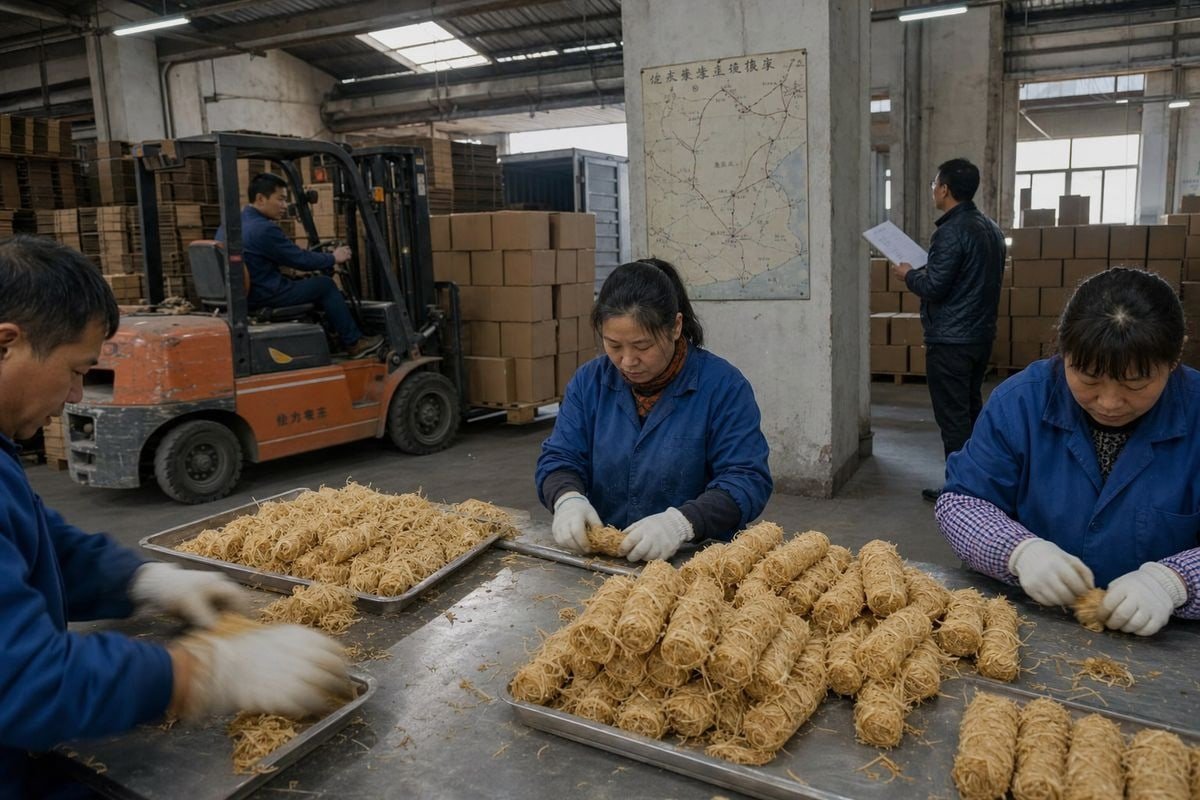
Buyers ask me about China's wood fire starter supply chain almost weekly on our production floor Section 301 tariffs 1. Tariffs confuse them. Capacity claims overwhelm them. One wrong HS code can wipe out an entire season's margin — and I've watched it happen to importers who skipped the homework.
China's wood fire starter supply chain leads globally in capacity, with clustered factories producing hundreds of thousands of units monthly and roughly 61% of export share. Tariffs, however, vary by HS classification and destination — US Section 301 duties and EU Chapter 44 rules can significantly shift landed cost.
So capacity is China's strength, and tariffs are the variable HS Chapter 44 2. Let me walk you through both sides, using what we see every day shipping fire starters to 30+ countries.
What Import Duties and Tariff Classifications Apply to Wood Fire Starters From China?
A German distributor once emailed us in a panic. His customs broker had reclassified his shipment mid-clearance, and his duty bill nearly doubled Section 301 tariffs 3. That day taught our export team a lasting lesson: classification decides cost.
Wood fire starters from China are typically classified under HS Chapter 44 (wood articles) or Chapter 36 (firelighters), depending on composition. US importers may face Section 301 tariffs on top of base duty; EU importers pay Common Customs Tariff rates plus possible anti-dumping duties. Always verify the exact code with a broker.
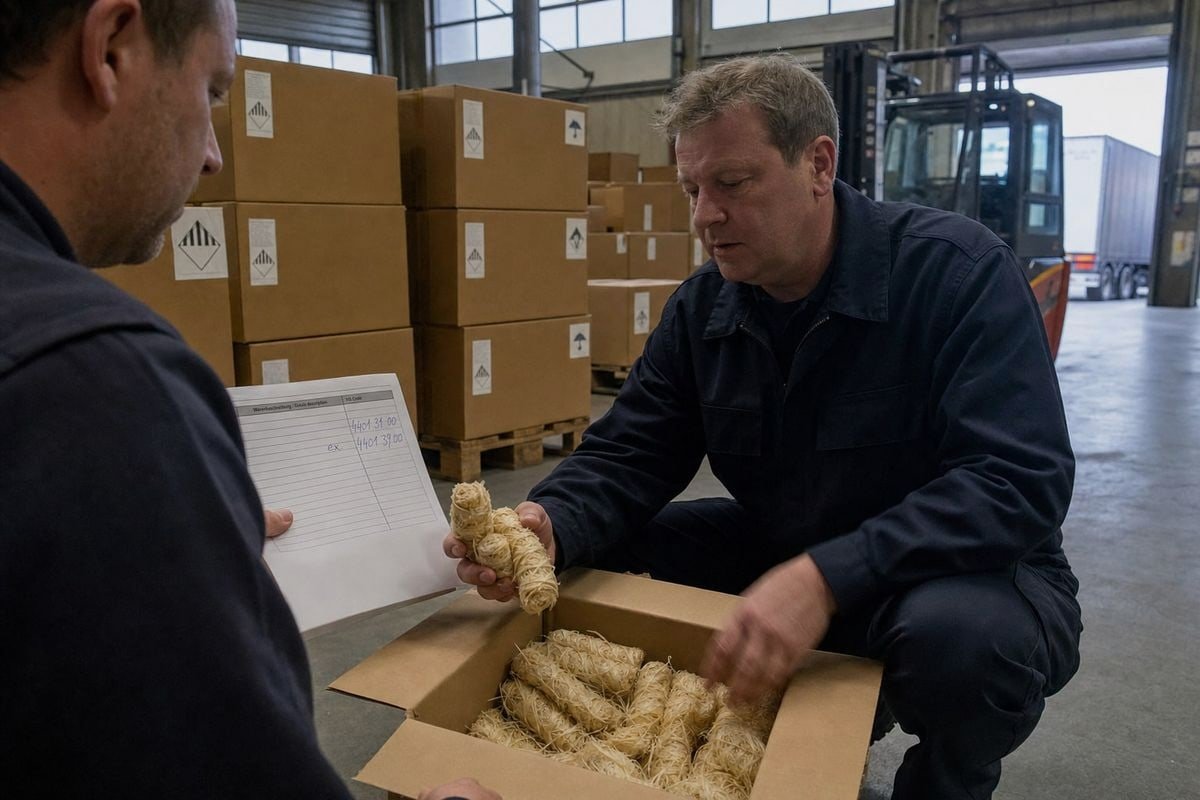
There is no single universal tariff for wood fire starters, and anyone who quotes you one flat number is oversimplifying EU Deforestation Regulation 4. The duty depends on three things: what the product is made of, which customs code applies, and where you are importing it.
Our wax-dipped wood rolls, for example, are 50% wood fiber and 50% paraffin. That mix matters. A pure wood-wool product may fall under Chapter 44 as an article of wood. Once wax or paraffin becomes a defining component, some customs authorities treat the product as a prepared firelighter under Chapter 36. The two paths carry different base rates, and in the US, different exposure to Section 301 additional tariffs on Chinese-origin goods.
The Main Cost Layers to Check
When we prepare export documentation for buyers, we walk them through the full landed-cost stack, not just the duty line:
| Cost Layer | What Drives It | Who Controls It |
|---|---|---|
| Factory price | Materials, labor, order volume | Supplier |
| Inland freight and port handling | Factory location, port congestion | Supplier and forwarder |
| Ocean freight 5 | Lane, season, container availability | Forwarder |
| Base import duty | HS classification, trade agreements | Destination customs |
| Section 301 / anti-dumping duties 6 | Product origin and code (US/EU) | Destination policy |
| VAT / GST | Destination tax rules | Destination government |
Practical Steps Before You Order
- Ask the supplier for the exact HS code they declare on export documents.
- Have your own customs broker confirm the import-side classification. Export and import codes do not always match.
- Request a binding ruling if the product sits between wood and firelighter categories.
- Model landed cost at both possible duty rates before committing to volume.
In our experience exporting to the US, Germany, the UK, and France, buyers who verify classification upfront never face the mid-clearance surprises that hurt the unprepared.
How Does Chinese Manufacturing Capacity Compare to Other Sourcing Regions for My Order Volume?
Seventeen years in this industry has shown me one consistent pattern: when a retailer needs 40-foot containers filled on schedule, the sourcing conversation almost always circles back to China's factory clusters.
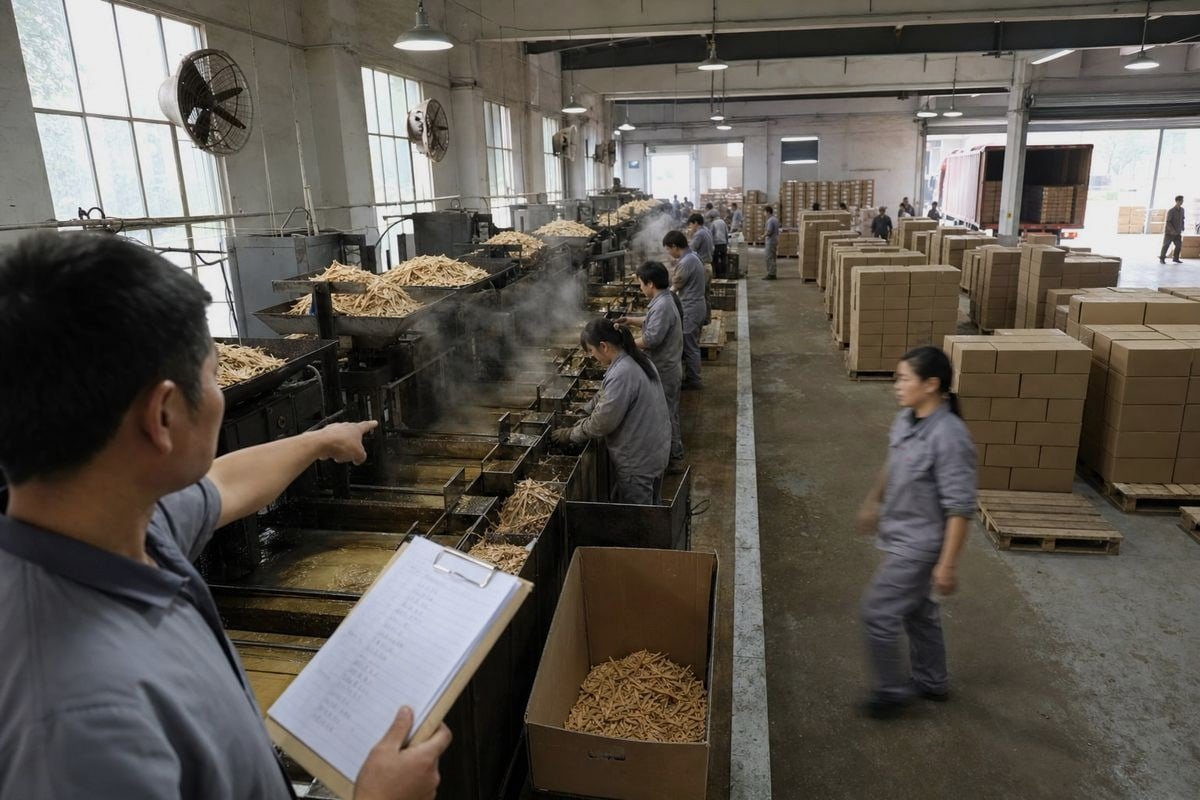
Chinese wood fire starter factories operate at scales other regions rarely match — some list capacities of 500,000 pieces per month, and China holds roughly 61% of global fire starter export share. Vietnam and Eastern Europe offer alternatives, but with thinner supplier depth and less consolidated raw-material chains.
Here is a quick comparison of how the main sourcing regions stack up for a typical B2B order:
| Sourcing Region | Typical Capacity | Unit Cost | MOQ Flexibility | Key Risk |
|---|---|---|---|---|
| China (Zhejiang, Guangdong, Hunan clusters) | Very high; large factories list 500,000 pcs/month | Low | High — trial to container scale | Tariff and classification exposure |
| Vietnam / Cambodia | Growing via "China+1" expansion | Low to medium | Medium | Less mature waste-wood supply chain |
| Eastern Europe | Moderate | Medium | Medium | Fragmented raw-material sourcing |
| US / Western Europe domestic | Low to moderate | High | Low | Limited scale for retail programs |
Why China's Capacity Runs Deep
The capacity story is not just about big machines. It rests on the whole chain behind the factory. China's wood fire starter production draws on an enormous wood-processing ecosystem 7. Sawdust, shavings, and offcuts from sawmills and furniture factories feed directly into fire starter production. This circular use of wood waste gives Chinese producers a raw-material cost advantage that less-consolidated supply chains in Vietnam or Eastern Europe struggle to match.
Our own setup reflects this structure. We are headquartered in Liuyang, Hunan — China's fire-products cluster — with production lines in Ningbo, Zhejiang, close to one of the world's busiest export ports. That geography is typical of how the industry organizes: raw materials, processing, wax-coating, packaging, and port access all sit within an efficient radius.
A Note of Healthy Skepticism
I will be honest about one thing. Online capacity listings are marketing claims, not audited figures. Some suppliers post huge numbers to win inquiries. When buyers visit our Ningbo facility, we show them running lines, batch records, and shipment history — because posted capacity means nothing until you see how it holds up under a real production schedule. Treat listed capacities as indicative, and verify before you rely on them.
Can Chinese Suppliers Meet My Lead Time and Scalability Needs During Peak Season?
Every August, our production schedule in Ningbo fills up fast. Northern Hemisphere winter demand drives the whole industry's calendar, and buyers who book late learn the hard way what peak season means.
Yes — established Chinese suppliers can meet peak-season lead times and scale, but only with early booking. Fire starter demand peaks before Northern Hemisphere winter, so orders placed by late summer secure production slots and vessel space; late orders risk delays from full factories and congested ports.

The lead-time question really breaks into two parts: production time and transit time. Both compress or stretch depending on the season.
The Seasonal Rhythm You Should Plan Around
Fire starter demand in the US and EU peaks in autumn and winter. That means production and export volumes surge in the months before. Here is the planning calendar we walk our distributors through:
| Timeframe | What Happens | What You Should Do |
|---|---|---|
| March – May | Factories have open capacity | Run trial orders, finalize packaging and private-label artwork |
| June – August | Peak-season orders lock in production slots | Confirm main-season volumes and book freight |
| September – October | Factories at full output; ports busy | Ship containers; delays are costly now |
| November – January | Retail sell-through in destination markets | Review performance, plan reorders |
What Genuine Scalability Requires
Scalability is not just spare machines. In our 17+ years running fire-product lines, we have found three things determine whether a supplier can actually flex up during peak months. First, raw-material contracts: wood fiber and paraffin must be secured in advance, or output stalls no matter how many workers you add. Second, batch-to-batch quality control: scaling fast without strict QC produces inconsistent burn times, and inconsistent burn times produce returns. Third, logistics coordination: a finished container that misses its vessel loses one to two weeks instantly.
Ocean freight adds four to six weeks to Europe or North America on top of production time. So a realistic peak-season timeline, from confirmed order to goods on your dock, often runs 8 to 12 weeks. Buyers who treat that as the baseline — not the worst case — rarely face empty shelves in November.
One more practical tip: ask your supplier how they handle trial orders before peak season. We deliberately keep MOQs flexible for first-time buyers in spring, because a small trial run in April tells both sides everything they need to know before committing to autumn containers.
How Do I Verify Compliance and Quality Standards When Comparing Wood Fire Starter Suppliers?
A UK buyer once told me his previous supplier's "certificates" turned out to be borrowed from another factory. His shipment was held, his retail launch slipped a season, and his customer walked. Compliance failures are rarely cheap.
Verify suppliers by requesting current ISO 9001 and BSCI certificates, product-specific SGS or Intertek test reports, and CE documentation where applicable — then confirm certificate numbers with the issuing body. For EU imports, also check readiness for EUDR wood-traceability requirements and correct warning labeling.
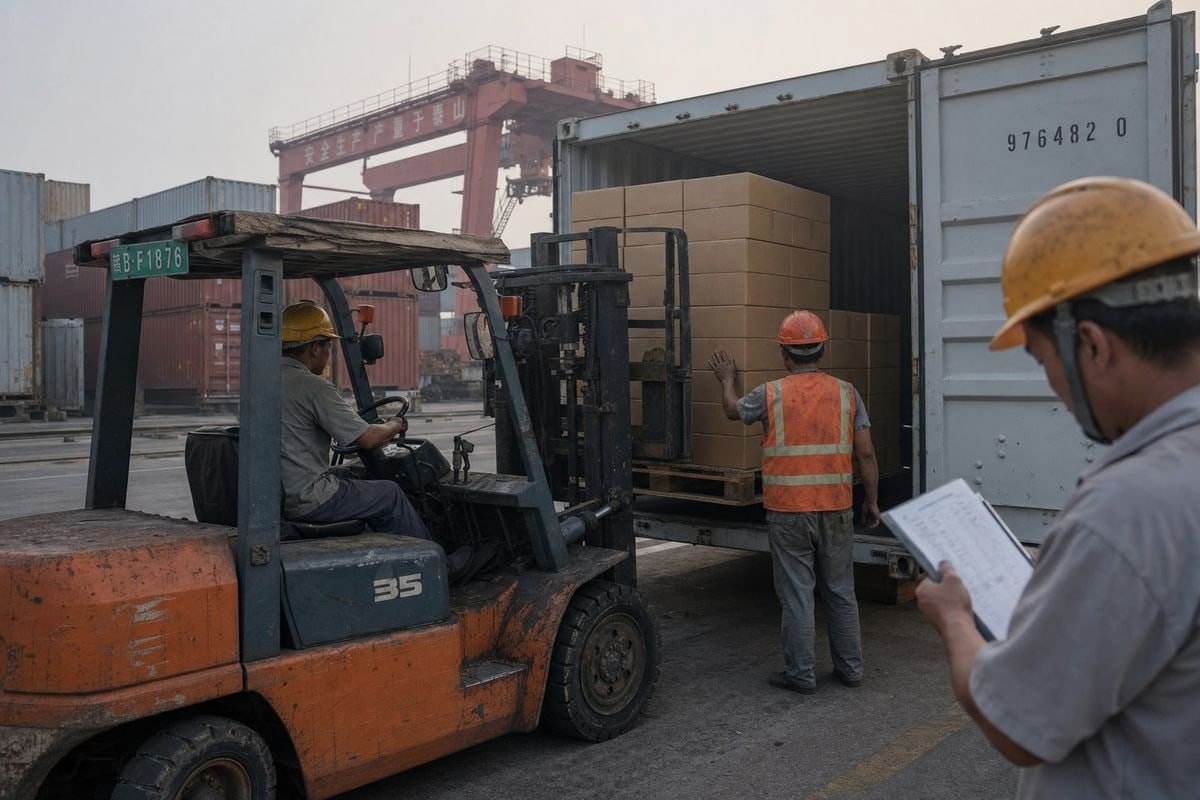
Compliance is where cheap suppliers and reliable suppliers separate fastest. A fire starter is a combustion product going into consumers' homes, fireplaces, and campsites. Retailers know this, and their sourcing teams treat documentation as a hard gate, not a preference. Ours do too — every buyer we serve in the US, Germany, and France asks for test reports before they ask for a second price quote.
The Verification Checklist We Recommend
Work through these steps in order, and do not skip the last one:
- Request the factory's quality-system certificates — ISO 9001 for quality management, BSCI for social compliance.
- Ask for product-specific test reports from recognized labs such as SGS or Intertek, not just factory self-declarations.
- Check that the reports match the actual product — same composition, same burn specification, recent issue date.
- Confirm certificate numbers directly with the issuing body. Fraudulent or borrowed certificates exist in this industry.
- Order a sample and compare it against the mass-production batch later. A serious factory's first sample reliably reflects bulk quality; a weak one's does not.
The Compliance Items Buyers Most Often Miss
Two areas trip up importers who focus only on certificates. The first is labeling: warning labels, barcodes, and language requirements differ by market, and retail chains reject shipments over missing warnings. We build custom warning labels and barcodes into packaging at the design stage for exactly this reason. The second is the EU Deforestation Regulation 8. EUDR introduces traceability and documentation requirements for wood-based imports into Europe. It is an emerging compliance cost that many tariff comparisons ignore, and suppliers without wood-source documentation will struggle to support EU buyers as enforcement tightens.
Eco-friendly composition matters too. Buyers increasingly ask what is actually in the product. Our fire starters use wood fiber and wax with no harmful chemicals, and we back that claim with lab reports — because in this category, "trust me" is not a compliance strategy.
Conclusion
Sourcing fire starters blind risks tariff shocks, missed seasons, and rejected shipments. China's wood fire starter supply chain offers unmatched capacity — but only verified classification, early booking, and certified suppliers protect your margin. Having shipped compliant, private-label fire products to 30+ countries for 17+ years, we know the difference a prepared partner makes. Verify first, then scale.
Footnotes
1. Explains legal basis of US tariffs referenced repeatedly in article ↩︎
2. Official reference for Harmonized System classification chapters discussed ↩︎
3. Authoritative source explaining US Section 301 tariff mechanism on Chinese imports. ↩︎
4. Official EU source detailing EUDR wood-traceability requirements referenced in article. ↩︎
5. Background on shipping method affecting lead times discussed in article ↩︎
6. WTO expl



 English
  Spanish
  German
  French
  Arabic
  Portuguese
Join the Conversation