






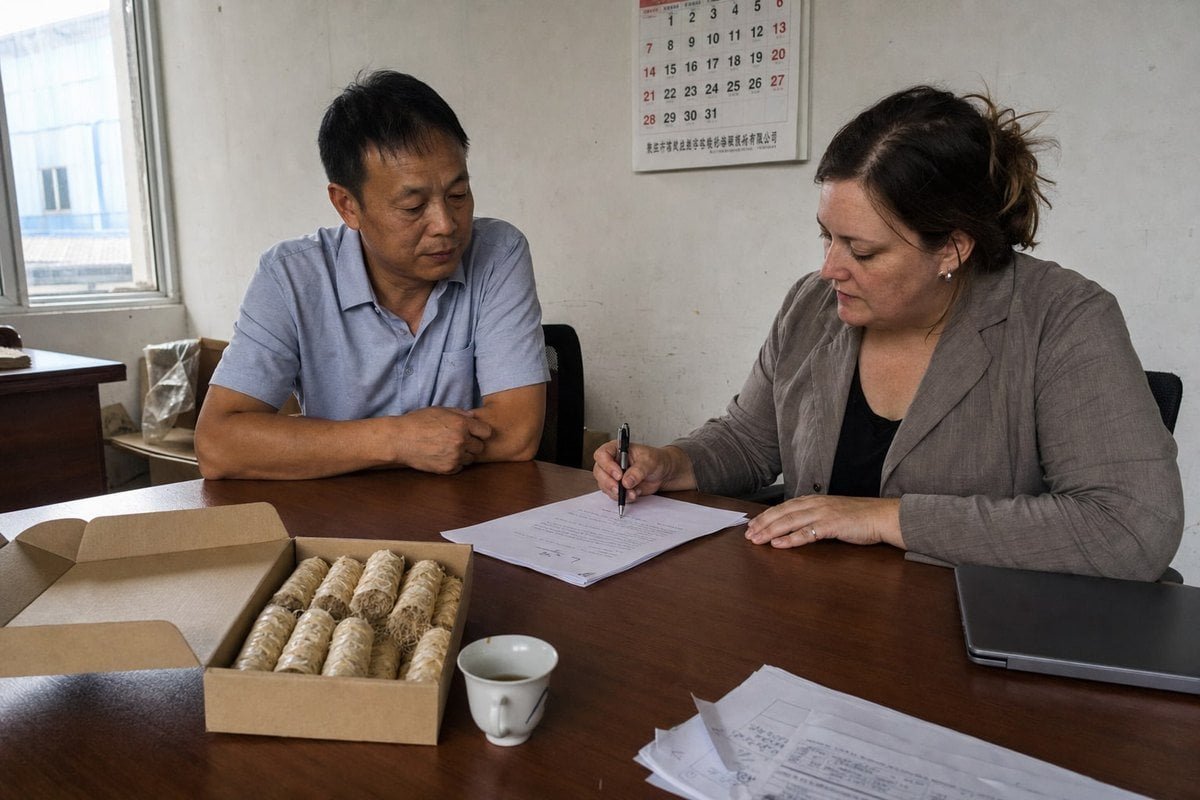
Signer un accord d'exclusivité avec des fournisseurs d'allume-feu à bois semble simple jusqu'à ce qu'un contrat vague vous enferme dans des prix faibles Marquage CE 1. J'ai vu des acheteurs dans notre atelier de production apprendre cette leçon à leurs dépens.
Pour signer un accord d'exclusivité avec des fournisseurs d'allume-feu en bois, définissez les SKUS exacts et le territoire couvert, fixez des engagements d'achat minimum réalistes, exigez des certifications et des spécifications de qualité par écrit, ajoutez des recours en cas de violation et des clauses de sortie, puis faites examiner par un avocat avant les signatures autorisées.
C'est la réponse courte. Mais chacune de ces étapes cache un risque réel. Ci-dessous, je vais vous expliquer quoi vérifier avant de demander l'exclusivité, comment structurer les conditions et comment vous protéger si les choses tournent mal.
Que dois-je rechercher chez un fournisseur d'allume-feu en bois avant de demander l'exclusivité ?
Quelques années après avoir exporté des rouleaux de bois trempés dans la cire de notre usine de Ningbo, un distributeur allemand nous a demandé l'exclusivité après une seule commande d'échantillon. Chaîne de traçabilité FSC ou PEFC 2. Nous lui avons dit de nous auditer d'abord.
Avant de demander l'exclusivité, vérifiez les certifications du fournisseur (rapports de tests ISO 9001, BSCI, SGS/Intertek), le statut de propriété de l'usine par rapport à celui de négociant, la cohérence de la qualité d'un lot à l'autre, la marge de capacité de production, la capacité de fabrication en marque privée et la stabilité financière. L'exclusivité n'a de valeur que si le fournisseur peut la maintenir.
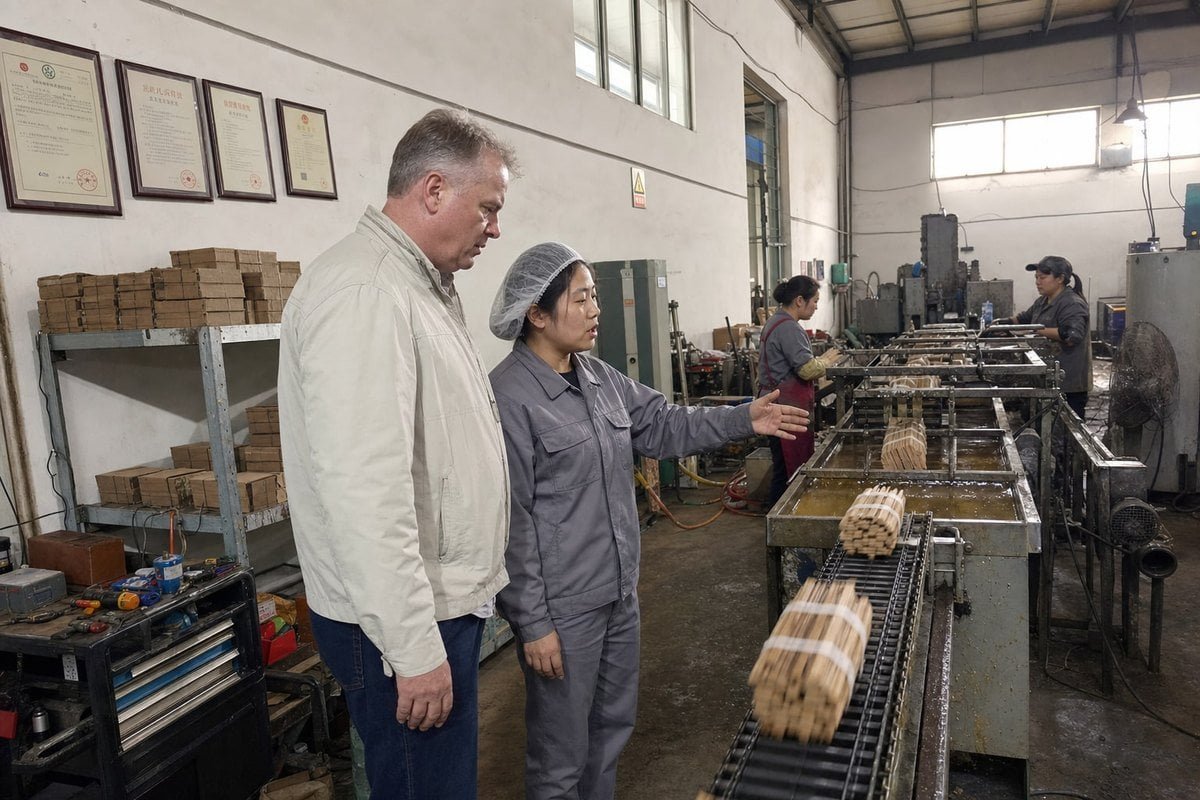
L'exclusivité multiplie votre dépendance à l'égard d'un partenaire. Ainsi, la diligence raisonnable que vous effectuez avant de signer est plus importante que la formulation du contrat elle-même. Au cours de nos 17 années d'approvisionnement en articles d'allumage pour des acheteurs aux États-Unis, en Allemagne, au Royaume-Uni et au-delà, les accords qui ont survécu sont ceux où l'acheteur a visité l'usine, testé trois lots de production distincts et confirmé la capacité avant que tout droit de distribution exclusif ne soit accordé.
Usine ou société commerciale ?
C'est la première question à répondre. Une société commerciale ne peut pas accorder de véritable exclusivité car elle ne contrôle pas la production. Si la véritable usine derrière eux prend une autre commande, votre accord " exclusif " s'évapore. Demandez la licence commerciale, l'adresse de l'usine et une visite vidéo en direct de la chaîne de production. Lorsque les acheteurs visitent notre siège social de Liuyang ou l'usine de Ningbo, ils voient directement les postes de trempage à la cire et les lignes d'emballage. Cette transparence est ce qui rend une promesse d'exclusivité crédible.
La liste de contrôle pré-exclusivité
| Point de contrôle | Ce qu'il faut vérifier | Signal d'alarme |
|---|---|---|
| Certifications | ISO 9001 3, BSCI, CE, rapports de test par des tiers | " Certificats disponibles sur demande " mais jamais envoyés |
| Capacité | Peut augmenter la production de 30 à 50 % au-dessus de vos prévisions | Usine déjà à pleine utilisation |
| Cohérence de la qualité | L'échantillon correspond aux lots de production de masse | Premier échantillon parfait, réapprovisionnement incohérent |
| Support de marque privée | Emballage personnalisé, codes-barres, étiquettes d'avertissement | Emballage générique uniquement proposé |
| Communication | Contact anglophone réactif dans les 24 heures | Les réponses prennent une semaine |
| Santé financière | Années d'activité, historique d'exportation | Nouvelle entreprise, aucun dossier d'exportation |
Testez la cohérence, pas seulement les échantillons
Un échantillon doré ne prouve rien. Demandez des échantillons de rétention de trois séries de production différentes. Comparez la teneur en humidité, le temps d'allumage et la durée de combustion. Notre propre contrôle qualité conserve des échantillons de chaque lot précisément pour qu'un acheteur envisageant l'exclusivité puisse vérifier que le premier échantillon reflète de manière fiable la production de masse. Si un fournisseur ne peut pas faire preuve de cette discipline, l'exclusivité ne fera que vous enfermer dans l'incohérence.
Comment structurer les clauses de territoire et de volume dans un accord d'exclusivité ?
Il y a un compromis que nous pesons chaque fois qu'un distributeur demande des droits exclusifs : verrouiller un territoire signifie refuser d'autres acheteurs là-bas, donc le volume engagé doit justifier ce que nous abandonnons.
Structurez les conditions territoriales en nommant les pays, régions et canaux de vente exacts couverts, et structurez les conditions de volume avec des engagements d'achat minimums trimestriels ou annuels. Rendez l'exclusivité conditionnelle : si les minimums ne sont pas atteints, l'accord devient non exclusif plutôt que de se terminer immédiatement.

Le territoire et le volume sont le cœur de l'accord. Si vous vous trompez, soit l'acheteur paie trop cher pour des droits qu'il ne peut pas utiliser, soit le fournisseur sacrifie un marché pour un volume qui n'arrive jamais. Voici comment je recommande de structurer les deux.
Définir le territoire de manière étroite et précise
Une clause d'exclusivité territoriale ne devrait jamais dire " Europe " sans plus de détails. Inclut-elle le Royaume-Uni post-Brexit ? Couvre-t-elle les places de marché en ligne qui expédient transfrontalier ? Nous avons un jour négocié avec un importateur néerlandais qui voulait " l'exclusivité Benelux " — mais les listes Amazon.de d'un revendeur allemand atteignaient les mêmes clients. La solution était une exclusivité spécifique au canal : l'importateur détenait les droits exclusifs pour la vente au détail en magasin physique et sa propre boutique en ligne, tandis que les ventes sur les places de marché étaient séparées et régies séparément.
Envisagez de structurer par :
- Géographie: pays ou régions nommés, listés individuellement.
- Canal: vente au détail, approvisionnement en gros, commerce électronique, volume industriel.
- Gamme de produits: quels SKUs, tailles et versions de marque privée sont couverts.
- Segment de clientèle: vente au détail aux consommateurs par rapport aux acheteurs commerciaux ou gouvernementaux.
Définir des minimums qui évoluent
Le quantité minimale de commande est le prix de l'exclusivité. Plusieurs structures fonctionnent, et chacune déplace le risque différemment :
| Structure de volume | Comment ça marche | Idéal pour |
|---|---|---|
| Minimum annuel forfaitaire | Un seuil d'achat annuel | Distributeurs établis avec une demande prévisible |
| Calendrier de montée en puissance | Minimum plus bas pour la première année, augmentant pour les années 2-3 | Nouvelles entrées sur le marché et partenariats en phase d'essai |
| Minimums trimestriels | Quatre points de contrôle par an | Fournisseurs qui ont besoin d'une planification de production stable |
| Engagement basé sur le chiffre d'affaires | Valeur en dollars au lieu du nombre d'unités | Commandes mixtes de références dans les différents niveaux de prix de gros |
Nous privilégions généralement le calendrier de montée en puissance pour les nouveaux partenaires. Il permet à un acheteur de prouver le marché avec un volume d'essai flexible, tout en nous donnant une voie de croissance claire qui justifie la réservation de capacité. Liez les prix à la même structure : des volumes engagés plus élevés débloquent de meilleurs niveaux de prix de gros, et les ajustements de prix pour la cire, la fibre de bois ou le fret nécessitent un préavis écrit de 60 à 90 jours. Cela maintient l'accord réalisable lorsque les coûts des matières premières évoluent.
Quelles certifications et garanties de qualité devrais-je exiger avant de signer ?
Un acheteur britannique m'a dit un jour que les allume-feu de son précédent fournisseur arrivaient avec une teneur en humidité de 18% — la moitié des palettes ne s'allumaient pas. Cette conversation a façonné la manière dont nous intégrons des calendriers de qualité dans chaque contrat.
Exiger les certifications d'usine ISO 9001 et BSCI, les rapports de test de produit SGS ou Intertek, la conformité CE pour l'UE, des spécifications documentées sur la teneur maximale en humidité, les spécifications d'allumage et de temps de combustion, des étiquettes d'avertissement conformes et des fibres de bois d'origine durable. Joindre toutes les spécifications sous forme de calendrier contractuel, et non de promesses verbales.
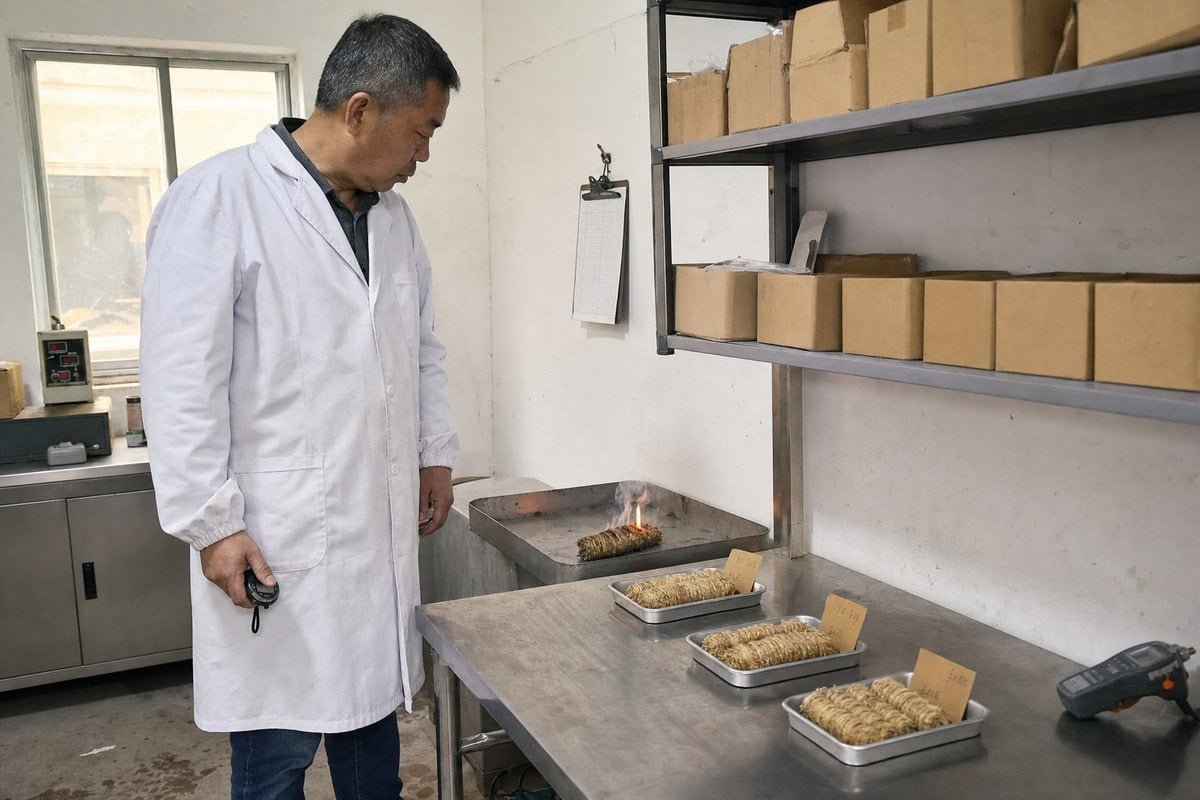
Les allume-feu en bois ressemblent à une marchandise, mais la performance varie énormément d'une usine à l'autre. Les ratios du mélange de cire, la densité des copeaux de bois et les processus de séchage affectent tous la capacité du produit à s'enflammer de manière fiable dès la première tentative du client. C'est pourquoi les normes de qualité des produits doivent figurer dans l'accord d'exclusivité lui-même, sous forme de calendrier signé avec des chiffres mesurables.
Certifications à exiger
Pour nos marchés d'exportation — les États-Unis, l'Allemagne, la France, les Pays-Bas, l'Australie et d'autres — les acheteurs considèrent la conformité comme une exigence stricte, pas comme un avantage. Au minimum, demandez :
- ISO 9001: prouve l'existence d'un système de gestion de la qualité documenté.
- BSCI: couvre la conformité sociale et la production éthique, que les grands canaux de sourcing de détail auditent de plus en plus.
- Marquage CE: requis pour le marché européen.
- Rapports de tests SGS ou Intertek: vérification indépendante de la performance d'allumage et de la sécurité des matériaux.
- Chaîne de traçabilité FSC ou PEFC (le cas échéant) : confirme l'approvisionnement durable en fibres de bois, ce qui est important pour les marques positionnées sur le marché écologique.
Indicateurs de qualité mesurables pour le calendrier contractuel
| Métrique | Pourquoi c'est important | Approche contractuelle typique |
|---|---|---|
| Teneur en humidité maximale | Détermine directement la fiabilité de l'allumage | Définir un pourcentage maximum, vérifié par lot |
| Temps d'allumage | Expérience client lors de la première utilisation | Temps maximum avant flamme soutenue |
| Durée de combustion | Assez de temps pour allumer du petit bois ou du charbon de bois | Minutes minimum par unité |
| Intégrité de l'emballage | Les produits à base de cire peuvent se dégrader sous la chaleur pendant le transport | Normes de test de chute et de tolérance à la température |
| Conformité de l'étiquetage | Étiquettes d'avertissement, codes-barres, liste des ingrédients | Illustrations d'étiquettes spécifiques au marché approuvées par écrit |
Protégez également vos formulations
Si vous fabriquez des produits sous marque de distributeur — tailles personnalisées, temps de combustion personnalisés, boîtes personnalisées — protégez ce travail. Incluez des clauses de confidentialité 4 couvrant vos conceptions d'emballage et toutes les formulations de cire personnalisées développées pour vous. Un droit de préemption 5 sur les nouvelles technologies d'allumage ou les matériaux écologiques que le fournisseur développe pendant la durée du contrat vaut également la peine d'être négocié. Nous offrons cela aux partenaires exclusifs à long terme car cela approfondit la relation : lorsque notre équipe développe une nouvelle variante de trempage à la cire, le partenaire exclusif la voit en premier.
Comment puis-je protéger mon entreprise si le fournisseur ne respecte pas ses engagements d'exclusivité ?
Au début de notre histoire d'exportation, nous avons tiré une dure leçon de l'autre côté de la table : un distributeur n'a pas atteint ses minimums pendant trois trimestres consécutifs, et notre contrat n'avait aucun recours clair. Désormais, chaque accord que nous signons précise exactement ce qui se passe lorsque l'une des parties ne remplit pas ses obligations.
Protégez votre entreprise avec des recours échelonnés : périodes de mise en conformité écrites pour les violations mineures, conversion en statut non exclusif pour les échecs répétés, droits de résiliation pour les violations importantes, dommages-intérêts convenus ou remboursements de frais, droits d'audit pour détecter les violations, et un plan de sortie couvrant les stocks existants et les commandes en cours.
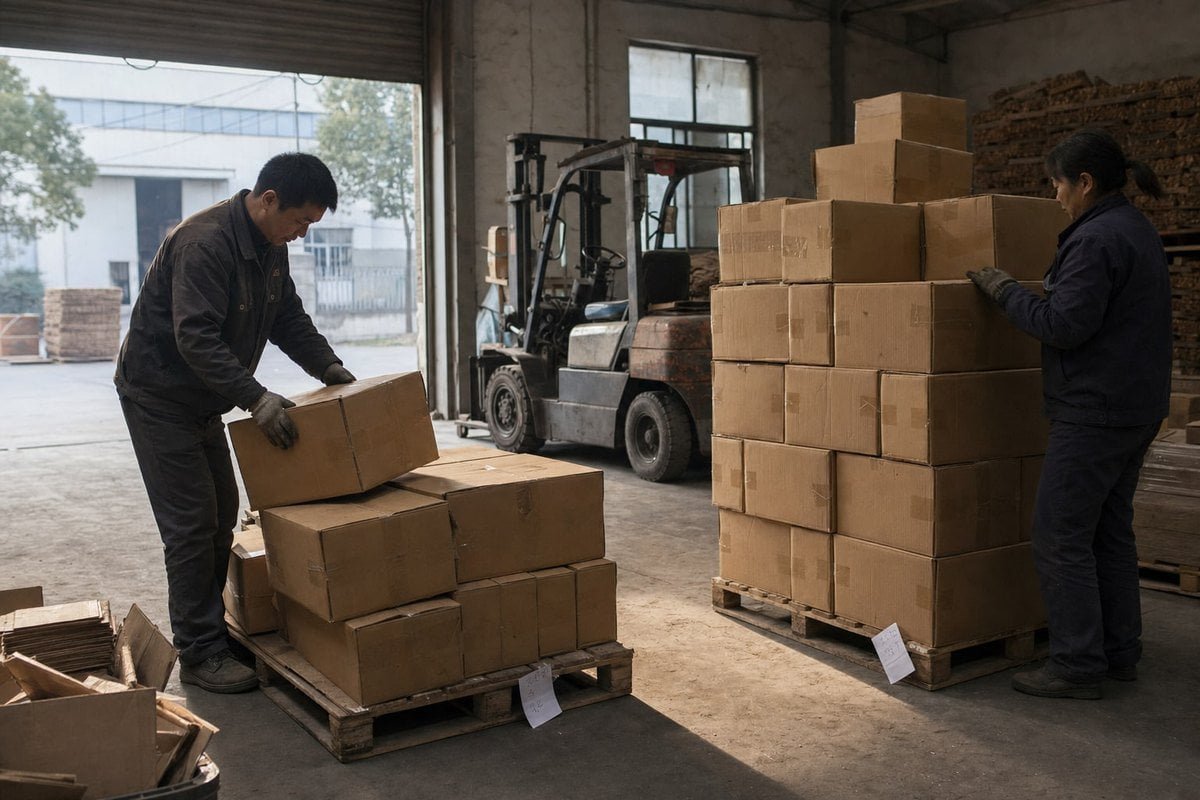
L'exclusivité sans application n'est qu'un espoir. Le contrat doit définir ce qui constitue une violation des deux côtés, et il doit vous donner des outils proportionnés — pas seulement un bouton de résiliation nucléaire que vous hésiterez à appuyer.
Définir la violation des deux côtés
Les violations du côté du fournisseur comprennent généralement la vente à d'autres acheteurs dans votre territoire, la qualité inférieure aux spécifications convenues, les livraisons tardives répétées qui perturbent votre que ceux qui s'affolent en août. 6, ou la perte d'une certification requise. Les violations du côté de l'acheteur signifient généralement le non-respect des minimums ou le non-paiement. Rédigez les deux listes explicitement. Des phrases vagues comme "échec matériel de performance" invitent aux litiges ; "teneur en humidité dépassant le maximum convenu dans deux lots consécutifs" non.
Une échelle de recours échelonnée
Je recommande de structurer les recours comme une escalade, pas comme un déclencheur unique :
- Avis et mise en demeure: avis écrit, avec 30 jours pour résoudre le problème.
- Ajustement financier: crédits de prix ou expéditions de remplacement accélérées pour les défaillances de qualité.
- Conversion: les défaillances répétées transforment les droits de distribution exclusifs en statut non exclusif, vous permettant ainsi de vous approvisionner ailleurs sans rompre la relation.
- Résiliation: les violations matérielles ou non corrigées déclenchent les conditions de résiliation du contrat, y compris les délais pour les commandes finales et le règlement des paiements.
- Dommages-intérêts ou mesures injonctives: pour les violations graves, telles que le fournisseur vendant votre conception d'étiquette privée à un concurrent.
N'oubliez pas la logistique de sortie
La résiliation ne met pas fin à vos obligations envers vos propres clients. L'accord doit couvrir une période de liquidation des stocks existants, le transfert ou la destruction de vos emballages et outillages de marque, la survie des dispositions de confidentialité et de toute clause de non-concurrence, et le traitement des commandes déjà en production. Vérifiez également que la structure d'exclusivité est conforme aux règles antitrust 7 dans votre marché — des restrictions déraisonnables au commerce peuvent rendre toute la clause inapplicable. Enfin, conservez les droits d'audit et les examens trimestriels des activités dans le contrat. D'après notre expérience, les partenaires qui examinent ensemble les rapports de ventes chaque trimestre finissent rarement par un litige pour violation, car les problèmes apparaissent tant qu'ils sont encore mineurs.
Conclusion
Un accord d'exclusivité faible peut vous piéger avec un seul fournisseur et sans levier. Définissez précisément les SKU, le territoire, les minimums, les normes de qualité et les droits de sortie — puis signez en toute confiance.
Notes de bas de page
Contexte sur le marquage de conformité UE mentionné comme exigence du marché. ↩︎
Explique la certification d'approvisionnement en fibres de bois durables référencée pour les marques éco-positionnées. ↩︎
Référence ISO officielle pour la norme de gestion de la qualité fréquemment requise dans le contrat. ↩︎
Explique les protections juridiques pour les conceptions d'emballage et les formulations confidentielles mentionnées. ↩︎
Définit le mécanisme contractuel offert aux partenaires exclusifs à long terme pour les nouveaux développements. ↩︎
Ressource officielle de l'EPA pour l'amélioration de la performance environnementale et de la durabilité dans la logistique de la chaîne d'approvisionnement. ↩︎
Fournit un contexte sur les limites du droit de la concurrence affectant l'applicabilité des clauses d'exclusivité. ↩︎



 English
  Spanish
  German
  French
  Arabic
  Portuguese
Rejoignez la conversation