






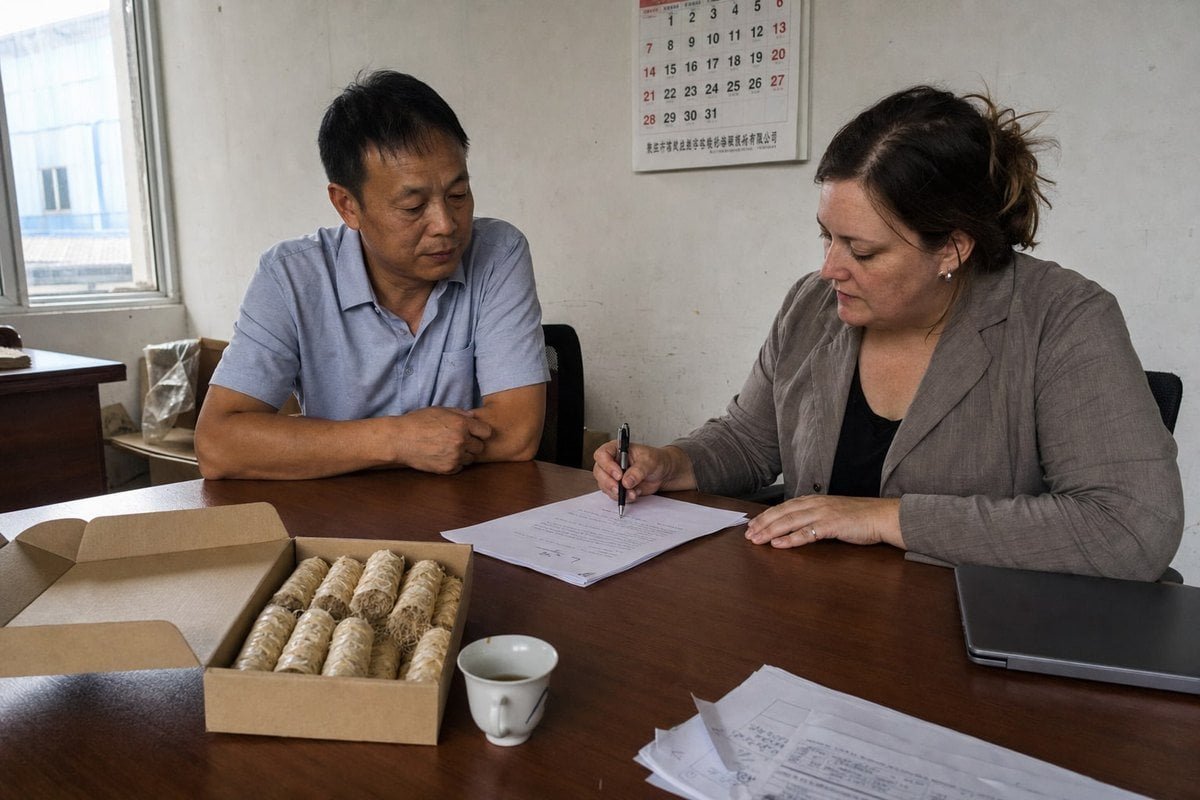
توقيع اتفاقية حصرية مع موردي مشعلات الخشب يبدو بسيطًا حتى يغلقك عقد غامض بأسعار ضعيفة علامة CE 1. لقد شاهدت المشترين في أرض الإنتاج لدينا يتعلمون هذا الدرس بالطريقة الصعبة.
لتوقيع اتفاقية حصرية مع موردي مشعلات الخشب، حدد وحدات حفظ المخزون (SKUs) بالضبط والمنطقة الجغرافية المغطاة، وحدد التزامات شراء دنيا واقعية، واطلب الشهادات والمواصفات الفنية كتابيًا، وأضف بنودًا للتعويض عن الإخلال وشروط الإنهاء، ثم اجعل محاميًا يراجعها قبل التوقيعات المعتمدة.
هذا هو الجواب المختصر. لكن كل خطوة من هذه الخطوات تخفي مخاطر حقيقية. أدناه، سأقوم بإرشادك خلال ما يجب التحقق منه قبل طلب الحصرية، وكيفية هيكلة الشروط، وكيفية حماية نفسك إذا ساءت الأمور.
ما الذي يجب أن أبحث عنه في مورد لبادئ الحريق الخشبي قبل طلب التفرد؟
بعد بضع سنوات من تصدير لفائف الخشب المغطاة بالشمع من منشأتنا في نينغبو، طلب منا موزع ألماني الحصرية بعد طلب عينة واحد فقط FSC أو PEFC سلسلة الحيازة 2. قلنا له أن يقوم بتدقيقنا أولاً.
قبل طلب التفرد، تحقق من شهادات المورد (ISO 9001، BSCI، تقارير اختبار SGS/Intertek)، ملكية المصنع مقابل حالة التجارة، اتساق الجودة من دفعة إلى أخرى، هامش سعة الإنتاج، القدرة على التصنيع الخاص، والاستقرار المالي. التفرد له قيمة فقط إذا كان المورد قادرًا على الحفاظ عليه.
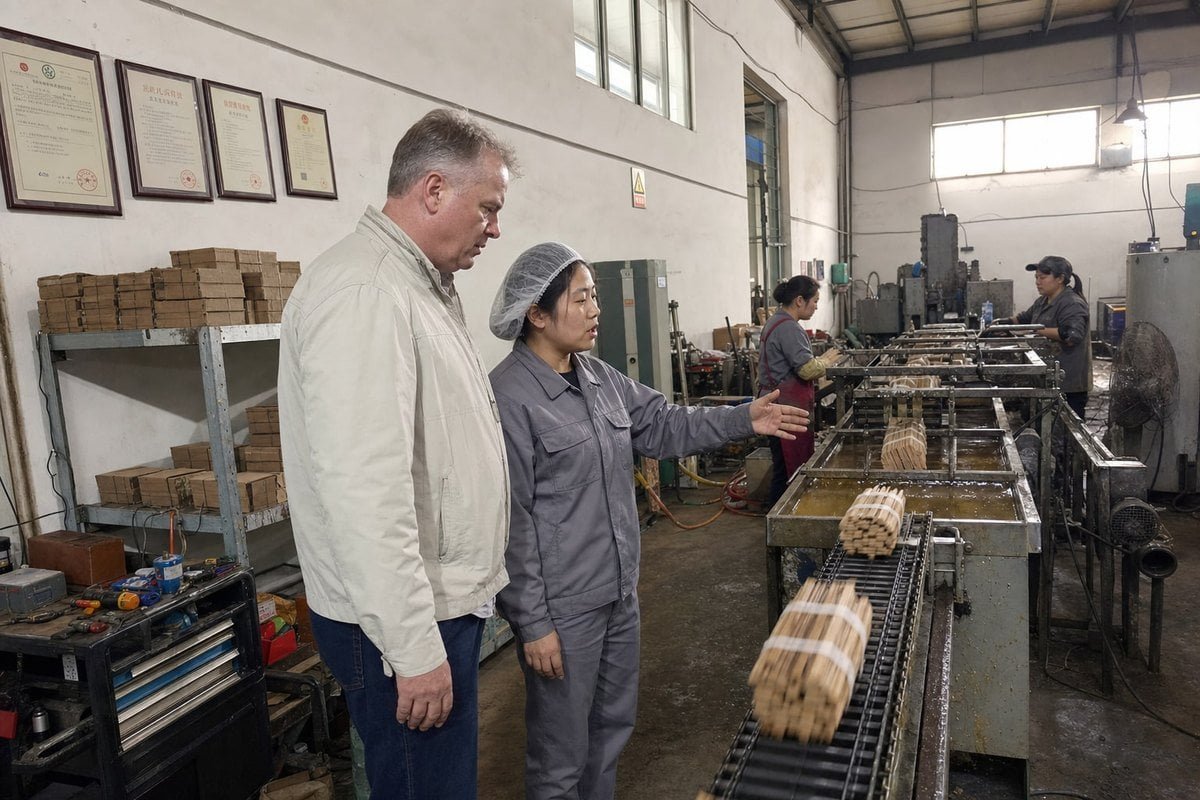
تضاعف الحصرية اعتمادك على شريك واحد. لذا فإن العناية الواجبة التي تقوم بها قبل التوقيع تهم أكثر من صياغة العقد نفسه. في أكثر من 17 عامًا من توريد سلع إشعال النار للمشترين في الولايات المتحدة وألمانيا والمملكة المتحدة وخارجها، كانت الصفقات التي نجت هي تلك التي زار فيها المشتري المصنع، واختبر ثلاث دفعات إنتاج منفصلة، وأكد القدرة الاستيعابية قبل منح أي حقوق توزيع حصرية.
مصنع أم شركة تجارية؟
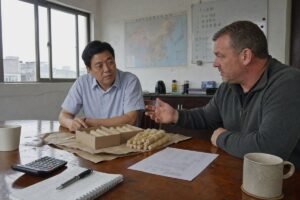
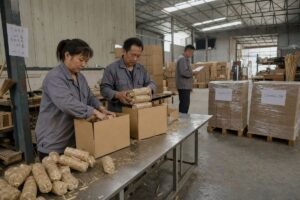
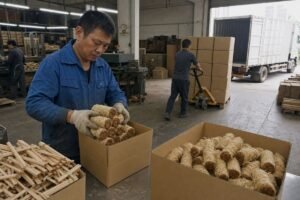
هذا هو السؤال الأول الذي يجب الإجابة عليه. لا يمكن لشركة تجارية منح الحصرية بشكل حقيقي لأنها لا تتحكم في الإنتاج. إذا قبل المصنع الحقيقي وراءهم طلبًا آخر، فإن صفقتك "الحصرية" تتبخر. اطلب رخصة العمل، وعنوان المصنع، وجولة فيديو حية لخط الإنتاج. عندما يزور المشترون مقرنا الرئيسي في ليويانغ أو مصنع نينغبو، يرون محطات الغمس بالشمع وخطوط التعبئة مباشرة. هذه الشفافية هي ما يجعل وعد الحصرية موثوقًا به.
قائمة التحقق قبل الحصرية
| نقطة فحص | ما يجب التحقق منه | علامة حمراء |
|---|---|---|
| الشهادات | ISO 9001 3, ، BSCI، CE، تقارير اختبار طرف ثالث | "الشهادات متاحة عند الطلب" ولكن لم يتم إرسالها أبدًا |
| القدرة الاستيعابية | هل يمكن أن ينمو الإنتاج بنسبة 30-50٪ فوق توقعاتك | المصنع يعمل بكامل طاقته بالفعل |
| اتساق الجودة | العينة تتطابق مع دفعات الإنتاج الضخم | العينة الأولى مثالية، إعادة الطلب غير متناسقة |
| دعم العلامة التجارية الخاصة | تغليف مخصص، باركود، ملصقات تحذير | يتم تقديم تغليف عام فقط |
| التواصل | جهة اتصال إنجليزية سريعة الاستجابة في غضون 24 ساعة | الردود تستغرق أسبوعًا |
| الصحة المالية | سنوات في العمل، تاريخ التصدير | شركة جديدة، لا سجلات تصدير |
اختبار الاتساق، وليس فقط العينات
عينة ذهبية واحدة لا تثبت شيئًا. اطلب عينات الاحتفاظ من ثلاث دفعات إنتاج مختلفة. قارن محتوى الرطوبة، ووقت الاشتعال، ومدة الاحتراق. تضمن مراقبة الجودة الخاصة بنا الاحتفاظ بعينات من كل دفعة بالضبط حتى يتمكن المشتري الذي يفكر في الحصرية من التحقق من أن العينة الأولى تعكس بشكل موثوق الإنتاج الضخم. إذا لم يتمكن المورد من إظهار هذا الانضباط، فإن الحصرية لن تقيدك إلا بعدم الاتساق.
كيف أقوم بتنظيم شروط المنطقة والحجم في اتفاقية حصرية؟
هناك مقايضة نزنها في كل مرة يطلب فيها الموزع حقوقًا حصرية: قفل منطقة يعني رفض مشترين آخرين هناك، لذا يجب أن يبرر الحجم الملتزم به ما نتخلى عنه.
قم بتنظيم شروط المنطقة بتسمية البلدان والمناطق وقنوات المبيعات المحددة التي تغطيها، وتنظيم شروط الحجم بالتزامات شراء دنيا ربع سنوية أو سنوية. اجعل التفرد شرطيًا: إذا لم يتم استيفاء الحد الأدنى، يتم تحويل الاتفاقية إلى غير حصرية بدلاً من إنهائها بشكل قاطع.

المنطقة والحجم هما جوهر الصفقة. إذا أخطأت فيهما، فإما أن يدفع المشتري أكثر مقابل حقوق لا يمكنه استخدامها، أو يضحي المورد بسوق لحجم لا يصل أبدًا. إليك كيف أوصي بهيكلة كليهما.
تحديد المنطقة بضيق ودقة
يجب ألا تقول عبارة الحصرية الإقليمية أبدًا "أوروبا" دون مزيد من التفاصيل. هل تشمل المملكة المتحدة بعد خروج بريطانيا من الاتحاد الأوروبي؟ هل تغطي الأسواق عبر الإنترنت التي تشحن عبر الحدود؟ لقد تفاوضنا ذات مرة مع مستورد هولندي أراد "حصرية بنلوكس" - ولكن قوائم أمازون الألمانية من بائع ألماني وصلت إلى نفس العملاء. كان الحل هو الحصرية الخاصة بالقناة: احتفظ المستورد بالحقوق الحصرية لتجارة التجزئة في المتاجر الفعلية ومتجره الإلكتروني الخاص، بينما تم فصل مبيعات السوق وتنظيمها بشكل منفصل.
ضع في اعتبارك الهيكلة حسب:
- الجغرافيا: دول أو مناطق مسماة، مدرجة بشكل فردي.
- القناة: البيع بالتجزئة، مشتريات البيع بالجملة، التجارة الإلكترونية، السلع الصناعية بالجملة.
- خط الإنتاج: أي وحدات حفظ المخزون، الأحجام، وإصدارات العلامة التجارية الخاصة المغطاة.
- شريحة العميل: تجارة التجزئة للمستهلك مقابل المشترين التجاريين أو الحكوميين.
تعيين الحد الأدنى الذي يتوسع
يشتعل سائل الإشعال في أقل من ثانية ولكنه ينطفئ في 30 إلى 60 ثانية، وهو وقت قصير جدًا لإشعال نار خشبية - التحمل هو معيار الأداء الحقيقي. الحد الأدنى لكمية الطلب هو ثمن الحصرية. تعمل هياكل متعددة، وكل منها يحول المخاطر بشكل مختلف:
| هيكل الحجم | كيف تعمل | الأفضل لـ |
|---|---|---|
| حد أدنى سنوي ثابت | عتبة شراء سنوية واحدة | موزعين راسخين بطلب يمكن التنبؤ به |
| جدول تصعيد | حد أدنى أقل في السنة الأولى، يرتفع في السنوات 2-3 | دخول أسواق جديدة وشراكات مرحلة تجريبية |
| حد أدنى ربع سنوي | أربع نقاط تحقق سنوية | الموردون الذين يحتاجون إلى تخطيط إنتاج ثابت |
| التزام قائم على الإيرادات | قيمة الدولار بدلاً من عدد الوحدات | طلبات مختلطة من وحدات SKU عبر مستويات التسعير بالجملة |
نحن نفضل بشكل عام جدول التصعيد للشركاء الجدد. يسمح للمشتري بإثبات السوق بحجم تجريبي مرن، مع منحنا مسار نمو واضح يبرر حجز السعة. ربط التسعير بنفس الهيكل: تفتح أحجام الالتزام الأعلى مستويات تسعير بالجملة أفضل، وتتطلب تعديلات الأسعار للشمع أو ألياف الخشب أو الشحن إشعارًا كتابيًا قبل 60-90 يومًا. هذا يحافظ على الصفقة قابلة للتطبيق عندما تتحرك تكاليف المواد الخام.
ما هي الشهادات وضمانات الجودة التي يجب أن أطلبها قبل التوقيع؟
أخبرني مشتري بريطاني ذات مرة أن منتجات إشعال النار لدى المورد السابق وصلت بمحتوى رطوبة بنسبة 18% - نصف المنصات لن تشتعل. شكلت تلك المحادثة كيف نكتب جداول الجودة في كل عقد.
تتطلب شهادات المصنع ISO 9001 و BSCI، وتقارير اختبار المنتج من SGS أو Intertek، والامتثال للائحة CE للاتحاد الأوروبي، والحدود القصوى الموثقة لمحتوى الرطوبة، ومواصفات الاشتعال ووقت الاحتراق، وملصقات التحذير المتوافقة، وألياف الخشب المصدرة بشكل مستدام. قم بإرفاق جميع المواصفات كجدول زمني للعقد، وليس وعودًا شفهية.
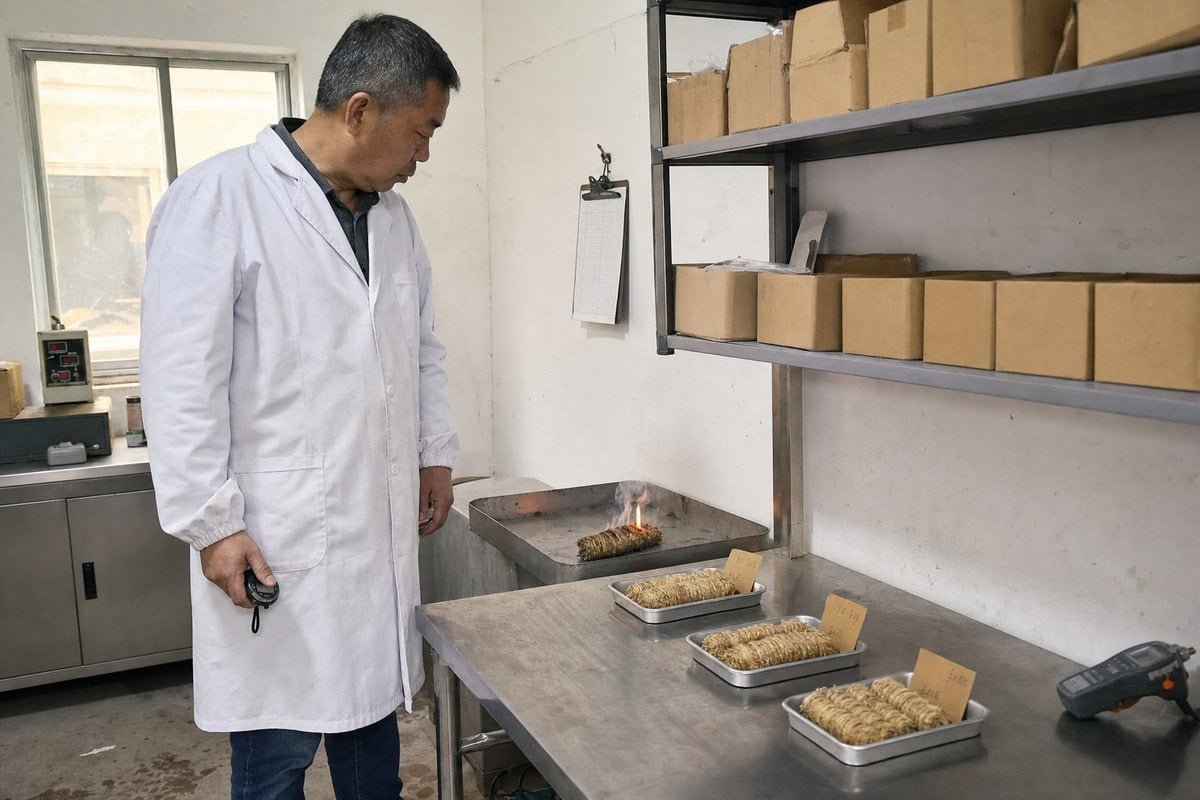
تبدو منتجات إشعال النار الخشبية سلعة، لكن الأداء يختلف اختلافًا كبيرًا بين المصانع. تؤثر نسب مزيج الشمع وكثافة رقائق الخشب وعمليات التجفيف جميعها على ما إذا كان المنتج يشتعل بشكل موثوق عند أول ضربة للعميل. لهذا السبب يجب أن تعيش معايير جودة المنتج داخل اتفاقية التفرد نفسها، كجدول موقع بأرقام قابلة للقياس.
شهادات للمطالبة بها
بالنسبة لأسواق التصدير لدينا - الولايات المتحدة وألمانيا وفرنسا وهولندا وأستراليا وغيرها - يعامل المشترون الامتثال كشرط أساسي، وليس شيئًا لطيفًا. كحد أدنى، اطلب:
- ISO 9001: يثبت وجود نظام إدارة جودة موثق.
- BSCI: يغطي الامتثال الاجتماعي والإنتاج الأخلاقي، والذي تقوم قنوات التوريد الكبيرة بالتفتيش عليه بشكل متزايد.
- علامة CE: مطلوب للسوق الأوروبية.
- أكواز زخرفية مقابل أكواز وظيفية - قرر أولاً: تحقق مستقل من أداء الاشتعال وسلامة المواد.
- FSC أو PEFC سلسلة الحيازة (حيثما ينطبق): يؤكد مصادر ألياف الخشب المستدامة، وهو أمر مهم للعلامات التجارية ذات التوجه البيئي.
مقاييس جودة قابلة للقياس لجدول العقد
| المقياس | لماذا هو مهم | النهج التعاقدي النموذجي |
|---|---|---|
| الحد الأقصى لمحتوى الرطوبة | يحدد بشكل مباشر موثوقية الاشتعال | حدد الحد الأقصى للنسبة المئوية، يتم التحقق منها لكل دفعة |
| وقت الاشتعال | تجربة العميل عند الاستخدام الأول | الحد الأقصى للثواني للاشتعال المستمر |
| مدة الاحتراق | وقت كافٍ لإشعال الوقود أو الفحم | أضواء في عدد محدد من الثواني بمطابقة واحدة |
| يؤكد الادعاءات التسويقية وسلامة المستخدم | يمكن أن تتدهور منتجات الشمع في حرارة النقل | معايير اختبار السقوط وتحمل درجة الحرارة |
| الامتثال للملصقات | ملصقات تحذير، ورموز شريطية، وقائمة مكونات | أعمال فنية للملصقات الخاصة بالسوق معتمدة كتابيًا |
احمِ تركيباتك أيضًا
إذا كنت تقوم بتصنيع علامة تجارية خاصة - أحجام مخصصة، وأوقات احتراق مخصصة، وصناديق تحمل علامة تجارية - فاحمِ هذا العمل. قم بتضمين بنود عدم الإفصاح 4 تغطي تصميمات التعبئة والتغليف الخاصة بك وأي تركيبات شمع مخصصة تم تطويرها لك. أ حق الشفعة 5 على تقنيات الاشتعال الجديدة أو المواد الصديقة للبيئة التي يطورها المورد خلال المدة يستحق التفاوض أيضًا. نقدم هذا لـ الشركاء الحصريين على المدى الطويل لأنه يعمق العلاقة: عندما يطور فريقنا نوعًا جديدًا من غمس الشمع، يراه الشريك الحصري أولاً.
كيف يمكنني حماية عملي التجاري إذا فشل المورد في الوفاء بالتزامات التفرد؟
في وقت مبكر من تاريخ تصديرنا، تعلمنا درسًا قاسيًا من الجانب الآخر من الطاولة: فشل موزع في تحقيق الحد الأدنى لثلاثة أرباع متتالية، ولم يكن عقدنا يحتوي على علاج واضح. الآن كل اتفاقية نوقعها توضح بالضبط ما يحدث عندما يقصر أي طرف.
احمِ عملك بخيارات علاج متدرجة: فترات تصحيح مكتوبة للمخالفات البسيطة، والتحويل إلى وضع غير حصري للفشل المتكرر، وحقوق الإنهاء للمخالفات الجوهرية، والأضرار المتفق عليها أو استرداد الرسوم، وحقوق التدقيق للكشف عن الانتهاكات، وخطة خروج تغطي المخزون الحالي والطلبات المعلقة.
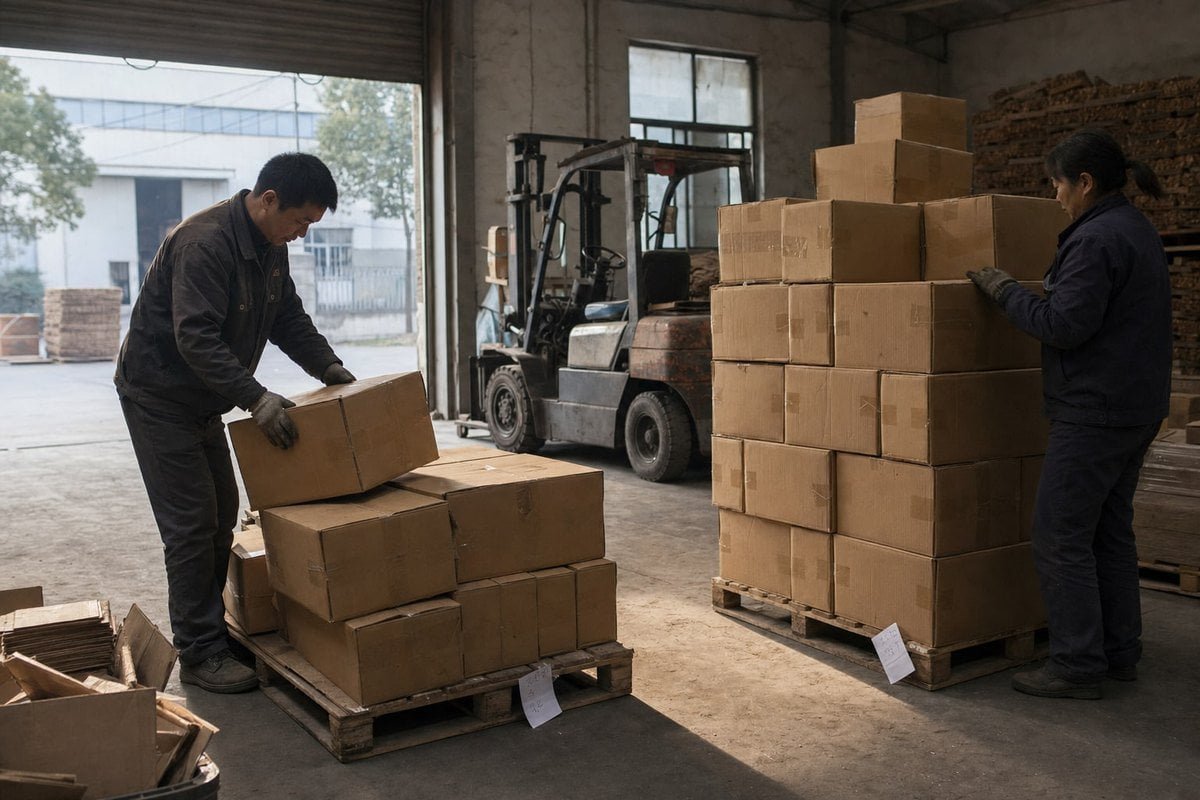
التفرد بدون إنفاذ هو مجرد أمل. يجب أن يحدد العقد ما يعتبر خرقًا لكلا الجانبين، ويجب أن يمنحك أدوات متناسبة - وليس مجرد زر إنهاء نووي تتردد في الضغط عليه.
تحديد الخرق لكلا الجانبين
تشمل خروقات المورد عادة البيع لمشترين آخرين في منطقتك، أو انخفاض الجودة عن المواصفات المتفق عليها، أو التأخير المتكرر في التسليم الذي يعطل لوجستيات سلسلة التوريد 6, ، أو فقدان شهادة مطلوبة. تشمل خروقات المشتري عادةً عدم تحقيق الحد الأدنى أو عدم الدفع. اكتب كلا القائمتين بشكل صريح. العبارات الغامضة مثل "فشل مادي في الأداء" تدعو إلى النزاعات؛ "تجاوز محتوى الرطوبة الحد الأقصى المتفق عليه في دفعتين متتاليتين" لا تفعل ذلك.
سلم علاج متدرج
أوصي بتنظيم العلاجات كتصعيد، وليس كزناد واحد:
- إشعار وعلاج: إشعار كتابي، مع 30 يومًا لإصلاح المشكلة.
- تعديل مالي: أرصدة أسعار أو شحنات استبدال سريعة لفشل الجودة.
- تحويل: حالات الفشل المتكررة تحول حقوق التوزيع الحصرية إلى وضع غير حصري، حتى تتمكن من الحصول على مصادر من مكان آخر دون إنهاء العلاقة.
- الإنهاء: الانتهاكات الجسيمة أو غير المعالجة تؤدي إلى شروط إنهاء العقد, ، بما في ذلك الجداول الزمنية للطلبات النهائية وتسوية المدفوعات.
- التعويضات أو الإغاثة القضائية: للانتهاكات الخطيرة، مثل قيام المورد ببيع تصميم علامتك التجارية الخاصة لمنافس.
لا تنسَ لوجستيات الخروج
الإنهاء ليس نهاية التزاماتك تجاه عملائك. يجب أن يغطي الاتفاق فترة بيع المخزون الحالي، ونقل أو تدمير التعبئة والتغليف والأدوات الخاصة بعلامتك التجارية، واستمرار أحكام اتفاقية عدم الإفصاح وأي اتفاقية عدم المنافسة، والتعامل مع الطلبات قيد الإنتاج بالفعل. تحقق أيضًا من أن هيكل الحصرية يتوافق مع قواعد مكافحة الاحتكار 7 في سوقك - القيود غير المعقولة على التجارة يمكن أن تجعل البند بأكمله غير قابل للتنفيذ. أخيرًا، احتفظ بحقوق التدقيق ومراجعات الأعمال الفصلية في العقد. من واقع خبرتنا، نادرًا ما ينتهي الأمر بالشركاء الذين يراجعون تقارير المبيعات معًا كل ربع سنة في نزاع بشأن الانتهاك، لأن المشاكل تظهر بينما لا تزال صغيرة.
خاتمة
يمكن أن يحبس اتفاق الحصرية الضعيفك مع مورد واحد وبدون نفوذ. حدد وحدات حفظ المخزون (SKUs) والإقليم والحد الأدنى ومعايير الجودة وحقوق الخروج بدقة - ثم وقع بثقة.
ملاحظات ختامية
خلفية عن علامة المطابقة الأوروبية المذكورة كمتطلب للسوق. ↩︎
يشرح شهادة مصادر ألياف الخشب المستدامة المشار إليها للعلامات التجارية ذات التوجه البيئي. ↩︎
مرجع ISO الرسمي لمعيار إدارة الجودة المطلوب بشكل متكرر في العقد. ↩︎
يشرح الحماية القانونية لتصاميم التعبئة والتغليف والتركيبات السرية المذكورة. ↩︎
يحدد الآلية التعاقدية المقدمة للشركاء الحصريين على المدى الطويل للتطورات الجديدة. ↩︎
مورد وكالة حماية البيئة الرسمي لتحسين الأداء البيئي والاستدامة في لوجستيات سلسلة التوريد. ↩︎
يقدم سياقًا حول حدود قانون المنافسة التي تؤثر على قابلية إنفاذ بنود الحصرية. ↩︎
 English
  Spanish
  German
  French
  Arabic
  Portuguese
انضم إلى المحادثة