






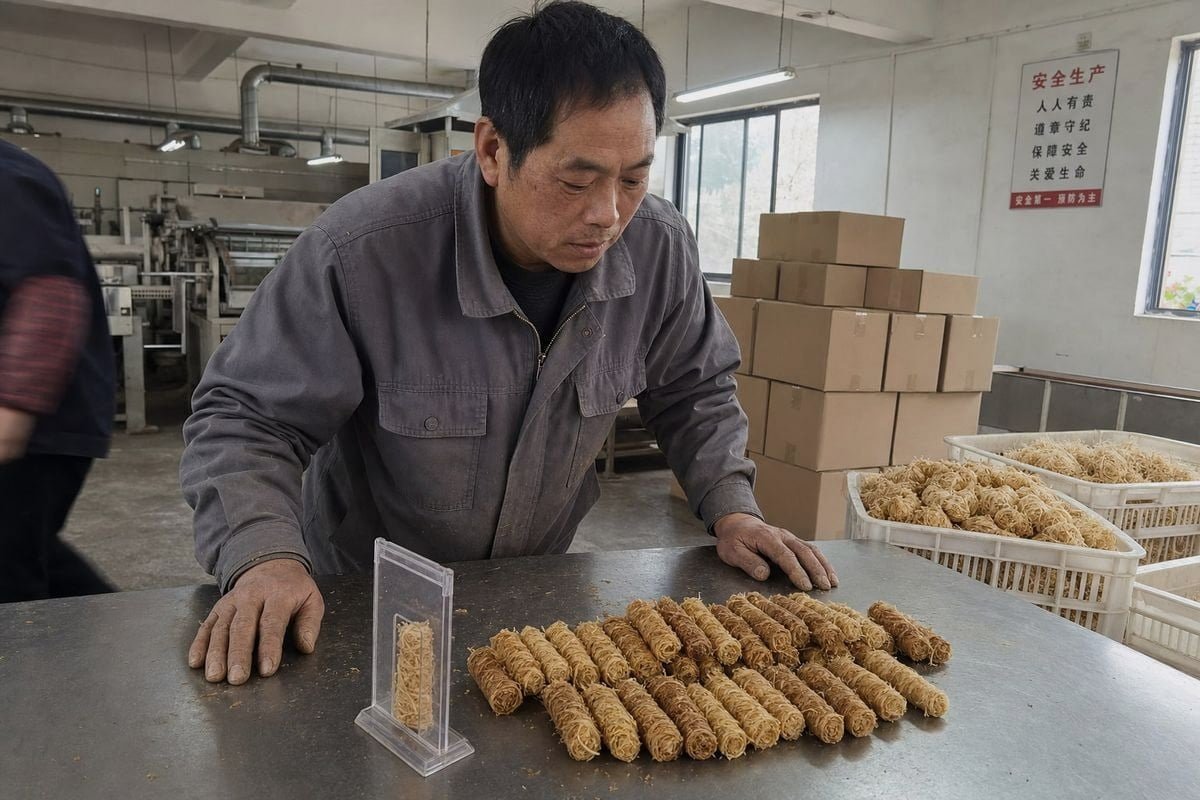
Product consistency when sourcing wood fire starters from China is the problem I hear about most often. Buyers approve a perfect sample, then batch three arrives different — lighter, damper, weaker.
To ensure product consistency when sourcing wood fire starters from China, lock down written specifications, approve a golden sample from production materials, require certifications like ISO 9001 and SGS test reports, and enforce pre-production, in-line, and pre-shipment inspections with documented batch records.
That answer sounds simple. In practice, each step has traps. Below, I walk through the four questions every buyer should ask, in the order you should ask them.
What certifications should I request to confirm consistent quality standards?
A German distributor once opened a call with us by asking for our audit reports before asking for our prices. After 17 years exporting fire-starting goods to 30+ countries, I can tell you that buyer had the right instinct.
Request ISO 9001 for quality management systems, BSCI for social compliance, CE marking where applicable, and third-party test reports from SGS or Intertek. Also ask for a Material Safety Data Sheet covering wax and binders, plus FSC certified wood documentation if sustainability claims matter.
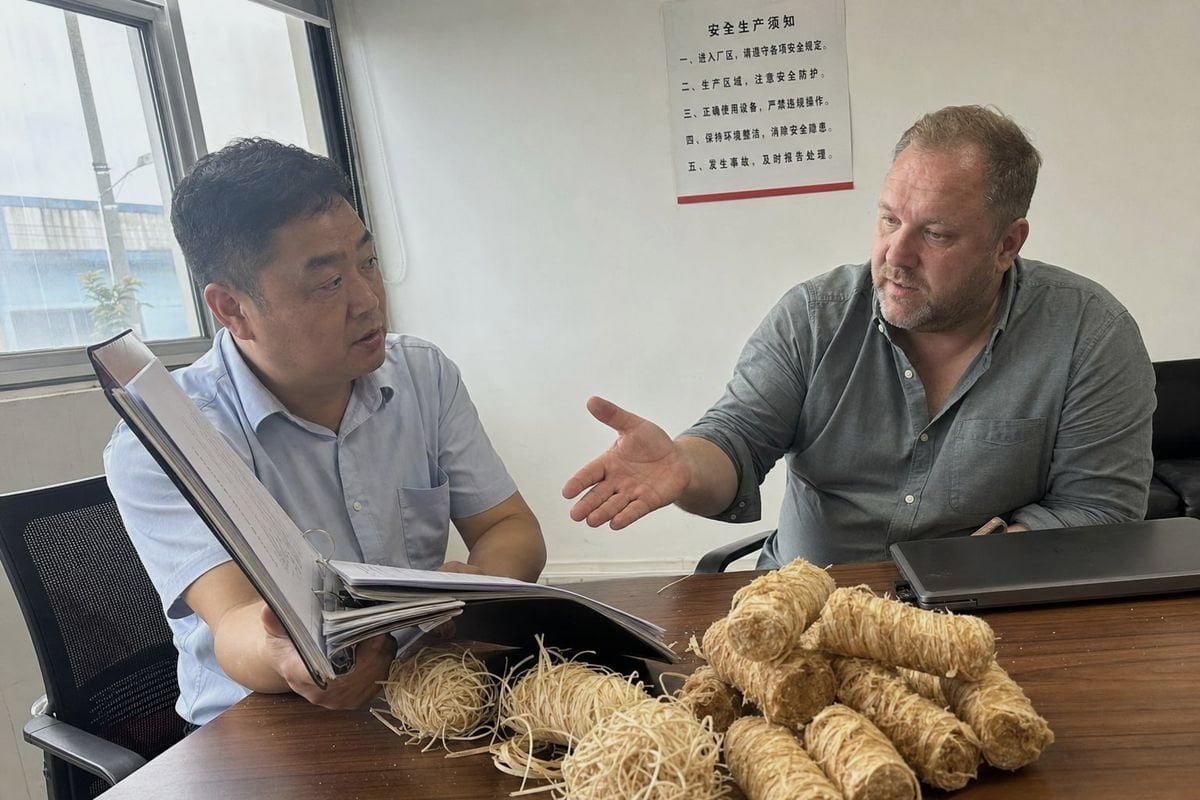
Certifications do not guarantee a great product on their own. But they tell you something critical: whether the factory runs a documented system or improvises every day. A supplier that passed a real ISO 9001 audit 1 has written procedures for incoming materials, process control, and corrective action. That is the backbone of batch-to-batch uniformity.
Les documents essentiels à demander
Here is the checklist I recommend buyers send before any deposit is paid:
| Document | Ce qu'il prouve | Signal d'alarme s'il manque |
|---|---|---|
| Certificat ISO 9001 | Un système de gestion de la qualité fonctionnel | Factory relies on individual workers, not process |
| rapport d'audit BSCI | Ethical labor and stable workforce | High turnover, which hurts consistency |
| Rapport de test SGS / Intertek | Vérification indépendante de la composition et des performances | Claims are marketing, not evidence |
| Fiche de données de sécurité des matériaux | Chemical consistency of wax and binders | Wax source may change without notice |
| FSC certified wood chain-of-custody | Raw material traceability from forest to factory | Wood species 2 may be mixed batch to batch |
| CE documentation (where relevant) | Le produit répond aux exigences du marché de l'UE. | Customs and retail listing problems later |
Vérifiez, ne vous contentez pas de collecter
A PDF is easy to fake or borrow. So verify numéros de certificat 3 directly with the issuing body. SGS and Intertek both let you confirm reports online. Also check that the certificate names the actual production site 4, not a trading office in another city. In our own case, buyers can match our certificates to our Ningbo production facility, and we encourage them to do exactly that.
One more point. Ask when the last audit happened. A certificate from four years ago tells you about the past, not about the batch you are ordering today. Serious factories renew and re-audit on schedule, and they share the results without hesitation.
How can I verify that mass production will match the approved sample?
Prototype drift is the trade-off I warn buyers about most. A sample made slowly, by the most skilled worker, with hand-picked wood wool, will always look better than a rushed production run — unless you control for that gap deliberately.
Verify sample-to-production consistency by requiring samples made from actual production materials, signing a golden sample agreement where both parties hold identical benchmarks, and comparing Top of Production units against that benchmark before full-run approval.
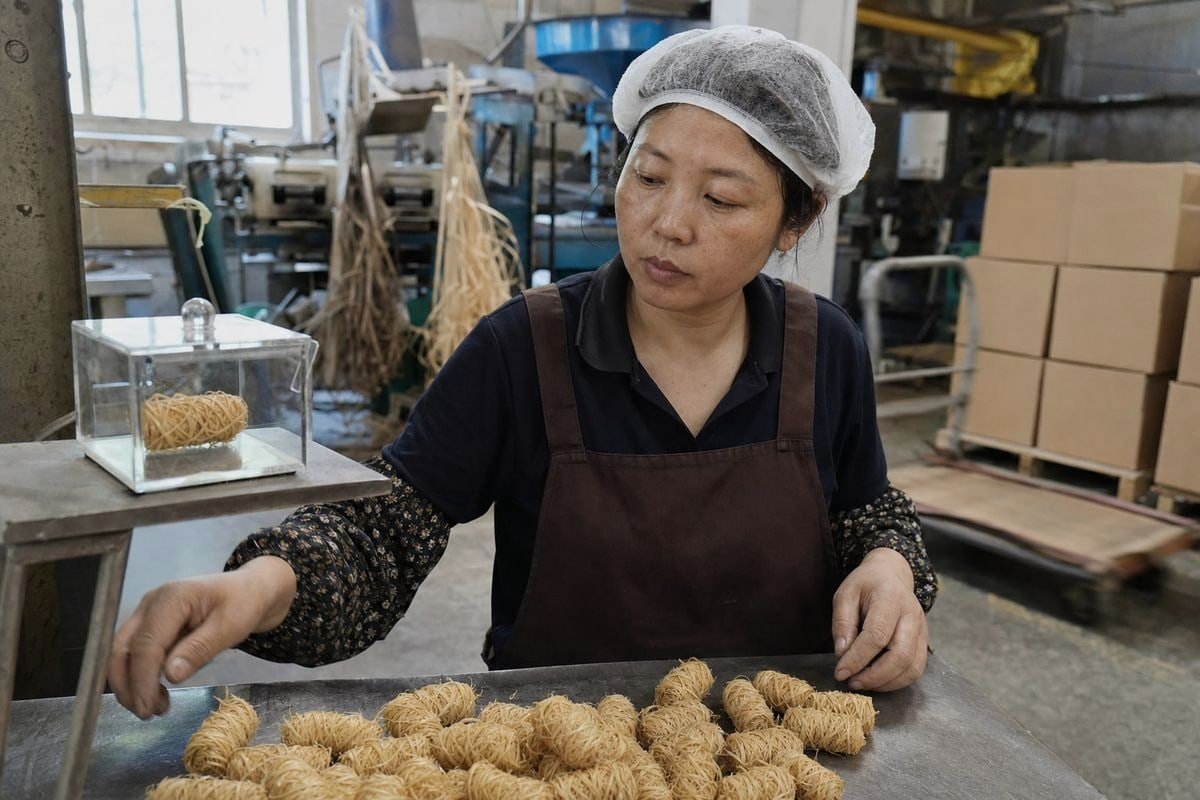
The golden sample is your single most powerful tool. It is one physical unit — or a small set — that both you and the factory sign, seal, and keep. Every future dispute gets resolved against it. When we produce wax-dipped wood rolls for clients en marque blanche 5, we keep the signed golden sample on the production floor, not in an office drawer. Operators check against it daily.
Use a staged sampling protocol
Do not treat sampling as one event. Break it into stages:
- Development sample. Confirms the concept: size, shape, wood species, wax ratio.
- Pre-Production Sample (PPS). Made from the same wood wool, wax, and equipment planned for your bulk order. This is the sample you formally approve.
- Top of Production (TOP) sample. Pulled from the first hour of the actual mass run and compared to the golden sample before the line continues.
- Batch retention samples. The factory keeps units from every batch for future reference.
Ask the questions that expose drift
Le gap between sample and production usually comes from three sources: different raw materials, different equipment, or different people. So ask directly. Will the bulk order use the same wood species — 100% pine or spruce, not mixed scraps? Will wax impregnation use the same dosing method as the sample, ideally automated rather than manual dipping? Manual dipping introduces high variance in wax weight, which directly changes burn time. A factory with real production depth can answer these questions in measurable terms: grams of wax per piece, tolerance ranges, and moisture targets. Vague reassurance is itself a warning sign.
What quality control steps should I ask my supplier to document at each batch?
Years ago, a shipment of wood wool firelighters from another supplier taught one of our now-loyal buyers a hard lesson: the product left the kiln fine, sat in a humid warehouse for two weeks, and arrived with ignition problems. No batch records existed, so nobody could prove where the failure happened. That story shaped how we document our own lines.
Ask your supplier to document incoming raw material checks, moisture content testing after drying, wax dosage weights, in-line dimensional checks, random burn tests, and a final pre-shipment inspection report — all recorded per batch with dates, quantities, and operator sign-offs.
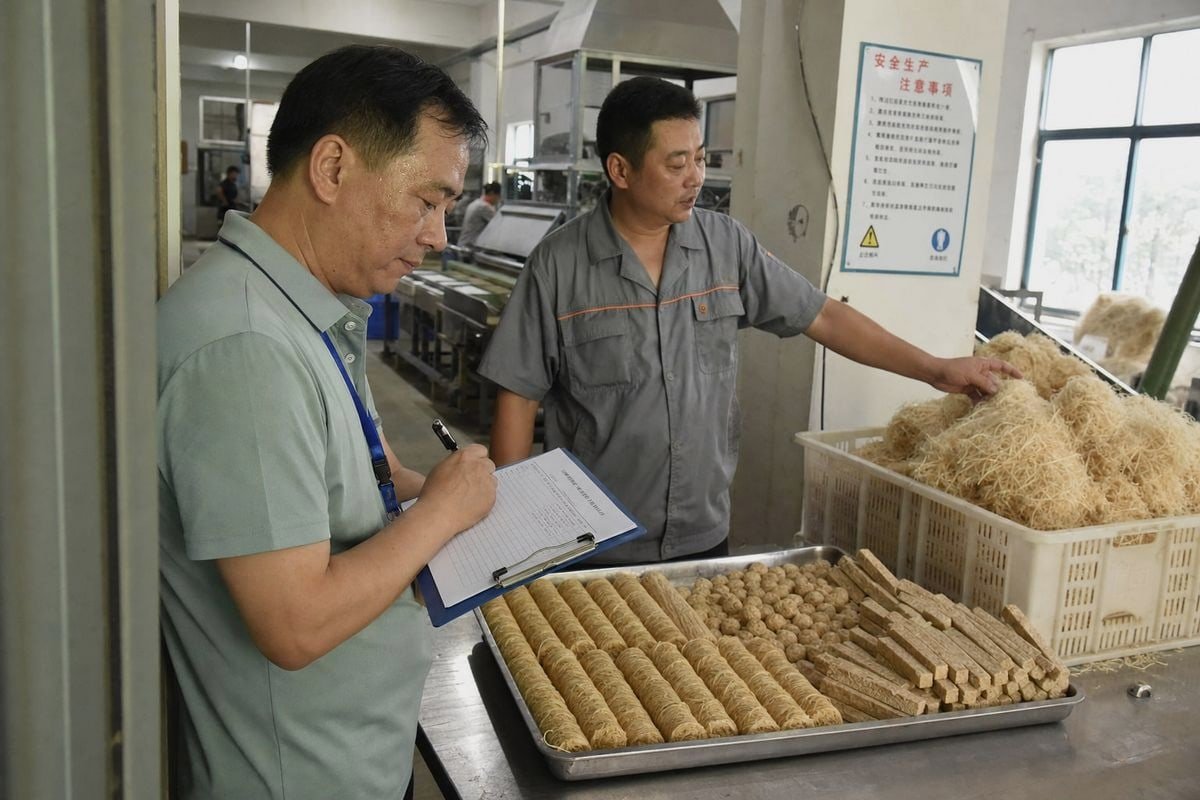
Quality control inspections only protect you if they happen at every stage and leave a paper trail. A single final check catches finished defects but cannot explain their cause. Stage-gated documentation does both.
The batch-level QC record you should require
| Étape | What Gets Checked | What Gets Documented |
|---|---|---|
| Incoming materials | Wood species, wax grade, strand quality | Supplier lot numbers for raw material traceability |
| Post-drying | Moisture content testing, typically targeting a defined range such as 8–12% | Kiln readings per batch before release |
| Wax impregnation | Wax weight per piece against tolerance | Dosing records, sampled weights |
| In-line | Size, shape, weight, visual finish against golden sample | Hourly check sheets with pass/fail counts |
| Performances | Random ignition and burn duration tests | Burn time specifications versus actual results |
| Inspection avant expédition | AQL sampling, carton count, labeling, packing integrity | Full inspection report with photos |
Why moisture deserves special attention
Wood-based consumables are hygroscopic. They absorb moisture from the air, and moisture kills ignition performance. So a moisture reading 6 at the kiln is not enough. Ask how the factory stores product between drying and packing, and require vapor-barrier liners in master cartons for humid sea transit. Seasonal humidity in Chinese manufacturing provinces shifts significantly, and good factories adjust drying parameters accordingly rather than running one fixed program all year.
Make corrective action part of the record
Defects will happen. What matters is the loop. Require that any batch failure comes with a root-cause note, the fix applied, and verification on the next batch. Track defect categories over repeat orders. If the same defect recurs, your supplier is inspecting but not improving — and that pattern predicts long-term inconsistency better than any single shipment.
How do I choose a manufacturer with the production depth to guarantee long-term consistency?
The hardest lesson from our early export years was this: buyers cannot see the difference between a real factory and a polished trading company from a website. Both show the same stock photos. Both promise the same specs. Only one controls the production line.
Choose a manufacturer with product-specific experience in wood fire starters, in-house production lines you can audit, automated wax dosing, documented batch controls, and a track record of repeat orders — verified through a factory audit checklist and third-party site visits.
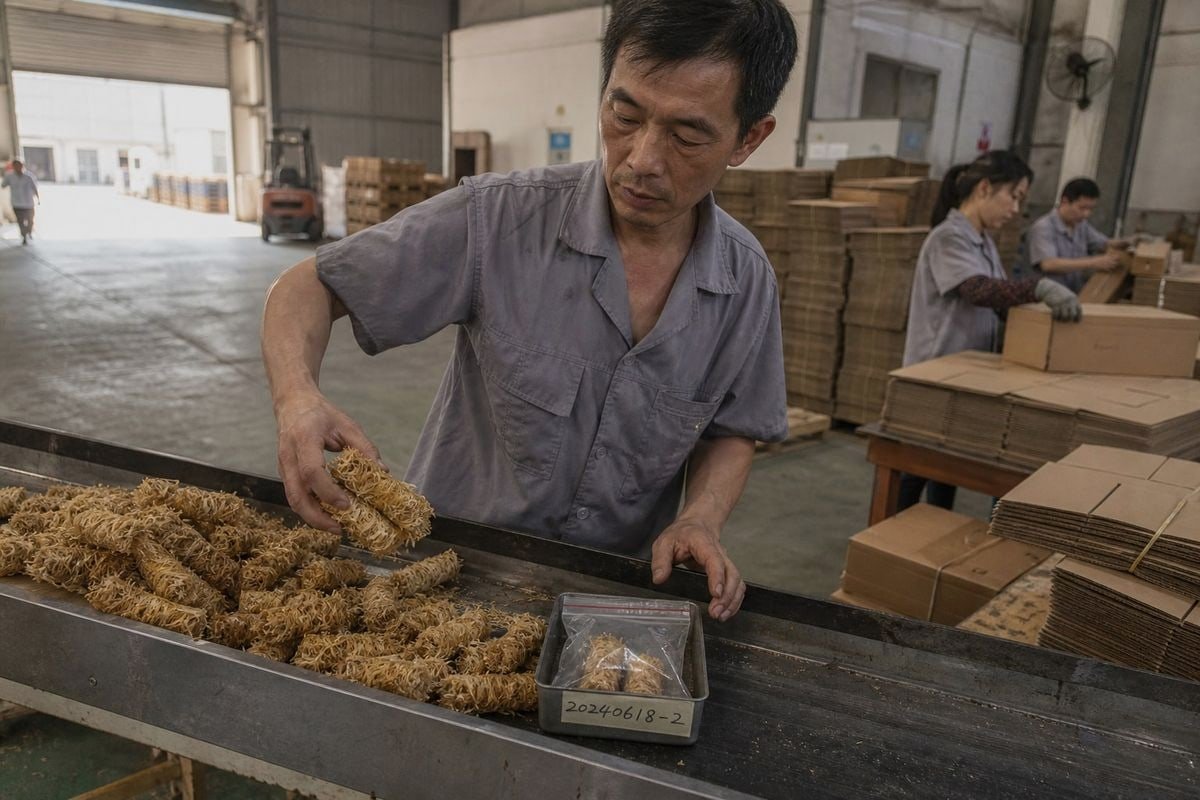
Long-term consistency is a function of production depth. A factory that owns its drying kilns, winding equipment, and wax lines can hold tolerances order after order. A middleman who shifts your product between subcontractors cannot — even with good intentions — because every subcontractor change resets the process.
What production depth actually looks like
Use this comparison when evaluating candidates:
| Signal | Deep Manufacturer | Shallow Supplier |
|---|---|---|
| Category experience | Years focused on fire starters and related fire products | General wooden goods or broad trading catalog |
| Equipment | In-house kilns, winding lines, automated wax dosing | Outsourced steps, manual dipping |
| Answers to process questions | Measurable: tolerances, wax grams, moisture ranges | Vague: "no problem, good quality" |
| Order history | Repeat B2B buyers over multiple years | Mostly one-off orders |
| Audit willingness | Welcomes on-site visits and third-party audits | Delays, excuses, or "factory is busy" |
| Personnalisation | True OEM/ODM: size, burn time, private-label packaging | Limited to relabeling stock product |
Run a real factory audit checklist
Visit the site, or send a third-party service 7 like SGS or QIMA if you cannot travel. Your factory audit checklist should confirm the legal identity matches the production address, verify machinery is calibrated for uniform strand thickness and length, review batch QC records from past orders, and check raw material storage conditions. Ask to see retained samples from previous batches — a factory that keeps them takes repeatability seriously.
Think in years, not orders
Our best relationships span many years and dozens of reorders. That continuity is itself a consistency tool: the same specification sheet, the same golden sample lineage, the same documented tolerances, refined over time. Price-hopping between suppliers restarts that learning curve with every switch. For a performance product like fire starters — where one bad batch damages your brand's shelf reputation — the cheapest quote is rarely the cheapest outcome.


 English
  Spanish
  German
  French
  Arabic
  Portuguese
Rejoignez la conversation