






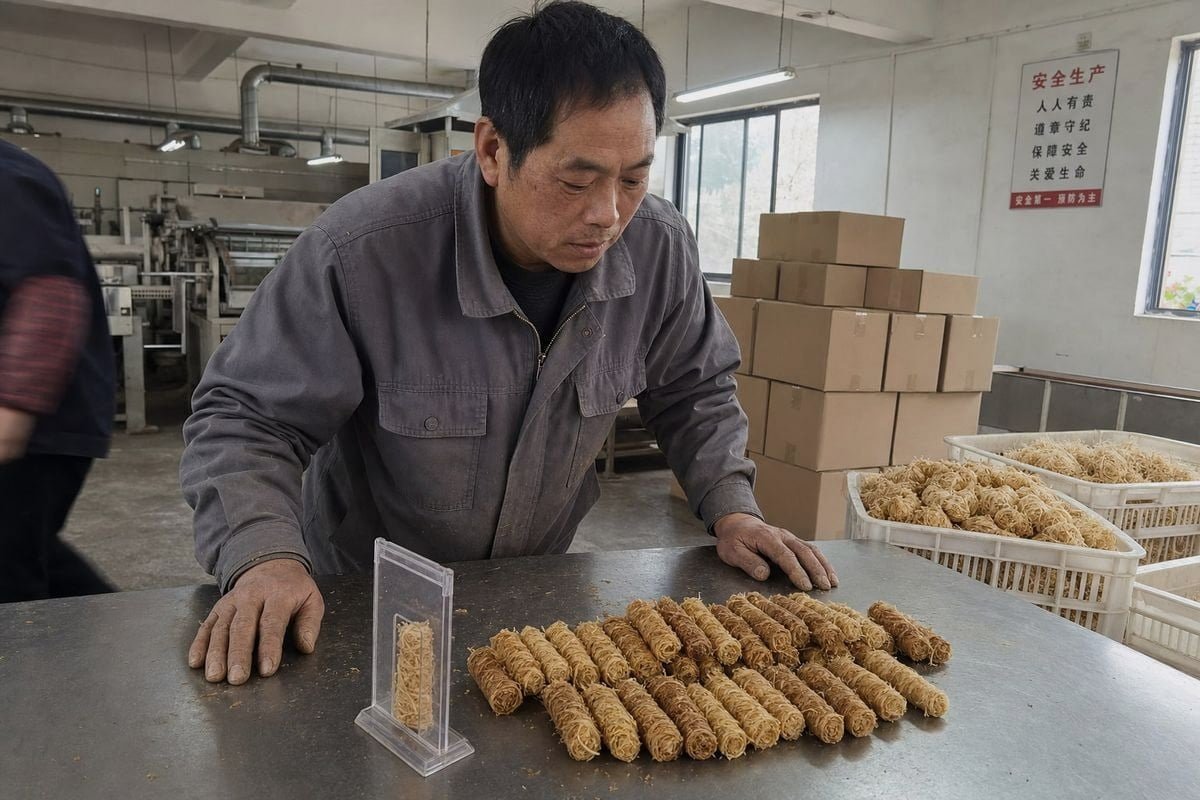
La consistencia del producto al obtener iniciadores de fuego de madera de China es el problema del que más oigo hablar. Los compradores aprueban una muestra perfecta, luego el lote tres llega diferente: más ligero, más húmedo, más débil.
Para garantizar la coherencia del producto al obtener encendedores de leña de China, bloquee las especificaciones escritas, apruebe una muestra de oro de los materiales de producción, requiera certificaciones como ISO 9001 e informes de prueba SGS, y aplique inspecciones preproducción, en línea y preenvío con registros de lotes documentados.
Esa respuesta suena simple. En la práctica, cada paso tiene trampas. A continuación, repasaremos las cuatro preguntas que todo comprador debe hacer, en el orden en que debe hacerlas.
¿Qué certificaciones debería solicitar para confirmar estándares de calidad consistentes?
Un distribuidor alemán una vez abrió una llamada con nosotros preguntando por nuestros informes de auditoría antes de preguntar por nuestros precios. Después de 17 años exportando productos para iniciar fuego a más de 30 países, puedo decirles que ese comprador tenía el instinto correcto.
Solicitar ISO 9001 para sistemas de gestión de calidad, BSCI para cumplimiento social, marcado CE cuando sea aplicable, e informes de pruebas de terceros de SGS o Intertek. También solicitar una Hoja de Datos de Seguridad de Materiales que cubra ceras y aglutinantes, además de documentación de madera certificada FSC si las afirmaciones de sostenibilidad son importantes.
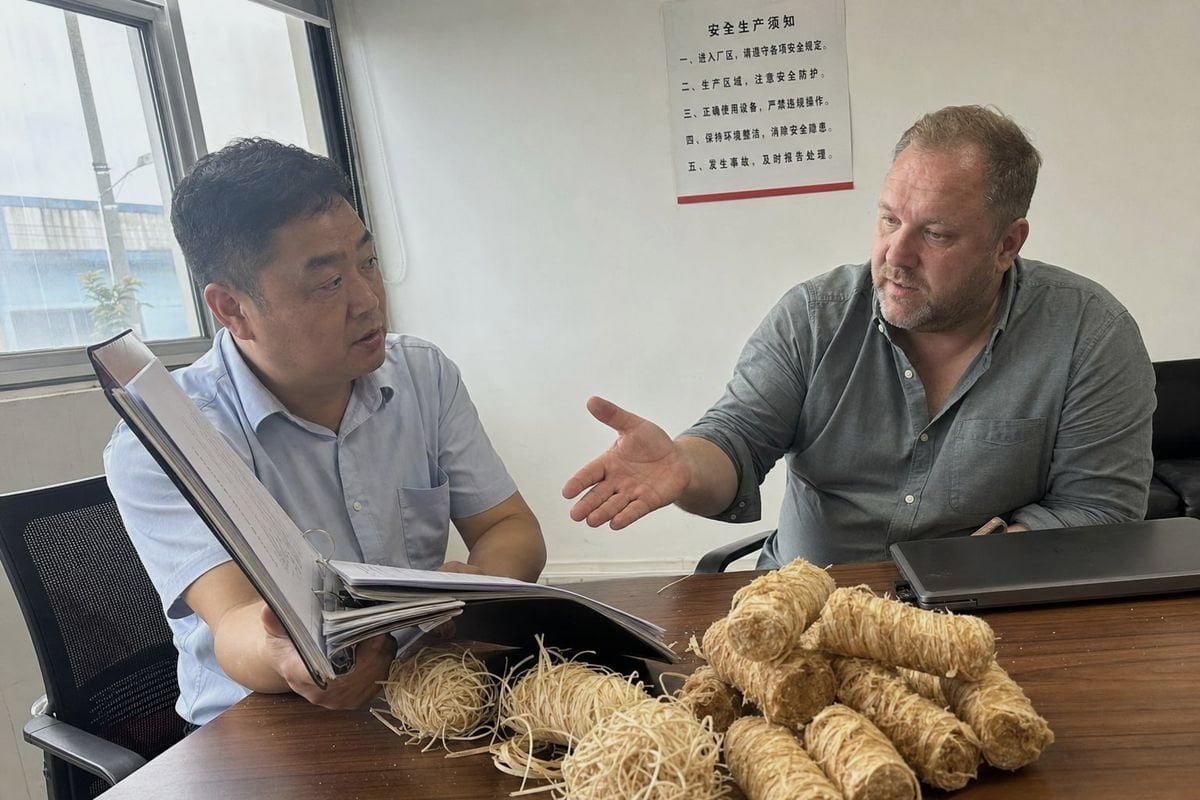
Las certificaciones no garantizan un gran producto por sí solas. Pero le dicen algo crítico: si la fábrica opera un sistema documentado o improvisa todos los días. Un proveedor que pasó una auditoría real de ISO 9001 1 tiene procedimientos escritos para materiales entrantes, control de procesos y acciones correctivas. Esa es la columna vertebral de la uniformidad lote a lote.
Los documentos principales a solicitar
Aquí está la lista de verificación que recomiendo que los compradores envíen antes de pagar cualquier depósito:
| Documento | Lo Que Demuestra | Señal de alerta si falta |
|---|---|---|
| Certificado ISO 9001 | Un sistema de gestión de calidad funcional | La fábrica depende de trabajadores individuales, no del proceso |
| Informe de auditoría BSCI | Mano de obra ética y fuerza laboral estable | Alta rotación, lo que perjudica la consistencia |
| Informe de prueba SGS / Intertek | Verificación independiente de la composición y el rendimiento | Las afirmaciones son marketing, no evidencia |
| Hoja de Datos de Seguridad del Material | Consistencia química de la cera y los aglutinantes | La fuente de cera puede cambiar sin previo aviso |
| Cadena de custodia de madera certificada FSC | Trazabilidad de la materia prima desde el bosque hasta la fábrica | Especies de madera 2 pueden mezclarse lote a lote |
| Documentación CE (cuando corresponda) | El producto cumple con los requisitos del mercado de la UE | Problemas de aduanas y listado minorista posteriores |
Verifique, no solo recolecte
Un PDF es fácil de falsificar o pedir prestado. Así que verifique números de certificado 3 directamente con el organismo emisor. Tanto SGS como Intertek le permiten confirmar informes en línea. Verifique también que el certificado nombre el sitio de producción real 4, no una oficina comercial en otra ciudad. En nuestro caso, los compradores pueden cotejar nuestros certificados con nuestra planta de producción de Ningbo, y los animamos a hacer exactamente eso.
Un punto más. Pregunte cuándo ocurrió la última auditoría. Un certificado de hace cuatro años le dice sobre el pasado, no sobre el lote que está pidiendo hoy. Las fábricas serias renuevan y reauditan según lo programado, y comparten los resultados sin dudarlo.
¿Cómo puedo verificar que la producción en masa coincidirá con la muestra aprobada?
La deriva del prototipo es el compromiso sobre el que más advierto a los compradores. Una muestra hecha lentamente, por el trabajador más hábil, con lana de madera seleccionada a mano, siempre se verá mejor que una tirada de producción apresurada, a menos que controle deliberadamente esa brecha.
Verificar la coherencia de la muestra a la producción exigiendo muestras hechas de materiales de producción reales, firmando un acuerdo de muestra dorada donde ambas partes tienen puntos de referencia idénticos y comparando las unidades de la parte superior de la producción con ese punto de referencia antes de la aprobación de la ejecución completa.
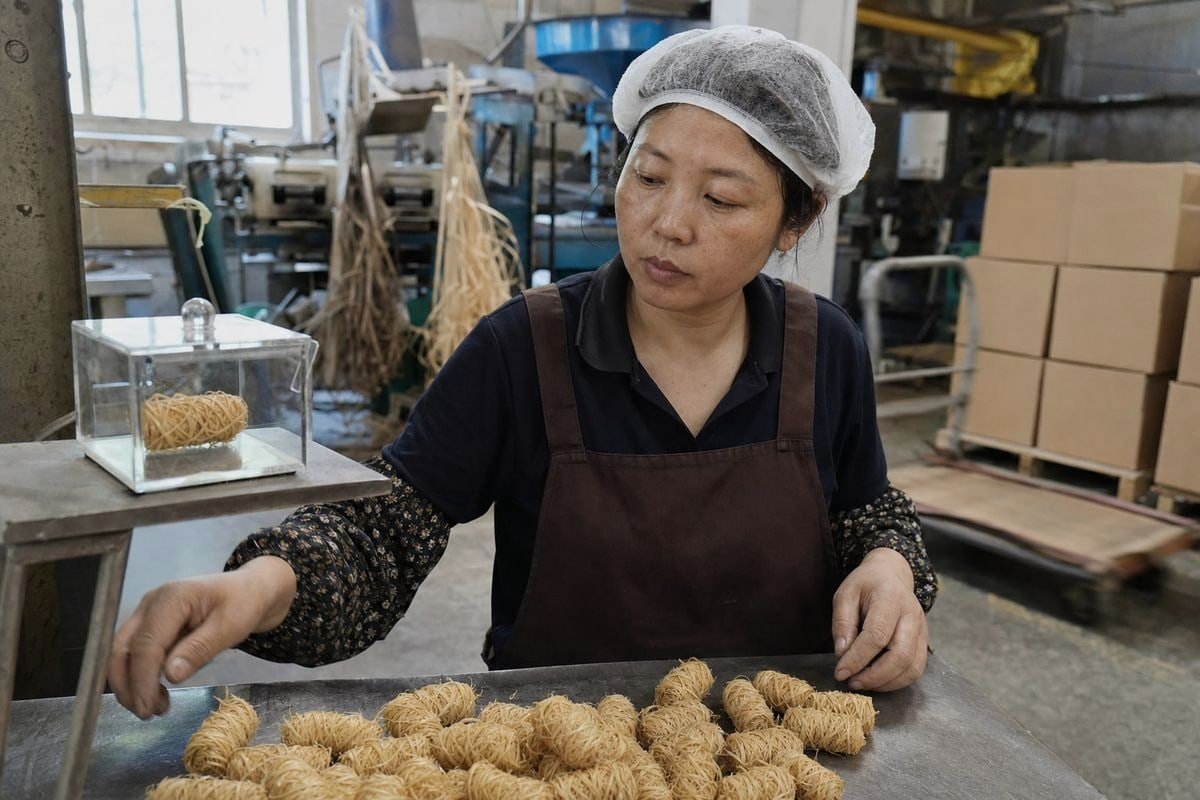
La muestra de referencia es su herramienta más poderosa. Es una unidad física, o un pequeño conjunto, que usted y la fábrica firman, sellan y guardan. Cada disputa futura se resolverá en base a ella. Cuando producimos rollos de madera recubiertos de cera para clientes de marca blanca 5, guardamos la muestra de referencia firmada en el piso de producción, no en un cajón de oficina. Los operadores la revisan diariamente.
Utilice un protocolo de muestreo por etapas
No trate el muestreo como un solo evento. Divídalo en etapas:
- Muestra de desarrollo. Confirma el concepto: tamaño, forma, especie de madera, proporción de cera.
- Muestra de preproducción (PPS). Hecha con la misma lana de madera, cera y equipo planificado para su pedido a granel. Esta es la muestra que aprueba formalmente.
- Muestra superior de producción (TOP). Se extrae de la primera hora de la corrida de producción masiva real y se compara con la muestra de referencia antes de que continúe la línea.
- Muestras de retención de lote. La fábrica conserva unidades de cada lote para referencia futura.
Haga las preguntas que exponen la deriva
La La brecha entre la muestra y la producción generalmente proviene de tres fuentes: diferentes materias primas, diferentes equipos o diferentes personas. Así que pregunte directamente. ¿El pedido a granel utilizará la misma especie de madera —pino 100% o abeto, no restos mezclados? ¿La impregnación de cera utilizará el mismo método de dosificación que la muestra, idealmente automatizado en lugar de inmersión manual? La inmersión manual introduce una alta varianza en el peso de la cera, lo que cambia directamente el tiempo de combustión. Una fábrica con una profundidad de producción real puede responder a estas preguntas en términos medibles: gramos de cera por pieza, rangos de tolerancia y objetivos de humedad. La vaga tranquilidad es en sí misma una señal de advertencia.
¿Qué pasos de control de calidad debo pedirle a mi proveedor que documente en cada lote?
Hace años, un envío de encendedores de lana de madera de otro proveedor le enseñó una dura lección a uno de nuestros ahora leales compradores: el producto salió del horno bien, se quedó en un almacén húmedo durante dos semanas y llegó con problemas de ignición. No existían registros de lotes, por lo que nadie pudo demostrar dónde ocurrió la falla. Esa historia moldeó cómo documentamos nuestras propias líneas.
Pida a su proveedor que documente las comprobaciones de las materias primas entrantes, las pruebas de contenido de humedad después del secado, los pesos de dosificación de cera, las comprobaciones dimensionales en línea, las pruebas de combustión aleatorias y un informe final de inspección previa al envío, todo ello registrado por lotes con fechas, cantidades y firmas del operador.
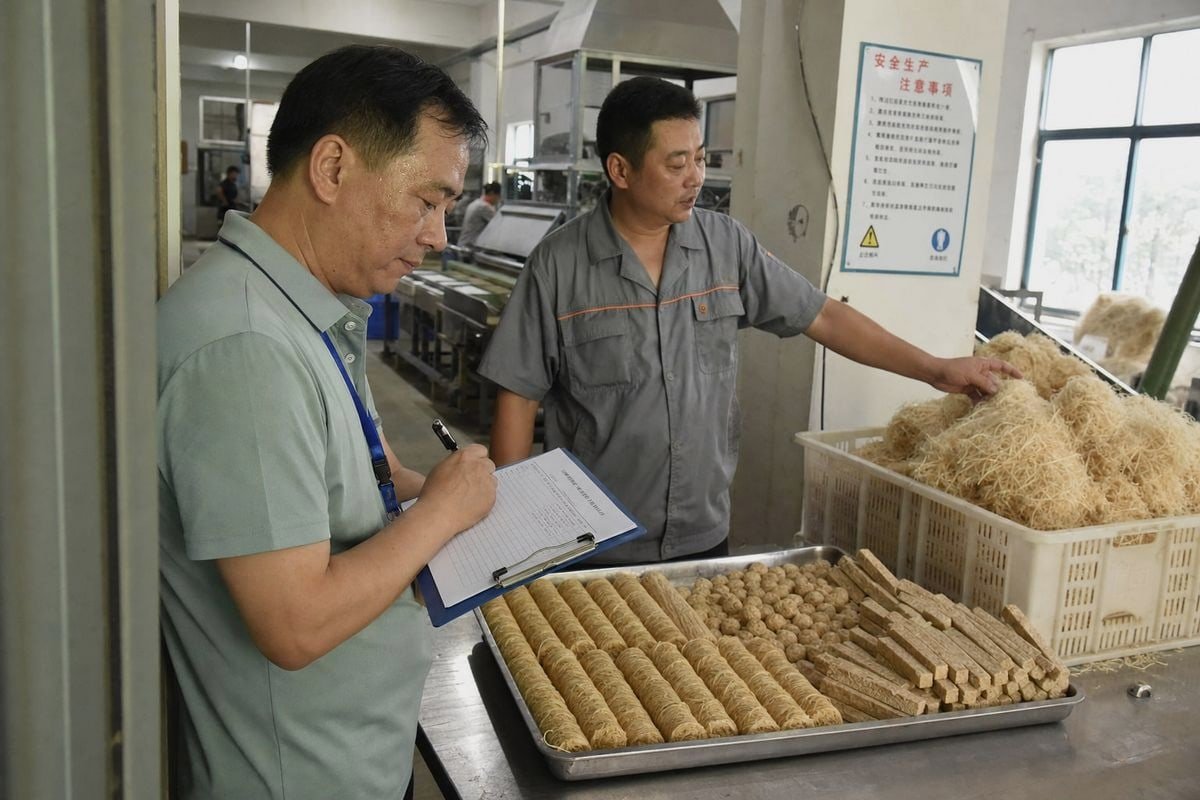
Las inspecciones de control de calidad solo lo protegen si ocurren en cada etapa y dejan un rastro de papel. Una sola verificación final detecta defectos terminados pero no puede explicar su causa. La documentación con puertas de etapa hace ambas cosas.
El registro de control de calidad a nivel de lote que debe exigir
| Etapa | Por qué es importante para los iniciadores de fuego | Qué se documenta |
|---|---|---|
| Prueba de contenido de humedad de la fibra de madera, pureza de la cera | Especie de madera, grado de cera, calidad de la hebra | Números de lote del proveedor para la trazabilidad de la materia prima |
| Post-secado | Pruebas de contenido de humedad, típicamente apuntando a un rango definido como 8-12% | Lecturas del horno por lote antes de la liberación |
| Impregnación de cera | Peso de la cera por pieza frente a la tolerancia | Registros de dosificación, pesos muestreados |
| En línea | Tamaño, forma, peso, acabado visual frente a la muestra de referencia | Hojas de verificación horarias con recuentos de aprobados/fallidos |
| Rendimiento | Pruebas aleatorias de ignición y duración de la combustión | Especificaciones de tiempo de combustión frente a resultados reales |
| Inspección previa al envío | Muestreo AQL, recuento de cartones, etiquetado, integridad del embalaje | Informe de inspección completo con fotos |
Por qué la humedad merece especial atención
Los consumibles a base de madera son higroscópicos. Absorben la humedad del aire, y la humedad mata el rendimiento de la ignición. Por lo tanto, una lectura de humedad 6 en el horno no es suficiente. Pregunte cómo la fábrica almacena el producto entre el secado y el embalaje, y exija revestimientos de barrera de vapor en los cartones principales para el tránsito marítimo húmedo. La humedad estacional en las provincias manufactureras chinas cambia significativamente, y las buenas fábricas ajustan los parámetros de secado en consecuencia en lugar de ejecutar un programa fijo durante todo el año.
Haga de la acción correctiva parte del registro
Los defectos ocurrirán. Lo que importa es el ciclo. Exija que cualquier fallo de lote venga con una nota de causa raíz, la solución aplicada y la verificación en el siguiente lote. Rastree las categorías de defectos en pedidos repetidos. Si el mismo defecto recurre, su proveedor está inspeccionando pero no mejorando, y ese patrón predice inconsistencia a largo plazo mejor que cualquier envío individual.
¿Cómo elijo un fabricante con la profundidad de producción para garantizar la coherencia a largo plazo?
La lección más dura de nuestros primeros años de exportación fue esta: los compradores no pueden ver la diferencia entre una fábrica real y una empresa comercial pulida desde un sitio web. Ambas muestran las mismas fotos de stock. Ambas prometen las mismas especificaciones. Solo una controla la línea de producción.
Elija un fabricante con experiencia específica en productos en iniciadores de fuego de madera, líneas de producción internas que pueda auditar, dosificación automatizada de cera, controles de lotes documentados y un historial de pedidos repetidos, verificado a través de una lista de verificación de auditoría de fábrica y visitas a sitios de terceros.
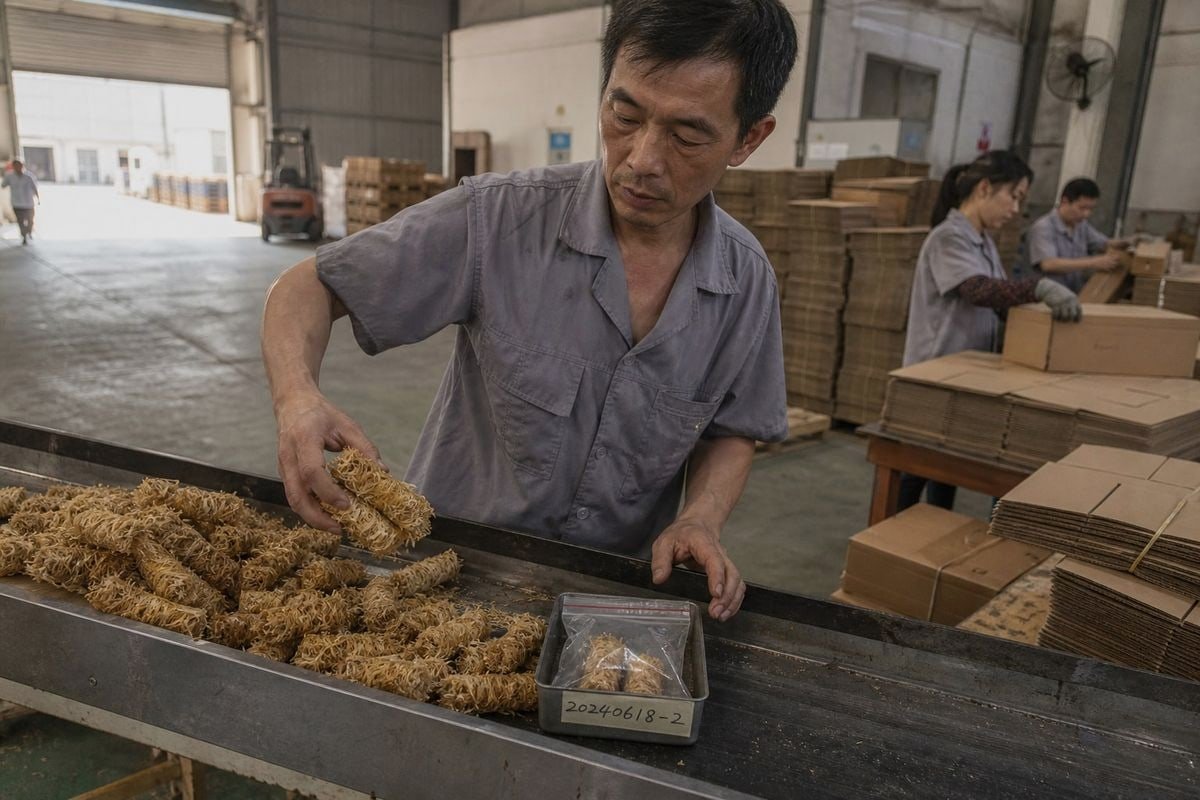
La consistencia a largo plazo es una función de la profundidad de producción. Una fábrica que posee sus hornos de secado, equipos de bobinado y líneas de cera puede mantener tolerancias pedido tras pedido. Un intermediario que cambia su producto entre subcontratistas no puede, incluso con buenas intenciones, porque cada cambio de subcontratista reinicia el proceso.
Cómo se ve realmente la profundidad de producción
Utilice esta comparación al evaluar candidatos:
| Señal | Fabricante Profundo | Proveedor Superficial |
|---|---|---|
| Experiencia en la categoría | Años enfocados en iniciadores de fuego y productos relacionados | Productos de madera en general o catálogo comercial amplio |
| Equipo | Hornos internos, líneas de bobinado, dosificación automática de cera | Pasos externalizados, inmersión manual |
| Respuestas a preguntas sobre el proceso | Medible: tolerancias, gramos de cera, rangos de humedad | Vago: "sin problema, buena calidad" |
| Historial de pedidos | Compradores B2B recurrentes durante varios años | Principalmente pedidos únicos |
| Disposición a la auditoría | Da la bienvenida a visitas in situ y auditorías de terceros | Retrasos, excusas o "la fábrica está ocupada" |
| Personalización | Verdadera OEM/ODM: tamaño, tiempo de combustión, embalaje de marca privada | Limitado a reetiquetar productos de stock |
Ejecute una lista de verificación de auditoría de fábrica real
Visite el sitio, o envíe un servicio de terceros 7 como SGS o QIMA si no puede viajar. Su lista de verificación de auditoría de fábrica debe confirmar que la identidad legal coincide con la dirección de producción, verificar que la maquinaria esté calibrada para un grosor y longitud de hebra uniformes, revisar los registros de control de calidad de lotes de pedidos anteriores y verificar las condiciones de almacenamiento de materias primas. Pida ver muestras retenidas de lotes anteriores: una fábrica que las conserva se toma en serio la repetibilidad.
Piensa en años, no en pedidos
Nuestras mejores relaciones abarcan muchos años y docenas de reordenaciones. Esa continuidad es en sí misma una herramienta de consistencia: la misma hoja de especificaciones, el mismo linaje de muestra dorada, las mismas tolerancias documentadas, refinadas con el tiempo. Saltar de precio entre proveedores reinicia esa curva de aprendizaje con cada cambio. Para un producto de rendimiento como los iniciadores de fuego, donde un lote malo daña la reputación de su marca en el estante, la cotización más barata rara vez es el resultado más barato.
 English
  Spanish
  German
  French
  Arabic
  Portuguese
Únete a la conversación