






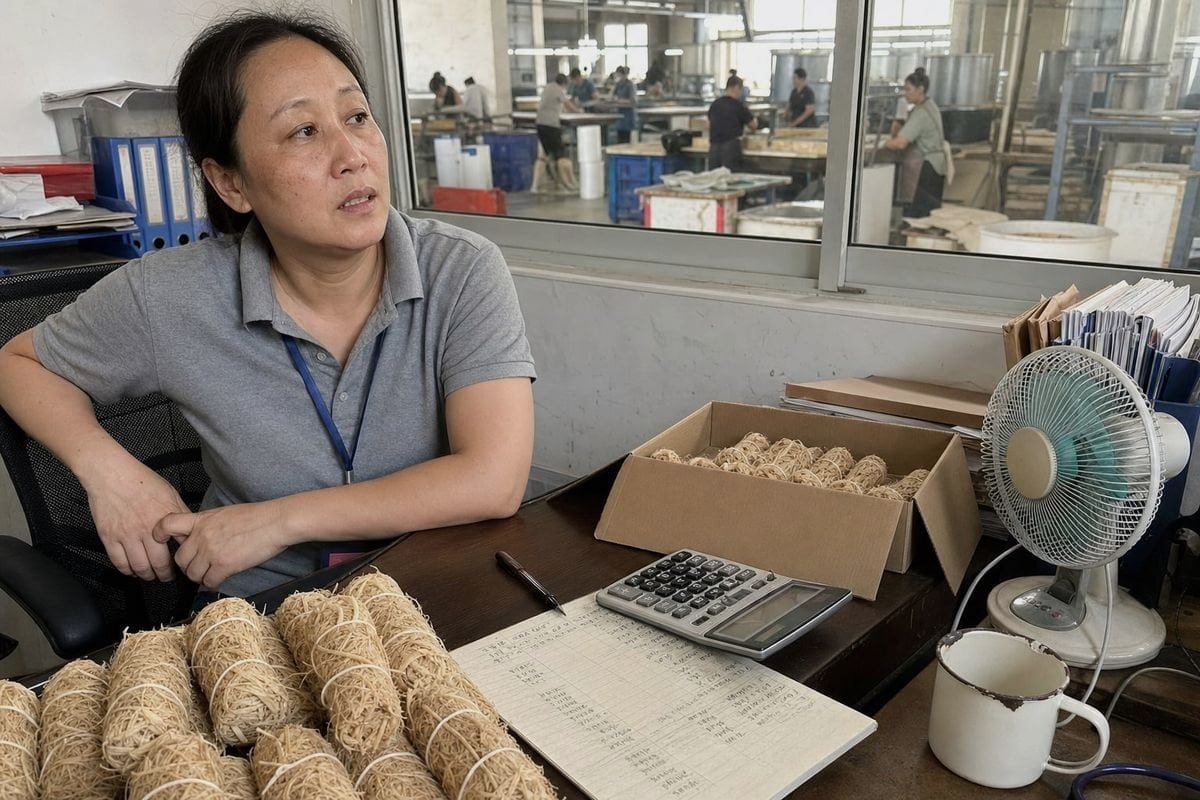
Les ratios de prépaiement pour les allume-feu en bois surprennent de nombreux acheteurs. Sur notre ligne de production à Ningbo, j'ai vu des importateurs payer trop cher d'avance, bloquer des liquidités dans des transactions risquées et perdre un pouvoir de négociation qu'ils n'auraient jamais dû céder.
Ajuster les ratios de prépaiement pour les allume-feux en bois en fonction de la confiance du fournisseur : payer des acomptes de 30 à 50 % aux fournisseurs nouveaux et non éprouvés, puis négocier à la baisse jusqu'à 10 à 20 % après plusieurs commandes réussies. Les fournisseurs établis et certifiés acceptent souvent de faibles acomptes, des paiements par étapes ou des conditions de paiement net après inspection.
Les conditions de paiement sont un outil de gestion des risques, pas une règle fixe. risque lié à la chaîne d'approvisionnement 1 Ci-dessous, j'explique comment définir le bon ratio à chaque étape d'une relation avec un fournisseur.
Quel ratio d'acompte dois-je attendre lors de la commande d'allume-feu en bois auprès d'un nouveau fournisseur ?
Un acheteur polonais m'a un jour demandé pourquoi nous demandions un acompte sur sa première commande de rouleaux de bois trempés dans la cire, alors que notre usine fonctionne depuis plus de 17 ans. La réponse est simple : les premières commandes comportent des risques pour les deux parties.
Attendez-vous à un acompte de 30 à 50 % lors de la commande d'allume-feu en bois auprès d'un nouveau fournisseur, le solde étant payé avant l'expédition. Les emballages personnalisés, le marquage privé ou les longs délais de livraison augmentent le ratio ; les produits standard en petits volumes d'essai se situent généralement à l'extrémité de 30 %.
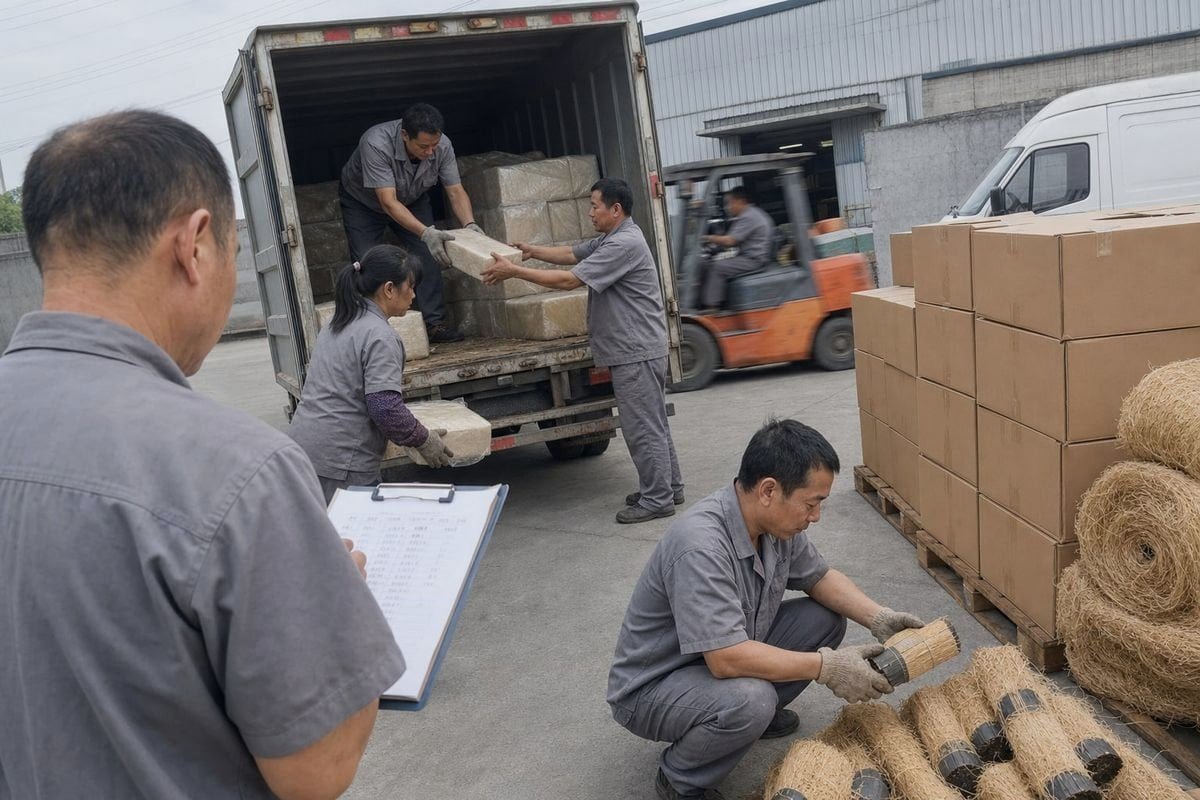
La structure d'acompte de 30 %, solde avant expédition de 70 % est l'arrangement le plus courant dans notre industrie. Elle existe pour une raison pratique. Le bois de chanvre, cire de paraffine 2, et les matériaux d'emballage doivent être achetés avant le début de la production. Un nouveau fournisseur n'a aucune preuve que vous paierez, et vous n'avez aucune preuve qu'il livrera. L'acompte répartit ce risque.
Facteurs qui font monter ou descendre le ratio
Plusieurs variables font bouger le chiffre. D'après mon expérience de devis auprès d'acheteurs aux États-Unis et en Europe, voici ceux qui comptent le plus :
| Facteur | Effet sur le prépaiement | Pourquoi |
|---|---|---|
| Produit standard, spécifications de stock | Plus bas (environ 30 %) | Le fournisseur peut revendre en cas d'annulation |
| Emballage sous marque de distributeur | Plus élevé (40–50 %) | Les boîtes personnalisées n'ont pas de valeur de revente |
| Première commande importante | Plus élevé, ou réparti par L/C | Plus de coûts de matériaux à risque |
| Saison de pointe (automne/hiver) | Plus élevé temporairement | Les prix de la cire et la capacité se resserrent |
| Fournisseur certifié (ISO, BSCI) | Légèrement plus bas | Les opérations auditables réduisent le risque |
| Transfrontalier, long délai de livraison financement du commerce 3 | Plus élevé | Plus de temps pour que les choses tournent mal |
La saisonnalité mérite une mention spéciale. La demande d'allume-feu culmine avant l'hiver, et les prix de la cire de paraffine peuvent fluctuer. Certaines usines augmentent les acomptes au troisième trimestre simplement pour sécuriser les matières premières. C'est normal, pas un signal d'alarme.
Qu'est-ce qu'un signal d'alarme ? Une demande de prépaiement à 100 % d'un fournisseur non vérifié sans certifications, sans possibilité d'audit d'usine et sans rapports de tests tiers. Cette combinaison vous fait supporter tout le risque. Si un fournisseur insiste pour un paiement intégral, demandez pourquoi. Parfois, cela reflète une faible liquidité, et une faible liquidité est exactement le type de signal financier que les directives d'approvisionnement vous disent de rechercher avant de transférer de l'argent.
Comment puis-je négocier des dépôts plus bas une fois que j'ai établi une bonne réputation avec mon fabricant de démarreurs à feu de bois ?
L'un de nos distributeurs allemands a commencé avec une petite commande d'essai et un acompte standard. Six cycles de commande plus tard, ses conditions sont complètement différentes — et il a gagné chaque point de cette amélioration grâce à un comportement prévisible.
Négociez des acomptes plus bas en établissant un historique documenté : terminez trois à six cycles de commande réussis, payez les soldes rapidement, augmentez régulièrement les volumes, puis demandez formellement des conditions réduites. La plupart des fabricants réduiront les acomptes à 10–20 % pour les acheteurs qui se montrent fiables et prévisibles.
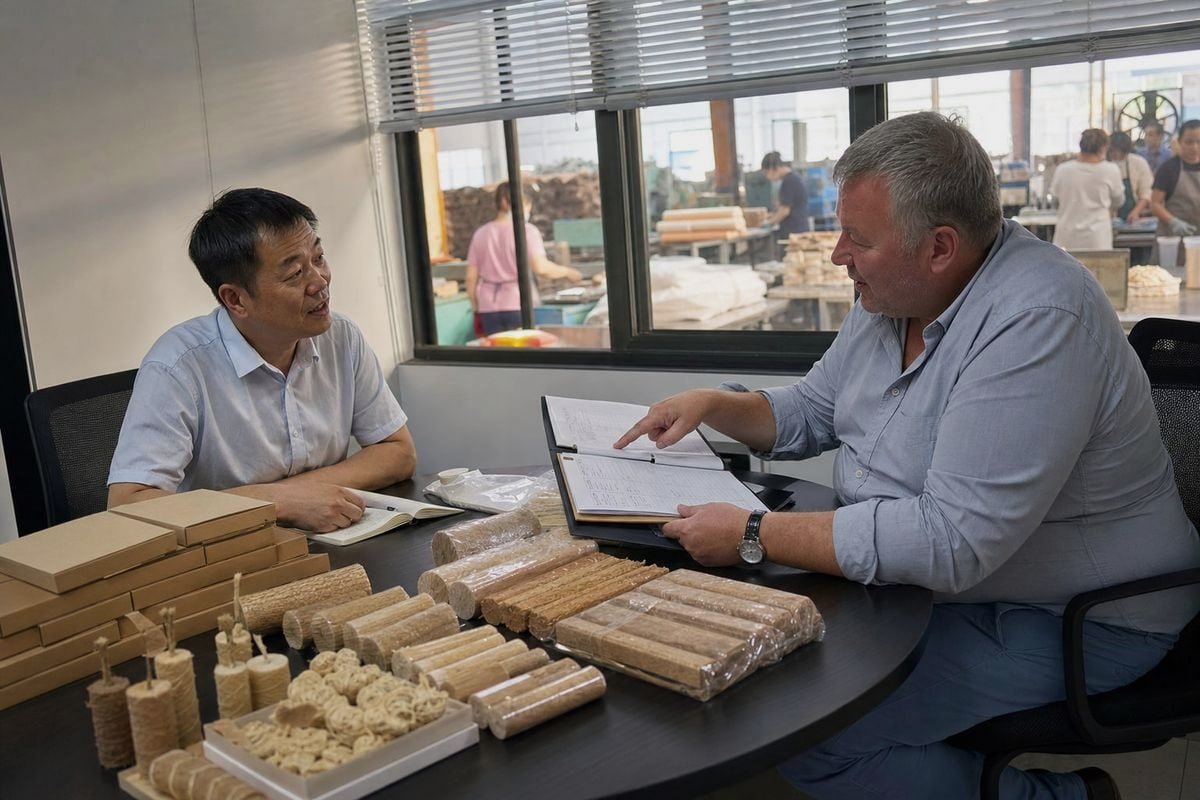
La confiance est un grand livre à double entrée. Vous vous souciez de notre livraison ; nous nous soucions de votre paiement. Chaque transaction propre ajoute une ligne de preuve des deux côtés. Les acheteurs qui obtiennent les meilleures conditions de notre part traitent ce grand livre de manière délibérée, pas passive.
Un chemin étape par étape vers de meilleures conditions
Voici le processus que je recommande, basé sur l'évolution de nos propres comptes à long terme :
- Commencez par une commande d'essai. Restez simple. Acceptez l'acompte standard sans discuter. Votre objectif ici est d'obtenir des données, pas des économies.
- Suivez tout. Enregistrez les taux de défaut, la ponctualité des expéditions, la précision de l'étiquetage et la rapidité avec laquelle le fournisseur répond aux questions. Cela constitue votre dossier de négociation.
- Payez vos soldes à temps, à chaque fois. Rien ne renforce plus rapidement la confiance du fournisseur. Un acheteur qui paie le solde de 70 % le jour où l'inspection est validée est un acheteur que nous voulons conserver.
- Augmentez progressivement le volume des commandes. Des volumes plus importants et prévisibles donnent au fournisseur une certitude de planification. La certitude a une valeur monétaire, et vous devriez l'échanger contre de meilleures conditions.
- Demandez formellement après trois à six cycles. Ne faites pas allusion. Envoyez une demande écrite : "Sur la base de six commandes complétées sans aucun litige, nous proposons de passer de 30/70 à 20/80, puis de réexaminer l'année prochaine."
- Offrez quelque chose en retour. Les prévisions de volume annuel, les engagements à plus long terme ou les expéditions consolidées justifient qu'un fournisseur assume plus de risque de paiement.
One more lever: sourcing options. Because the fire starter supply base is fragmented, credible buyers usually have alternatives. You do not need to threaten anyone. Simply being a well-informed buyer with options changes the tone of the conversation. When we know a good customer could go elsewhere, we sharpen our terms to keep them.
Quelles conditions de paiement sont standard pour les fournisseurs établis avec une production certifiée comme Sunrich ?
Certification changed how our payment conversations go. When a US buyer sees our ISO 9001 4, BSCI, CE, and SGS/Intertek documentation before the first call, the deposit discussion starts from a different, calmer place.
Les fournisseurs établis et certifiés acceptent généralement des dépôts de 10 à 20%, des paiements échelonnés liés à la production et à l'inspection, ou même des soldes après inspection pour les acheteurs réguliers. Les certifications telles que l'ISO 9001, le BSCI et les rapports de tests par des tiers justifient un prépaiement plus faible car les opérations sont auditable et traçables.
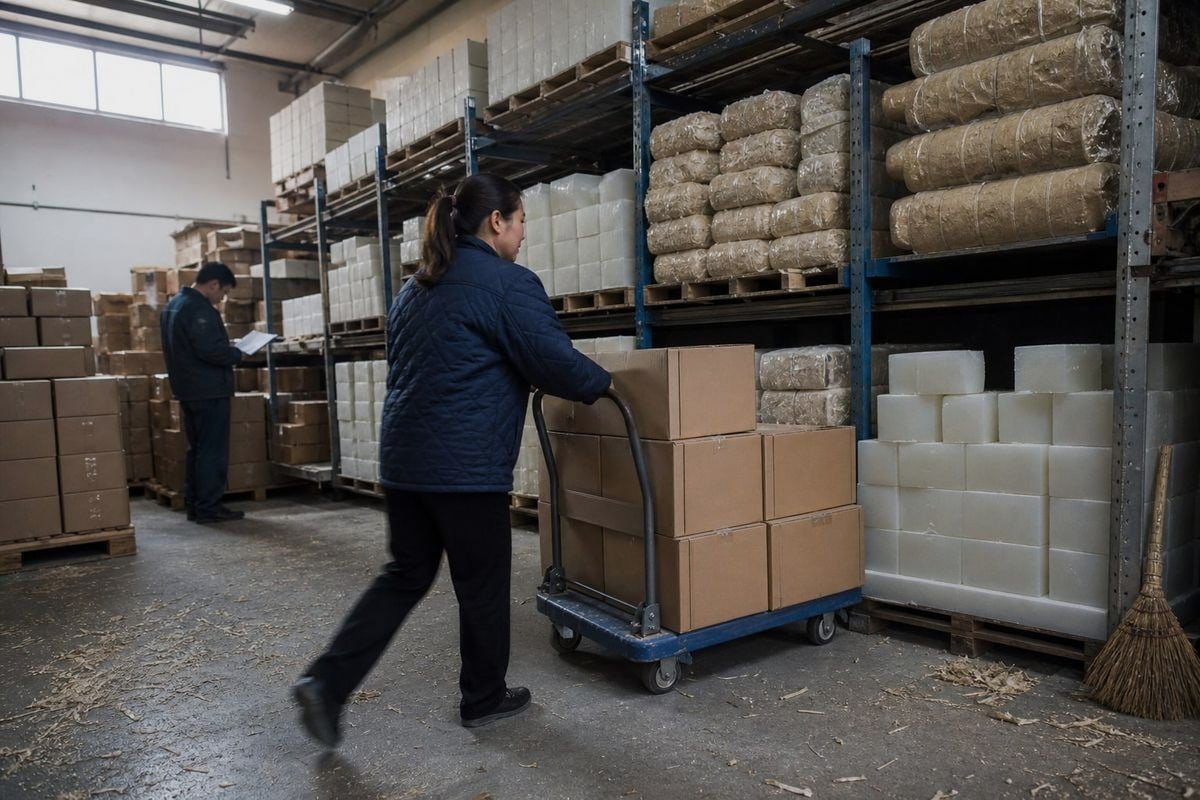
Why does certification move the payment needle? Because it replaces blind trust with verifiable evidence. An ISO 9001 factory has documented quality processes. A BSCI audit confirms the facility actually exists and operates responsibly. SGS or Intertek test reports prove the product — in our case, wood fiber and paraffin fire starters — performs as labeled. Each document reduces the unknowns that high deposits are designed to cover.
How Terms Typically Scale with Supplier Standing
| Supplier Profile | Typical Prepayment | Balance Terms | Idéal pour |
|---|---|---|---|
| Unverified, no certifications | 50–100% | Avant l'expédition | Avoid, or tiny trials only |
| New but certified factory | 30% | 70% avant expédition | First orders, custom runs |
| Certified, 2–3 successful orders | 20% | 80% after inspection | Scaling phase |
| Long-term certified partner | 0–20% | Net terms or after receipt | Strategic volume buyers |
At our factory, milestone structures are common for larger programmes de marque privée: a deposit on order confirmation, a second payment after pre-shipment inspection, and the final portion against shipping documents. This ties every payment to verifiable progress rather than promises.
There is one honest caveat. Even established suppliers keep deposits on fully bespoke runs — custom box designs, unique burn-time formulations, special barcodes and warning labels. Those goods cannot be resold if a buyer walks away. A reasonable deposit on customization is not caution about you; it is basic protection on non-recoverable work. What separates a strong partner is that everything standard around that deposit — quality, timing, documentation — is already proven.
Comment équilibrer le risque de prépaiement avec les commandes d'essai lors de l'approvisionnement en allume-feu en bois pour la première fois ?
The trade-off I discuss most with first-time buyers is this: a bigger first order gets a better unit price, but it also multiplies the cash you put at risk before you have seen a single production batch.
Équilibrer le risque de prépaiement en maintenant les premières commandes petites, en demandant d'abord des échantillons, en utilisant des paiements échelonnés liés à une inspection par un tiers et en mettant les spécifications de qualité par écrit. Une commande d'essai modeste avec un dépôt de 30% limite l'exposition totale tout en générant les preuves nécessaires pour des commandes plus importantes et à de meilleures conditions.
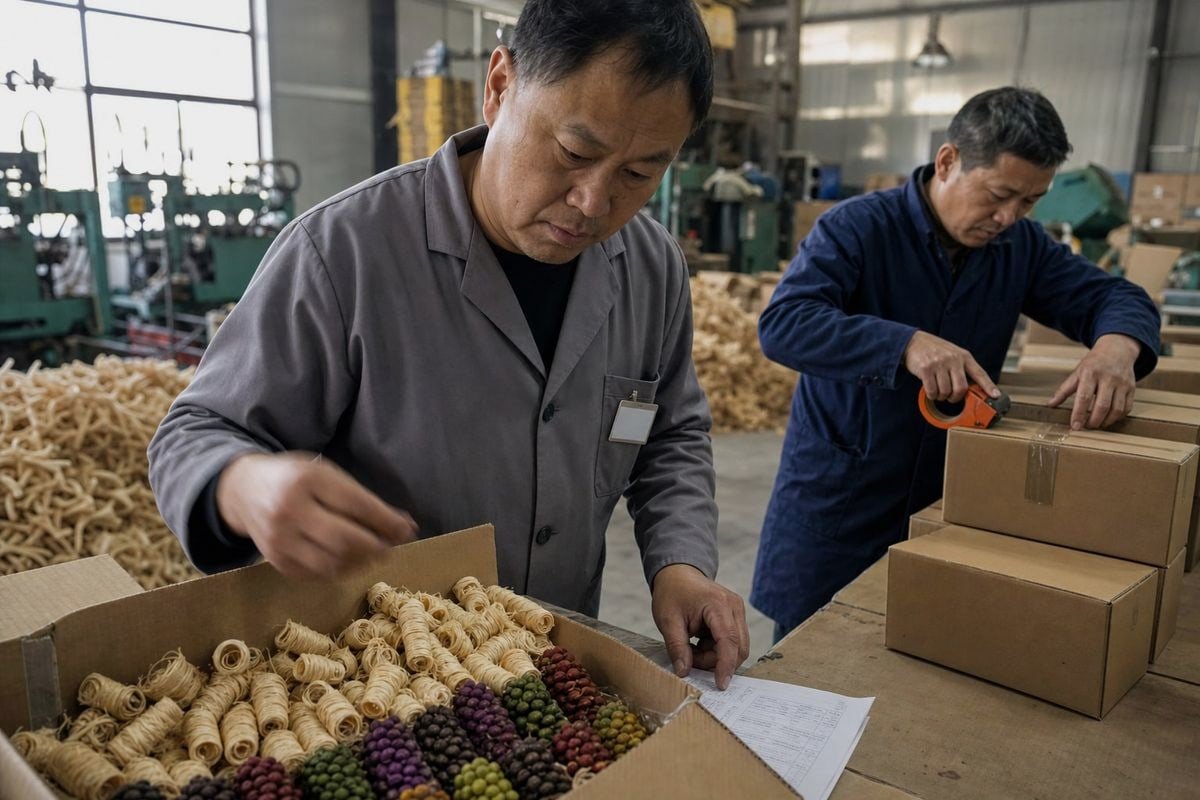
Think in terms of total cash at risk, not just the percentage. A 50% deposit on a small trial order can expose less money than a 30% deposit on a full container. That is why I usually tell new buyers not to obsess over the ratio on order one. Control the order size instead, and structure the payment safely.
Structuring a Safer First Transaction
The ratio is only one lever. These mechanisms often matter more:
| Mécanisme de protection | Comment ça marche | When to Use It |
|---|---|---|
| Samples before deposit | Verify ignition, burn time, dryness first | Always, on every new supplier |
| Milestone payments | e.g., 30% deposit, 40% after inspection, 30% after delivery | Larger or custom first orders |
| Inspection préalable à l'expédition par un tiers inspection par un tiers 5 | SGS/Intertek verify goods before balance payment | Any first order worth protecting |
| Lettre de crédit 6 | Bank releases funds against documents | Large first-time cross-border orders |
| Written specs and remedy clauses | Defines quality and what happens if it fails | Chaque commande, sans exception |
For wood fire starters specifically, quality details matter more than they look. Wax ratio, wood wool dryness, and winding density all affect ignition reliability. A slightly damp or under-waxed batch means frustrated end customers and returns. So your written spec should cover composition, burn time, moisture, and packaging — and your balance payment should only release after those specs are verified.
One compliance note from our export experience: fire starters may face flammable-goods documentation 7 and labeling requirements depending on destination and shipping mode. Confirm your supplier can produce correct warning labels, barcodes, and shipping documents before you pay anything. A cheap deposit on goods that get stuck in customs is not a saving.
Conclusion
Prepayment ratios for wood fire starters should fall as trust rises: start at 30–50% with new suppliers, verify performance through trial orders, then step down toward 10–20% or net terms with certified, proven partners.
Notes de bas de page
1. Wikipedia overview of supply chain risk concepts underlying prepayment ratio decisions. ↩︎
2. Wikipedia background on the raw material central to fire starter production and pricing swings. ↩︎
3. WTO resource on trade finance mechanisms relevant to cross-border deposit and payment negotiations. ↩︎
4. Official ISO standard page explaining the quality management certification referenced repeatedly. ↩︎
5. ISO home reference for standards bodies underpinning pre-shipment inspection and certification practices. ↩︎
6. Background concept explaining this trade finance instrument mentioned as a payment protection mechanism. ↩︎
7. Government reference relevant to hazardous/flammable materials shipping documentation requirements. ↩︎



 English
  Spanish
  German
  French
  Arabic
  Portuguese
Rejoignez la conversation