






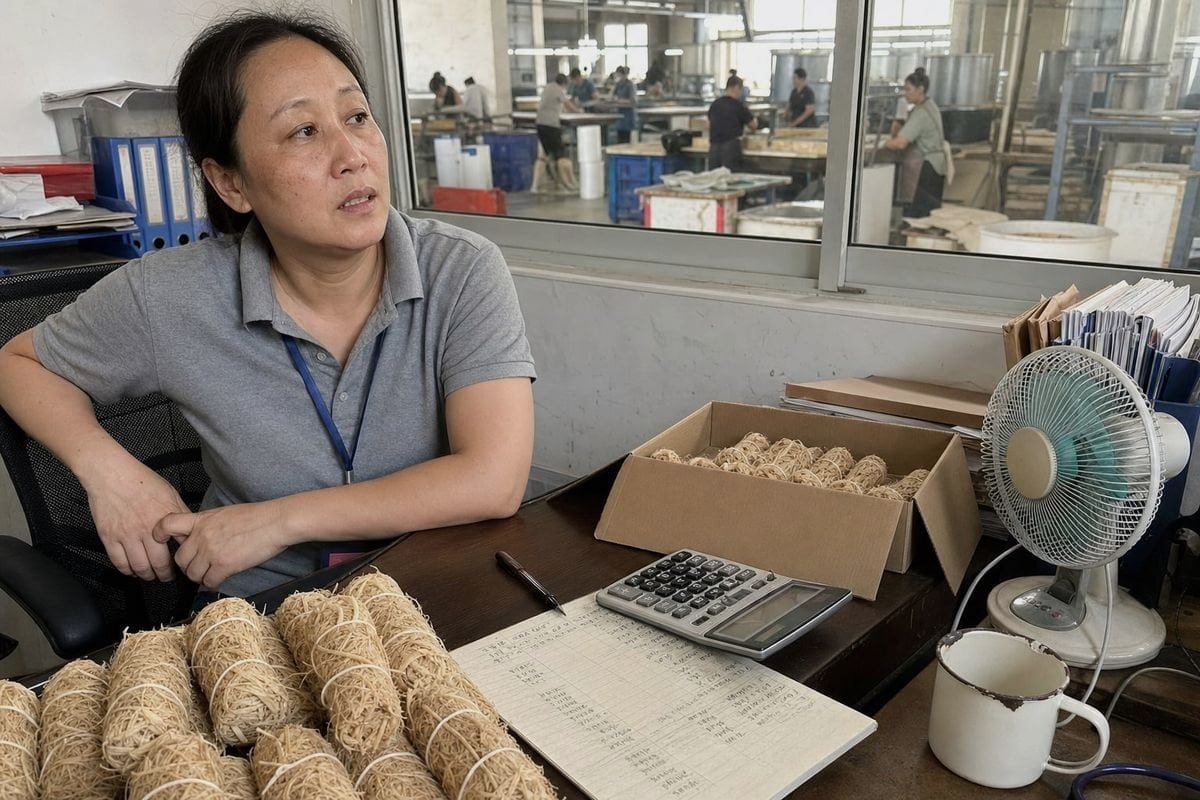
نسب الدفع المسبق لبادئات إشعال النار الخشبية تربك العديد من المشترين. على خط الإنتاج الخاص بنا في نينغبو، شاهدت مستوردين يدفعون مبالغ زائدة مقدمًا، ويقيدون النقد في صفقات محفوفة بالمخاطر، ويفقدون النفوذ الذي لم يكن عليهم التخلي عنه أبدًا.
اضبط نسب الدفع المسبق لبادئات حرائق الخشب بناءً على ثقة المورد: ادفع 30-50% كوديعة للموردين الجدد وغير المثبتين، ثم تفاوض لخفضها إلى 10-20% بعد عدة طلبات ناجحة. غالبًا ما يقبل الموردون الراسخون والمعتمدون ودائع منخفضة أو دفعات مرحلية أو شروط صافية بعد الفحص.
شروط الدفع هي أداة للمخاطر، وليست قاعدة ثابتة. مخاطر سلسلة التوريد 1 أدناه، سأوضح كيفية تحديد النسبة الصحيحة في كل مرحلة من مراحل العلاقة مع المورد.
ما هي نسبة الدفعة المقدمة التي يجب أن أتوقعها عند طلب مشعلات النار الخشبية من مورد جديد؟
سألني مشترٍ من بولندا ذات مرة لماذا طلبنا وديعة على طلبه الأول من لفائف الخشب المغطاة بالشمع، على الرغم من أن مصنعنا يعمل منذ أكثر من 17 عامًا. الإجابة بسيطة: الطلبات الأولى تحمل مخاطر لكلا الطرفين.
توقع دفعة مقدمة بنسبة 30-50٪ عند طلب مشعلات النار الخشبية من مورد جديد، مع دفع الرصيد قبل الشحن. التعبئة والتغليف المخصص، أو العلامات التجارية الخاصة، أو أوقات التسليم الطويلة تدفع النسبة إلى الأعلى؛ المنتجات القياسية بكميات تجريبية صغيرة عادة ما تكون في الطرف الأدنى من 30٪.
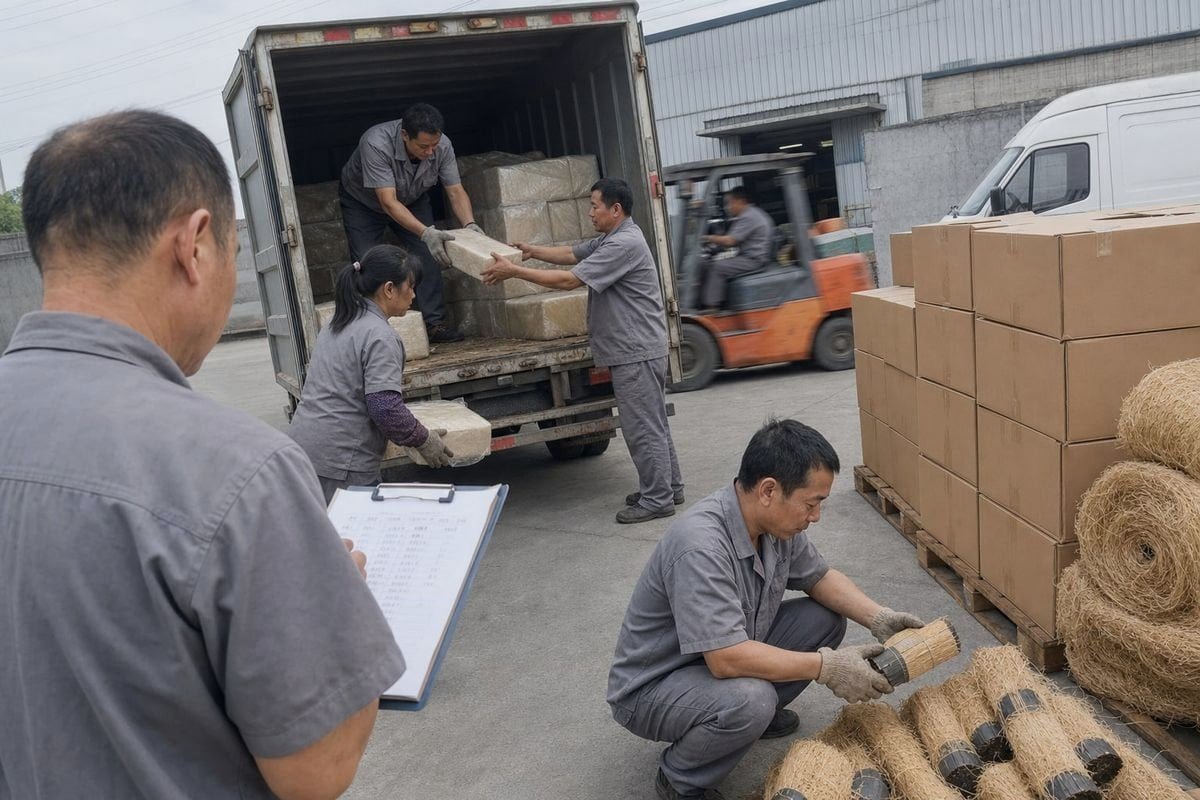
هيكل الوديعة 30%، والرصيد 70% قبل الشحن هو الترتيب الأكثر شيوعًا في صناعتنا. وهو موجود لسبب عملي. يجب شراء الصوف الخشبي،, شمع البارافين 2, ومواد التعبئة والتغليف قبل بدء الإنتاج. لا يملك المورد الجديد دليلاً على أنك ستدفع، ولا يملك دليلاً على أنهم سيسلمون. الوديعة تقسم تلك المخاطر.
العوامل التي تدفع النسبة إلى الأعلى أو الأسفل
العديد من المتغيرات تحرك الرقم. في تجربتي في تقديم عروض أسعار للمشترين في جميع أنحاء الولايات المتحدة وأوروبا، هذه هي العوامل الأكثر أهمية:
| عامل | التأثير على الدفع المسبق | لماذا |
|---|---|---|
| منتج قياسي، مواصفات مخزون | أقل (حوالي 30%) | يمكن للمورد إعادة البيع إذا قمت بالإلغاء |
| تعبئة خاصة بالعلامة التجارية | أعلى (40-50%) | الصناديق المخصصة ليس لها قيمة إعادة بيع |
| طلب أول كبير | أعلى، أو مقسمة عبر خطاب اعتماد | المزيد من تكلفة المواد المعرضة للخطر |
| موسم الذروة (الخريف/الشتاء) | أعلى مؤقتًا | أسعار الشمع والقدرة تضيق |
| مورد معتمد (ISO، BSCI) | أقل قليلاً | العمليات القابلة للتدقيق تقلل المخاطر |
| عبر الحدود، مهلة طويلة تمويل التجارة 3 | أعلى | المزيد من الوقت لحدوث الأخطاء |
يستحق الموسمية ذكرًا خاصًا. يبلغ ذروة الطلب على بادئات الإشعال قبل الشتاء، ويمكن أن تتأرجح أسعار شمع البارافين. ترفع بعض المصانع الودائع في الربع الثالث ببساطة لتأمين المواد الخام. هذا طبيعي، وليس علامة حمراء.
ما هي العلامة الحمراء؟ طلب دفع مسبق 100% من مورد غير موثق بدون شهادات، ولا خيار تدقيق للمصنع، ولا تقارير اختبار من طرف ثالث. هذا المزيج ينقل كل المخاطر إليك. إذا أصر المورد على الدفع المسبق الكامل، اسأل عن السبب. في بعض الأحيان يعكس ضعف السيولة، وضعف السيولة هو بالضبط نوع الإشارة المالية التي تخبرك بها إرشادات المشتريات بالبحث عنها قبل تحويل الأموال.
كيف يمكنني التفاوض على ودائع أقل بمجرد بناء سجل حافل مع الشركة المصنعة لمشعلات الخشب الخاصة بي؟
بدأ أحد موزعينا الألمان بطلب تجريبي صغير ووديعة قياسية. بعد ست دورات طلب، تبدو شروطه مختلفة تمامًا - وقد كسب كل نقطة من هذا التحسن من خلال سلوك يمكن التنبؤ به.
تفاوض على ودائع أقل من خلال بناء سجل موثق: أكمل ثلاث إلى ست دورات طلب ناجحة، وادفع الأرصدة فورًا، وزد الأحجام بثبات، ثم اطلب رسميًا شروطًا مخفضة. سيخفض معظم المصنعين الودائع إلى 10-20% للمشترين الذين يثبتون أنهم موثوقون ويمكن التنبؤ بهم.
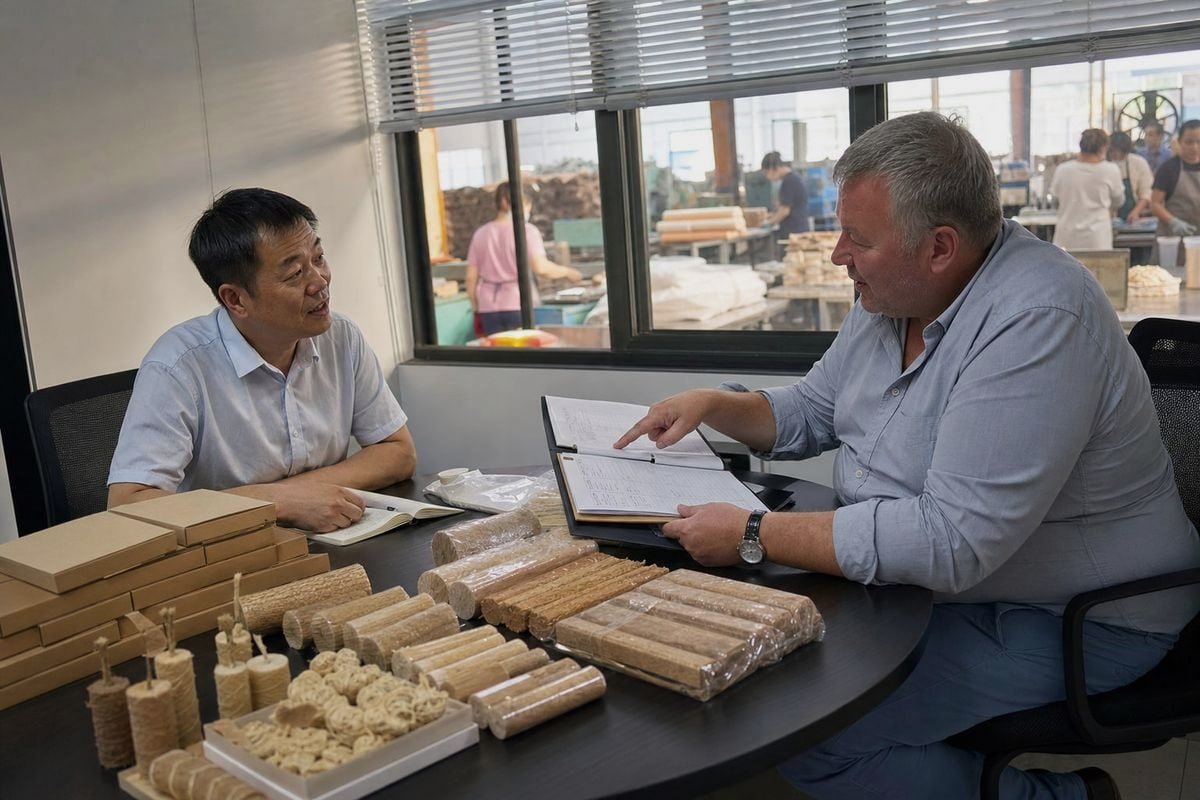
الثقة هي دفتر أستاذ ثنائي الاتجاه. أنت تقلق بشأن تسليمنا؛ نحن نقلق بشأن دفعتك. كل معاملة نظيفة تضيف سطرًا من الأدلة على كلا الجانبين. المشترون الذين يحصلون على أفضل الشروط منا يتعاملون مع هذا الدفتر بوعي، وليس بشكل سلبي.
مسار خطوة بخطوة للحصول على شروط أفضل
إليك العملية التي أوصي بها، بناءً على كيفية تطور حساباتنا طويلة الأجل:
- ابدأ بطلب تجريبي. اجعلها صغيرة. اقبل الوديعة القياسية دون قتال. هدفك هنا هو البيانات، وليس التوفير.
- تتبع كل شيء. سجل معدلات العيوب، والشحن في الوقت المحدد، ودقة الملصقات، ومدى سرعة استجابة المورد للأسئلة. يصبح هذا ملف التفاوض الخاص بك.
- ادفع أرصدتك في الوقت المحدد، في كل مرة. لا شيء يبني ثقة المورد بشكل أسرع. المشتري الذي يدفع رصيد 70% في يوم اجتياز الفحص هو مشترٍ نرغب في الاحتفاظ به.
- قم بزيادة حجم الطلب تدريجيًا. تمنح الأحجام الأكبر التي يمكن التنبؤ بها المورد يقينًا في التخطيط. اليقين له قيمة مالية، ويجب عليك مقايضته بشروط أفضل.
- اطلب رسميًا بعد ثلاث إلى ست دورات. لا تلمح. أرسل طلبًا مكتوبًا: "بناءً على ستة طلبات مكتملة بدون نزاعات، نقترح الانتقال من 30/70 إلى 20/80، ثم المراجعة مرة أخرى العام المقبل."
- قدم شيئًا في المقابل. توقعات الحجم السنوي، أو الالتزامات طويلة الأجل، أو الشحنات المجمعة كلها تبرر للمورد تحمل المزيد من مخاطر الدفع.
One more lever: sourcing options. Because the fire starter supply base is fragmented, credible buyers usually have alternatives. You do not need to threaten anyone. Simply being a well-informed buyer with options changes the tone of the conversation. When we know a good customer could go elsewhere, we sharpen our terms to keep them.
ما هي شروط الدفع القياسية للموردين الراسخين ذوي الإنتاج المعتمد مثل Sunrich؟
Certification changed how our payment conversations go. When a US buyer sees our ISO 9001 4, BSCI, CE, and SGS/Intertek documentation before the first call, the deposit discussion starts from a different, calmer place.
يقبل الموردون المعتمدون والراسخون عادةً ودائع بنسبة 10-20٪، ودفعات مرحلية مرتبطة بالإنتاج والفحص، أو حتى شروط الرصيد بعد الفحص للمشترين المتكررين. تبرر الشهادات مثل ISO 9001 و BSCI وتقارير الاختبار من طرف ثالث انخفاض الدفعة المقدمة لأن العمليات قابلة للتدقيق والتتبع.
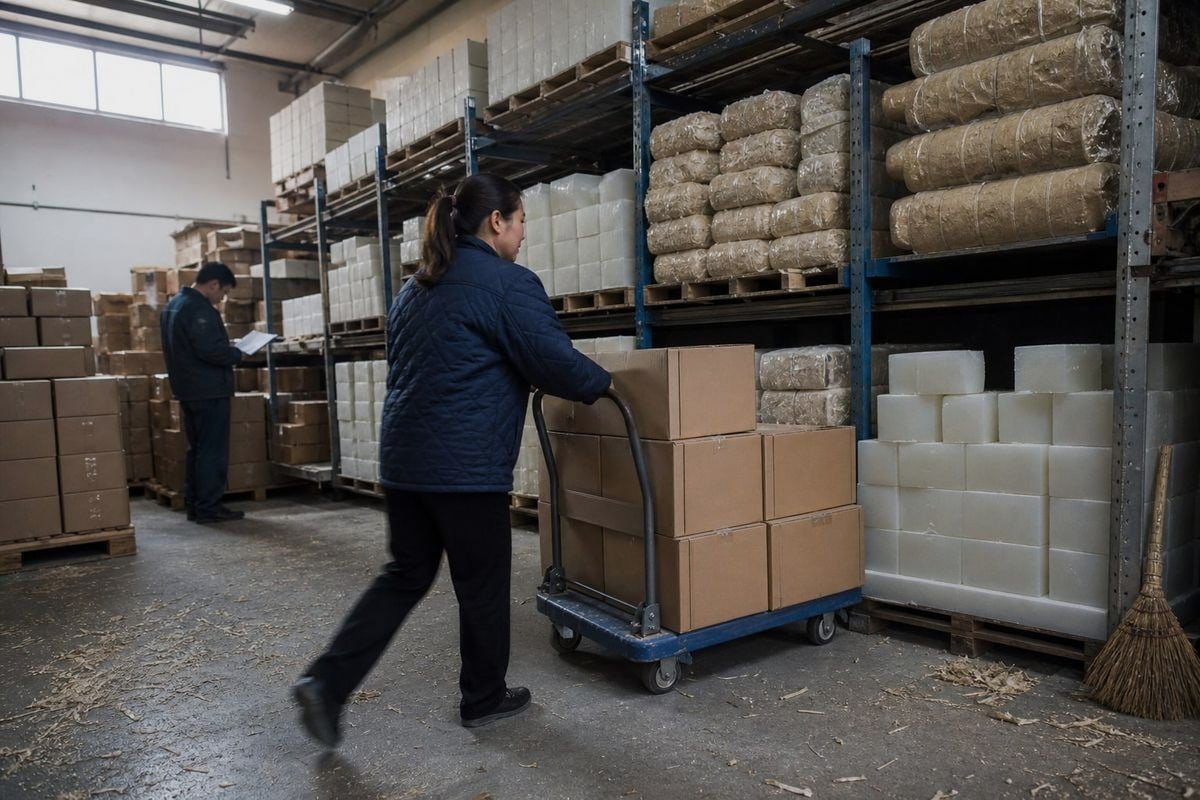
Why does certification move the payment needle? Because it replaces blind trust with verifiable evidence. An ISO 9001 factory has documented quality processes. A BSCI audit confirms the facility actually exists and operates responsibly. SGS or Intertek test reports prove the product — in our case, wood fiber and paraffin fire starters — performs as labeled. Each document reduces the unknowns that high deposits are designed to cover.
How Terms Typically Scale with Supplier Standing
| Supplier Profile | Typical Prepayment | Balance Terms | الأفضل لـ |
|---|---|---|---|
| Unverified, no certifications | 50–100% | قبل الشحن | Avoid, or tiny trials only |
| New but certified factory | 30% | 70٪ قبل الشحن | First orders, custom runs |
| Certified, 2–3 successful orders | 20% | 80% after inspection | Scaling phase |
| Long-term certified partner | 0–20% | Net terms or after receipt | Strategic volume buyers |
At our factory, milestone structures are common for larger برامج العلامات الخاصة: a deposit on order confirmation, a second payment after pre-shipment inspection, and the final portion against shipping documents. This ties every payment to verifiable progress rather than promises.
There is one honest caveat. Even established suppliers keep deposits on fully bespoke runs — custom box designs, unique burn-time formulations, special barcodes and warning labels. Those goods cannot be resold if a buyer walks away. A reasonable deposit on customization is not caution about you; it is basic protection on non-recoverable work. What separates a strong partner is that everything standard around that deposit — quality, timing, documentation — is already proven.
كيف أوازن بين مخاطر الدفع المسبق وطلبات التجربة عند الحصول على مشعلات النار الخشبية لأول مرة؟
The trade-off I discuss most with first-time buyers is this: a bigger first order gets a better unit price, but it also multiplies the cash you put at risk before you have seen a single production batch.
وازن مخاطر الدفع المسبق عن طريق الحفاظ على الطلبات الأولى صغيرة، وطلب عينات أولاً، واستخدام دفعات مرحلية مرتبطة بالتفتيش من طرف ثالث، ووضع مواصفات الجودة كتابيًا. يحد طلب تجريبي متواضع بإيداع 30٪ من إجمالي التعرض مع توليد الأدلة اللازمة لطلبات أكبر بشروط أفضل.
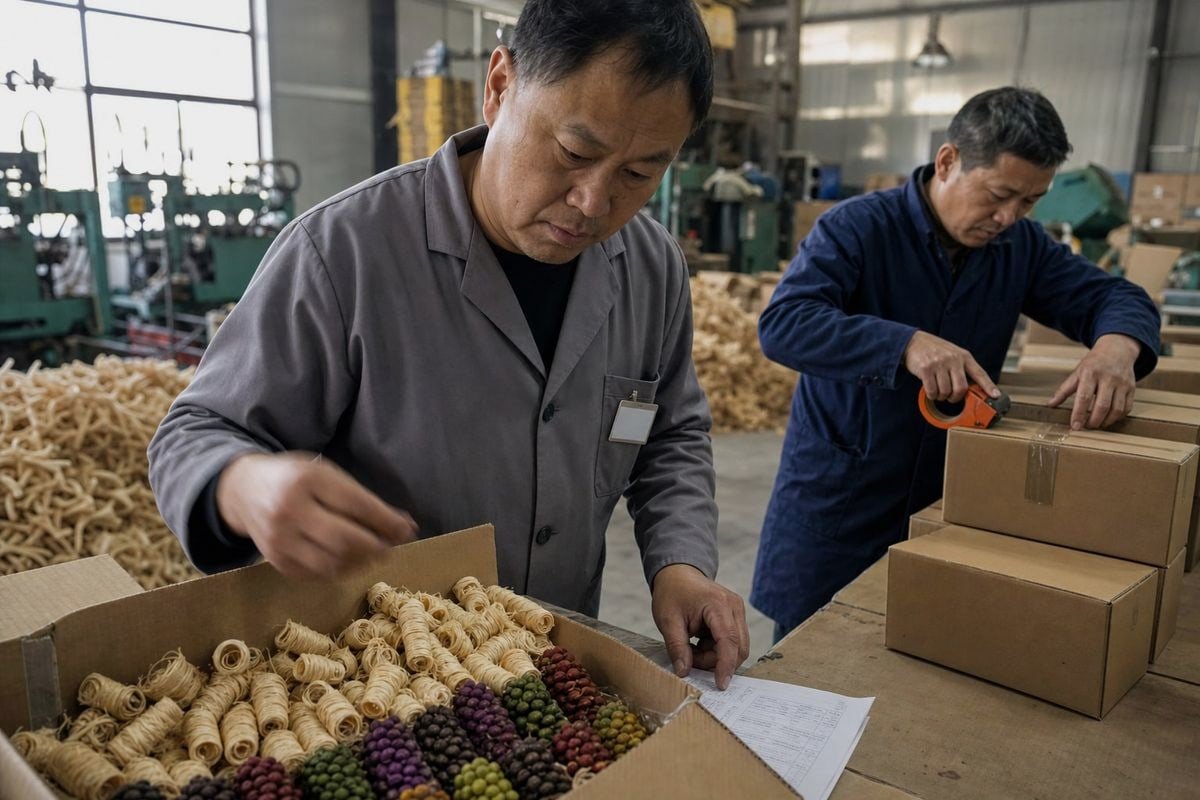
Think in terms of total cash at risk, not just the percentage. A 50% deposit on a small trial order can expose less money than a 30% deposit on a full container. That is why I usually tell new buyers not to obsess over the ratio on order one. Control the order size instead, and structure the payment safely.
Structuring a Safer First Transaction
The ratio is only one lever. These mechanisms often matter more:
| آلية الحماية | كيف يعمل | When to Use It |
|---|---|---|
| Samples before deposit | Verify ignition, burn time, dryness first | Always, on every new supplier |
| Milestone payments | e.g., 30% deposit, 40% after inspection, 30% after delivery | Larger or custom first orders |
| فحص الشحن المسبق من طرف ثالث وكالة فحص طرف ثالث 5 | SGS/Intertek verify goods before balance payment | Any first order worth protecting |
| خطاب اعتماد 6 | Bank releases funds against documents | Large first-time cross-border orders |
| Written specs and remedy clauses | Defines quality and what happens if it fails | كل طلب، بدون استثناءات |
For wood fire starters specifically, quality details matter more than they look. Wax ratio, wood wool dryness, and winding density all affect ignition reliability. A slightly damp or under-waxed batch means frustrated end customers and returns. So your written spec should cover composition, burn time, moisture, and packaging — and your balance payment should only release after those specs are verified.
One compliance note from our export experience: fire starters may face flammable-goods documentation 7 and labeling requirements depending on destination and shipping mode. Confirm your supplier can produce correct warning labels, barcodes, and shipping documents before you pay anything. A cheap deposit on goods that get stuck in customs is not a saving.
خاتمة
Prepayment ratios for wood fire starters should fall as trust rises: start at 30–50% with new suppliers, verify performance through trial orders, then step down toward 10–20% or net terms with certified, proven partners.
ملاحظات ختامية
1. Wikipedia overview of supply chain risk concepts underlying prepayment ratio decisions. ↩︎
2. Wikipedia background on the raw material central to fire starter production and pricing swings. ↩︎
3. WTO resource on trade finance mechanisms relevant to cross-border deposit and payment negotiations. ↩︎
4. Official ISO standard page explaining the quality management certification referenced repeatedly. ↩︎
5. ISO home reference for standards bodies underpinning pre-shipment inspection and certification practices. ↩︎
6. Background concept explaining this trade finance instrument mentioned as a payment protection mechanism. ↩︎
7. Government reference relevant to hazardous/flammable materials shipping documentation requirements. ↩︎

 English
  Spanish
  German
  French
  Arabic
  Portuguese
انضم إلى المحادثة