






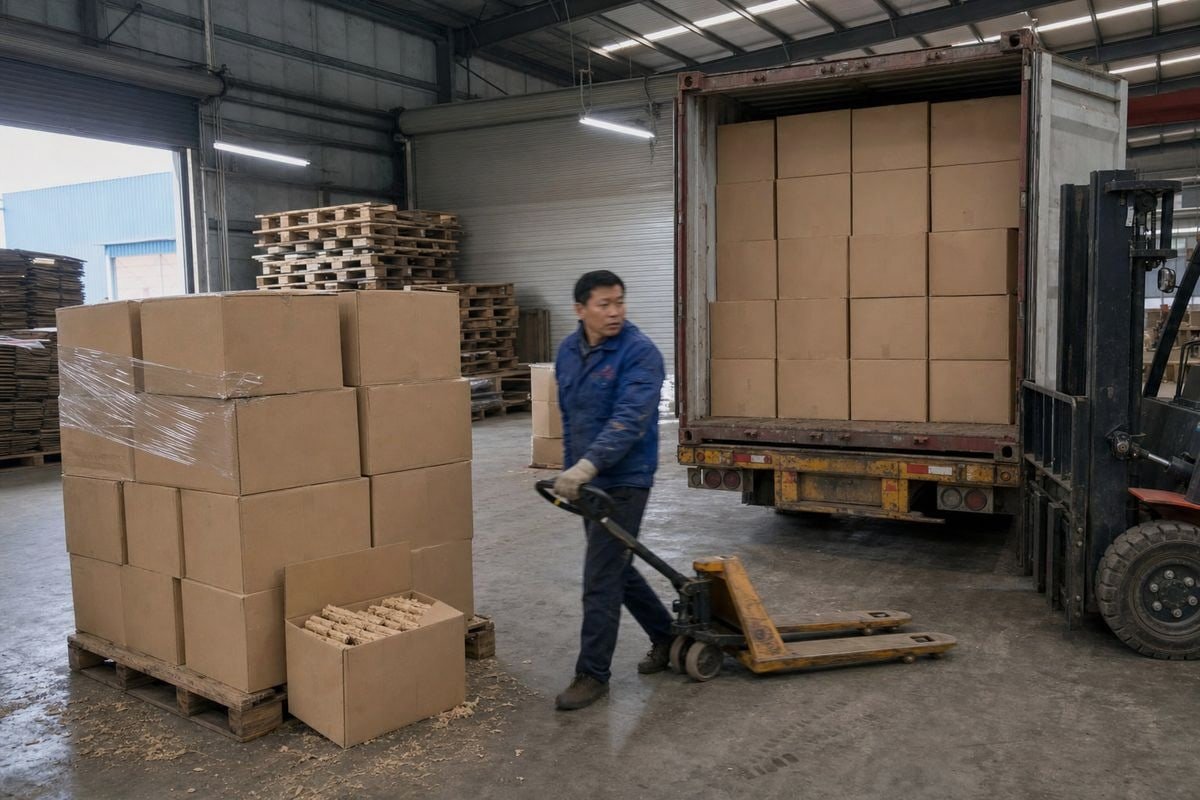
Elegir entre FCL vs LCL para iniciadores de fuego de leña puede destruir silenciosamente tu margen hojas MSDS 1. He visto a compradores elegir el modo incorrecto de nuestra línea de producción de Ningbo, y su costo de llegada se disparó de la noche a la mañana mientras los precios minoristas se mantuvieron estables. La solución es más simple de lo que la mayoría de los importadores piensan: igualar el modo de envío con su volumen cúbico real y ciclo de ventas.
Para equilibrar el costo y el tiempo de entrega al enviar encendedores de leña desde China, use LCL para pedidos de menos de aproximadamente 10–12 CBM y FCL una vez que el volumen alcance aproximadamente 15 CBM. Entre 8–15 CBM, solicite ambas cotizaciones, porque las tarifas de destino y los retrasos de consolidación cambian el punto de equilibrio real.
Esa es la respuesta corta. Pero los iniciadores de fuego de leña son voluminosos, de bajo valor y estacionales, por lo que los detalles importan. Te guiaré sobre cómo ayudo a nuestros compradores a decidir.
¿Cómo decido entre FCL y LCL para el volumen de mi pedido de iniciadores de fuego de madera?
Un distribuidor alemán me pidió una vez que cotizara 8 CBM de nuestros rollos de madera encerados en ambos sentidos. La cotización LCL parecía más barata en el papel. El total FCL todo incluido fue solo marginalmente más alto, y dos semanas más rápido.
Decida según el volumen cúbico: por debajo de unas 8-10 CBM, LCL es casi siempre más barato; por encima de 15 CBM, FCL gana tanto en coste por unidad como en velocidad. En la banda intermedia de 8-15 CBM, solicite siempre cotizaciones completas lado a lado antes de reservar, ya que las tarifas varían según el corredor y la temporada.

Aquí está la comparación rápida que comparto con los nuevos compradores antes de profundizar:
| Factor | LCL (contenedor compartido) | FCL (contenedor completo) |
|---|---|---|
| Base de facturación | Por CBM o peso (el que sea mayor) | Tarifa fija por contenedor |
| Lo mejor para | Menos de 8–12 CBM | 15 CBM y más |
| Puntos de contacto de manejo | Muchos (consolidación + desconsolidación) | Pocos (sellado puerta a puerta) |
| Previsibilidad del tránsito | Más bajo | Más alto |
| Efectivo inicial necesario | Más bajo | Más alto |
Por qué el volumen, no el peso, impulsa la decisión
Los iniciadores de fuego de leña son carga volumétrica. Nuestros rollos de madera encerados y fardos de virutas son ligeros, pero las cajas maestras ocupan espacio real. Flete marítimo 2 LCL se factura por CBM o peso, el que sea mayor, y para este producto, CBM gana siempre. Así que lo primero que le pregunto a cualquier comprador no es "¿cuántas piezas?", sino "¿cuál es su volumen cúbico total?"
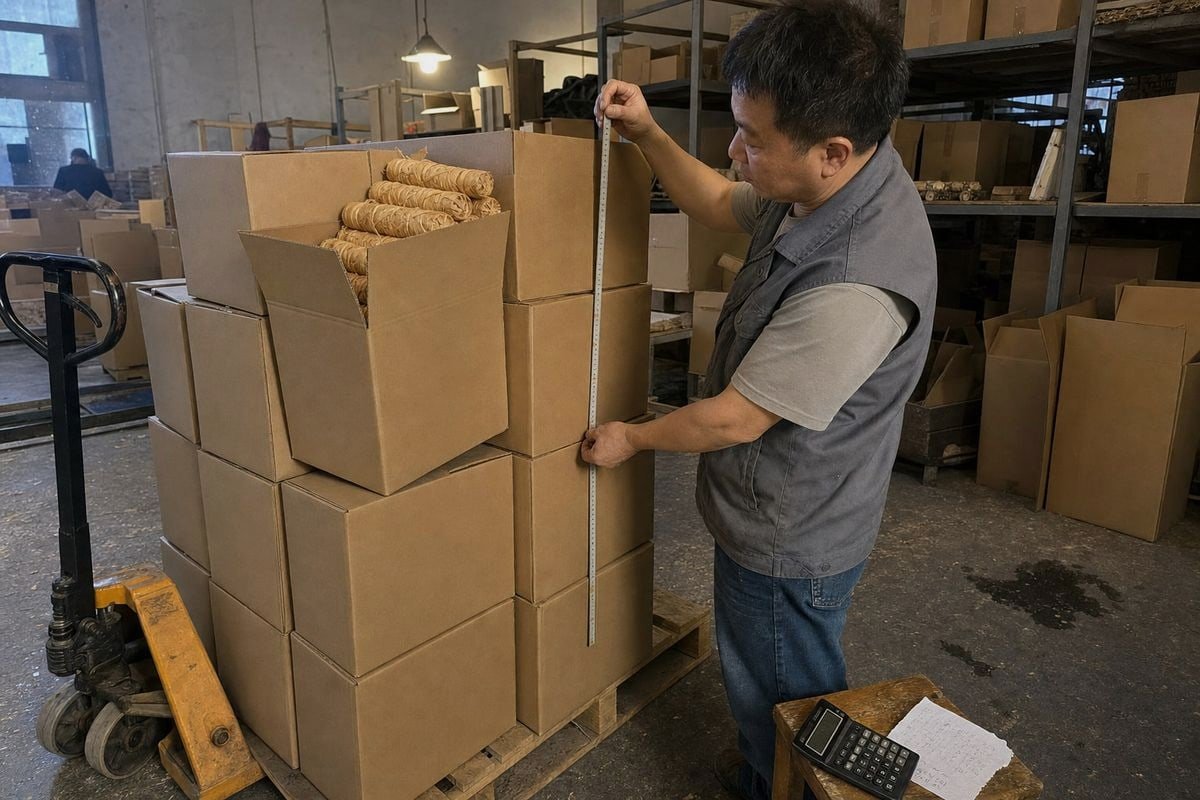
Antes de cotizar, nuestro equipo de embalaje mide las dimensiones exactas de la caja maestra y la configuración del palé para el paquete minorista elegido por el comprador. Una configuración de caja de exhibición de 100 piezas produce un CBM diferente que los rollos empaquetados a granel, incluso con el mismo recuento de unidades. Ese único paso de medición a menudo cambia la respuesta FCL versus LCL.
La regla de decisión práctica
Después de más de 17 años exportando a EE. UU., Alemania, el Reino Unido y más allá, mi regla general es simple. Menos de 8 CBM, reserve LCL y acepte el tránsito más largo. De 8 a 15 CBM, cotice ambos y compare los totales todo incluido, no las tarifas principales. Por encima de 15 CBM, reserve un contenedor de 20 pies 3. Por encima de aproximadamente 28–30 CBM de volumen cargable, pase a un 40HQ, porque la tarifa fija se distribuye sobre muchas más unidades y su costo de flete por unidad cae drásticamente.
¿Qué diferencias en el tiempo de entrega debo esperar entre envíos FCL y LCL desde China?
Cada otoño, recuerdo a nuestros clientes distribuidores de chimeneas y barbacoas lo mismo: la demanda de iniciadores de fuego alcanza su punto máximo exactamente cuando los carriles de exportación chinos están más ocupados. Los errores de tiempo perjudican dos veces en esta categoría.
FCL de China a EE. UU. suele tardar entre 15 y 30 días de puerto a puerto, mientras que LCL tarda entre 20 y 40 días. Espere que LCL añada aproximadamente entre 5 y 20 días adicionales debido a la consolidación en origen y la desconsolidación en destino, y que los retrasos empeoren durante la temporada alta del tercer y cuarto trimestre.
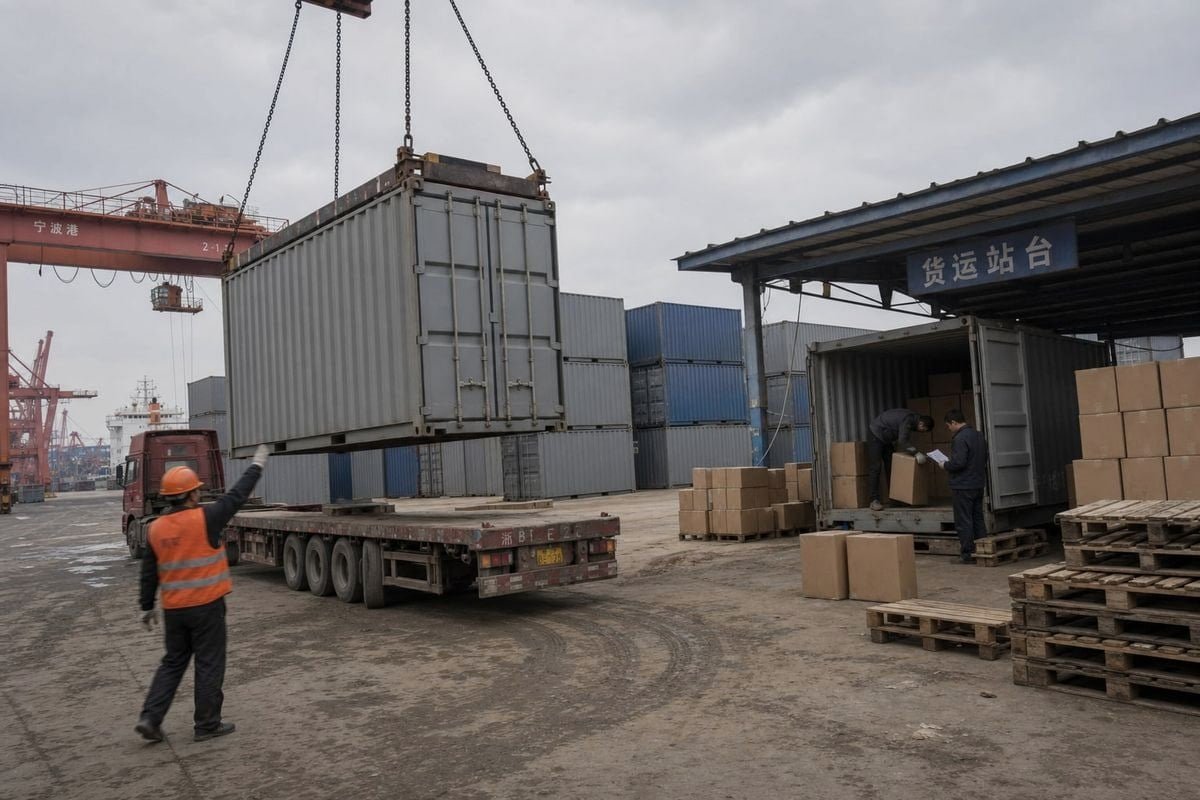
La brecha proviene de los pasos de manejo, no de la velocidad del barco. Ambos modos viajan en los mismos buques. La diferencia es lo que sucede antes de la carga y después de la llegada.
Dónde LCL pierde tiempo
Un envío LCL sale de nuestras instalaciones de Ningbo y va a una estación de carga de contenedores 4. Allí espera hasta que el consolidador llene un contenedor compartido con la carga de otros expedidores. Esa espera por sí sola puede agregar varios días. A la llegada, el contenedor debe ser desconsolidado y sus cajas esperan el despacho de aduana junto con los productos de todos los demás. Si otro expedidor en el mismo contenedor tiene un problema de documentación, su carga puede permanecer mientras se retiene toda la caja.
FCL se salta todo eso. Cargamos y sellamos el contenedor en origen, y se traslada directamente al puerto. Menos traspasos significan menos posibilidades de retraso, y menos posibilidades de que las cajas se aplasten.
Momento estacional para iniciadores de fuego
Este producto tiene una fecha límite estacional estricta. Si su stock de invierno se pierde la ventana del estante, lo transporta durante un año. Aquí está el marco de planificación que utilizo con nuestros compradores a largo plazo:
| Ventana de envío | Riesgo de congestión | Mi recomendación |
|---|---|---|
| T1–T2 (fuera de temporada) | Bajo | LCL aceptable para pedidos de prueba y reposición |
| Principios de T3 | Creciente | Reserve FCL con anticipación para la acumulación de stock de invierno |
| Finales de T3–T4 (temporada alta) | Alto | Evite LCL para inventario crítico; los retrasos en las CFS agravan los retrasos |
| Ventana del Año Nuevo Chino | Muy alto | Confirme la producción y la reserva con 6–8 semanas de antelación |
Un punto práctico más: los iniciadores de fuego que contienen parafina pueden enfrentar un escrutinio adicional o preguntas sobre mercancías peligrosas 5 de algunos consolidadores. Los consolidadores LCL son más estrictos, porque un envío marcado afecta a todo el contenedor compartido. Con FCL, la aceptación es más sencilla. Nuestro equipo suministra documentación MSDS e informes de pruebas como estándar, lo que mantiene en movimiento ambos modos, pero el margen de papeleo importa más en LCL.
¿Cómo puedo calcular las verdaderas compensaciones de costos entre FCL y LCL para mi presupuesto de importación?
El compromiso que más sopeso con los compradores es la tarifa de encabezado frente al costo total de llegada. El precio por metro cúbico de LCL parece atractivo. La factura que llega a destino a menudo no lo es.
Compare los totales "todo incluido", no las tarifas base: guías recientes sitúan el FCL China-EE. UU. en aproximadamente $1.800–$3.950 para un 20 pies y $2.800–$5.500 para un 40HQ, frente a LCL en aproximadamente $60–$140 por CBM más $150–$300 en tarifas de manipulación adicionales. El punto de equilibrio suele situarse cerca de 12–15 CBM.
Permítanme mostrarles un ejemplo práctico utilizando rangos de mercado indicativos. Traten estos números como direccionales, no como tarifas garantizadas; las cotizaciones reales varían según el carril, el par de puertos y la temporada. Los carriles de la Costa Oeste suelen ser más baratos que los de la Costa Este para ambos modos.
Un ejemplo práctico en cuatro niveles de volumen.
Supongamos precios indicativos de gama media: LCL a 100 USD por m³ más 250 USD en consolidación adicional, documentación y tasas de terminal; un FCL de 20 pies a 2.800 USD todo incluido.
| Volumen del envío. | LCL total estimado. | FCL de 20 pies total estimado. | Mejor opción. |
|---|---|---|---|
| 5 m³. | ~$750 | ~$2,800 | LCL, claramente. |
| 10 m³. | ~$1,250 | ~$2,800 | LCL, pero cotizar ambos. |
| 15 m³. | ~$1,750 | ~$2,800 | Cerca — comparar cotizaciones todo incluido. |
| 20+ m³. | ~$2,250+ | ~$2,800 | FCL, una vez que se consideran la velocidad y el riesgo. |
Noten algo. A 20 m³, la cifra bruta de LCL todavía parece menor. Pero el FCL ofrece un tránsito más rápido, menos puntos de manipulación, menor riesgo de daños y sin tarifas de destino sorpresa. En un carril caro de la Costa Este, o durante la temporada alta 6, las tarifas LCL por m³ aumentan y el punto de inflexión se desplaza hacia los 12-13 m³. Por eso algunas guías dicen que el punto de equilibrio es 15 m³ y otras dicen 12; ambas tienen razón, dependiendo de si la cotización incluye solo el flete marítimo o el costo total.
Las tarifas ocultas que cambian el cálculo.
El LCL pasa por estaciones de carga de contenedores en ambos extremos. Cada paso añade manipulación de almacén, cargos de terminal y tarifas de documentación. Cuando nuestros compradores me muestran una cotización LCL sospechosamente barata, hago una pregunta: ¿incluye los cargos de CFS de destino? Muy a menudo no es así. Para un producto de bajo valor como los iniciadores de fuego, unos cientos de dólares de cargos sorpresa pueden anular todo el ahorro del flete. Pida siempre la cifra total por escrito antes de reservar.
¿Qué MOQ y estrategia de envío debo usar al probar un nuevo proveedor de iniciadores de fuego de leña?
Una marca estadounidense de artículos para acampar se nos acercó el año pasado queriendo probar nuestros rollos de madera encerada antes de comprometerse con un programa de contenedores. Diseñamos su plan de prueba en torno a un primer envío deliberadamente pequeño, y es el mismo plan que recomiendo a cada nuevo comprador.
Empieza con un pedido de prueba de 3–8 CBM enviado LCL para validar la calidad, el embalaje y la rotación con una exposición mínima de efectivo. Después de dos o tres ciclos LCL exitosos, cambia a FCL una vez que tu volumen de pedido alcance consistentemente 10–15 CBM, asegurando un menor flete por unidad.
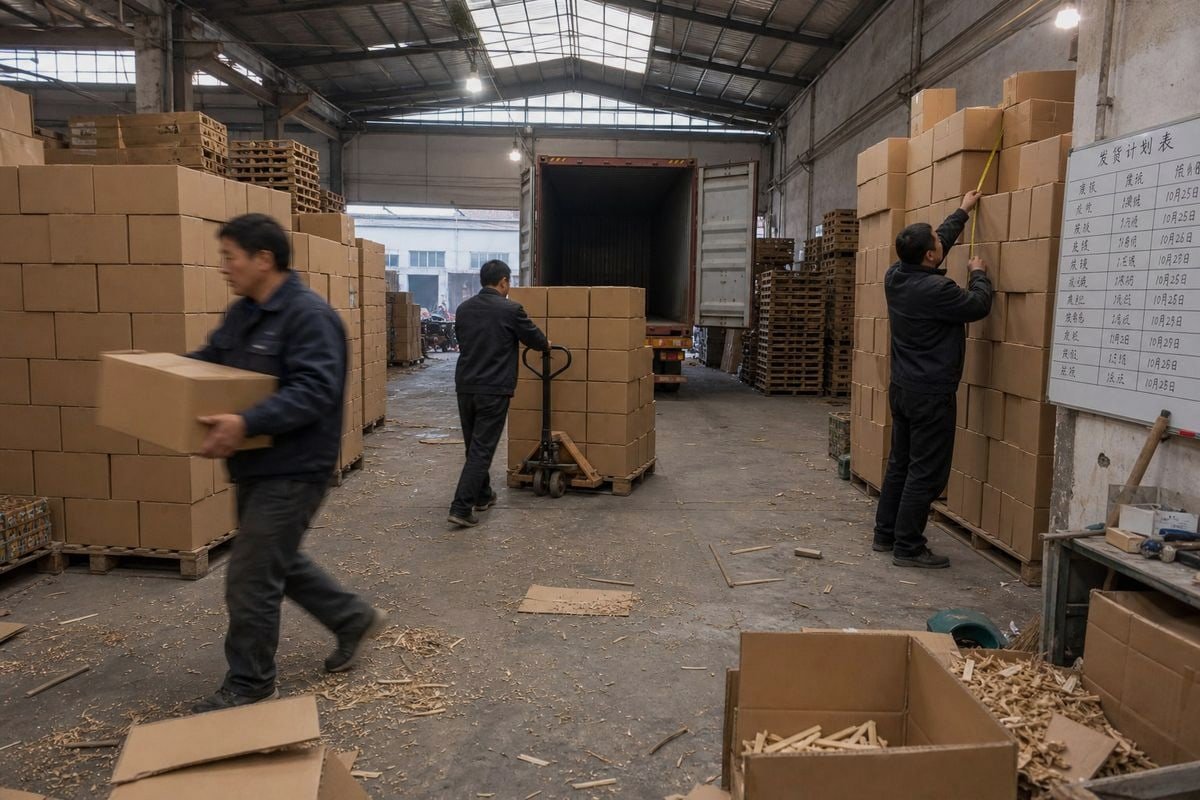
Esta estrategia híbrida resuelve el problema real detrás de la pregunta FCL versus LCL: la incertidumbre. Aún no conoce su tasa de venta. Atar capital en un contenedor completo de un SKU no probado es un riesgo mayor que pagar una prima LCL temporal.
La rampa de tres fases que recomiendo.
Primero, validar. Ordene en o cerca de la MOQ flexible del proveedor y envíe LCL. En nuestra fábrica, mantenemos deliberadamente las MOQ de prueba manejables precisamente por esta razón: un primer pedido debe probar la relación, no agotar su presupuesto. Verifique que la muestra de producción coincida con el envío. Con nuestro control de calidad lote a lote, la muestra que aprueba es la que llega a su almacén, y esa consistencia es precisamente lo que un pedido de prueba debe confirmar antes de escalar.
Segundo, repetir. Realice uno o dos pedidos de reposición LCL más. Observe su tasa de venta, su tasa de daños a la llegada y la comunicación del proveedor bajo plazos reales. Este es también el momento de finalizar los detalles de marca privada —cajas personalizadas, etiquetas de advertencia, códigos de barras— para que sus pedidos FCL lleguen completamente listos para la venta.
Tercero, consolidar. Una vez que la demanda mensual admita 10-12 m³ o más, pase a un contenedor de 20 pies. Su costo de flete por unidad disminuye, su tránsito se vuelve predecible y sus cajas de venta al por menor dejan de compartir espacio con la carga de extraños.
Qué verificar durante la fase de prueba.
Utilice el pedido de prueba para probar más que el producto. Confirme que el proveedor tiene certificaciones reales —para mercados regulados como EE. UU. y la UE, ISO 9001 7, BSCI e informes de pruebas de terceros de laboratorios como SGS o Intertek son requisitos indispensables, no extras. Confirme que pueden suministrar hojas MSDS 8 con prontitud, porque la aduana y los consolidadores lo pedirán. Y confirme que pueden asesorar sobre las dimensiones de las cajas y los planes de paletización, porque un proveedor que optimiza su m³ está reduciendo directamente su factura de flete en cada pedido futuro.
Conclusión
Equivocarse en el modo de flete en un producto voluminoso y de bajo valor como los iniciadores de fuego erosiona silenciosamente el margen y puede costarle la ventana de venta de invierno. La solución es una regla basada en el volumen: LCL por debajo de 10 m³, FCL por encima de 15 m³, y cotizaciones comparativas todo incluido en el medio. Empiece poco a poco con LCL para validar un nuevo proveedor, luego consolide en contenedores a medida que la demanda lo demuestre. Si desea las dimensiones de las cajas, los cálculos de m³ y ambos escenarios de flete preparados junto con su cotización, nuestro equipo hace esto para cada comprador como estándar; es la forma más rápida de hacer que su primer pedido sea de bajo riesgo.
Notas al pie
La página de comunicación de peligros de OSHA explica la documentación MSDS requerida para envíos de iniciadores de fuego a base de parafina. ↩︎
La Comisión Marítima Federal de EE. UU. regula las prácticas de fijación de precios de flete marítimo discutidas para la facturación LCL. ↩︎
Antecedentes de Wikipedia sobre los tamaños estándar de contenedores intermodales referenciados en la regla de reserva FCL. ↩︎
Explicación de fondo de las estaciones de carga de contenedores, fundamentales para la discusión del retraso de la consolidación LCL. ↩︎
La autoridad de materiales peligrosos del DOT de EE. UU. aclara las regulaciones detrás del escrutinio de mercancías peligrosas para la carga de parafina. ↩︎
OMI proporciona contexto sobre la congestión y la programación del transporte marítimo



 English
  Spanish
  German
  French
  Arabic
  Portuguese
Únete a la conversación