







Confirmar una cantidad mínima de pedido (MOQ) razonable para iniciadores de fuego de madera multiespecie es donde la mayoría de los primeros pedidos se estancan BSCI 1. Veo compradores que comparan precios durante semanas, y luego se paralizan cuando nuestro equipo de producción explica por qué cinco variantes no pueden enviarse a 200 piezas cada una. La frustración se acumula: un proveedor dice 500 unidades, otro exige 5.000 y nadie explica las matemáticas. Informes de SGS/Intertek 2. Después de 17 años dirigiendo líneas de producción de iniciadores de fuego en Ningbo, puedo decirles que la brecha generalmente no es codicia, sino el costo de configuración, la capacidad del horno y la economía del flete. Una vez que comprenda cómo estas tres fuerzas establecen el piso, puede confirmar si cualquier mínimo cotizado es justo en un solo intercambio de correos electrónicos.
Una cantidad mínima de pedido (MOQ) razonable para iniciadores de fuego de madera multiespecificación de China suele oscilar entre 50 y 500 unidades para artículos en stock y más de 1000 unidades para productos personalizados. Confírmelo solicitando precios por niveles, preguntando si las especificaciones se pueden mezclar para alcanzar una MOQ total y verificando el número frente a las restricciones reales de producción y flete.
Esa respuesta le da el rango. Pero el rango solo no protegerá sus márgenes. A continuación, detallo qué impulsa realmente el número, cómo negociarlo y cómo verificarlo.
¿Qué factores determinan el MOQ para iniciadores de fuego de madera multiespecie?
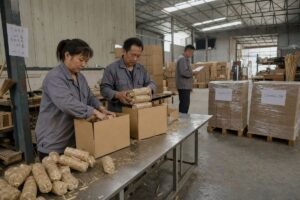
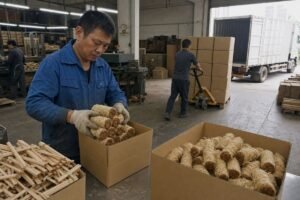
Durante una reciente producción para un distribuidor alemán de chimeneas, cambiamos la configuración de inmersión en cera tres veces en un día para cubrir tres tamaños de rollo. Cada cambio nos costó tiempo de inactividad de la máquina, y ese tiempo de inactividad es exactamente para lo que existe el MOQ.
El MOQ para iniciadores de fuego de madera multiespecificación se determina por los mínimos de materia prima, los cambios en la relación cera-madera, los tamaños de lote de secado en horno, las tiradas de impresión de embalaje y la eficiencia del transporte. Cada especificación adicional agrega costos de configuración, por lo que las fábricas establecen mínimos por variante que mantienen las tiradas de producción económicamente viables.
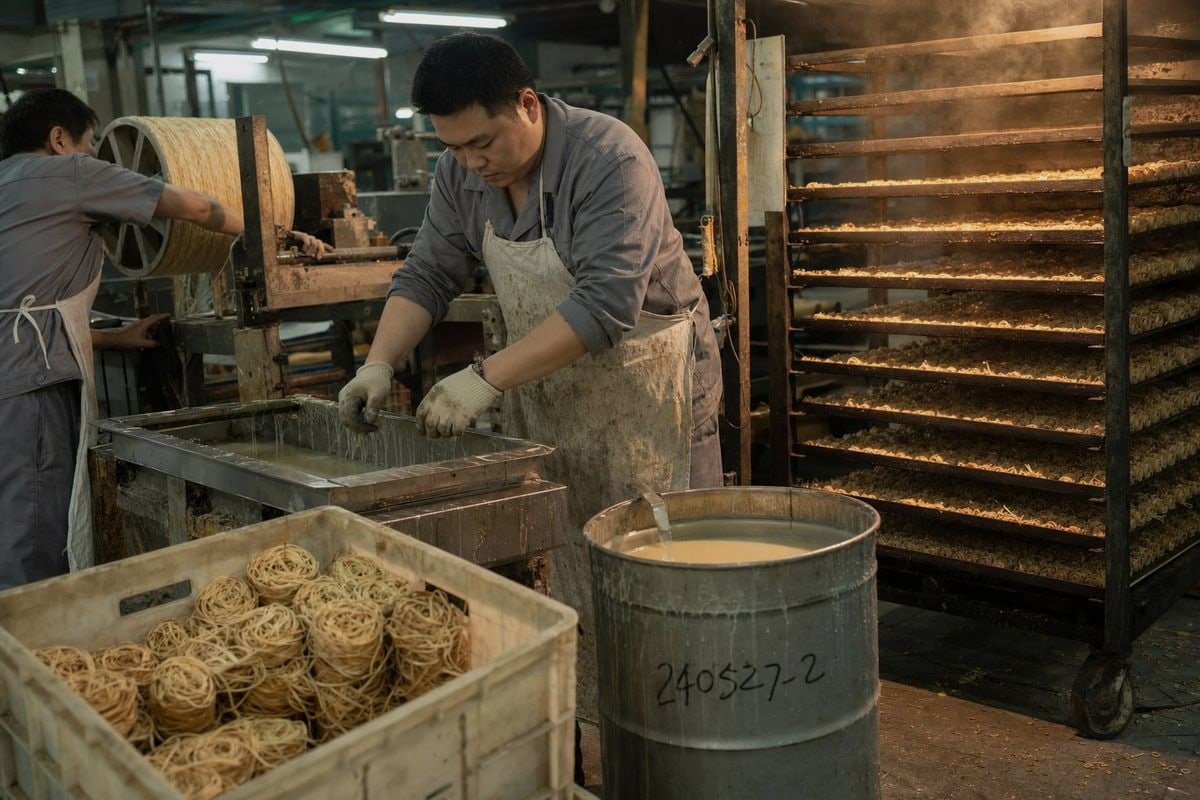
Permítanme desglosar cada impulsor, porque un gerente de compras que los comprende negocia desde una posición mucho más fuerte.
Mínimos de Materia Prima
Iniciadores de lana de madera 3 empezamos con virutas de madera — a menudo abastecimiento 4 si su mercado exige documentación de sostenibilidad — además parafina 5 o cera vegetal. Nuestros proveedores de cera venden en cantidades de tambor o tonelada, no en cubos. Si su especificación requiere una mezcla de cera que no tenemos en stock, el mínimo de material por sí solo puede elevar su MOQ por encima de 1.000 unidades por variante. Si acepta la cera y las especies de madera que ya usamos para otros clientes, ese piso se reduce drásticamente.
Cambios y Capacidad del Horno
Cada cambio de especificación significa recalibrar el proceso de bobinado, inmersión o extrusión. El secado en horno es la restricción oculta que la mayoría de los compradores pasan por alto: el control de la humedad es fundamental para una combustión limpia y consistente, y operar un horno intensivo en energía medio vacío destruye la economía de un lote pequeño. Las fábricas integran silenciosamente ese costo en el MOQ.
Empaque e Impresión
El empaque personalizado de marca privada es a menudo el impulsor de MOQ más importante. Las imprentas comúnmente requieren 3.000–5.000 cajas por diseño, incluso cuando el producto en sí podría fabricarse en lotes más pequeños.
| Impulsor del MOQ | Impacto Típico en el Mínimo | Solución del Comprador |
|---|---|---|
| Cera o especie de madera personalizada | +500 a 1.000+ unidades | Usar materiales en stock de la fábrica |
| Tamaño del lote de secado en horno | Establece un piso duro por ejecución | Alinear el pedido con cargas completas del horno |
| Empaque impreso personalizado | 000–5.000 por diseño | Empaque en stock o tiradas de impresión compartidas |
| Mano de obra por cambio de especificación | +costo de configuración por variante | Estandarizar el perfil de combustión en todas las especificaciones |
| Eficiencia de la caja de flete | Mínimo de 100–200 cajas por paleta | Consolidar especificaciones en un solo envío |
La conclusión práctica: "multiespecie" no significa solo más productos. Significa más SKUs, más cambios, más tiradas de empaque y más mínimos de material, cada uno apilándose sobre el MOQ cotizado.
¿Cómo puedo negociar un MOQ más bajo para pedidos de prueba con un fabricante chino?
Una marca británica de camping se acercó a nosotros queriendo cuatro formatos de iniciadores de fuego a una cuarta parte de nuestro mínimo estándar. En lugar de rechazar, reestructuramos el pedido juntos, y se convirtieron en compradores recurrentes en seis meses.
Negocia un MOQ de prueba más bajo ofreciendo un precio unitario un 10-20% más alto, utilizando el embalaje en stock, aceptando los materiales en stock de la fábrica y planteando el pedido como una evaluación de pedido de muestra antes de escalar. Los compradores serios a menudo pueden asegurar el 50-70% del MOQ estándar.
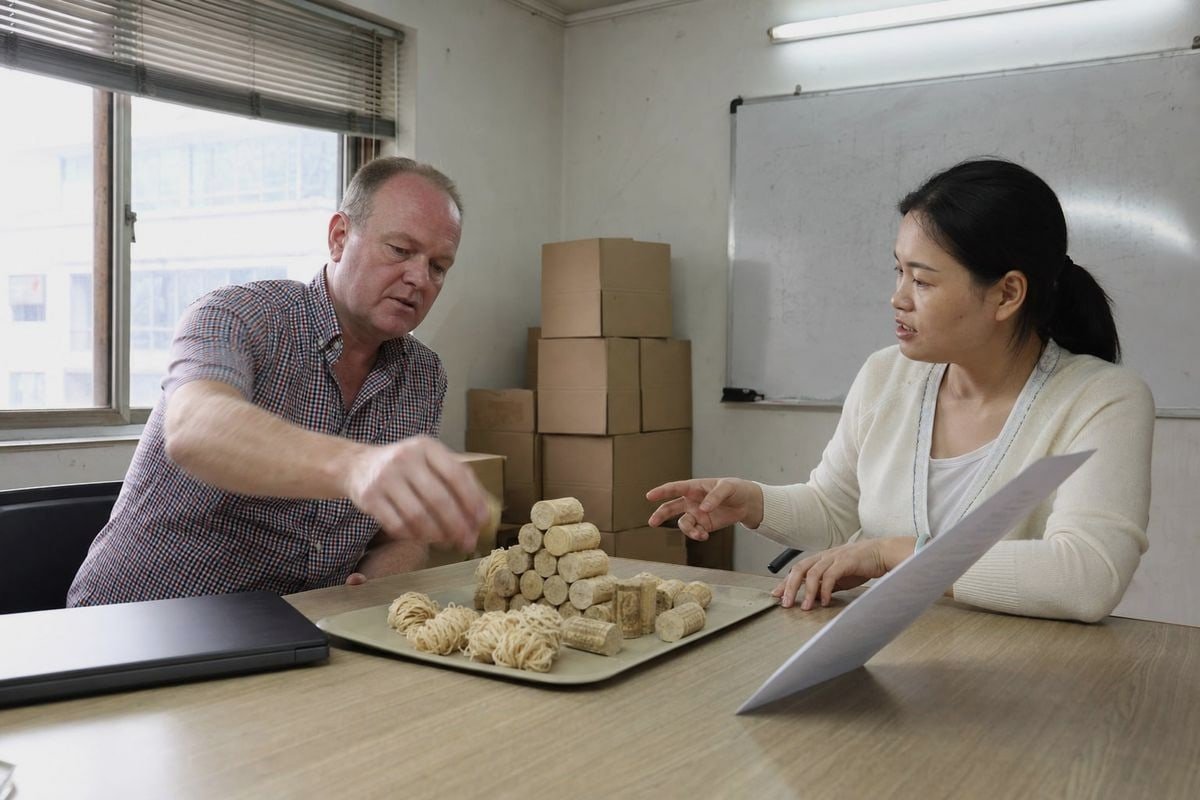
La idea clave desde nuestro lado de la mesa: el MOQ declarado de una fábrica es un punto de partida negociado, no un piso absoluto. Plataformas como Alibaba 6 están llenas de mínimos inflados diseñados para filtrar consultas de baja intención. Lo que realmente queremos saber es si usted es un comprador real con un plan de escalamiento.
El Manual de Negociación que Funciona
Aquí está la secuencia que recomiendo a los gerentes de compras, basándome en lo que realmente mueve a nuestro equipo de cotización:
- Señale su trayectoria primero. Informe al proveedor su volumen anual objetivo y su cronograma de lanzamiento. Una prueba de 500 unidades que conduzca a un programa anual de 20.000 unidades se trata de manera muy diferente a un pedido único de 500 unidades.
- Ofrézcase a pagar la configuración. Una prima de precio del 10–20% o una tarifa de configuración única compensa a la fábrica por el tiempo de inactividad de la máquina en una pequeña tirada multiespecie. Esta es la palanca más rápida que existe.
- Simplifique sus especificaciones. Pregunte qué especies de madera y tipos de cera tiene la fábrica en stock para otros clientes. Aprovechar su cadena de suministro de materias primas existente elimina su obstáculo de abastecimiento.
- Estandarice el perfil de combustión. Si todas sus variantes comparten la misma proporción de cera a madera, la fábrica puede ejecutar un proceso continuo de inmersión o extrusión sin recalibrar entre especificaciones. Eso solo puede reducir significativamente el mínimo por variante.
- . Desacoplar el embalaje. . Pida los iniciadores de fuego a granel sin marca, luego use una impresora especializada para fundas o etiquetas personalizadas. Esto evita por completo el socio de impresión de alto MOQ de la fábrica.
- . Enmárcalo como una prueba de pago. . Posicione el pedido como una evaluación de pedido de muestra con un claro disparador de nuevo pedido. Rutinariamente aceptamos primeras tiradas más pequeñas cuando el camino hacia negocios repetidos es explícito.
. Una advertencia de nuestra experiencia en fabricación OEM: nunca negocie el MOQ a la baja pidiendo a la fábrica que reduzca la calidad del material. Un lote de prueba más barato que arde mal matará el lanzamiento de su producto más rápido de lo que jamás podría hacerlo un costo inicial más alto. Mantenga los mismos materiales y estándar de producción, y pague la tirada más pequeña en su lugar.
¿Mezclar Múltiples Especificaciones en un Pedido Afecta Mi MOQ Total?
. La contrapartida que sopesamos con más frecuencia al cotizar es esta: ¿mantenemos el mínimo por SKU o permitimos que un comprador combine cinco variantes para un total? La respuesta depende completamente de cuán similares sean las especificaciones.
Sí, mezclar especificaciones suele ayudar. Muchas fábricas aceptan un MOQ de Pedido Total en todas las variantes en lugar de un MOQ por SKU, lo que le permite combinar tamaños, aromas o recuentos de paquetes para alcanzar el mínimo. Sin embargo, cada especificación añadida todavía conlleva un coste de configuración, lo que puede aumentar ligeramente los precios unitarios.
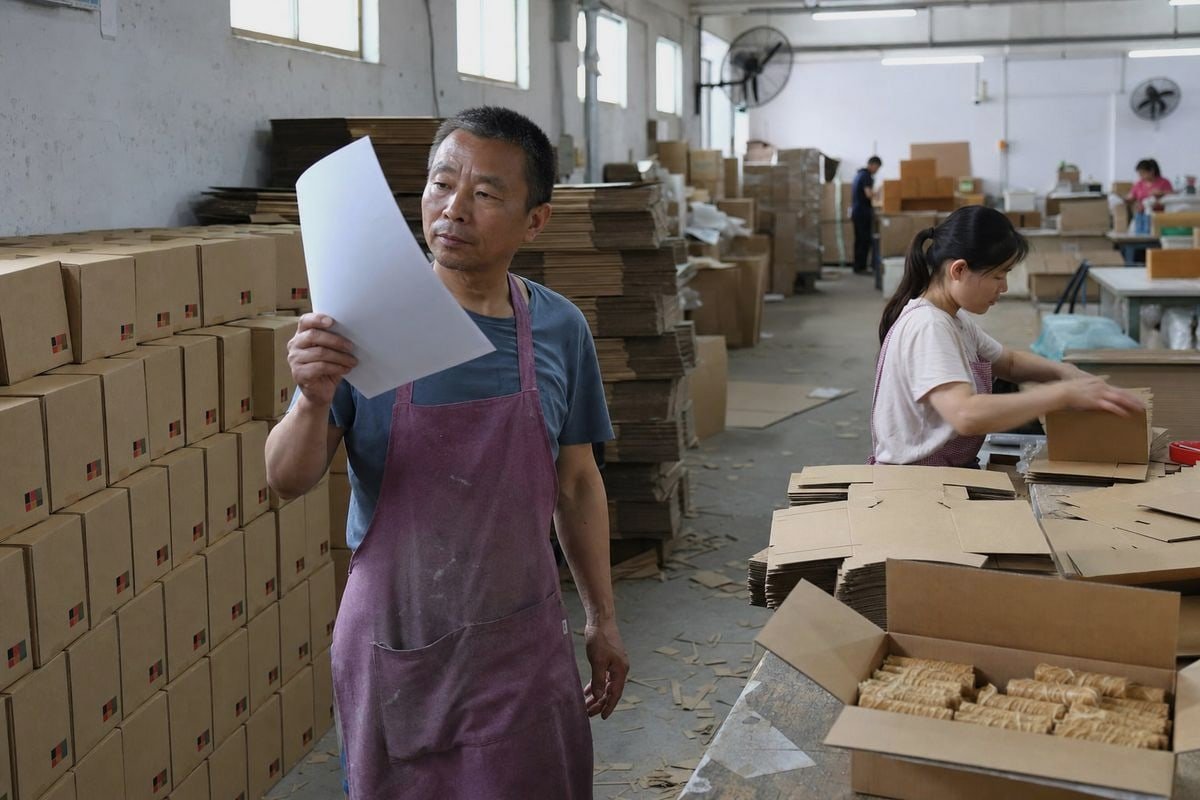
. Esta es la pregunta más importante que debe hacer antes de firmar una orden de compra para iniciadores de fuego de madera multiespecificación, porque dos proveedores que cotizan el "mismo" MOQ pueden significar cosas completamente diferentes.
. MOQ por SKU vs. MOQ de pedido total
. Bajo un modelo por SKU, un MOQ de 1,000 unidades en cinco especificaciones significa 5,000 unidades en total. Bajo un modelo de Pedido Total, significa 1,000 unidades divididas como usted quiera: digamos, 300 rollos, 300 bolas, 200 palitos y 200 iniciadores de piña. La diferencia comercial es enorme para un lanzamiento de prueba.
| Modelo | . 5 especificaciones a 1,000 MOQ | . Desembolso de efectivo | Mejor para |
|---|---|---|---|
| . MOQ por SKU | . 5,000 unidades en total | Alto | . Vendedores probados, programas recurrentes |
| . MOQ de pedido total | . 1,000 unidades en total, mixtas | Bajo | Pedidos de prueba, pruebas de mercado nuevas |
| . Híbrido (mínimo por especificación + total) | . por ejemplo, mínimo 200/especificación, 1,500 en total | Medio | . Lanzamientos multivariante |
. En nuestras propias cotizaciones, nos inclinamos hacia el modelo híbrido. Podemos agrupar especificaciones similares —los rollos de iniciador de fuego de lana de madera, las bolas y los palitos comprimidos comparten materiales y gran parte del proceso— pero cada variante aún necesita un pequeño mínimo por especificación para justificar su cambio.
. Lo que la mezcla le hace al flete
. La mezcla de especificaciones también cambia sus cálculos de envío, generalmente para mejor. Una carga de contenedor mixta le permite llenar un palé o contenedor con toda su gama de productos en lugar de pedir en exceso un SKU solo para lograr la eficiencia del flete. Para los iniciadores de fuego, los umbrales prácticos son aproximadamente: un palé pequeño a 800–1,200 cajas, LCL a 300–500 cajas, un contenedor de 20 pies 7 . a 800–1,200 cajas, y un contenedor de 40 pies a 1,600–2,400 cajas. Una nota más de eficiencia: si necesita documentación de sostenibilidad, agrupe todas sus variantes bajo un único Certificado de Transacción FSC. Eso satisface los requisitos administrativos y de volumen de abastecimiento de madera certificada en un solo paso en lugar de por SKU.
¿Cómo verifico que las afirmaciones de MOQ de un proveedor coinciden con su capacidad de producción real?
. Una lección que aprendí al principio de nuestra historia de exportación: un MOQ sospechosamente bajo puede ser una señal de alerta mayor que uno alto. Las fábricas genuinas tienen costos de piso reales; los intermediarios que cotizan lo que usted quiera a menudo no pueden controlar lo que realmente se fabrica.
Verifica las afirmaciones de MOQ solicitando cotizaciones en dos o cuatro niveles de cantidad, pidiendo el MOQ de producción real de la fábrica frente a su MOQ de ventas, verificando certificaciones como ISO 9001 y BSCI, confirmando el tiempo de entrega de producción por escrito y solicitando una auditoría en video de la línea de producción real.
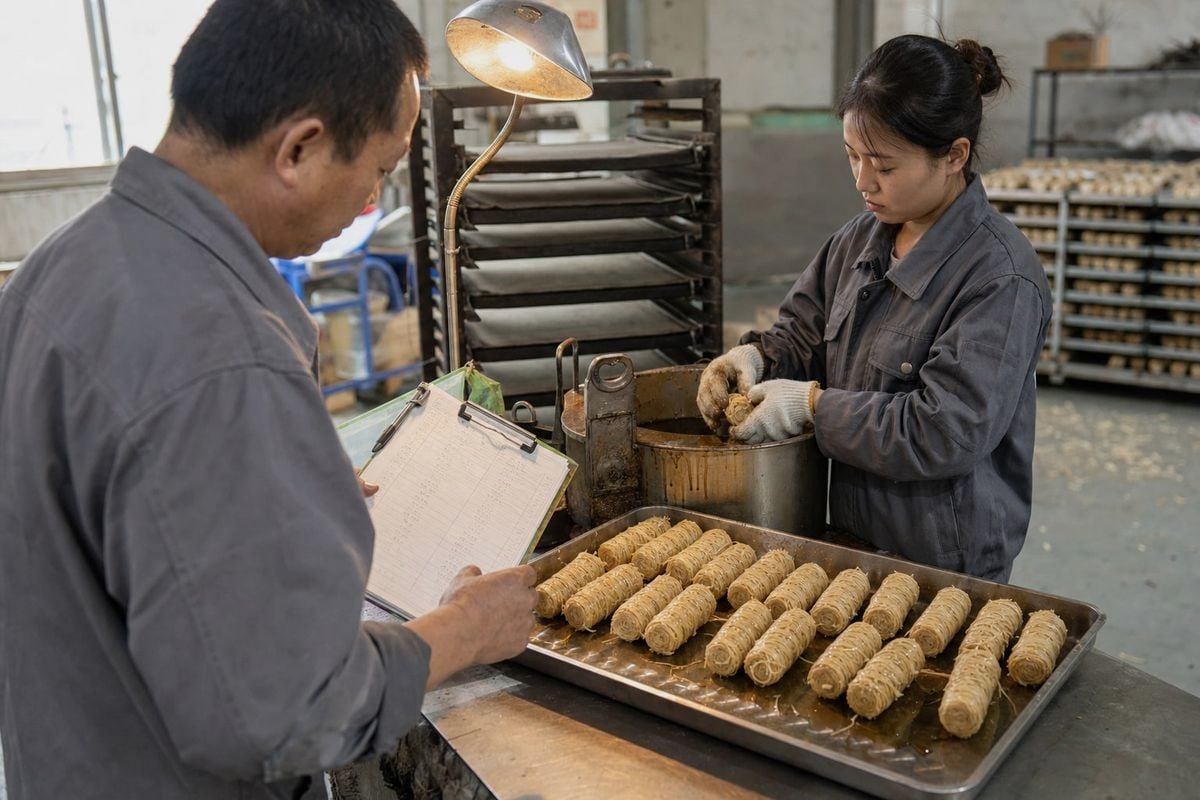
. Los compradores a menudo confunden tres "MOQ" diferentes, y separarlos es el corazón de la verificación: el MOQ de producción real de la fábrica (cuánto cuesta configurar una tirada), el MOQ de reventa de una empresa comercial (flexibilidad marcada sobre la línea de otra persona) y el MOQ impulsado por la logística (la cantidad que hace que el flete sea económico). Cada ruta de abastecimiento se comporta de manera diferente:
| . Ruta de abastecimiento | . Comportamiento típico del MOQ | Mejor caso de uso |
|---|---|---|
| Directo de fábrica | . MOQ más alto, menor costo unitario | . Pedidos grandes de marca, compradores recurrentes |
| . Agente de abastecimiento | . MOQ de rango medio, soporte de negociación | . Primeros pedidos, especificaciones mixtas, menor riesgo |
| Empresa comercial | . MOQ más bajo, precio unitario más alto | . Tiradas de prueba, lanzamientos pequeños |
Un proceso de verificación de cinco pasos
- . Solicite una estructura de precios por niveles. . Solicite cotizaciones para 500, 1,000, 3,000 y 5,000 unidades. El precio de una fábrica real muestra claras reducciones en los puntos de quiebre de producción genuinos, donde entra en juego una carga completa de horno o una tirada de impresión completa. Precios planos entre niveles sugiere un revendedor que agrega un margen fijo.
- . Separar el MOQ de producción del MOQ de ventas. . Pregunte directamente: "¿Cuál es la tirada mínima que puede ejecutar su línea de producción y cuál es su mínimo comercial?" Una fábrica puede responder con detalles; un comerciante generalmente no puede.
- . Verifique con el plazo de entrega. . Pregunte por el plazo de entrega de producción para cada nivel de cantidad. Si 500 unidades y 5,000 unidades tardan "15 días", alguien está cotizando de un catálogo, no de un cronograma.
- . Pregunte sobre componentes estándar vs. herramientas personalizadas. . Si sus especificaciones utilizan componentes estándar, un MOQ bajo es plausible. Si requieren moldes personalizados, planchas de impresión o nuevas formulaciones de cera, un MOQ muy bajo debería plantear preguntas.
- . Audite antes de comprometerse. . Solicite un recorrido en video en vivo de las líneas de bobinado, inmersión y empaque, además de las certificaciones actuales. En nuestro caso, eso significa ISO 9001 8, . , BSCI, CE e informes SGS/Intertek — para los compradores de EE. UU. y la UE a los que servimos, la documentación de cumplimiento es un requisito indispensable, no algo deseable. También demuestra que los iniciadores de fuego ecológicos que muestre coincidirán con la producción en masa, lote tras lote.
Finalmente, verifica la cantidad mínima de pedido (MOQ) en relación con tu propio negocio, no solo con la de la fábrica. Compruébala con tu flujo de caja, velocidad de ventas, capacidad de almacenamiento y tu punto de equilibrio entre LCL y FCL. Una MOQ puede ser técnicamente alcanzable y aun así ser comercialmente incorrecta para ti.
Conclusión
Una MOQ razonable no es un número único, es el pedido más pequeño que funciona para ambas partes. Verifica los impulsores, negocia la estructura y comienza con un lote de prueba que proteja tus márgenes.
Notas al pie
Amfori BSCI es la certificación de cumplimiento social mencionada para las auditorías de fábrica. ↩︎
SGS es un organismo de inspección líder que proporciona los informes de cumplimiento mencionados en la verificación. ↩︎
Antecedentes de los productos encendedores de fuego explican el artículo principal discutido en todo el artículo. ↩︎
La certificación FSC rige la obtención sostenible de madera referenciada para las materias primas de los iniciadores de fuego. ↩︎
La cera de parafina es una materia prima clave discutida para la fabricación de iniciadores de fuego. ↩︎
Alibaba es la plataforma de abastecimiento referenciada directamente con respecto a las listas infladas de MOQ. ↩︎
Antecedentes de los tamaños estándar de los contenedores de envío referenciados en los umbrales de eficiencia de carga. ↩︎
ISO 9001 es el estándar de gestión de calidad citado para verificar las certificaciones de los proveedores. ↩︎

 English
  Spanish
  German
  French
  Arabic
  Portuguese
Únete a la conversación