







Confirming a reasonable MOQ for multi-spec wood fire starters is where most first orders stall BSCI 1. I see buyers quote-shop for weeks, then freeze when our production team explains why five variants can't ship at 200 pieces each. The frustration compounds: one supplier says 500 units, another demands 5,000, and nobody explains the math Relatórios SGS/Intertek 2. After 17 years running fire-starter production lines in Ningbo, I can tell you the gap usually isn't greed — it's setup cost, kiln capacity, and freight economics. Once you understand how those three forces set the floor, you can confirm whether any quoted minimum is fair in a single email exchange.
Um MOQ razoável para iniciadores de fogo de madeira multi-especificação da China normalmente varia de 50 a 500 unidades para itens em estoque e 1.000+ unidades para produtos personalizados. Confirme isso solicitando preços em camadas, perguntando se as especificações podem ser misturadas para atingir um MOQ total e verificando o número em relação às restrições reais de produção e frete.
That answer gives you the range. But the range alone won't protect your margins. Below, I break down what actually drives the number, how to negotiate it, and how to verify it.
Quais Fatores Determinam o MOQ para Iniciadores de Fogo de Madeira Multi-Especificação?
During a recent production run for a German fireplace distributor, we changed wax-dipping settings three times in one day to cover three roll sizes. Each changeover cost us machine downtime — and that downtime is exactly what MOQ exists to cover.
O MOQ para iniciadores de fogo de madeira multi-especificação é determinado por mínimos de matéria-prima, trocas de proporção cera-madeira, tamanhos de lote de secagem em estufa, tiragens de impressão de embalagem e eficiência de frete. Cada especificação adicional adiciona custo de configuração, portanto, as fábricas definem mínimos por variante que mantêm as tiragens de produção economicamente viáveis.
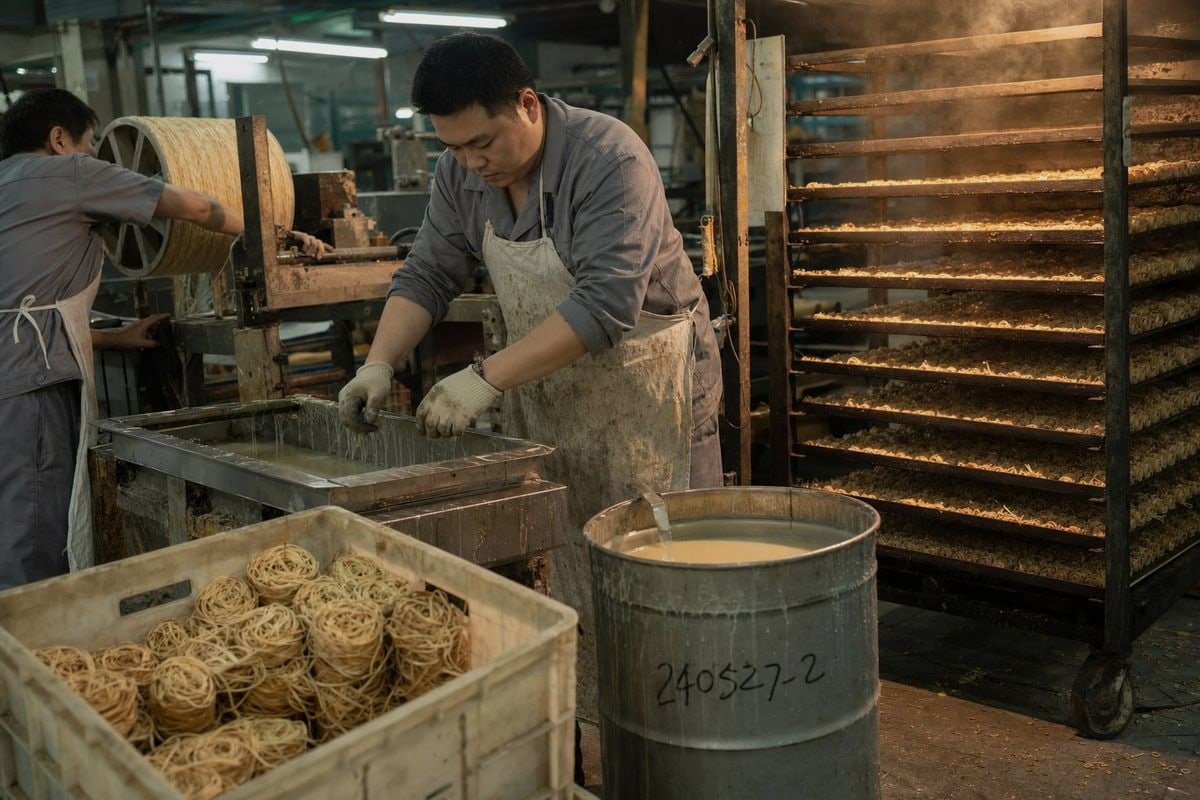
Let me unpack each driver, because a purchasing manager who understands them negotiates from a much stronger position.
Raw Material Minimums
Acendedores de fogo de lã de madeira 3 start with wood shavings — often Madeira certificada FSC 4 if your market demands sustainability documentation — plus parafina 5 or vegetable wax. Our wax suppliers sell in drum or ton quantities, not buckets. If your spec calls for a wax blend we don't stock, the material minimum alone can push your MOQ past 1,000 units per variant. If you accept the wax and wood species we already run for other clients, that floor drops sharply.
Changeovers and Kiln Capacity
Every spec change means recalibrating the winding, dipping, or extrusion process. Kiln-drying is the hidden constraint most buyers miss: moisture control is critical for a clean, consistent burn, and running an energy-intensive kiln half-empty destroys the economics of a small batch. Factories quietly build that cost into MOQ.
Packaging and Printing
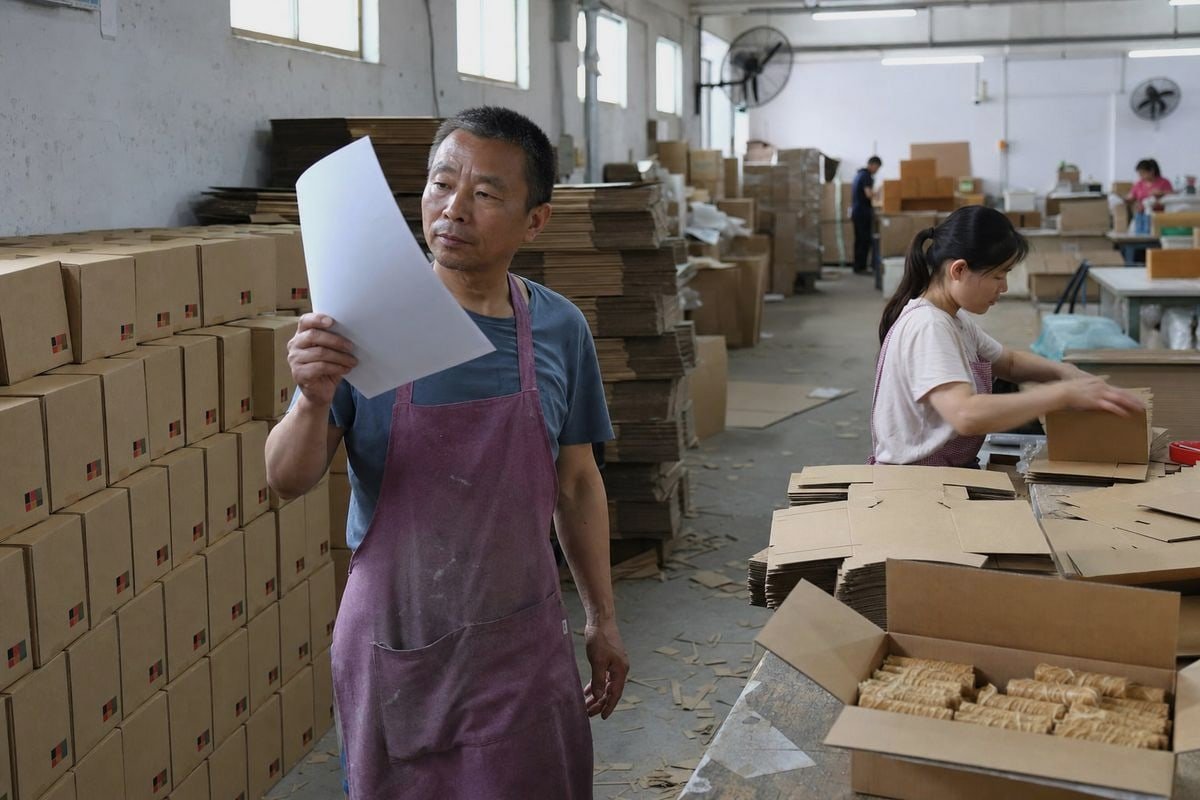
Custom private label packaging is often the single biggest MOQ driver. Printers commonly require 3,000–5,000 boxes per design, even when the product itself could be made in smaller batches.
| Impulsionador de MOQ | Typical Impact on Minimum | Buyer Workaround |
|---|---|---|
| Custom wax or wood species | +500 to 1,000+ units | Use factory's in-stock materials |
| Kiln-drying batch size | Sets a hard per-run floor | Align order with full kiln loads |
| Embalagem impressa personalizada | 3,000–5,000 per design | Stock packaging or shared print runs |
| Per-spec changeover labor | +setup cost per variant | Standardize the burn profile across specs |
| Freight carton efficiency | 100–200 cartons minimum pallet | Consolidate specs into one shipment |
The practical takeaway: "multi-spec" doesn't just mean more products. It means more SKUs, more changeovers, more packaging runs, and more material minimums — each stacking onto the quoted MOQ.
Como Posso Negociar um MOQ Mais Baixo para Pedidos de Teste com um Fabricante Chinês?
A UK camping brand once approached us wanting four fire-starter formats at a quarter of our standard minimum. Instead of walking away, we restructured the order together — and they became a repeat buyer within six months.
Negotiate a lower trial MOQ by offering a 10–20% higher unit price, using stock packaging, accepting the factory's in-stock materials, and framing the order as a sample order evaluation before scaling. Serious buyers can often secure 50–70% of the standard MOQ.
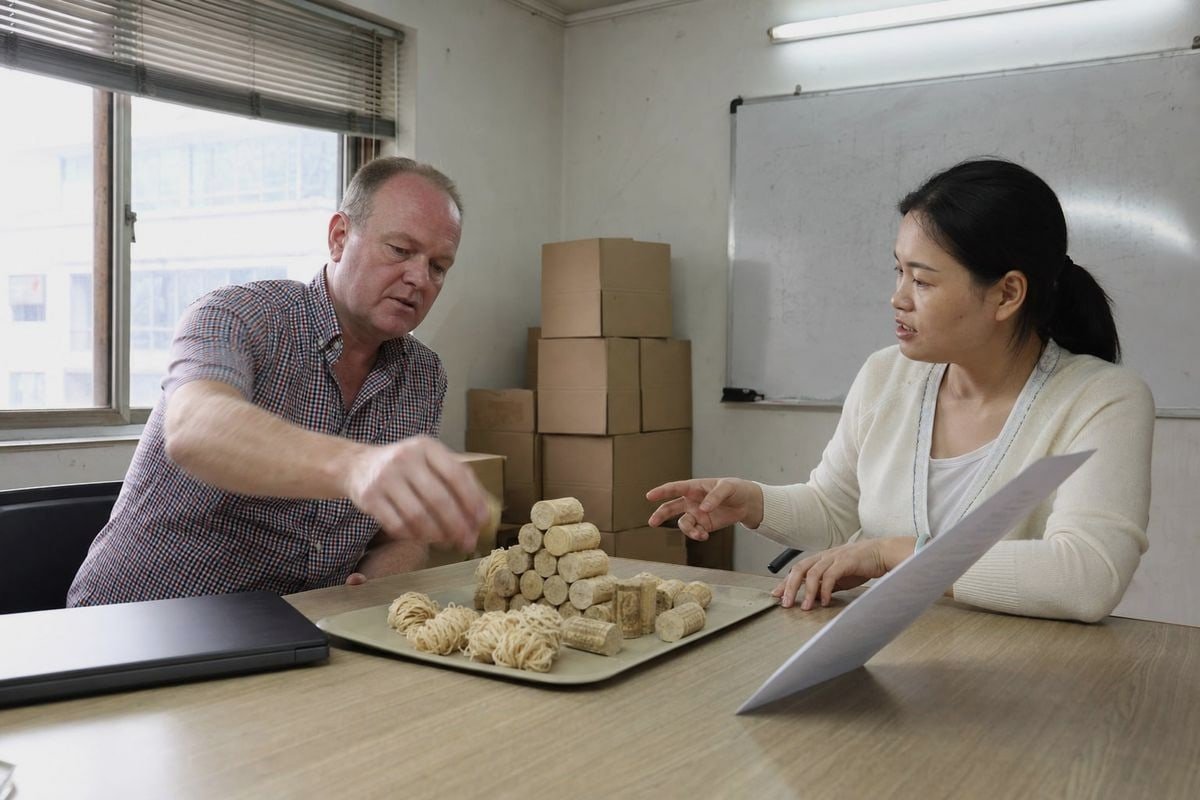
The key insight from our side of the table: a factory's stated MOQ is a negotiated starting point, not an absolute floor. Platforms like Alibaba 6 are full of inflated minimums designed to filter out low-intent inquiries. What we actually want to know is whether you're a real buyer with a scaling plan.
The Negotiation Playbook That Works
Here is the sequence I recommend to purchasing managers, based on what actually moves our own quoting team:
- Signal your trajectory first. Tell the supplier your target annual volume and your launch timeline. A 500-unit trial that leads to a 20,000-unit annual program gets treated very differently than a one-off 500-unit order.
- Offer to pay for the setup. A 10–20% price premium or a one-time setup fee compensates the factory for machine downtime on a small multi-spec run. This is the fastest lever there is.
- Simplify your specs. Ask what wood species and wax types the factory already stocks for other clients. Riding their existing raw material pipeline removes their sourcing hurdle.
- Standardize the burn profile. If all your variants share the same wax-to-wood ratio, the factory can run a continuous dipping or extrusion process without recalibrating between specs. That alone can cut the per-variant minimum significantly.
- Decouple packaging. Order the fire starters in bulk unbranded form, then use a specialized printer for custom sleeves or labels. This bypasses the factory's high-MOQ printing partner entirely.
- Frame it as a paid trial. Position the order as a sample order evaluation with a clear reorder trigger. We routinely accept smaller first runs when the path to repeat business is explicit.
One caution from our OEM manufacturing experience: never negotiate MOQ down by asking the factory to cut material quality. A cheaper trial batch that burns poorly will kill your product launch faster than a higher upfront cost ever could. Keep the same materials and production standard, and pay for the smaller run instead.
Does Mixing Multiple Specs in One Order Affect My Total MOQ?
The trade-off we weigh most often in quoting is this: do we hold the per-SKU minimum, or let a buyer pool five variants toward one total? The answer depends entirely on how similar the specs are.
Yes — mixing specs usually helps. Many factories accept a Total Order MOQ across variants instead of a Per-SKU MOQ, letting you combine sizes, scents, or pack counts to reach the minimum. However, each added spec still carries setup cost, which may raise unit prices slightly.
This is the single most important question to ask before signing a PO for multi-spec wood fire starters, because two suppliers quoting the "same" MOQ can mean completely different things.
Per-SKU MOQ vs. Total Order MOQ
Under a Per-SKU model, a 1,000-unit MOQ across five specs means 5,000 units total. Under a Total Order model, it means 1,000 units split however you like — say, 300 rolls, 300 balls, 200 sticks, and 200 pinecone starters. The commercial difference is enormous for a trial launch.
| Modelo | 5 Specs at 1,000 MOQ | Cash Outlay | Exposição de Caixa Inicial |
|---|---|---|---|
| Per-SKU MOQ | 5,000 units total | 1 x 20 pés ou 40 pés | Proven sellers, repeat programs |
| Total Order MOQ | 1,000 units total, mixed | Baixo | Trial orders, new market tests |
| Hybrid (per-spec floor + total) | e.g., 200/spec minimum, 1,500 total | 1 x 20 pés, vários produtos | Multi-variant launches |
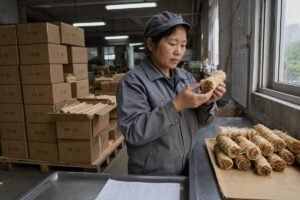
In our own quoting, we lean toward the hybrid model. We can pool similar specs — the wood wool firelighter rolls, balls, and compressed sticks share materials and much of the process — but each variant still needs a small per-spec floor to justify its changeover.
What Mixing Does to Freight
Mixing specs also changes your shipping math, usually for the better. A mixed container load lets you fill a pallet or container with your full product range instead of over-ordering one SKU just to hit freight efficiency. For fire starters, the practical thresholds run roughly: a small pallet at 100–200 cartons, LCL at 300–500 cartons, a 20-foot container 7 at 800–1,200 cartons, and a 40-foot container at 1,600–2,400 cartons. One more efficiency note: if you need sustainability documentation, group all your variants under a single FSC Transaction Certificate. That satisfies the administrative and volume requirements of certified timber sourcing in one pass instead of per SKU.
How Do I Verify a Supplier's MOQ Claims Match Their Real Production Capacity?
A lesson I learned early in our export history: a suspiciously low MOQ can be a bigger red flag than a high one. Genuine factories have real cost floors; middlemen quoting anything you want often can't control what actually gets made.
Verify MOQ claims by requesting quotes at two to four quantity tiers, asking for the factory's true production MOQ versus its sales MOQ, checking certifications like ISO 9001 and BSCI, confirming production lead time in writing, and requesting a video audit of the actual production line.
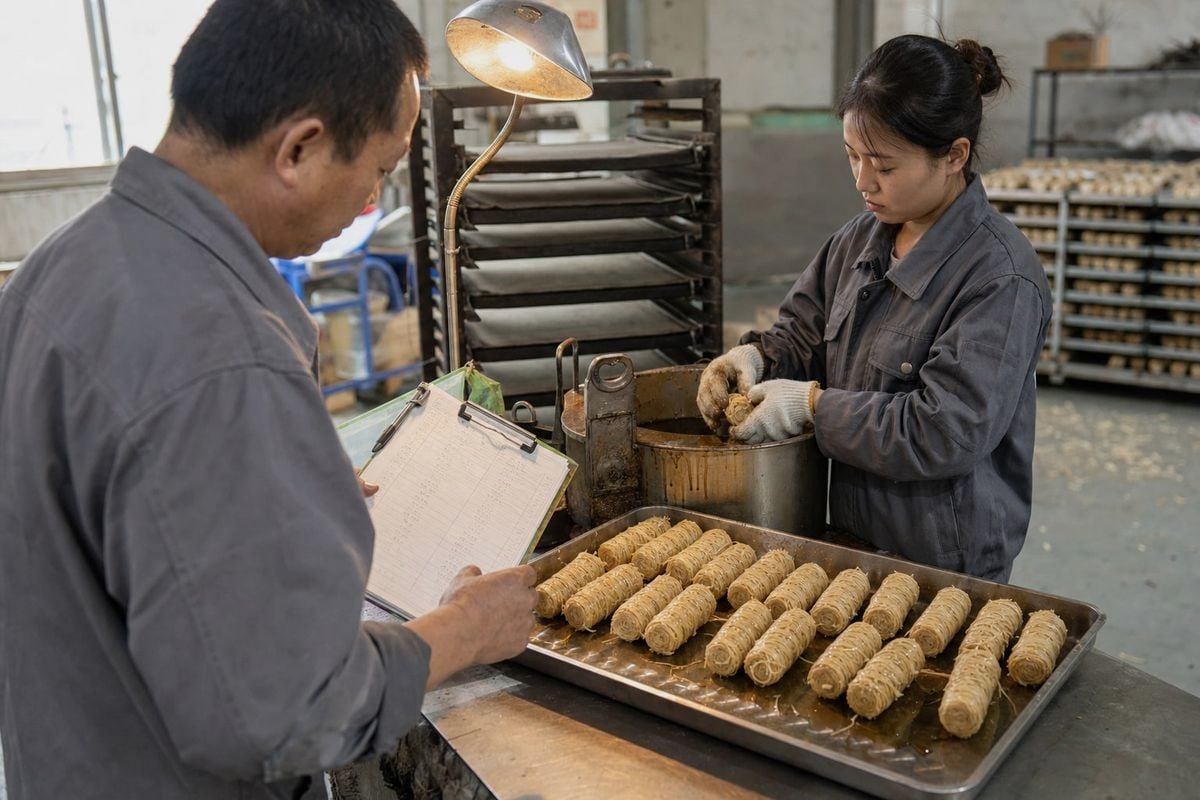
Buyers often confuse three different "MOQs," and separating them is the heart of verification: the factory's true production MOQ (what a run actually costs to set up), a trading company's resale MOQ (marked-up flexibility on someone else's line), and the logistics-driven MOQ (the quantity that makes freight economical). Each sourcing path behaves differently:
| Sourcing Path | Typical MOQ Behavior | Melhor Caso de Uso |
|---|---|---|
| Direto da fábrica | Higher MOQ, lower unit cost | Larger branded orders, repeat buyers |
| Sourcing agent | Mid-range MOQ, negotiation support | First orders, mixed specs, lower risk |
| Empresa de comércio | Lowest MOQ, higher unit price | Trial runs, small launches |
Um Processo de Verificação de Cinco Passos
- Request a tiered pricing structure. Ask for quotes at 500, 1,000, 3,000, and 5,000 units. A real factory's pricing shows clear step-downs at genuine production breakpoints — where a full kiln load or full print run kicks in. Flat pricing across tiers suggests a reseller adding a fixed margin.
- Separate production MOQ from sales MOQ. Ask directly: "What is the minimum run your production line can execute, and what is your commercial minimum?" A factory can answer in specifics; a trader usually can't.
- Cross-check with lead time. Ask for the production lead time at each quantity tier. If 500 units and 5,000 units both take "15 days," someone is quoting from a catalog, not a schedule.
- Ask about stock components vs. custom tooling. If your specs use stock components, a low MOQ is plausible. If they require custom molds, printing plates, or new wax formulations, a very low MOQ should raise questions.
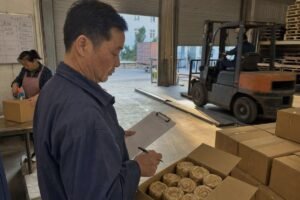
- Audit before you commit. Request a live video walkthrough of the winding, dipping, and packing lines, plus current certifications. In our case, that means ISO 9001 8, BSCI, CE, and SGS/Intertek reports — for the US and EU buyers we serve, compliance documentation is a hard requirement, not a nice-to-have. It also proves the eco-friendly fire starters you sampled will match mass production, batch after batch.
Finally, verify the MOQ against your own business, not just the factory's. Check it against your cash flow, sales velocity, storage capacity, and your LCL vs FCL shipping breakpoint. An MOQ can be technically achievable and still commercially wrong for you.
Conclusão
A reasonable MOQ isn't one number — it's the smallest order that works for both sides. Verify the drivers, negotiate the structure, and start with a trial batch that protects your margins.
Notas de rodapé
1. Amfori BSCI is the social compliance certification mentioned for factory audits. ↩︎
2. SGS is a leading inspection body providing the compliance reports mentioned in verification. ↩︎
3. Background on firelighter products explains the core item discussed throughout the article. ↩︎
4. FSC certification governs sustainable timber sourcing referenced for fire starter raw materials. ↩︎
5. Paraffin wax is a key raw material discussed for fire starter manufacturing. ↩︎
6. Alibaba is the sourcing platform directly referenced regarding inflated MOQ listings. ↩︎
7. Background on standard shipping container sizes referenced in freight efficiency thresholds. ↩︎
8. ISO 9001 is the quality management standard cited for verifying supplier certifications. ↩︎

 English
  Spanish
  German
  French
  Arabic
  Portuguese
Participe da conversa