






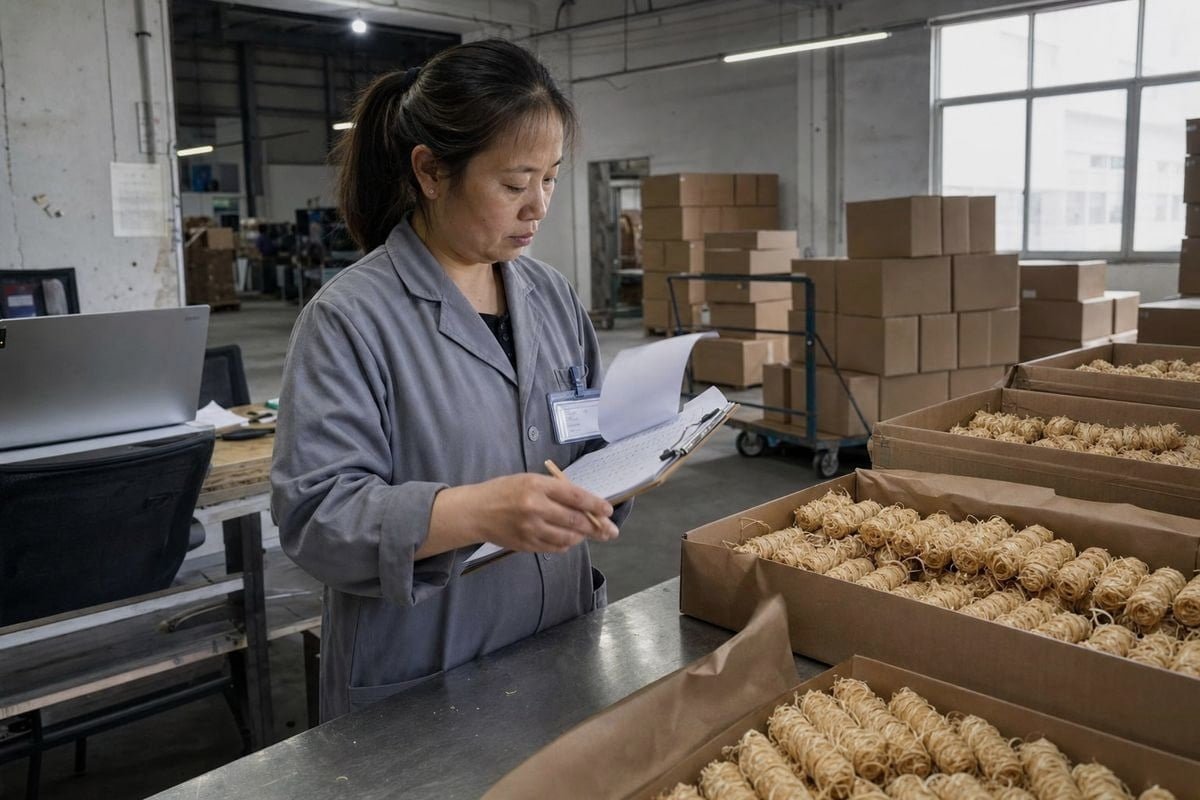
Holzanzünder-Verpackungen sind nicht automatisch PPWR-konform. Das habe ich in unserer eigenen Produktionslinie gelernt, als ein "einfacher" bedruckter Karton eine deutsche Lieferung fast zum Stillstand brachte. Annahmen sind teuer; Überprüfung nicht.
Um zu überprüfen, ob die Verpackung von Holzanzündern die Recyclingfähigkeit gemäß den EU-PPWR-Vorschriften erfüllt, müssen alle Komponenten abgebildet, bestätigt werden, dass sie bis 2030 eine Recyclingfähigkeit von mindestens Note C (70%) gemäß den Kriterien für Design-for-Recycling erreichen, die Leistung beim Recycling im großen Maßstab bis 2035 nachgewiesen und Lieferantenerklärungen sowie Bewertungen von Drittanbietern in einer Compliance-Datei gesammelt werden.
Diese Antwort klingt kompakt, aber jeder Schritt verbirgt echte Arbeit. Unten zerlege ich, was die PPWR verlangt, wie man die Behauptungen des Lieferanten prüft, welche Unterlagen man sammeln muss und wie man eine Fabrik auswählt, die sich anpassen kann. Gehen wir es Schritt für Schritt durch.
Was verlangt die EU PPWR tatsächlich für Verpackungen von Holzanzündern?
Ein Käufer aus den Niederlanden fragte mich einmal, warum seine "rein natürlichen" Holzwoll-Anzünder immer noch EU-Verpackungsvorschriften 1. nicht erfüllen könnten. Die Antwort überraschte ihn: Die Verordnung bewertet die gesamte Verpackung, nicht das Produkt darin.
Die PPWR verlangt, dass Verpackungen für Holzanzünder ab dem 1. Januar 2030 recycelbar sind, mindestens die Klasse C (70% Recyclingfähigkeit) erreichen, bis 2035 im großen Maßstab recycelt werden und bis 2038 die Klassen A oder B erreichen. Jede Komponente – Tinten, Beschichtungen, Folien, Klebstoffe – zählt für die Klasse.
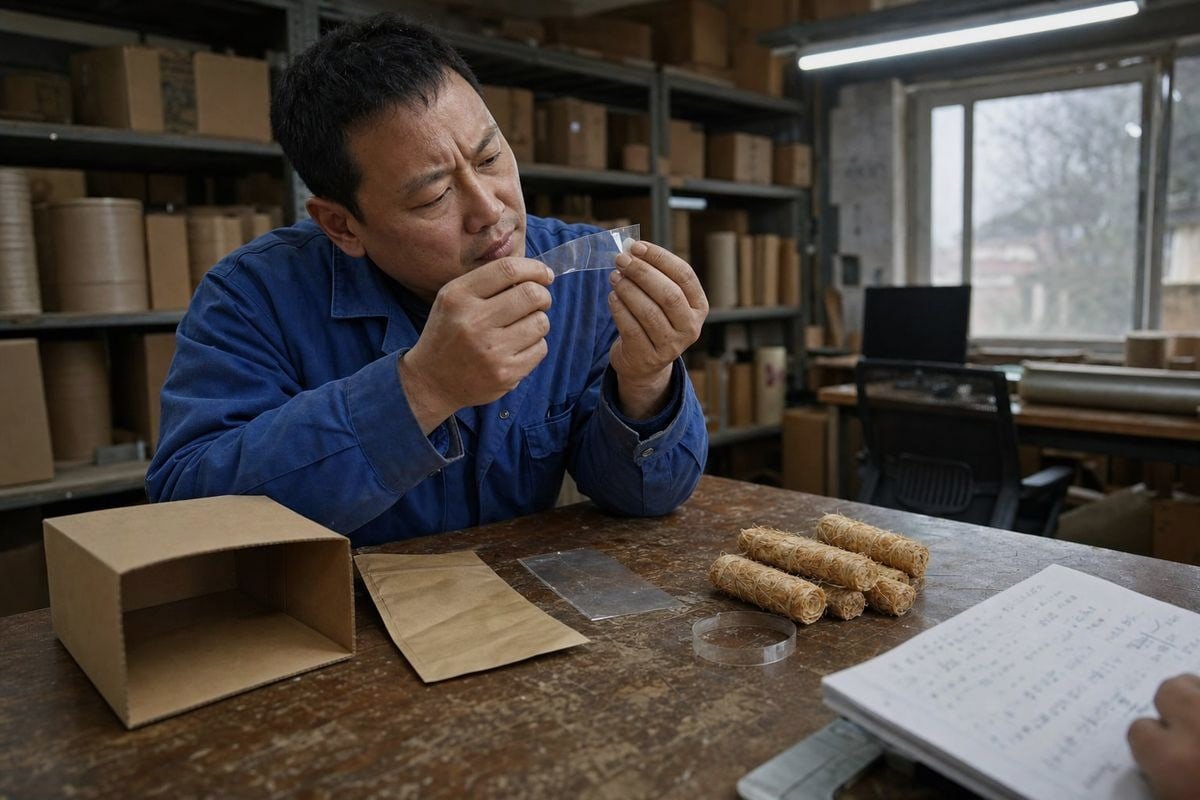
Das Erste, was ich Käufern sage, ist, dass "Holzanzünder-Verpackungen" nicht gleichbedeutend sind. In unserer Exporterfahrung in Deutschland, Frankreich und Polen kann eine einzelne Anzünderbestellung vier Verpackungsschichten umfassen, und die PPWR berührt alle davon.
Die vier Verpackungsformate, die Sie bewerten müssen
- Primärverpackung: der bedruckte Karton, die Kraftpapiertüte oder die Schale, die die mit Wachs getauchten Holzrollen enthält.
- Hybridverpackungen: Holz oder Papier kombiniert mit Kunststofffenstern, Wachsbeschichtungen, Laminierungen oder Klebstoffen.
- Sekundärverpackungen: Verkaufsfertige Display-Boxen oder Schrumpffolien um mehrere Einheiten.
- Transportverpackung: Kisten, Paletten, Umreifungsbänder und Stretchfolie.
Die Verordnung bewertet jede Verpackungseinheit als Ganzes. Eine Kraftpapiertüte kann aufgrund einer Folienkaschierung ihre Einstufung verlieren. Eine Holzkiste kann wegen eines daran befestigten Kunststoffumreifungsbandes durchfallen. Das ist die Falle: Die Hauptmaterialangabe bestimmt nicht die Konformität. Die vollständige Materialliste schon.
Die wichtigsten Fristen im Überblick
| Frist | Anforderung | Praktische Bedeutung |
|---|---|---|
| Januar 2030 | Design-for-Recycling-Kriterien; Mindestnote C (70%) | Verpackungen mit einer Recyclingfähigkeit unter 70% dürfen nicht auf dem EU-Markt platziert werden |
| Januar 2035 | Im großen Maßstab recycelt | Sie müssen nachweisen, dass reale Recyclingsysteme Ihre Verpackung tatsächlich verarbeiten |
| Januar 2038 | Nur Noten A (≥95%) oder B (≥80%) zulässig | Noten-C-Verpackungen werden vollständig aus dem Verkehr gezogen |
Eine weitere Vorsichtsmaßnahme, die ich Käufern immer gebe: Die detaillierten technischen Kriterien werden durch EU-delegierte und Durchführungsrechtsakte kommen, die noch ausstehen. Der Rahmen ist festgelegt, aber das Kleingedruckte nicht. Kluge Importeure gestalten jetzt auf Note A oder B, damit ausstehende Details keine kostspielige Neugestaltung erzwingen.
Wie kann ich bestätigen, dass die Verpackungsmaterialien meines Lieferanten wirklich recycelbar sind?
Vor Jahren haben wir für einen französischen Kunden eine Kartonbeschichtung geändert, nachdem eine Recyclingfähigkeitsprüfung die ursprüngliche Wachsbeschichtung beanstandet hatte. Diese eine Änderung brachte die Verpackung von einer grenzwertigen Note zu einer komfortablen – und lehrte mich, wo ich zuerst suchen muss.
Bestätigen Sie die Recyclingfähigkeit, indem Sie eine vollständige Stückliste anfordern, jede Komponente anhand etablierter EU-Recyclingströme prüfen, sicherstellen, dass sich gemischte Materialien leicht trennen lassen, und Behauptungen durch akkreditierte Prüflabore von Drittanbietern wie cyclos-HTP oder Fraunhofer IVV validieren, anstatt Selbsterklärungen zu akzeptieren.

Es gibt eine große Lücke zwischen "theoretisch recycelbar" und "in realen EU-Abfallsystemen recycelbar". Die PPWR soll diese Lücke schließen. Ihr Verifizierungsprozess muss also über das Wort des Lieferanten hinausgehen.
Beginnen Sie mit der vollständigen Komponentenliste
Bitten Sie Ihren Lieferanten, jedes Element aufzulisten: Substrat, Tinten, Lacke, Klebstoffe, Etiketten, Fensterfolien, Einsätze, Klammern und jegliche Wachs- oder Barrierebeschichtung. In unserer Fabrik bereiten wir diese Liste für jedes OEM-Verpackungsprojekt vor, da Käufer in Deutschland und im Vereinigten Königreich diese jetzt vor der Unterzeichnung verlangen. Wenn ein Lieferant diese Liste nicht schnell erstellen kann, betrachten Sie dies als Warnsignal.
Überprüfen Sie die häufigsten Fehlerpunkte
Anzünder-Verpackungen haben spezifische Schwachstellen. Unsere Ingenieure sehen immer wieder dieselben:
| Komponente | Recycling-Risiko | Bessere Alternative |
|---|---|---|
| Mit Wachs oder Paraffin beschichtete Kartonschalen | Von der Standard-Faserrecycling abgelehnt | Wasserlösliche oder dispergierbare Beschichtungen |
| Polypropylen-Netzbeutel | Kontaminiert Papierströme | Papierbasierte oder Monomaterial-Zellulose-Netze |
| Kunststoff-Displayfenster | Erfordert Trennung; oft nicht getrennt | Gestanzte offene Fenster oder Vollbildgrafiken |
| Metallklammern und Befestigungselemente | Kontaminiert Holz- und Faserströme | Klebstofffreie Falt- oder Steckverbindungen |
| Folienlaminate und Metallic-Druckfarben | Untergraben Sie die Faserwiederverwertung | Standard-wasserbasierte Tinten auf unbeschichtetem Karton |
Validieren Sie durch Dritte und reale Ströme
Selbst deklarierte "recycelbare" Logos bedeuten unter der PPWR wenig. Bitten Sie um Bewertungen von akkreditierten Prüfstellen für Recyclingfähigkeit 2. Ordnen Sie dann die Verpackung dem tatsächlichen nationalen System in Ihrem Zielmarkt zu — Der Grüne Punkt 3 in Deutschland oder Citeo in Frankreich — denn die tatsächliche Recyclingfähigkeit hängt von der lokalen Sortierinfrastruktur ab. Eine Verpackung, die in den Niederlanden gut recycelt wird, kann in Polen auf andere Sortierregeln stoßen. Führen Sie schließlich einen eigenen Praxistest durch: Kann ein Verbraucher jede gemischte Komponente ohne Werkzeug trennen? Wenn nicht, gehen Sie davon aus, dass die Note leidet.
Welche Dokumentation sollte ich anfordern, um die PPWR-Konformität vor dem Import nachzuweisen?
Papierkram war in dieser Branche früher ein nachträglicher Gedanke. Nicht mehr. Wenn wir Sendungen für EU-Einzelhandelskanäle vorbereiten, reist die Compliance-Dossier jetzt mit der Ware — und Käufer, die sie überspringen, spüren die Schmerzen am Zoll oder bei Marktüberwachungsaudits.
Fordern Sie für jede Verpackungskomponente Materialdatenblätter, eine Stoffliste, Berichte über die Recyclingfähigkeit von akkreditierten Prüfern, eine Konformitätserklärung, Bestätigungen über eingeschränkte Substanzen, die PFAS und besorgniserregende Substanzen abdecken, sowie Kennzeichnungsgrafiken mit den harmonisierten EU-Sortierpiktogrammen an, sobald die Durchführungsrechtsakte diese finalisiert haben.

Betrachten Sie Ihre Compliance-Datei als Versicherung. Marktüberwachungsbehörden 4 können Sie sie jederzeit anfordern, und ein fehlendes Dokument kann einen Container am Hafen festhalten. Hier ist die Checkliste, die ich Käufern durchgehe, bevor eine EU-gebundene Bestellung unsere Linie verlässt.
Das Kern-Compliance-Dossier
| Dokument | Was es beweist | Wer stellt es zur Verfügung? |
|---|---|---|
| Stückliste / Stoffliste | Vollständige Zusammensetzung jeder Verpackungskomponente | Hersteller |
| Materialdatenblätter | Technische Eigenschaften von Substraten, Tinten, Beschichtungen, Klebstoffen | Hersteller oder Materiallieferanten |
| Bericht über die Recyclingfähigkeitsbewertung | Die erwartete Note der Verpackung anhand von Kriterien für Design für Recyclingfähigkeit | Akkreditierte Stelle eines Dritten |
| Chargenbezogene Prüfberichte | Formelle Erklärung der PPWR-Konformität | Hersteller, gegengezeichnet, falls erforderlich |
| Erklärungen zu eingeschränkten Stoffen | Keine PFAS oder andere bedenkliche Stoffe vorhanden | Hersteller mit Labor-Test-Unterstützung |
| Artwork-Dateien für die Kennzeichnung | Korrekte Sortierpiktogramme und erforderliche Warnhinweise | Hersteller mit Zustimmung des Käufers |
Achten Sie auf die Stoffbeschränkungen
PFAS verdienen besondere Aufmerksamkeit. Sie sind ab August 2026 in Lebensmittelverpackungen 5 verboten, und obwohl Feueranzünder keine Lebensmittel sind, geraten Käufer, die Grillprodukte verkaufen, durch Assoziation unter Beobachtung. In unseren SGS- und Intertek-Testroutinen screenen wir Materialien, damit Käufer saubere Berichte vorlegen können, anstatt über technische Details zu streiten.
Vergessen Sie nicht die Kennzeichnungsüberlappung
Feueranzünder tragen Entflammbarkeitswarnungen und können unter die ADR-Transportvorschriften 6 für paraffinhaltige Produkte fallen. Diese obligatorischen, nicht abnehmbaren Etiketten müssen mit den minimalistischen Designregeln der PPWR und den harmonisierten Sortierpiktogrammen, die um 2028 erwartet werden, koexistieren. Ich rate Käufern immer, die Platzierung von Etiketten frühzeitig zu überprüfen, da das Hinzufügen von Warnhinweisen nach der Genehmigung des Designs zu Verzögerungen führt. Halten Sie das Dossier nach jeder Designänderung, Lieferantenänderung oder Markteinführung auf dem neuesten Stand — eine Datei, die letztes Jahr korrekt war, deckt die Verpackung dieses Jahres möglicherweise nicht ab.
Wie wähle ich einen Hersteller aus, der Verpackungen an die PPWR-Standards anpassen kann?
Ein Kompromiss, den ich bei OEM-Projekten ständig abwäge: Regalwirkung versus Recyclingfähigkeit. Eine glänzende, laminierte Schachtel sieht hochwertig aus, aber ein unbeschichtetes Kraftdesign mit starkem Druck kann die Note A erreichen und sich trotzdem verkaufen. Die richtige Fabrik hilft Ihnen, beides zu gewinnen.
Wählen Sie einen Hersteller mit anerkannten Zertifizierungen (ISO 9001, BSCI, SGS/Intertek-Tests), echter Inhouse-Verpackungsanpassung, dokumentierter Materialtransparenz, Erfahrung im Versand in EU-Märkte und der Bereitschaft, Beschichtungen, Verschlüsse und Komponenten proaktiv in Richtung der Recyclingfähigkeit der Klasse A oder B neu zu gestalten.
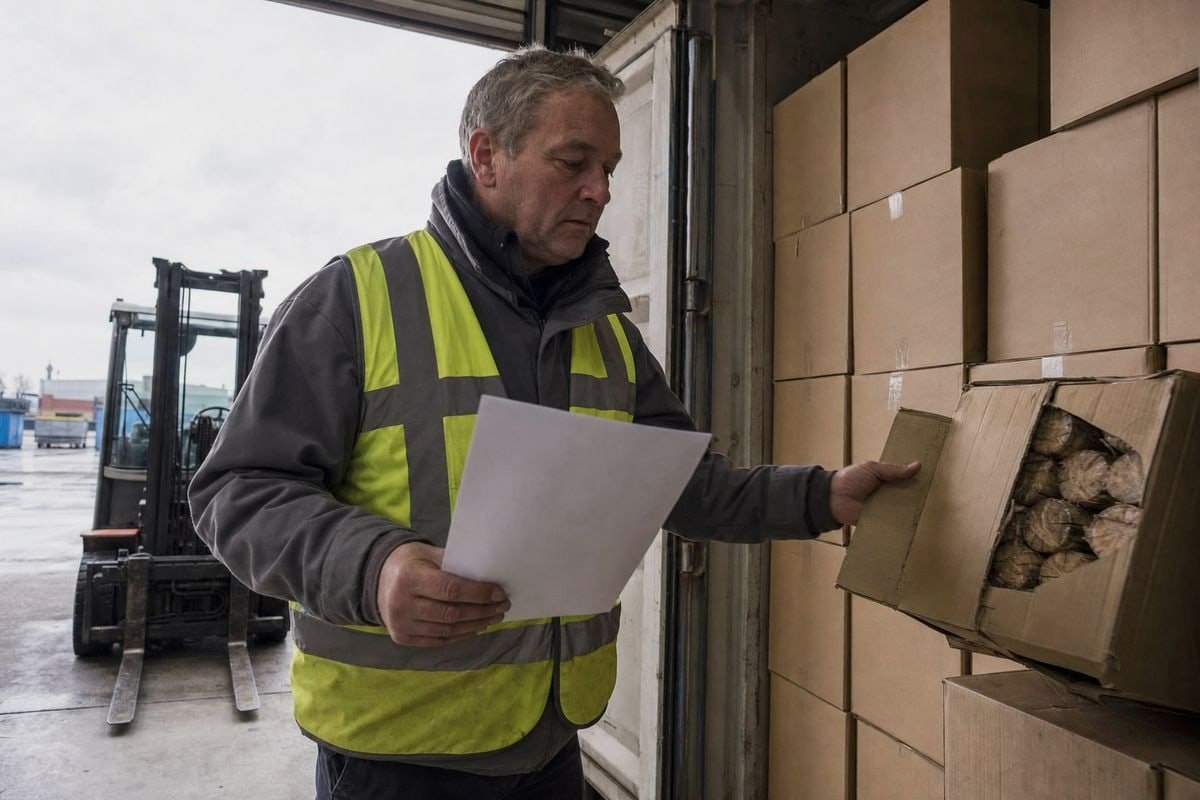
Nach über 17 Jahren im Bau von Feueranzündprodukten und dem Export in über 30 Länder kann ich Ihnen sagen, dass die PPWR-Bereitschaft sich darin zeigt, wie eine Fabrik Fragen beantwortet — nicht in ihrem Marketing. Hier ist ein praktischer Bewertungsprozess.
Ein Fünf-Schritte-Lieferantenbewertung
- Fordern Sie die Komponentenliste unaufgefordert an. Eine PPWR-bereite Fabrik stellt die vollständige Stückliste für ihre Standardverpackung freiwillig zur Verfügung. Wenn Sie sie ihr entlocken müssen, wird die Anpassungsfähigkeit langsam sein.
- Testen Sie ihre Flexibilität bei der Neugestaltung. Fordern Sie eine Monomaterialversion ihrer Standardverpackung an — zum Beispiel den Austausch eines Kunststofffensters durch eine gestanzte Öffnung. In unserer Ningbo-Anlage ist eine solche Änderung eine Routine-ODM-Anfrage, kein Sonderprojekt.
- Zertifizierungen und Prüfberichte überprüfen. ISO 9001 7 und BSCI zeigen Prozessdisziplin; SGS- oder Intertek-Berichte zeigen, dass die Materialien tatsächlich bestehen. Für unsere EU-Käufer ist dies eine harte Anforderung, kein Nice-to-have.
- Chargenübergreifende Konsistenz prüfen. Die Einhaltung der PPWR bedeutet nichts, wenn die Produktion vom genehmigten Muster abweicht. Fragen Sie, wie die Fabrik Materialsubstitutionen kontrolliert. Wir sperren genehmigte Materialien in die QC-Spezifikation ein, damit die erste Probe die Massenproduktion zuverlässig widerspiegelt.
- Verpackungsfähigkeit aus einer Hand bestätigen. Kundenspezifische Kartons, Warnetiketten, Barcodes und Display-Verpackungen sollten von einem verantwortlichen Partner stammen. Aufgeteilte Verantwortung schafft Compliance-Lücken, die niemand besitzt.
Design für die Zukunft, nicht für das Minimum
Klasse C hält Sie 2030 legal, aber 2038 tot. Der Markttrend ist bereits klar: einfachere Monomaterialpackungen, weniger Beschichtungen, wasserbasierte Tinten. Wenn wir Private-Label-Verpackungen für Holzanzünder entwickeln, drängen wir Käufer zu Designs, die heute Klasse B bequem bestehen. Diese Wahl kostet jetzt wenig und vermeidet eine erzwungene Neugestaltung – mit neuen Grafiken, neuen Werkzeugen und neuen Tests – in fünf Jahren.


 English
  Spanish
  German
  French
  Arabic
  Portuguese
Diskutieren Sie mit