







Using supplier data to pitch wood fire starters to specialty stores changed how our export team wins meetings Kalifornien Prop 65 1. Cold pitches get ignored. Buyers see dozens of generic offers weekly. Data-backed pitches stand out — and after 17 years running production in Ningbo, I've learned exactly which numbers make a hearth or camping buyer say yes.
To pitch wood fire starters to specialty stores with supplier data, lead with verified certifications, batch burn-test results, complete compliance documents, and transparent MOQ and lead-time figures. This combination proves consistent quality, reduces buyer risk, and shows the store your supply chain fits their inventory cycle.
Let me break this down piece 2 by piece. Each section below covers one type of supplier data and shows you exactly how to present it in a pitch.
What Supplier Certifications Should I Highlight to Win Specialty Store Trust?
A German fireplace distributor once told me on a call that he deletes any fire-starter offer without test reports attached. That single comment reshaped how we structure every quotation we send.
Highlight ISO 9001 for quality management, BSCI for ethical sourcing, CE for European market access, and third-party SGS or Intertek test reports for product safety. Specialty store buyers treat these certifications as entry requirements, not bonuses, especially for flammable goods like wood fire starters.

Certifications do two jobs in a pitch. First, they remove risk from the buyer's decision. Second, they signal that you run a real factory, not a trading desk reselling unknown goods. In our experience exporting to the US, Germany, and the UK, buyers rank these two signals above price almost every time.
Which Certification Answers Which Buyer Concern
Different certifications answer different questions in the buyer's head. Present them that way, not as a flat list on page four of your catalog.
| Zertifizierung | Buyer Question It Answers | Best Store Type to Emphasize It |
|---|---|---|
| ISO 9001 | Will batch 10 match batch 1? | All specialty retailers |
| BSCI | Is this Lieferkette 3 ethically audited? | Eco-focused and European retailers |
| CE | Can I legally sell this in the EU? | European hearth and outdoor stores |
| SGS / Intertek-Berichte | Is the product itself tested safe? | US and Canadian specialty chains |
How to Present Certifications in the Pitch
Do not just name-drop the certificates. Attach scanned copies with visible dates and scope. Buyers check expiry dates. An expired ISO certificate hurts more than no certificate, because it suggests you stopped maintaining standards.
Our sales team pairs each certificate with one plain-English sentence. For example: "Our BSCI-Audit 4 means your eco-conscious customers can trust the labor conditions behind the product." That sentence connects the paperwork to the store's shelf story. Specialty retailers sell narratives, not just SKUs. A wood-wool fire starter with an audited, chemical-free supply chain gives their staff something to say at the counter. That talking point is part of what you are selling.
How Can I Use Batch Testing Data to Prove Consistent Burn Quality?
Every production run of our wax-dipped wood rolls goes through the same ritual: pull samples, time the ignition, log the Brenndauer 5, and file the numbers. That log became our best sales tool by accident.
Present batch testing data as a simple log showing ignition time, total burn time, and pass rates across multiple production runs. Consistent numbers across batches prove your first sample reflects mass production — the exact assurance specialty store buyers need before committing shelf space.

Buyers have been burned before — often literally by inconsistent product. A store orders based on a great sample. The bulk shipment arrives with starters that take twice as long to light. Customers complain. The buyer never reorders. Your batch data exists to prove this will not happen with you.
What to Measure and Report
Keep the metrics simple and repeatable. In our Ningbo facility, we track three core numbers on every run of wood fire starters:
- Zündgeschwindigkeit — how many seconds from match to sustained flame.
- Gesamte Brenndauer — how long one unit burns unassisted.
- Batch pass rate — the percentage of sampled units meeting spec.
How to Format the Data for a Pitch
A wall of lab numbers overwhelms a busy buyer. Condense it into a one-page summary table like this:
| Batch Sample | Ignition Time (Target: under 10s) | Burn Time (Target: 8–10 min) | Pass Rate |
|---|---|---|---|
| Run A | Within target | Within target | Pass |
| Run B | Within target | Within target | Pass |
| Run C | Within target | Within target | Pass |
The point is not the individual numbers. The point is the pattern. Three or more consecutive runs hitting the same targets tells the buyer your process is controlled. I also recommend offering a standing arrangement: a burn-test summary shipped with every order. When we started doing this, reorder conversations got noticeably easier. The buyer stops re-evaluating you at every purchase. That is what long-term supply relationships are built on.
One more tip. Invite the buyer to test the sample themselves against your logged numbers. When their stopwatch matches your data sheet, trust locks in fast.
Which Compliance Documents Do Specialty Retailers Expect Before Placing an Order?
The trade-off I weigh most often is speed versus paperwork. A buyer wants samples tomorrow, but shipping a flammable product without the right documents can stall everything at customs. So we prepare the full document pack before the first sample ever leaves the factory.
Specialty retailers typically expect a Safety Data Sheet, third-party flammability test reports, correct safety and warning labels, barcode-ready packaging artwork, and market-specific disclosures such as California Prop 65 warnings. Having this pack ready before the pitch signals a professional, retail-ready supplier.
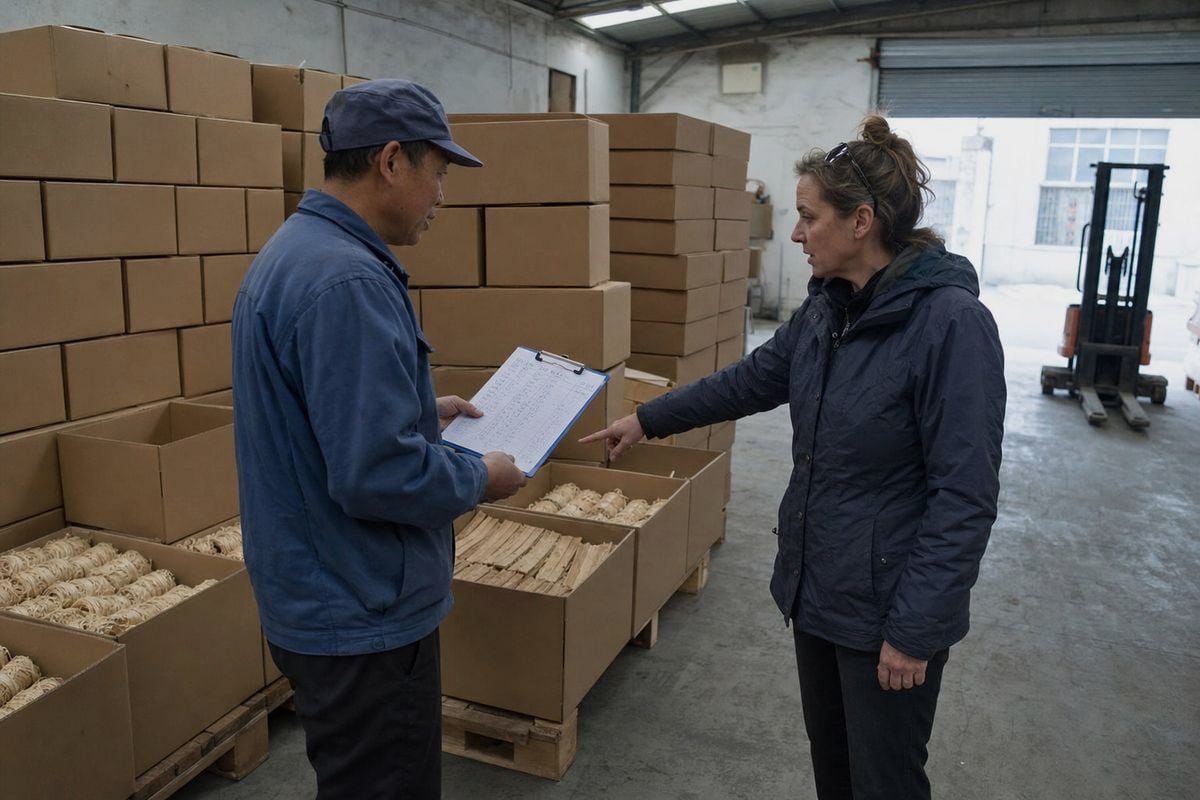
Compliance is where most fire-starter pitches quietly die. The buyer likes the product, asks for the SDS, gets silence for a week, and moves on. In my experience, the document pack should travel with the quotation, not after it.
Das Kern-Dokumentenpaket
Here is what we assemble for buyers in our main markets:
| Dokument | Was es abdeckt | Who Asks for It Most |
|---|---|---|
| Sicherheitsdatenblatt 6 (SDS) | Composition, handling, storage, first aid | All markets, required for flammables |
| Flammability test report 7 | Independent lab verification of safe burn behavior | US and EU specialty chains |
| CE-Dokumentation | EU-Konformität für die Produktkategorie | German, French, Dutch, Polish buyers |
| Warnetiketten-Grafiken | Correct hazard language, pictograms, placement | Retail chains with legal review teams |
| Prop 65 disclosure | California-specific chemical warnings where applicable | US buyers shipping nationwide |
| Barcode and packaging files | Shelf-ready cartons with scannable EAN/UPC codes | Every retail buyer |
Why Retail-Ready Beats Product-Ready
A wood fire starter can be perfect and still be unsellable. If the carton lacks a barcode, the store cannot ring it up. If the warning label uses the wrong language, their legal team blocks the PO. Our OEM work taught me that specialty buyers judge the whole package: product, box, label, and paperwork as one unit.
So present compliance as a service, not a hurdle. Tell the buyer: "We handle warning labels, barcodes, and market-specific disclosures in-house, so your cartons go straight to the sales floor." That single sentence removes weeks of work from their side. For a purchasing manager juggling fifty SKUs, that is a genuine reason to choose you over a cheaper but less prepared competitor.
How Do I Present MOQ and Lead Time Data to Make My Pitch More Convincing?
A lesson I learned the hard way: quoting one rigid MOQ to every prospect loses trial orders. Years ago we turned away a small UK hearth retailer over quantity. They grew into a regional chain — buying from someone else.
Present MOQ as a tiered structure with a low trial-order threshold, and show lead times as a documented timeline from PO confirmation to delivery, including seasonal buffers. Transparent, flexible numbers let buyers map your supply directly onto their fall and winter inventory cycles.
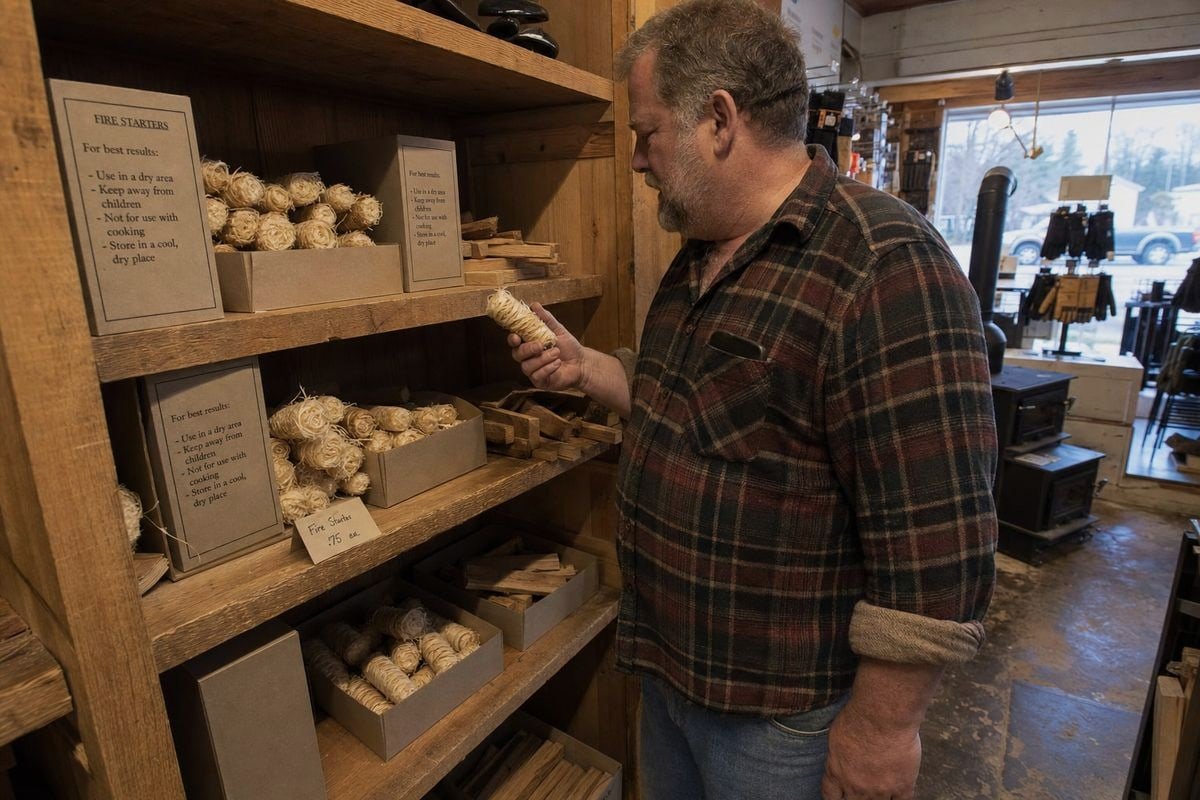
Specialty stores are not big-box chains. They want small, repeatable orders with consistent packaging. Your MOQ and lead-time data should show them you understand that.
Structure MOQ as a Ladder, Not a Wall
A tiered offer lets the buyer see a path from trial to scale:
- Trial tier — a low MOQ for first orders, often with standard packaging, so the buyer can test sell-through with minimal risk.
- Standard tier — the regular reorder quantity, with better unit pricing and private-label options.
- Program tier — seasonal volume commitments with priority production slots and full custom packaging.
Each tier answers a different stage of the relationship. Buyers appreciate seeing the whole ladder upfront. It tells them you plan to grow with them, not just close one deal.
Make Lead Time a Calendar, Not a Number
Saying "30–45 days" is weak. Showing a timeline is strong. We walk buyers through the stages: order confirmation, raw material intake, production, batch testing, packing, and shipping. Then we anchor it to their season. Fire starters peak in fall and winter, so we advise buyers to confirm main orders by late summer. When you flag their deadline for them, you shift from vendor to partner.
Also share your track record qualitatively. Mention how you protect delivery dates during peak season — reserved production capacity, early material purchasing, and clear communication if anything shifts. Reliability data, even in narrative form, tells a specialty buyer they will not face empty shelves in December. For them, a stockout in peak season is the worst outcome a supplier can cause. Address that fear directly, and your pitch stops sounding like a quote and starts sounding like a plan.
Schlussfolgerung
Generic pitches get deleted; data-backed pitches get meetings. Lead with certifications, batch burn data, complete compliance packs, and transparent MOQ tiers — and specialty store buyers will treat you as a partner, not a vendor.
Fußnoten
1. Regulatory background relevant to California Prop 65 chemical warning disclosures



 English
  Spanish
  German
  French
  Arabic
  Portuguese
Diskutieren Sie mit