







Die Ermittlung der Bildungsausgaben für die Vermarktung von Anzündern für Kaminholz hat fast einen unserer frühen Exportverträge zum Scheitern gebracht CE-Kennzeichnung 1. Der Käufer budgetierte für Anzeigen, entdeckte dann aber, dass Etikettierung, Schulung und Compliance-Inhalte die Marge zuerst auffraßen.
Bewerten Sie die Bildungskosten für die Vermarktung von Anzündern für Holzfeuer nach Region: Erfassen Sie das Bewusstsein der Verbraucher, die Preissensibilität, die Compliance-Regeln und die Kanalstruktur pro Markt, und budgetieren Sie dann Zertifizierung, lokalisierte Kennzeichnung, Schulung des Einzelhandels, Demos und Support-Inhalte als separate Posten – nicht als eine globale Marketingzahl.
Das klingt einfach. In der Praxis verstecken sich in jeder Region unterschiedliche Kosten. Unten zerlege ich die Frage in vier für den Käufer kritische Bereiche, unter Verwendung realer Zahlen und Exportlektionen aus über 30 Märkten.
Welche Compliance- und Zertifizierungsanforderungen sollte ich beim Marketing von Holzanzündern in verschiedenen Ländern berücksichtigen?
Siebzehn Jahre Versand von Feuerprodukten lehrten unser Team eine harte Regel: Compliance ist die erste Bildungsausgabe, denn jedes Etikett, jede Behauptung und jede Bedienungsanleitung muss rechtlich haltbar sein, bevor sie irgendjemandem etwas lehren kann Entflammbarkeitsprüfung 2.
Budget für regionsspezifische Zertifizierungen zuerst: CE-Kennzeichnung und REACH-konforme Dokumentation für die EU, ASTM-Referenzierte Entflammbarkeitsprüfung und CPSC-Kennzeichnungserwartungen für die USA, plus Testberichte von Drittanbietern (SGS oder Intertek), die Einzelhändler verlangen. Rechnen Sie mit 2.000–15.000 € pro Markt, je nach Umfang.
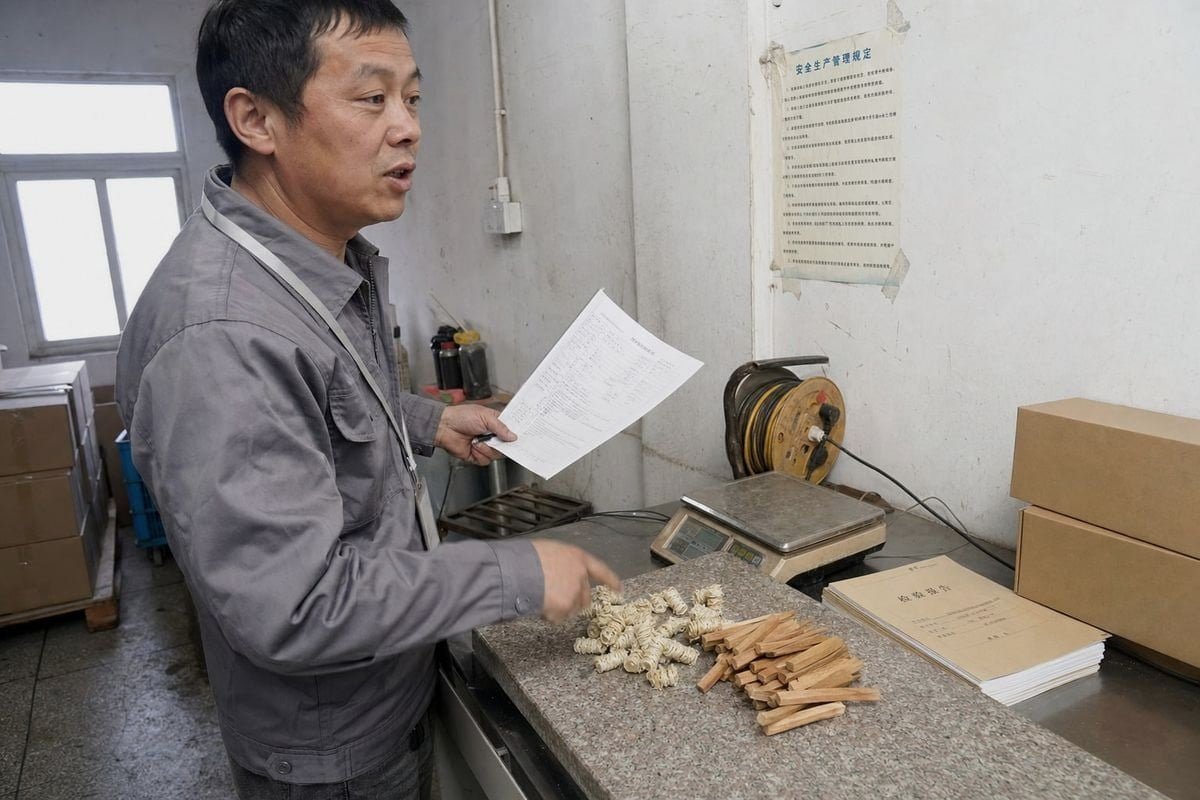
Die Compliance-Kosten lassen sich in drei Kategorien einteilen, und Käufer budgetieren oft nur für die erste.
Die drei Compliance-Kategorien
Erstens, Produkttests. Anzünder aus Holzfaser 3 und Wachs benötigen Brandverhaltensprüfungen 4, Zusammensetzungsüberprüfung und manchmal Prüfungen der Verpackungsentflammbarkeit. Nach unserer Erfahrung, EU-gebundene Sendungen unterliegen der größten Prüfung. Deutsche und französische Händler fragen routinemäßig nach SGS- oder Intertek-Berichte 5 , bevor sie überhaupt über Preise sprechen. US-Käufer konzentrieren sich mehr auf die spezifischen Anforderungen des Einzelhändlers, insbesondere für Kanäle vom Typ Home Depot.
Zweitens, Dokumentation. Prüfberichte verfallen oder werden veraltet, wenn sich Formulierungen ändern. Wenn Sie den Wachslieferanten wechseln oder das Verhältnis von Holzfasern anpassen, verlangen einige Märkte eine erneute Prüfung. Das sind wiederkehrende Kosten, keine einmalige Gebühr.
Drittens, die darauf aufbauende Bildungsebene. Nach der Zertifizierung müssen Sie die Zertifizierung den Händlern, Einzelhändlern und Endverbrauchern erklären. Das bedeutet Compliance-Zusammenfassungen, Schulungsunterlagen für Händler und FAQ-Inhalte – alles lokalisiert.
Typische Budgetbereiche nach Markt
| Markt | Kernanforderungen | Typische Erstkosten | Treiber für wiederkehrende Kosten |
|---|---|---|---|
| EU (Deutschland, Frankreich, NL) | CE-relevante Tests, REACH-Dokumentation, Nachweis von Umweltansprüchen | 000–15.000 € | Aktualisierungen von Umweltanspruchsregeln, erneute Tests |
| USA / Kanada | ASTM-bezogene Tests, Compliance-Pakete für Einzelhändler, zweisprachige Etiketten (Kanada) | 000–10.000 € | Auffrischung von Einzelhandelsaudits |
| Vereinigtes Königreich | UKCA-konforme Dokumentation 6 nach dem Brexit | 500–8.000 € | Abweichung von EU-Regeln |
| Australien | ACCC-konforme Sicherheitskennzeichnung | 000–6.000 € | Import-Chargenprüfungen |
| Naher Osten | Konformitätszertifikate, arabische Kennzeichnung | 000–7.000 € | Länderspezifische Unterschiede |
Unsere Fabrik verfügt über ISO 9001 7, BSCI und CE-Zertifizierung mit bestehenden Beziehungen zu SGS und Intertek, sodass Käufer, die von uns beziehen, einige dieser Kosten einsparen. Sie sollten jedoch immer noch Budget für die Marktanmeldung und die Händlerunterlagen auf Ihrer Seite einplanen.
Wie wirken sich regionale Sicherheitskennzeichnungs- und Warnstandards auf meine gesamten Marketing- und Verpackungskosten aus?
Ein polnischer Händler schickte uns einmal eine ganze Verpackungslos zurück – nicht wegen der Qualität, sondern weil die Größe des Warnhinweistextes nach lokaler Auslegung um zwei Millimeter zu klein war. Diese einzelne Lektion hat unsere Kalkulation für Eigenmarkenprojekte.
Regionale Kennzeichnungsstandards können durch obligatorische Warntexte, Piktogramme, Sprachanforderungen und Layoutbeschränkungen die Verpackungskosten um 15–30% erhöhen. Mehrsprachige Märkte wie Kanada und die EU sind am teuersten, da jede SKU möglicherweise separate Grafiken, rechtliche Überprüfungen und Druckplatten pro Land benötigt.
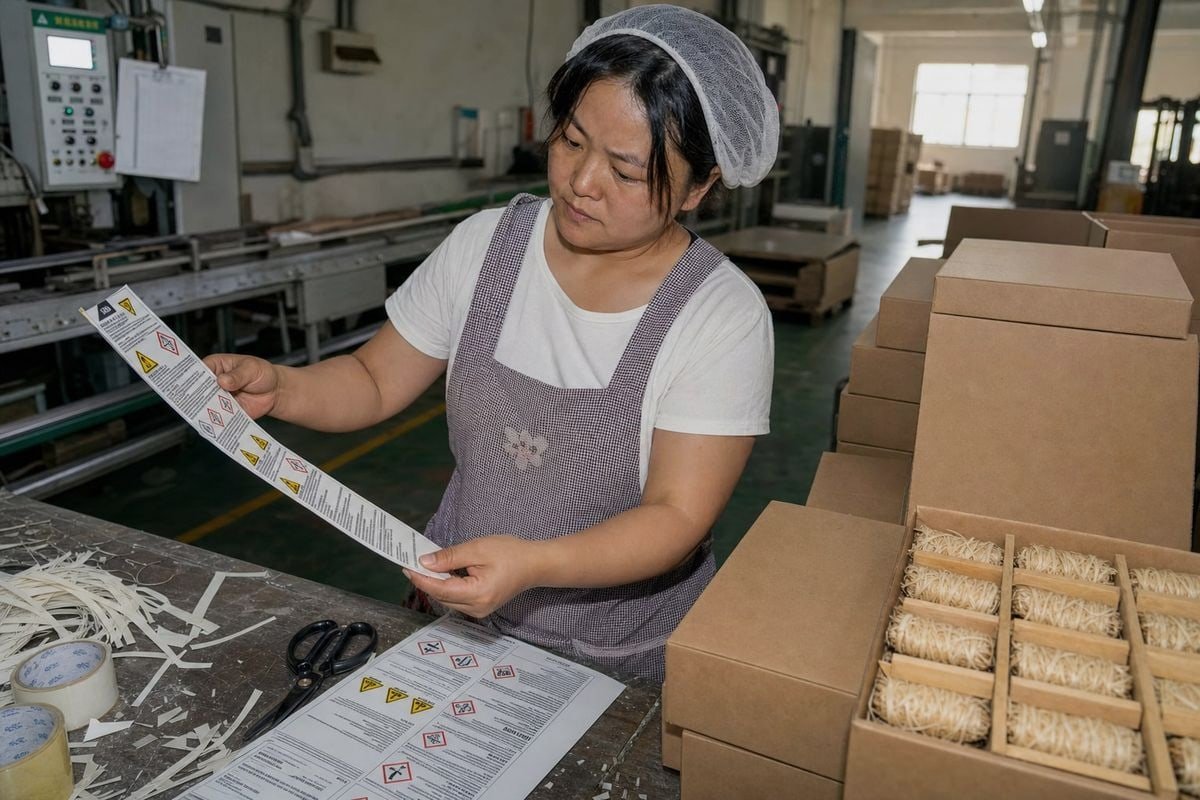
verändert. Die Kennzeichnung ist der Punkt, an dem Marketing und Recht kollidieren. Ihre Verpackung ist Ihr kostengünstigstes Lehrmittel. Sie lehrt den Verbraucher, wie das Produkt sicher verwendet wird. Aber Regulierungsbehörden kontrollieren, was darauf stehen muss, in welcher Sprache, in welcher Größe und manchmal in welcher Position.
Woher die Kosten tatsächlich kommen
Designkosten multiplizieren sich pro Markt. Ein Master-Design wird zu fünf oder sechs regionalen Varianten. Jede Variante benötigt Übersetzung, rechtliche Prüfung und oft eine Überprüfung durch Ihren Händler im lokalen Markt. Auch die Druckkosten steigen. Kurze Auflagen von länderspezifischen Verpackungen sind pro Einheit teurer als eine globale Auflage.
Dann gibt es noch strukturelle Einschränkungen. Warnblöcke nehmen Platz ein, den Sie für das Branding vorgesehen hatten. In einigen EU-Märkten erfordern Umweltangaben wie "umweltfreundlich" oder "natürlich" nun einen Nachweis auf der Verpackung oder über eine verknüpfte Quelle. Wenn Sie das falsch machen, drohen Ihnen Kosten für die Neukennzeichnung oder die Entfernung aus den Regalen – weitaus teurer, als es von Anfang an richtig zu machen.
Kostenvergleich für gängige Kennzeichnungsszenarien
| Szenario | Benötigte Sprachen | Grafikvarianten | Relative Verpackungskosten |
|---|---|---|---|
| Nur US-Start | Englisch | 1 | Basislinie |
| USA + Kanada | Englisch + Französisch | 2 | +15–20% |
| EU-Mehrland | 3–5 Sprachen | 3–5 oder kombiniert | +20–30% |
| Naher Osten | Arabisch + Englisch | 1–2 | +10–20% |
An unserem Produktionsstandort in Ningbo bauen wir Warnhinweise, Barcodes und landesspezifische Grafiken in OEM-Projekte ein, da die nachträgliche Korrektur von Etiketten nach dem Druck die häufigste vermeidbare Kosten sind, die wir bei Importeuren sehen. Mein Rat: Behandeln Sie die Einhaltung von Kennzeichnungsvorschriften als Budgetposten für Bildung, der vor der Gestaltung und nicht danach festgelegt wird.
Als wir unsere Anleitung für gewachste Holzscheite für Brasilien übersetzten, gingen wir davon aus, dass die Übersetzung die Aufgabe war. Das war sie nicht. Die Feuerkultur dort konzentriert sich auf Churrasco-Grillen, nicht auf Kamine – daher musste die gesamte visuelle Geschichte geändert werden.
Erwarten Sie versteckte Kosten bei der kulturellen Anpassung (nicht nur bei der Übersetzung), Nachdrehs von Videos für lokale Feuerkontexte, höheres Kundensupport-Aufkommen in Märkten mit geringem Bewusstsein, Schulungszeit für Distributoren, saisonale Inhaltsaktualisierungen und skeptisch machende Beweisinhalte – oft 30–50 % über Ihrem ursprünglichen Lokalisierungsschätzpreis.

Versteckte Kosten konzentrieren sich auf ein Kernproblem: Geringe Produktvertrautheit zwingt Sie zu mehr Aufklärung, und mehr Aufklärung kostet mehr. Marktforschung zu natürlichen Anzündern zeigt, dass sie gegenüber erdölbasierten Optionen eine Preisprämie von etwa 35–50 % aufweisen und etwa 42 % der Verbraucher immer noch grüne Anzünder mit geringerer Leistung in Verbindung bringen. Diese Wahrnehmungslücke ist Ihre Aufklärungsrechnung.
Die Kosten, die niemand in das erste Budget aufnimmt
- Kulturelle Neuausrichtung. Nordamerikanische Inhalte zeigen Lagerfeuer. Europäische Inhalte zeigen Holzöfen und Kamine. Lateinamerikanische Inhalte funktionieren besser rund um Grill und Erschwinglichkeit. Gleiches Produkt, drei verschiedene Geschichten, drei Content-Budgets.
- Video- und Demo-Neuproduktion. Anleitungs-Videos mit ausländischen Küchen, falschen Steckertypen oder unbekannten Kaminen verringern das Vertrauen. Das erneute Drehen für den lokalen Kontext ist ein reales Posten.
- Aufblähung der Kundenbetreuung. In Märkten, in denen weniger als 12 % der Kategorieumsätze auf natürliche Anzünder entfallen – Teile Südostasiens und Lateinamerikas – steigen die Support-Tickets und Vorverkaufsfragen sprunghaft an. Budgetieren Sie Support-Stunden pro verkauftem Stück, nicht als pauschale Gemeinkosten.
- Schulung von Händlern und Einzelhändlern. Ihre Kanalpartner müssen das Produkt erklären, bevor die Verbraucher es überhaupt sehen. Schulungsunterlagen, Musterkits und In-Store-Demo-Materialien sind wiederkehrende Kosten.
- Inhaltliche Beweise. Vergleich von Brenndauer, Zündungsdemonstrationen nebeneinander und Erklärungen zu Zertifizierungen kosten Geld in der Produktion, bekämpfen aber direkt das Problem der Leistungsskepsis.
- Saisonale Auffrischung. Die Nachfrage nach Anzündern schwankt mit dem Klima. Für den Herbst-Kamin-Saison erstellte Inhalte benötigen in den meisten Märkten eine Sommer-Camping-Variante.
Eine praktische Regel aus unserer Exportarbeit: Was auch immer Sie für die Lokalisierung schätzen, halten Sie 40 % mehr als Reserve für diese Kosten der zweiten Welle bereit. Neue Märkte offenbaren immer eine Bildungslücke, die Sie nicht vorhergesehen haben.
Wie kann ich Lieferantendokumentationen und Testberichte vergleichen, um die tatsächlichen regionalen Markteintrittskosten abzuschätzen?
Einkaufsmanager, die unsere Zentrale in Liuyang besuchen, fragen normalerweise in der ersten Stunde nach dem Preis. Die klugen verbringen die zweite Stunde damit, unsere Testberichte zu lesen – denn dieser Dokumentenstapel prognostiziert ihre tatsächlichen Markteintrittskosten besser als jedes Angebot.
Vergleichen Sie Lieferanten, indem Sie aktuelle SGS- oder Intertek-Prüfberichte, ISO 9001- und BSCI-Zertifikate, CE-Dokumentation und Chargen-QC-Aufzeichnungen anfordern. Lieferanten mit vollständigen, aktuellen Unterlagen können Ihre Kosten für Markteintrittskonformität und Schulung um 30–60 % senken, da Sie doppelte Tests und Neukennzeichnungen vermeiden.
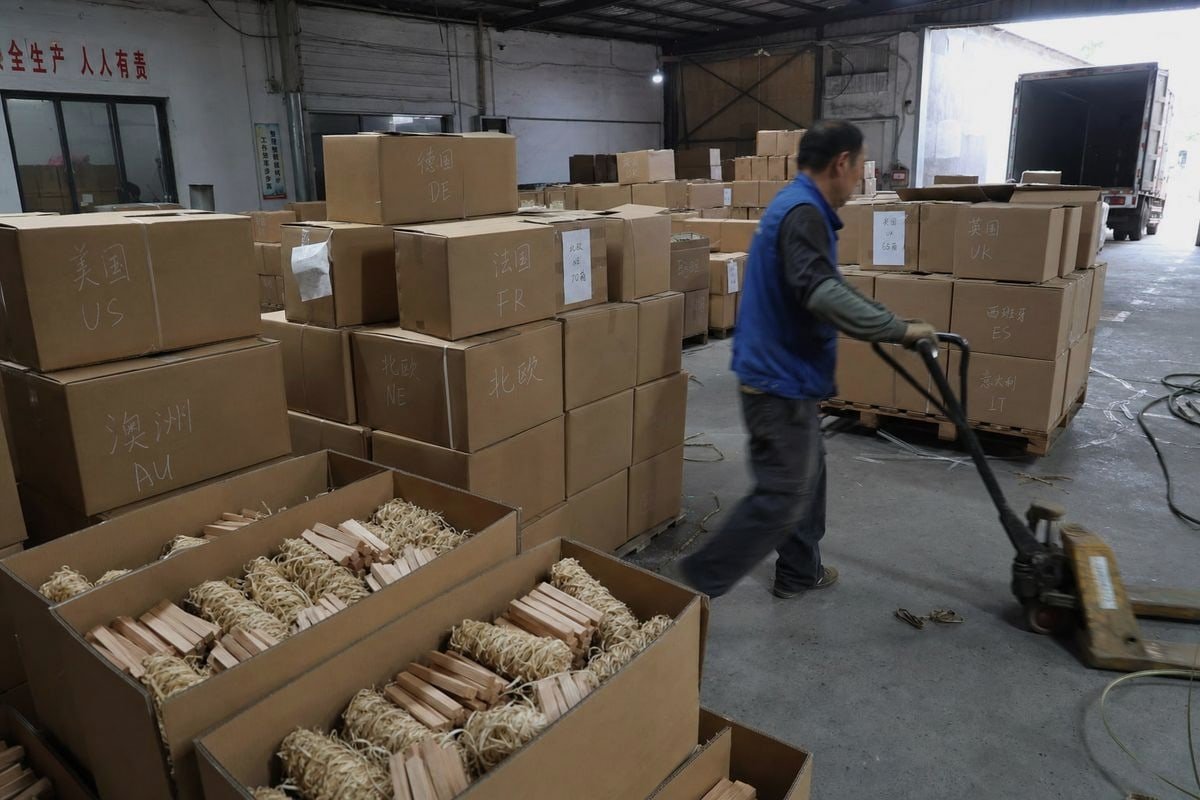
Die Dokumentationsqualität eines Lieferanten ist eine Kostenschätzung. Schwache Unterlagen bedeuten, dass Sie später für Tests, Neukennzeichnung und Nachschulung bezahlen. Starke Unterlagen bedeuten, dass ein Großteil der Compliance-Schulung bereits für Sie erledigt ist.
Eine praktische Checkliste für den Dokumentenvergleich
| Dokument | Was es Ihnen sagt | Kostenfolgen bei Fehlen |
|---|---|---|
| SGS / Intertek Testbericht (aktuell) | Produkt erfüllt die Testanforderungen des Zielmarktes | 000–10.000 € für doppelte Tests |
| ISO 9001 Zertifikat | Chargenübergreifende Konsistenz ist systematisiert | Rücksendungen, Nachprüfung, Qualitätsstreitigkeiten |
| BSCI-Audit | Einzelhandelsketten akzeptieren die Fabrik ethisch | Verlust von Big-Box-Listings |
| CE-Dokumentation | EU-Regalbereitschaft | Grenzübertrittsverzögerungen, Neukennzeichnung |
| Zusammensetzungserklärung (z. B. Holzfaser-/Paraffinverhältnis) | Etikettengenauigkeit und Unterstützung von Öko-Ansprüchen | Rechtliche Haftung für Ansprüche |
| Chargen-QC-Aufzeichnungen | Erstes Muster entspricht der Massenproduktion | Qualitätsdrift während des Vertrags |
Dokumente in eine Kostenschätzung umwandeln
Verwenden Sie eine einfache Dreischrittmethode. Erstens, listen Sie jedes Dokument auf, das Ihr Zielmarkt und Einzelhändler verlangt. Zweitens, markieren Sie, welche der Lieferant bereits in aktueller, gültiger Form besitzt. Drittens, bepreisen Sie die Lücken: Jeder fehlende Bericht entspricht einer Testgebühr, Kosten für Verzögerungen und oft Kosten für die Schulung, da Sie die Lücke Ihren Kanalpartnern erklären müssen.
Eine weitere Nuance von unserer Seite. Fragen Sie, ob die erste Probe des Lieferanten die Massenproduktion wirklich widerspiegelt. Unsere Produktionslinien in Ningbo führen strenge Chargenkontrollen durch, damit die Compliance-Datei eines Käufers bei Nachbestellungen gültig bleibt. Ein Lieferant, dessen Produkt zwischen den Chargen schwankt, macht Ihre Testberichte stillschweigend ungültig – und das sind die teuersten versteckten Kosten von allen.
Schlussfolgerung
Bildungskosten für die Vermarktung von Holzanzündern sind regional, nicht global. Budgetkonformität, Kennzeichnung, Lokalisierung und Lieferantendokumentation pro Markt – und arbeiten Sie mit Fabriken zusammen, deren Unterlagen bereits einen Teil dieser Last tragen.
Fußnoten
Offizielle EU-Quelle, die die Anforderungen an die CE-Kennzeichnung für die Produktkonformität erläutert. ↩︎
ASTM-Standards regeln die Entflammbarkeitsprüfungen, die für die Konformität mit dem US-Markt herangezogen werden. ↩︎
Hintergrundkonzept zur Erklärung der Rohstoffzusammensetzung von Holzanzündern. ↩︎
ASTM International legt standardisierte Prüfverfahren für Entflammbarkeit und Brandverhalten fest, die für die Konformität herangezogen werden. ↩︎
SGS ist eine führende unabhängige Prüf- und Zertifizierungsstelle, die zur Überprüfung von Exportkonformitätsdokumenten zitiert wird. ↩︎
Offizielle Leitlinien der britischen Regierung zu den Anforderungen an die UKCA-Kennzeichnung nach dem Brexit. ↩︎
ISO 9001 ist der offizielle Qualitätsmanagementstandard, der für die Lieferantenzertifizierung herangezogen wird. ↩︎

 English
  Spanish
  German
  French
  Arabic
  Portuguese
Diskutieren Sie mit