






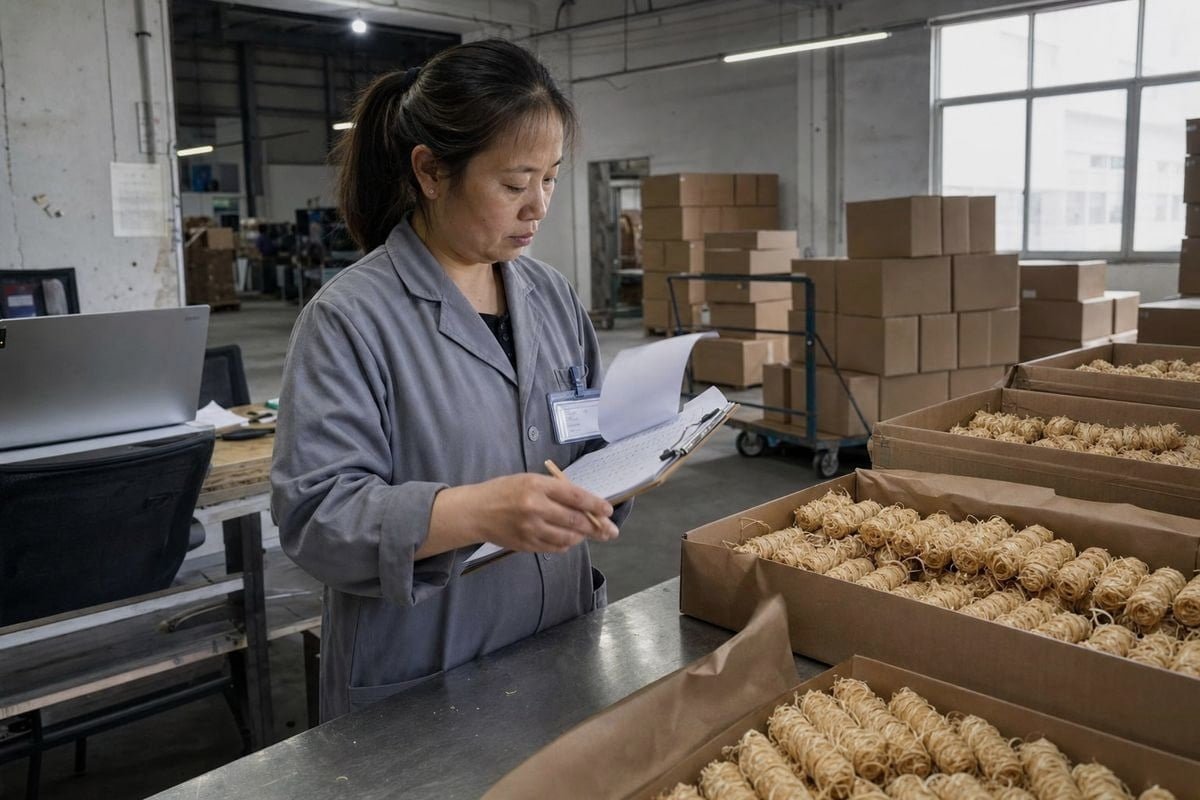
A embalagem do acendedor de fogo a lenha não é automaticamente compatível com o PPWR. Aprendi isso em nossa própria linha de produção quando uma caixa impressa "simples" quase paralisou um carregamento alemão. Suposições são caras; verificação não é.
Para verificar se a embalagem do acendedor de fogo a lenha cumpre as regras de reciclabilidade do PPWR da UE, mapeie cada componente, confirme que atinge pelo menos o Grau C (70%) de reciclabilidade sob critérios de design para reciclagem até 2030, comprove o desempenho de reciclagem em escala até 2035 e colete declarações de fornecedores mais avaliações de terceiros em um arquivo de conformidade.
Essa resposta parece concisa, mas cada etapa esconde um trabalho real. Abaixo, detalho o que o PPWR exige, como testar as alegações do fornecedor, quais documentos reunir e como escolher uma fábrica que possa se adaptar. Vamos passar por isso passo a passo.
O que o PPWR da UE realmente exige para embalagens de acendedores de fogo de madeira?
Um comprador da Holanda me perguntou uma vez por que seus acendedores de fogo de lã de madeira "totalmente naturais" ainda poderiam falhar nas regras de embalagem da UE 1. A resposta o surpreendeu: a regulamentação julga o pacote inteiro, não o produto interno.
O PPWR exige que as embalagens de acendedores de madeira sejam recicláveis por design a partir de 1º de janeiro de 2030, atingindo pelo menos o Grau C (70% de reciclabilidade), sejam recicladas em escala até 2035 e alcancem o Grau A ou B até 2038. Cada componente — tintas, revestimentos, filmes, adesivos — conta para o grau.
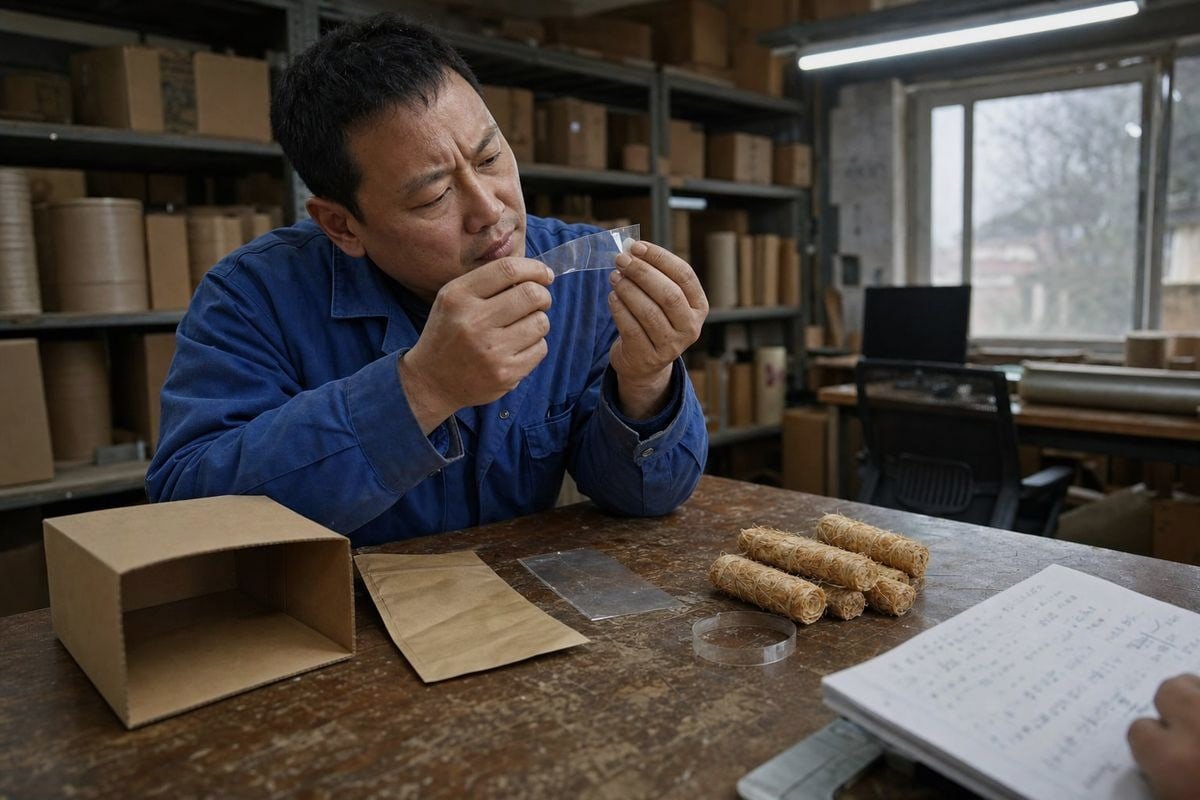
A primeira coisa que digo aos compradores é que "embalagem de acendedor de fogo a lenha" não é uma coisa só. Em nossa experiência de exportação para Alemanha, França e Polônia, um único pedido de acendedor pode envolver quatro camadas de embalagem, e o PPWR afeta todas elas.
Os Quatro Formatos de Embalagem Que Você Deve Avaliar
- Embalagem primária: a caixa impressa, o saco de kraft ou a bandeja que contém os rolos de madeira mergulhados em cera.
- Embalagens híbridas: madeira ou papel combinados com janelas plásticas, revestimentos de cera, laminados ou adesivos.
- Embalagens secundárias: caixas de exibição prontas para varejo ou filme termoencolhível em torno de várias unidades.
- Embalagem de transporte: caixotes, paletes, cintas e filme stretch.
A regulamentação avalia cada unidade de embalagem como um todo. Uma caixa de kraft pode perder sua classificação por causa de um laminado de folha metálica. Um caixote de madeira pode falhar por causa de uma cinta plástica fundida a ele. Essa é a armadilha: a alegação do material principal não decide a conformidade. A lista completa de materiais decide.
Os Prazos Chave em Resumo
| Prazo | Requisito | Significado Prático |
|---|---|---|
| 1 de janeiro de 2030 | Critérios de design para reciclagem; Grau C mínimo (70%) | Embalagens abaixo de 70% de reciclabilidade não podem ser colocadas no mercado da UE |
| 1 de janeiro de 2035 | Reciclado em escala | Você deve mostrar que sistemas de reciclagem reais processam sua embalagem |
| 1 de janeiro de 2038 | Apenas Graus A (≥95%) ou B (≥80%) permitidos | Embalagens de Grau C são totalmente eliminadas |
Mais uma cautela que sempre dou aos compradores: os critérios técnicos detalhados chegarão por meio de atos delegados e de implementação da UE que ainda estão pendentes. A estrutura está definida, mas os detalhes finos não. Importadores inteligentes projetam para o Grau A ou B agora, para que os detalhes pendentes não forcem um redesenho caro mais tarde.
Como Posso Confirmar Se os Materiais de Embalagem do Meu Fornecedor São Realmente Recicláveis?
Anos atrás, trocamos um revestimento de caixa para um cliente francês depois que uma revisão de reciclabilidade sinalizou o laminado de cera original. Essa única mudança moveu a embalagem de uma classificação limítrofe para uma confortável — e me ensinou onde procurar primeiro.
Confirme a reciclabilidade solicitando uma lista completa de materiais, verificando cada componente em relação aos fluxos de reciclagem estabelecidos na UE, verificando se os materiais mistos se separam facilmente e validando as alegações por meio de órgãos de teste credenciados por terceiros, como cyclos-HTP ou Fraunhofer IVV, em vez de aceitar autodeclarações.
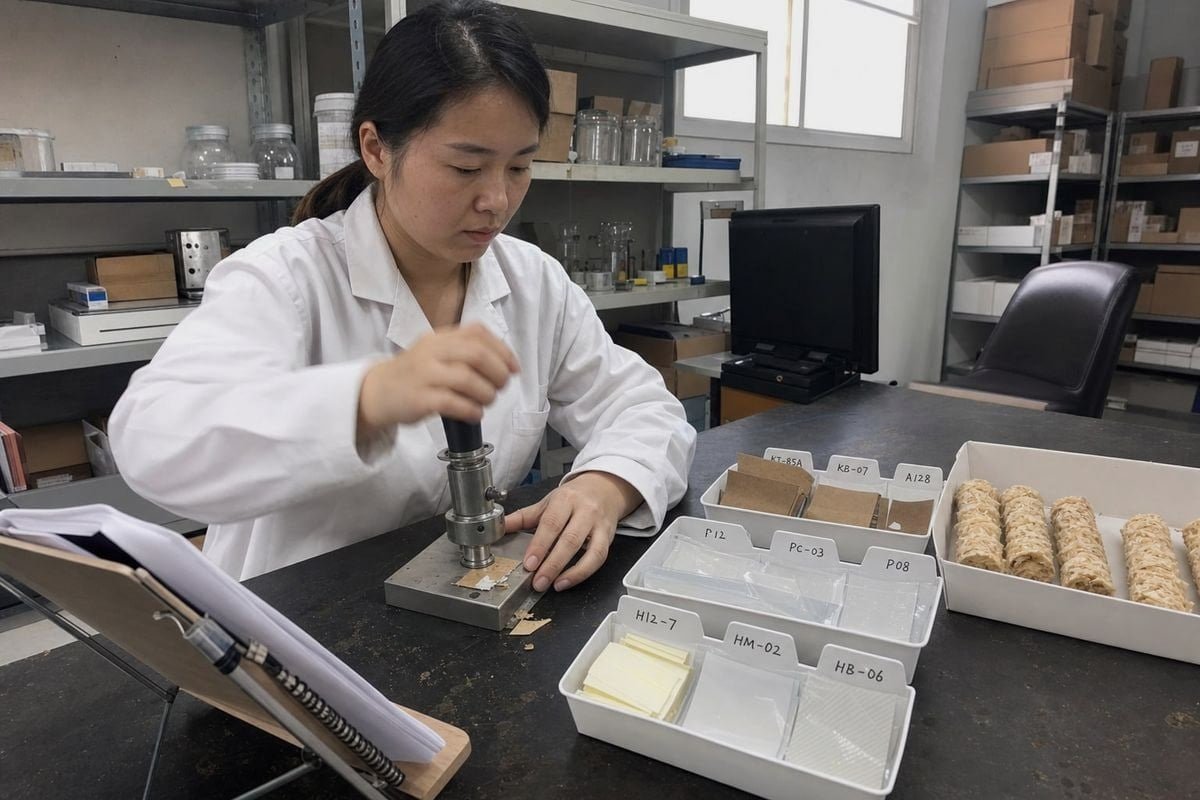
Existe uma grande lacuna entre "teoricamente reciclável" e "reciclável em sistemas reais de resíduos da UE". O PPWR foi criado para fechar essa lacuna. Portanto, seu processo de verificação deve ir além da palavra do fornecedor.
Comece Com a Lista Completa de Componentes
Peça ao seu fornecedor para listar todos os elementos: substrato, tintas, vernizes, adesivos, rótulos, filmes de janela, inserções, grampos e qualquer revestimento de cera ou barreira. Em nossa fábrica, preparamos essa lista para todos os projetos de embalagem OEM porque os compradores na Alemanha e no Reino Unido agora a exigem antes de assinar. Se um fornecedor não puder produzir essa lista rapidamente, trate isso como um sinal de alerta.
Verifique os Pontos Comuns de Falha
A embalagem de acendedor de fogo tem pontos fracos específicos. Nossos engenheiros veem os mesmos repetidamente:
| Componente | Risco de Reciclabilidade | Alternativa Melhor |
|---|---|---|
| Bandejas de papelão revestidas com cera ou parafina | Rejeitadas pela reciclagem padrão de fibra | Revestimentos solúveis em água ou dispersíveis |
| Sacos de rede de polipropileno | Contaminam fluxos de papel | Rede de celulose à base de papel ou monomaterial |
| Janelas plásticas de exibição | Requerem separação; muitas vezes não são separados | Janelas cortadas ou gráficos impressos integralmente |
| Grampos e fixadores metálicos | Contaminam fluxos de madeira e fibra | Design de dobra ou intertravamento sem cola |
| Laminações de folha e tintas metálicas | Minar a recuperação de fibras | Tintas padrão à base de água em cartão não revestido |
Validar através de terceiros e fluxos reais
Logotipos autodeclarados "recicláveis" significam pouco sob o PPWR. Solicite avaliações de órgãos de teste de reciclabilidade credenciados 2. Em seguida, mapeie a embalagem para o esquema nacional real em seu mercado-alvo — O Ponto Verde 3 na Alemanha ou Citeo na França — porque a reciclabilidade real depende da infraestrutura de triagem local. Uma embalagem que recicla bem na Holanda pode encontrar regras de triagem diferentes na Polônia. Finalmente, faça um teste físico você mesmo: um consumidor consegue separar todos os componentes mistos sem ferramentas? Se não, assuma que a nota sofre.
Que Documentação Devo Solicitar para Comprovar a Conformidade com o PPWR Antes de Importar?
A papelada costumava ser uma reflexão tardia nesta indústria. Não mais. Quando preparamos remessas para canais de varejo da UE, o dossiê de conformidade agora viaja com as mercadorias — e os compradores que o pulam sentem a dor na alfândega ou durante auditorias de vigilância de mercado.
Solicitar fichas de dados de materiais para cada componente de embalagem, uma lista de substâncias, relatórios de avaliação de reciclabilidade de testadores credenciados, uma declaração de conformidade, confirmações de substâncias restritas cobrindo PFAS e substâncias de preocupação, e arte final de rotulagem mostrando os pictogramas de triagem harmonizados da UE assim que os atos de implementação os finalizarem.
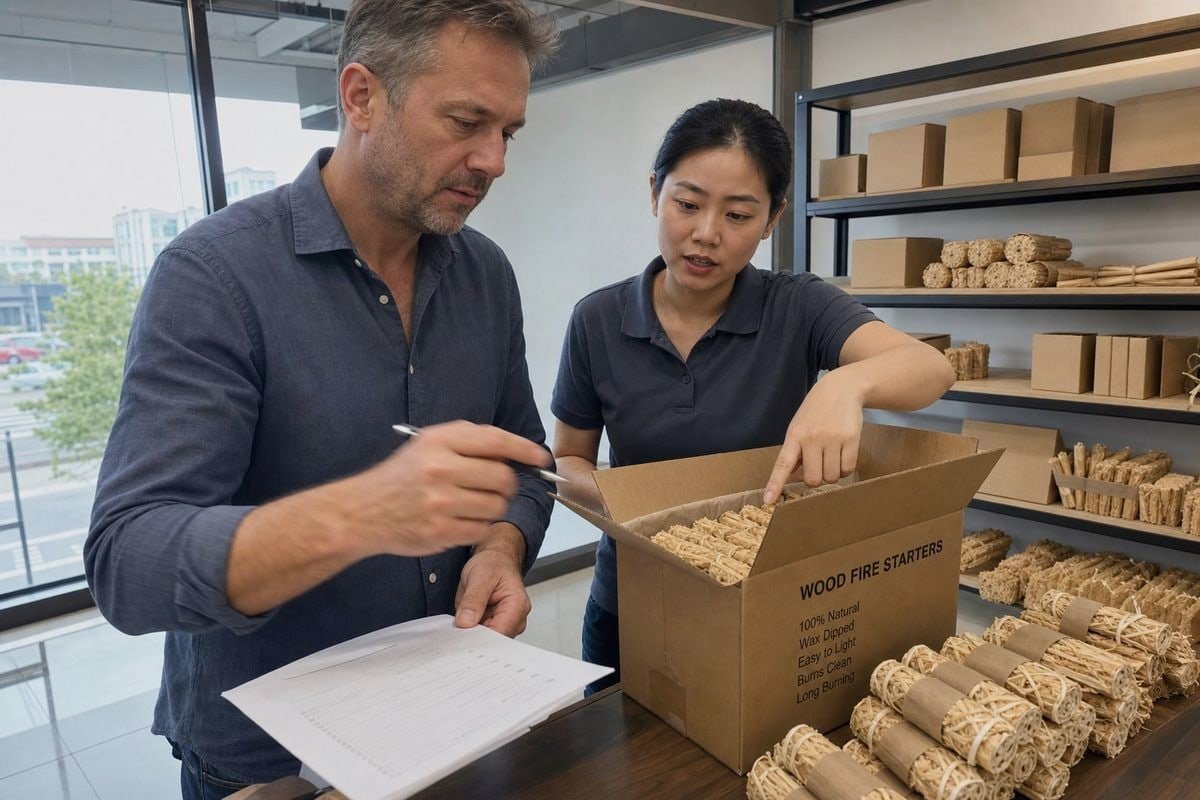
Pense no seu arquivo de conformidade como um seguro. Autoridades de vigilância de mercado 4 pode solicitá-lo a qualquer momento, e um documento ausente pode reter um contêiner no porto. Aqui está a lista de verificação que apresento aos compradores antes que qualquer pedido com destino à UE saia da nossa linha.
O Dossiê Central de Conformidade
| Documento | O que Comprova | Quem o Fornece |
|---|---|---|
| Lista de materiais / lista de substâncias | Composição completa de cada componente da embalagem | Fabricante |
| Fichas de dados de materiais | Propriedades técnicas de substratos, tintas, revestimentos, adesivos | Fabricante ou fornecedores de materiais |
| Relatório de avaliação de reciclabilidade | A nota esperada da embalagem em relação aos critérios de design para reciclagem | Órgão credenciado de terceiros |
| Declaração de conformidade | Declaração formal de conformidade com o PPWR | Fabricante, com contrassenso, se necessário |
| Declarações de substâncias restritas | Sem PFAS ou outras substâncias preocupantes presentes | Fabricante com suporte de teste de laboratório |
| Arquivos de arte de rotulagem | Pictogramas de triagem corretos e avisos necessários | Fabricante com aprovação do comprador |
Fique atento às Restrições de Substâncias
PFAS merecem atenção especial. Eles são proibidos em embalagens em contato com alimentos 5 a partir de agosto de 2026, e embora acendedores de fogo não sejam alimentos, compradores que vendem produtos adjacentes a churrascos enfrentam escrutínio por associação. Em nossas rotinas de teste SGS e Intertek, rastreamos materiais para que os compradores possam apresentar relatórios limpos em vez de discutir tecnicalidades.
Não se Esqueça da Sobreposição de Rotulagem
Acendedores de fogo carregam avisos de inflamabilidade e podem cair sob regras de transporte ADR 6 para produtos à base de parafina. Esses rótulos obrigatórios e não removíveis devem coexistir com as regras de design minimalista do PPWR e os pictogramas de triagem harmonizados esperados por volta de 2028. Sempre aconselho os compradores a revisar a colocação dos rótulos antecipadamente, pois adicionar avisos após a aprovação da arte é onde os prazos escorregam. Mantenha o dossiê atualizado após cada mudança de design, mudança de fornecedor ou entrada em um novo mercado — um arquivo que era preciso no ano passado pode não cobrir a embalagem deste ano.
Como Escolho um Fabricante Que Pode Adaptar Embalagens para Atender aos Padrões PPWR?
Um compromisso que avalio constantemente em projetos OEM: impacto na prateleira versus reciclabilidade. Uma caixa laminada brilhante parece premium, mas um design de kraft não revestido com impressão forte pode atingir Grau A e ainda vender. A fábrica certa ajuda você a ganhar ambos.
Escolha um fabricante com certificações reconhecidas (ISO 9001, BSCI, testes SGS/Intertek), personalização genuína de embalagens internas, transparência documentada de materiais, experiência em envio para mercados da UE e a vontade de redesenhar revestimentos, fechos e componentes proativamente em direção à reciclabilidade Grau A ou B.
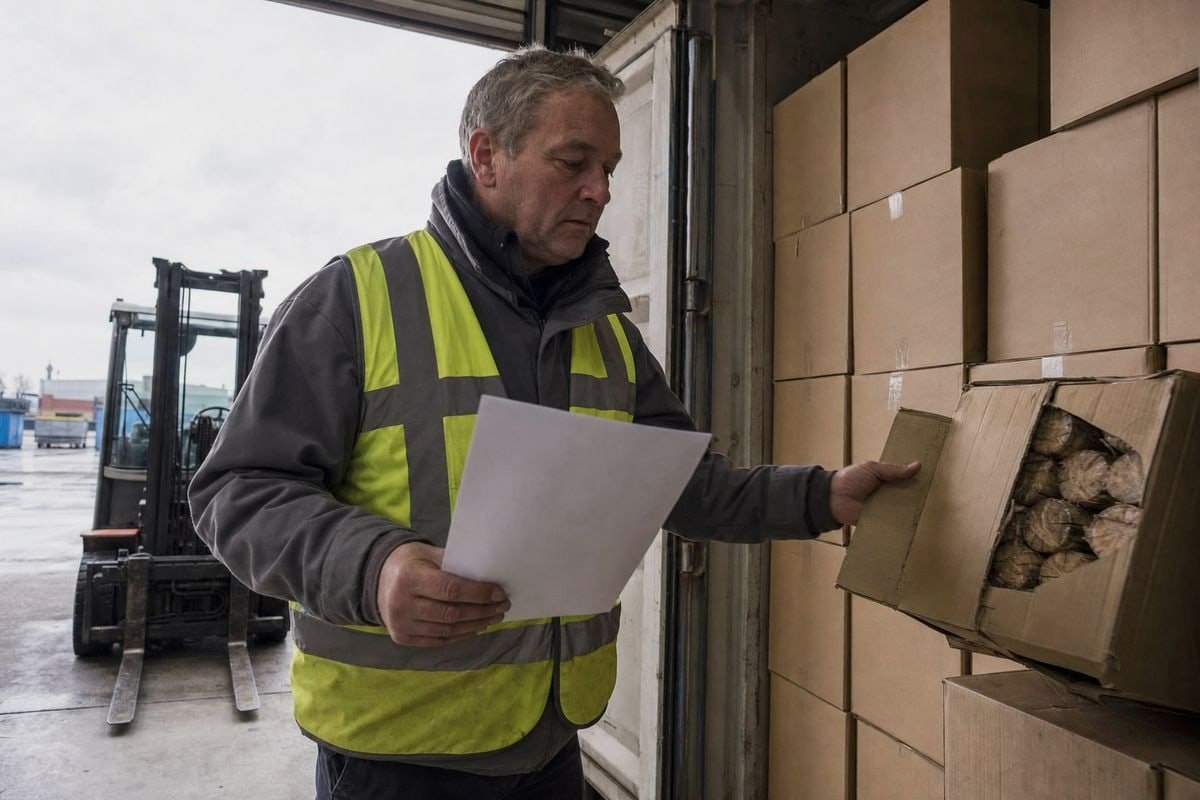
Após mais de 17 anos construindo produtos para iniciar fogo e exportando para mais de 30 países, posso dizer que a prontidão para o PPWR se manifesta em como uma fábrica responde a perguntas — não em seu marketing. Aqui está um processo de avaliação prático.
Uma Avaliação de Fornecedor em Cinco Etapas
- Solicite a lista de componentes sem ser solicitado. Uma fábrica pronta para o PPWR voluntaria a lista completa de materiais para sua embalagem padrão. Se você tiver que extrair isso deles, a adaptabilidade será lenta.
- Teste a flexibilidade de redesenho deles. Solicite uma versão mono-material de sua embalagem padrão — por exemplo, substituindo uma janela de plástico por uma abertura cortada. Em nossa fábrica em Ningbo, esse tipo de mudança é uma solicitação ODM de rotina, não um projeto especial.
- Verifique certificações e relatórios de teste. ISO 9001 7 e BSCI mostram disciplina de processo; Relatórios SGS ou Intertek mostram que os materiais realmente passam. Para os nossos compradores da UE, este é um requisito rigoroso, não algo bom de se ter.
- Verificar a consistência lote a lote. A conformidade com o PPWR não significa nada se a produção se desviar da amostra aprovada. Pergunte como a fábrica controla as substituições de materiais. Bloqueamos os materiais aprovados na especificação de CQ para que a primeira amostra reflita de forma confiável a produção em massa.
- Confirmar capacidade de embalagem "one-stop". Caixas personalizadas, rótulos de aviso, códigos de barras e embalagens de exibição devem vir de um parceiro responsável. A responsabilidade dividida cria lacunas de conformidade que ninguém assume.
Projetar para o Futuro, Não para o Mínimo
O Grau C mantém você legal em 2030, mas morto em 2038. A tendência do mercado já está clara: embalagens mais simples de mono-material, menos revestimentos, tintas à base de água. Quando desenvolvemos embalagens de marca própria para acendedores de fogo de madeira, empurramos os compradores para designs que superam confortavelmente o Grau B hoje. Essa escolha custa pouco agora e evita um redesenho forçado — com novas artes, novas ferramentas e novos testes — daqui a cinco anos.

 English
  Spanish
  German
  French
  Arabic
  Portuguese
Participe da conversa