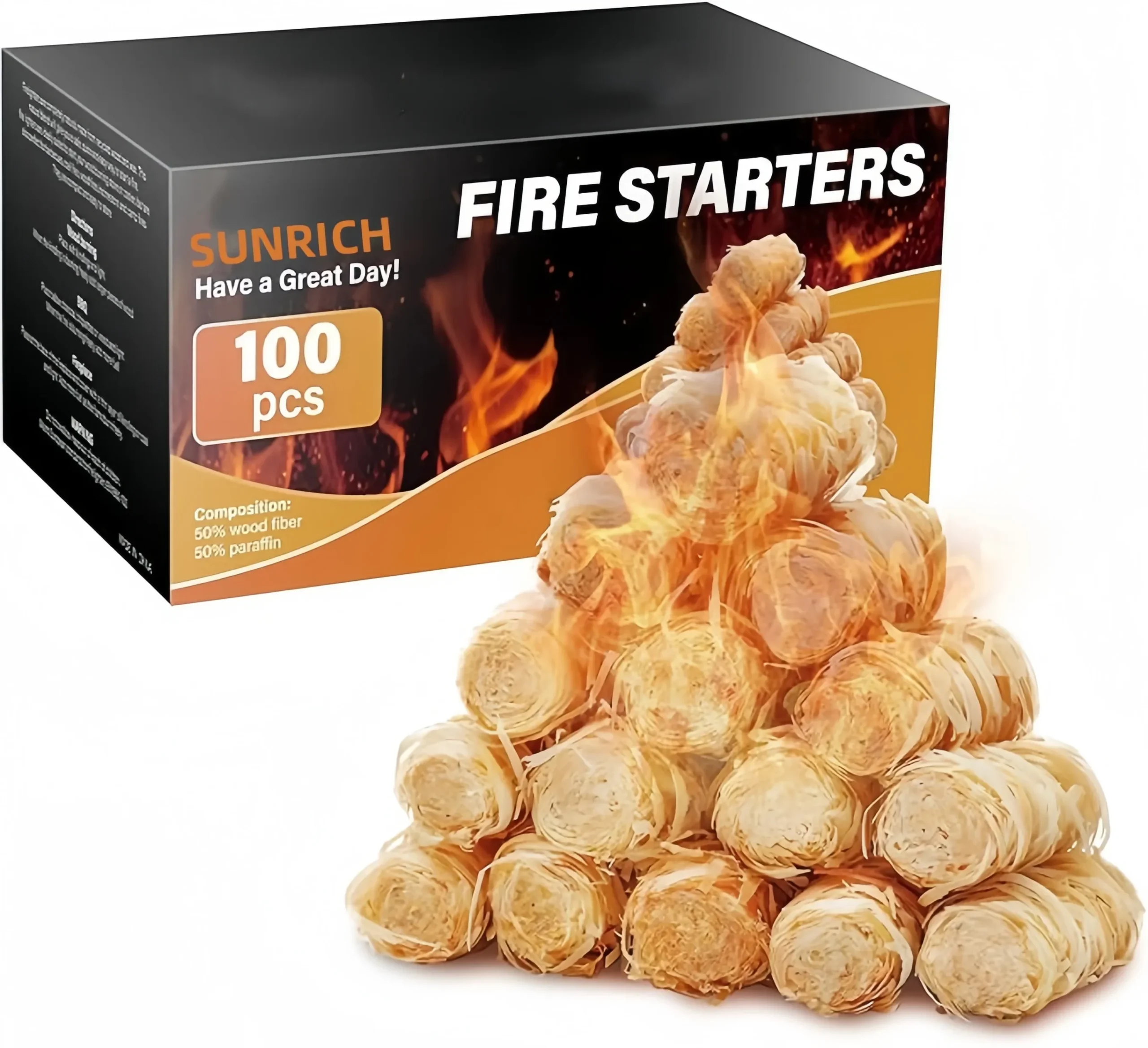
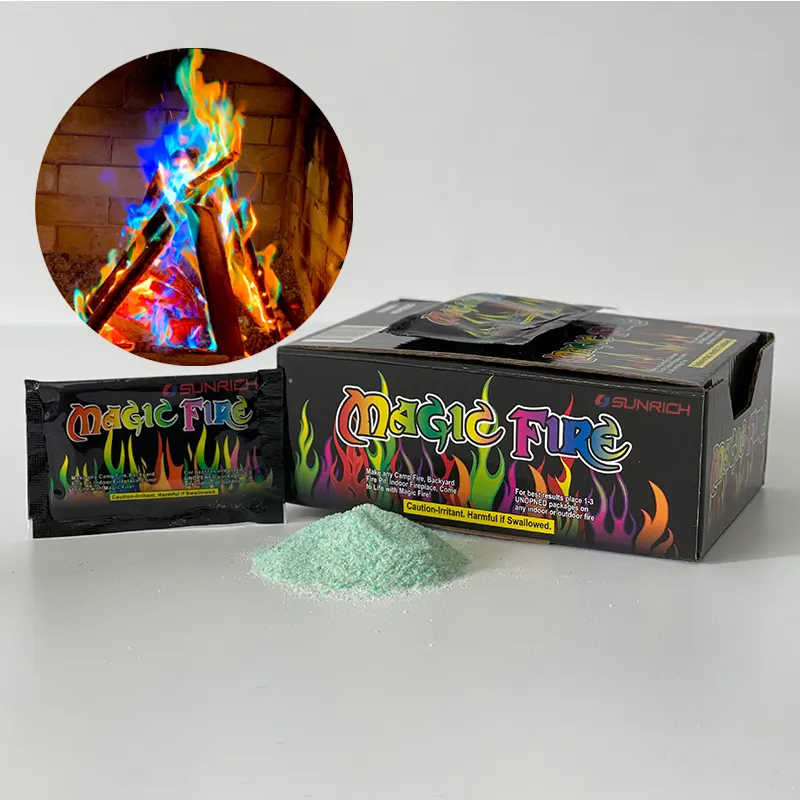
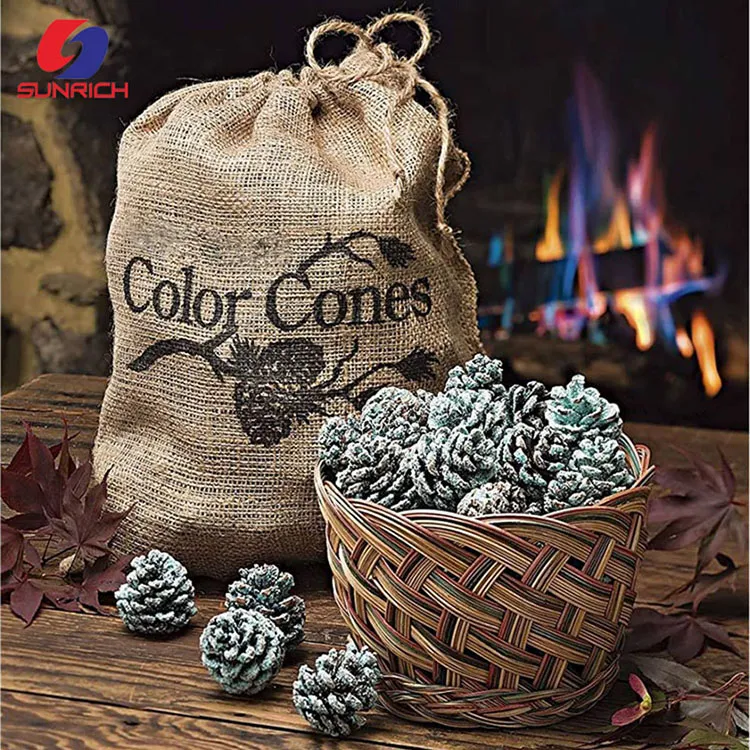
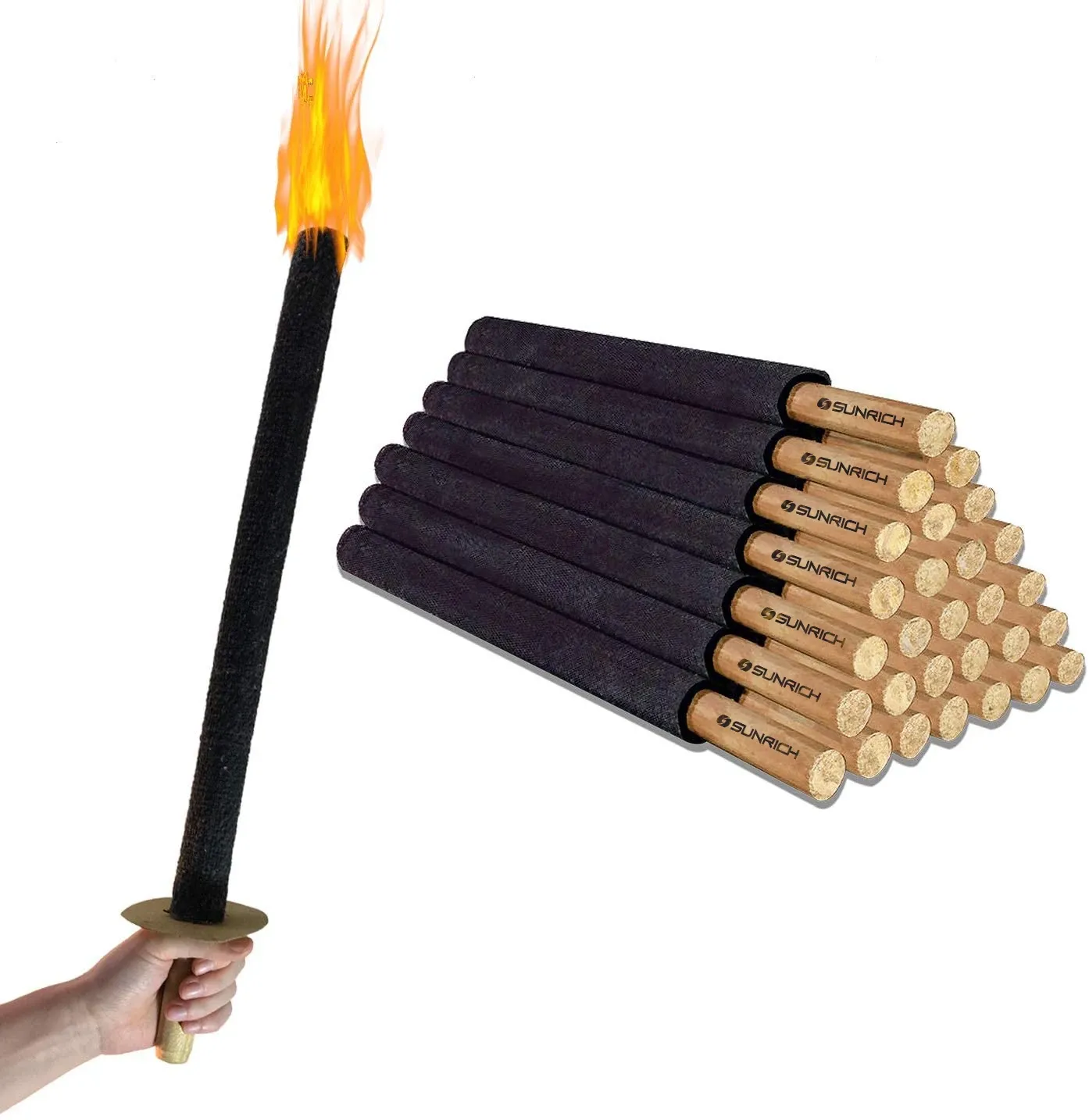
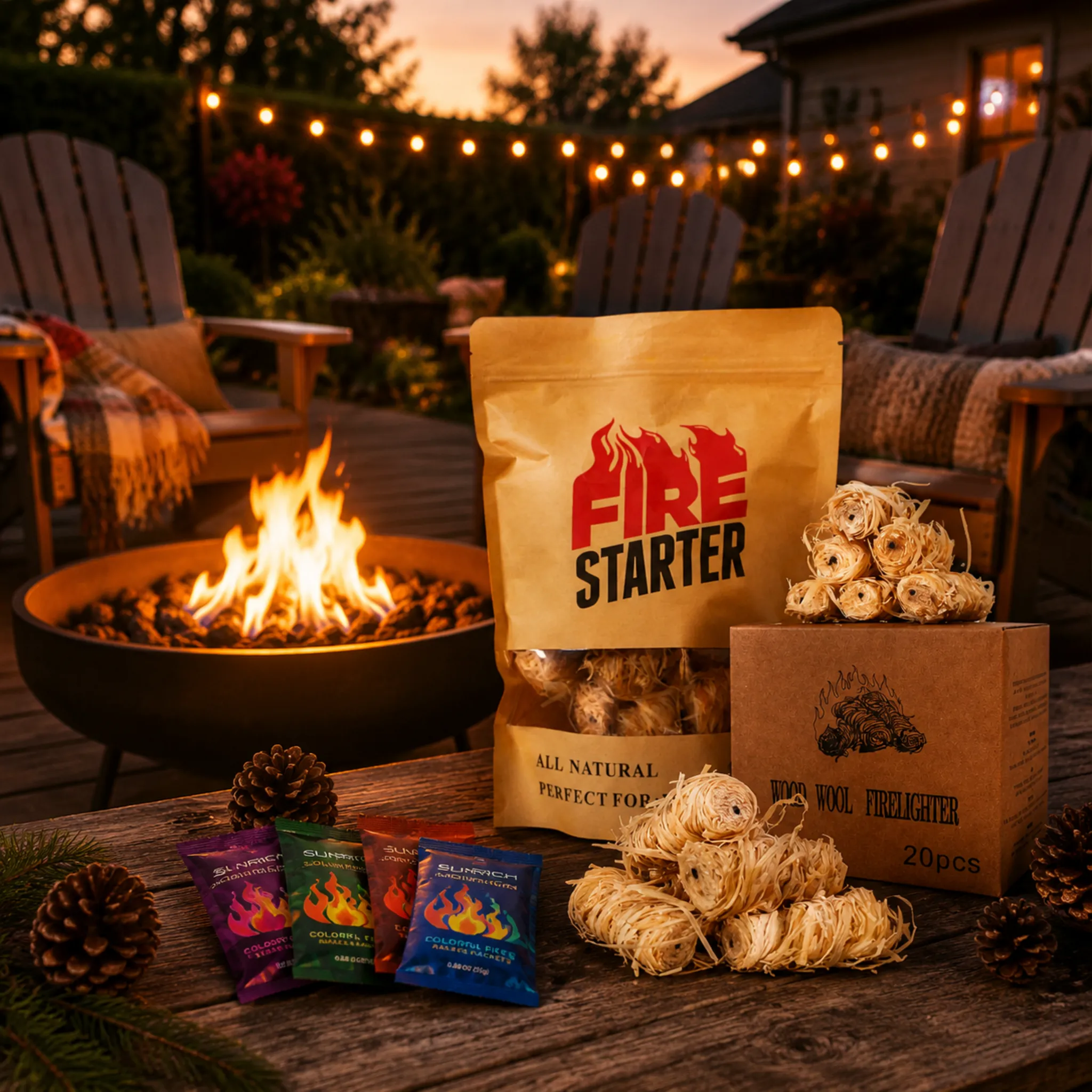
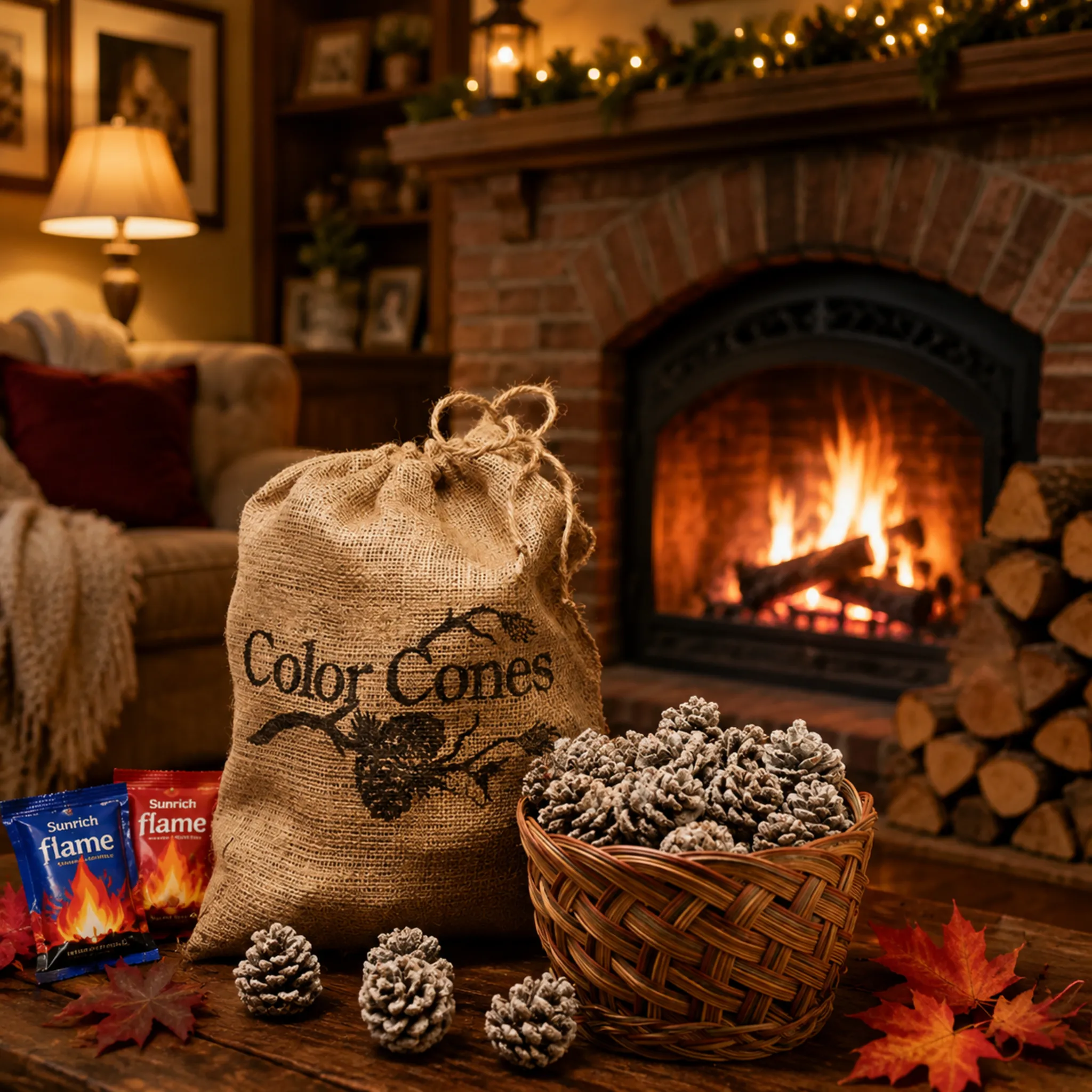
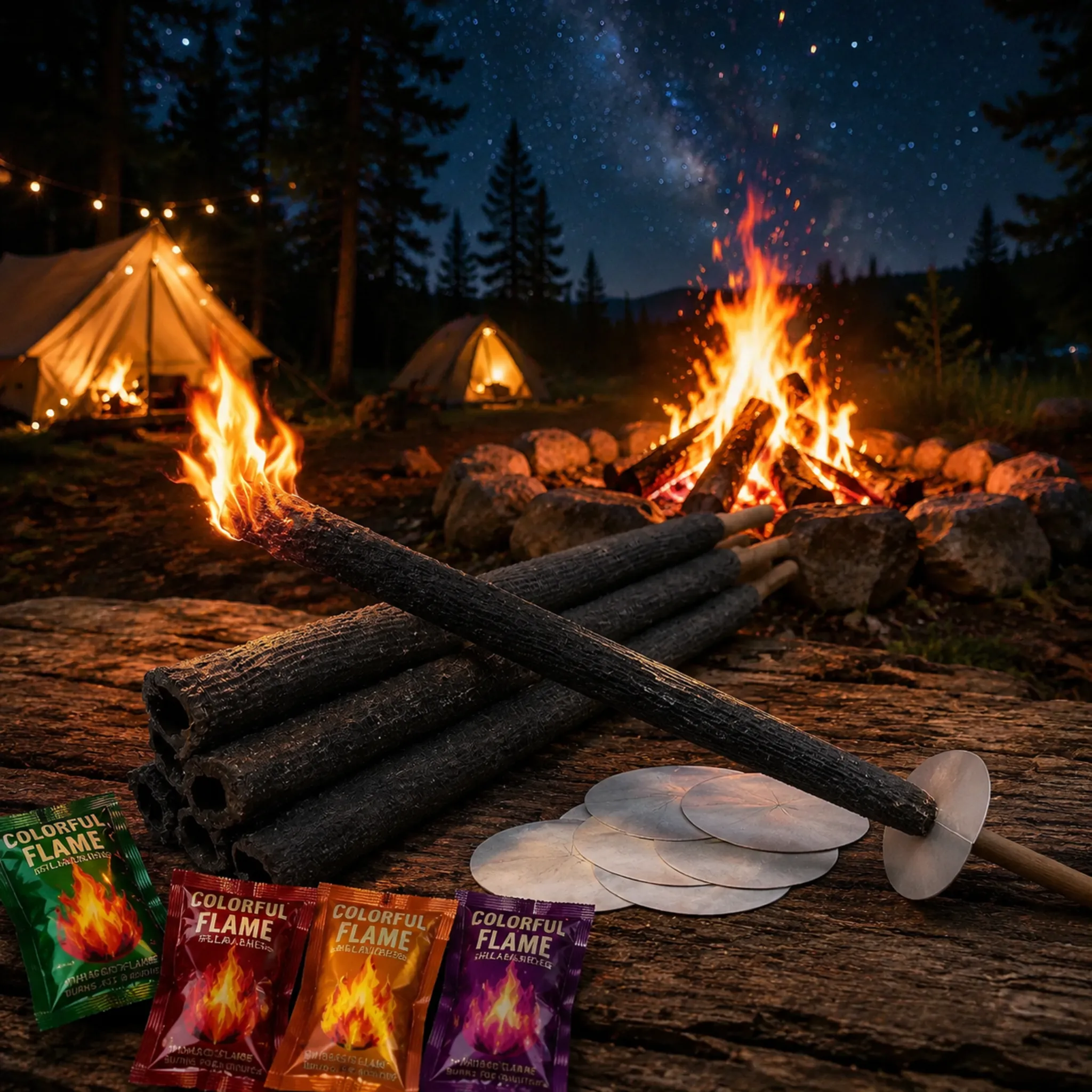

Buyers often ask us whether display stands and info cards can ship with wood fire starters. Ordering them separately wastes time, adds cost, and risks mismatched branding on the shelf.
Yes, Chinese suppliers can provide display stands and info cards with wood fire starters, but usually as a custom OEM/ODM project rather than a catalog item. Buyers must specify stand material, card content, safety wording, and packout details, and confirm the supplier handles all components in-house.
The short answer is yes. The full answer depends on how you structure the order. Let me walk you through what actually works, based on what we build for brands every week.
Can I Get Custom-Branded Display Stands for My Wood Fire Starters?
Last spring, a German fireplace distributor sent us a hand-drawn sketch of a counter display. Three weeks later, our team shipped a printed prototype with their logo and stacked wood fire starters inside.
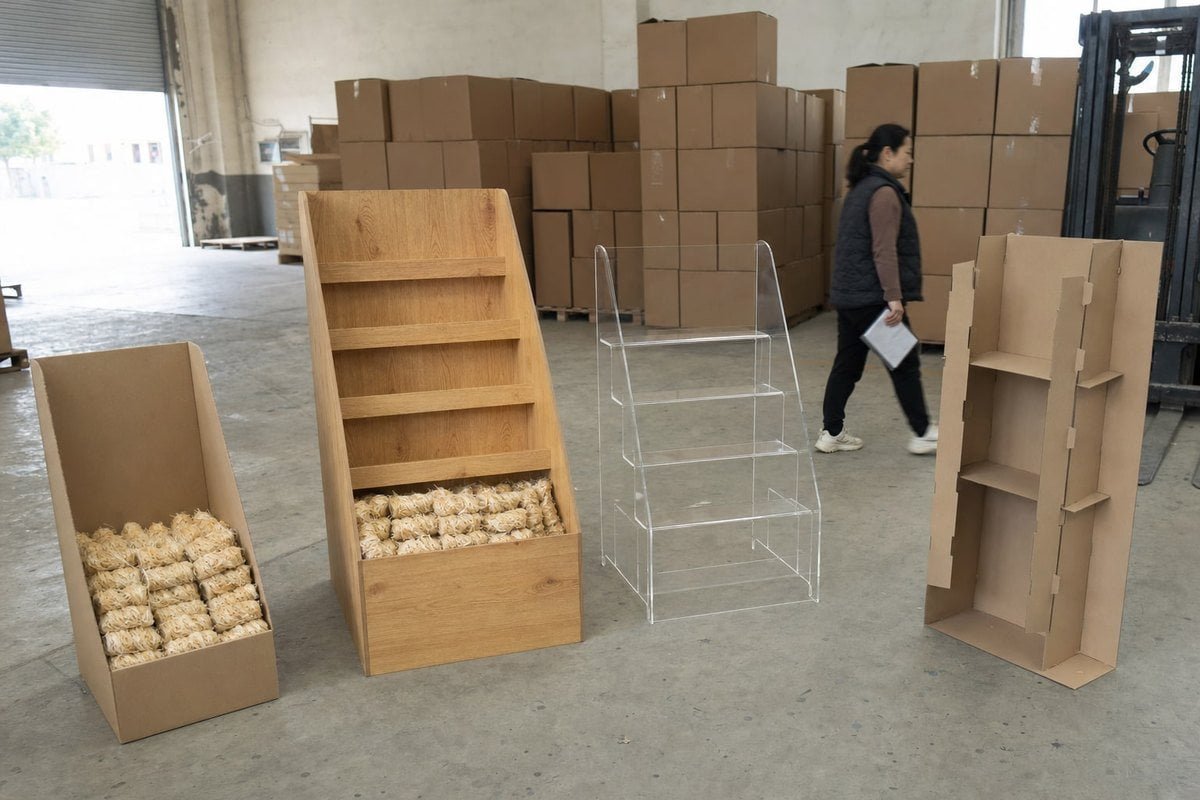
Yes, custom-branded display stands are widely available from Chinese suppliers. Options include cardboard counter displays, wooden floor stands, and acrylic units, all with logo printing. Integrated factories with OEM manufacturing services can bundle the stand, the fire starters, and printed cards in one order.
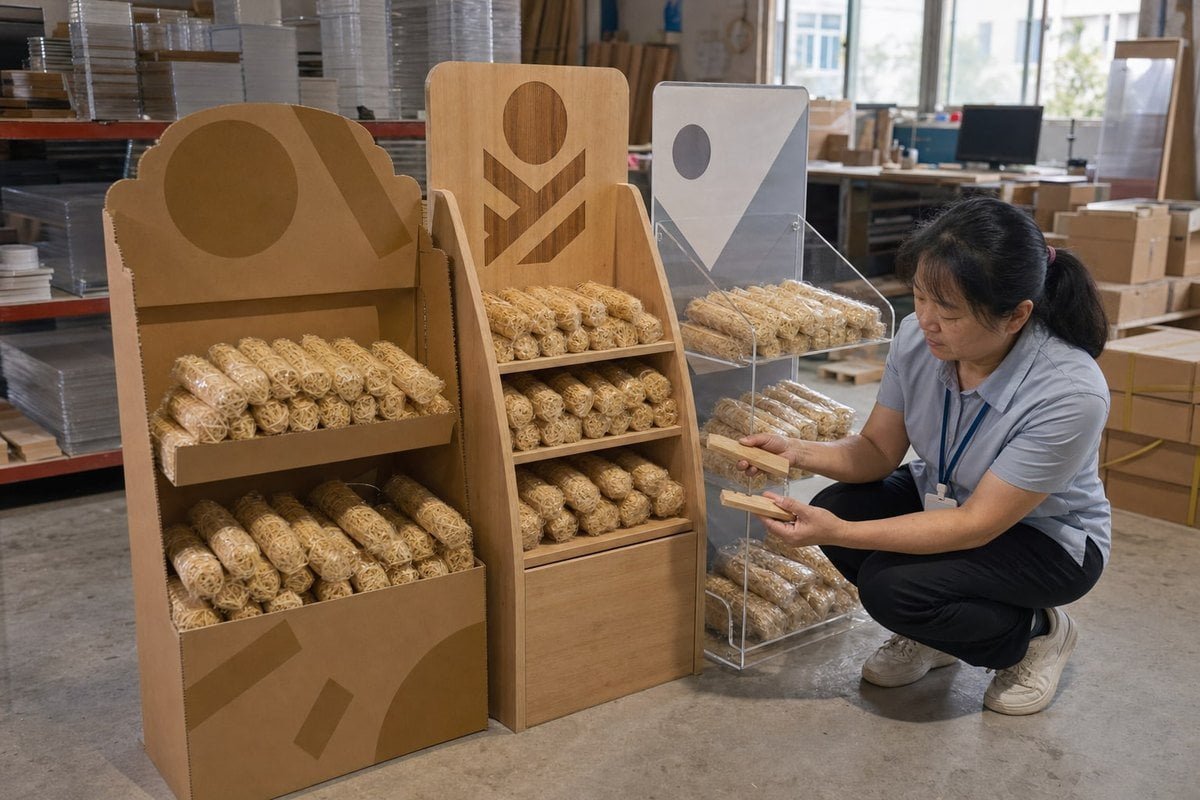
The display and retail-fixture sector in China is deep. Thousands of factories produce point of sale displays 1, and many offer full customization of size, material, and print. The real question is not whether stands exist. It is whether your fire starter supplier can deliver them as part of one coordinated order. In our experience exporting to 30+ countries, that single point makes or breaks the project.
Which Display Stand Types Fit Fire Starters?
Wood fire starters sell best in outdoor, BBQ, hearth, and gift channels. Presentation drives perceived quality there. Here is how the common stand types compare:
| Stand Type | Best For | Typical Cost | Branding Options |
|---|---|---|---|
| Corrugated cardboard counter display | Trial launches, seasonal promos | Low | Full-color print, die-cut shapes |
| Wooden counter or floor stand | Hearth shops, premium gift retail | Medium–High | Laser engraving, printed top boards |
| Acrylic shelf display | Modern retail, small SKUs | Medium | Printed panels, adhesive logos |
| Flat-pack modular floor stand | Export shipments, chain stores | Medium | Printed graphics, snap-in headers |
Why One Integrated Supplier Beats Two Vendors
You can source a stand from a fixture factory and fire starters from another plant. But then you coordinate two lead times, two QC processes, and two shipments. Colors drift. Dimensions mismatch. The stand arrives before the product, or worse, after your launch date. When we run private label firelighters projects, we build the display around the exact puck diameter and carton count. That is why we handle the wax-dipped wood rolls, the custom packaging solutions, and the display fabrication under one purchase order. One point of accountability. One retail-ready shipment.
Also confirm print capability early. Some fixture factories outsource printing, which adds a week or more. Ask for a printed sample, not just a structural white sample.
What Should My Info Cards Include to Meet Safety and Compliance Standards?
A US importer once returned our first card proof with one comment: "Where is the warning text?" That lesson shaped how our compliance team drafts every insert today.
Info cards for wood fire starters should include usage instructions, safety warnings, composition details, storage guidance, and compliance marks such as CE where required. Add batch codes, barcodes, and importer contact details. Many brands now include QR codes linking to video safety tutorials.

Info cards are not decoration. Retail buyers in the US and EU treat them as part of your compliance package. Our own products carry ISO 9001 2, BSCI, CE, and SGS/Intertek documentation, and we mirror that rigor on printed marketing collateral. A card that misses required warning language can get your pallet rejected at a retailer's distribution center. That is an expensive way to learn about labeling rules.
The Five Content Blocks Every Card Needs
- Product identity. Name, composition (for example, wood fiber and paraffin 3 ratios), and net quantity.
- Usage instructions. Short, numbered steps with simple icons. Many end users skim; icons carry the message.
- Safety warnings. Keep away from children. Use only in suitable fireplaces, fire pits, or grills. Never add to an open flame in hand.
- Compliance and traceability. CE marking 4 where applicable, batch code, barcode, and the importer's name and address for the EU market.
- Brand story and sustainability. Eco-friendly firelighters made from FSC certified wood 5 sources resonate strongly with today's shoppers, so state your material claims accurately and only when documented.
Regional Wording Differences Matter
EU buyers often need multilingual warnings. German retailers, in our experience, expect precise hazard phrasing. US retailers focus on child-safety language and clear composition disclosure. For flammable goods, your freight forwarder may also request an MSDS 6, so keep card claims consistent with that document. One mismatch between the card and the safety data sheet invites questions during customs inspection.
A practical upgrade we recommend: a scan-to-video QR code. It links physical retail to digital safety tutorials and brand storytelling, and it keeps the printed card clean and readable.
Can I Order Small Trial Batches of Display Stands Before Committing to a Full Order?
Trade-offs drive this decision on our production floor. Small display runs cost more per unit, but they protect buyers from committing to a design the market has not tested.
Yes, most Chinese suppliers accept small trial batches of display stands, typically 20 to 100 units depending on material. Cardboard displays allow the lowest MOQs. Expect higher unit prices and tooling or print-plate fees, which suppliers often credit back on the full order.
Flexible MOQs matter most to boutique retailers and brands in a market-testing phase. We have supported plenty of first orders where a distributor wanted two pallets of wood fire starters and thirty counter displays to trial in a regional chain. That is a sensible way to start. The data from those thirty stores tells you far more than any catalog photo.
Typical MOQ and Lead Time Ranges
| Component | Typical Trial MOQ | Typical Full-Order MOQ | Sample Lead Time | Bulk Lead Time |
|---|---|---|---|---|
| Cardboard counter display | 20–50 sets | 300–500 sets | 5–10 days | 15–25 days |
| Wooden display stand | 20–30 sets | 100–300 sets | 10–15 days | 20–35 days |
| Printed info cards | 500–1,000 pcs | 5,000+ pcs | 3–7 days | 10–15 days |
| Wood fire starters (private label) | 1–2 pallets | Container volume | 7–14 days | 15–30 days |
One practical note on seasonality: peak season (late summer through autumn for hearth products) can stretch lead times to a month or more, while off-season production often ships within about 15 working days. Book trial batches in the off-season if you can.
How to Structure a Smart Trial Order
Keep the trial simple. Lock one stand design, one card version, and one product SKU. Ask the supplier to photograph the assembled display before shipping. Request a signed pre-production sample so you have a reference standard. Because our first samples come off the same complete production lines as mass production, buyers can trust that the trial batch reflects full-order quality. That consistency is the whole point of a trial. If your sample and bulk goods come from different processes, the trial teaches you nothing.
How Do I Make Sure My Packaging and Displays Arrive Retail-Ready Without Damage?
A Canadian buyer once told me their previous supplier's floor displays arrived crushed because the cartons doubled as the shipping protection. We redesigned the packout, and the reorder arrived shelf-perfect.
Ensure retail-ready arrival by specifying flat-pack display construction, reinforced master cartons, edge protectors, moisture barriers, and clear packout diagrams. Require drop-test verification, correct dangerous-goods paperwork for paraffin products, and pre-shipment inspection photos before the container leaves the factory.

Retail-ready packaging is an engineering task, not an afterthought. Wax-dipped wood rolls are sturdy, but printed displays and cards are fragile in transit. Ocean freight adds humidity, stacking pressure, and rough handling. In 17+ years of shipping to the US, Germany, the UK, and beyond, we have learned that damage prevention starts at the design stage, not at the loading dock.
The Packout Checklist We Use
| Risk | Prevention Method | Who Verifies |
|---|---|---|
| Crushed display panels | Flat-pack, tool-free modular design shipped unassembled | Factory QC + inspection photos |
| Corner and edge damage | Cardboard edge protectors and double-wall master cartons | Pre-shipment inspection |
| Moisture and wax softening | Poly liners, desiccants, ventilation-aware container stuffing | Loading supervisor |
| Card bending or scuffing | Shrink-wrapped card bundles packed inside rigid inner boxes | Packing line QC |
| Mixed-SKU confusion at the DC | Carton labels with barcodes, SKU codes, and packout diagrams | Documentation team |
Logistics for Flammable-Classified Goods
Fire starters containing paraffin are sometimes classified as dangerous goods 7 for air freight, and sea freight may require specific declarations. Your supplier should provide the MSDS and coordinate with a forwarder experienced in this category. Weak supply chain logistics here cause more delays than production ever does. We optimize this routinely for wholesale fireplace accessories buyers, including consolidation services that bundle fire starters with upsell items like long-reach matches into one retail-ready SKU.
Finally, insist on a photographed loading report. Seeing your cartons braced and stacked correctly before the seal goes on is cheap insurance against a very expensive surprise.
Conclusion
Sourcing displays separately from your product risks delays, mismatched branding, and damaged shipments. The fix is one integrated, compliance-ready supplier handling product, stands, cards, and packout together.
Chinese suppliers can absolutely deliver wood fire starters with custom display stands and info cards, but treat it as a coordinated OEM project. Confirm in-house capability, lock compliance wording early, start with a trial batch, and specify the packout in writing. Do that, and your product lands on the shelf exactly as you designed it. Our team has built this bundle for brands across the US and Europe for years, and the pattern holds: the buyers who specify everything upfront are the ones who reorder without drama.
Footnotes
1. Background concept explaining the retail fixture category discussed for branded stands. ↩︎
2. Reliable Wikipedia overview of the ISO 9001 quality management standard. ↩︎
3. General reference on the wax material used in wood fire starter composition. ↩︎
4. Background explanation of the EU compliance mark required on info cards for European buyers. ↩︎
5. Official Forest Stewardship Council site verifies the sustainability certification mentioned for wood sourcing. ↩︎
6. Official OSHA resource for the Hazard Communication Standard and Safety Data Sheets. ↩︎
7. IATA's dangerous goods regulations authority relevant to classifying paraffin-based fire starters for freight. ↩︎



 English
 Spanish
 German
 French
 Arabic
 Portuguese
Join the Conversation