






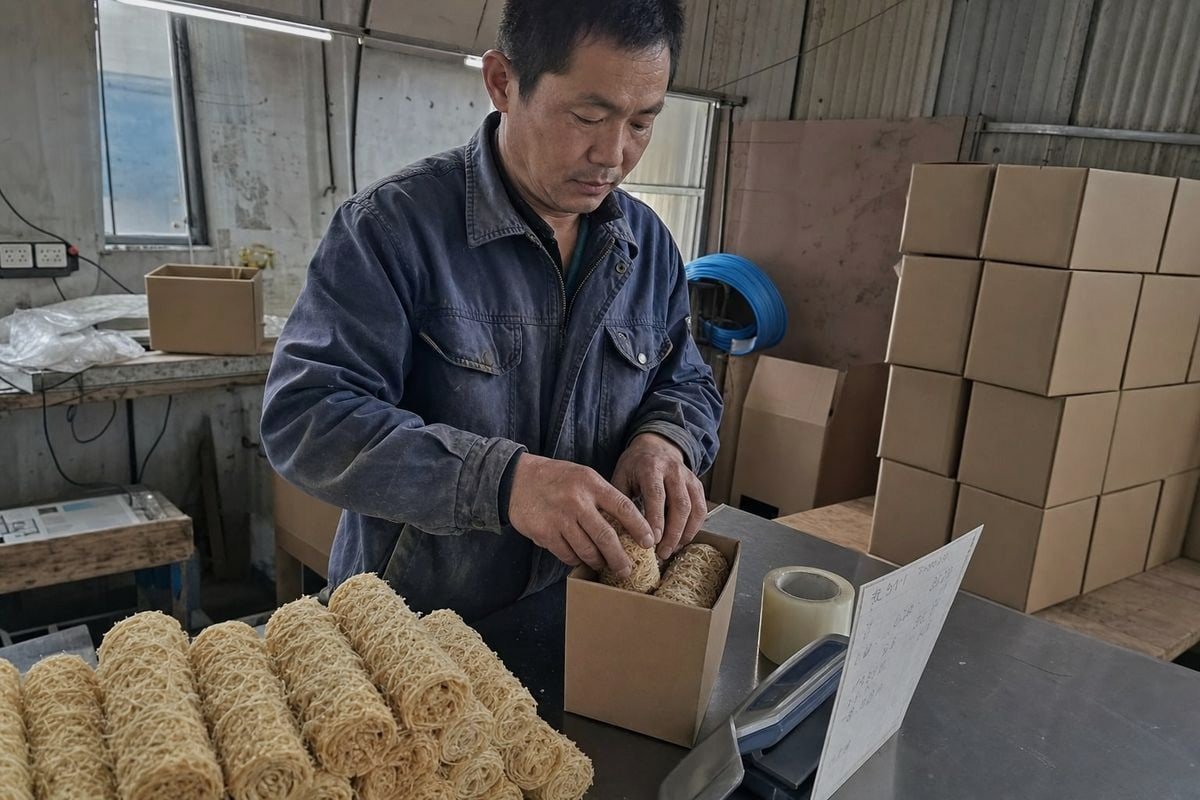
A sampling fee for wood fire starters can feel like a red flag. I quote these fees weekly from our Ningbo production line, and buyers often push back hard. Here is the honest breakdown.
A sampling fee for wood fire starters from a Chinese supplier is usually reasonable when it covers materials, small-batch labor, and courier shipping — typically $50–$150 all-in. It is refundable only if you negotiate a written credit toward mass production before paying.
That answer has layers. Let me walk you through what you should pay, what the fee actually covers, and how to use it to judge the supplier itself.
What Should I Expect to Pay for a Wood Fire Starter Sample from China?
Last month, a German fireplace distributor asked me why our sample quote was higher than a competitor's. The answer came down to one word: shipping. Let me explain the real numbers.
Expect to pay $50–$150 all-in for a stock wood fire starter sample from China, with courier shipping making up half or more of that total. Custom samples with private labeling or bespoke packaging typically run $100–$300 due to one-time setup costs.
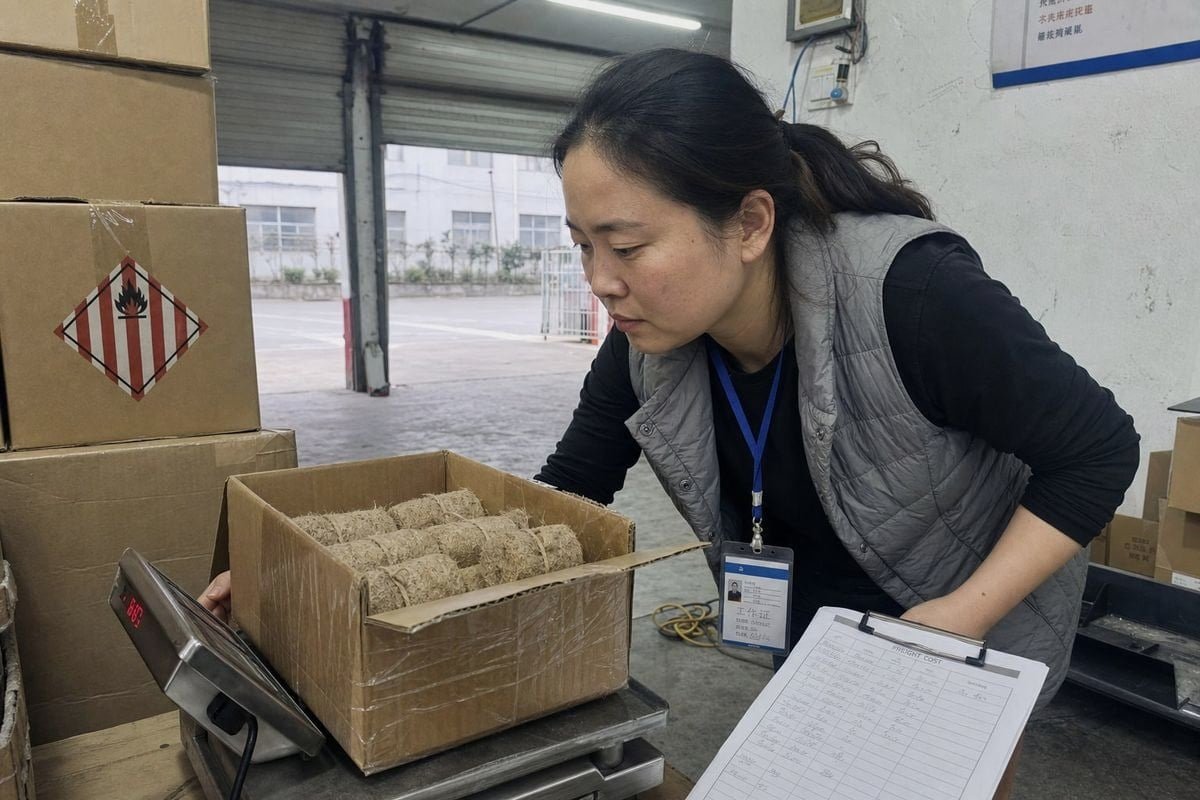
The wide range surprises people. Wood fire starters are a simple product. Our wax-dipped wood rolls cost very little per unit at mass-production scale. So why does one sample package cost $80 or more? The answer is that you are not paying for one unit. You are paying for a one-off logistics event.
Typical Price Bands You Will See
Here is what I see across the industry, and what we quote from our own factory:
| Sample Type | Typical All-In Cost | What Drives the Price |
|---|---|---|
| Stock sample, existing inventory | Free to $60 (freight only) | Courier weight and volume |
| Standard sample package (multiple SKUs) | $50–$150 | Freight plus packing labor |
| Custom sample (private label, new packaging) | $100–$300 | Printing plates, setup time |
| Fully custom product prototype | $200–$1,000+ | New formulation, tooling, iterations |
Why Fire Starters Cost More to Ship Than You Expect
Wood fire starters sit in an awkward shipping category. Our excelsior rolls and wax-coated products are bulky relative to their weight, so couriers charge by volumetric weight 1. Worse, paraffin-and-wood-fiber products can be classified as flammable solids 2 under international shipping rules. That triggers HAZMAT handling, which can double or triple air freight charges for a small parcel. This is not the supplier padding the invoice. It is DHL and FedEx pricing risk.
One practical tip from our export team: ask for the parcel's dimensions and gross weight before you agree to any fee. If you have your own courier account, use it. You will see the real freight cost with zero markup, and a transparent supplier will not object.
Can I Get My Sampling Fee Refunded After Placing a Bulk Order?
A US camping brand once asked us to refund their sample fee in cash after their first container order. We had already agreed to something better: a credit. The distinction matters, so let me unpack it.
Yes, most Chinese suppliers will refund the sampling fee — but as a credit toward mass production, not as a cash refund. This is standard practice for stock items, less common for custom tooling, and only enforceable if you get the terms in writing before paying.
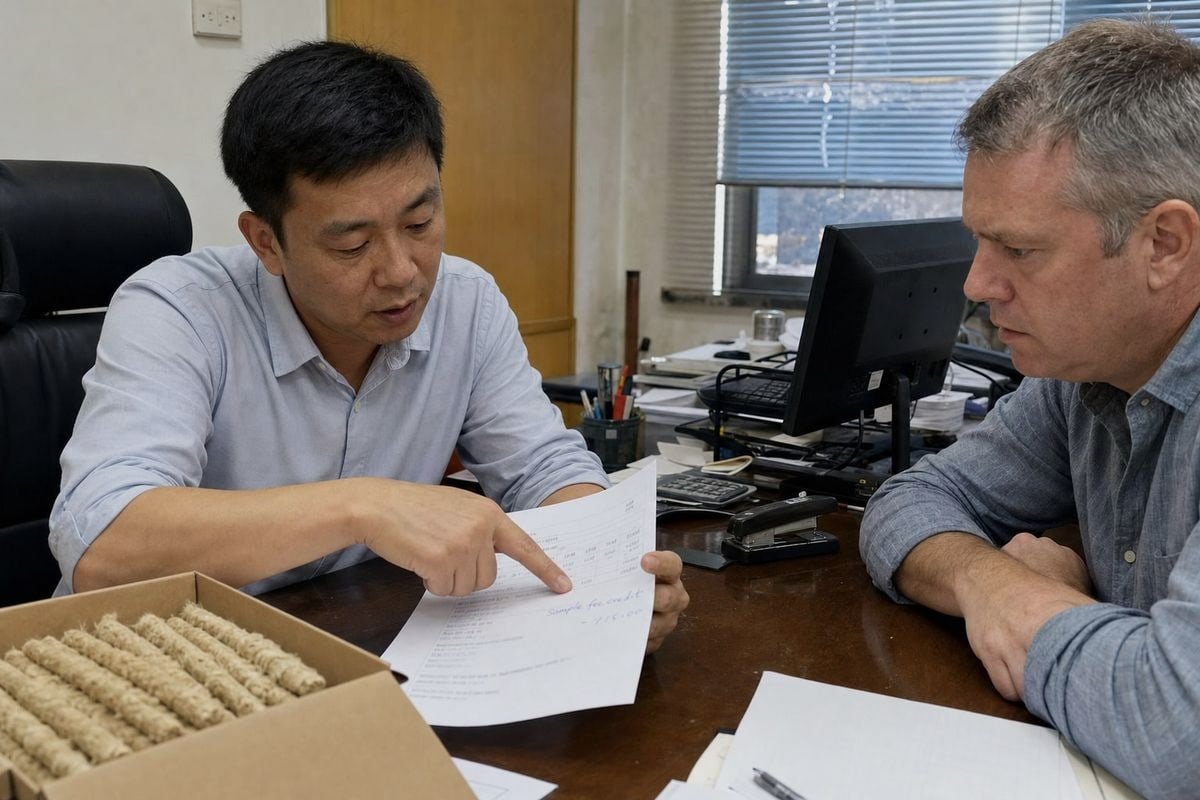
Refundability is where buyers and suppliers most often talk past each other. When a supplier says the sample fee is "refundable," they almost never mean they will wire money back to your account. They mean they will deduct the fee from your first bulk purchase order invoice. In our 17-plus years of exporting to the US, Germany, the UK, and beyond, I have seen this credit-based model become the near-universal norm.
What Gets Credited and What Does Not
Not every cost is recoverable, and it helps to know the logic behind the line items:
| Cost Component | Usually Refundable? | Why |
|---|---|---|
| Product unit cost (stock sample) | Yes, as order credit | Supplier recovers it in the bulk margin |
| Courier or air freight charges | Rarely | Paid to a third party; the money is gone |
| Custom printing plates or dies | Sometimes, amortized | One-time cost, may be spread across orders |
| Design and formulation work | Rarely | Non-recoverable engineering time |
How to Lock In the Refund
Three steps protect you. First, ask directly: "Is the sample fee deductible from my first order, and at what MOQ?" Some suppliers tie the credit to their MOQ requirements, so a credit valid only above 10,000 units is worth less than one valid at trial-order quantities. Second, get it in writing — an email confirmation works, and if you order through Alibaba Trade Assurance 3, put the term in the order agreement itself. Third, clarify whether revision samples are free if the first sample misses your written specs. At our factory, if we miss an agreed spec, the re-sample is on us. That should be your baseline expectation from any serious partner.
What Do Sampling Costs Actually Cover Beyond the Product Itself?
When we prepare a sample package on our Ningbo line, the wax-dipped wood roll itself is the cheapest part of the job. The invisible costs are what buyers never see, and they explain most of the fee.
Sampling costs cover far more than the unit: small-batch labor, production-line interruption, packaging and labeling, compliance documentation, courier charges, and possible customs duties. For custom samples, add printing setup, formulation adjustments, and engineering time — often 2–5 times the mass-production unit cost.
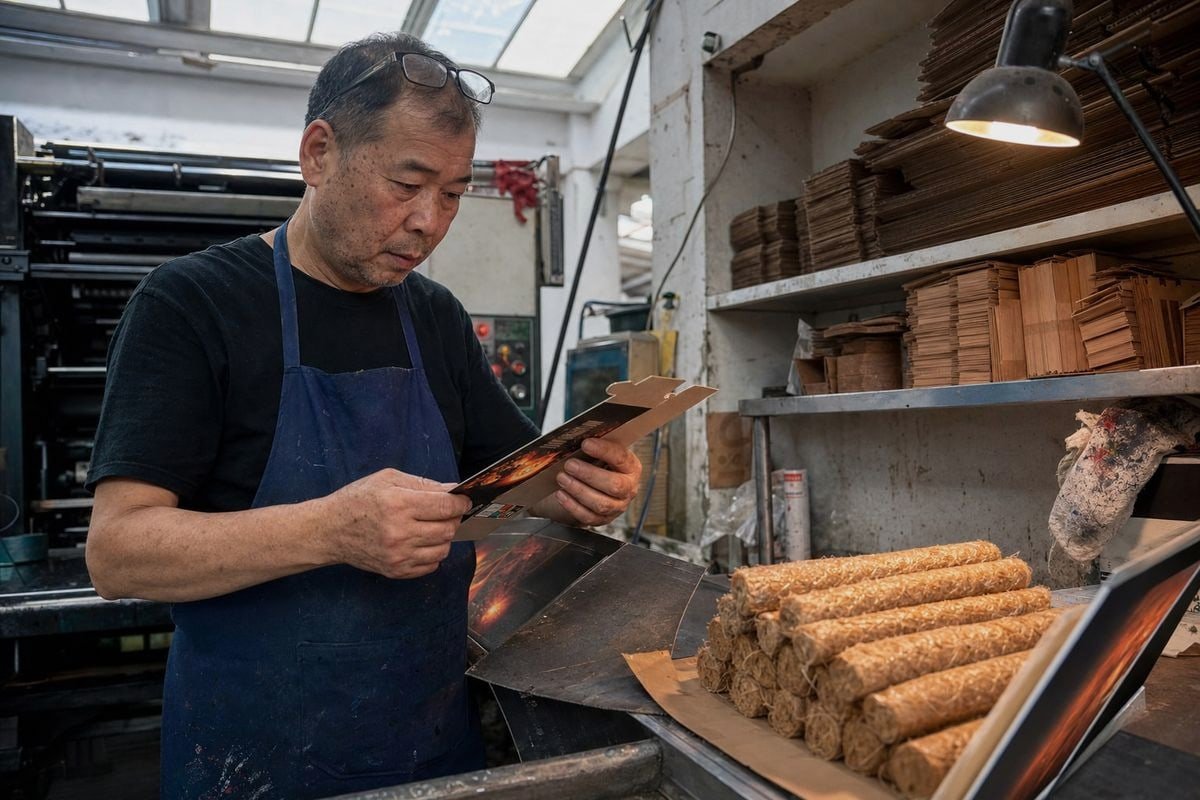
Think of a sample as a production run of one. Every efficiency that makes mass production cheap disappears. Our workers normally dip hundreds of wood rolls per batch in a continuous wax process. To make one custom sample, someone stops that flow, prepares a small wax bath at your specified burn-time formulation, hand-dips a few pieces, and waits for curing. That interruption cost is real, even for a simple product.
The Full Cost Stack
Here is what sits behind a typical sample invoice from our side:
- Materials — wood wool, wax, and any color-flame additives for the sample units.
- Labor and setup — pulling staff off the main line for a micro-batch.
- Packaging and labeling — retail-style boxes, warning labels, barcodes if you request shelf-ready presentation.
- Documentation — spec sheets, and where relevant, copies of SGS or Intertek test reports and CE compliance 4 paperwork.
- Courier shipping — often the single largest line, especially with flammable-solids surcharges.
- Customs and taxes — sometimes billed to you on arrival, sometimes prepaid.
The Compliance Layer Buyers Forget
There is a newer cost worth flagging. EU and US buyers increasingly ask for chain-of-custody documentation — FSC 5 or PEFC paperwork proving the wood source. Some also want kiln-dried fatwood alternatives compared against wax-dipped rolls, which means preparing two sample sets. Providing verified documentation takes administrative time, and a reasonable fee may now include it. In our experience serving compliance-driven markets like Germany and the Netherlands, buyers who receive test reports with their sample almost never dispute the fee. They understand they are paying for proof, not just product.
How Can I Tell If a Supplier's Sample Fees Signal a Trustworthy Manufacturer?
Years ago, I lost a UK buyer to a competitor quoting free samples. Six months later, he came back — the free samples looked nothing like the mass-produced goods. The sample fee had been telling him something all along.
A trustworthy manufacturer itemizes the sample fee, explains shipping costs, offers a written credit policy, and guarantees the sample matches mass-production quality. Evasive answers, refusal to break down costs, or fees wildly above $150 for stock items signal risk.
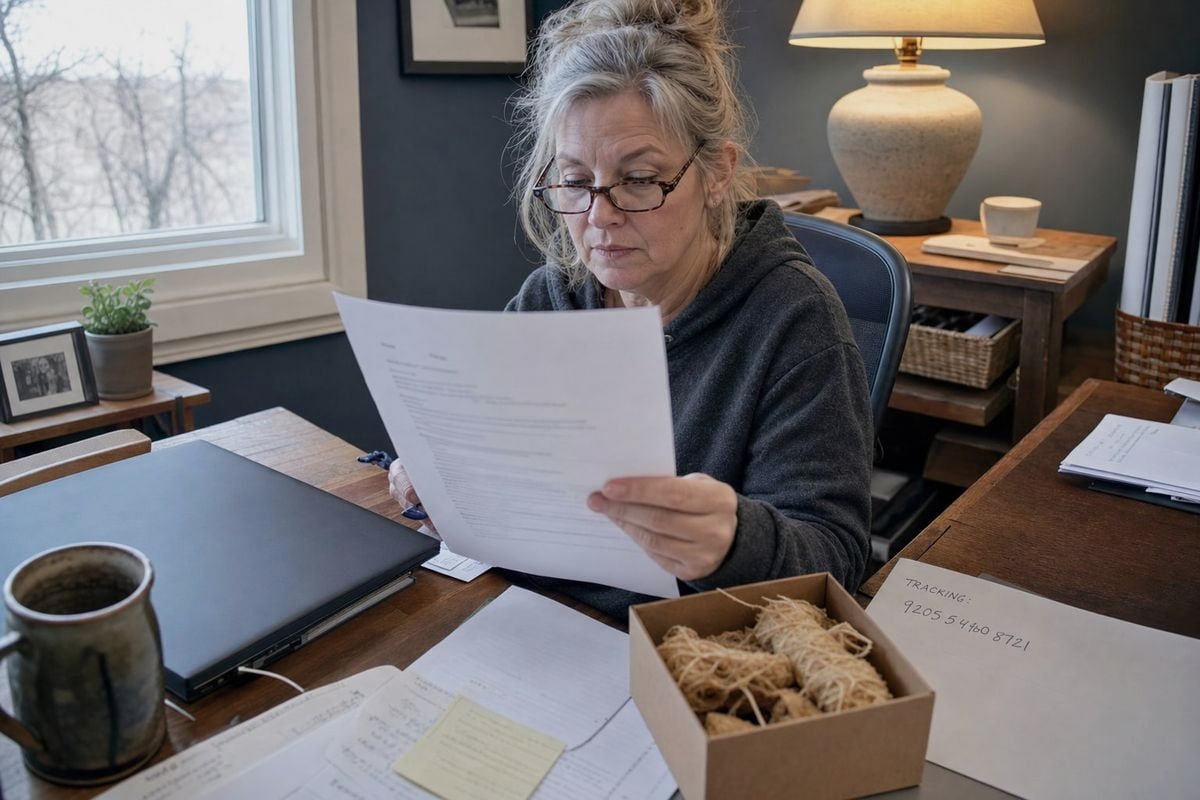
The fee itself is neutral. How the supplier handles the conversation around it is the real supplier verification test. A genuine factory with complete production lines has nothing to hide, because every cost maps to a real activity. A trading company reselling someone else's fire starters often cannot explain the breakdown, because they do not know it themselves.
Green Flags vs. Red Flags
| Signal | Trustworthy | Suspicious |
|---|---|---|
| Cost breakdown | Itemized on request | "That's just our policy" |
| Shipping | Quotes weight, accepts your courier account | Vague lump sum, refuses your account |
| Refund terms | Written credit toward first order | Verbal promises only |
| Sample quality | Production sample from the real line | Hand-picked golden sample only |
| Compliance | Test reports included or available | No certifications offered |
Ask for a Production Sample, Not Just a Golden Sample
This distinction protects you more than any fee negotiation. A golden sample is hand-picked perfection. A production sample reflects what your containers will actually contain. Because we run strict batch-to-batch quality control, our first sample reliably matches mass production — and we will put that in writing as a signed reference sample after your approval. Any factory unwilling to do the same is asking you to gamble.
Two more low-cost checks before you pay anything. First, request a video sampling session: a live burn test and packaging walkthrough over a video call costs nothing and filters out bad fits early. Second, if you use a China sourcing agent, have them verify the factory address and certifications — ISO 9001 6 and BSCI audits are hard to fake in person. And once samples are approved, a pre-shipment inspection 7 on your first bulk order closes the loop. A supplier who welcomes all three steps is one you can build a long-term program with, including a bulk order discount as volumes grow.
Conclusion
Sample fees sting when you are comparing suppliers. But treating every fee as a scam costs you good factories. Judge the economics and the terms, not just the amount.
A $50–$150 sample fee for wood fire starters is normal once you account for freight, small-batch labor, and possible flammable-solids surcharges. Refundability is common but never automatic — negotiate a written credit toward mass production before you pay, ask for an itemized quote, and demand a production sample backed by real certifications. Do that, and the sampling stage stops being a cost and becomes what it should be: the cheapest supplier verification tool you will ever buy. From our side of the production line, the buyers who handle sampling this way are exactly the partners we want for the next decade.
Footnotes
1. Background concept explaining why bulky, lightweight fire starter samples incur higher courier charges. ↩︎
2. Explains classification of hazardous shipments referenced regarding wood fire starter courier surcharges. ↩︎
3. Official page for the buyer protection service mentioned for securing refund terms in writing. ↩︎
4. Official EU source explaining the CE marking compliance paperwork mentioned in the documentation stack. ↩︎
5. Background on the wood chain-of-custody certification referenced for compliance-driven buyers. ↩︎
6. Authoritative Wikipedia entry providing a comprehensive overview of the ISO 9001 quality management standard. ↩︎
7. Official World Trade Organization page explaining international standards and agreements for pre-shipment inspections. ↩︎



 English
  Spanish
  German
  French
  Arabic
  Portuguese
Join the Conversation