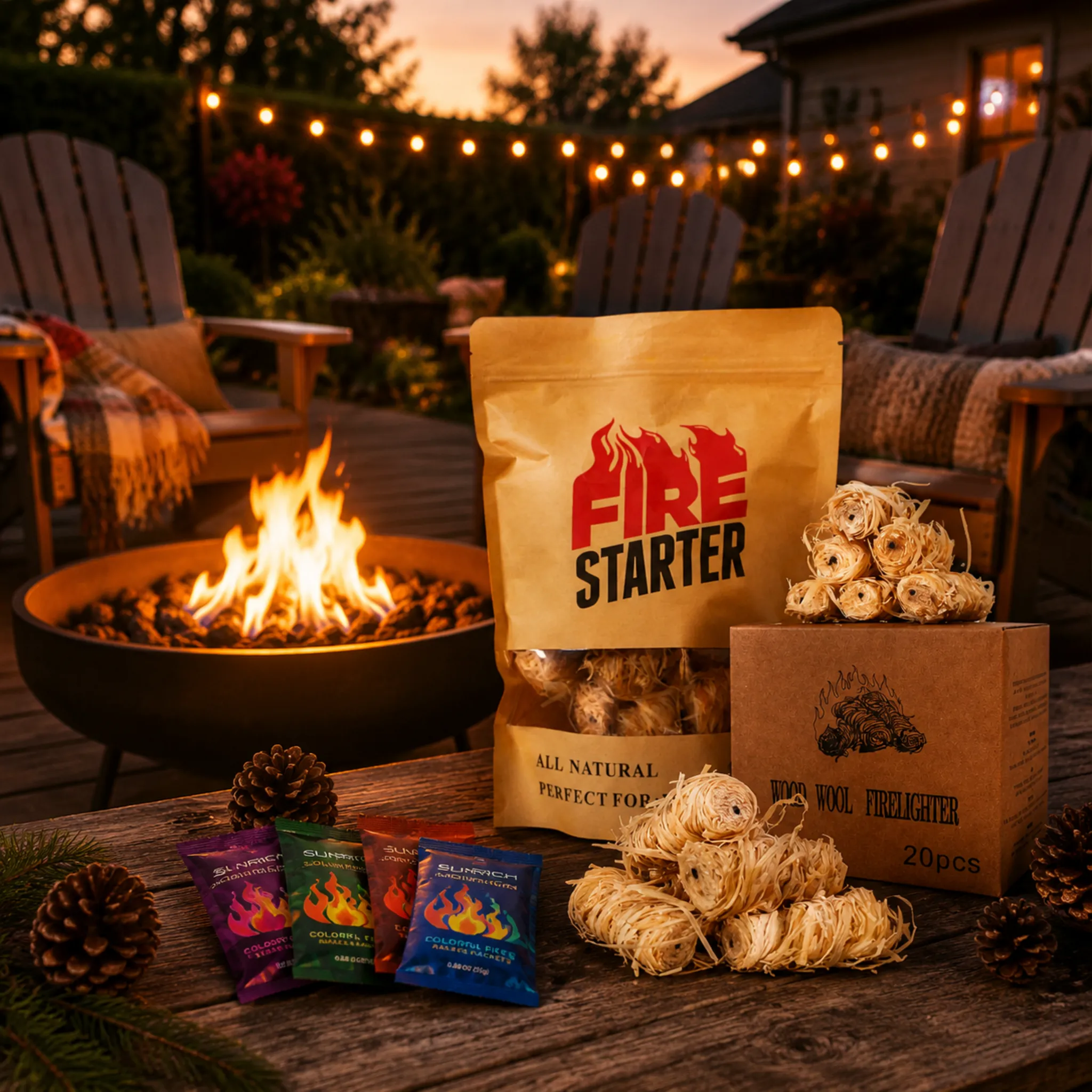
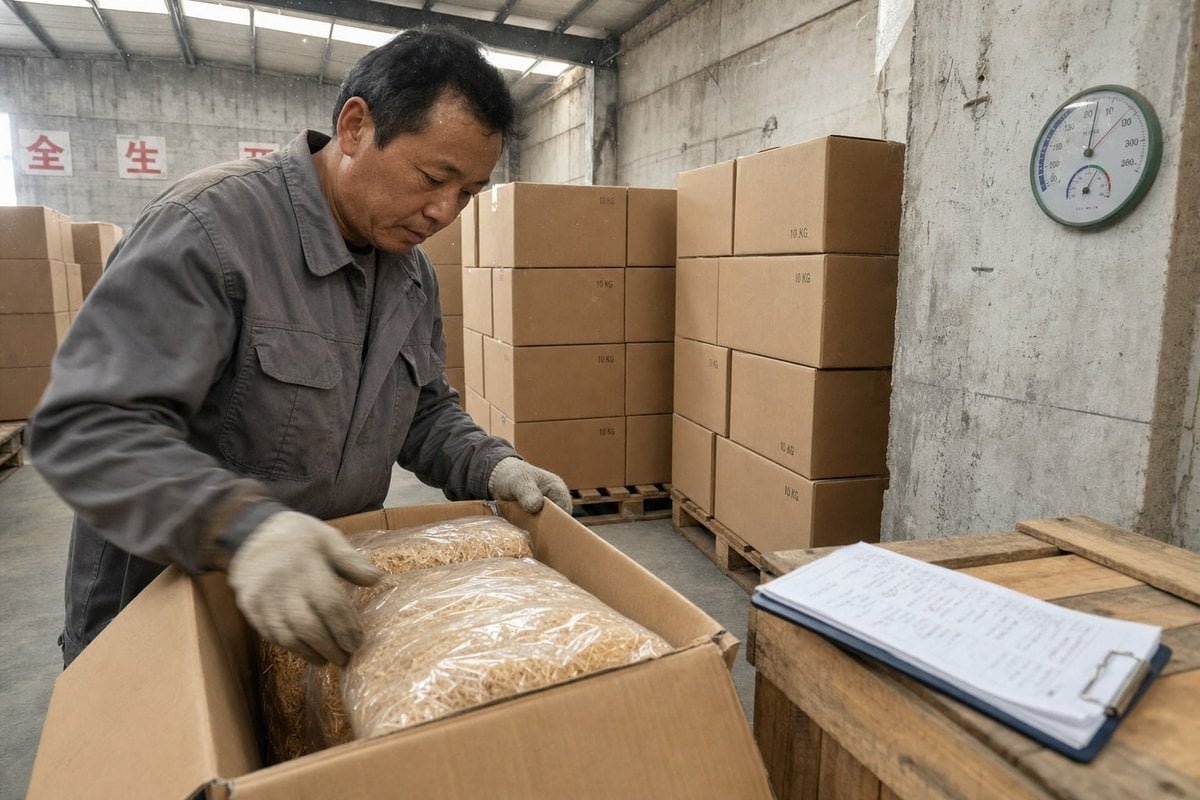
Storage conditions and shelf life for wood fire starters come up in almost every buyer call we take at our Ningbo production facility open flames 1. And for good reason. A container of fire starters that absorbs moisture in a warehouse becomes a container of returns. Retail buyers refuse damp, crumbling product. Distributors eat the cost. After 17+ years of shipping wax-dipped wood rolls to 30+ countries, we have learned exactly what keeps this product stable — and what quietly destroys it.
Store wood fire starters in a cool, dry, sealed environment between roughly -6°C and +35°C, away from direct sunlight, heat sources, and humidity. Under these conditions, quality wax-coated wood fire starters typically remain fully effective for 3–5 years, and often much longer if the packaging seal stays intact.
That is the short answer. Below, I will break down the exact conditions that matter, the realistic shelf life by product type, the packaging choices that protect your inventory, and the test documentation you should demand from any supplier.
What Storage Conditions Keep My Wood Fire Starters Safe and Effective?
A few years back, one of our European distributors stored a trial shipment in a coastal warehouse with no climate control. Six months later, half the cartons showed soft, dulled wax. That lesson shaped how we now advise every buyer on storage.
Keep wood fire starters in a cool, dry, sealed space with low relative humidity, away from direct sunlight, open flames, heaters, and flammable liquids. Store cartons off concrete floors, avoid temperature swings, and keep the product in its original sealed packaging until the point of use.
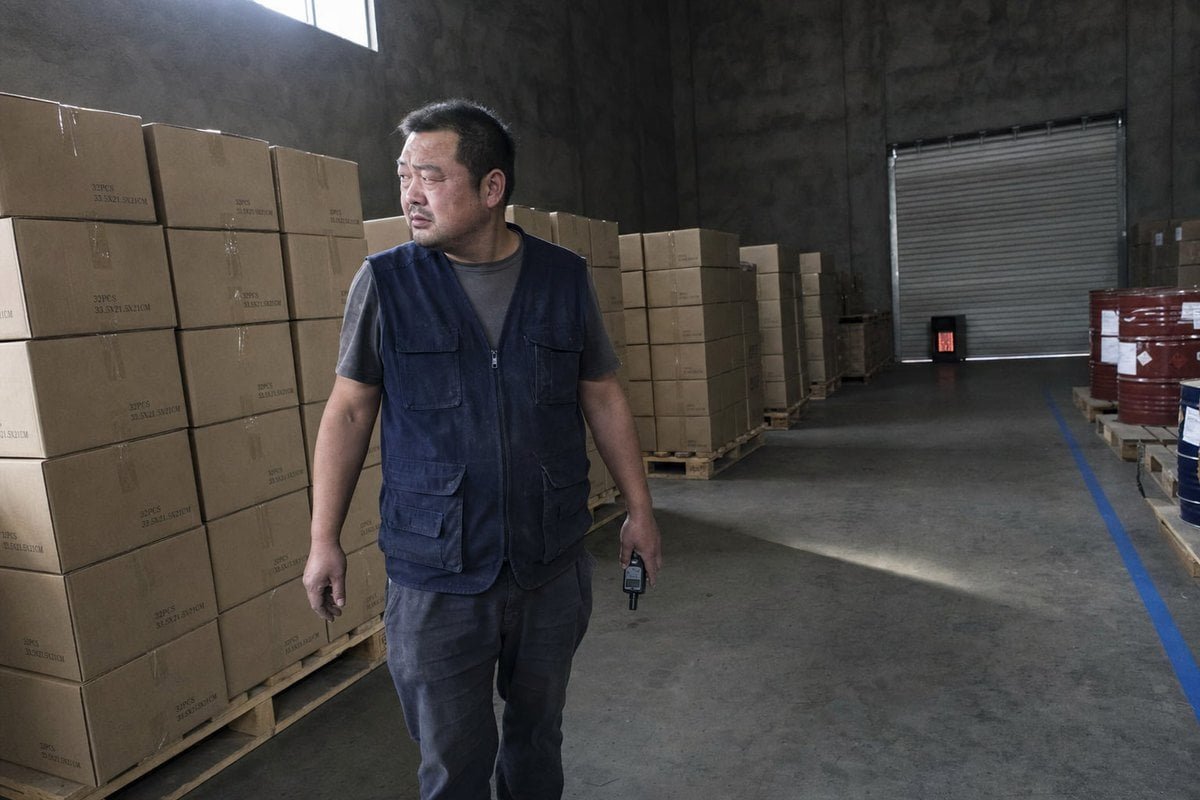
Four environmental factors decide whether a wood fire starter stays effective: moisture, heat, light, and placement. Let me take each one in plain terms.
Moisture Is the Number One Enemy
Wood wool 2 is fibrous and absorbent by design. That texture is exactly what makes it catch a flame so quickly. But the same structure pulls in ambient humidity. When the moisture content 3 of the wood fibers climbs, ignition becomes slow and smoky, and combustion efficiency drops sharply. In very damp spaces, you can even see fungal growth on uncoated fiber ends. Our rule for warehouses is simple: keep relative humidity 4 below roughly 60% where possible, and never store cartons directly on concrete. Concrete floors wick ground moisture upward, and cardboard packaging acts like a sponge through capillary action. Pallets or shelving solve this cheaply.
Heat and Sunlight
The paraffin wax coating on our fire starters is stable at normal room temperatures. But sustained heat above about 35°C softens the wax and lets it migrate away from the wood fibers. Direct sunlight adds UV degradation on top of that. Repeated freeze-thaw cycles in uninsulated sheds cause a different problem: micro-fractures between wax and wood that produce a sputtering, uneven burn.
Placement and Fire Safety
Fire starters are fuel. Treat them that way.
| Storage Rule | Why It Matters |
|---|---|
| Away from stoves, furnaces, water heaters | Prevents accidental ignition from radiant heat |
| Separate from flammable liquids | Avoids compounding fire risk in one location |
| Out of reach of children and pets | Standard safety practice for all fire products |
| Off the floor, on pallets or shelves | Blocks ground moisture and pest access |
| In original sealed packaging | Factory seals block humidity better than open bins |
One reassuring note: a properly made wax-and-wood fire starter carries essentially no spontaneous combustion risk. It needs an open flame to ignite. The hazards come from careless placement near heat sources, not from the product itself.
How Long Is the Shelf Life of Wood Fire Starters Before Quality Declines?
Buyers often ask me for a single expiration date, and I always give the honest answer first: shelf life is conditional, not fixed. The same product can last two years in a damp shed or a decade in a sealed carton on a dry shelf.
Most quality wax-coated wood fire starters last 3–5 years under normal storage, and unopened wax-based products can remain usable for 5–7 years or longer. Humidity-sensitive fiber products may decline in 18–24 months. Storage conditions, not calendar age, determine real shelf life.
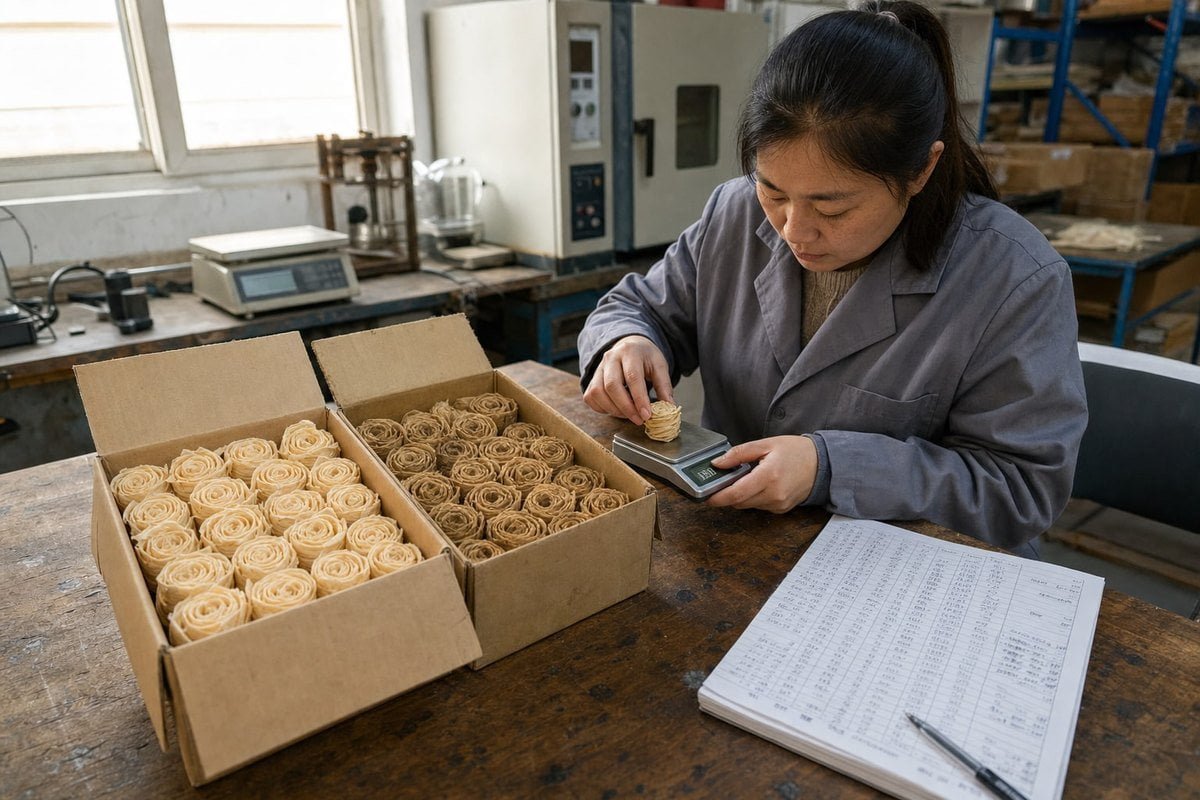
There is genuine disagreement across published guidance on this topic. Some sources say fire starters made from stable materials effectively never expire. Others give firm ranges of a few years. Both views hold part of the truth. The raw materials — paraffin wax and dried wood wool — are chemically stable for decades. What ages is the product's real-world performance, driven by moisture exposure, packaging failure, heat cycling, and pests.
Shelf Life by Product Type
| Fire Starter Type | Typical Shelf Life (Good Storage) | Main Vulnerability |
|---|---|---|
| Wax-dipped wood rolls (paraffin + wood fiber) | 5–7+ years unopened | Wax softening in extreme heat |
| Fatwood / resin-rich sticks | Many years if kept dry | Fatwood resin drying out under sunlight |
| Loose wood wool / excelsior bundles | 3–5 years sealed | Moisture absorption, fungal growth |
| Cotton or sawdust wads | 18–24 months in uncontrolled conditions | High humidity sensitivity |
| Petroleum-gel or liquid-treated starters | 1–3 years once opened | Accelerant evaporation of volatile light ends |
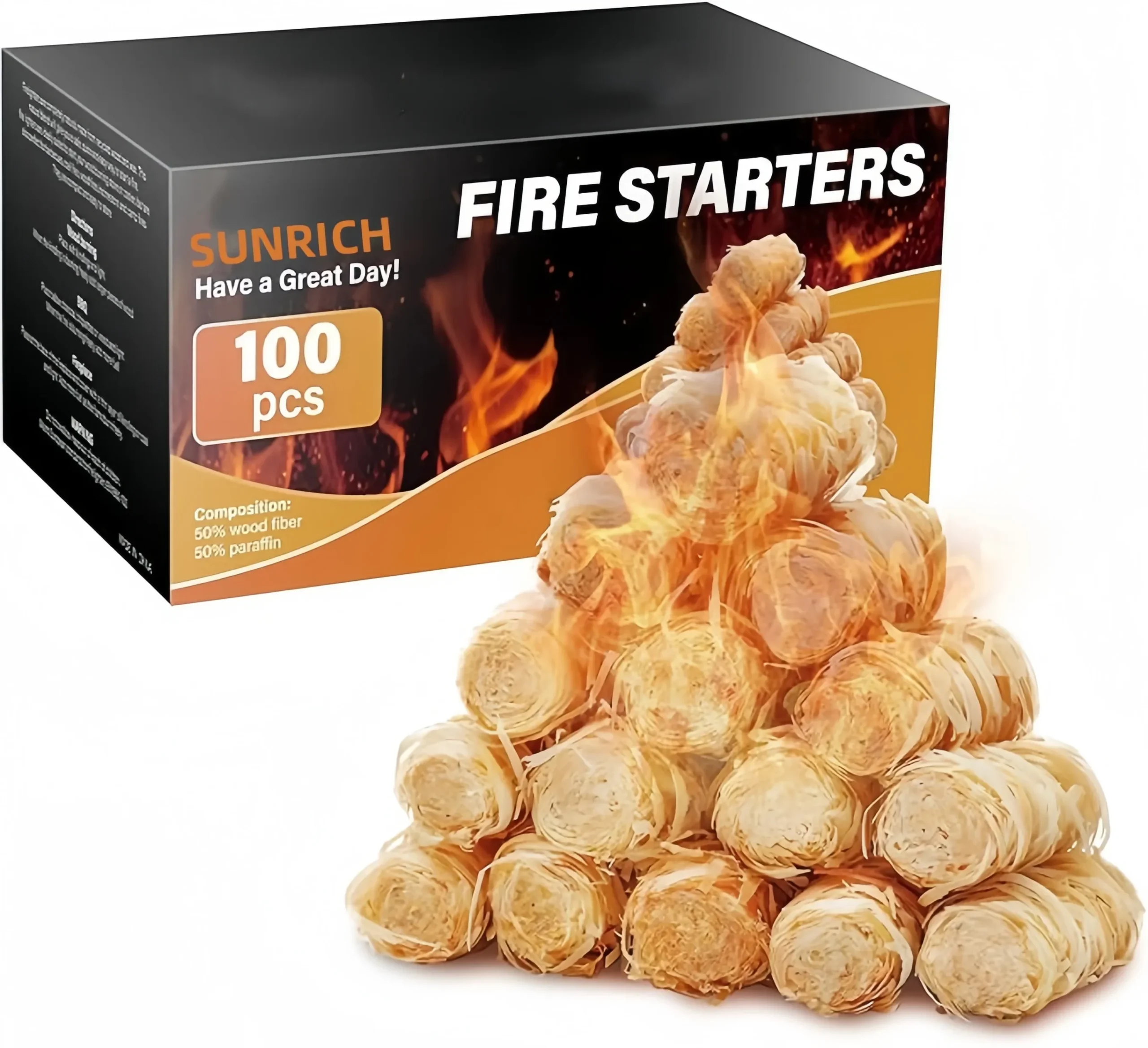
Our own wax-dipped wood rolls sit in the most durable category. The 50/50 wood fiber and paraffin composition 5 means the wax fully encases the fibers, sealing out ambient humidity. In batch retention testing at our factory, samples stored for multiple years still ignite and burn to specification.
Signs a Fire Starter Has Degraded
Judge by condition, not by age. Replace product that shows:
- A damp, soft, or spongy feel in the wood fibers.
- Musty odor or visible mold, which signals fungal growth.
- Wax that has pooled, cracked, or separated from the fibers.
- Slow ignition, heavy smoke, or a sputtering flame instead of a steady burn.
DIY starters made with natural fats or vegetable oils face an extra problem: oxidative rancidity 6, which creates sticky residue and weakens flammability. Commercial paraffin products avoid this entirely, which is one reason we standardized on paraffin wax coating years ago.
What Packaging Options Help Protect Shelf Life During Shipping and Storage?
Packaging is where I spend a surprising amount of my week. When we develop private-label programs for US and European distributors, the conversation about boxes and barrier layers usually runs longer than the conversation about the product itself — because packaging is what actually delivers the shelf life.
Sealed inner poly bags, moisture-barrier liners, and sturdy printed retail boxes protect wood fire starters best. For long-term or bulk storage, an airtight storage container, sealed jar, or heavy-duty plastic bin blocks ambient humidity. Original factory packaging should stay sealed until the point of sale or use.
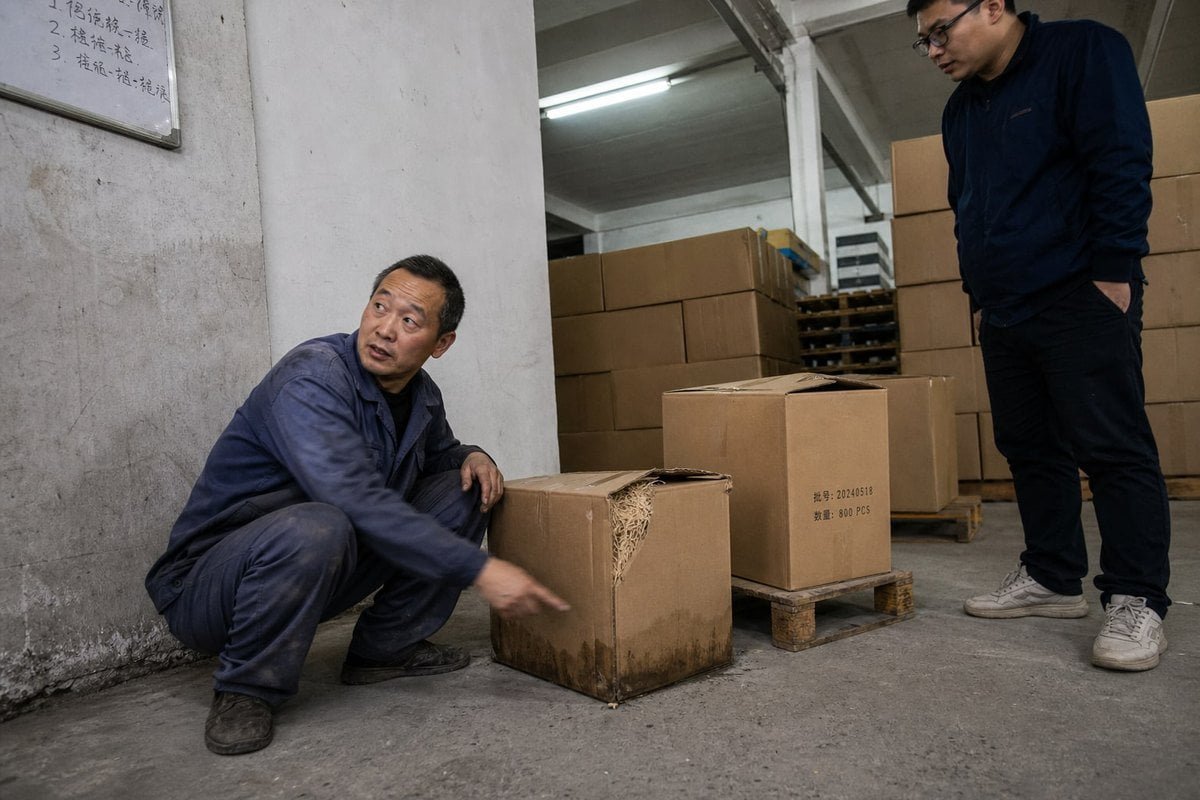
A fire starter's shelf life is really the shelf life of its moisture barrier. Once humidity reaches the wood wool, the clock speeds up. So we design packaging in layers, each with a distinct job.
The Three Layers of Protection
| Layer | Function | Common Options |
|---|---|---|
| Inner barrier | Blocks relative humidity from reaching fibers | Sealed poly bag, kraft bag with liner, plastic jar |
| Retail unit | Protects shape, carries branding and warnings | Printed box, tube, display-ready carton |
| Export carton | Survives ocean freight and handling | Reinforced corrugated carton, palletized and wrapped |
Ocean freight is the hardest test. A container crossing from Ningbo to Rotterdam or Los Angeles passes through major temperature and humidity swings. Condensation inside containers — so-called container rain 7 — can soak unprotected cartons. That is why our export standard includes sealed inner bags as the default, with desiccant options for buyers shipping into humid ports in Brazil or the Middle East.
What We Customize for B2B Buyers
Because we run our own production lines rather than trading someone else's stock, we can adjust packaging to the destination market:
- Retail-ready boxes with private-label branding, flame graphics, and piece counts, like our 100-piece gradient boxes.
- Warning labels and barcodes matched to US and EU retail requirements.
- Jar or tub formats that double as an airtight storage container after opening — a genuine selling point for end users.
- Carton sizing optimized for pallet efficiency, which lowers freight cost per unit without compressing the product.
My advice to purchasing managers is simple. Specify the moisture barrier in your purchase order, not just the box art. The barrier is invisible on the shelf, but it is what determines whether stock from your first container still performs when it sells through eighteen months later.
Can I Get Test Reports Confirming Shelf Life and Storage Stability?
Early in a negotiation with a large European fireplace distributor, their sourcing team asked for our documentation folder before they asked for pricing. That ordering of priorities told me everything about how serious buyers evaluate fire products today.
Yes. Reputable manufacturers provide third-party test reports from labs such as SGS or Intertek covering composition, burn performance, and safety, along with ISO 9001 quality-system and BSCI audit documentation. Buyers should request these reports before ordering and verify batch-level quality control practices.
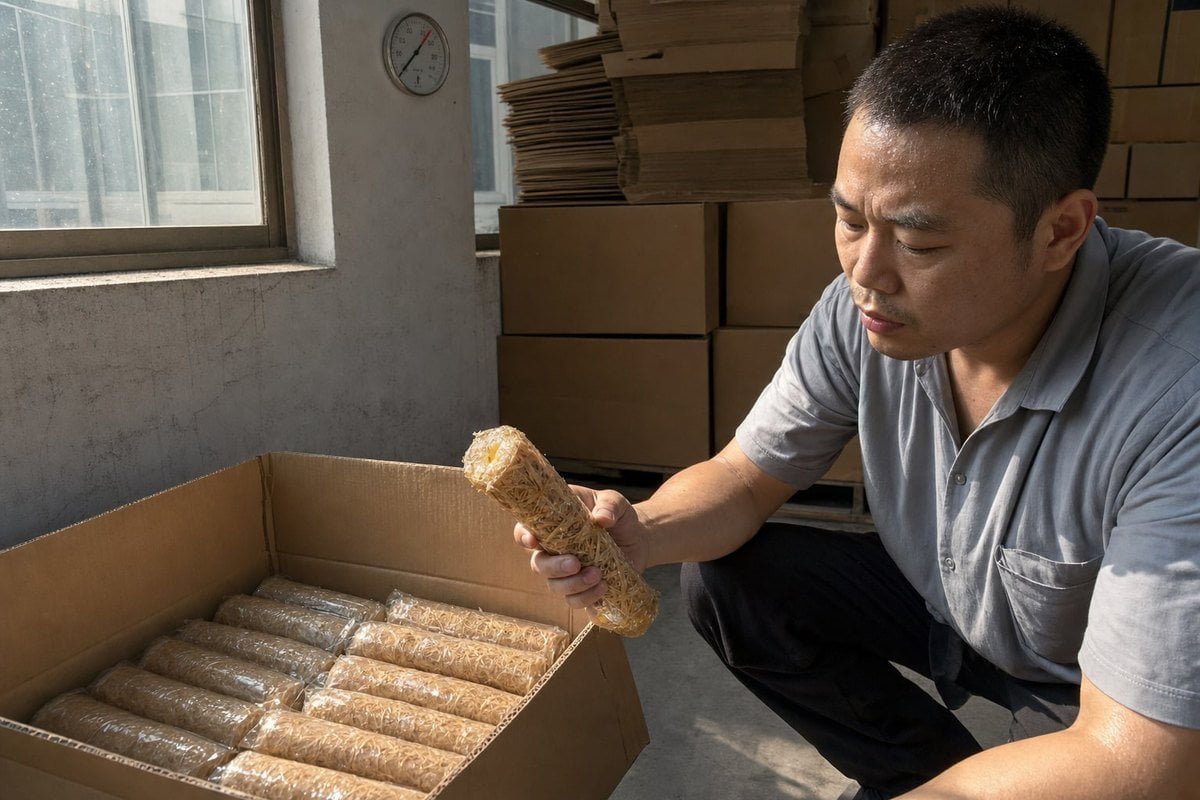
Shelf life claims are easy to print on a box. Backing them up requires two things: third-party testing and a quality system that keeps every batch consistent with the tested sample.
What the Documentation Should Cover
At our factory, the compliance file we hand to B2B buyers includes several distinct pieces. Each answers a different question:
- SGS or Intertek test reports confirm material composition 8 — for example, the 50% wood fiber and 50% paraffin ratio — plus burn time and safety behavior. This verifies the product is what the label says.
- CE documentation supports market access in Europe, where most of our fire starter volume ships.
- ISO 9001 certification proves a working quality-management system. This matters for shelf life because stability depends on process control: fiber drying before waxing, wax coverage consistency, and seal integrity on inner bags.
- BSCI audit results confirm responsible factory conditions, which large retail sourcing channels increasingly require alongside product testing.
Why Batch Consistency Is the Real Shelf Life Guarantee
A test report describes one sample at one moment. Shelf life across thousands of cartons depends on whether production stays true to that sample. This is where manufacturing depth matters. We control moisture content of the wood wool before dipping, because fibers waxed while damp will trap humidity inside the coating and fail early no matter how good the packaging is. We also check wax coverage on each batch, since thin or patchy paraffin leaves fibers exposed to ambient air.
When you evaluate a supplier, ask three direct questions. Can you show current third-party reports, not expired ones? Do you test each production batch or only the original sample? And will your first sample genuinely reflect mass-production quality? A factory that answers all three confidently is a factory whose shelf life claims you can put on your own label.
Conclusion
Damp warehouses and heat-soaked containers quietly ruin fire starter inventory. Store product cool, dry, and sealed, judge by condition over calendar age, and demand documented, batch-tested quality from your supplier.
Footnotes
1. Safety guidelines from the NFPA regarding heating and open flame hazards in homes. ↩︎
2. Wikipedia entry defining wood wool and its common industrial and commercial uses. ↩︎
3. USDA Forest Service research on wood moisture content and its impact on performance. ↩︎
4. Official weather service explanation of relative humidity and its environmental effects. ↩︎
5. Authoritative Wikipedia entry explaining the properties and chemical stability of paraffin wax. ↩︎
6. Stable Wikipedia reference explaining the chemical process of oxidative rancidification. ↩︎
7. Wikipedia explanation of condensation issues in shipping containers known as container rain. ↩︎
8. Updated SGS service page specifically covering product composition and chemical testing. ↩︎



 English
 Spanish
 German
 French
 Arabic
 Portuguese
Join the Conversation