







Every spring, buyers ask me the same early-bird bulk discount question about our wood fire starters. Guess wrong, and you overpay or squeeze quality. Our factory pricing data offers a clearer answer.
A fair early-bird bulk discount for wood fire starters typically runs 5%–15% off standard wholesale pricing. Smaller pre-orders earn 5%–10%, while large, pre-season commitments placed 3–6 months before winter can justify 10%–15%. Deeper discounts require higher MOQs or simplified packaging.
That range is the short answer. But a fair deal depends on your volume, timing, product tier, and landed unit cost 1. Let me break down each factor so you can negotiate with confidence.
What discount percentage should I expect when placing my first bulk order?
Last August, a German fireplace distributor asked us for 30% off his very first container. I walked him through our cost sheet instead, and we landed on a number that worked for both sides.
On a first bulk order, expect 5%–10% off standard wholesale pricing as an early-bird incentive. First-time buyers rarely secure more, because suppliers have no order history to justify deeper cuts. Discounts of 10%–15% usually require pallet-level volume or firm pre-season commitments.
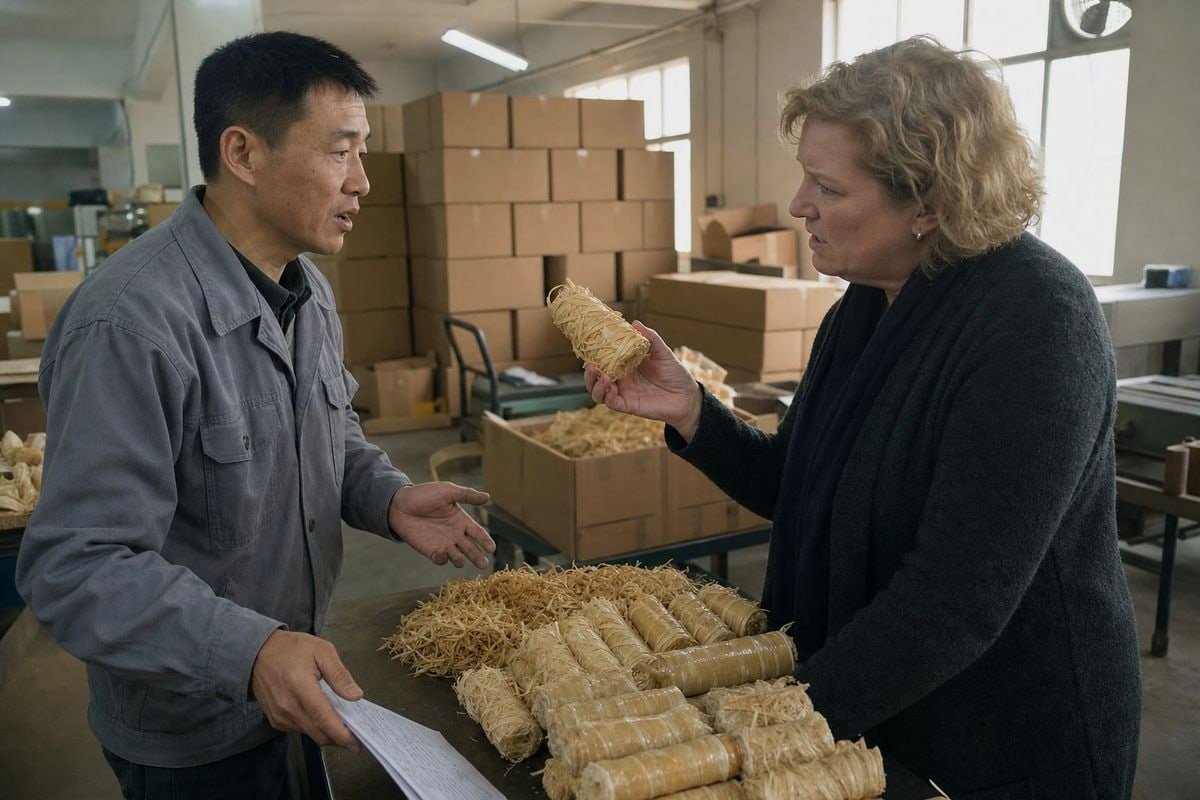
The logic behind that range is simple. An early-bird discount rewards you for helping the supplier forecast demand. It is not meant to erase the supplier's margin. When you order wood fire starters in June for October delivery, we can schedule production during our quieter months, buy wax and wood fiber at better rates supply chain management 2, and consolidate shipping. Part of that saving flows back to you as a discount. But it is a shared saving, not a giveaway.
Product tier matters just as much as timing. Basic wax-and-sawdust cubes carry thin margins, so the percentage room is small. Wood wool fire starters with natural wax sit in the middle. Premium eco-certified products carry higher unit prices, but compliance testing and certified materials eat into flexibility.
Typical First-Order Discount Benchmarks
| Product Tier | Typical Wholesale Unit Cost | Realistic Early-Bird Discount |
|---|---|---|
| Basic wax/sawdust cubes | $0.05–$0.08 | 3%–7% |
| Wood wool fire starters | $0.10–$0.20 | 5%–10% |
| Premium eco-certified starters | $0.25+ | 5%–12% |
Also remember that percentage off matters less than effective unit price. A 15% discount on a poor-quality starter with a short burn time is worse value than 7% off a starter that lights reliably every time. In our experience exporting to the US and Europe, buyers who compare landed cost 3 per unit — not headline discounts — build the healthier profit margin for retailers downstream.
How does MOQ affect the early-bird pricing I can negotiate?
There is a trade-off we weigh on every quote: a bigger run lowers our per-unit setup and changeover cost, but it also ties up wax, wood fiber, and warehouse space. MOQ is where that math gets shared with the buyer.
Higher MOQs unlock deeper early-bird pricing because they spread fixed production costs across more units. Small orders near minimum quantity earn 3%–5% extra, half-container orders earn 8%–12%, and full-container pre-season commitments can reach 15% off standard wholesale pricing.
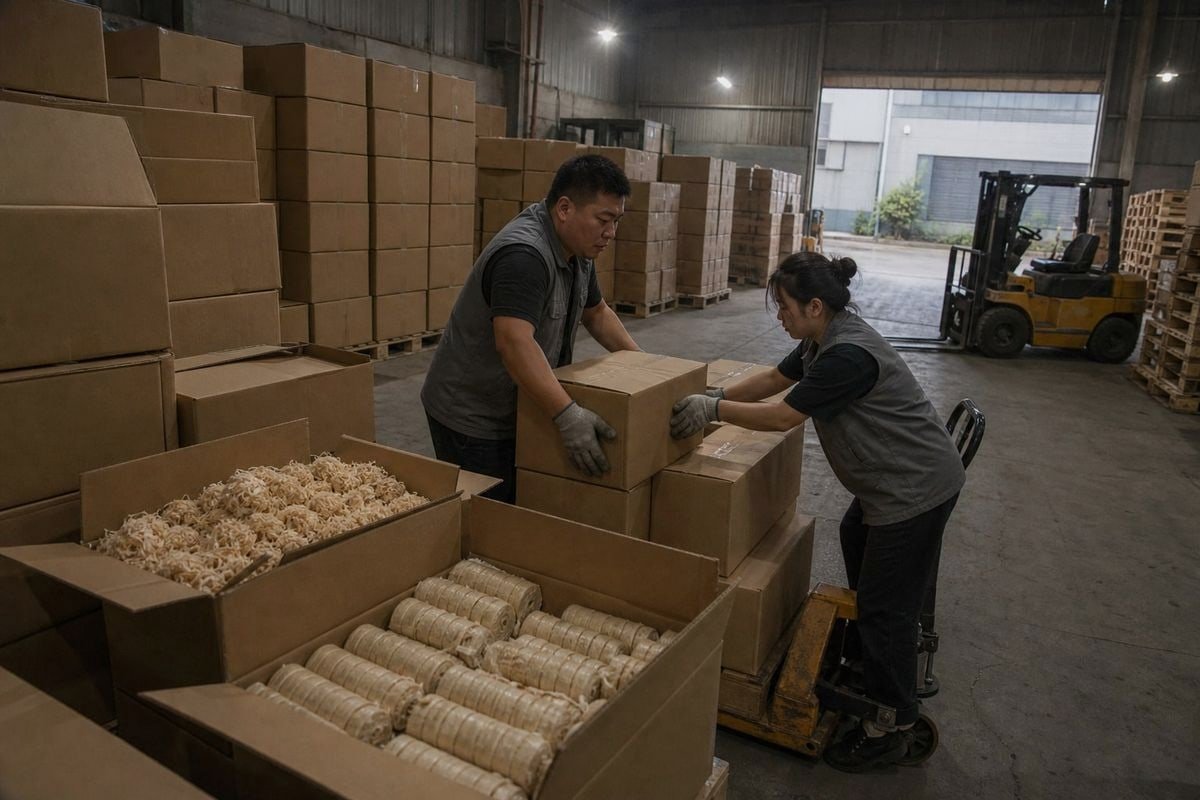
MOQ is not an arbitrary hurdle. It reflects real production economics. Every run of wood fire starters involves machine setup, wax melting, quality checks, and packaging line changeovers. Those costs are roughly fixed whether we produce 5,000 units or 50,000. So the more units you order, the thinner those fixed costs are spread. That is the entire basis of volume discount tiers 4.
Timing multiplies the effect. Seasonal demand fluctuations are extreme in this category. From September to December, our lines run at capacity for pre-season heating supplies. An order placed in April or May fills idle capacity, so we can afford a better rate. The same order placed in October competes with every other buyer and earns almost nothing extra.
How Volume and Timing Stack Together
| Order Size | Off-Season Order (Mar–Jun) | Peak-Season Order (Sep–Dec) |
|---|---|---|
| At MOQ (e.g., 5,000 units) | 3%–5% off | List price |
| Half container | 8%–12% off | 2%–4% off |
| Full container | 12%–15% off | 5%–7% off |
There are also levers beyond raw quantity. Flexible delivery windows let us consolidate freight and plan routes efficiently, which is worth an extra concession. Standardized packaging instead of custom private-label boxes reduces changeover time. A deposit or prepayment lowers our cash-flow risk. Each of these can add one to three percentage points without forcing you above your comfortable MOQ. Smart buyers negotiate the package, not just the quantity.
What certifications should I verify before committing to a discounted bulk order?
A UK buyer once showed me a competitor's quote that undercut ours by 20%. Then I asked for the supplier's test reports. There were none. He signed with us the following week, because his retail channel would have rejected uncertified goods at the door.
Before committing to any discounted bulk order, verify ISO 9001 quality management, BSCI social compliance, CE marking for the EU market, and third-party test reports from labs like SGS or Intertek. Also confirm REACH compliance for Europe and proper warning labels for retail shelves.
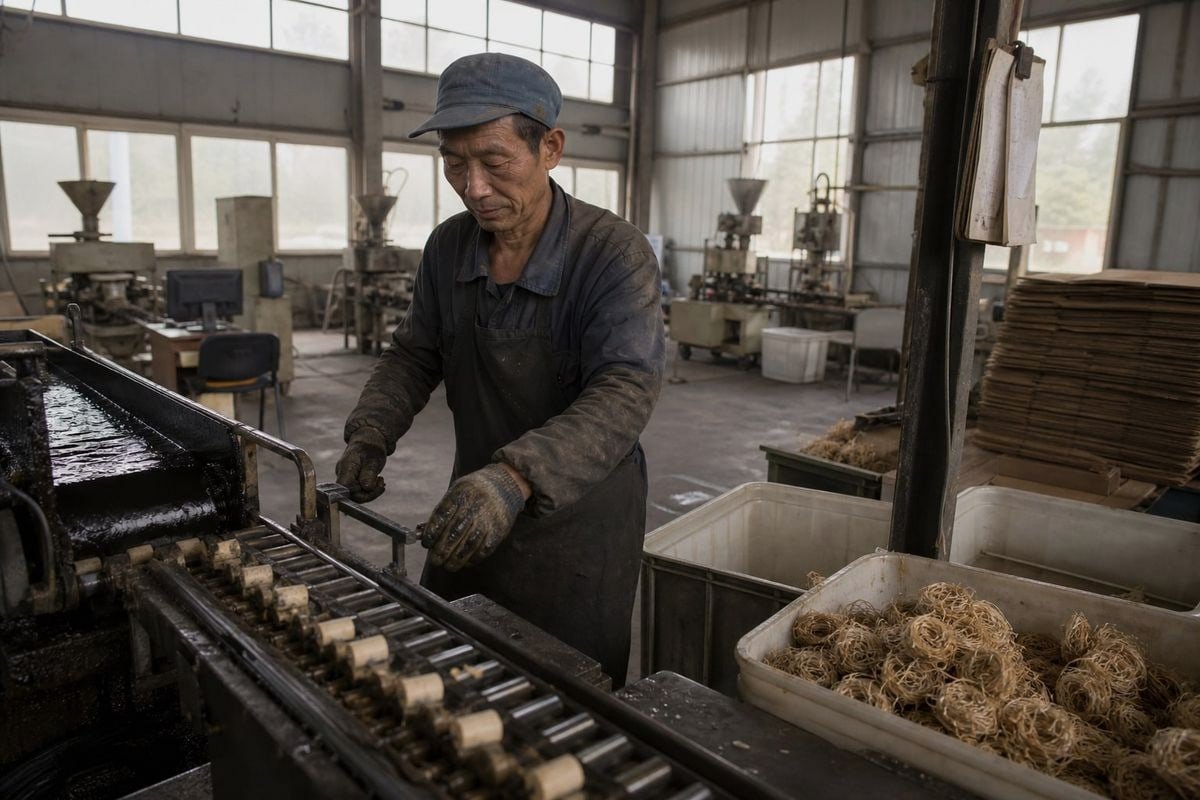
A deep discount means nothing if customs holds your container or a retailer rejects the shipment. Fire-starting products face real scrutiny in the US and EU, and compliance failures are far more expensive than any discount is worth. This is exactly why our factory treats ISO 9001, BSCI, CE, and SGS/Intertek testing 5 as baseline requirements, not upsells. For our buyers — distributors of fireplace accessories, camping brands, big-box sourcing teams — these documents are a hard gate.
Here is a practical verification checklist before you wire a deposit:
- Request actual certificates, not logos. Ask for the certificate number and issuing body, then verify it directly with the certifier.
- Check test report dates. A report from five years ago says little about current production. Ask when the last batch test was done.
- Match the report to the product. A test report for wax torches does not cover wood wool fire starters. The SKU must match.
- Confirm labeling compliance. Warning labels, composition disclosure (for example, 50% wood fiber and 50% paraffin), barcodes, and language requirements vary by market.
- Verify eco claims. If you are marketing eco-friendly fire lighting, ask what backs the claim — material sourcing documents, chemical-free formulations, or third-party verification.
Be especially cautious when a supplier offers an unusually deep discount on certified goods. Certification and compliant materials cost real money. If the price does not leave room for those costs, something in the chain is being skipped. In seventeen-plus years of exporting to 30-plus countries, I have never seen a genuinely compliant product sold at rock-bottom pricing for long.
Can I get a trial order at a discounted rate before scaling up to full volume?
One lesson I learned early: buyers who test small before scaling stay with us for years, while buyers pushed into oversized first orders often disappear after one season. So we build trial paths into our quoting on purpose.
Yes, most reputable suppliers offer trial orders at or slightly below standard wholesale pricing, often with reduced MOQs of 500–2,000 units. Expect little or no discount on the trial itself, but negotiate a written agreement that locks early-bird pricing for the follow-up volume order.

A trial order serves a different purpose than a bulk order, so it follows different pricing logic. On a trial, the supplier still carries full setup costs across a small run. That is why trial pricing sits at or near list. The smart move is not to fight for a discount on the trial. It is to structure the deal so the trial de-risks your scale-up.
A Practical Trial-to-Volume Structure
| Stage | Typical Quantity | Pricing Expectation | What to Lock In Writing |
|---|---|---|---|
| Samples | 10–50 units | Free or cost + shipping | Burn time, ignition reliability, ash residue |
| Trial order | 500–2,000 units | Standard wholesale | Trial fee credited against volume order |
| Volume order | Half to full container | 8%–15% early-bird discount | Price validity window, lead time, batch QC terms |
Use the trial to test what actually matters. Run burn tests: ignition speed, total burn time, smoke, smell, and ash. Check consistency across the batch — every wax-dipped roll should perform like the sample. Test the packaging on a real shelf if you can. Then calculate your true unit price calculation with freight, duties, and fees included, because landed cost is what determines your margin, not FOB price.
One more negotiation point from our side of the table: ask whether the first sample genuinely reflects mass production. At our plant, batch-to-batch quality control means the trial batch and the tenth container come off the same calibrated line. If a supplier cannot promise that, no trial discount will save you later. Fatwood kindling suppliers and cube makers vary widely here, so put consistency terms in the contract, not just in emails.
Conclusion
A fair early-bird bulk discount for wood fire starters is 5%–15%, earned through volume, off-season timing, and verified compliance. Test small, lock pricing in writing, then scale confidently.
Footnotes
1. Incoterms rules define how landed costs are calculated in cross-border wholesale transactions. ↩︎
2. Wikipedia background on supply chain concepts underlying production scheduling and volume discount logic. ↩︎
3. Trade.gov resource explains landed cost calculation referenced as key to true unit pricing. ↩︎
4. Explains the economic basis for volume-based pricing tiers referenced when discussing MOQ discounts. ↩︎
5. SGS is a leading global inspection and testing firm cited for verifying product compliance standards. ↩︎
6. Background reference explaining the EU conformity marking requirement mentioned in certification checklist. ↩︎



 English
  Spanish
  German
  French
  Arabic
  Portuguese
Join the Conversation