






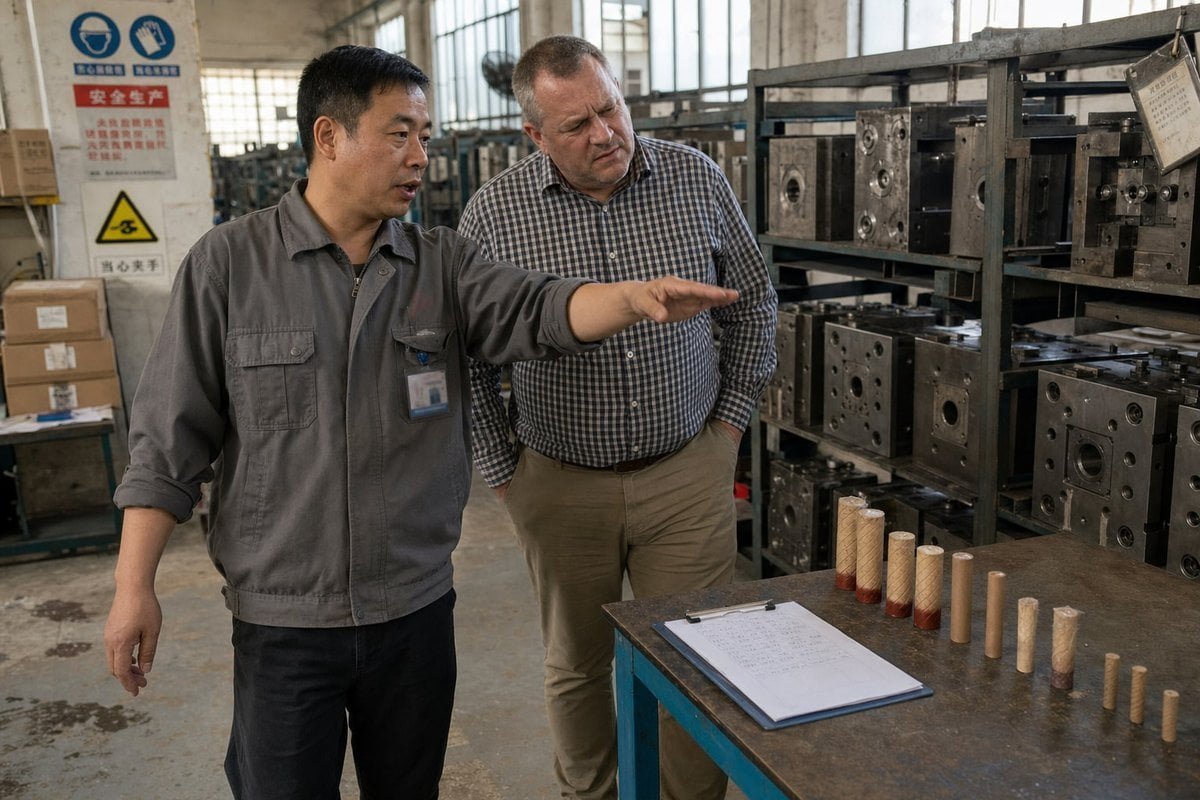
Os compradores nos perguntam constantemente sobre a capacidade de desenvolvimento de moldes para acendedores de madeira. Ficar preso a um único fornecedor parece arriscado. Escolher errado significa dinheiro em moldes obsoletos, temporadas perdidas e produtos copiados.
A capacidade de desenvolvimento de moldes de um fornecedor vale uma parceria exclusiva para acendedores de madeira apenas quando a ferramenta personalizada oferece diferenciação real do produto, volumes altos o suficiente para amortizar os custos e termos contratuais que lhe dão propriedade do molde, especificações de qualidade e direitos claros de saída.
Essa resposta tem três condições embutidas. Cada uma delas merece escrutínio antes que você assine qualquer coisa. Deixe-me percorrê-las da maneira que eu faria com um comprador visitando nossa linha de produção.
O que devo avaliar no processo de desenvolvimento de moldes de um fornecedor antes de assinar um acordo exclusivo?
No ano passado, um distribuidor alemão passou dois dias em nossa fábrica em Ningbo antes de discutir a exclusividade. Ele inspecionou nossa sala de ferramentas primeiro, não nosso showroom. Boa jogada.
Avalie cinco coisas antes de assinar: capacidade interna de design e prototipagem de moldes, velocidade de iteração de amostra para revisão, registros de controle de qualidade de ferramentas, dados de consistência lote a lote e termos escritos cobrindo propriedade, manutenção e direitos de transferência do molde. Respostas fracas em qualquer ponto devem interromper o negócio.
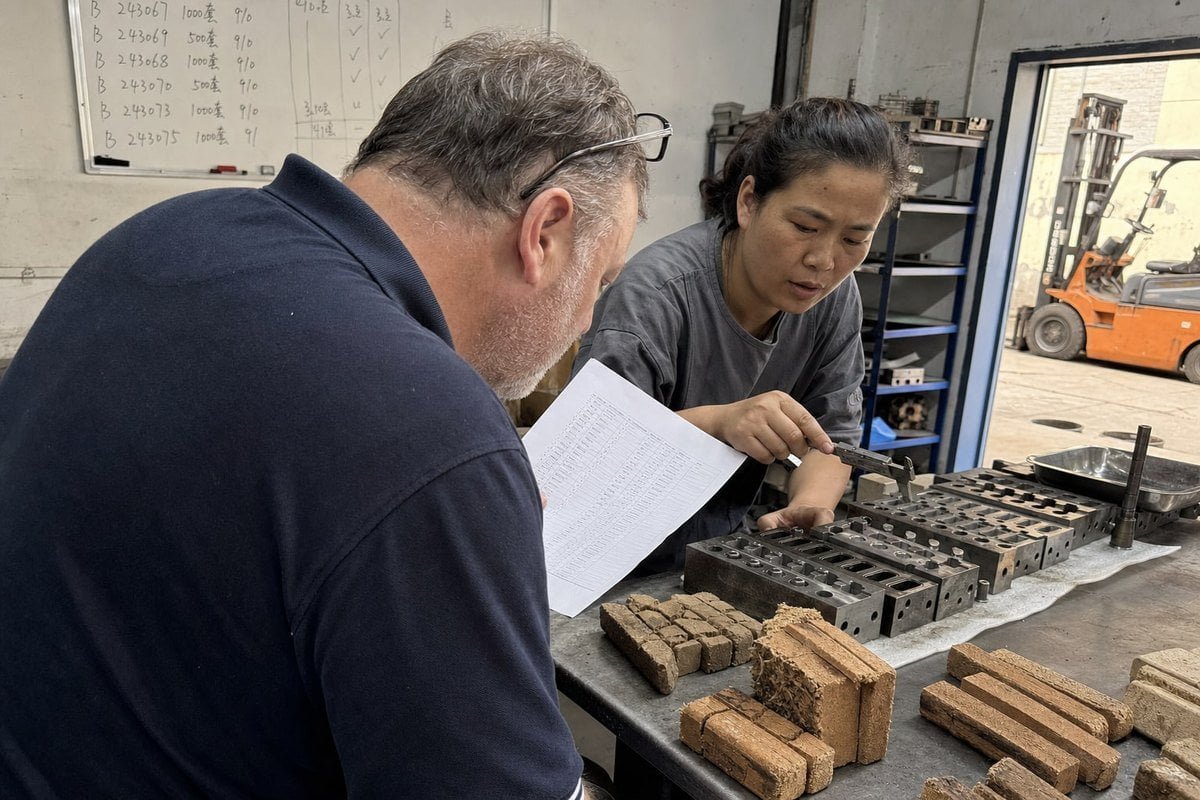
A capacidade de desenvolvimento de moldes não é o mesmo que a capacidade básica de produção. Muitas fábricas podem operar um molde compartilhado que outra pessoa projetou. Muito menos podem pegar o conceito do seu produto, projetar as ferramentas, prototipá-lo e refiná-lo até que o desempenho de ignição e a geometria estejam travados. Essa lacuna é exatamente pelo que você está pagando em um acordo exclusivo, então verifique se ela existe.
A diferença entre produção e desenvolvimento real
Um acendedor de madeira formado sob pressão depende muito de suas ferramentas. O molde controla a densidade, a forma e a relação superfície-volume que ditam a rapidez com que o acendedor acende e por quanto tempo ele queima. Em nossas próprias linhas de rolos de madeira mergulhados em cera, aprendemos cedo que um molde mal cortado produz densidade inconsistente. Densidade inconsistente significa que um disco acende em dez segundos e o próximo leva um minuto. Seus clientes notam.
Uma lista de verificação de avaliação prática
| Área de Capacidade | O que pedir | Sinal de Alerta |
|---|---|---|
| Design | Interno Arquivos CAD 1 e projetos personalizados anteriores | Tudo terceirizado para uma oficina de ferramentas externa |
| Prototipagem | Tempo de ciclo de amostra para revisão em dias | Ciclos medidos em meses |
| Controle de qualidade | Registros de tolerância dimensional por lote | Sem tolerâncias documentadas |
| Certificações | ISO 9001 2, relatórios BSCI, SGS ou Intertek | Apenas alegações verbais |
| Termos de propriedade | Cláusula escrita de transferência de molde | "Nós ficamos com as ferramentas" sem exceções |
Peça evidências, não promessas. Em nossa experiência exportando para mais de 30 países, compradores que auditam a capacidade de ferramentas antes de assinar evitam quase todas as disputas que ouvimos de compradores que não o fizeram. Um fornecedor com profundidade genuína de fabricação OEM receberá bem a auditoria. Um sem isso irá hesitar.
Como os moldes personalizados para acendedores de madeira afetam a qualidade do meu produto e os prazos de entrega?
Um compromisso que pesamos toda vez que orçamos ferramentas personalizadas: velocidade versus distinção. Um molde compartilhado envia amostras em dias. Um molde privado leva semanas, mas muda o que você pode vender.
Moldes personalizados melhoram o desempenho de ignição, a consistência do tempo de queima e a singularidade da forma, mas adicionam aproximadamente 45–90 dias e R$ 3.000–R$ 15.000+ antecipadamente antes da primeira produção. Moldes compartilhados lançam mais rápido e mais barato, mas limitam a diferenciação do produto e o prendem a formas genéricas que os concorrentes já vendem.
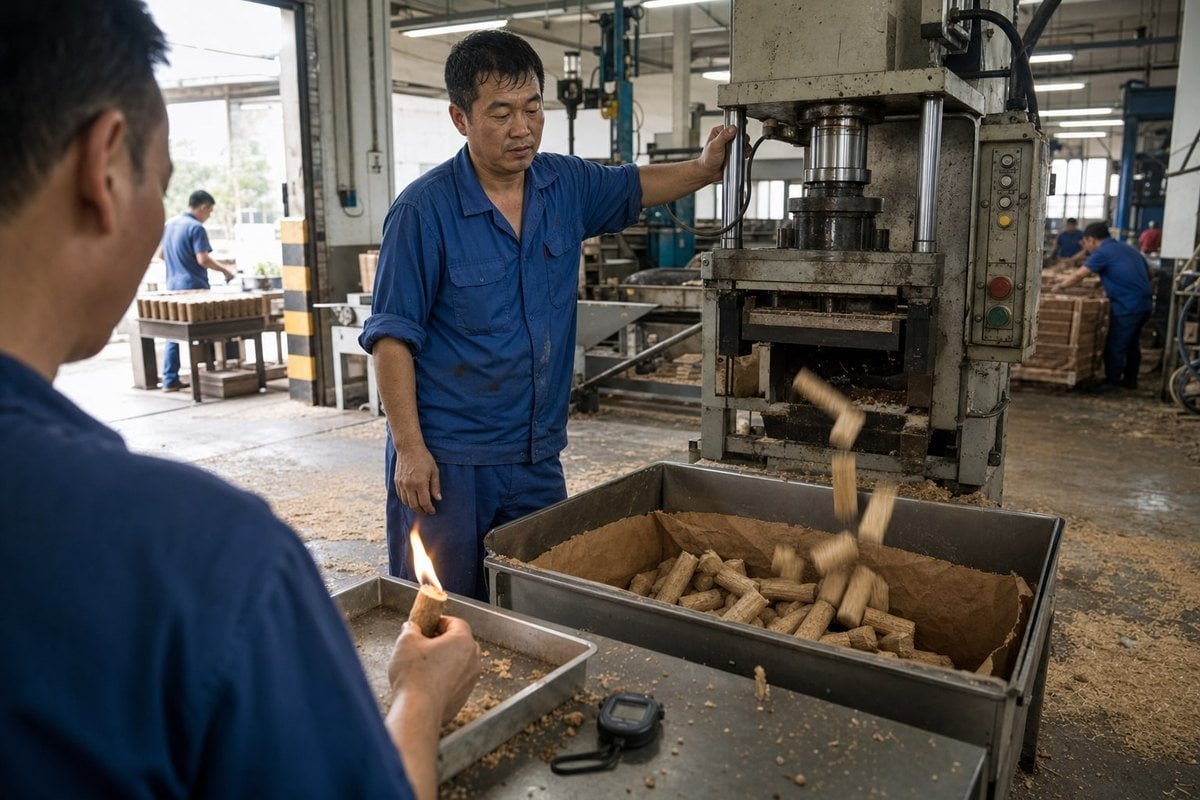
O impacto na qualidade é a parte que a maioria dos compradores subestima. A geometria do molde não é cosmética. É engenharia funcional. Quando nossa equipe desenvolve ferramentas para um rolo de madeira mergulhado em cera, podemos ajustar a densidade de enrolamento e a superfície de fibra exposta para ajustar a rapidez com que o acendedor pega e por quanto tempo ele mantém a chama. O design proprietário pode até incorporar canais de fluxo de ar, para que o acendedor acenda de forma confiável em condições externas úmidas. Isso importa se sua marca vende para os canais de camping e churrasco, onde uma falha na ignição significa um produto devolvido.
Efeitos de qualidade que você pode especificar
Ferramentas personalizadas permitem que você defina metas em vez de aceitar o que um molde público produz. Os resultados típicos especificáveis incluem:
- Tempo de ignição dentro de uma faixa definida, lote após lote.
- Duração da queima correspondente ao seu caso de uso, desde acender churrasqueiras até iniciar lareiras.
- Dimensões consistentes que se encaixam exatamente em sua caixa de varejo e embalagem blister.
- Geometria de encaixe ou empilhamento que reduz o volume da embalagem secundária e o custo de envio.
- Redução de flash e desperdício de material, o que protege a margem em uma categoria de margem apertada.
Comparação de prazo de entrega
| Fator | Molde Compartilhado / Público | Molde Personalizado / Privado |
|---|---|---|
| Custo da ferramenta | Mínimo ou nenhum | $3.000–$15.000+ |
| Tempo para a primeira amostra | Dias a 2 semanas | 45–90 dias |
| Unicidade do produto | Baixo | 1 x 20 pés ou 40 pés |
| Prazo de reabastecimento | Padrão | Padrão, muitas vezes com vagas prioritárias |
| Encaixe da embalagem | Compromisso | Projetado conforme especificação |
Mais um ponto sobre prazos de entrega. A janela de 45–90 dias só o atinge uma vez. Após a conclusão da ferramenta, a reposição ocorre em velocidade normal de produção. De fato, parceiros exclusivos frequentemente recebem agendamento prioritário durante o pico de inverno, o que melhora confiabilidade da cadeia de suprimentos 3 exatamente quando as rupturas de estoque mais prejudicam. Planeje a fase de ferramentas para a primavera e proteja sua temporada de pico.
A exclusividade vale o risco se meu fornecedor controlar as ferramentas do molde e os direitos de design?
Um comprador do Reino Unido me disse uma vez que seu fornecedor anterior se recusou a liberar um molde no qual ele havia financiado parcialmente. Ele perdeu uma temporada inteira reconstruindo ferramentas em outro lugar. Essa conversa moldou como escrevemos nossos próprios acordos.
A exclusividade é arriscada quando o fornecedor controla as ferramentas. Se o molde define seu produto e você não pode movê-lo, você perde poder de negociação e opções de saída. A exclusividade só faz sentido quando você possui o molde ou detém direitos contratuais de transferência.
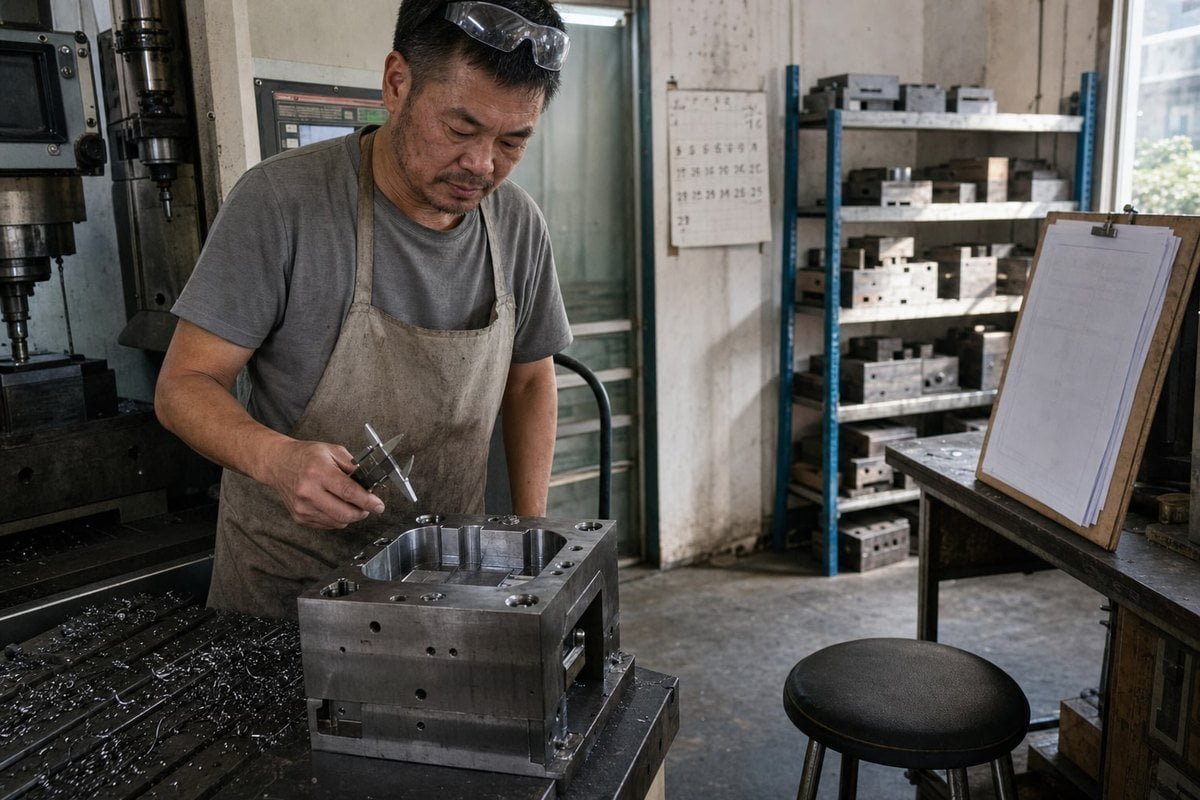
Seja honesto sobre ambos os lados, porque o argumento de commodity contra a exclusividade é real. Se o seu produto é um acendedor de fogo básico competindo puramente em preço através de distribuição por atacado, a inovação de moldes pode não mudar a escolha do consumidor o suficiente para justificar o bloqueio. Muitos programa de fabricação de marca própria 4 relacionamentos permanecem simples por boas razões: o comprador fornece um logotipo, a fábrica opera um molde compartilhado e todos mantêm a flexibilidade.
Quando a exclusividade cria um fosso técnico
O cálculo se inverte quando o molde cria algo que os concorrentes não conseguem copiar facilmente. Um fator de forma reconhecível, uma estrutura híbrida com um núcleo de ignição rápida e uma casca de longa duração, ou uma forma projetada para embalagens de conjuntos de presentes premium — isso transforma as ferramentas em um ativo. O acesso exclusivo a esse PI do molde torna-se uma barreira defensável. Em um mercado de acendedores de fogo crescendo em aproximadamente 6,8% anualmente com base em demanda de recreação ao ar livre 5, um produto defensável se acumula em valor a cada temporada.
Quando a exclusividade se torna um passivo
Pondere esses riscos honestamente:
- Dependência. A capacidade de um fornecedor limita a escalabilidade da sua produção.
- Risco de estoque sazonal. Superestime a demanda de inverno e você carrega estoque parado mais dívida de ferramentas.
- Alavancagem erodida. Cláusulas de exclusividade podem enfraquecer sua posição de preço ao longo do tempo.
- Fricção de saída. Se o fornecedor possui o molde, a troca significa reconstruir do zero.
Nossa posição na Sunrich sempre foi que a exclusividade deve ser conquistada a cada ano, não concedida para sempre. Um fornecedor confiante em sua profundidade de fabricação e histórico de conformidade — o nosso inclui ISO 9001, BSCI, CE e relatórios de testes de terceiros — não precisa prender compradores com reféns de ferramentas. Se um parceiro nos pede para incluir direitos de transferência de moldes no acordo, consideramos isso um sinal de um comprador sério e de longo prazo, não uma ameaça. amfori BSCI 6 Que termos contratuais protegem meu negócio ao investir na capacidade de desenvolvimento de moldes de um fornecedor?.
A redação de contratos nos ensinou mais do que qualquer feira comercial jamais ensinou. No início de nossa história de exportação, cláusulas vagas de ferramentas causaram atrito que uma linguagem clara teria evitado em um parágrafo.
Proteja-se com cláusulas que cubram propriedade e direitos de transferência de moldes, quantidades mínimas de pedido vinculadas à exclusividade, tolerâncias de qualidade definidas com recursos de falha, responsabilidade pela manutenção de ferramentas, confidencialidade do design, limites territoriais e gatilhos de desempenho que encerram a exclusividade se o fornecedor não cumprir.
Pense como um comprador de ferramentas, não apenas como um comprador de aquisições. O molde é um ativo de capital. Seu contrato deve tratá-lo dessa forma, com a mesma clareza que você exigiria ao comprar máquinas. Abaixo está a estrutura que recomendamos a distribuidores e importadores que negociam ferramentas personalizadas para acendedores de fogo de madeira.
As sete cláusulas que mais importam.
Por que protege você
| Cláusula | O que Deve Dizer | Propriedade do molde |
|---|---|---|
| O comprador é o proprietário do molde após a recuperação do custo ou pagamento antecipado | Previne situações de reféns de ferramentas | Direitos de transferência |
| O comprador pode realocar o molde para outra fábrica mediante aviso | Preserva sua opção de saída | Preserva sua opção de saída |
| Ligação de MOQ | Exclusividade condicionada a volumes anuais definidos | Mantém as obrigações mútuas, não unilaterais |
| Tolerâncias de qualidade | Especificações de desempenho dimensional e de ignição com recursos | Transforma a qualidade de promessa em obrigação |
| Manutenção | O fornecedor mantém as ferramentas; termos de substituição por desgaste definidos | Evita faturas de reforma surpresa |
| Confidencialidade | Design e desenhos do molde restritos à sua conta | Protege o design proprietário contra vazamento para concorrentes |
| Gatilhos de desempenho | A exclusividade termina se os prazos de entrega ou as taxas de defeito excederem os limites | Restaura o poder de negociação se o serviço degradar |
O teste de decisão de três partes
Antes de assinar, aplique este teste simples. Primeiro, o design do molde afeta genuinamente a escolha do consumidor para o seu produto? Segundo, o seu volume esperado é suficiente para recuperar os custos das ferramentas dentro de um período razoável? Terceiro, você pode garantir a propriedade, as especificações e os direitos de saída no papel? Três respostas sim justificam a exclusividade. Qualquer resposta não aponta para ferramentas compartilhadas ou produção de marca própria não exclusiva.
Uma nota final do nosso lado da mesa. A conformidade também deve estar no contrato. Exija certificações atuais e relatórios de teste como condição do acordo. Compradores que atendem aos canais de varejo dos EUA e da UE não podem se dar ao luxo de ter um fornecedor cuja documentação expire no meio do contrato, e fornecimento sustentável 7 as alegações em sua embalagem precisam de documentação por trás delas. Construímos nosso negócio nesse padrão porque nossos compradores o exigem, e os seus também deveriam.



 English
  Spanish
  German
  French
  Arabic
  Portuguese
Participe da conversa