






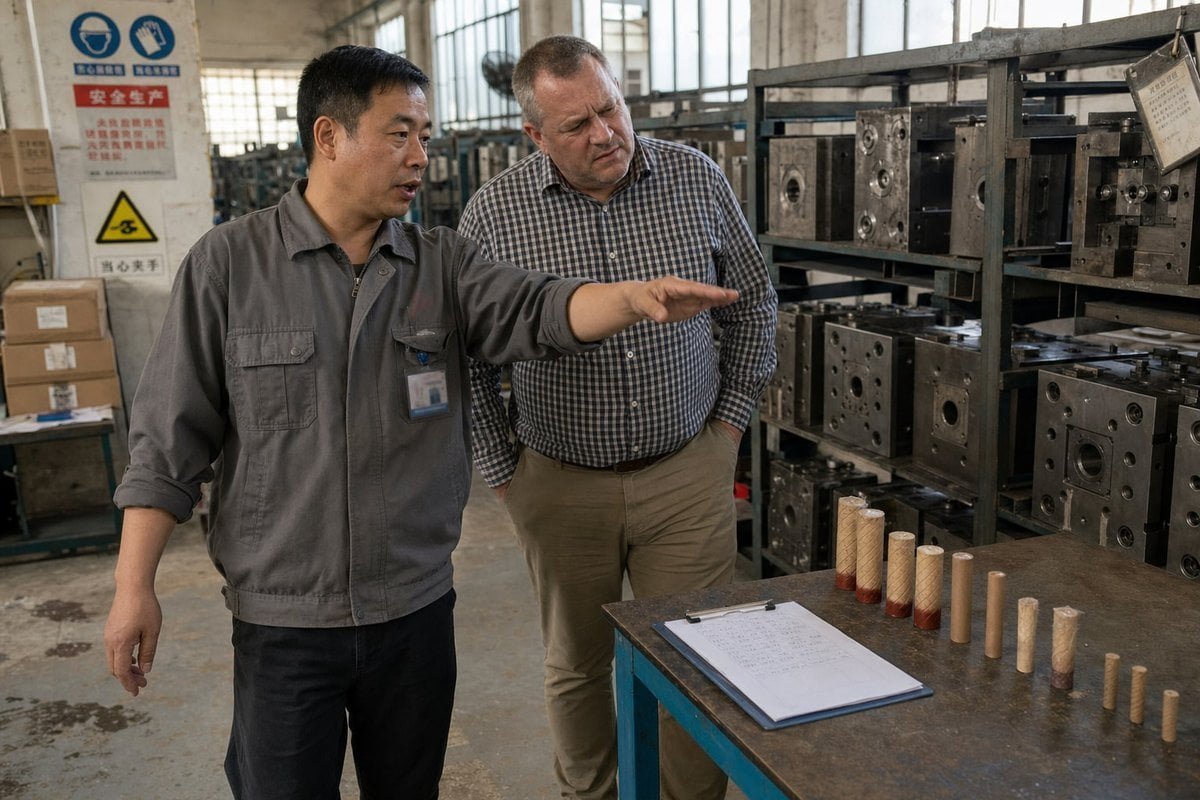
Les acheteurs nous interrogent constamment sur la capacité de développement de moules pour les allume-feux à bois. Verrouiller un seul fournisseur semble risqué. Choisir le mauvais signifie de l'argent perdu en outillage mort, des saisons manquées et des produits copiés.
La capacité de développement de moules d'un fournisseur vaut un partenariat exclusif pour les allume-feux à bois uniquement lorsque l'outillage personnalisé offre une réelle différenciation du produit, des volumes suffisants pour amortir les coûts et des conditions contractuelles vous accordant la propriété du moule, des spécifications de qualité et des droits de sortie clairs.
Cette réponse comporte trois conditions intégrées. Chacune mérite un examen approfondi avant que vous ne signiez quoi que ce soit. Laissez-moi vous les présenter comme je le ferais avec un acheteur visitant notre chaîne de production.
Que dois-je évaluer dans le processus de développement de moules d'un fournisseur avant de signer un accord exclusif ?
L'année dernière, un distributeur allemand a passé deux jours dans notre usine de Ningbo avant de discuter de l'exclusivité. Il a d'abord inspecté notre atelier d'outillage, pas notre salle d'exposition. Sage décision.
Évaluez cinq choses avant de signer : capacité de conception et de prototypage de moules en interne, vitesse d'itération de l'échantillon à la révision, enregistrements de contrôle qualité de l'outillage, données de cohérence lot après lot et conditions écrites couvrant la propriété, la maintenance et les droits de transfert du moule. Des réponses faibles sur n'importe quel point devraient arrêter la transaction.
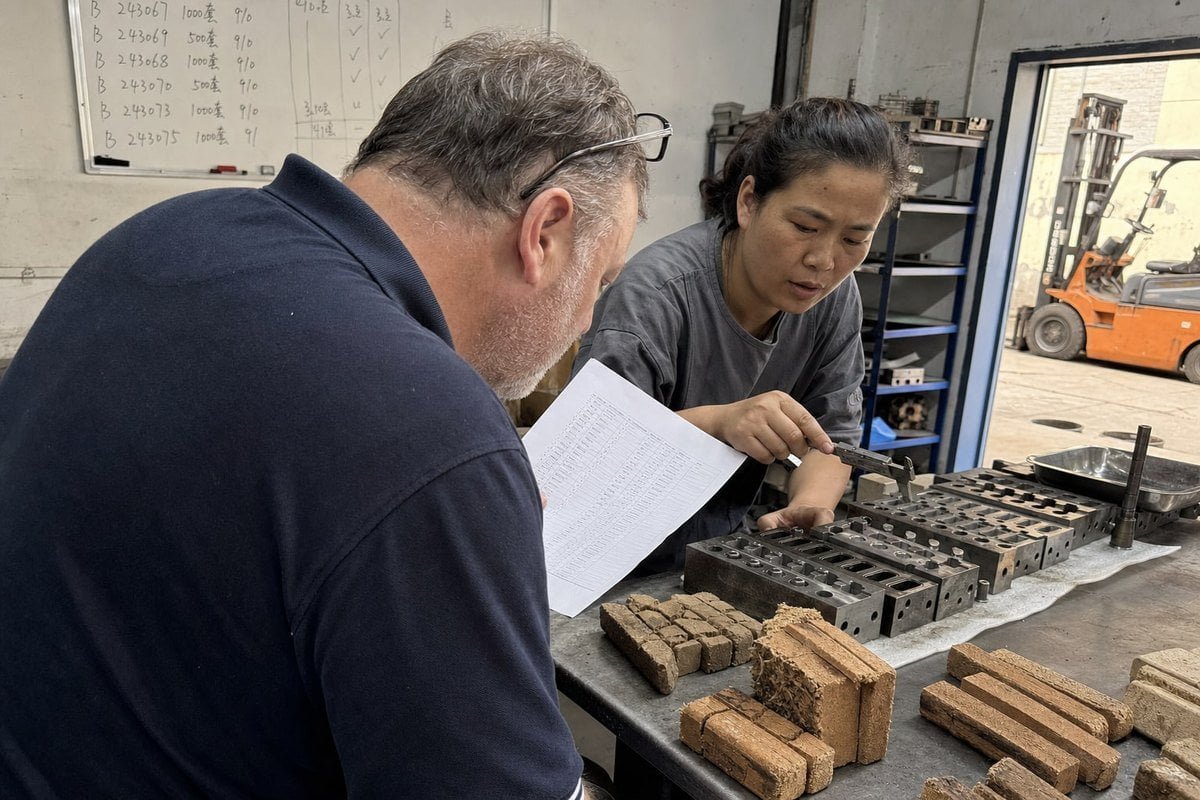
La capacité de développement de moules n'est pas la même chose que la capacité de production de base. De nombreuses usines peuvent utiliser un moule partagé conçu par quelqu'un d'autre. Beaucoup moins peuvent prendre votre concept de produit, concevoir l'outillage, le prototyper et l'affiner jusqu'à ce que les performances d'allumage et la géométrie soient verrouillées. Cet écart est exactement ce pour quoi vous payez dans un accord exclusif, alors vérifiez qu'il existe.
La différence entre la production et le développement réel
Un allume-feu à bois formé sous pression dépend fortement de son outillage. Le moule contrôle la densité, la forme et le rapport surface-volume qui dicte la vitesse d'allumage du démarreur et sa durée de combustion. Dans nos propres lignes de rouleaux de bois trempés dans la cire, nous avons appris très tôt qu'un moule mal taillé produit une densité incohérente. Une densité incohérente signifie qu'une pastille s'allume en dix secondes et la suivante prend une minute. Vos clients le remarquent.
Une liste de contrôle d'évaluation pratique
| Domaine de compétence | Ce qu'il faut demander | Signal d'alarme |
|---|---|---|
| Conception | En interne Fichiers CAO 1 et projets personnalisés passés | Tout sous-traité à une maison d'outillage tierce |
| Prototypage | Temps de cycle échantillon-révision en jours | Cycles mesurés en mois |
| Contrôle qualité | Enregistrements de tolérance dimensionnelle par lot | Aucune tolérance documentée |
| Certifications | ISO 9001 2, rapports BSCI, SGS ou Intertek | Affirmations verbales uniquement |
| Conditions de propriété | Clause écrite de transfert de moule | "Nous gardons l'outillage" sans exception |
Demandez des preuves, pas des promesses. D'après notre expérience d'exportation dans plus de 30 pays, les acheteurs qui auditer la capacité d'outillage avant de signer évitent presque tous les litiges dont nous entendons parler de la part des acheteurs qui ne l'ont pas fait. Un fournisseur doté d'une véritable profondeur de fabrication OEM accueillera l'audit. Un autre qui n'en a pas sera bloqué.
Comment les moules personnalisés pour les allume-feux à bois affectent-ils la qualité de mon produit et les délais de livraison ?
Un compromis que nous pesons à chaque fois que nous proposons un devis pour un outillage personnalisé : vitesse contre caractère distinctif. Un moule partagé expédie des échantillons en quelques jours. Un moule privé prend des semaines mais change ce que vous pouvez vendre.
Les moules personnalisés améliorent les performances d'allumage, la cohérence du temps de combustion et l'unicité de la forme, mais ajoutent environ 45 à 90 jours et 3 000 à 15 000 $ et plus à l'avance avant la première production. Les moules partagés sont lancés plus rapidement et moins cher, mais limitent la différenciation des produits et vous enferment dans des formes génériques que les concurrents vendent déjà.
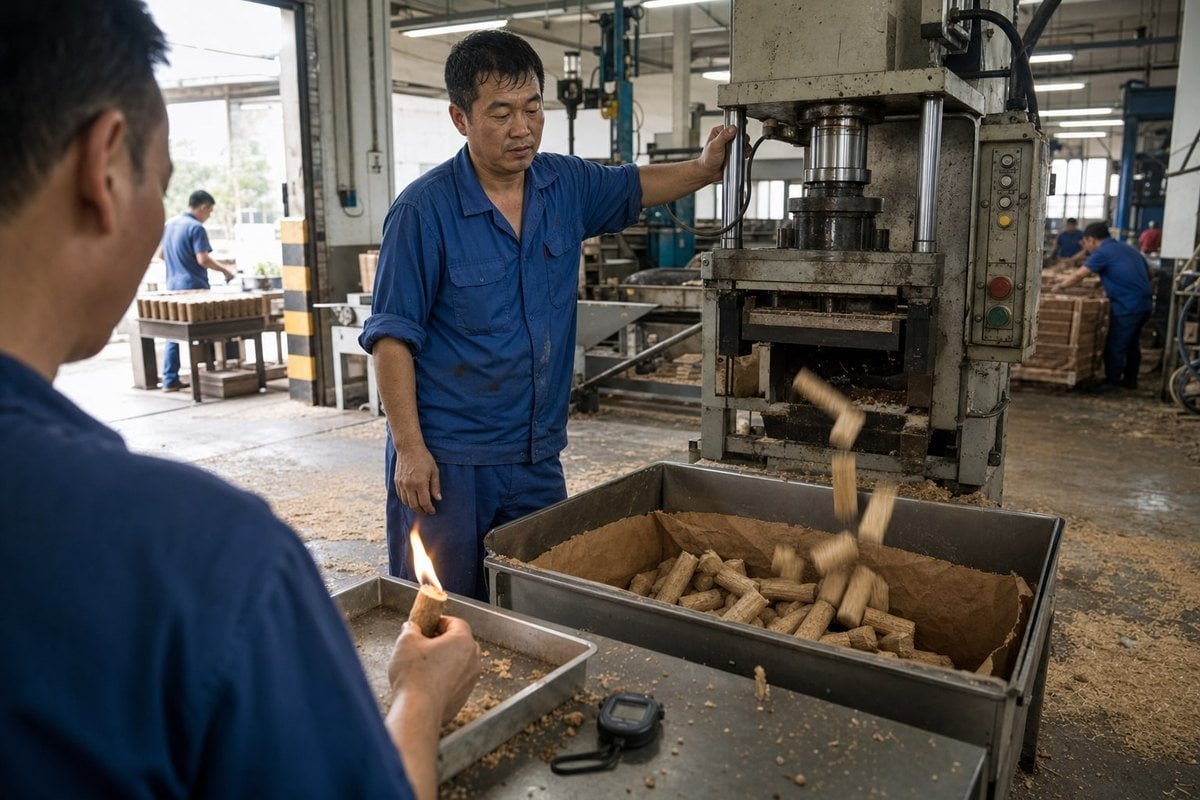
L'impact sur la qualité est la partie que la plupart des acheteurs sous-estiment. La géométrie du moule n'est pas cosmétique. C'est de l'ingénierie fonctionnelle. Lorsque notre équipe développe un outillage pour un rouleau de bois trempé dans la cire, nous pouvons ajuster la densité d'enroulement et la surface de fibre exposée pour régler la vitesse à laquelle le démarreur prend feu et la durée pendant laquelle il maintient une flamme. Une conception propriétaire peut même intégrer des canaux d'air, de sorte que le démarreur s'allume de manière fiable dans des conditions extérieures humides. Cela est important si votre marque vend dans les canaux de camping et de barbecue où un allumage raté signifie un produit retourné.
Effets sur la qualité que vous pouvez spécifier
L'outillage personnalisé vous permet de définir des objectifs au lieu d'accepter ce qu'un moule public produit. Les résultats typiques spécifiables comprennent :
- Temps d'allumage dans une plage définie, lot après lot.
- Durée de combustion adaptée à votre cas d'utilisation, de l'allumage du gril au démarrage du foyer.
- Dimensions cohérentes qui s'adaptent exactement à votre boîte de vente au détail et à votre emballage sous blister.
- Géométrie d'emboîtement ou d'empilage qui réduit le volume de l'emballage secondaire et les coûts d'expédition.
- Réduction des flashs et des déchets de matériaux, ce qui protège la marge dans une catégorie à faible marge.
Comparaison des délais de livraison
| Facteur | Moule partagé / public | Moule personnalisé / privé |
|---|---|---|
| Coût de l'outillage | Minimal ou inexistant | 3 000 $ – 15 000 $+ |
| Délai pour le premier échantillon | Jours à 2 semaines | 15–20 jours |
| Unicité du produit | Faible | Élevé |
| 20–35 jours | Rouleau standard | Standard, souvent avec des créneaux prioritaires |
| Emballage adapté | Compromis | Conçu selon les spécifications |
Un autre point sur les délais de livraison. La fenêtre de 45 à 90 jours ne vous affecte qu'une seule fois. Une fois l'outillage terminé, le réapprovisionnement s'effectue à vitesse de production normale. En fait, les partenaires exclusifs bénéficient souvent d'une planification prioritaire pendant la pointe hivernale, ce qui améliore la fiabilité de la chaîne d'approvisionnement 3 exactement quand les ruptures de stock font le plus mal. Planifiez la phase d'outillage pour le printemps, et vous protégez votre saison de pointe.
L'exclusivité vaut-elle le risque si mon fournisseur contrôle l'outillage du moule et les droits de conception ?
Un acheteur britannique m'a dit un jour que son fournisseur précédent avait refusé de lui rendre un moule qu'il avait partiellement financé. Il a perdu une saison entière à reconstruire l'outillage ailleurs. Cette conversation a façonné la manière dont nous rédigeons nos propres accords.
L'exclusivité est risquée lorsque le fournisseur contrôle l'outillage. Si le moule définit votre produit et que vous ne pouvez pas le déplacer, vous perdez votre pouvoir de négociation et vos options de sortie. L'exclusivité n'a de sens que si vous possédez le moule ou si vous détenez des droits de transfert contractuels.
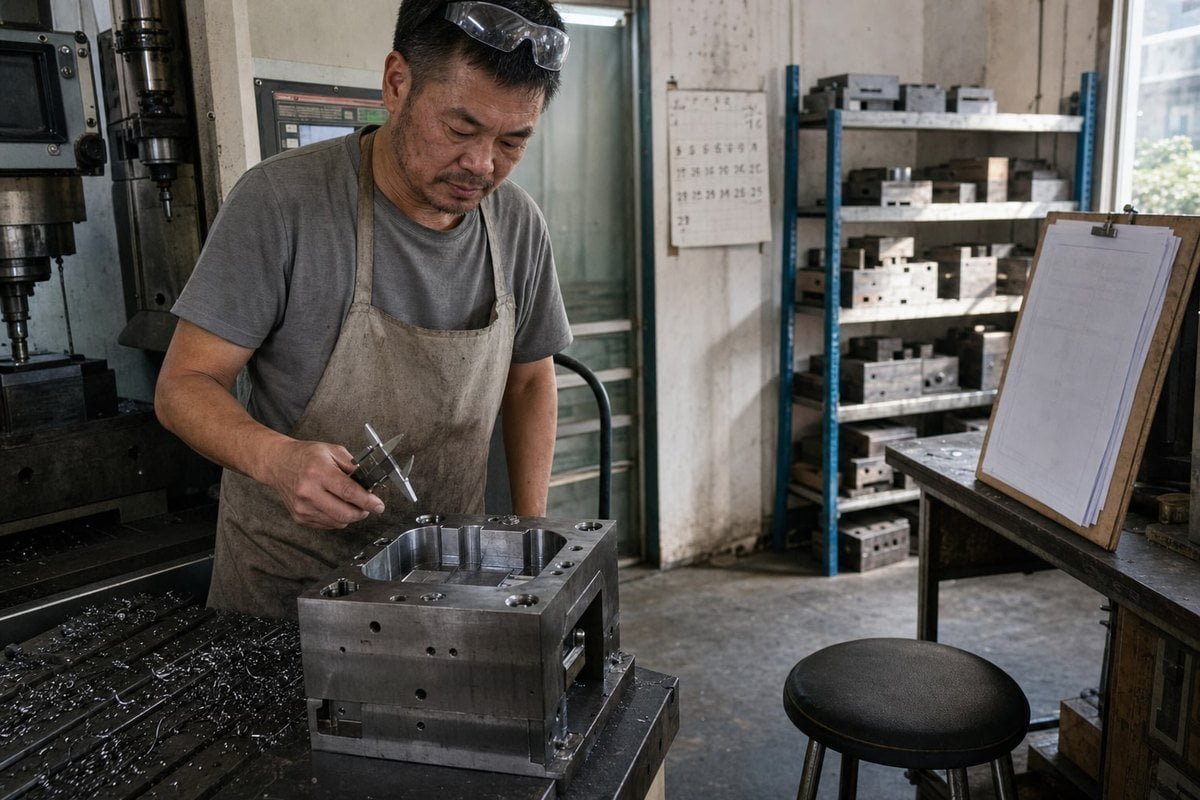
Soyons honnêtes sur les deux aspects, car l'argument de la marchandise contre l'exclusivité est réel. Si votre produit est un allume-feu basique en concurrence purement sur le prix par le biais de la distribution en gros, l'innovation des moules peut ne pas suffire à modifier le choix du consommateur pour justifier un engagement. De nombreuses fabrication sous marque de distributeur 4 relations restent simples pour de bonnes raisons : l'acheteur fournit un logo, l'usine utilise un moule partagé, et chacun conserve sa flexibilité.
Quand l'exclusivité crée un avantage technique
Le calcul s'inverse lorsque le moule crée quelque chose que les concurrents ne peuvent pas copier facilement. Un facteur de forme reconnaissable, une structure hybride avec un noyau à allumage rapide et une enveloppe à combustion longue, ou une forme conçue pour un emballage cadeau haut de gamme — cela transforme l'outillage en un atout. L'accès exclusif à cette propriété intellectuelle du moule devient une barrière défendable. Sur un marché des allume-feux en croissance d'environ 6,81 % par an en raison de la demande de loisirs de plein air 5, un produit défendable prend de la valeur chaque saison.
Quand l'exclusivité devient un passif
Pesez honnêtement ces risques :
- Dépendance. La capacité d'un fournisseur limite votre évolutivité de production.
- Risque de stock saisonnier. Surestimez la demande hivernale et vous vous retrouvez avec des stocks dormants et une dette d'outillage.
- Érosion de l'influence. Les clauses d'exclusivité peuvent affaiblir votre position tarifaire au fil du temps.
- Friction à la sortie. Si le fournisseur possède le moule, changer signifie reconstruire à partir de zéro.
Notre position chez Sunrich a toujours été que l'exclusivité doit être gagnée chaque année, pas accordée à jamais. Un fournisseur confiant dans sa profondeur de fabrication et son dossier de conformité — le nôtre comprend les rapports de tests ISO 9001, BSCI, CE et de tiers amfori BSCI 6 — n'a pas besoin de piéger les acheteurs en retenant l'outillage en otage. Si un partenaire nous demande d'inclure des droits de transfert de moule dans l'accord, nous considérons cela comme le signe d'un acheteur sérieux et à long terme, pas comme une menace.
Quelles clauses contractuelles protègent mon entreprise lorsque j'investis dans la capacité de développement de moules d'un fournisseur ?
La rédaction de contrats nous a appris plus que n'importe quel salon professionnel. Au début de notre histoire d'exportation, des clauses d'outillage vagues ont causé des frictions que un langage clair aurait évitées en un paragraphe.
Protégez-vous avec des clauses couvrant la propriété et les droits de transfert du moule, les quantités minimales de commande liées à l'exclusivité, les tolérances de qualité définies avec des recours en cas de défaillance, la responsabilité de la maintenance de l'outillage, la confidentialité de la conception, les limites territoriales et les déclencheurs de performance qui mettent fin à l'exclusivité si le fournisseur ne remplit pas ses obligations.
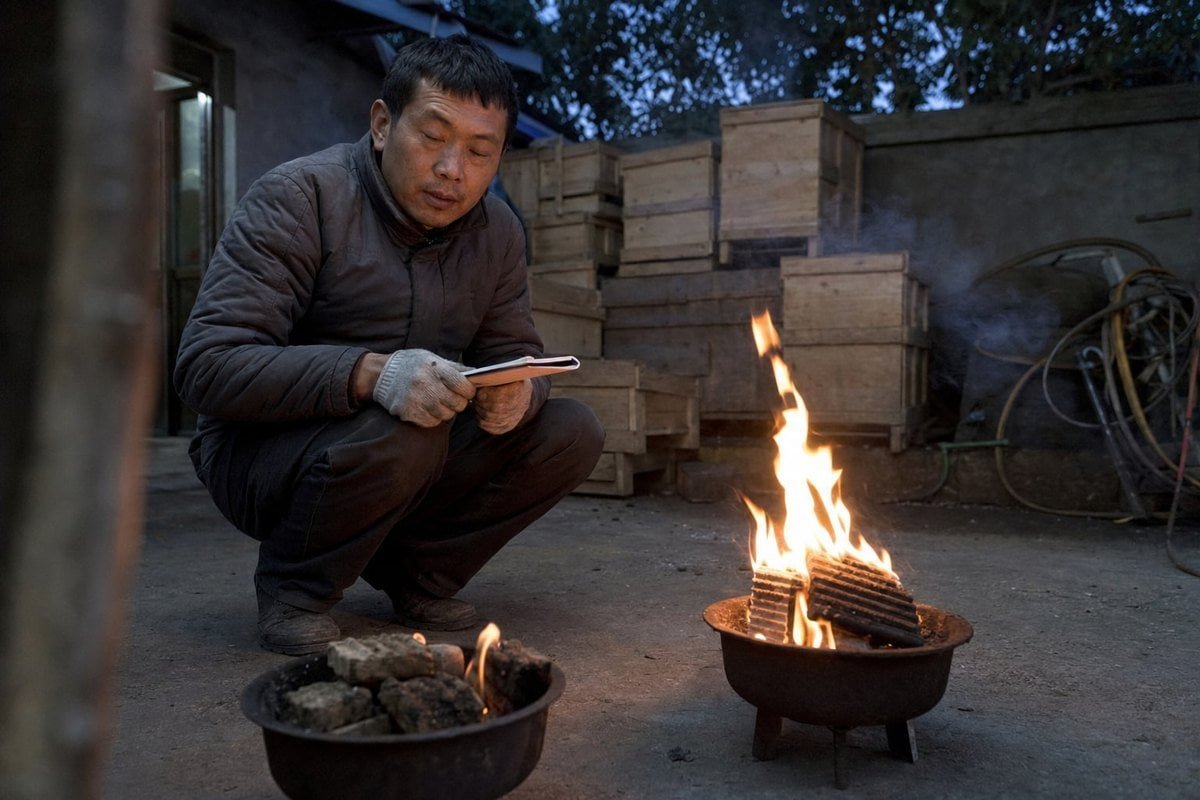
Pensez comme un acheteur d'outillage, pas seulement comme un acheteur de produits. Le moule est un actif en capital. Votre contrat doit le traiter comme tel, avec la même clarté que vous exigeriez lors de l'achat de machines. Ci-dessous se trouve le cadre que nous recommandons aux distributeurs et importateurs qui négocient des outillages personnalisés pour les allume-feux en bois.
Les sept clauses les plus importantes
| Clause | Ce qu'il devrait dire | Pourquoi il vous protège |
|---|---|---|
| Propriété du moule | L'acheteur possède le moule après récupération des coûts ou paiement anticipé | Empêche les situations d'otage d'outillage |
| Droits de transfert | L'acheteur peut déplacer le moule vers une autre usine avec préavis | Préserve votre option de sortie |
| Lien avec le MOQ | Exclusivité conditionnelle à des volumes annuels définis | Maintient les obligations mutuelles, pas unilatérales |
| Tolérances de qualité | Spécifications de performance dimensionnelle et d'allumage avec recours | Transforme la qualité d'une promesse en obligation |
| Entretien | Le fournisseur maintient l'outillage ; les conditions de remplacement de l'usure sont définies | Évite les factures de remise en état surprises |
| Confidentialité | La conception et les dessins du moule sont limités à votre compte | Protège la conception propriétaire contre les fuites chez les concurrents |
| Déclencheurs de performance | L'exclusivité prend fin si les délais de livraison ou les taux de défaut dépassent les limites | Restaure le levier si le service se dégrade |
Le test de décision en trois parties
Avant de signer, appliquez ce test simple. Premièrement, la conception du moule affecte-t-elle réellement le choix du consommateur pour votre produit ? Deuxièmement, votre volume attendu est-il suffisant pour récupérer les coûts d'outillage dans un délai raisonnable ? Troisièmement, pouvez-vous obtenir la propriété, les spécifications et les droits de sortie sur papier ? Trois réponses oui justifient l'exclusivité. Toute réponse non indique plutôt un outillage partagé ou une production en marque blanche non exclusive.
Une dernière note de notre part. La conformité doit également figurer dans le contrat. Exigez les certifications actuelles et les rapports de test comme condition de l'accord. Les acheteurs qui desservent les canaux de vente au détail américains et européens ne peuvent pas se permettre un fournisseur dont la documentation expire en cours de contrat, et approvisionnement durable 7 les allégations sur votre emballage doivent être étayées par de la documentation. Nous avons bâti notre entreprise sur cette norme car nos acheteurs l'exigent, et la vôtre devrait en faire autant.


 English
  Spanish
  German
  French
  Arabic
  Portuguese
Rejoignez la conversation