






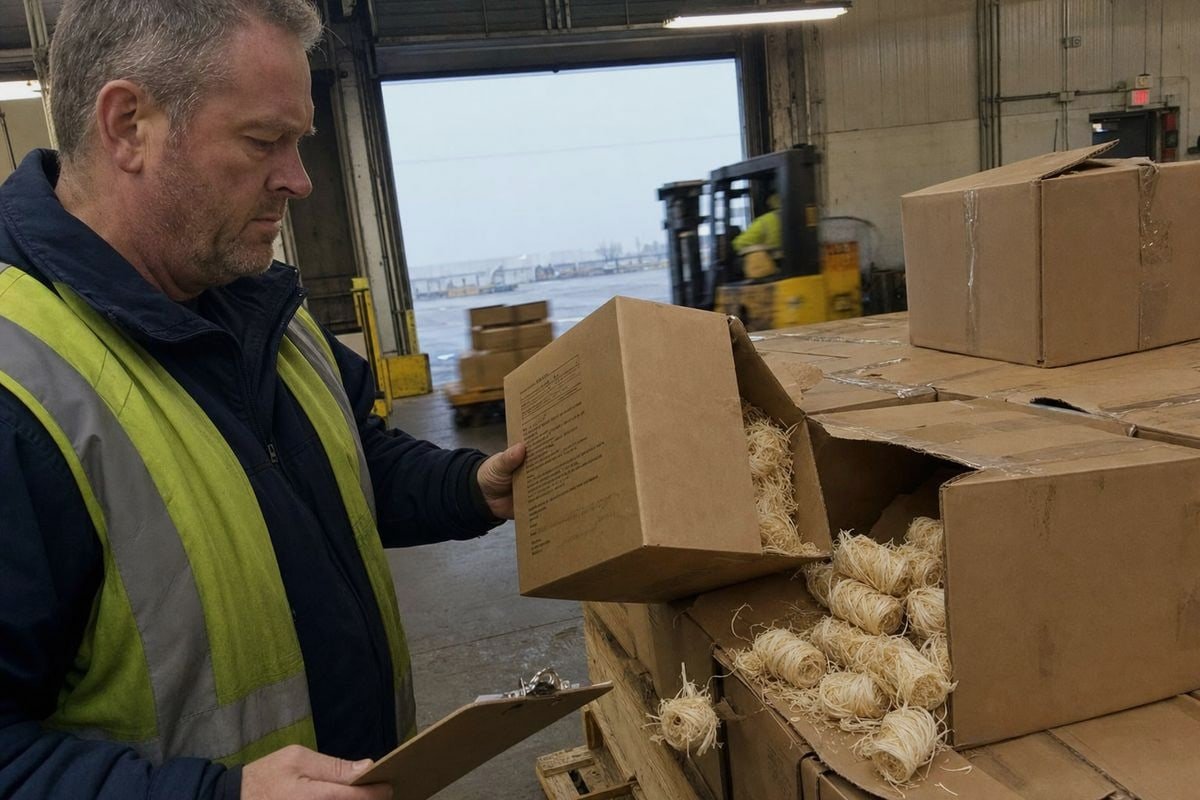
Os rótulos bilíngues canadenses de aviso interromperam um de nossos primeiros carregamentos de acendedores de fogo na alfândega anos atrás Regulamentos de Embalagem e Rotulagem do Consumidor 1. Embalagens apenas em inglês significaram reembalagem cara, atrasos e um distribuidor muito infeliz em Toronto.
Rótulos de aviso bilíngues canadenses em embalagens de iniciadores de fogo para madeira devem apresentar todas as informações obrigatórias — identidade do produto, quantidade líquida e avisos de perigo — em inglês e francês com igual destaque. Apenas o nome e endereço do revendedor podem aparecer em um idioma. Quebec exige que o francês seja pelo menos tão proeminente.
Fazer isso corretamente não é apenas um trabalho de tradução. É um sistema de design e conformidade. Deixe-me guiá-lo por como lidamos com isso para nossos compradores canadenses.
Como posso cumprir os requisitos de rotulagem bilíngue do Canadá para acendedores de fogo a lenha?
Quando redesenhamos nossa embalagem de rolo de madeira mergulhada em cera para um distribuidor canadense de lareiras, a arte passou por três revisões antes que cada elemento obrigatório estivesse correto em ambos os idiomas oficiais.
Para atender aos requisitos de rotulagem bilíngue do Canadá, coloque o nome comum do produto, a quantidade líquida em unidades métricas e todos os avisos obrigatórios em inglês e francês no rótulo. O nome e endereço do revendedor podem permanecer em qualquer um dos idiomas, de acordo com os Regulamentos de Embalagem e Rotulagem do Consumidor.
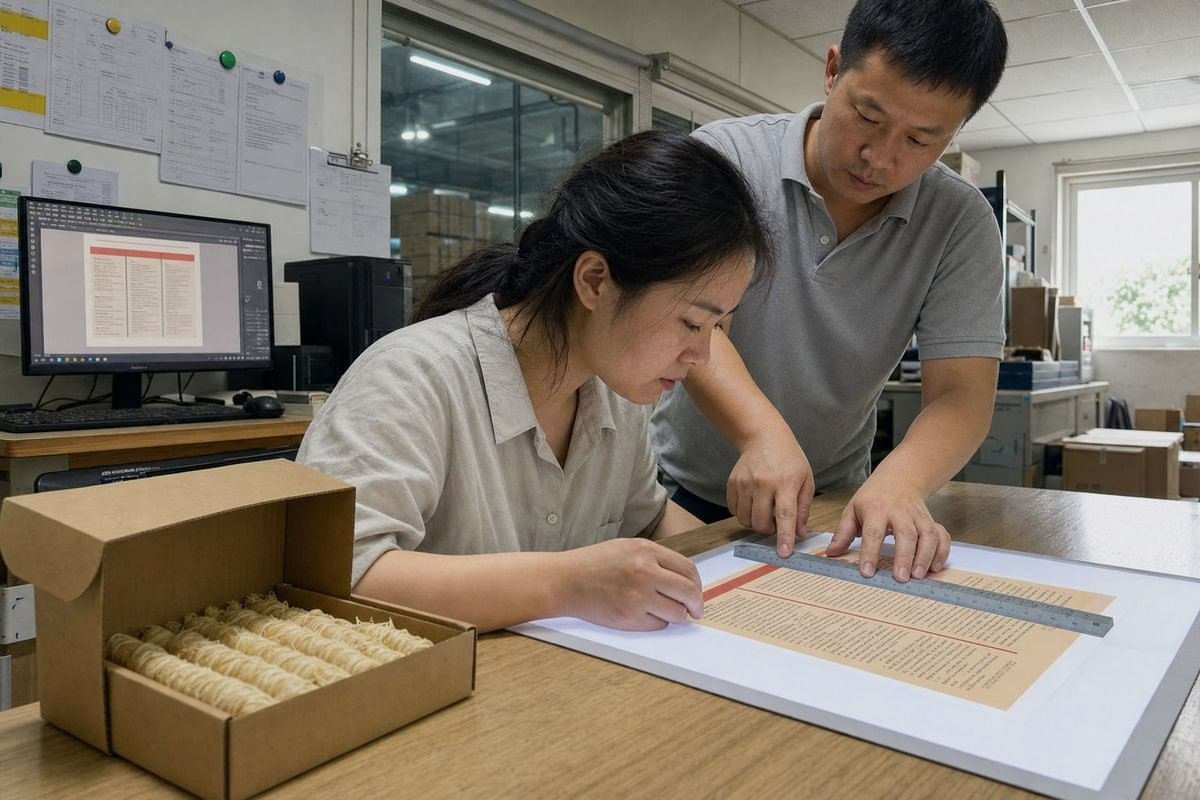
A Lei de Embalagem e Rotulagem do Consumidor do Canadá estabelece a base para qualquer produto pré-embalado para o consumidor, e os acendedores de fogo de madeira se enquadram perfeitamente nela. O Bureau da Concorrência 2 aplica essa estrutura. Sua orientação sobre lenha pré-embalada confirma que a regra bilíngue se aplica a produtos de fogo vendidos no varejo. Portanto, seu ponto de partida é simples: identifique todos os elementos de rótulo obrigatórios, em seguida, apresente cada um em inglês e francês.
Quais elementos devem ser bilíngues e quais podem permanecer unilíngues?
É assim que dividimos para cada pedido canadense que passa por nossa linha de produção em Ningbo:
| Elemento do Rótulo | Bilíngue Obrigatório? | Notas |
|---|---|---|
| Nome comum do produto (por exemplo, "Fire Starters / Allume-feu") | Sim | Deve aparecer no painel de exibição principal |
| Quantidade líquida | Sim | Unidades métricas necessárias (peças, gramas) |
| Avisos e cuidados obrigatórios | Sim | Tradução completa, não parcial |
| Instruções de uso (se obrigatório) | Sim | Bilíngue fortemente recomendado mesmo quando opcional |
| Nome e endereço do revendedor | Não | Pode estar em inglês ou francês |
| Slogans de marketing e texto promocional | Não | Conteúdo opcional, embora o bilíngue seja incentivado |
A nuance que a maioria dos importadores perde é a diferença entre conteúdo obrigatório e opcional. As regras federais de embalagem exigem que "todas" as informações obrigatórias sejam bilíngues. O texto promocional opcional — como um slogan — pode legalmente permanecer em um idioma. Mas, na prática, aconselhamos nossos compradores a traduzir tudo. Não custa nada extra na fase de impressão e remove qualquer argumento na fronteira ou na mesa de conformidade de um varejista.
A composição também é importante. Nossos acendedores de fogo de madeira são 100% de madeira natural mergulhada em cera, sem aceleradores químicos. Isso os mantém sob a estrutura padrão de embalagem do consumidor. Um acendedor de fogo contendo combustíveis líquidos ou aceleradores químicos pode acionar camadas adicionais de rotulagem de produtos perigosos, com pictogramas e palavras de sinalização seguindo as convenções de rotulagem do fornecedor. Confirme sua formulação exata antes de finalizar qualquer arte.
Que conteúdo de rótulo de aviso e certificações os varejistas canadenses esperam de mim?
Um gerente de compras de uma rede canadense de churrasco nos enviou uma lista de verificação de auditoria de rótulos de duas páginas antes mesmo de discutirmos preços. Essa lista de verificação nos ensinou exatamente o que as equipes de conformidade de varejo procuram.
Os varejistas canadenses esperam avisos de perigo bilíngues, como "Flammable / Inflammable" e "Keep away from children / Garder hors de la portée des enfants", declarações de segurança agrupadas, orientações de primeiros socorros, além de certificações de fornecedores como ISO 9001, BSCI e relatórios de teste de terceiros da SGS ou Intertek.

Os compradores de varejo tratam rótulos e certificados como um pacote. Se um deles for fraco, a ordem de compra para. Em nossos mais de dezessete anos exportando mercadorias para iniciar fogo para o Canadá e outros trinta mercados, aprendemos que um rótulo forte responde a perguntas de segurança antes que alguém as faça.
O conteúdo de aviso que um rótulo conservador de acendedor de fogo deve carregar
Um rótulo de acendedor de fogo bilíngue bem construído agrupa sua comunicação de segurança para que um consumidor possa encontrá-la em um único olhar. Recomendamos o seguinte conjunto principal:
| Elemento de Advertência | Inglês | Francês |
|---|---|---|
| Declaração de inflamabilidade | Inflamável | Inflamável |
| Segurança infantil | Mantenha longe das crianças | Manter fora do alcance das crianças |
| Cuidado de uso | Use apenas em lareiras, fogueiras ou grelhas | Usar apenas em lareiras, churrasqueiras ou grelhas |
| Aviso de supervisão | Nunca deixe o fogo sem vigilância | Nunca deixar um fogo sem vigilância |
| Instrução de armazenamento | Armazene em local fresco e seco | Conservar em local fresco e seco |
Mantenha a palavra de sinalização, qualquer pictograma e a declaração de perigo agrupados. Espalhar avisos por três painéis enfraquece tanto a conformidade quanto a legibilidade. O alto contraste também é importante — texto de aviso branco ou laranja em nossas caixas de varejo pretas testa muito melhor a legibilidade do que os designs cinza sobre preto que algumas marcas solicitam.
Certificações que respaldam o rótulo
O rótulo informa ao consumidor que o produto é seguro. Os certificados informam ao varejista que você pode provar isso. Nossos compradores rotineiramente solicitam documentação do sistema de qualidade ISO 9001, auditorias de conformidade social BSCI e SGS ou Intertek 4 relatórios de teste para a formulação específica do produto. Mantemos estes atualizados porque as equipes de sourcing de varejo canadenses e europeias os tratam como um requisito rigoroso, não como algo bom de se ter. Quando seu fornecedor puder entregar relatórios de teste que correspondam à composição exata de cera e fibra de madeira impresso na caixa — como a declaração de fibra de madeira 50%, parafina 50% em uma caixa de varejo típica — a conversa sobre conformidade fica muito curta.
O meu fornecedor consegue tratar internamente da embalagem bilingue personalizada e da impressão de rótulos?
O equilíbrio que pesamos em cada projeto de marca própria é velocidade versus verificação. Imprimir arte bilíngue rapidamente é fácil; imprimi-la corretamente, com francês verificado e proeminência correta, requer um processo disciplinado.
Um fornecedor capaz deve gerenciar embalagens bilíngues de ponta a ponta: tradução profissional para francês, layout de arte com formatação de igual destaque, impressão personalizada de caixas e displays, colocação de código de barras e provas de conformidade pré-impressão. Confirme se eles fornecem amostras físicas de impressão antes que a produção em massa comece.
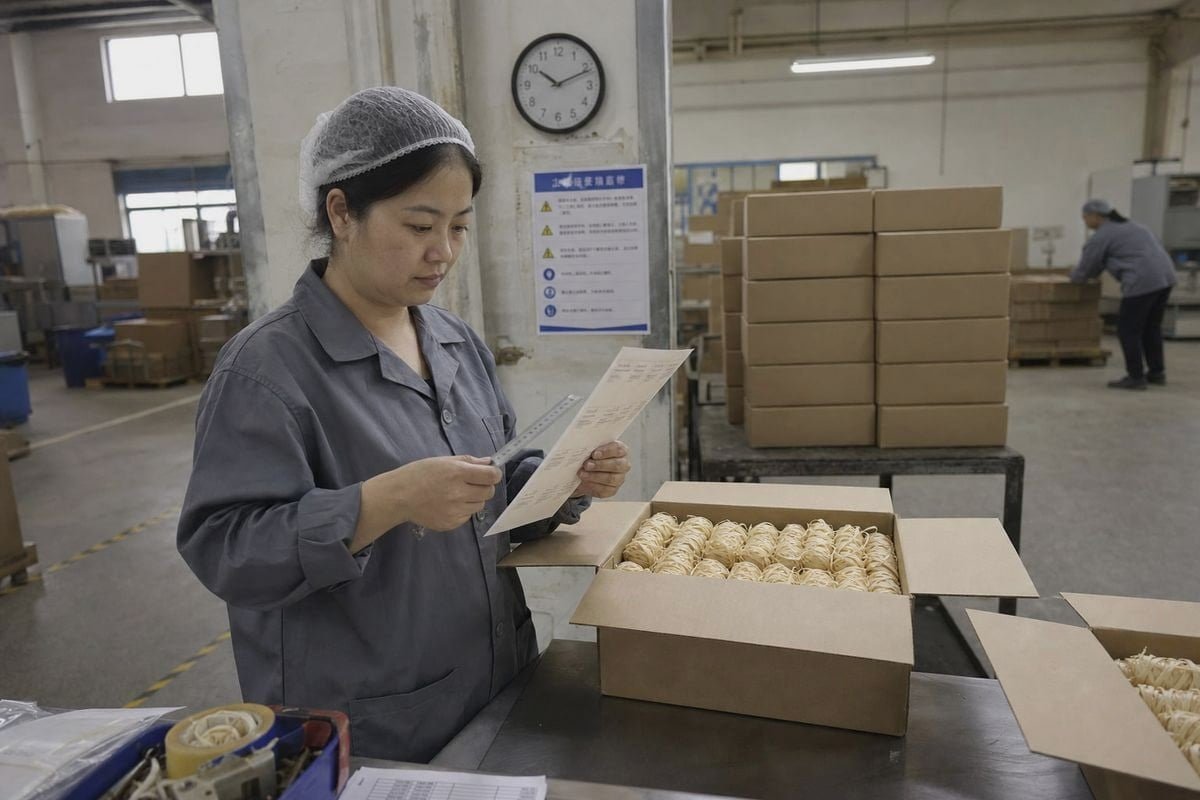
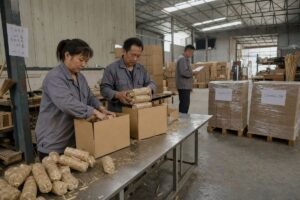
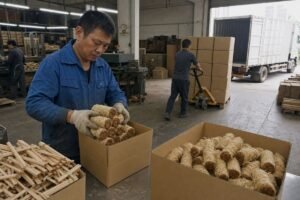
Nem toda fábrica pode realmente entregar isso. Muitas empresas comerciais terceirizam a impressão e nunca veem a arte até que as caixas cheguem. Em nossas instalações, a embalagem faz parte da própria linha de produção. Isso significa que o mesmo controle de qualidade lote a lote aplicado ao tempo de queima e ao revestimento de cera também se aplica à cor da impressão, legibilidade do texto e adesão do rótulo. A primeira amostra que você aprova é a mesma caixa que é enviada na produção em massa.
Como é a verdadeira embalagem bilíngue completa
Aqui está o fluxo de trabalho que executamos para pedidos canadenses de marca própria:
- Confirmação de conteúdo. Listamos todos os elementos obrigatórios para a classificação do seu produto — identidade, quantidade líquida, avisos, detalhes do revendedor.
- Tradução profissional. O texto em francês é traduzido e revisado, nunca traduzido por máquina e esquecido. A terminologia de segurança contra incêndio tem que ser exata.
- Design de layout. Inglês e francês são colocados lado a lado ou empilhados, com tamanho e peso de fonte iguais. Nada é escondido em uma aba inferior.
- Revisão de prova digital. Você e seu revisor de conformidade assinam a arte em relação à lista de verificação legal.
- Amostra de impressão física. Enviamos uma caixa impressa real, não apenas um PDF, para que você possa verificar o contraste, a durabilidade e o acabamento.
- Produção em massa com pontos de verificação de CQ. A qualidade da impressão é inspecionada em intervalos definidos durante a execução.
Faça três perguntas diretas ao seu fornecedor: Você imprime internamente ou terceiriza? Quem verifica a tradução para o francês? Receberei uma amostra física pré-produção? Se alguma resposta for vaga, reserve orçamento para problemas. Tamanhos personalizados, tempos de queima, códigos de barras e embalagens prontas para exibição devem vir de um único parceiro responsável — porque quando o rótulo e o produto vêm de mãos diferentes, as lacunas de conformidade se escondem nas emendas.
Como posso evitar atrasos de conformidade ou problemas alfandegários ao importar para o Canadá?
Uma lição que aprendemos cedo: consertar rótulos após a importação custa cerca de dez vezes mais do que consertá-los antes da impressão. Um trabalho de retiquetagem em um armazém alfandegado convenceu toda a nossa equipe a incorporar a conformidade na arte desde o primeiro dia.
Evite atrasos finalizando embalagens bilíngues e em conformidade na fase de fabricação, verificando a proeminência do francês para Quebec, mantendo relatórios de teste e registros de tradução arquivados e auditando provas de impressão finais em relação à classificação regulatória do seu produto antes do envio das mercadorias.
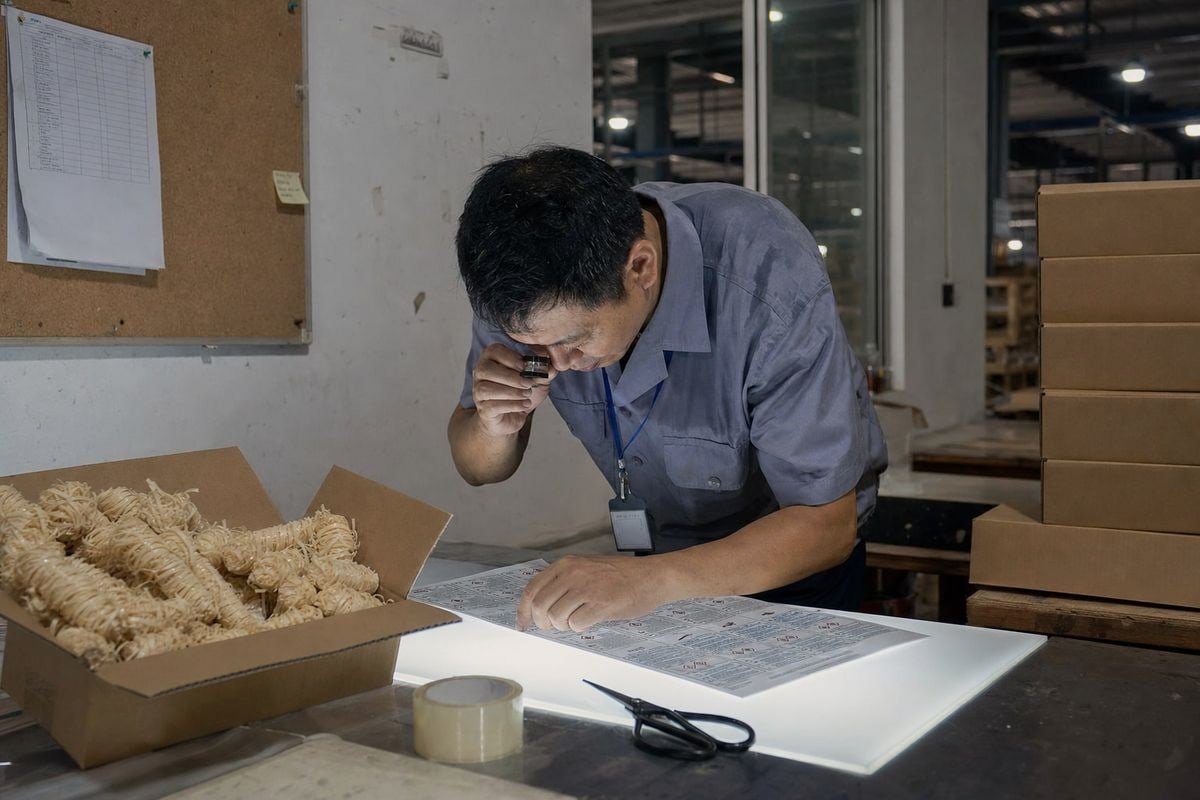
As falhas de conformidade mais caras acontecem depois que o contêiner sai do porto. Correções de adesivos pós-importação são lentas, feias nas prateleiras e, muitas vezes, rejeitadas por grandes varejistas de qualquer maneira. Embalagens bilíngues preventivas na fábrica são agora a direção clara da indústria, e é isso que incorporamos em todos os pedidos canadenses.
Armadilhas comuns e como fechá-las
| Armadilha de Conformidade | Consequência | Prevenção |
|---|---|---|
| Nome do produto traduzido, mas uma declaração de cautela perdida | Retenção na fronteira ou rejeição pelo varejista | Lista completa de elementos obrigatórios antes da aprovação da arte |
| Texto em francês presente, mas minúsculo ou de baixo contraste | Tecnicamente presente, praticamente não em conformidade | Corresponder ao tamanho e peso da fonte francesa ao inglês |
| Assumindo que Quebec só precisa de francês "igual" | Não conformidade provincial sob a Carta da Língua Francesa 5 | Projetar layouts com foco no francês onde as vendas de Quebec se aplicam |
| Listagens de e-commerce apenas em inglês em Amazon.ca 6 | Indicadores de conformidade da plataforma | Prepare descrições de produtos bilíngues separadamente da embalagem |
| Nenhuma documentação de revisão de tradução | Resolução lenta de disputas se contestada | Reter registros de aprovação de tradução e conformidade |
Trate Quebec como seu próprio briefing de design
Quebec merece atenção especial. As regras federais exigem igual proeminência; o regime linguístico de Quebec, fortalecido sob Lei 96 7, avança em direção a um francês marcadamente predominante em produtos comercializados na província. Se o seu distribuidor vende para Quebec, não trate o francês como uma tradução espelhada. Considere a colocação em primeiro lugar em francês no painel principal de exibição. Ajustamos layouts para vários compradores europeus e canadenses precisamente por esse motivo, e isso nunca atrasou um envio — pelo contrário, na verdade.
Execute uma auditoria final de rótulos antes da tiragem
Antes de que cualquier pedido canadiense salga a imprenta, ejecute esta lista de verificación: ¿La identidad del producto es bilingüe? ¿Todas las advertencias obligatorias están completamente traducidas? ¿Los elementos de peligro están agrupados y son legibles? ¿La cantidad neta está en unidades métricas? ¿El nombre y la dirección del distribuidor están presentes? ¿El francés es al menos tan prominente como el inglés, y más prominente donde se aplica Quebec? ¿La obra de arte coincide con la clasificación exacta del producto y los informes de prueba? Diez minutos en esta lista ahorran semanas en la frontera.
Conclusão
Las etiquetas no conformes le cuestan envíos, listados en tiendas y confianza. El etiquetado bilingüe es diseño regulatorio, no traducción. Planifíquelo en la etapa de fábrica, con un socio certificado que imprima el cumplimiento.
Notas de rodapé
El texto oficial de la regulación apoya la afirmación del requisito de etiquetado bilingüe. ↩︎
Autoridad oficial de aplicación del marco de empaque y etiquetado de Canadá mencionado en el artículo. ↩︎
Regulación federal principal que rige los requisitos de etiquetado bilingüe referenciados en todo el artículo. ↩︎
Enlaces a una autoridad de prueba reconocida por terceros mencionada para la credibilidad de la certificación. ↩︎
Antecedentes de la ley de idiomas de Quebec que exige el etiquetado predominante en francés. ↩︎
Plataforma de comercio electrónico referenciada donde se aplica el cumplimiento de la lista de productos bilingües. ↩︎
Explica la enmienda legislativa que fortalece los requisitos de etiquetado en francés de Quebec. ↩︎

 English
  Spanish
  German
  French
  Arabic
  Portuguese
Participe da conversa