






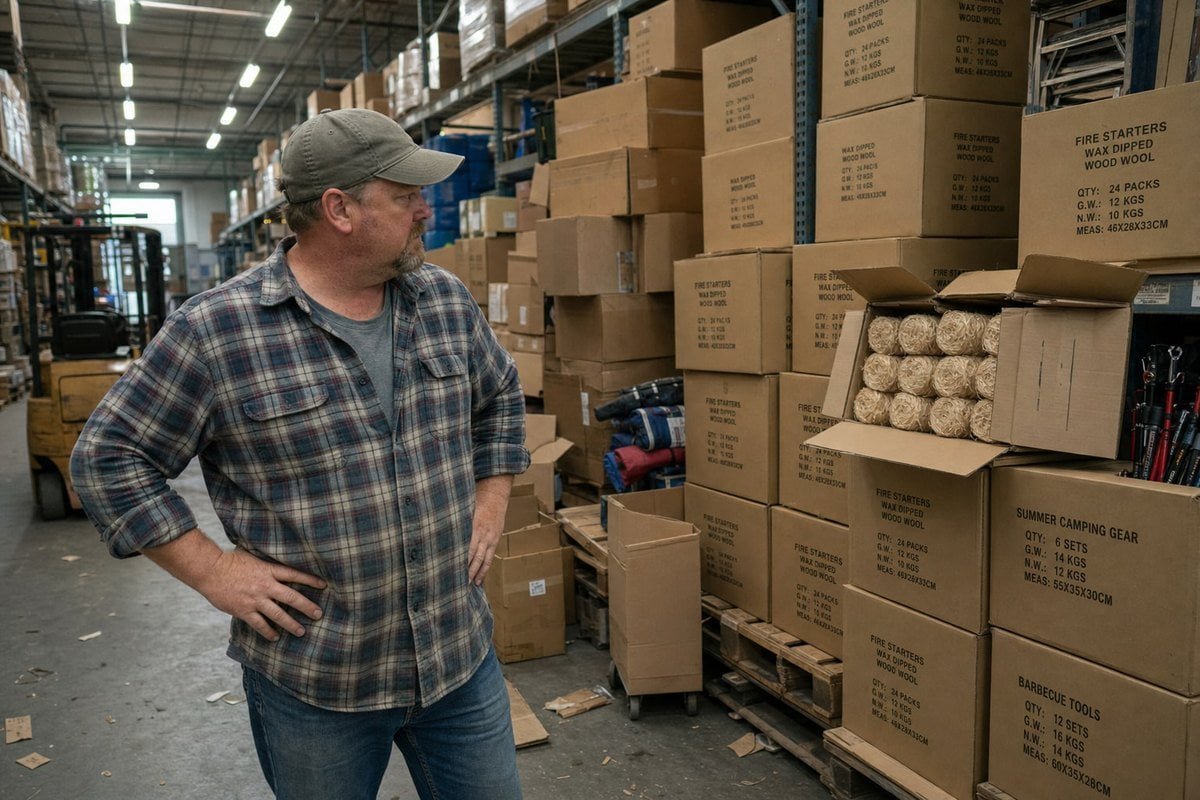
Toda primavera, os compradores dizem a mesma coisa à nossa fábrica: o estoque de acendedores de lenha está ocupando o espaço de suas prateleiras. O dinheiro fica congelado em estoque lento. As prateleiras principais ficam entupidas. Enquanto isso, os vendedores de verão mais rápidos são espremidos, as margens encolhem e os fundos transbordam. A solução é um plano deliberado de redução fora de temporada — e após mais de 17 anos fornecendo produtos para iniciar fogo para mais de 30 países, ajudamos muitos parceiros a construir exatamente isso.
Para reduzir o estoque de acendedores de lenha fora de temporada, realize vendas escalonadas de liquidação, agrupe itens de baixa rotatividade com os mais vendidos, mova o estoque de fundo para armazenamento vertical, negocie entregas menores e escalonadas com seu fabricante e reavalie a demanda usando 12 a 24 meses de histórico de vendas antes de reordenar.
Deixe-me guiá-lo por cada alavanca em detalhes. Cobriremos armazenamento, negociação de MOQ, previsão de demanda e pacotes de marca própria. Cada seção oferece etapas que você pode executar este mês.
Que Opções de Armazenamento Fora de Temporada Me Ajudam a Proteger Estoque Não Vendido de Acendedores de Lenha?
Um distribuidor na Alemanha uma vez me mostrou um palete de rolos revestidos de cera que haviam se fundido em um armazém quente. Nossa equipe de produção aprendeu muito diagnosticando esse dano.
Armazene acendedores de lenha não vendidos em local fresco e seco abaixo de 30°C, fora do chão, em caixas originais seladas. Use prateleiras verticais no fundo para liberar espaço nas prateleiras de vendas, gire o estoque em ordem de entrada e saída e mantenha produtos à base de cera longe da luz solar direta e de fontes de calor.

Produtos de cera e fibra de madeira são duráveis, mas não indestrutíveis. Em nossa fábrica de produção em Ningbo, controlamos a umidade e a temperatura em todas as etapas, pois a parafina amolece com o calor e a lã de madeira absorve umidade. Sua sala de armazenamento deve seguir a mesma lógica. Um bom armazenamento é a forma mais barata de gerenciamento de estoque morto 1. Custa muito menos do que reduções de preço.
Combine o Método de Armazenamento com o Tipo de Produto
Diferentes formatos de acendedores têm riscos diferentes. Veja como aconselhamos os compradores a lidar com cada um.
| Tipo de Produto | Risco Principal Fora de Temporada | Melhor Abordagem de Armazenamento |
|---|---|---|
| Rolos de madeira mergulhados em cera | Amaciamento e fusão da cera | Sala fria, caixas deitadas, nunca empilhadas acima de 5 |
| Acendedores de lã de madeira | Absorção de umidade | Caixas seladas com dessecante, fora de pisos de concreto |
| Discos de fibra comprimida | Danos por esmagamento da embalagem | Caixas mestras originais em prateleiras, não em caixas soltas |
| Pacotes de chama colorida | Desbotamento da impressão, danos à embalagem | Prateleiras escuras longe da luz solar |
Mova o Estoque de Fundo Para Fora da Área de Vendas
A otimização do espaço da prateleira começa com uma regra simples: a área de vendas é para vender, não para armazenar. Mantenha apenas quantidades de exibição na frente. Mova todo o resto para prateleiras verticais no fundo. O armazenamento vertical reduz drasticamente a pegada do piso, e etiquetas de zona clara ajudam a equipe a girar o estoque e identificar caixas antigas precocemente.
Proteja a Embalagem, Não Apenas o Produto
Em nossa experiência enviando para os EUA e Europa, a maioria das perdas fora de temporada vem do desgaste da embalagem, não da falha do produto. Uma caixa de varejo amassada é invendável pelo preço total, mesmo que o acendedor interno funcione perfeitamente. Portanto, manuseie as caixas com cuidado, mantenha-as seladas até a próxima temporada e inspecione uma caixa de amostra todos os meses. Esta verificação mensal serve como uma contagem de ciclo leve, o que melhora a visibilidade do seu estoque para as decisões de reordenação que discutiremos mais tarde.
Posso Negociar MOQs Flexíveis ou Entregas Escalonadas para Evitar Excesso de Estoque Antes da Alta Temporada?
Um compromisso que pesamos constantemente em nossa fábrica é a eficiência de produção versus a flexibilidade do comprador. Longas tiragens são mais baratas para nós, mas MOQs rígidos transferem silenciosamente o risco de excesso de estoque para nossos clientes.
Sim. A maioria dos fabricantes estabelecidos negociará MOQs de teste mais baixos, pedidos globais com remessas escalonadas ou entregas em contêineres divididos. Comprometer-se com um volume anual enquanto espalha as entregas pela temporada permite que você mantenha menos estoque, reduza os custos de manutenção de estoque e ainda garanta os preços.

O excesso de estoque geralmente começa no pedido de compra, não na prateleira. Se você pedir um ano inteiro de acendedores de lenha em um único envio em agosto, você garante um problema de armazenamento na primavera. A estrutura mais inteligente é um acordo global 2: você se compromete com um total sazonal e seu fornecedor o envia em ondas planejadas. Executamos este modelo com vários distribuidores de longo prazo, e ele melhora o taxa de giro de estoque 3 em ambos os lados.
Estruturas de Entrega Que Você Pode Propor
Aqui está uma comparação das estruturas de pedidos comuns e o que cada uma faz com o seu espaço de prateleira.
| Estrutura de Pedido | Estoque Mantido de Uma Vez | Alavancagem de Preço | Risco de Excesso de Estoque |
|---|---|---|---|
| Pedido em massa anual único | Muito alta | Melhor preço unitário | 1 x 20 pés ou 40 pés |
| Pedido global, remessas escalonadas | 1 x 20 pés, vários produtos | Bom — o volume é comprometido | Baixo a médio |
| Pequenos pedidos repetidos, sem compromisso | Baixo | O mais fraco | Mais baixo |
| Contêineres consolidados de SKUs mistos | 1 x 20 pés, vários produtos | Bom | Baixo |
Como Abrir a Negociação
Vá ao seu fornecedor com dados, não apenas com um pedido. Compartilhe seu volume de vendas mensal por SKU. Em seguida, proponha um volume sazonal total com duas a quatro janelas de entrega. Em nossa experiência, as fábricas dizem sim com muito mais frequência quando o compromisso anual é claro, porque podemos agendar a produção de forma eficiente e você pode receber mercadorias em sintonia com a demanda. Pergunte também sobre a mistura de SKUs em um único contêiner — combinar acendedores de fogo com acessórios para lenha ou produtos de chama colorida enche um contêiner sem sobrecarregar nenhuma linha individual. Finalmente, discuta prazos de reabastecimento 4 honestamente. Nosso ciclo de produção padrão requer aviso prévio antes da alta temporada, portanto, planos escalonados devem ser reservados com antecedência, não improvisados em outubro.
Pergunte Sobre Cláusulas de Flexibilidade
Um bom acordo escalonado inclui uma janela de ajuste. Por exemplo, você pode reservar o direito de adiar o envio final em 30 dias ou redimensioná-lo em uma porcentagem modesta com base nas vendas do início da temporada. Fornecedores com profundidade de fabricação genuína podem absorver isso. Empresas de trading muitas vezes não podem, pois não controlam o cronograma de produção.
Como Prever a Demanda Sazonal Para Não Comprar Demais Iniciadores de Fogo de Lenha no Próximo Ano?
Um comprador do Reino Unido nos enviou números de reordem que simplesmente copiavam o pedido de pico do ano anterior. Fizemos uma pergunta — o que realmente vendeu até março? — e a resposta reduziu seu pedido em um terço.
Preveja a próxima temporada usando 12 a 24 meses de histórico de vendas por SKU. Calcule o volume de vendas mensal, ajuste para anomalias climáticas e promoções, classifique os SKUs por velocidade e defina as quantidades de reordem para cobrir a demanda esperada mais um estoque de segurança modesto — não o volume de compra do ano passado.
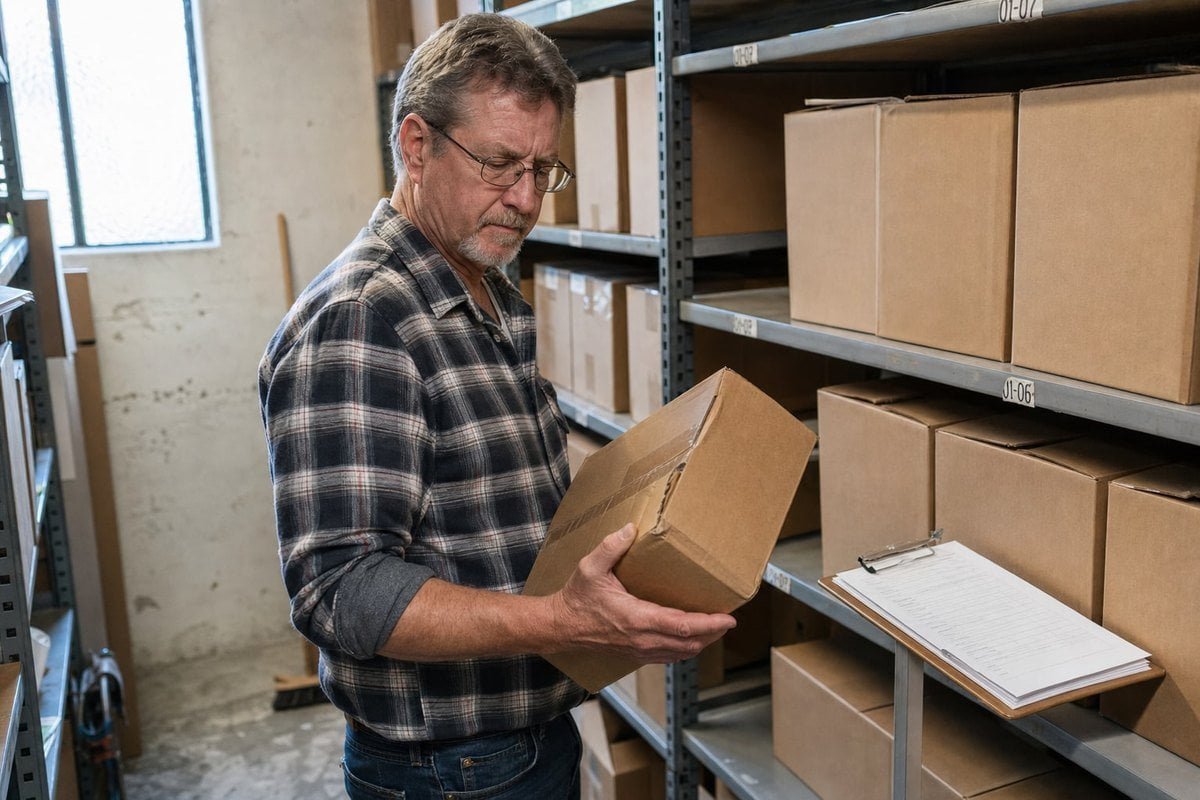
A previsão é onde as liquidações de fim de temporada param de ser uma emergência anual e se tornam desnecessárias. O excesso de compras vem principalmente de três hábitos: copiar o pedido de compra do ano passado, confiar em previsões otimistas de inverno e deixar o reabastecimento automático 5 ser executado sem ajustes. Cada hábito é corrigível com disciplina básica de dados.
Um Processo Simples de Previsão em Cinco Etapas
- Puxe 12 a 24 meses de vendas por SKU. Dois anos é melhor porque suaviza um inverno incomum.
- Mapeie o volume de vendas mensal. Iniciadores de fogo geralmente aumentam no outono, atingem o pico no meio do inverno e caem na primavera. Conheça sua curva exata.
- Ajuste para ruído. Remova picos pontuais de ondas de frio, vendas relâmpago ou falta de estoque de um concorrente. Essa não é a demanda base.
- Execute uma racionalização de SKU estilo ABC. Seus itens A ganham espaço privilegiado na prateleira e estoque generoso. Seus itens C recebem pedidos mínimos ou são cortados. SKUs duplicados competindo pelo mesmo comprador devem ser consolidados.
- Defina quantidades e prazos de pedido. Cubra a demanda prevista mais um pequeno buffer de segurança, então alinhe as ondas de entrega com seus meses de ramp-up, não antes deles.
Observe as Métricas Certas, Não Apenas as Unidades Vendidas
Acompanhe seu índice de giro de estoque por SKU, não apenas as vendas totais. Um kit inicial que vende constantemente, mas gira apenas duas vezes por ano, pode merecer menos espaço na prateleira do que um item menor que gira oito vezes. Acompanhe também a produtividade da prateleira — lucro por pé de prateleira — ao decidir o que merece espaço de exibição na próxima temporada. Em nosso planejamento de fábrica, fazemos o mesmo no nível de produção: agendamos longas tiragens para formatos comprovados de alta velocidade e tiragens mais curtas para itens de nicho. Suas compras devem espelhar essa disciplina. Finalmente, revise os prazos de entrega do fornecedor antes de cortar muito. Reduzir estoque é inteligente; criar uma falta de estoque em janeiro porque você ignorou uma janela de produção e envio de várias semanas não é.
Devo Perguntar ao Meu Fabricante Sobre Pacotes de Marca Própria Para Mover Estoque da Baixa Temporada Mais Rapidamente?
Quando desenvolvemos nosso programa de marca própria em Liuyang, o objetivo era simples: dar aos distribuidores uma maneira de vender produtos de fogo fora da janela de inverno, não apenas dentro dela.
Sim. Pacotes de marca própria combinam iniciadores de fogo de baixa rotatividade com itens de alto apelo — pacotes de chama colorida, gravetos ou acessórios para churrasco — sob sua própria marca. O empacotamento aumenta o valor percebido, move estoque fora de temporada sem descontos profundos e protege a margem melhor do que liquidações globais.

O empacotamento promocional funciona porque muda a pergunta na mente do comprador. Uma caixa solitária de iniciadores de fogo em junho parece fora de estação. Um kit de fogueira de marca — iniciadores, gravetos e pacotes de chama colorida — parece um plano para uma noite de verão. É por isso que a venda cruzada com equipamentos de camping 6 consistentemente supera as liquidações diretas para esta categoria. Reposiciona o produto em vez de apenas descontá-lo.
Ideias de Pacotes Que Realmente Vendem Fora de Temporada
| Conceito do Pacote | Componentes | Comprador Fora de Temporada Alvo |
|---|---|---|
| Kit Noite de Fogueira | Iniciadores de fogo + pacotes de chama colorida + gravetos | Campistas e famílias de RV |
| Pacote de Ignição para Churrasqueira | Iniciadores de lã de madeira + tocha de cera | Assadores evitando fluido de isqueiro |
| Conjunto de Festa de Fogueira | Iniciadores + pinhas de chama colorida | Entusiastas de quintal |
| Caixa de Lareira Pronta para Presente | Iniciadores premium + caixa de exibição de marca | Compradores de presentes antecipados de feriados e festivais |
O que um Parceiro OEM Real Deveria Fornecer
Um verdadeiro fornecedor OEM/ODM completo deve lidar com a construção de todo o pacote, não apenas com o produto interno. Isso significa design de caixa personalizado, embalagem pronta para exibição, rótulos de advertência, códigos de barras e documentação de conformidade. Para nossos clientes nos EUA e UE, fornecemos Marcação CE 7 e relatórios de teste SGS/Intertek com cada lote de marca própria, porque os canais de fornecimento de varejo tratam a certificação como um portão rígido, não um bônus. Peça o mesmo ao seu fabricante. Se eles hesitam em relação à papelada de conformidade, o pacote ficará parado na mesa do comprador, não importa o quão bom pareça.
Agendando a Solicitação
Levante a conversa sobre pacotes no início da primavera. As fábricas têm mais flexibilidade de produção na entressafra, a amostragem é mais rápida e você pode testar um pequeno lote de marca própria antes de se comprometer com o volume de outono. Nosso próprio processo de amostragem é construído para que a primeira amostra reflita a qualidade da produção em massa — insista nesse padrão, porque um programa de pacotes só funciona se o lote dois corresponder ao lote um.
Conclusão
O estoque de iniciadores de fogo de madeira com excesso de estoque drena o caixa e entope as prateleiras. Proteja o estoque com armazenamento inteligente, negocie entregas escalonadas, preveja com dados reais, e use pacotes de marca própria — então entre na próxima temporada enxuto e lucrativo.
Notas de rodapé
Explica o processo de manuseio de estoque que provavelmente não será vendido. ↩︎
Entrada da Wikipedia explicando o processo de aquisição para pedidos recorrentes. ↩︎
Métrica financeira padrão usada para medir a eficiência do gerenciamento de estoque. ↩︎
Define a duração entre o início e a conclusão de um processo de produção. ↩︎
Página da Wikipedia para o termo padrão da indústria para reabastecimento automatizado de estoque. ↩︎
Entrada da Wikipedia definindo a prática de varejo de exibir produtos complementares juntos.
{
</p>
<p></p>
</body></html>">

 English
  Spanish
  German
  French
  Arabic
  Portuguese
Participe da conversa