






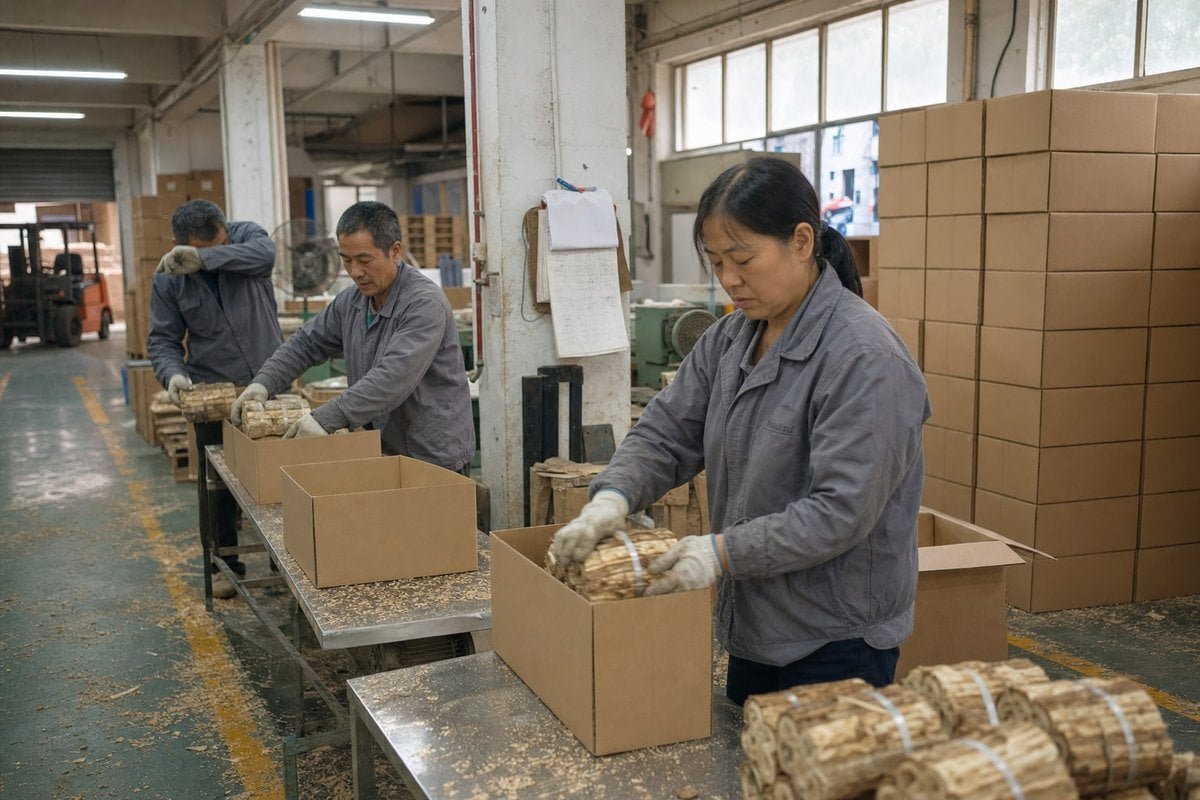
Todo outono, nossa linha de produção em Ningbo atinge a capacidade total porque muitos compradores planejam seu ritmo de estoque para as temporadas de pico de acendedores de fogo a lenha de inverno e verão muito tarde.
Planeie o seu ritmo de abastecimento em torno de dois picos: encomende o stock de inverno no final da primavera ou no verão, e o stock da época de campismo no final do inverno. Faça encomendas em massa 3-4 meses antes de cada pico, e reserve os meses de pico para pequenas encomendas corretivas de reposição apenas.
Essa regra de tempo parece simples. Mas acertar depende de prazos de reabastecimento 1, MOQs, equilíbrio de estoque e verificações de conformidade. Deixe-me guiá-lo por cada peça.
Com quanta antecedência devo fazer os pedidos para evitar perder as janelas de pico de demanda de inverno e verão?
Em setembro passado, um distribuidor alemão nos pediu para agilizar 40.000 rolos de lenha mergulhados em cera antes de outubro verificações de conformidade 2. Nossas linhas já estavam totalmente reservadas. Ele aprendeu a lição do calendário da maneira mais difícil.
Faça pedidos em grande quantidade para a estação de inverno entre maio e julho, e pedidos para a estação de acampamento de verão entre janeiro e fevereiro. Isso dá de 60 a 90 dias para produção e envio, para que os produtos cheguem ao seu armazém antes que a demanda aumente no final de setembro ou no final da primavera.

O princípio central é este: o verão é a temporada de planejamento, o inverno é a temporada de consumo parafina 3. A demanda por produtos de combustível para aquecimento de inverno começa a aumentar no final de setembro. Atinge o pico de meados de outubro a janeiro. Se seu pedido de compra chegar à nossa fábrica em setembro, você já estará competindo com todos os outros compradores pelas mesmas vagas de produção. O frete também fica apertado no 4º trimestre, então logística da cadeia de suprimentos 4 fica mais lento e mais caro exatamente quando você precisa de velocidade.
A mesma lógica se aplica ao contrário para a temporada ao ar livre. A preparação para a temporada de acampamento para varejistas nos EUA e na Europa começa no início da primavera. A demanda por fogueiras, churrasqueiras e glamping ocorre de maio a agosto. Portanto, seu estoque voltado para o verão precisa ser enviado da China até março, no máximo.
Uma linha do tempo simples de planejamento reverso
Trabalhe de trás para frente a partir da sua data na prateleira. Aqui estão os cálculos que apresentamos aos compradores:
| Etapa | Duração Típica | Exemplo (Pico de Inverno) |
|---|---|---|
| Alvo na prateleira | — | Final de setembro |
| Distribuição do porto para a prateleira | 2–3 semanas | Início de setembro |
| Frete marítimo (China para EUA/UE) | 4–6 semanas | Partida no final de julho |
| Produção e QC | 3–5 semanas | Pedido confirmado até meados de junho |
| Amostragem e aprovação (novos SKUs) | 2–4 semanas | Comece em maio |
Adicione uma margem para feriados. O Ano Novo Chinês (final de janeiro a meados de fevereiro) remove de duas a três semanas de capacidade de produção 5, o que afeta diretamente os pedidos da temporada de verão. Em nossa experiência exportando para mais de 30 países, compradores que confirmam pedidos em maio e junho têm a primeira escolha nas vagas de produção, melhores taxas de frete e comunicação mais calma. Compradores que ligam em outubro recebem o que sobrou.
Que MOQ e prazos de produção devo planejar para as épocas de baixa e alta temporada?
Um compromisso que pesamos constantemente em nossa fábrica em Liuyang é flexibilidade da linha versus eficiência. Pequenas tiragens de teste em junho são fáceis. A mesma solicitação em novembro nos força a quebrar um cronograma de produção completo.
Espere MOQs padrão de aproximadamente um contêiner pequeno misto para pedidos de marca própria, com 25 a 35 dias de produção em meses de baixa temporada. Durante a alta temporada, os prazos de entrega geralmente se estendem para 45 a 60 dias, e MOQs flexíveis ou de teste se tornam mais difíceis de negociar.
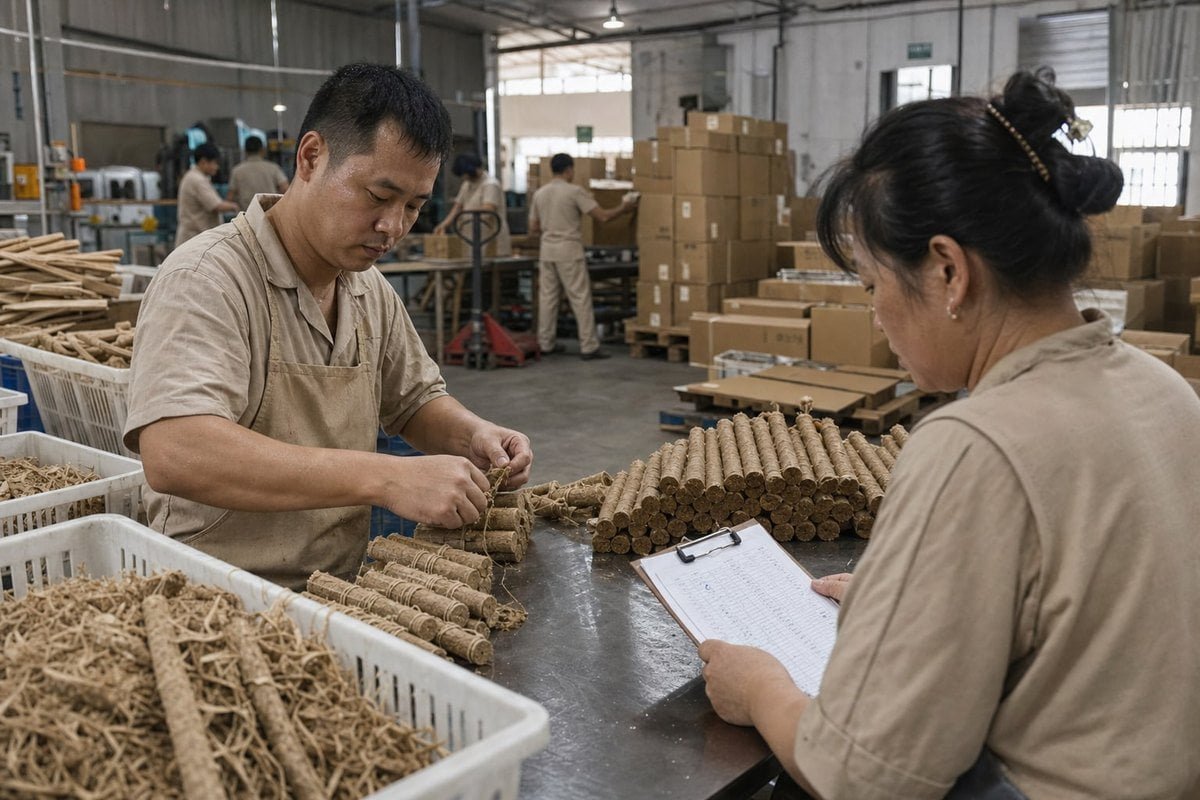
MOQ e prazo de entrega não são números fixos. Eles respiram com a estação. Entender esse ritmo é o coração da otimização do prazo de entrega, e isso molda diretamente seu fluxo de caixa e seu risco.
Por que os prazos de entrega se estendem na temporada de pico
Três coisas acontecem ao mesmo tempo a partir de setembro. Primeiro, o volume de pedidos aumenta, então filas se formam em todas as linhas de produção. Segundo, os fornecedores de matérias-primas — fibra de madeira 6, parafina, papelão de embalagem — enfrentam o mesmo aperto, então os materiais de entrada diminuem. Terceiro, o espaço de contêineres saindo dos portos chineses fica apertado antes do varejo de feriados ocidentais. Cada fator sozinho adiciona dias. Juntos, eles podem adicionar um mês.
Fora de pico vs. pico: o que muda para o comprador
| Fator | Fora de pico (Fev–Jul) | Pico (Ago–Dez) |
|---|---|---|
| Prazo de produção | 25–35 dias | 45–60 dias |
| Flexibilidade de MOQ | Alto — pedidos de teste bem-vindos | Baixo — tiragens completas priorizadas |
| Configuração de embalagem personalizada | Fácil de agendar | Enfileirado atrás de pedidos repetidos |
| Disponibilidade de frete | Boas taxas, estáveis | Taxas apertadas, premium |
| Retorno da amostra | 1–2 semanas | 2–4 semanas |
Para compradores que testam um novo mercado, isso importa ainda mais. Frequentemente, fazemos MOQs de teste menores para importadores de primeira viagem na primavera, precisamente porque nossas linhas têm espaço para experimentar naquela época. Uma tiragem de teste de rolos de lenha mergulhados em cera com sua caixa de marca própria é um projeto de baixo risco em abril. Em outubro, essa mesma configuração compete contra a recompra de 200.000 peças de um cliente recorrente.
Meu conselho prático: negociar MOQs, alterações de embalagem e amostragem de novos SKUs na baixa temporada. Bloqueie seus volumes de pico de temporada com antecedência com um cronograma confirmado. Então, a temporada de pico se torna execução, não negociação. É assim que nossos distribuidores de longa data nos EUA e na Alemanha gerenciam seus programas de fornecimento de lenha a granel há anos.
Como posso equilibrar os níveis de estoque para evitar excesso de estoque na baixa temporada ou falta de estoque durante os meses de pico?
Um comprador do Reino Unido me disse uma vez que seu armazém ainda continha meio contêiner de acendedores de fogo em março — dinheiro congelado nas prateleiras por seis meses. No ano seguinte, ele dividiu o mesmo volume de forma diferente e vendeu de forma limpa.
Use um modelo de "bulk-plus-top-up": coloque 70–80% do volume sazonal previsto em um pedido em massa pré-pico, mantenha 15–20% de estoque de segurança para ondas de frio precoces e cubra o restante com um ou dois pequenos complementos durante a temporada com base nos dados reais de venda.

Uma boa gestão de inventário para produtos sazonais é realmente uma disciplina de previsão. A curva de demanda por acendedores de fogo no atacado é previsível em forma, mas variável em tamanho. Os invernos podem chegar cedo ou tarde. Uma onda de frio em outubro pode antecipar três semanas de demanda. Portanto, seu plano precisa de uma base sólida e uma borda flexível.
Passo a passo: construindo seu plano de estoque sazonal
- Revise os dados da última temporada. Puxe a venda mensal por SKU. Observe quando rupturas de estoque ou estoque morto ocorreram. Esta é a base de previsão de demanda sazonal.
- Defina o pedido base. Comprometa 70–80% da sua previsão como um pedido em lote, programado para chegar antes do início da temporada.
- Adicione estoque de segurança. Planeje um buffer extra de 15–20% para picos de demanda no início da temporada, especialmente picos imprevisíveis de primeira geada.
- Agende pontos de verificação de reabastecimento. Revise a venda na 4ª e 8ª semanas da temporada. Acione um pequeno reabastecimento se a velocidade ficar acima da previsão.
- Trate os pedidos de inverno como corretivos apenas. Os pedidos durante a temporada enfrentam longos prazos de entrega, portanto, devem ajustar o plano, não carregá-lo.
A disciplina de armazenamento protege sua margem
O risco de excesso de estoque não é apenas dinheiro. É a condição do produto. A vida útil do acendedor de fogo é longa quando o armazenamento é adequado, mas produtos de fibra de madeira e cera precisam de condições secas e ventiladas. Siga as mesmas regras das boas soluções de armazenamento de lenha: mantenha os paletes fora do chão, garanta a circulação de ar, evite cantos úmidos e gire o estoque Primeiro a Entrar, Primeiro a Sair. Nossos rolos revestidos de cera são selados contra umidade, mas as caixas de varejo ainda se degradam em armazéns úmidos. A rotação FIFO significa que o estoque restante da última temporada é vendido primeiro, e a embalagem permanece fresca na prateleira.
Mais uma nuance: o verão não é temporada morta. Fogueiras, acampamentos e churrascos criam uma curva de demanda secundária de junho a agosto. Manter uma linha de base modesta de acendedores compactos e portáteis durante todo o ano suaviza seu fluxo de caixa e mantém suas contas de varejo abastecidas entre os dois picos.
Quais certificações e verificações de qualidade devo confirmar antes de aumentar o estoque para a demanda sazonal?
Falhas de conformidade prejudicam mais na alta temporada. Vimos uma remessa de um concorrente ficar retida na alfândega da UE durante novembro por falta de documentação de teste — uma receita inteira de inverno perdida em burocracia.
Antes de aumentar o estoque sazonal, confirme se a fábrica possui auditorias ISO 9001 e BSCI, conformidade de nível de produto com a CE e relatórios de teste de terceiros atuais de laboratórios como SGS ou Intertek. Verifique também os procedimentos de CQ de lote, as etiquetas de aviso e os requisitos de embalagem específicos do mercado.

A certificação não é uma formalidade para produtos de fogo. É o portão entre seu contêiner e sua prateleira de varejo. Grandes canais de varejo e distribuidores estabelecidos tratam a conformidade como um requisito rígido, assim como as autoridades alfandegárias nos EUA e na UE. Aumentar o volume antes de verificar os documentos multiplica o risco: uma lacuna de conformidade em 5.000 unidades é um problema; em 100.000 unidades é um desastre.
Sua lista de verificação de conformidade pré-pico
| Item | O que verificar | Por que é importante |
|---|---|---|
| ISO 9001 | Certificado válido do sistema de qualidade da fábrica | Comprova controle de produção consistente e documentado |
| Auditoria BSCI | Relatório recente de auditoria de conformidade social | Exigido por muitas redes de varejo da UE e dos EUA |
| Conformidade CE | Conformidade de nível de produto para o seu mercado | Requisito legal para acesso ao mercado da UE |
| Relatórios SGS / Intertek | Relatórios de teste atuais correspondendo ao seu SKU exato | Confirma materiais e desempenho de queima independentemente |
| Registros de CQ de lote | Registros de retenção de amostras e inspeção de lote | Garante que a produção em massa corresponda à sua amostra aprovada |
| Rótulos e embalagens | Rótulos de aviso, códigos de barras, requisitos de idioma | Evita retenções alfandegárias e rejeições de varejistas |
Verificações de qualidade que protegem a consistência na alta temporada
Em nossa fábrica, cada lote de produção de acendedores de fogo de madeira passa por testes de tempo de queima 7, verificações de umidade na fibra de madeira e verificação do peso do revestimento de cera. Mantemos amostras retidas de cada lote. É isso que "a primeira amostra reflete a produção em massa" realmente significa na prática — é um sistema de CQ, não uma promessa. Antes do seu aumento sazonal, peça ao seu fornecedor exatamente isso: registros de lote, amostras retidas e as faixas de tolerância que eles mantêm.
Verifique também a atualidade da documentação. Relatórios de teste envelhecem. Um relatório de quatro anos atrás sobre uma formulação diferente não satisfará um oficial de conformidade rigoroso em um grande varejista. Solicite relatórios datados dentro da janela de validade que seu mercado espera, e correspondentes ao produto, embalagem e composição exatos que você está encomendando. Confirme tudo isso na entressafra, quando houver tempo para corrigir lacunas. A alta temporada é o pior momento possível para descobrir um certificado ausente.
Conclusão
As altas temporadas recompensam compradores que planejam cedo e punem aqueles que reagem tarde. Rupturas de estoque, prêmios de frete e retenções alfandegárias rastreiam erros de tempo cometidos meses antes.
A solução é ritmo, não sorte. Peça em lote na entressafra, verifique a conformidade antes de aumentar, mantenha estoque de segurança sensato e trate os meses de pico como janelas de reabastecimento. Após mais de 17 anos fornecendo produtos para acender fogo para distribuidores em mais de 30 países, vimos esse padrão separar programas sazonais prósperos daqueles que lutam. Acerte seu calendário, e a alta temporada se cuida.
Notas de rodapé
Definição autoritativa da Wikipedia sobre prazos de entrega na gestão da cadeia de suprimentos. ↩︎
Entrada autoritativa da Wikipedia sobre os padrões de gestão de qualidade ISO 9001. ↩︎
Referência detalhada da Wikipedia sobre propriedades e aplicações da cera de parafina. ↩︎
Visão geral da Wikipedia sobre logística e seu papel nas cadeias de suprimentos globais. ↩︎
Explicação autoritativa sobre capacidade de produção e utilização na fabricação. ↩︎
Visão geral abrangente da Wikipedia sobre características e usos da fibra de madeira. ↩︎
A ASTM International é a principal autoridade em padrões de teste de fogo e inflamabilidade. ↩︎

 English
  Spanish
  German
  French
  Arabic
  Portuguese
Participe da conversa