






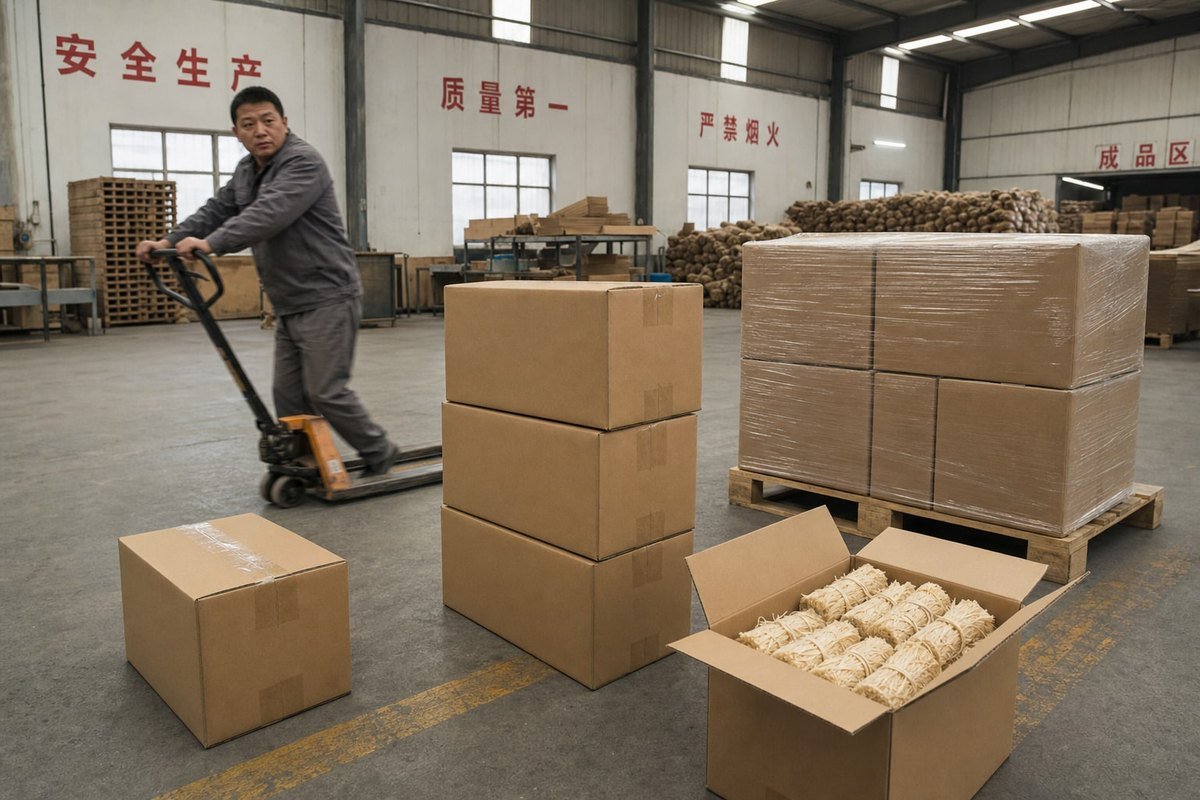
Quantity-break pricing tiers for wood fire starters can make or break a hardware store deal. I have watched good products die on our sample table because the pricing ladder felt random to buyers.
Structure quantity-break pricing tiers for wood fire starters using three levels: one case at base price, three cases at 5–10% off, and six cases or a pallet at 15–25% off. Anchor each tier to real hardware store buying patterns, and verify every tier still clears your break-even cost.
That is the short answer. The longer answer involves MOQ logic, tier counts, margin math, and private-label packaging. Let me walk through each piece the way we do it with our own buyers.
What MOQ Should I Set for Each Quantity-Break Pricing Tier?
A German fireplace distributor once asked me why our Minimum Order Quantity 1 (MOQ) started at one case instead of one pallet. My answer shaped how our whole pricing ladder works today.
Set your entry MOQ at one full case (typically 24–100 units) for trial orders, your second tier at 3–5 cases to match a standard reorder cycle, and your top tier at a half-pallet or full pallet. Each MOQ should map to a real purchasing behavior, not an arbitrary number.
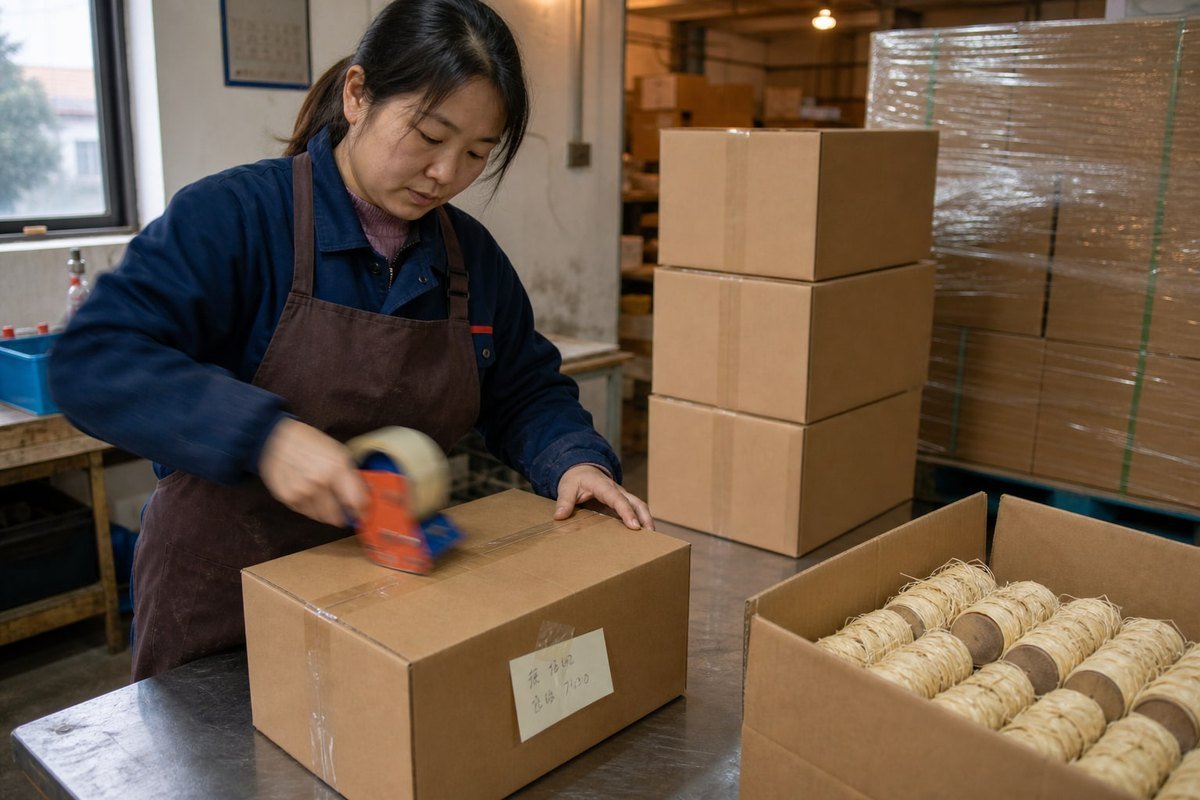
The mistake I see most often is copying ecommerce guidance directly into a B2B context. Consumer guides say "start the first price break at 2 units." That works for a shopper buying candles online. It does not work for a hardware store buyer who thinks in cases, shelf facings, and freight lanes.
Match MOQ to How Hardware Stores Actually Buy
In our 17+ years exporting fire-starting goods to the US, Germany, the UK, and beyond, we have seen hardware stores buy wood fire starters in four distinct patterns:
- A single carton to test sell-through in one location
- Case packs for regular inventory replenishment
- Pallet loads ahead of the winter and camping seasons
- Display-ready quantities for checkout or fireplace aisle placement
Your MOQ tiers should mirror those four behaviors. Here is a framework we use as a starting point for wax-dipped wood roll fire starters:
| Tier | MOQ | Buyer Behavior It Matches | Typical Buyer |
|---|---|---|---|
| Tier 1 (Standard) | 1 case (e.g., 100 pcs) | Trial order, single-store test | Independent hardware store |
| Tier 2 (Case Buy) | 3–5 cases | Regular replenishment cycle | Multi-shelf stocking store |
| Tier 3 (Bulk Buy) | Half-pallet to full pallet | Seasonal stock-up, multi-store | Regional chain or distributor |
Keep the entry MOQ low enough for a trial. We deliberately allow small first orders because a purchasing manager who tests one case and sees good inventory turnover rate will come back for pallets. If your entry MOQ forces a big commitment, cautious buyers simply walk away.
One more detail: if a store asks to break a case, either decline or add a 4–5% carton-break surcharge. Broken cases add repacking labor and eat wholesale profit margins fast.
How Many Pricing Tiers Do I Need to Win Hardware Store Contracts?
There is a trade-off we weigh on every wholesale quote: more tiers give more precision, but fewer tiers close deals faster. After hundreds of quotes across 30+ countries, our answer is consistent.
Three pricing tiers win most hardware store contracts: a base tier at full price, a target tier with a moderate discount, and a bulk tier with the deepest discount. More than three tiers confuses buyers and slows approval, unless you run a sophisticated wholesale program.

Before you build the ladder, understand the two pricing models, because they change your margin math completely.
Volume Pricing vs. Tiered Pricing
- Volume pricing: once the order hits a threshold, the entire order gets that unit price. Order 6 cases, and all 6 cases get the Tier 3 price.
- Tiered pricing: each quantity band keeps its own price. The first case is priced at Tier 1, the next batch at Tier 2, and so on.
For hardware store contracts, I recommend volume pricing. It is simpler to quote, simpler to invoice, and it creates a visible reason to jump up. A buyer at 5 cases who sees the whole order reprice at 6 cases will usually add that sixth case. That psychology is your best bulk purchasing incentive.
Why Three Tiers Beats Five
A purchasing manager reviewing your quote has limited time. Three tiers fit on one line of a quote sheet. Five tiers require a spreadsheet and a follow-up call. In B2B contract pricing, friction kills deals more often than price does.
| Structure | Clarity | Precision | Best For |
|---|---|---|---|
| 2 tiers | Very high | Low | Very simple product lines |
| 3 tiers | High | Good | Most hardware store programs |
| 4–5 tiers | Moderate | High | Large distributors with formal retail distribution agreements |
Label your tiers with plain names — Standard, Case Buy, Bulk Buy — and mark the middle tier as "Best Value." Buyers naturally gravitate toward the highlighted option, and that steering effect increases average order size without a single extra discount point.
How Do I Protect My Margins When Offering Volume Discounts to Distributors?
Early in our export history, we quoted an aggressive pallet discount to a US importer and forgot to model the palletized shipping costs on their coastal delivery. We shipped that order at nearly zero profit. The lesson stuck.
Protect margins by calculating your full landed break-even before setting any tier: manufacturing, packaging, freight, commissions, and a defect allowance. Then size discounts so your top tier still clears break-even plus target margin, typically using ladders of 0%, 5–10%, and 15–25%.
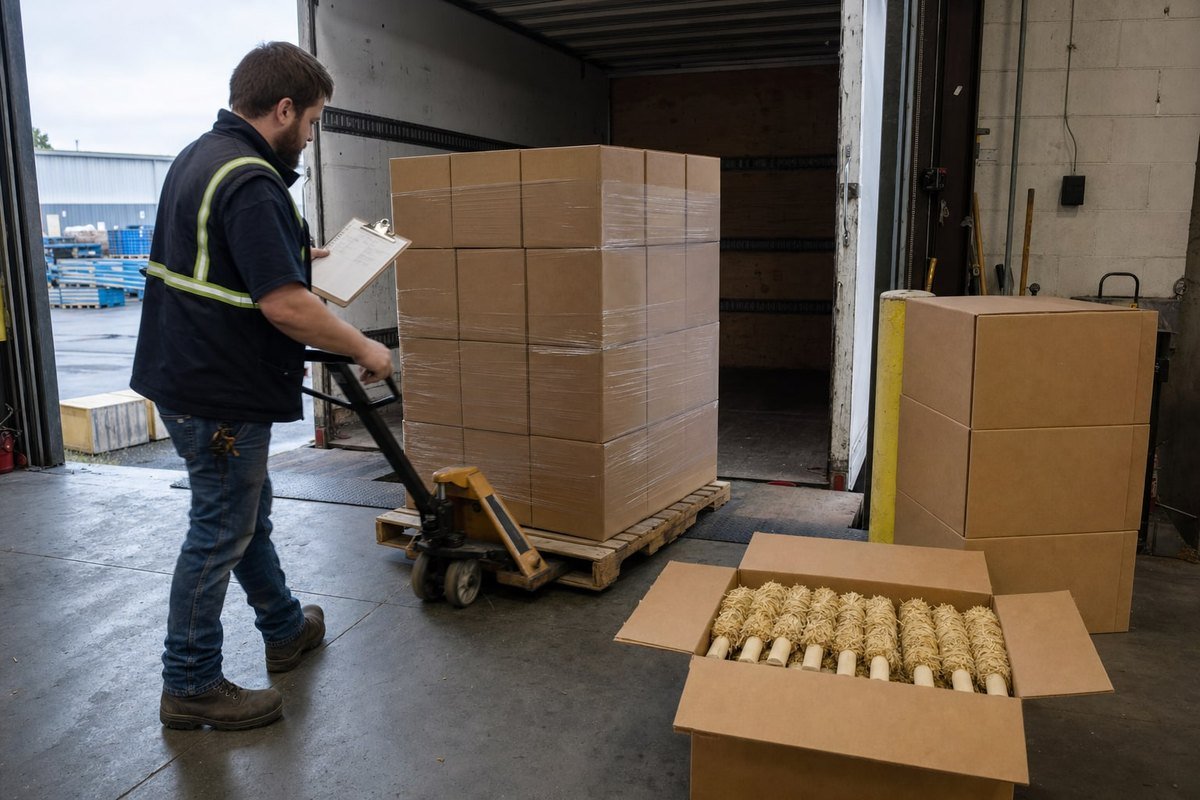
Discounts are only dangerous when you do not know your floor. So build the floor first.
Step 1: Calculate True Break-Even Per Unit
Your break-even is not your factory gate cost. For our 50% wood fiber, 50% paraffin fire starters, we count every line below before quoting a single tier:
- Raw materials (wood wool 2, wax, and their seasonal price swings)
- Labor and production overhead
- Shelf-ready retail packaging and inner cartons
- Outbound freight per case and per pallet
- Sales commissions and payment fees
- A return and defect allowance
- Certification and testing amortization (our SGS and Intertek 3 reports are not free, but our buyers require them)
Bulk unit costs for fire starters vary widely by material and certification level — from a few cents for basic high-volume products to well above twenty-five cents for premium eco-certified rolls. That spread is exactly why tier math must be product-specific, not copied from a template.
Step 2: Anchor to Retailer Economics
Hardware retailers typically apply keystone pricing — roughly a 100% markup. So your Tier 1 wholesale price should sit near 50% of the target MSRP 4. If your bulk tier discount pushes their landed cost down, they win margin. If your discount only covers your own rising freight, nobody wins.
Step 3: Size the Discount Steps
| Ladder Style | Tier 1 | Tier 2 | Tier 3 | When to Use |
|---|---|---|---|---|
| Conservative | 0% | 5% | 10% | New product, uncertain costs |
| Standard consumable | 0% | 8% | 15% | Proven sell-through, stable freight |
| Aggressive bulk | 0% | 10% | 20–25% | Pallet programs, seasonal pre-orders |
Keep at least 5–10 percentage points between tiers so each jump feels meaningful. And use freight to your advantage: a full-pallet break of 10–15% often costs you less than it appears, because per-unit handling and palletized shipping costs drop sharply at that volume. A free-freight threshold above a set order value works the same way — it moves buyers up a tier while your logistics team actually saves money.
Finally, use seasonal demand forecasting. We offer early-buy incentives for orders placed three to four months before peak winter season. That stabilizes our production lines in Ningbo and gives the retailer guaranteed stock before the first cold snap.
Can I Combine Private-Label Packaging with Tiered Pricing for Bulk Hardware Store Orders?
One of our longest-running accounts started as a three-case trial buyer of our standard flame-graphic box. Two seasons later, they crossed our private-label threshold, and their own brand now sits in dozens of stores. That progression was designed, not lucky.
Yes — build private-label packaging into your top tier as a volume-triggered upgrade. Offer standard branded boxes at lower tiers, then unlock full private label manufacturing, custom boxes, and display packaging at a defined threshold such as 5,000+ units or multi-pallet orders.

Private label is the strongest loyalty tool in a tiered program. Once a hardware chain sells fire starters under its own brand, switching suppliers means redesigning packaging, revalidating compliance, and retraining staff. That switching cost works in your favor — but only if you structure the offer correctly.
Tie Packaging Upgrades to Volume, Not Requests
Do not give private label away at any volume. Custom printing has its own setup costs and its own MOQ from the packaging supplier. We structure it as a ladder of unlockable benefits:
- Tier 1 – Standard: our stock retail box, barcoded and shelf-ready, with compliant warning labels 5.
- Tier 2 – Case Buy: custom barcode and sticker options, plus optional point-of-purchase (POP) displays for checkout counters or the fireplace aisle.
- Tier 3 – Bulk / Private Label: full OEM/ODM customization — box design, brand name, burn-time specs, display cartons, and market-specific warning language.
This framing turns packaging into a bulk purchasing incentive instead of a cost center. Buyers see a concrete reason to commit to larger volume discount thresholds, and you protect your setup costs behind real volume.
Keep Compliance Attached to Every Tier
Whatever the packaging, the compliance file travels with it. Our ISO 9001 6, BSCI, CE, and SGS/Intertek documentation covers private-label versions the same as our own brand, and we adapt warning labels to each destination market BSCI 7. For a purchasing manager at a US or European chain, that paperwork is a hard requirement in any retail distribution agreement — a beautiful custom box without test reports will never reach the shelf.
One practical warning: quote private-label tiers with a slightly longer lead time. Custom packaging adds print and proofing steps. We flag this on every quote so seasonal orders are placed early enough to land before demand peaks.
Conclusion
Random discount ladders lose hardware store contracts. Structured ones win them. Build three tiers around cases and pallets, verify break-even first, and reserve private-label upgrades for true bulk buyers.
Footnotes
1. Background on the MOQ concept central to structuring wholesale pricing tiers. ↩︎
2. Explains wood wool, a key raw material used in fire starter manufacturing. ↩︎
3. SGS is a leading global inspection and testing company referenced for certification. ↩︎
4. Explains the manufacturer's suggested retail price concept used to anchor wholesale tiers. ↩︎
5. CPSC governs required consumer product warning label standards in the US. ↩︎
6. ISO 9001 is the internationally recognized quality management standard referenced for compliance. ↩︎
7. BSCI is amfori's social compliance program cited among the certifications maintained. ↩︎



 English
  Spanish
  German
  French
  Arabic
  Portuguese
Join the Conversation