






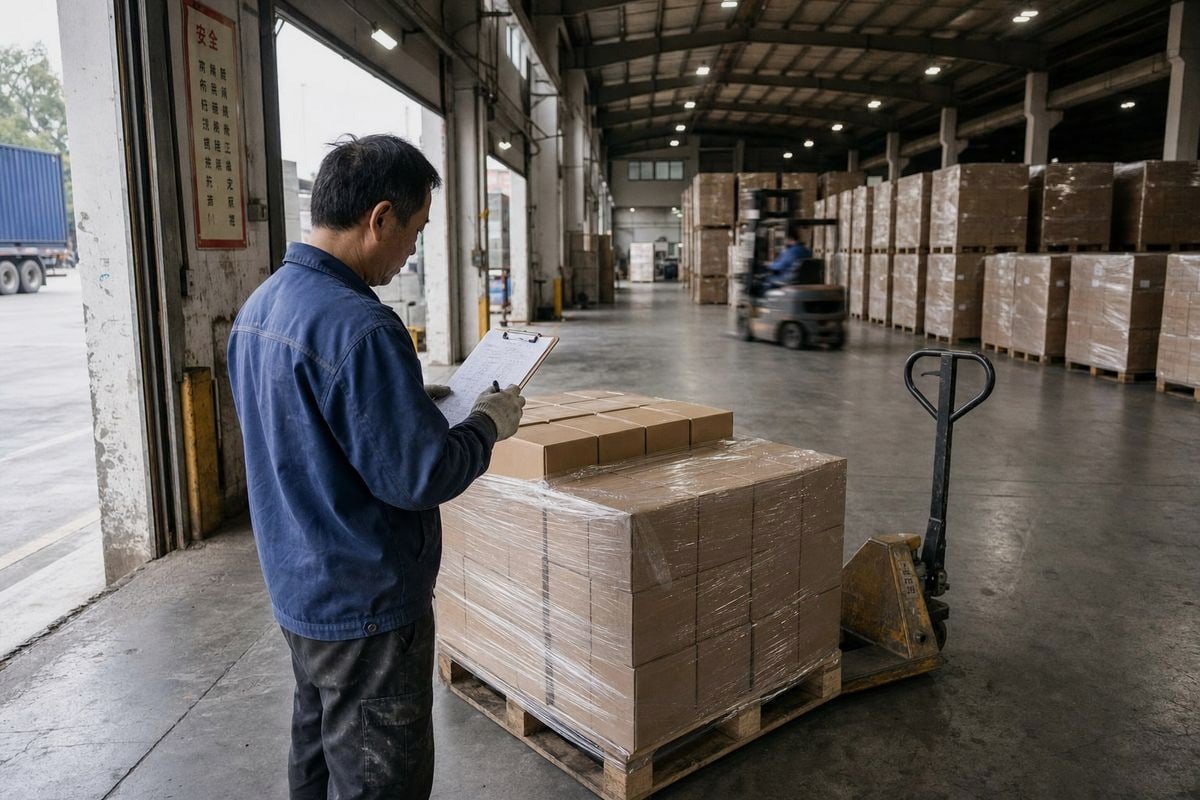
Ordering magic fire powder for the first time feels risky. Too small, and shipping eats your budget. Too large, and unsold stock sits in our buyers' warehouses.
For a magic fire powder trial, order the smallest MOQ your supplier allows — typically 500 to 1,000 sachets from a factory like Sunrich. This volume covers real burn testing, compliance checks, and market sampling, while keeping sunk cost low if you switch suppliers.
That is the short answer. The full answer depends on your market, your test plan, and your growth path. Let me walk you through each part below.
What’s the Minimum Order Quantity Sunrich Offers for First-Time Buyers?
Last spring, a German fireplace distributor emailed our sales team with one question: what is the smallest order you will accept? I appreciated the directness, so here is our honest answer.
Sunrich accepts flexible trial MOQs for first-time buyers, usually starting around 500–1,000 color-flame sachets, depending on packaging format. Plastic bags, kraft bags, and jars each carry slightly different minimums, and trial orders ship with the same certified formula as full production runs.

Our factory in Ningbo 1 runs complete production lines, so we do not need huge batches to justify a setup. That is why we can keep trial MOQs low. A trading company reselling someone else's stock cannot always say the same.
Why Packaging Format Changes the MOQ
Each packaging type has its own tooling and material minimums. Here is how our typical trial thresholds compare:
| Packaging Format | Typical Trial MOQ | Best For |
|---|---|---|
| Plastic sachet (heat-sealed) | ~500–1,000 pcs | Retail impulse buys, camping stores |
| Kraft stand-up pouch | ~500–1,000 pcs | Eco-positioned outdoor brands |
| Plastic jar (multi-use) | ~500 pcs | Fireplace and BBQ distributors |
| Display box with sachets | ~300–500 boxes | Retail shelf and counter placement |
What a Trial Order Includes
A low MOQ means little if the trial batch differs from mass production. In our 17+ years of exporting to 30+ countries, we have learned that buyers judge us on the first batch. So trial orders come from the same lines, the same batch-control process, and the same eco-friendly formula as full runs. We also share SGS or Intertek 2 test reports before you pay, not after.
One more practical point. Small orders carry a high freight-to-product cost ratio. Expect your trial unit cost to run 20–40% above bulk pricing. That premium is the price of de-risking. Ask us for the full pricing tier table upfront, so your bulk rate is locked in before testing even starts.
How Do I Calculate Trial Order Size Based on My Target Market Demand?
A Canadian camping brand once asked us for 10,000 units as a "small test." We actually talked them down. Their pilot channel only needed 800 units, and the rest would have sat in storage through the off-season.
Calculate trial size with this formula: (expected monthly sell-through of your pilot channel × 1.5) minus any existing stock. Cap the order where higher MOQ tiers stop delivering meaningful savings. For most distributors, that lands between 500 and 2,000 sachets.

The mistake most first-time buyers make is sizing the trial around price breaks instead of test goals. Wholesale listings show units as cheap as $0.12–$0.29 at massive volumes. That looks tempting. But a cheap unit price on an unproven product is not a saving. It is a bet.
Three Questions That Set Your Trial Size
Work through these in order:
- How many burn tests do you need? Typical usage is 1–3 sachets per fire, with color effects lasting roughly 30–45 minutes. Meaningful quality testing — color intensity, smoke, burn time, ease of use — takes 20–30 test fires across different fire sizes.
- How many sample units does your channel need? Retail buyers, sales reps, and trade-show demos consume samples fast. Budget 100–300 units just for sampling.
- What is your pilot sell-through? One store or one online listing for one month tells you more than a warehouse full of stock.
A Simple Sizing Table
| Trial Goal | Suggested Quantity | What It Proves |
|---|---|---|
| Product quality only | 100–300 sachets | Color, duration, smoke, packaging durability |
| Quality + channel sampling | 500–1,000 sachets | Buyer interest, demo performance |
| Quality + pilot retail run | 1,000–2,000 sachets | Real sell-through, price point, repeat rate |
One more factor: shelf life. Our color-flame packets store well when sealed, but do not order more than your pilot can move in a reasonable window. Overbuying turns a safe trial into wasted risk.
Will a Smaller Trial Order Still Get Me Certified, Compliant Product?
Compliance is the first thing our EU and US buyers ask about — usually before price. And it is the one area where I tell every purchasing manager: never accept a discount here.
Yes. At Sunrich, every trial order — regardless of size — comes from ISO 9001 and BSCI audited production, carries CE marking where required, and is backed by SGS or Intertek test reports. Small quantity never means a different formula or reduced documentation.
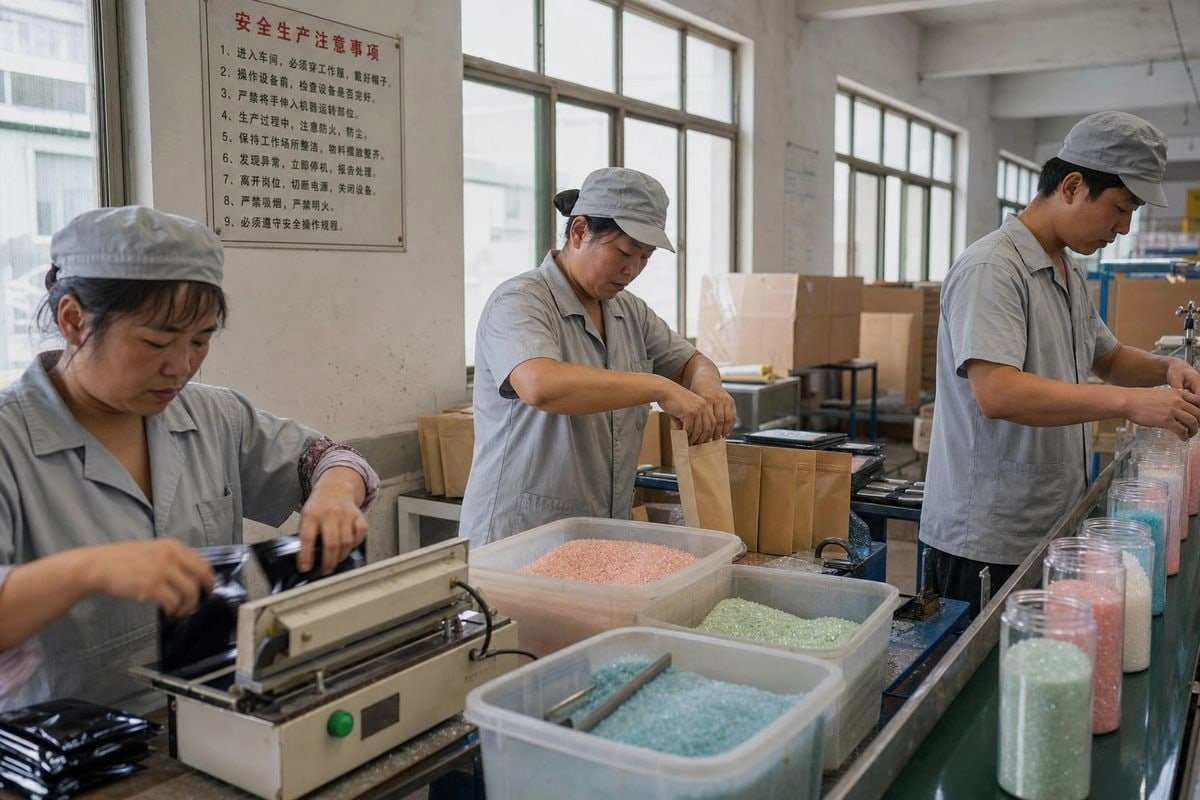
Here is why this matters more for fire products than for almost any other category. A colored-flame additive goes into a live fire, near families, in someone's backyard or fireplace. If your trial batch passes your tests but the compliance paperwork is missing or fake, you have validated a product you cannot legally sell. That is the worst outcome of any trial: money spent, time spent, and nothing usable.
Documents to Demand With Any Trial Order
Verify these during the trial phase, not after you scale:
- Third-party test reports from SGS or Intertek, dated and batch-referenced
- Safety data sheets (SDS) for the formula
- Factory audit certificates — ISO 9001 for quality systems, BSCI 4 for social compliance
- CE documentation for European markets
- Correct warning labels on the retail packaging itself, in your market's language
Red Flags on Cheap Trial Sources
Marketplace listings with rock-bottom prices at 500-bag minimums often skip these entirely. Some products in this category are explicitly unsafe for cooking or fire-performance use, and responsible packaging must say so. Our sachets carry printed warning bands 5 for exactly this reason. If a supplier cannot show you the label artwork with warnings before you order, that tells you everything about their compliance depth.
Our own formula uses eco-friendly materials with no harmful chemicals, and we open our test reports to every buyer before payment. A trial order is precisely when you should stress-test a supplier's paperwork — the cost of checking is lowest when the order is smallest.
How Can I Scale from a Trial Order to Full Production Without Quality Risk?
The trade-off I weigh most often in our Ningbo plant is speed versus consistency. Buyers want fast scale-up after a good trial. We want batch two to match batch one exactly. Both are possible, but only with a process.
Scale safely by locking the trial batch as your golden sample, confirming pricing tiers in writing before scaling, ramping in stages (trial → 5,000 → 20,000+ units), and requiring batch-to-batch QC reports plus retained samples from every production run.

The biggest scaling risk in this industry is silent formula drift. A supplier wins your trial with a strong batch, then quietly cuts material costs at volume. Color intensity fades, burn time shortens, and you find out from customer complaints. Our answer is strict batch-to-batch quality control: every production run is tested against the retained trial sample, and we keep counter-samples so disputes have a physical reference point.
A Staged Scale-Up Path
| Stage | Typical Volume | Focus | Risk Control |
|---|---|---|---|
| Trial | 500–2,000 pcs | Quality, compliance, pilot sales | Golden sample locked; documents verified |
| First production run | 5,000–10,000 pcs | Consistency, lead time, packaging | Batch QC report vs. golden sample |
| Scaled OEM run | 20,000+ pcs | Private label, custom packaging | Pre-shipment inspection; retained samples |
Where OEM Customization Fits In
Scale-up is also when private-label work begins. Because we handle full OEM/ODM 6 in-house — sachet size, burn time, kraft or plastic or jar packaging, display boxes, warning labels, barcodes — the transition does not add a new vendor to your chain. In our experience exporting to the US, Germany, and the UK, buyers who customize at the first production run, not the trial, keep costs sane. Test the standard product first. Brand it once it earns shelf space. Then let us optimize the logistics: consolidated shipments and shelf-ready display packaging cut your landed cost more than squeezing another cent off the unit price ever will.
Conclusion
Order the smallest certified trial that covers real burn tests and a pilot channel — usually 500–1,000 sachets. Verify compliance early, lock pricing tiers, then scale in controlled stages.
Footnotes
1. Gives background on the manufacturing hub cited as the factory's production location. ↩︎
2. Authoritative third-party testing company referenced for compliance verification of trial orders. ↩︎
3. Background concept explaining why trial orders lose the cost benefits of larger production runs. ↩︎
4. Links to the organization behind the BSCI social compliance audit standard referenced in the article. ↩︎
5. Consumer product safety authority relevant to warning label requirements on fire-related products. ↩︎
6. Background concept clarifying the private-label manufacturing model discussed for scaling production. ↩︎


 English
  Spanish
  German
  French
  Arabic
  Portuguese
Join the Conversation