






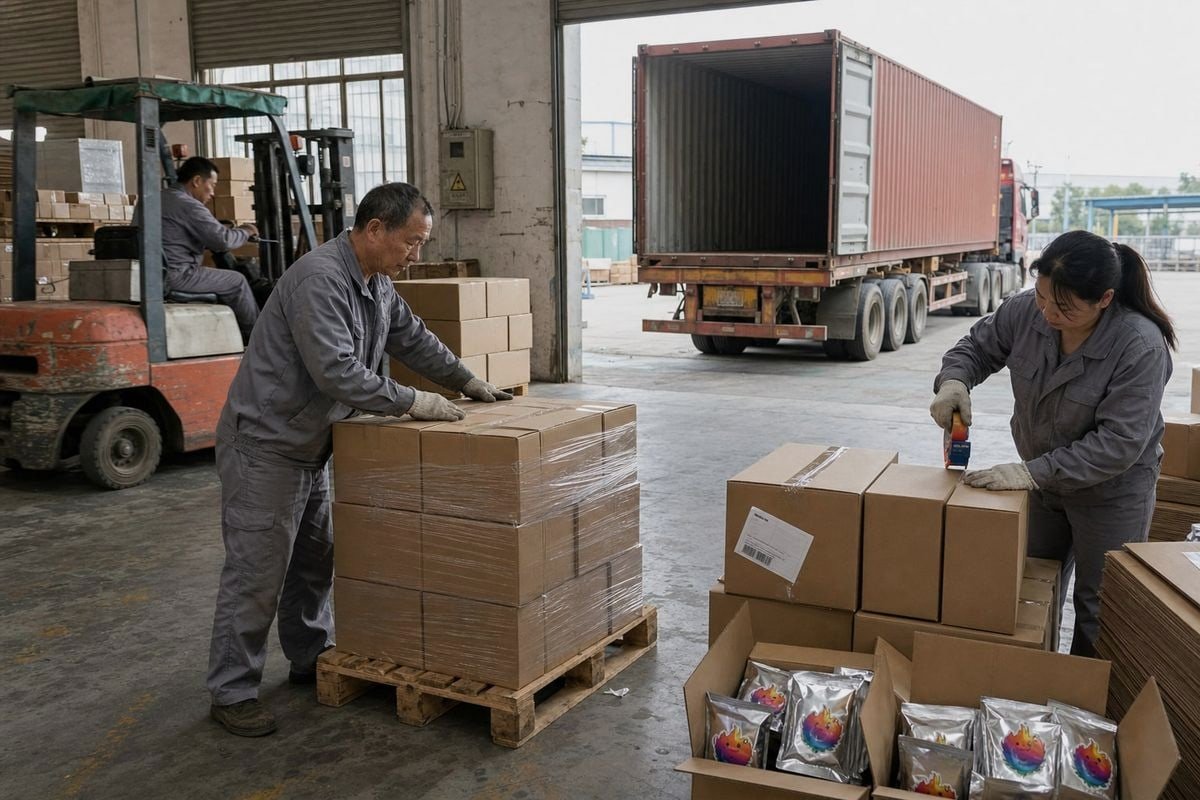
Choosing between sea freight to FBA and direct China shipping for Magic Fire Powder can quietly destroy a good margin Amazon inbound placement fees 1. I have watched buyers from our Ningbo line learn this the expensive way.
Sea freight to FBA is usually the cheapest way to ship Magic Fire Powder, at roughly $1.80–$3.20/kg DDP, but takes 25–45 days. Direct China air shipping costs $4.50–$8.50/kg yet arrives in 5–14 days. Most sellers should use air for launches and sea for planned replenishment.
That short answer hides real complexity. Costs, stockout risk, compliance paperwork, and return rates all shift depending on the route you pick. Let me walk you through each factor, one at a time.
How do I compare total landed costs between sea freight to FBA and direct China shipping for Magic Fire Powder?
A US camping brand once showed me two freight quotes and asked which was "cheaper." Neither quote told the full story, because freight cost is not landed cost — a lesson we repeat to almost every new FBA buyer.
Compare landed cost per sellable unit, not freight per kilogram. Add product cost, freight, duties, customs brokerage, drayage, Amazon inbound placement fees, and FBA fulfillment fees. Sea freight DDP runs $1.80–$3.20/kg; air runs $4.50–$8.50/kg; express couriers run $6–$12/kg or more.

Magic Fire Powder is a good product to study here because it is small, light, and high-margin. Our standard color-flame packets — whether in foil sachets, kraft stand-up pouches, or plastic jars — pack densely into master cartons. That means a full replenishment order often weighs only a few hundred kilograms. This is exactly the zone where the sea-versus-air decision gets interesting.
The cost anchors you should use
Here is the baseline comparison most 2026 freight guides agree on:
| Route | Typical all-in cost | Transit time | Best for |
|---|---|---|---|
| Sea LCL DDP to FBA | $1.80–$3.20/kg (some lanes $2.50–$4.00/kg, or $110–$180/CBM) | 25–45 days | Planned replenishment over ~100 kg or 2–3 CBM |
| Air freight DDP to FBA | $4.50–$8.50/kg | 5–14 days | Launches, urgent restocks, seasonal spikes |
| Express courier | $6–$12/kg or higher | 3–10 days | Samples, small emergency top-ups |
Why the per-kg number misleads you
Freight is only one layer. A cheap ocean quote can understate the true delivered cost once you add duties, customs clearance, port drayage, and Amazon's inbound placement service fees — especially if Amazon splits your shipment across multiple warehouses Amazon inbound placement fees 2. In our experience exporting to the US, Germany, and the UK, buyers who model landed cost per sellable unit make far better decisions than buyers who chase the lowest per-kg rate.
One more point specific to this product category: color-flame powders can attract dangerous-goods surcharges on some lanes if the formulation triggers a hazmat classification. Because our Magic Fire packets use eco-friendly formulations backed by SGS and Intertek test reports, our buyers usually avoid those surcharges — but if you source elsewhere, ask for the SDS before you trust any freight quote.
What can I do to prevent stockouts when shipping Magic Fire Powder by sea to FBA?
The trade-off I weigh most often with FBA buyers is simple: sea freight saves dollars per unit, but one stockout during bonfire season can erase months of those savings in lost margin and lost ranking.
Prevent stockouts by reverse-engineering sea freight lead times from seasonal demand peaks, holding 6–8 weeks of buffer stock, booking production early, and keeping an air freight bridge ready. Sea transit of 25–45 days plus production time means orders must ship 10–14 weeks before peak season.

Color-flame products are strongly seasonal. Our order book fills up ahead of camping season, autumn bonfire weeks, and the winter holiday fire-pit period across the US and Europe. Generic reorder-point models fail here because demand is not flat. You must plan backwards from the peak, not forwards from your current stock level.
A practical reverse-engineered timeline
- Identify your demand peak. For most of our US buyers, that means late spring for camping and October–December for fire pits and fireplaces.
- Subtract Amazon check-in time. Allow 1–2 weeks for receiving, especially in Q4.
- Subtract sea transit. Budget 25–45 days door-to-FBA, and use the pessimistic end during peak shipping months.
- Subtract production lead time. At our factory, a confirmed private-label order with custom pouches and display boxes needs its own production window — build this in rather than assuming stock is sitting on a shelf.
- Add a buffer. Port congestion, customs holds, and supplier slips are why the SERP consensus recommends generous buffers for sea-replenished FBA inventory.
The hidden cost of running dry
A stockout is not just missed sales. You lose Buy Box 3 share, ranking momentum, review accumulation, and advertising efficiency. When your listing recovers, you often pay again in ad spend to rebuild position. That is why the hybrid model is so widely recommended: sea freight covers baseline demand, and air freight covers spikes or emergencies. In our experience, buyers who accept an occasional $4.50–$8.50/kg air top-up protect far more profit than buyers who refuse to pay anything above ocean rates.
How should I handle customs compliance and safety documentation for color-flame powder shipments to my market?
Years of shipping color-flame products into 30+ countries taught us one blunt rule: paperwork problems delay shipments more often than weather, ports, or factories do.
Secure a complete SDS from your supplier before booking freight, confirm whether the formulation triggers hazmat classification, obtain third-party test reports such as SGS or Intertek, and complete Amazon's hazmat review before inventory arrives. Compliant labeling and warning text must be printed on retail packaging.
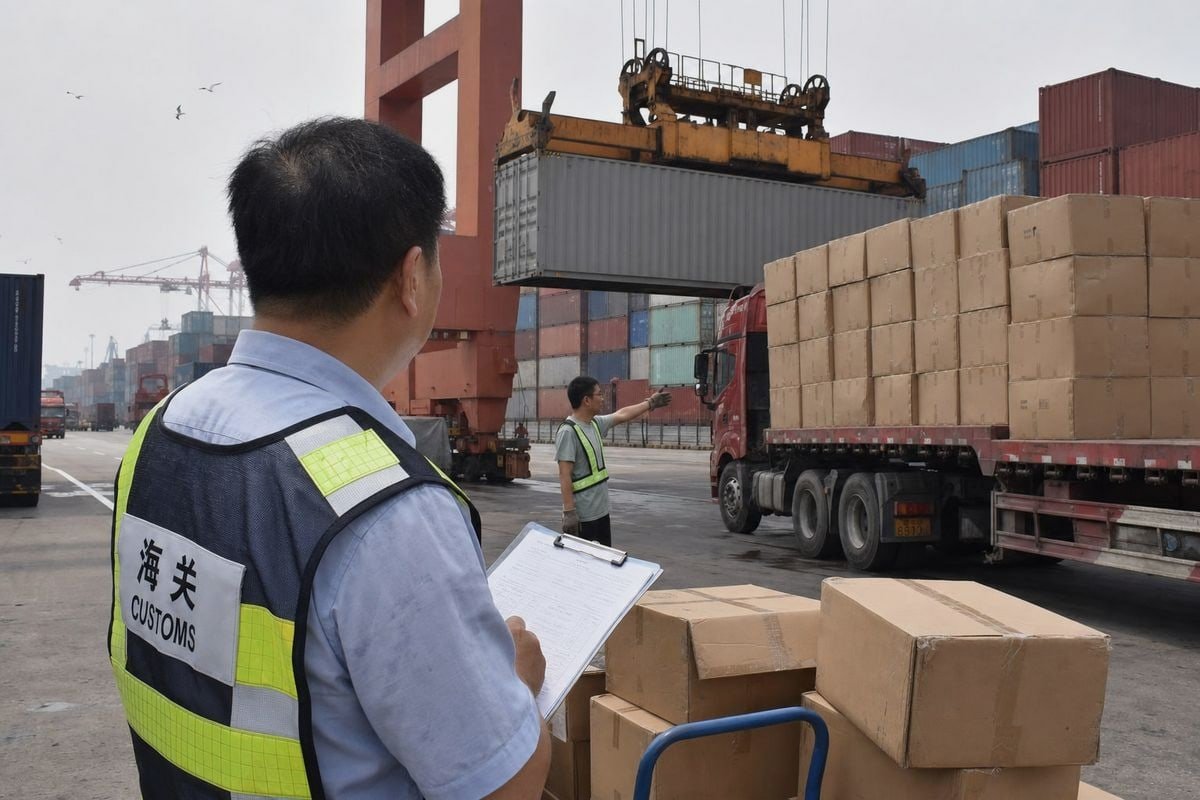
This is the section generic FBA-versus-direct-shipping comparisons skip, and it matters enormously for this product category. Many flame-colorant powders on the market contain metal salt compounds — copper, strontium 4, or boron-based — that can trigger Class 4.1 or Class 9 hazardous-materials classification for ocean freight. That classification adds dangerous-goods surcharges, restricts carrier options, and demands compliant packaging. It also breaks the common assumption that "direct shipping is simpler," because some direct-to-consumer couriers and standard air parcel services restrict or refuse flame-colorant powders outright.
The documentation checklist we prepare for buyers
| Document | Purpose | When you need it |
|---|---|---|
| Safety Data Sheet 5 (SDS) | Classifies the product for carriers, customs, and Amazon | Before booking any freight |
| Third-party test reports (SGS/Intertek) | Proves the formulation is safe and non-hazardous as declared | For customs queries and retail buyers |
| Amazon hazmat review / exemption sheet | Makes the listing FBA-eligible | Before inventory placement — this is a hidden onboarding delay |
| CE marking 6 and warning labels | Market-entry compliance, especially in the EU and UK | Printed on retail packaging before production |
| ISO 9001 7 / BSCI factory certification | Supply-chain audits for large retail channels | During supplier qualification |
Why the supplier choice decides your compliance workload
Amazon requires SDS approval or hazmat exemption documentation before flame-color powder listings become FBA-eligible. If your supplier cannot produce a clean SDS, your sea shipment can arrive and then sit unsellable while the review drags on. Our approach is to solve this upstream: eco-friendly formulations without harmful chemicals, ISO 9001 and BSCI-audited production, CE marking where required, and SGS/Intertek reports supplied with every export order. We also print compliant warning labels, caution text, and barcodes directly onto private-label packaging during OEM production, so the goods land shelf-ready and review-ready. For our buyers in the US, Germany, and the UK, this is a hard requirement, not a nice-to-have.
What factors affect return rates and customer complaints when sourcing Magic Fire Powder through different shipping routes?
A European distributor once asked me why his return rate doubled after switching fulfillment routes on an identical product. The answer had nothing to do with the powder — and everything to do with the journey it took.
Return rates depend on delivery speed, returns friction, and inbound handling quality. FBA orders benefit from Prime delivery and Amazon's streamlined returns, keeping complaints low. Direct China-to-customer shipping increases refunds through long waits, while damaged or mislabeled inbound cartons create inventory errors and customer-facing defects.
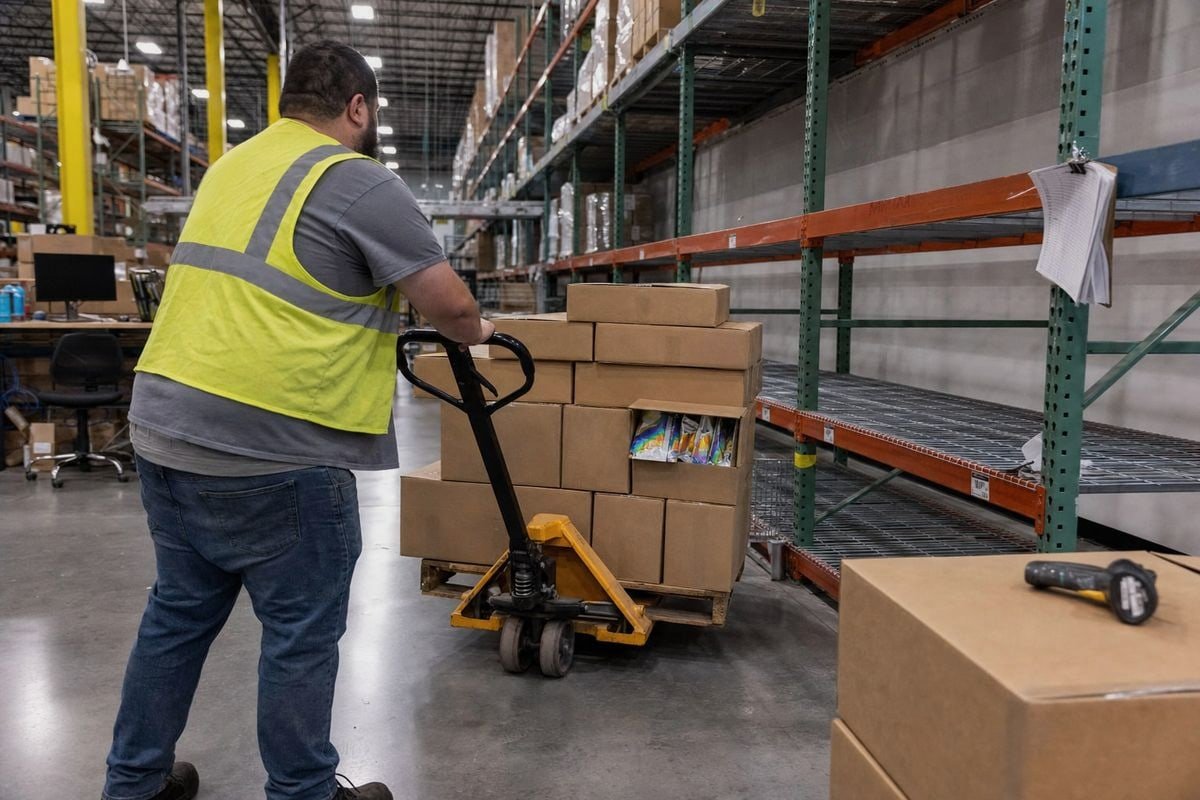
Returns are a logistics-cost issue, not just a customer-service issue. Every extra handling step between our production line and the end customer adds a chance for damage, delay, or error — and each of those shows up eventually as a refund, a complaint, or a one-star review.
Route-by-route return risk
| Factor | Sea freight to FBA | Direct China air to FBA | Direct China to customer |
|---|---|---|---|
| Delivery speed to buyer | Fast (Prime) once stocked | Fast (Prime) once stocked | Slow — 2–4+ weeks common |
| Returns process | Amazon-managed, low friction | Amazon-managed, low friction | Seller-managed, often no simple path |
| Inbound damage risk | Moderate — long transit, more handling | Lower — fewer touchpoints | N/A, but parcel loss risk rises |
| Buyer-impatience refunds | Low | Low | High |
| Impact of labeling errors | Rejected or delayed FBA check-in | Same, but discovered faster | Customs seizure or returned parcels |
What actually drives complaints for this product
Three things dominate. First, delivery expectations: buyers of a novelty campfire product often purchase for a specific weekend or event, so slow direct-from-China delivery produces refund requests and negative reviews from impatience alone. Second, inbound quality: crushed display boxes, split foil sachets, or non-compliant carton labels cause FBA check-in exceptions, misplaced inventory, and units that reach customers looking damaged. Third, product consistency: if sachets vary in fill weight or burn effect between batches, reviews suffer no matter the route. This is where genuine manufacturing depth matters — our batch-to-batch quality control exists precisely so the first sample a buyer approves reflects what arrives in container quantity. We also heat-seal foil sachets and spec master cartons to survive a 45-day ocean transit, because packaging that only survives an air shipment is packaging that fails at scale.
Conclusion
Cheap freight is not the same as a cheap outcome. Pick the route that protects your margin, your ranking, and your customers — not just your per-kilogram rate.
For Magic Fire Powder, the defensible strategy is hybrid: air or express to launch and bridge emergencies, sea freight DDP for planned replenishment, and seasonal peaks reverse-engineered into every booking. Underneath all of it sits compliance — SDS, test reports, and Amazon hazmat approval — because the fastest ship in the world cannot move inventory that customs or Amazon will not accept. Partner with a factory that hands you the paperwork, the packaging durability, and the batch consistency up front, and both shipping routes get cheaper, safer, and far less stressful.
Footnotes
1. Official Amazon documentation clarifies inbound placement fee structure affecting landed cost calculations. ↩︎
2. Explains Amazon's inbound placement fee structure affecting stockout and landed-cost planning. ↩︎
3. Wikipedia background on the Amazon feature affected by stockouts and ranking loss. ↩︎
4. Background reference on the metal salt compound used in flame-colorant chemistry discussed in compliance section. ↩︎
5. Background reference explaining the standard document required for hazardous material shipping compliance. ↩︎
6. EU official source explains CE marking requirements for market-entry compliance in Europe. ↩︎
7. Official ISO page explains the quality management certification mentioned for factory audits. ↩︎



 English
  Spanish
  German
  French
  Arabic
  Portuguese
Join the Conversation