






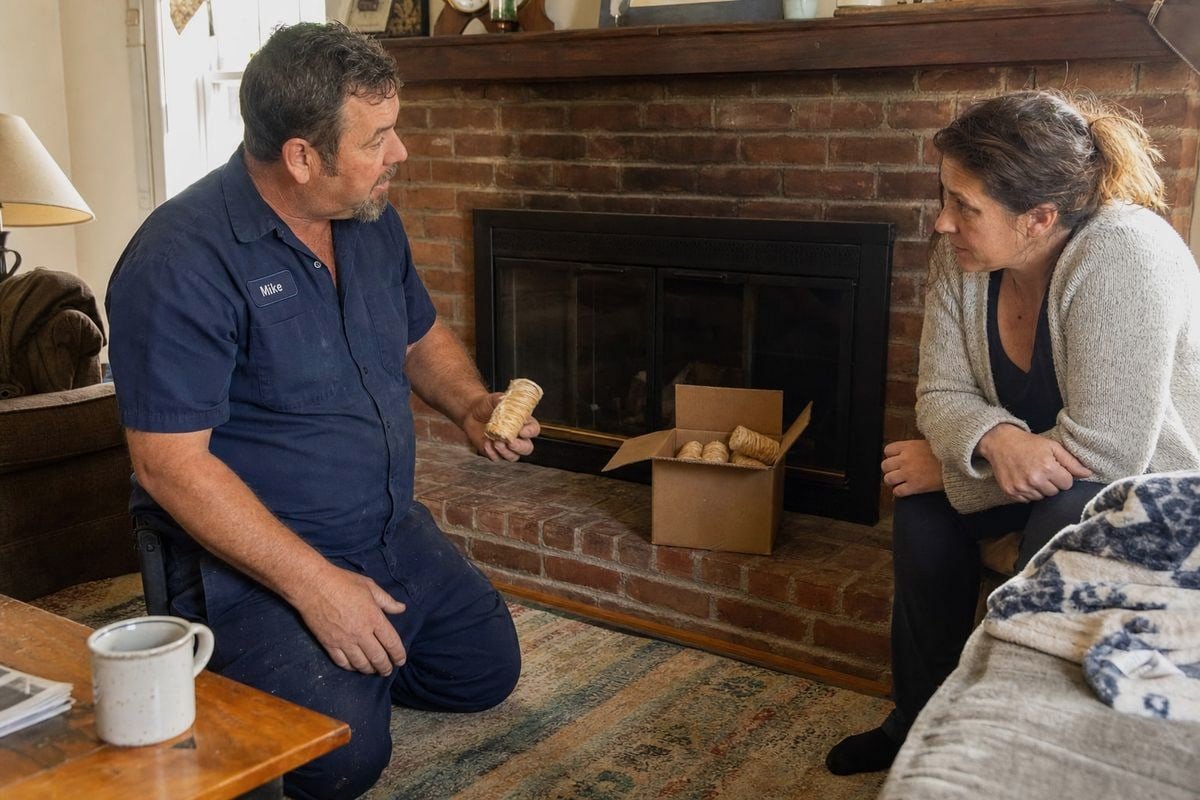
Incentive programs for technicians can quietly stall a good product. I've watched distributors stock our wax-dipped wood fire starters, then wonder why field techs never mention them to homeowners.
Create incentive programs for technicians by rewarding qualified, documented recommendations — not raw volume. Combine modest per-sale spiffs, tiered performance-based bonuses, and attach-rate goals with product knowledge training, an approved-product list, and customer-satisfaction checks so technicians recommend fire starters as trusted advisors.
That answer is the framework. Below, I break down each piece: program types, product quality, training support, and measurement. Let's start with what actually motivates technicians.
What Types of Incentive Programs Work Best for Motivating Technicians to Recommend Fire Starters?
One of our German distributors once paid chimney techs a flat cash bounty per box sold. Sales spiked for a month, then complaints rose. We helped them redesign it — and the lesson stuck with me.
The best incentive programs blend a small flat spiff per qualified sale, tiered performance-based bonuses at monthly milestones, attach-rate rewards when fire starters accompany a stove or chimney service, and quality-weighted payouts tied to customer feedback. Hybrid pay structures beat commission-only models in trust-driven trades.
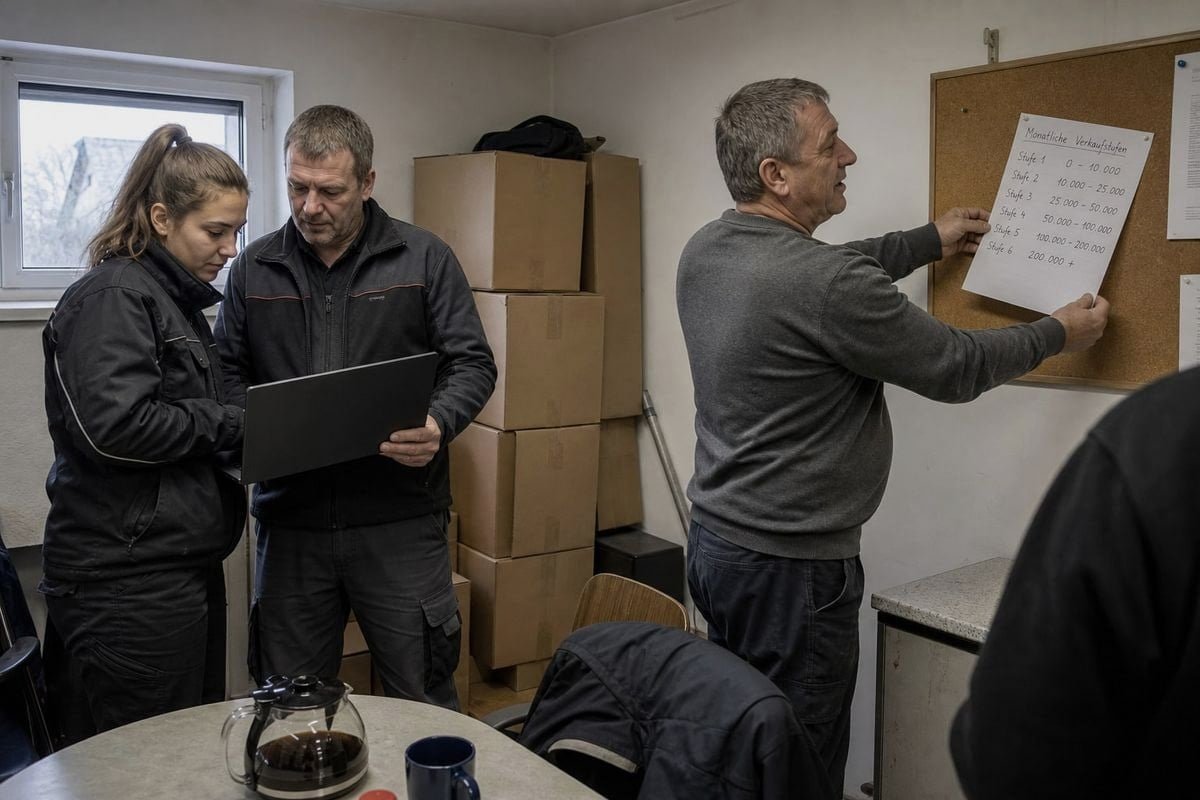
Technicians are not salespeople. They are trusted advisors standing in someone's living room. So your incentive design must respect that trust, or it will backfire. Here are the main models I've seen work across our export markets, compared side by side.
| Incentive Model | How It Works | Best For | Risk Level |
|---|---|---|---|
| Flat spiff per sale | Fixed cash or gift card per unit | Simple retail add-ons | Medium — can push volume over fit |
| Tiered commission structure | Payout rises at monthly volume milestones | Motivated, established teams | Medium |
| Attach-rate bonus | Reward when starters pair with a stove, sweep, or firewood sale | Chimney sweep business 1 and installers | Low |
| Quality-weighted payout | Base reward plus bonus for good reviews, low returns | Long-term brand builders | Low |
| Seasonal SPIFF | Short cash bursts during autumn "first burn" weeks | Kickstarting a new program | Low–Medium |
| Team monthly goals | Shared target with shared reward | Collaborative crews | Low |
Match the Model to the Channel
A chimney sweep business should lean on attach-rate bonuses. The technician is already discussing creosote buildup prevention 2 and safe ignition, so a fire starter recommendation fits naturally. A retail-focused distributor can run seasonal SPIFFs with digital leaderboards for friendly competition. HVAC and fireplace installers respond best to hybrid pay: a reliable base wage plus performance-based bonuses, which prevents high-pressure selling.
Keep Payouts Modest and Transparent
In my experience shipping to 30+ countries, the strongest programs keep individual payouts small enough that no technician bends their judgment for the money. The reward should feel like recognition for good advice, not a commission to chase. Some operators also add a "Master Recommender" mentorship bonus, where veterans earn extra when their apprentices hit first targets. That builds technician buy-in across the whole crew instead of creating lone wolves.
How Can I Ensure the Wood Fire Starters I Supply Meet Quality and Safety Standards Technicians Trust?
Every batch that leaves our Ningbo production line gets burn-tested against the approved sample, because we learned early that one inconsistent shipment can kill a technician program faster than any pricing mistake.
Ensure quality by sourcing from certified factories holding ISO 9001, BSCI, CE, and SGS or Intertek test reports, demanding batch-to-batch consistency checks, verifying eco-friendly wood-and-wax compositions with no harmful chemicals, and confirming compliant labeling. Technicians only recommend products they would use in their own fireplace.
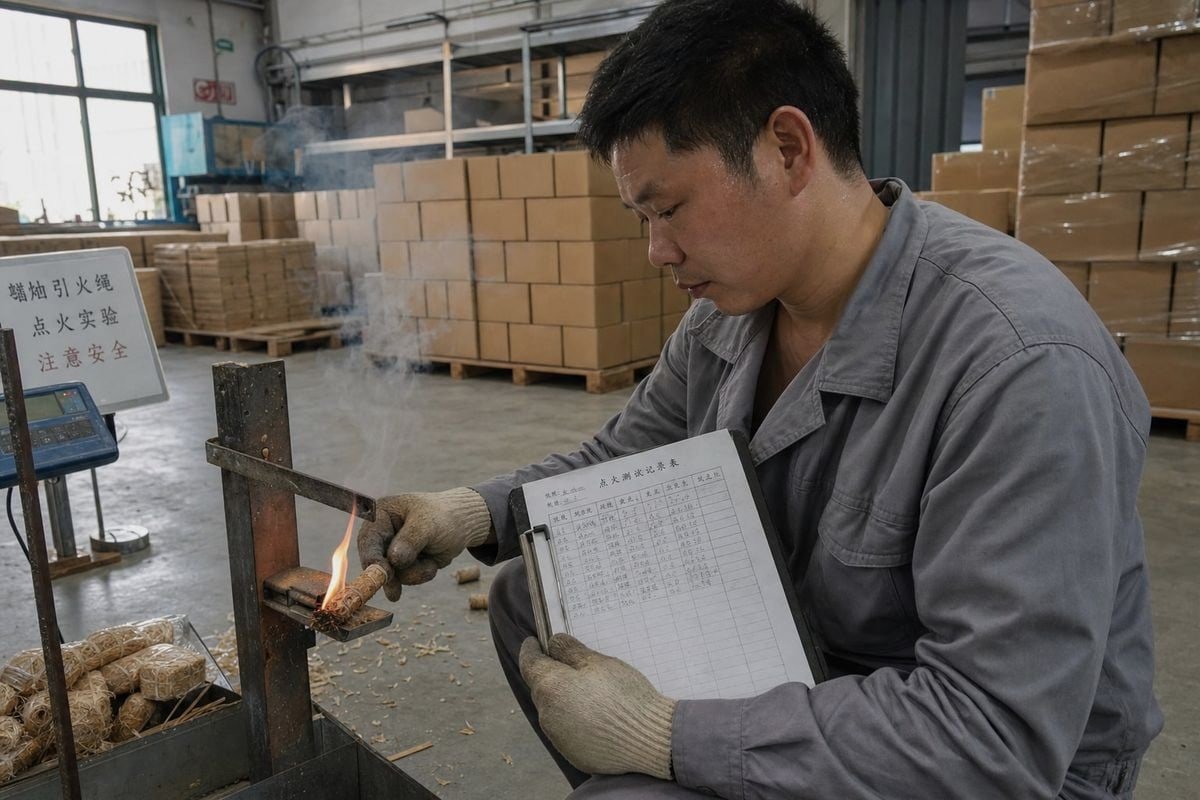
Technicians stake their reputation on every recommendation. If a fire starter smokes badly, smells chemical, or fails to light kindling, the technician — not you — absorbs the blame in the customer's eyes. So quality assurance is really trust insurance for your whole incentive program.
What Certification Actually Signals
Over 17+ years supplying US and European importers, I've found that purchasing managers treat compliance as a hard requirement, not a nice-to-have. Your technicians should feel the same. Here is what to verify before you build any incentive program on top of a product.
| Checkpoint | What to Ask the Supplier | Why Technicians Care |
|---|---|---|
| Factory certification | ISO 9001, BSCI audit reports | Proves systematic quality control, not luck |
| Product testing | SGS or Intertek burn and safety reports | Backs up safety claims made in the field |
| Composition | Natural wood fiber and wax; no harmful chemicals | Clean burn, no toxic fumes in a customer's home |
| Batch consistency | Does the mass-production batch match the first sample? | The 500th box must light like the demo box |
| Labeling | CE marks, warning labels, barcodes, usage instructions | Protects techs from misleading-claim liability |
Consistency Is the Silent Deal-Breaker
A technician might demo your starter in October and recommend it through March. If burn time drifts between batches — say from eight minutes down to five — their recommendation becomes a lie they never told. That is why we run strict batch-to-batch QC 3 on our wax-dipped wood rolls: ignition time, flame height, and total burn duration all get checked against tolerance before packing. When you supply technicians, ask your factory to document these tolerances in writing.
Clean-Burning Claims Need Proof
The wood-heat market is moving toward certified, cleaner-burning solutions, and public rebate programs 4 increasingly demand approved devices and licensed installation. Your fire starters ride along in that regulated ecosystem. Keep an approved-product list, and never let incentives extend to unverified SKUs.
What Training Materials and Support Should I Provide So Technicians Can Confidently Recommend My Products?
When we developed our OEM display packaging for a Canadian fireplace distributor, the surprise winner wasn't the box design — it was the one-page technician script we drafted alongside it. Their field team finally knew exactly what to say.
Provide product knowledge training covering composition and burn performance, a one-page compliant talking script, safety demos on proper ignition, point-of-sale marketing materials like leave-behind samples and brochures with QR codes, and short service-to-sales training refreshers each season. Confidence comes from knowing, not memorizing.

Most technicians avoid recommending products for one simple reason: they fear sounding like a salesperson or getting a question they can't answer. Good training removes both fears. Here is the support kit I suggest to every distributor we work with.
The Five-Part Technician Support Kit
- Product knowledge training. Teach what the starter is made of — for example, natural wood fiber and wax — how long it burns, and how it compares to firelighter cubes or newspaper. Ten minutes of facts beats an hour of sales theory.
- A compliant talking script. Give techs two or three approved sentences. Example: "This starter lights with one match, burns clean for several minutes, and helps you avoid smoldering starts that accelerate creosote buildup." Scripted claims keep everyone truthful and consistent.
- Safety framing. Position the recommendation as a professional safety service. A hot, fast fire start reduces smoke and cold-flue smoldering, which supports creosote buildup prevention. That framing turns upselling fireplace accessories into genuine customer education.
- Point-of-sale marketing materials. Supply leave-behind sample packs and brochures. Print a unique QR code 5 per technician so delayed online purchases still credit the right person. This also feeds your tracking data.
- Seasonal service-to-sales training refreshers. Run a 15-minute huddle each autumn before "first burn" season. Cover new SKUs, updated claims, and last year's common customer questions.
We support this from the factory side too: our one-stop OEM/ODM service 6 includes custom brochures, warning labels, and display packaging, so your technicians hand over materials that look shelf-ready, not homemade. When the product looks professional, the recommendation feels professional — and technician buy-in follows naturally.
How Do I Track and Measure the Success of a Technician Incentive Program Over Time?
A UK buyer once told me their program "felt like it was working" but they couldn't prove it — no attribution, no baseline, no return data. We helped them define metrics before their next container order, and the picture changed completely.
Track success with five metrics: recommendation-to-sale conversion rate, attach rate on service calls, repeat purchase or subscription retention, customer satisfaction scores, and refund or complaint rate. Log every qualified recommendation with SKU, date, technician, and outcome in sales tracking software, then review monthly.

You cannot improve what you don't measure, and you cannot pay fairly for what you can't attribute. So build the measurement system before you launch the program, not after.
The Core Metrics Dashboard
| Metric | What It Tells You | Healthy Signal | Warning Signal |
|---|---|---|---|
| Conversion rate | Do recommendations turn into sales? | Steady or rising | High recs, low sales |
| Attach rate | Are starters sold with stoves, sweeps, firewood? | Growing per-call attach | Flat despite incentives |
| Repeat purchase / subscription retention | Did customers actually like the product? | Reorders within a season | One-and-done buyers |
| Customer satisfaction | Was the recommendation genuinely helpful? | Positive follow-up reviews | Neutral or negative feedback |
| Refund / complaint rate | Are techs pushing bad fits? | Near zero | Spikes after payout periods |
Build a Clean Attribution Trail
Every qualified recommendation needs a record: technician name, SKU, customer type, date, reason for the recommendation, and final outcome. Simple sales tracking software 7 or even a shared CRM form works at small scale. Unique QR codes on leave-behind samples close the loop on delayed digital purchases. For subscription-based starter orders, a small recurring annuity commission keeps techs invested in long-term customer happiness, not just the first sale.
Add Guardrails and Review Cycles
Include clawbacks or a review period for returns and complaints, so payouts reward outcomes, not just transactions. Review the data monthly, and audit a random sample of recommendations each quarter. From the supply side, we help by keeping burn performance stable batch to batch — because if the product varies, your metrics measure our inconsistency instead of your technicians' effort. Some buyers also track impact metrics, such as how much chemical firelighter volume was replaced by eco-friendly wood-and-wax starters. That story motivates technicians and markets well to end customers.
Conclusion
Weak incentives create pushy techs and returned product. The fix: design your program like a quality-control system — certified products, real training, modest tiered rewards, and honest measurement. Build it right, and technicians become your most trusted sales channel.
Footnotes
1. Background on the chimney sweep trade context referenced for attach-rate incentive design. ↩︎
2. Background on creosote explains why fast, clean ignition matters for chimney safety framing. ↩︎
3. ISO 9001:2015 defines quality control standards ensuring consistent production batches technicians can trust. ↩︎
4. EPA Burn Wise program regulates cleaner-burning wood heat devices and related rebate incentives. ↩︎
5. Explains QR code technology used for tracking technician-attributed delayed purchases. ↩︎
6. Alibaba is a leading platform for sourcing OEM/ODM manufacturing services referenced in the article. ↩︎
7. Salesforce exemplifies CRM and sales tracking software used to log and attribute technician recommendations. ↩︎



 English
  Spanish
  German
  French
  Arabic
  Portuguese
Join the Conversation