







Safety precautions for magic fire powder are the first thing buyers ask about on our production line — and honestly, too many importers still treat this flame colorant like harmless glitter. That gap causes recalls, returns, and liability headaches. After 17+ years making color-flame packets, I can tell you the fix is simpler than most people think.
Magic fire powder safety precautions include keeping packets away from heat until use, tossing sachets into fires unopened, never cooking over treated flames, avoiding dust inhalation, using it only in wood-burning fires outdoors or in ventilated spaces, and storing it dry, sealed, and away from children.
Those are the basics. But if you import or distribute this product, you need more than a checklist. You need to know how compliance, customer communication, storage, and labeling fit together. Let me walk you through each one.
What Certifications Should I Verify Before Importing Magic Fire Powder?
A German distributor once asked us for test reports before he even asked for a price. In our export experience across 30+ countries, that order of questions is exactly right.
Before importing magic fire powder, verify SGS or Intertek chemical test reports, CE marking for the EU, ISO 9001 factory certification, BSCI social compliance audits, and a complete Material Safety Data Sheet listing the metal salts used in the flame colorant formula.

Certification is not paperwork for its own sake. It is your legal shield and your retail entry ticket. Customs authorities in the US and EU can hold or reject shipments of chemical novelty products 1 that lack proper documentation. Big-box retailers will not even review a fire product without third-party test reports on file.
Les documents essentiels à demander
At our factory in Liuyang, we prepare a standard compliance package for every buyer. Here is what a serious supplier should hand you without hesitation:
| Document | Ce qu'il prouve | Qui l'exige |
|---|---|---|
| Rapport de test SGS / Intertek | Product is free of restricted harmful chemicals | Retailers, customs, insurers |
| Fiche de données de sécurité des matériaux | Exact composition, hazards, first aid, handling | Distributors, freight forwarders |
| documentation CE | Conformité pour le marché européen | Importateurs de l'UE |
| Certificat ISO 9001 | Consistent batch-to-batch quality control | Brand buyers, large chains |
| rapport d'audit BSCI | Conditions d'usine éthiques | US and EU retail chains |
Why the SDS Matters Most
The Material Safety Data Sheet is the single most useful document. Flame colorant formulas vary widely. Some use sulfate de cuivre 2 or other metal salts, and each formula carries different inhalation hazards and disposal rules. If a supplier cannot produce a current SDS, walk away. In my experience, that usually means they are a trading company reselling powder they have never tested. A real factory tests every batch, because one bad shipment can end a 10-year retail relationship.
Also check that test reports match the actual product SKU and packaging format — sachet, kraft bag, or jar — not a similar product from years ago.
How Do I Communicate Safe Usage Instructions to My Retail Customers?
One lesson our OEM team learned early: end users rarely read a leaflet, but they always see the packet. So we design the instructions into the sachet itself.
Communicate safe usage by printing clear instructions directly on packaging: throw sachets in unopened, use only in wood-burning fires, never cook food over colored flames, stand upwind of smoke, wash hands after handling, and keep packets away from children and pets.
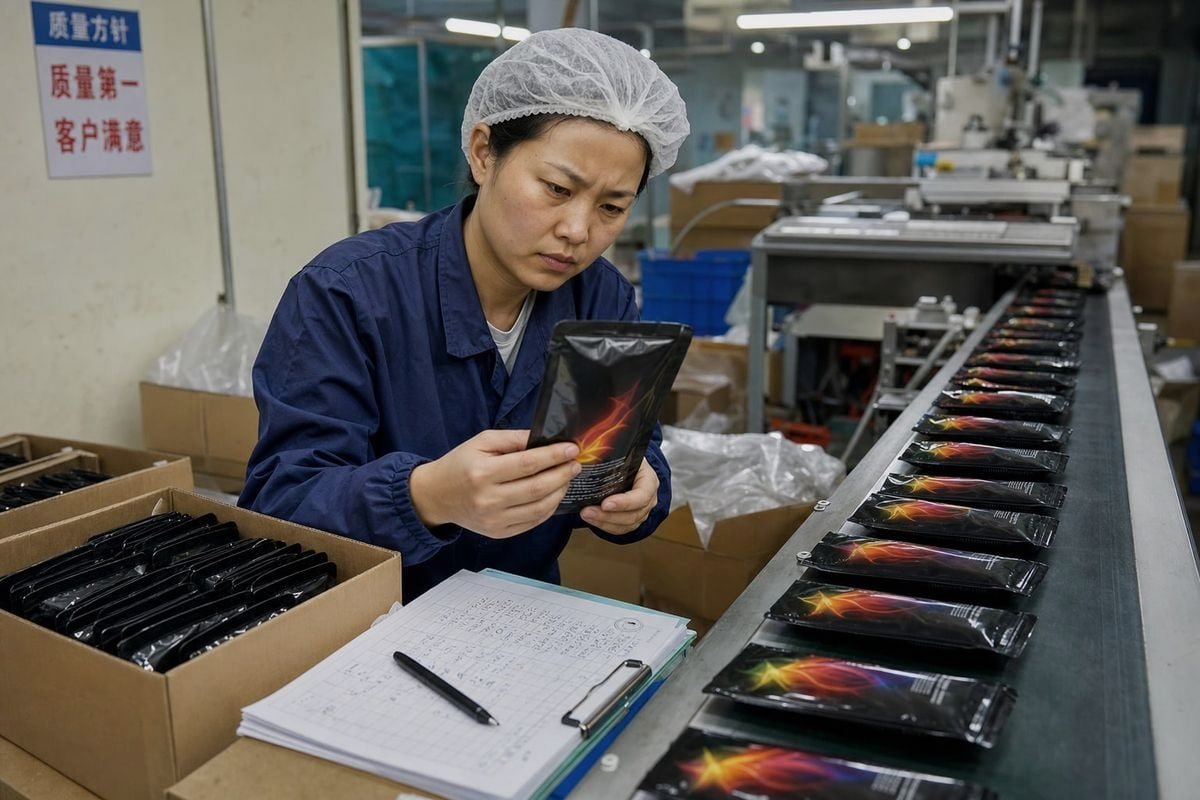
Retail customers judge risk by appearance. A colorful, palm-sized pouch looks like a candy or drink mix, not a chemical product. That is why the message design matters as much as the message itself. When we develop private-label packaging for our buyers, we push the critical warnings onto the front panel, not buried in small print on the back.
The Five Messages Every Package Needs
- Do not open the packet. Tossing the sachet in whole prevents fine dust from becoming an inhalation hazard and keeps skin contact to zero.
- No food over treated flames. Metal salts can settle on food, and food contamination is the number one liability risk with this product category. State it plainly: no marshmallows, no grilling.
- Feux de bois uniquement. Gas, propane, and gel-fuel units can be clogged or damaged. High-efficiency stoves with catalytic converters can be permanently fouled.
- Stay upwind. Le smoke from colored flames carries residues that ordinary wood smoke does not, so basic outdoor campfire safety habits apply doubly here.
- Wash hands after handling. Trace powder on the packet exterior can irritate skin and eyes.
Match the Message to the Channel
Different sales channels need different communication depth. A camping brand's audience already respects fire. A festival gift buyer's audience may not. We often produce two label versions for the same buyer: a concise outdoor-market version and an expanded family-market version with pictogram instructions. Pictograms work across the language barriers our buyers face in markets like Poland, Brazil, and the Middle East. Simple icons — a crossed-out marshmallow, a crossed-out open packet — outperform paragraphs of text every time.
What Storage and Handling Guidelines Should I Follow for Bulk Orders?
Container humidity nearly ruined a shipment for one of our early Dutch buyers years ago — the granules clumped before reaching the shelf. Since then, moisture control drives every storage recommendation we give.
Store bulk magic fire powder in cool, dry, well-ventilated warehouses in tightly sealed original containers, away from heat sources, open flames, sparks, moisture, and incompatible chemicals. Keep pallets off the floor, prohibit smoking in storage zones, and use dry cleanup methods for any spills.

Warehouse handling is where importers face risks end users never see. A single sachet is a small hazard. A pallet of ten thousand sachets is a chemical inventory that your insurance and local fire codes may treat very differently.
Warehouse Storage Conditions
| Facteur | Recommended Practice | Pourquoi c'est important |
|---|---|---|
| Température | Cool, stable, away from heaters and direct sun | Heat degrades packaging seals and raises ignition risk |
| Humidité | Dry environment, sealed cartons, pallets off floor | Moisture clumps granules and can ruin the color effect |
| Ventilation | Well-ventilated space | Reduces buildup of any dust in the air |
| Ignition sources | No smoking, no sparks, no open flames nearby | Fine powders can form combustible dust-air mixtures |
| Ségrégation | Keep away from acids, oxidizers, and food goods | Prevents chemical reactions and food contamination |
Handling Spills the Right Way
If a carton breaks open, do not vacuum the spill. Standard vacuums aerosolize fine powder and turn a floor spill into an airborne inhalation hazard. Instead, sweep the material gently into a covered dry container and dispose of it under local rules. Keep spilled material out of drains and soil. Warehouse staff who handle broken packaging should wear gloves and protective eyewear 3, and a dust mask if the powder is fine.
We pack our export cartons with double-sealed inner liners 4 specifically to prevent this scenario. When you evaluate a supplier, ask how they package for a six-week sea freight journey, not just how the retail unit looks. The difference shows up in your damage rate.
Why Are Warning Labels and Packaging Compliance Critical for My Market?
When we tooled up our Ningbo packaging line for a US retail chain, the warning label went through more revisions than the artwork. Buyers on that side of the table know why.
Warning labels and packaging compliance are critical because they protect end users, satisfy customs and retailer requirements, and shield importers from legal liability. Non-compliant labels can trigger shipment holds, retail delisting, product recalls, and lawsuits — especially for products children could mistake for candy.
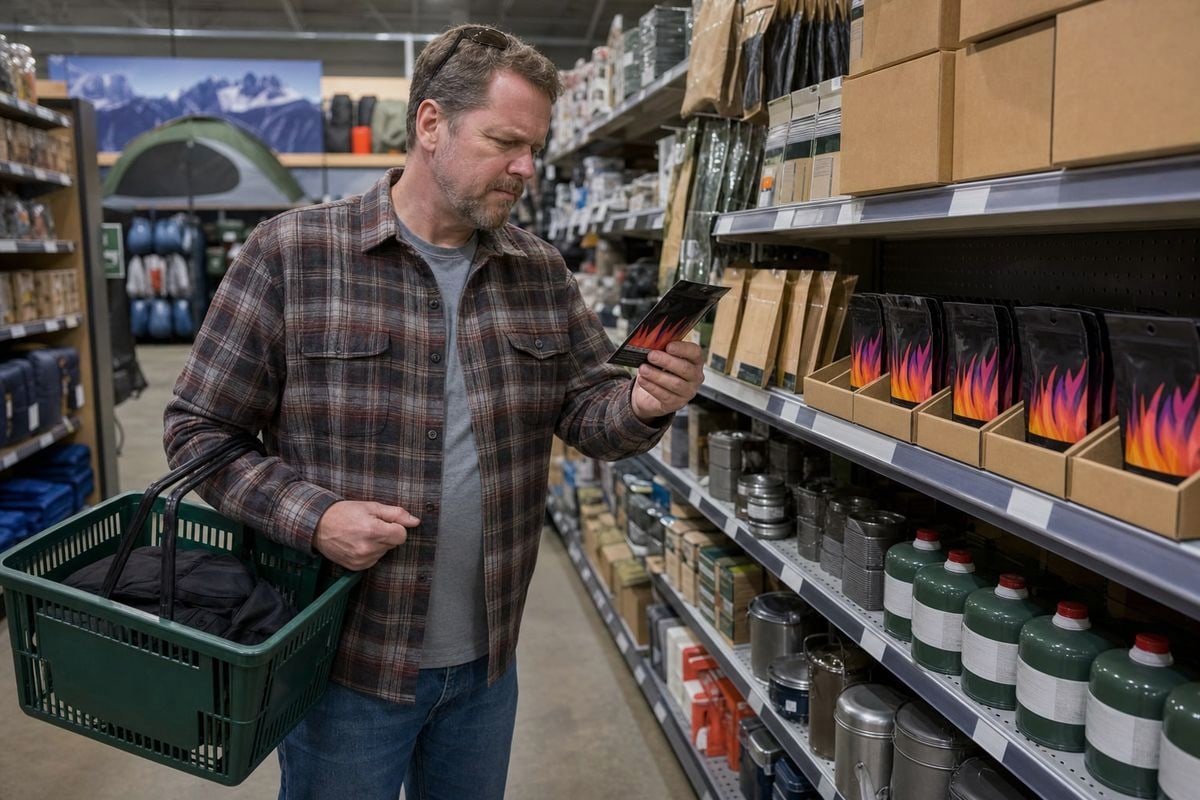
The bright, playful design that sells magic fire powder is also its biggest labeling challenge. Rainbow lettering and shimmering granules attract children. Health authorities have specifically warned caregivers about flame colourant packets 5 for this reason. Your label has to work against your packaging's own appeal. Beyond the label itself, retailers increasingly expect brands to publish safety guidance for households with children and pets alongside the product.
What a Compliant Label Must Cover
| Élément d'étiquette | Objectif |
|---|---|
| Hazard statements and pictograms | Communicate fire and toxic fumes risks at a glance |
| Tenir hors de portée des enfants | Legal requirement in most markets; prevents ingestion |
| Restrictions d'utilisation | Wood-burning fireplaces and campfires only; no cooking |
| First aid basics | Eye rinse, fresh air, when to seek medical help |
| Manufacturer and importer details | Traceability required by EU and US regulations |
| Batch code and barcode | Enables recalls and retail scanning |
Market Differences You Cannot Ignore
Labeling rules are not universal. The EU demands specific hazard pictogram formats 6 and multilingual text for markets like Germany, France, and the Netherlands. The US expects cautionary statements 7 in a defined style. Canada issues its own consumer warnings on flame colourants. Australia has separate mandatory standards. Our OEM service builds market-specific label templates for each destination, because a label that clears Hamburg customs may still fail in Los Angeles.
There is also the disposal angle. Responsible labels tell users to bin treated ash in the trash — never spread it as garden mulch, since residues can harm soil life — and to keep ash dry so rain does not wash chemicals into storm drains. Adding this guidance costs nothing and signals to retailers that your brand takes stewardship seriously. In competitive retail reviews, that detail has won our buyers shelf space more than once.
Conclusion
Magic fire powder sells on wonder but survives on safety. Verify certifications, print clear instructions, store stock dry, and label for each market — then this product builds your brand, not your risk.
Notes de bas de page
1. CPSC guidance on safety requirements for chemical novelty products and toys. ↩︎
2. Wikipedia entry for copper sulfate, a common chemical used in flame colorants. ↩︎
3. OSHA standards for personal protective equipment, including eye and face protection. ↩︎
4. Wikipedia overview of packaging and labeling standards for industrial and consumer goods. ↩︎
5. Health Canada safety advisory regarding the risks of flame colourant packets for children. ↩︎
6. Authoritative OSHA resource for GHS pictograms, providing a more accessible alternative to the restricted UNECE link. ↩︎
7. CPSC overview of the Federal Hazardous Substances Act regarding cautionary labeling. ↩︎


 English
  Spanish
  German
  French
  Arabic
  Portuguese
Rejoignez la conversation