







Sicherheitsvorkehrungen für magisches Feuerpulver sind das Erste, wonach Käufer an unserer Produktionslinie fragen – und ehrlich gesagt, behandeln zu viele Importeure dieses Flammenfärbemittel immer noch wie harmlosen Glitzer. Diese Lücke verursacht Rückrufe, Rücksendungen und Haftungsprobleme. Nach über 17 Jahren Herstellung von Farbflammen-Päckchen kann ich Ihnen sagen, dass die Lösung einfacher ist, als die meisten Leute denken.
Sicherheitsvorkehrungen für magisches Pulver umfassen das Aufbewahren von Päckchen fern von Hitze bis zur Verwendung, das Werfen von Beuteln ungeöffnet in Feuer, das niemals Kochen über behandelten Flammen, das Vermeiden von Staubinhalation, die Verwendung nur in Holzfeuern im Freien oder in belüfteten Räumen und die trockene, versiegelte und von Kindern ferngehaltene Lagerung.
Das sind die Grundlagen. Aber wenn Sie dieses Produkt importieren oder vertreiben, benötigen Sie mehr als eine Checkliste. Sie müssen wissen, wie Compliance, Kundenkommunikation, Lagerung und Kennzeichnung zusammenpassen. Lassen Sie mich Sie durch jeden einzelnen Punkt führen.
Welche Zertifizierungen sollte ich vor dem Import von Magic Fire Powder überprüfen?
Ein deutscher Händler fragte uns einmal nach Prüfberichten, bevor er überhaupt nach einem Preis fragte. In unserer Exporterfahrung in über 30 Ländern ist diese Reihenfolge der Fragen genau richtig.
Bevor Sie magisches Feuerpulver importieren, überprüfen Sie SGS- oder Intertek-Chemikalienprüfberichte, CE-Kennzeichnung für die EU, ISO 9001-Fabrikzertifizierung, BSCI-Sozialaudits und ein vollständiges Sicherheitsdatenblatt, das die Metallsalze auflistet, die in der Flammenfarbstoffformel verwendet werden.

Zertifizierung ist kein Papierkram an sich. Sie ist Ihr rechtlicher Schutzschild und Ihr Eintrittsticket für den Einzelhandel. Zollbehörden in den USA und der EU können Sendungen von chemischen Neuheitsprodukten 1 , denen die richtige Dokumentation fehlt, zurückhalten oder ablehnen. Große Einzelhändler werden ein Feuerprodukt nicht einmal prüfen, ohne dass Testberichte von Drittanbietern vorliegen.
Die wichtigsten Dokumente, die Sie anfordern sollten
In unserer Fabrik in Liuyang bereiten wir für jeden Käufer ein standardmäßiges Compliance-Paket vor. Hier ist, was ein seriöser Lieferant Ihnen ohne zu zögern aushändigen sollte:
| Dokument | Was es beweist | Wer verlangt es |
|---|---|---|
| SGS / Intertek Prüfbericht | Produkt ist frei von eingeschränkten schädlichen Chemikalien | Einzelhändler, Zoll, Versicherer |
| Sicherheitsdatenblatt | Genaue Zusammensetzung, Gefahren, Erste Hilfe, Handhabung | Händler, Spediteure |
| CE-Dokumentation | Konformität für den europäischen Markt | EU-Importeure |
| ISO 9001 Zertifikat | Konsistente Chargen-zu-Chargen-Qualitätskontrolle | Marken-Käufer, große Ketten |
| BSCI Auditbericht | Ethische Fabrikbedingungen | US- und EU-Handelsketten |
Warum das Sicherheitsdatenblatt am wichtigsten ist
Das Sicherheitsdatenblatt ist das nützlichste Dokument. Flammenfärbemittel-Formeln variieren stark. Einige verwenden Kupfersulfat 2 oder andere Metallsalze, und jede Formel birgt unterschiedliche Inhalationsgefahren und Entsorgungsregeln. Wenn ein Lieferant kein aktuelles Sicherheitsdatenblatt vorlegen kann, gehen Sie weg. Meiner Erfahrung nach bedeutet das normalerweise, dass es sich um ein Handelsunternehmen handelt, das Pulver weiterverkauft, das es nie getestet hat. Eine echte Fabrik testet jede Charge, denn eine schlechte Lieferung kann eine 10-jährige Einzelhandelsbeziehung beenden.
Überprüfen Sie auch, ob die Testberichte mit der tatsächlichen Produkt-SKU und dem Verpackungsformat – Beutel, Kraftpapierbeutel oder Glas – übereinstimmen und nicht mit einem ähnlichen Produkt von vor Jahren.
Wie kommuniziere ich sichere Gebrauchsanweisungen an meine Einzelhandelskunden?
Eine Lektion, die unser OEM-Team früh gelernt hat: Endverbraucher lesen selten ein Merkblatt, aber sie sehen immer die Packung. Deshalb gestalten wir die Anweisungen in den Beutel selbst ein.
Sichere Anwendung kommunizieren, indem klare Anweisungen direkt auf die Verpackung gedruckt werden: Beutel ungeöffnet wegwerfen, nur in Holzöfen verwenden, niemals Essen über bunten Flammen kochen, windabgewandt vom Rauch stehen, Hände nach dem Anfassen waschen und Beutel von Kindern und Haustieren fernhalten.
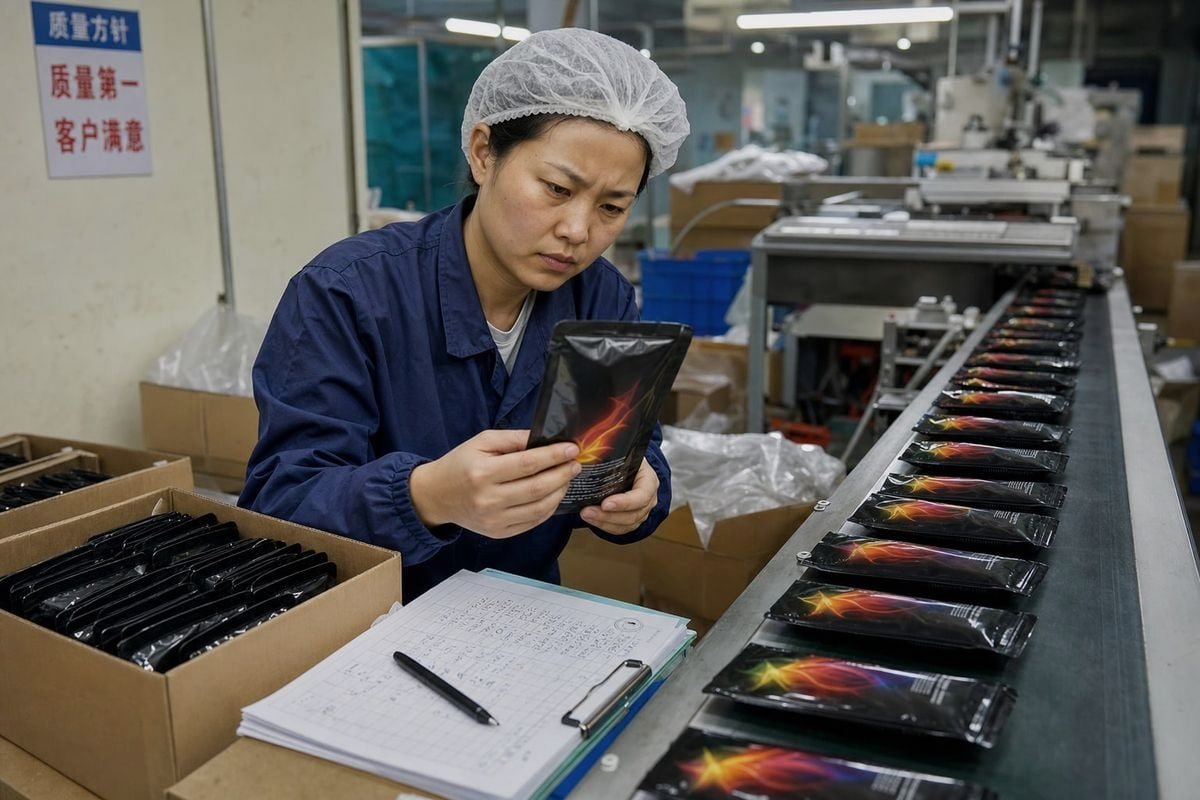
Einzelhandelskunden beurteilen das Risiko nach dem Aussehen. Ein bunter, handtellergroßer Beutel sieht aus wie Süßigkeiten oder Getränkepulver, nicht wie ein chemisches Produkt. Deshalb ist das Design der Botschaft genauso wichtig wie die Botschaft selbst. Wenn wir private Label-Verpackungen für unsere Käufer entwickeln, drängen wir die kritischen Warnungen auf das Frontpanel, nicht versteckt in Kleingedrucktem auf der Rückseite.
Die fünf Botschaften, die jede Verpackung benötigt
- Öffnen Sie den Beutel nicht. Das ganze Päckchen hineinzuwerfen, verhindert, dass feiner Staub zu einer Inhalationsgefahr wird, und hält den Hautkontakt auf Null.
- Keine Lebensmittel über behandelten Flammen. Metallsalze können sich auf Lebensmitteln ablagern, und Lebensmittelkontamination ist das Hauptrisiko für dieses Produktsegment. Sagen Sie es deutlich: keine Marshmallows, kein Grillen.
- Nur für Holzfeuer. Gas-, Propan- und Gelbrennstoffgeräte können verstopft oder beschädigt werden. Hocheffiziente Öfen mit Katalysatoren können dauerhaft verschmutzt werden.
- Bleiben Sie auf der windabgewandten Seite. Das Rauch von farbigen Flammen trägt Rückstände, die gewöhnlicher Holzrauch nicht hat, daher gelten grundlegende Sicherheitsgewohnheiten für Lagerfeuer im Freien hier doppelt.
- Hände nach der Handhabung waschen. Spuren von Pulver an der Außenseite der Packung können Haut und Augen reizen.
Passen Sie die Botschaft an den Kanal an
Unterschiedliche Vertriebskanäle erfordern unterschiedliche Kommunikationsintensität. Das Publikum einer Campingmarke respektiert bereits Feuer. Das Publikum eines Festival-Geschenkkäufers vielleicht nicht. Wir produzieren oft zwei Etikettenversionen für denselben Käufer: eine prägnante Version für den Outdoor-Markt und eine erweiterte Version für den Familienmarkt mit Piktogrammanweisungen. Piktogramme überwinden die Sprachbarrieren, mit denen unsere Käufer in Märkten wie Polen, Brasilien und dem Nahen Osten konfrontiert sind. Einfache Symbole – ein durchgestrichenes Marshmallow, ein durchgestrichenes offenes Päckchen – sind jedes Mal besser als Textabsätze.
Welche Lager- und Handhabungsrichtlinien sollte ich für Großbestellungen befolgen?
Luftfeuchtigkeit im Behälter hat vor Jahren fast eine Lieferung für einen unserer frühen niederländischen Käufer ruiniert – die Granulate verklumpten, bevor sie den Regal erreichten. Seitdem treibt die Feuchtigkeitskontrolle alle Lagerungsempfehlungen an, die wir geben.
Lagern Sie magisches Feuerpulver in großen Mengen in kühlen, trockenen, gut belüfteten Lagerräumen in dicht verschlossenen Originalbehältern, fern von Wärmequellen, offenen Flammen, Funken, Feuchtigkeit und unverträglichen Chemikalien. Halten Sie Paletten vom Boden fern, verbieten Sie das Rauchen in Lagerbereichen und verwenden Sie trockene Reinigungsmethoden für verschüttete Materialien.

Die Lagerung im Lager ist, wo Importeure Risiken ausgesetzt sind, die Endverbraucher nie sehen. Ein einzelnes Päckchen ist eine geringe Gefahr. Eine Palette von zehntausend Päckchen ist ein chemischer Bestandteil, den Ihre Versicherung und die örtlichen Brandschutzbestimmungen möglicherweise sehr unterschiedlich behandeln.
Lagerbedingungen im Lager
| Faktor | Empfohlene Praxis | Warum es wichtig ist |
|---|---|---|
| Temperatur | Kühl, stabil, entfernt von Heizungen und direkter Sonneneinstrahlung | Hitze verschlechtert Verpackungsversiegelungen und erhöht das Zündrisiko |
| Luftfeuchtigkeit | Trockene Umgebung, versiegelte Kartons, Paletten vom Boden ab | Feuchtigkeit verklumpt Granulate und kann den Farbeffekt ruinieren |
| Belüftung | Gut belüfteter Raum | Reduziert die Ansammlung von Staub in der Luft |
| Zündquellen | Kein Rauchen, keine Funken, keine offenen Flammen in der Nähe | Feine Pulver können brennbare Staub-Luft-Gemische bilden |
| Trennung | Von Säuren, Oxidationsmitteln und Lebensmitteln fernhalten | Verhindert chemische Reaktionen und Lebensmittelkontamination |
Richtiges Vorgehen bei Verschüttungen
Wenn ein Karton aufbricht, saugen Sie die Verschüttung nicht auf. Standardstaubsauger versprühen feines Pulver und verwandeln eine verschüttete Bodenfläche in eine luftgetragene Inhalationsgefahr. Fegen Sie stattdessen das Material vorsichtig in einen abgedeckten, trockenen Behälter und entsorgen Sie es gemäß den örtlichen Vorschriften. Halten Sie verschüttetes Material von Abflüssen und Erde fern. Lagerpersonal, das mit beschädigten Verpackungen umgeht, sollte Handschuhe und Schutzkleidung für die Augen 3, und eine Staubmaske tragen, wenn das Pulver fein ist.
Wir verpacken unsere Exportkartons mit doppelt versiegelten Innenlinern 4 , speziell um dieses Szenario zu verhindern. Wenn Sie einen Lieferanten bewerten, fragen Sie, wie er für eine sechs-wöchige Seereise verpackt, nicht nur, wie die Einzelhandelseinheit aussieht. Der Unterschied zeigt sich in Ihrer Schadensrate.
Warum sind Warnhinweise und die Einhaltung von Verpackungsvorschriften für meinen Markt entscheidend?
Als wir unsere Verpackungslinie in Ningbo für eine US-Einzelhandelskette ausrüsteten, durchlief das Warnetikett mehr Überarbeitungen als die Grafik. Käufer auf dieser Seite des Tisches wissen warum.
Warnhinweise und die Einhaltung von Verpackungsvorschriften sind entscheidend, da sie die Endverbraucher schützen, die Anforderungen von Zoll und Einzelhändlern erfüllen und Importeure vor rechtlicher Haftung schützen. Nicht konforme Etiketten können zu Sendungsrückhaltungen, Streichungen aus dem Einzelhandel, Produktrückrufen und Klagen führen – insbesondere bei Produkten, die Kinder mit Süßigkeiten verwechseln könnten.
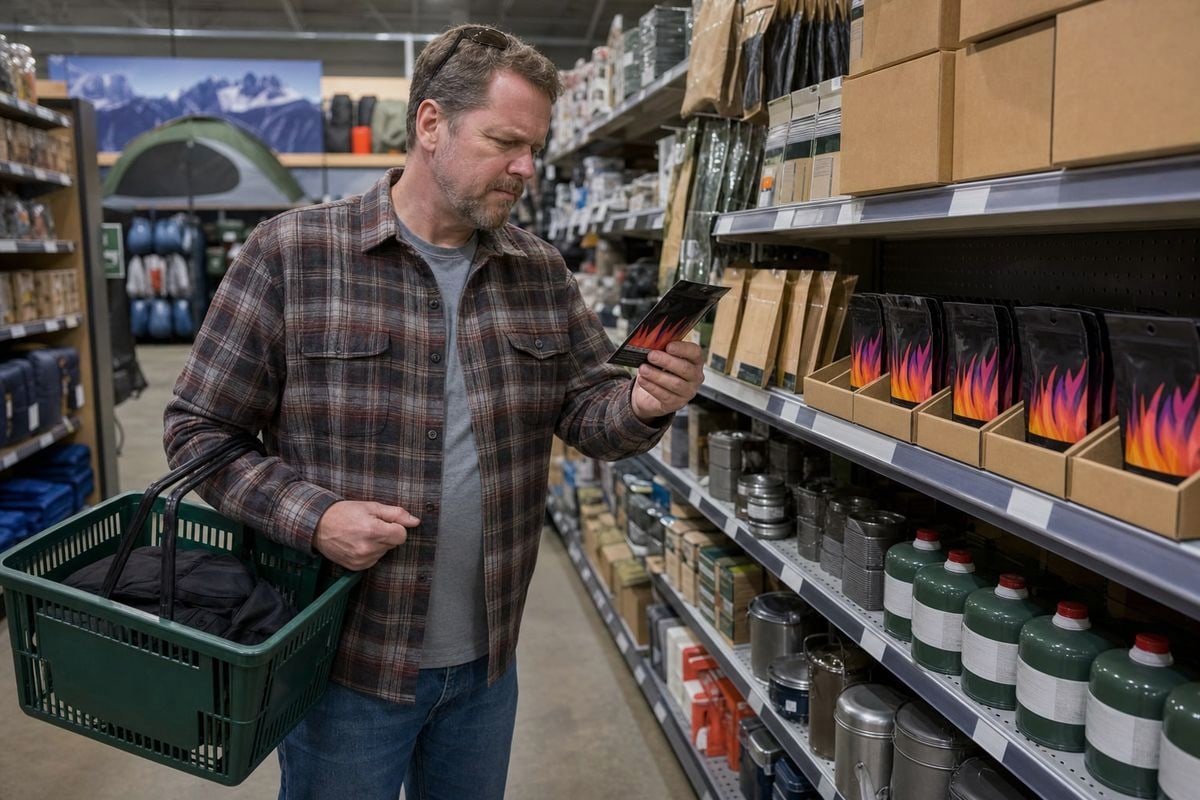
Das helle, verspielte Design, das magisches Feuerpulver verkauft, ist auch seine größte Kennzeichnungsschwierigkeit. Regenbogenfarbene Schrift und schimmernde Granulate ziehen Kinder an. Gesundheitsbehörden haben Betreuer aus diesem Grund speziell vor Flammenfärbepäckchen 5 gewarnt. Ihr Etikett muss gegen die eigene Anziehungskraft Ihrer Verpackung wirken. Über das Etikett selbst hinaus erwarten Einzelhändler zunehmend, dass Marken Sicherheitshinweise für Haushalte mit Kindern und Haustieren neben dem Produkt veröffentlichen.
Was ein konformes Etikett abdecken muss
| Kennzeichnungselement | Zweck |
|---|---|
| Gefahrenhinweise und Piktogramme | Kommunizieren Sie Feuer- und giftige Dämpfe Risiken auf einen Blick |
| Außerhalb der Reichweite von Kindern aufbewahren | Gesetzliche Anforderung in den meisten Märkten; verhindert Einnahme |
| Nutzungsbeschränkungen | Nur für Holzöfen und Lagerfeuer; kein Kochen |
| Erste-Hilfe-Grundlagen | Augenspülung, frische Luft, wann ärztliche Hilfe in Anspruch zu nehmen ist |
| Hersteller- und Importeurdetails | Rückverfolgbarkeit erforderlich nach EU- und US-Vorschriften |
| Chargencode und Barcode | Ermöglicht Rückrufe und Einzelhandels-Scans |
Marktunterschiede, die Sie nicht ignorieren können
Kennzeichnungsvorschriften sind nicht universell. Die EU verlangt spezifische Gefahrenpiktogrammformate 6 und mehrsprachigen Text für Märkte wie Deutschland, Frankreich und die Niederlande. Die USA erwarten Warnhinweise 7 in einem definierten Stil. Kanada gibt eigene Verbraucherwarnungen zu Flammenfärbemitteln heraus. Australien hat separate verbindliche Standards. Unser OEM-Service erstellt marktspezifische Etikettenvorlagen für jedes Ziel, denn ein Etikett, das den Hamburger Zoll passiert, kann in Los Angeles immer noch scheitern.
Es gibt auch den Entsorgungsaspekt. Verantwortungsvolle Etiketten weisen die Benutzer an, behandelte Asche in den Müll zu werfen – niemals als Gartendünger zu verteilen, da Rückstände das Bodenleben schädigen können – und die Asche trocken zu halten, damit Regen keine Chemikalien in die Sturzabflüsse spült. Diese Anleitung hinzuzufügen kostet nichts und signalisiert den Einzelhändlern, dass Ihre Marke die Verantwortung ernst nimmt. In wettbewerbsorientierten Einzelhandelsüberprüfungen hat dieses Detail unseren Käufern schon mehr als einmal einen Regalplatz verschafft.
Schlussfolgerung
Magisches Feuerpulver verkauft sich durch Wunder, überlebt aber durch Sicherheit. Überprüfen Sie Zertifizierungen, drucken Sie klare Anweisungen, lagern Sie Vorräte trocken und kennzeichnen Sie für jeden Markt – dann baut dieses Produkt Ihre Marke auf, nicht Ihr Risiko.
Fußnoten
CPSC-Leitlinien zu Sicherheitsanforderungen für chemische Neuheitenprodukte und Spielzeug. ↩︎
Wikipedia-Eintrag zu Kupfersulfat, einer gängigen Chemikalie, die in Flammenfärbemitteln verwendet wird. ↩︎
OSHA-Standards für persönliche Schutzausrüstung, einschließlich Augen- und Gesichtsschutz. ↩︎
Wikipedia-Übersicht über Verpackungs- und Kennzeichnungsstandards für Industrie- und Konsumgüter. ↩︎
Health Canada Sicherheitsratgeber zu den Risiken von Flammenfärbepäckchen für Kinder. ↩︎
Maßgebliche OSHA-Ressource für GHS-Piktogramme, die eine zugänglichere Alternative zum eingeschränkten UNECE-Link darstellt. ↩︎
CPSC-Übersicht über den Federal Hazardous Substances Act bezüglich Warnhinweisen. ↩︎


 English
  Spanish
  German
  French
  Arabic
  Portuguese
Diskutieren Sie mit