






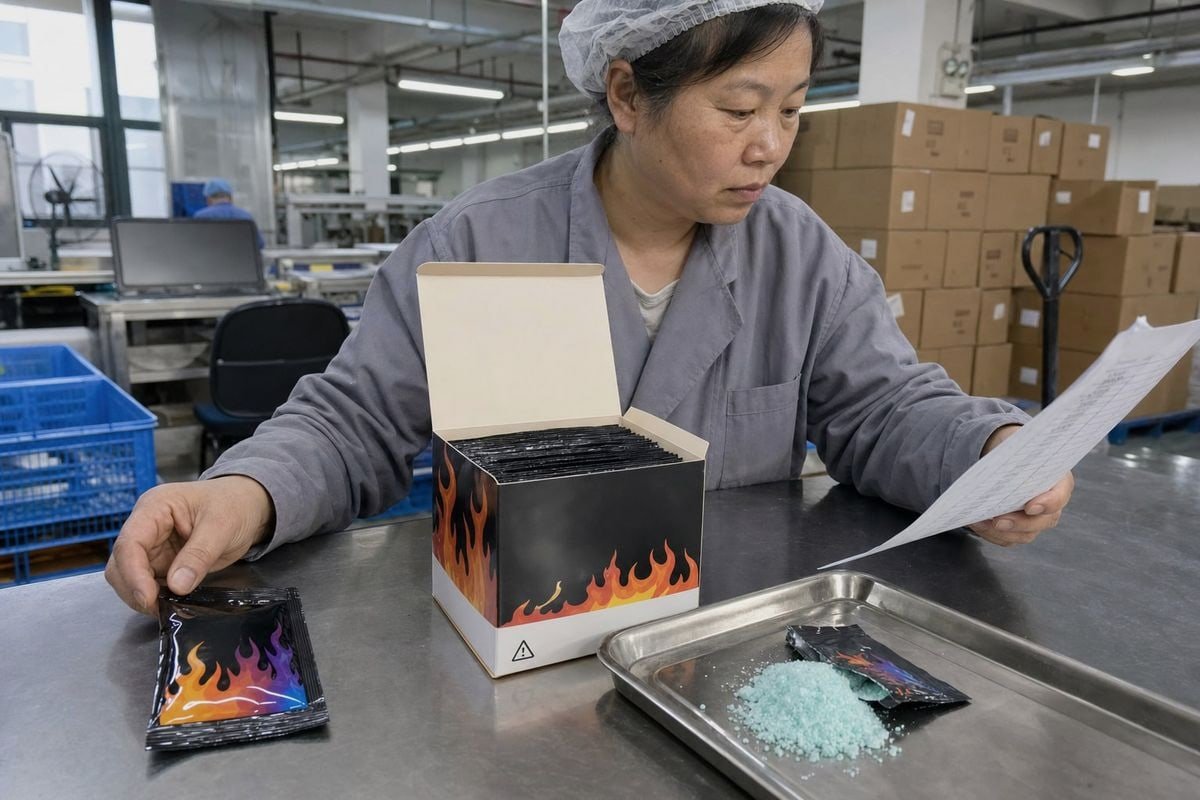
Magic fire powder packaging specs confuse many first-time buyers limited-quantity DOT/IATA transport rules 1. On our production line, we see importers order the wrong format, then struggle with shelf placement, shipping costs, and compliance headaches.
Magic fire powder packaging specs split into two formats: single-pack sachets of 10g–100g (25g is standard) in plastic or kraft pouches, and display boxes holding 10–25 sachets each, packed 12–24 displays per shipping case, with separate barcodes for unit and display.
That is the short answer. But the right choice depends on your sales channel, your market, and your branding plans. Let me walk you through each factor below.
What Packaging Formats Can I Choose for Magic Fire Powder—Single Sachets or Bulk Boxes?
Last spring, a Dutch distributor asked us to quote three packaging formats in one order. That request taught our team how differently each format performs across retail channels.
Magic fire powder is available in single-use foil or kraft sachets (10g, 15g, 25g, 30g, 40g, 60g, 100g), plastic or kraft jars (250g–500g), and retail display boxes holding 10, 12, or 25 sachets, plus outer shipping cases for wholesale distribution.
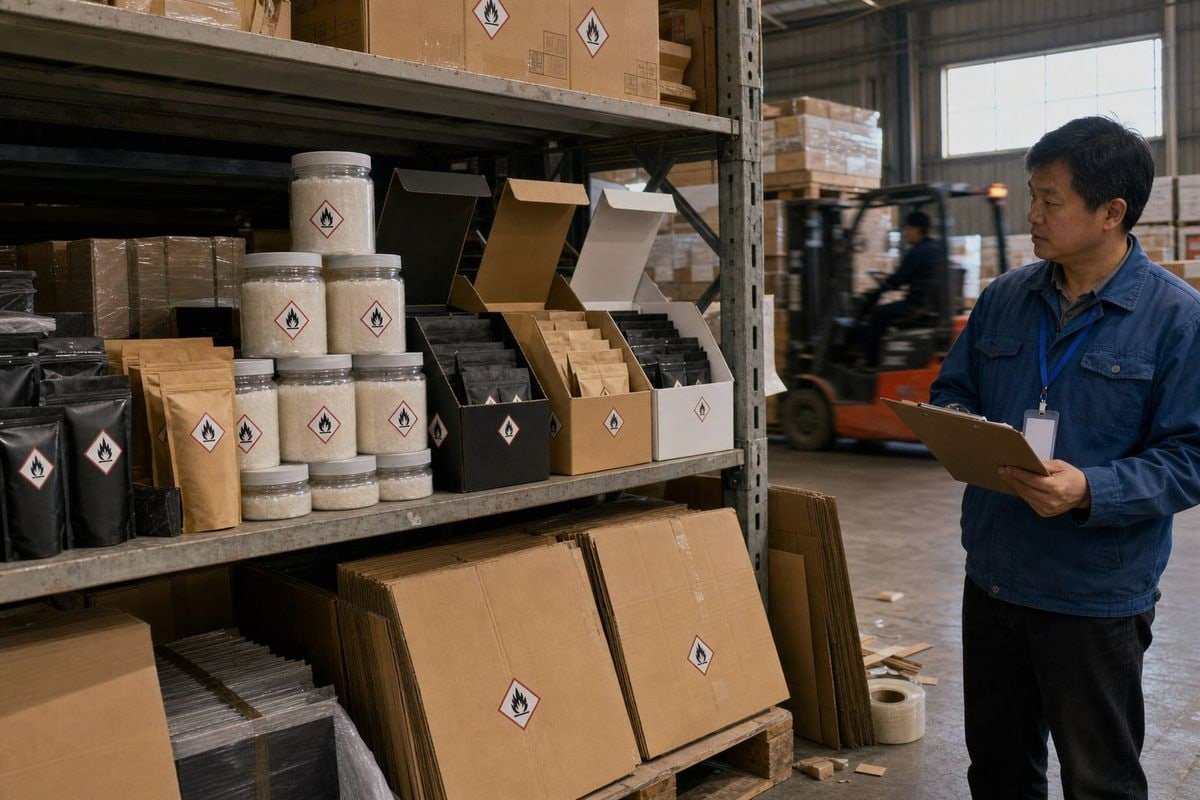
Here is a quick overview of the main formats we produce, so you can scan the options before we go deeper:
| Formater | Typical Weight | Matériau | Idéal pour |
|---|---|---|---|
| Single sachet | 10g–30g (25g standard) | Heat-sealed foil or plastic | One campfire use, impulse buys |
| Large sachet | 40g–100g | Foil or kraft stand-up pouch | Multi-use consumers, gifting |
| Jar / can | 250g–500g | Plastic can or kraft paper can | Repeat home fireplace users |
| Display box | 10–25 sachets per box | Printed cardboard, flip-top lid | Counter and shelf merchandising |
| Shipping case | 12–24 displays per case | Corrugated carton 2 | Wholesale and container loading |
The Single Sachet
The sachet is the core consumer unit. One packet treats one fire. Consumers throw the whole sealed pouch into the flames—no opening, no pouring. That is why the crimped heat-seal matters. It keeps moisture out and keeps the powder dosed correctly. Our standard 25g sachet weighs roughly 0.058 lbs including the wrapper, and it fits in a jacket pocket. That portability drives camping and festival sales.
The Display Box
The display box is a secondary pack. It groups sachets for shelving, counting, and checkout scanning. A common spec is 25 units per display and 24 displays per case. The box also does marketing work. Its printed panels carry the flame graphics, the usage photo inset, and the warning band. In our experience exporting to the US and Germany, retailers rarely accept loose sachets—they want a shelf-ready display with its own barcode.
The Outer Shipping Case
Do not confuse the display box with the shipping case. The display sits on the shelf. The case protects displays in transit and carries logistics markings. Both need their own specs on your purchase order.
How Do I Decide Between Single-Pack and Box Packaging for My Retail Market?
A UK camping brand once split-tested both formats with us: single sachets at outdoor shops and 12-count boxes online. The results reshaped how we advise new buyers.
Choose single-packs for impulse purchases, camping channels, and low-risk trial sales; choose box packaging for e-commerce, home fireplace users, and big-box retail, where multi-packs cut per-unit costs by 15–30% and improve shelf presence and inventory control.
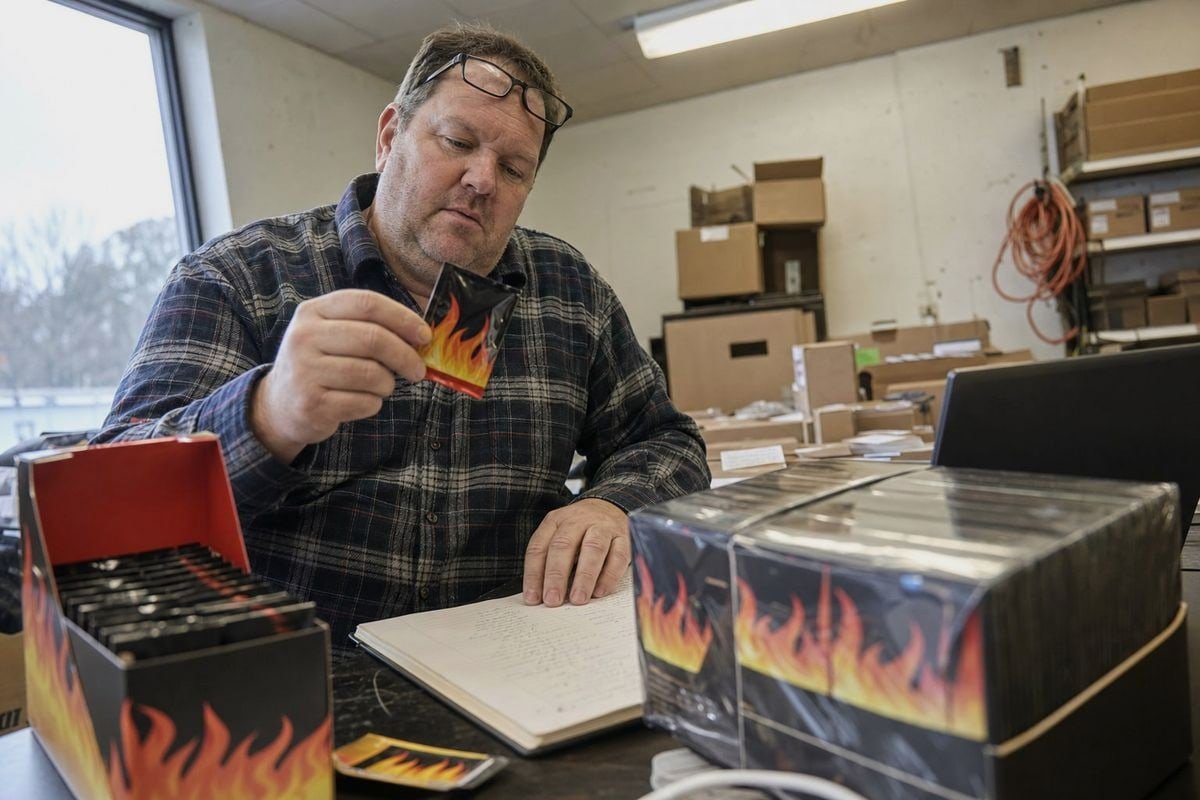
The honest answer is that most successful importers order both. The real question is the ratio. Here is how we help buyers think it through.
Match the Format to the Sales Channel
Every channel rewards a different pack architecture. A gas station counter wants a small display of single sachets near the firewood. An online marketplace punishes single sachets because shipping one 25g pouch is uneconomical. A hardware chain wants a 12-pack box with a clean barcode hierarchy.
| Où l'avertissement doit apparaître | Format recommandé | Pourquoi ça marche |
|---|---|---|
| Camping / outdoor shops | Single sachets in counter display | Impulse buy, low price point, portable |
| E-commerce marketplaces | 10–12 pack box | Justifies shipping cost, better reviews per order |
| Home & fireplace retail | 12–24 pack box or 250g jar | Repeat users want value and stock at home |
| Festival / gift traders | Mixed: sachets plus gift boxes | Novelty appeal, gifting occasions |
| Wholesale / distributors | Full cases of displays | Efficient handling and pallet loading |
Think About the Economics, Not Just the Look
Single sachets carry more packaging material per gram of powder. That raises your cost per gram and your waste footprint. Boxes spread the packaging cost across many doses. But boxes also raise the entry price for a first-time buyer. A shopper will risk a few dollars on one sachet. They hesitate at a full box of a product they have never tried.
Consider Seasonality
Fire-color powder is seasonal in most of our export markets. Campfire season drives sachet volume in summer. Fireplace season drives box and jar volume in winter. Buyers who plan both waves in one production run get better pricing and smoother lead times from our Ningbo facility.
What Certifications and Warning Labels Must Appear on My Magic Fire Powder Packaging?
Compliance questions come up in nearly every first call we take. One US buyer told me his previous shipment sat in customs for six weeks over a missing test report—an expensive lesson.
Magic fire powder packaging must carry safety warnings (outdoor or ventilated use, keep away from children, do not open the sachet), country-specific hazard labeling, and supplier certifications such as CE marking and SGS/Intertek test reports; boxed shipments must also meet limited-quantity DOT/IATA transport rules.

Labeling is where a novelty product becomes a serious import. I will break this into the three layers our compliance team checks before any container leaves the factory.
Layer 1: The Sachet Itself
The single pack needs a yellow-band caution label, clear usage instructions, and the "do not open—throw the whole packet into the fire" message. The net weight must be printed. Since our formulations are eco-friendly and free of harmful chemicals, we avoid the heavy-metal warning burden that cheaper copper- or barium-based powders carry. Still, every market wants the keep-away-from-children line and the ventilation guidance visible on the smallest sellable unit.
Layer 2: The Display Box
The box repeats the warnings at a larger, readable size. It also carries the unit barcode reference, the display barcode, batch codes, and country-of-origin marking. Increasingly, retailers ask for a QR code linking to a batch-specific fiche de données de sécurité 3. We print these routinely for private-label clients—it fights counterfeits and satisfies retailer audits at the same time.
Layer 3: Transport and Factory Credentials
Shipping cases for boxed goods may fall under limited-quantity hazardous material 4 rules. Ground and air freight have different marking standards, so tell your supplier your freight mode before printing. Behind the labels, buyers should verify the factory itself. Our ISO 9001 and BSCI audits, plus Marquage CE 5 et Rapports de test SGS/Intertek, exist precisely because US and European retail sourcing teams treat them as hard requirements, not extras. Ask for the documents before you sign the purchase order—any real factory can produce them within a day.
Can I Get Custom Box Sizes, Branding, and MOQ Options for My Private-Label Order?
We recently helped a Polish fireplace distributor turn a plain kraft pouch into a fully branded 12-count flip-top display in about five weeks. Custom work like that is now most of our order book.
Yes—OEM/ODM suppliers offer full customization: private-label sachets in plastic or kraft material, custom box counts (10, 12, or 25 units), tailored display and case dimensions, printed warning labels and barcodes, and tiered MOQs that allow smaller trial orders before scaling to container volume.
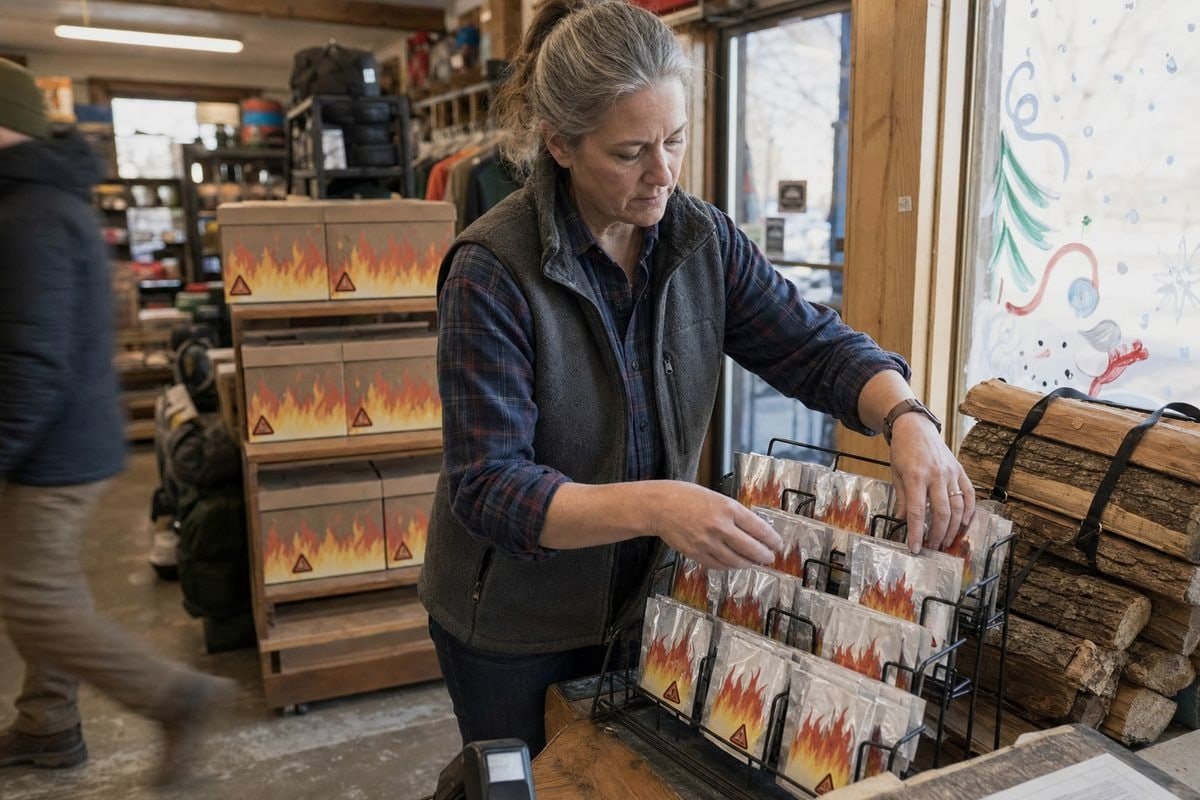
Private labeling is where packaging specs stop being a technical detail and start being your brand strategy. Let me explain what is realistically customizable and what to plan for.
Ce que vous pouvez personnaliser
Almost everything. Our one-stop OEM/ODM 6 process covers sachet weight, pouch material, burn time, artwork, box structure, and logistics markings. Here is the typical menu we quote:
| Zone de personnalisation | Options | Notes |
|---|---|---|
| Sachet weight | 10g–100g portions | 25g remains the retail sweet spot |
| Matériau de la pochette | Glossy foil, plastic, kraft paper | Kraft signals eco-friendly; foil maximizes moisture barrier |
| Box count | 10, 12, 24, or 25 sachets | 12-pack is the most common online unit |
| Structure de la boîte | Flip-top display, tuck box, counter tray | Flip-top works best at checkout counters |
| Image de marque | Full-panel print, logo emblem, QR codes | Soy-based inks and recycled board 7 available |
| Codes-barres | Unit, display, and case hierarchy | We assign and print all three levels |
| Case pack | 12–24 displays per case | Optimized for pallet and container fit |
A Realistic Timeline
Custom orders follow a clear sequence. First, artwork and structural dieline approval. Second, a physical sample with your branding. Third, mass production with batch-to-batch quality control. Because we run complete production lines in-house, the sample you approve reliably matches what ships—this is the single biggest complaint buyers bring us about previous trading-company suppliers, and it is the easiest one for a genuine factory to fix.
MOQ Strategy for New Buyers
We encourage trial orders. A smaller first run in a semi-custom box lets you test your market before committing to fully bespoke tooling. Once your sell-through data comes back, scaling to full container loads with your final packaging is straightforward.
Conclusion
Wrong packaging specs cost you shelf space, margin, and customs delays. Match single-packs to impulse channels, boxes to retail and e-commerce, and partner with a certified factory for compliant, shelf-ready results.
Notes de bas de page
1. IATA governs dangerous goods transport rules referenced for boxed shipment compliance requirements. ↩︎
2. Background on corrugated fiberboard material used for shipping case construction and protection. ↩︎
3. Background reference for the batch-specific safety documentation retailers request via QR code. ↩︎
4. Explains transport classification rules mentioned for shipping cases under limited-quantity regulations. ↩︎
5. CE marking is a referenced compliance certification requiring background context for readers. ↩︎
6. WTO trade services background relevant to private-label manufacturing and export processes. ↩︎
7. EPA recycling resource relevant to eco-friendly packaging materials mentioned in branding options. ↩︎



 English
  Spanish
  German
  French
  Arabic
  Portuguese
Rejoignez la conversation