






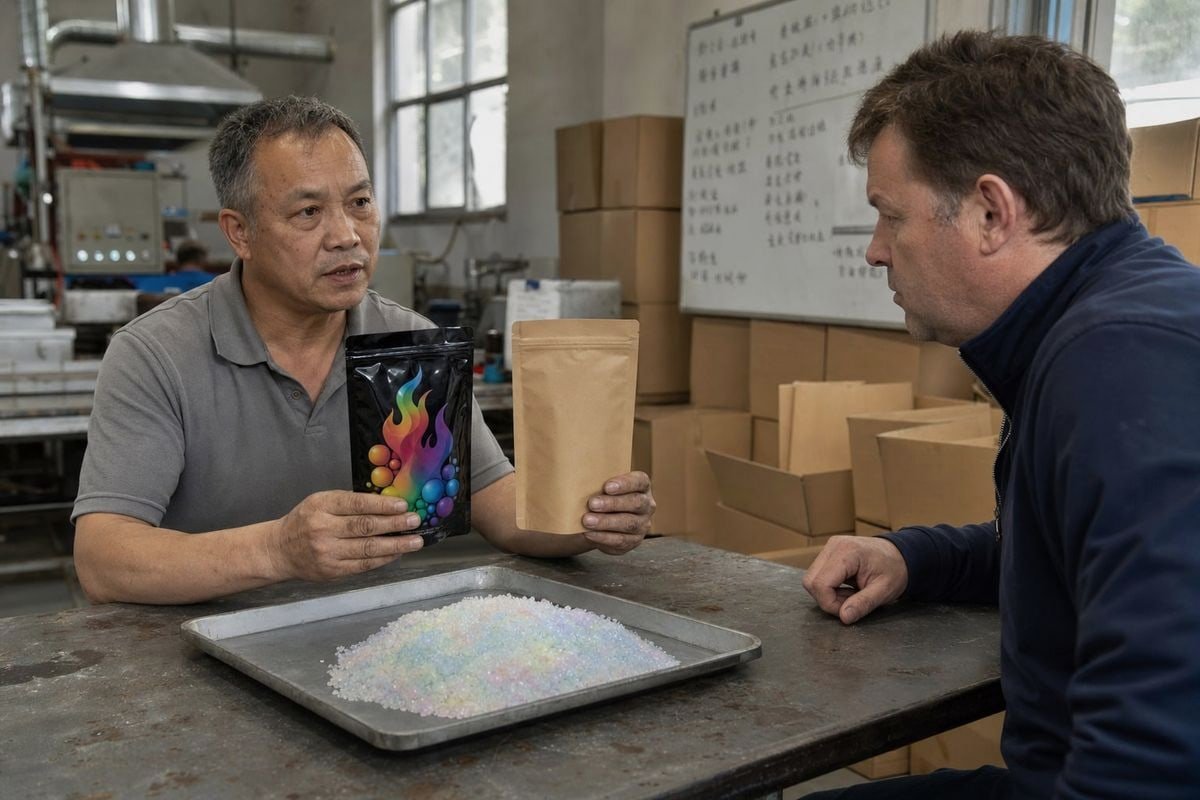
Choosing between OEM 1 vs ODM for Magic Fire Powder confuses many buyers who visit our Liuyang headquarters. Pick wrong, and you burn months of lead time — or lose your formula to competitors. After 17+ years running color-flame production lines and exporting to 30+ countries, we've seen both mistakes cost brands real money. The good news: the decision follows a clear logic once you break it into cycle, cost, and IP layers.
ODM Magic Fire Powder uses a manufacturer's proven formula, delivering faster cycles, lower MOQs, and lower upfront cost, but the factory keeps the formula IP. OEM means you supply custom specs, pay more and wait longer, yet you can contractually own the formula, packaging, and brand exclusivity.
That is the short answer. But the details decide whether your launch succeeds or stalls. Let me walk you through each decision layer, the way I explain it to buyers at our factory.
How long will my OEM vs ODM production cycle take from sample to delivery?
A German distributor once asked me to quote both paths for the same color-flame packet. The ODM 2 route shipped in five weeks. The OEM route took nearly four months. Same product category, very different clocks — and both timelines were correct.
ODM Magic Fire Powder typically ships in 1–3 months because the formula, testing, and packaging tooling already exist. OEM runs 3–6 months or longer, since custom formulation trials, combustion testing, sample revisions, and compliance documentation must be completed before mass production begins.

The cycle difference comes down to one question: does the factory already have a validated product, or are you asking us to build one from scratch?
The ODM sequence
With ODM, you are mostly selecting and branding. On our lines, the process looks like this:
- You review our existing Magic Fire packet options (plastic bag, kraft bag, or jar).
- We send a catalog sample. You approve the flame effect and burn time.
- We adapt packaging artwork, warning labels, and barcodes to your brand.
- We run production, batch QC, and ship.
Because the formula has already passed SGS or Intertek testing, there is no waiting for new lab reports. That is why fast-track ODM launches can hit 90–120 days from first contact to delivery — sometimes faster if artwork is ready.
The OEM sequence
OEM adds steps that cannot be skipped. You define a product brief — say, a unique flame-color combination or a longer burn time. We source the color chemicals, run formulation trials, and do combustion testing. Then come sample rounds, revisions, safety documentation, and often new packaging tooling. Each revision cycle adds two to four weeks.
| Étape | ODM | OEM |
|---|---|---|
| Formula development | Already done | 4–8 weeks of trials |
| Safety/compliance testing | Existing reports | New tests required |
| Sample rounds | Usually 1 | Often 2–4 |
| Packaging tooling | Existing options | Custom setup possible |
| Typical total cycle | 1–3 months | 3–6+ months |
One caution from experience: performance-sensitive products like color-flame powder need consistency testing across batches. If your OEM concept is novel, budget extra time for that. Rushing combustion validation is how quality drift starts.
Unit price quotes hide more than they reveal. When buyers compare our OEM and ODM quotations side by side, the per-unit gap looks small — until we walk through the full cost stack together.
Compare four cost buckets: R&D and formulation, tooling and setup, sampling and testing, and production plus hazmat logistics. ODM shares the first three across many clients, cutting upfront spend. OEM makes you fund them alone, in exchange for exclusivity and control.
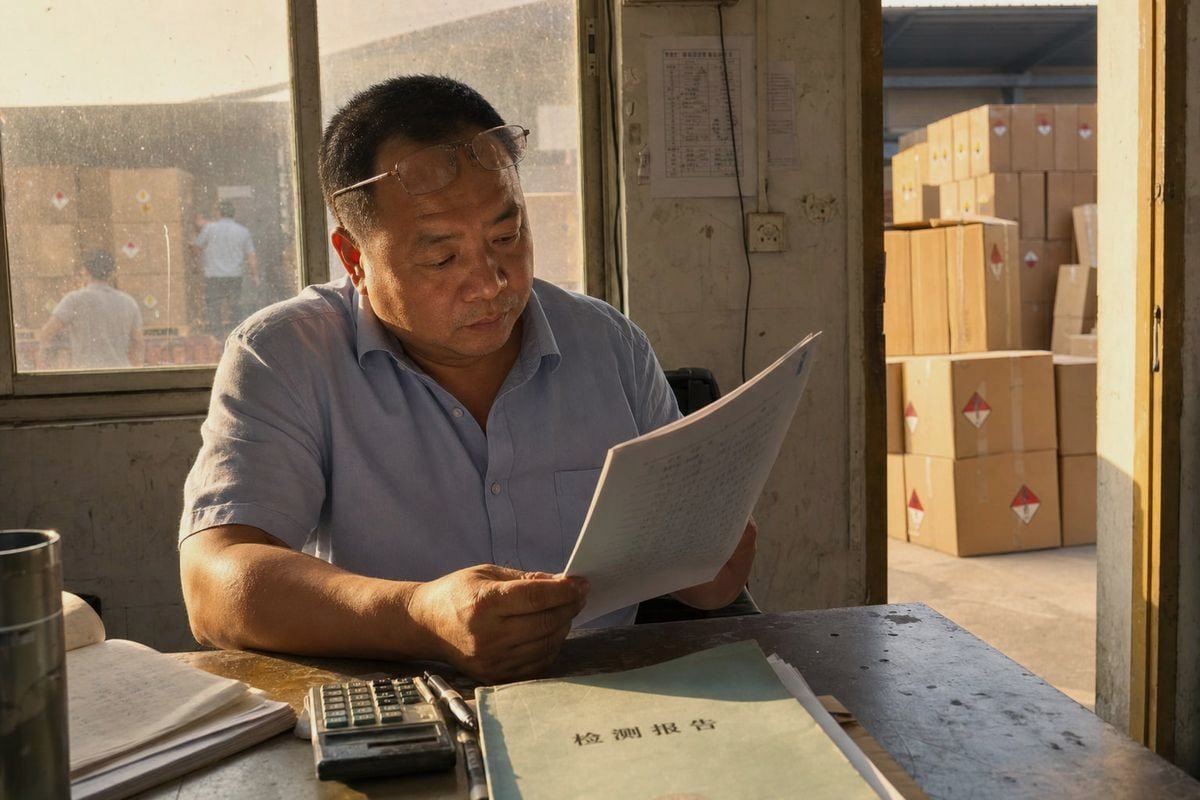
Here is how I break the cost stack down for purchasing managers who visit our Ningbo production site.
The four cost buckets
| Cost bucket | ODM | OEM |
|---|---|---|
| R&D / formulation | Amortized across clients | You pay dedicated trials |
| Tooling / setup | Minimal or none | Custom packaging tooling |
| Sampling / testing / QA | Existing test reports | New safety and combustion tests |
| Production / logistics | Standard hazmat lanes | May need requalification |
The R&D bucket matters most for color-flame products. Custom OEM formulations mean sourcing specific color chemicals and running individual safety and regulatory testing. Those lab fees are real money, and they land on your invoice before a single unit sells.
The costs nobody quotes upfront
Logistics deserves special attention. Color-flame powders can fall under hazmat classifications 3 depending on composition, and that affects shipping lanes, labeling, and landed cost. In our experience exporting to the US, Germany, and the UK, freight and compliance handling Organisation Mondiale du Commerce 4 can swing total landed cost more than the product price itself. An OEM formula with a different chemical profile may need its shipping classification reconfirmed — another hidden line item.
There is also cash flow. ODM's lower MOQ and faster cycle mean less capital tied up in inventory before you validate demand. OEM front-loads spend. If the product underperforms at retail, that upfront investment is stranded. I always tell buyers: OEM cost is not a penalty, it is the price of differentiation. Just make sure you are buying differentiation your market will actually pay for.
Who actually owns the formula and packaging IP under each arrangement?
The hardest conversation I have with new buyers is not about price. It is explaining why the "private label" packet they branded beautifully can still appear — nearly identical — under a rival's logo six months later.
Under ODM, the manufacturer retains the core formula IP; you own only your brand assets like trademark and packaging artwork. Under OEM, you can contractually own the flame-color formula, specifications, and packaging design — but only if assignment and confidentiality clauses explicitly say so.
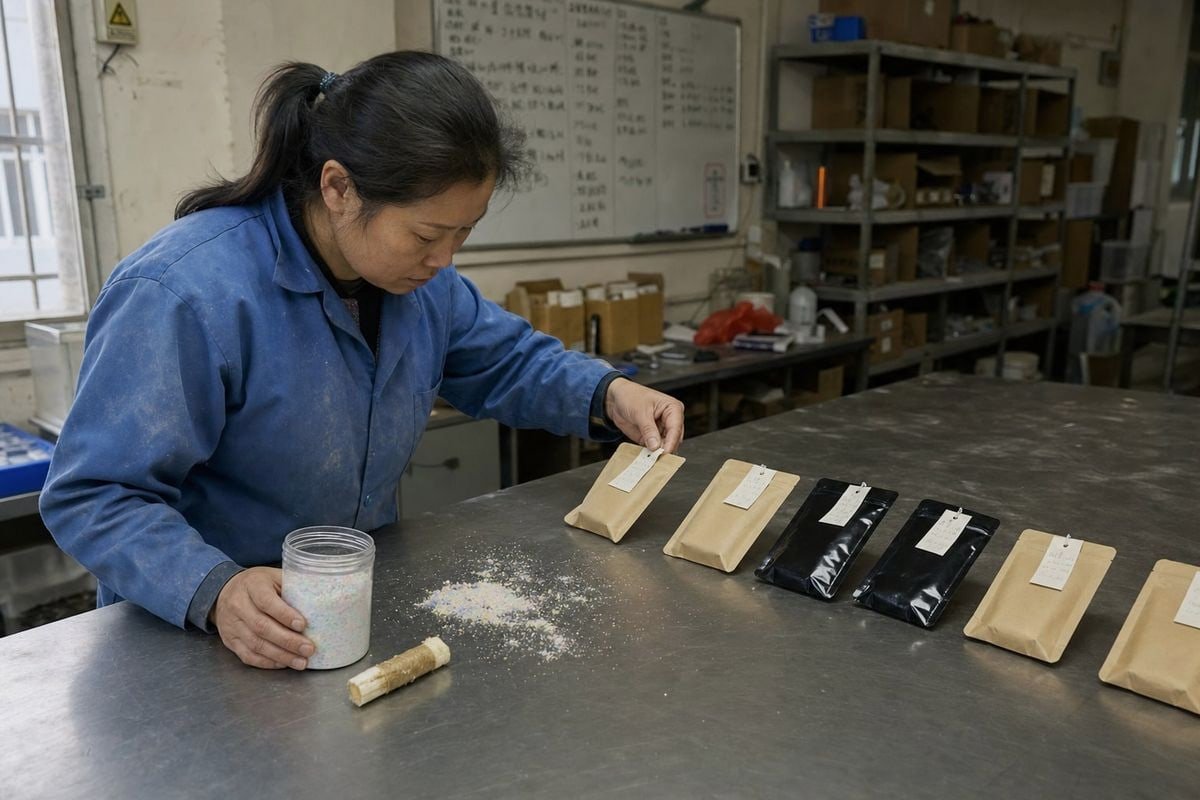
IP ownership is not one thing. I encourage buyers to separate it into three layers, because each layer follows different rules.
The three IP layers
| IP layer | ODM ownership | OEM ownership |
|---|---|---|
| Brand IP (trademark, artwork, copy) | Acheteur | Acheteur |
| Product IP (flame formula, specs) | Usine | Buyer, if contracted |
| Manufacturing IP (process, QC settings) | Usine | Usually shared or factory |
Under ODM, your rainbow-flame packet uses our formula. You own the bubble-letter logo, the pouch artwork, and your trademark. But competitors can source a similar base product from the same supplier pool. That is not the factory cheating you — it is the ODM model working as designed. Your moat is branding, distribution, and retail relationships, not the powder itself.
Under OEM, a unique flame-color combination can become a genuine trade secret 5 or even a patent opportunity. That is a real competitive moat. But here is the objection I raise before buyers raise it: OEM does not automatically protect you. Ownership lives in the contract. You need explicit assignment clauses, and with Chinese manufacturers, an NNN agreement — non-disclosure, non-use, non-circumvention — rather than a standard NDA accord de non-divulgation 6. An NNN prevents the factory from using your formula for other clients or circumventing you to sell direct.
One more nuance from our side of the table: if your OEM spec reuses preexisting components or base formulations we already own, those pieces typically stay with us. Define in writing exactly which elements are yours. A serious factory will welcome that clarity, because it protects both parties.
Which option, OEM or ODM, best fits my brand's MOQ and compliance needs?
Last year, a US camping brand wanted to test color-flame packets in 200 stores before committing to a national rollout. That single constraint — market testing — made the choice for them.
Choose ODM if you need low MOQs of roughly 500–1,000 units, existing compliance reports, and a fast market test. Choose OEM if you can commit to 500–5,000+ units, need formula exclusivity, and plan a long-term proprietary line with dedicated certification.
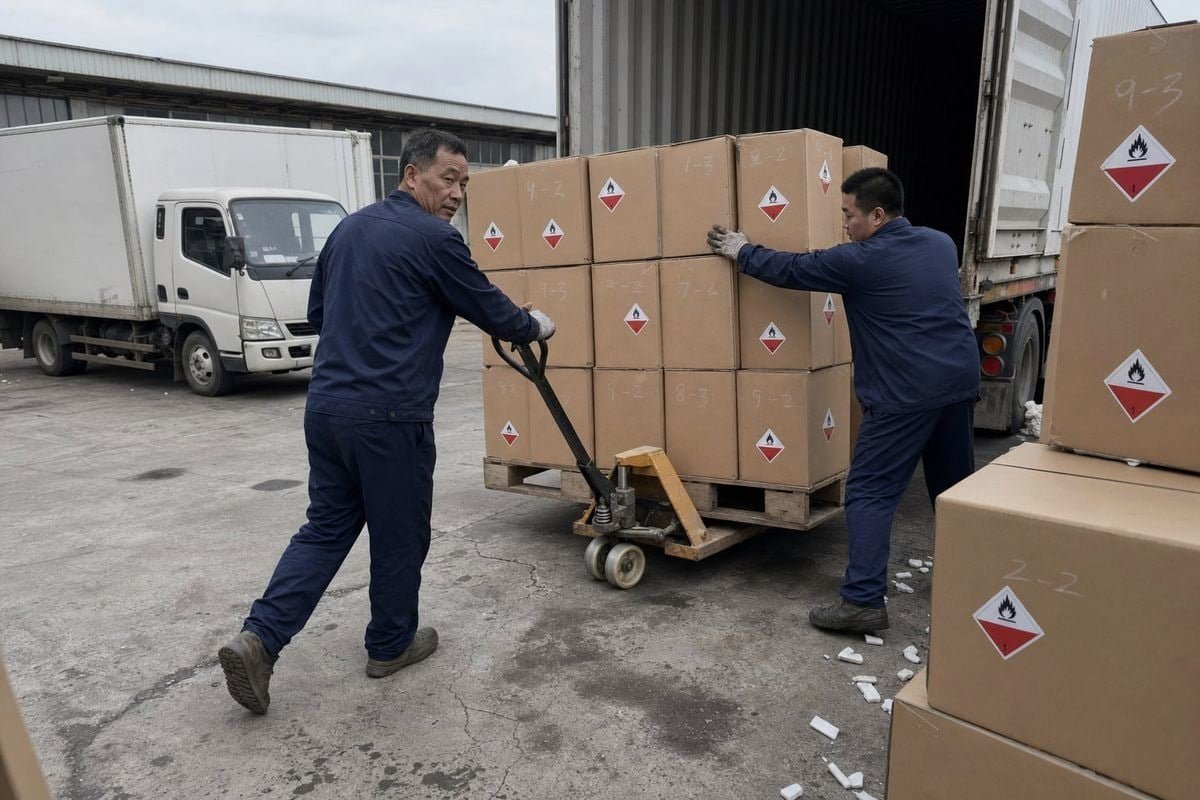
MOQ is not just a supplier term. It determines how much capital sits on a shelf before the market tells you anything. Here is the decision logic I walk buyers through.
A practical decision tree
- Use ODM if demand is unproven, the product is seasonal or event-driven, and your differentiation is branding and packaging rather than chemistry.
- Use OEM if you have validated demand, need a unique flame effect competitors cannot copy, and want to own the product roadmap.
- Move from ODM to OEM after confirming repeat purchase behavior. This staged path is what most of our successful long-term partners follow.
Compliance is the non-negotiable layer
Whichever model you pick, compliance cannot be optional for fire products. Our buyers in the US and EU treat certification as a hard requirement — retail sourcing channels will not list a color-flame product without test reports. On our side, ISO 9001 7, BSCI, CE, and SGS/Intertek documentation is part of every quotation, not an add-on. Under ODM, those reports already exist for our formulas, which shortens your path to shelf. Under OEM, new formulations need their own testing, so factor that into both budget and timeline.
One counterpoint worth stating plainly: ODM is not "low quality" or "generic" by default. Our ODM formulas are production-proven across dozens of markets, with batch-to-batch QC ensuring the first sample reflects mass-production quality. For many brands, execution speed and working capital efficiency beat deep technical differentiation — especially in a first season.
Conclusion
The trap is treating OEM vs ODM as a price question. It is a strategy question — and choosing wrong costs you either months or your moat.
The rule I share with every buyer: choose ODM to validate the market; choose OEM to own the market. ODM gets your Magic Fire Powder onto shelves in one to three months, with low MOQs, shared testing costs, and proven compliance documentation — but the formula stays with the factory. OEM takes three to six months and more upfront capital, yet a well-drafted contract with NNN protection gives you the formula, the packaging IP, and a defensible product line. Most of our strongest partnerships started with an ODM trial order and graduated to OEM once demand was proven. Whichever path fits your brand today, work with a certified factory that can support both — so your second step is already waiting when your first one succeeds.
Notes de bas de page
1. Provides background definition for the original equipment manufacturer business model discussed throughout. ↩︎
2. Explains the original design manufacturer concept central to the article's comparison. ↩︎
3. EPA resource explaining hazardous materials classification relevant to color-flame powder shipping. ↩︎
4. Authoritative trade body relevant to cross-border manufacturing and export compliance context. ↩︎
5. Background on trade secret protection relevant to formula IP ownership discussion. ↩︎
6. Explains the NDA concept contrasted with NNN agreements in the IP ownership discussion. ↩︎
7. Official ISO reference for the quality management standard mentioned as compliance documentation. ↩︎


 English
  Spanish
  German
  French
  Arabic
  Portuguese
Rejoignez la conversation