






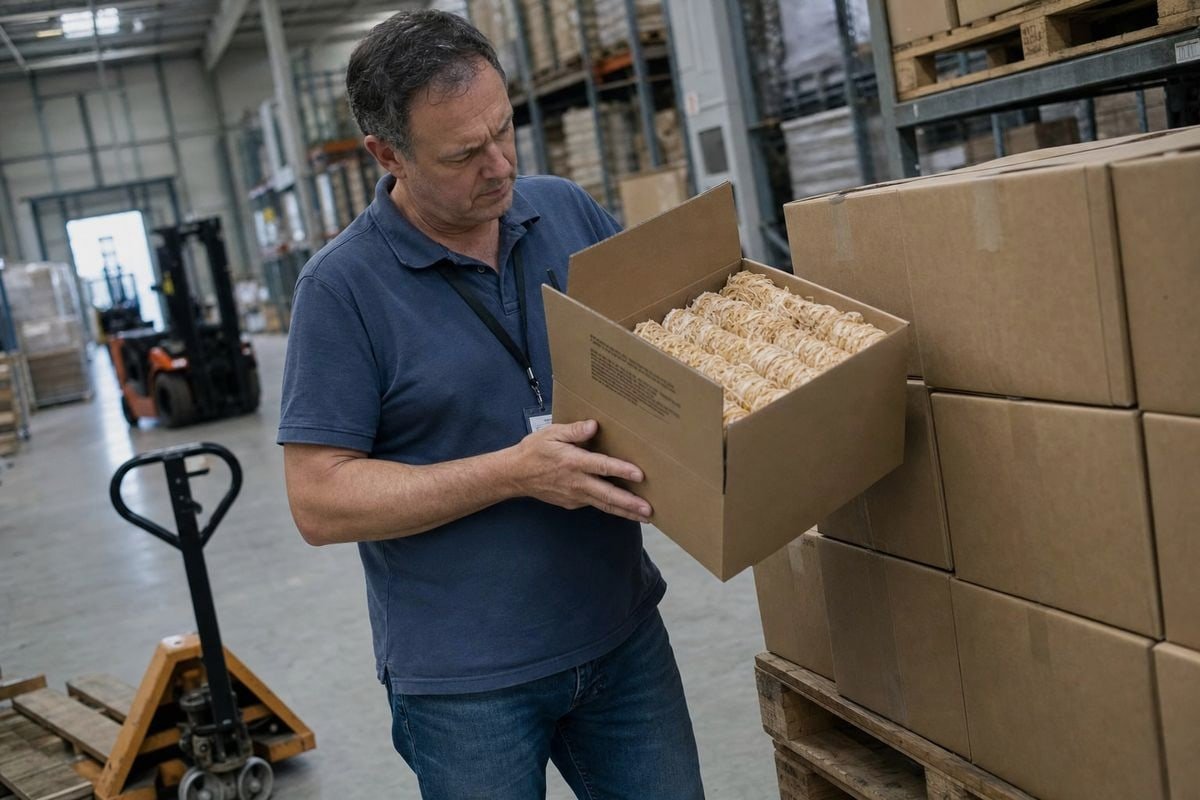
La vérification des étiquettes d'avertissement Prop 65 pour les allume-feux en bois pose des problèmes à de nombreux grossistes. Sur notre chaîne de production, nous avons vu des expéditions retenues simplement parce qu'une étiquette utilisait une formulation obsolète.
Pour vérifier les étiquettes d'avertissement de la Proposition 65 pour les allume-feux en bois, les grossistes doivent confirmer que l'étiquette utilise le format actuel de "safe-harbor", demander un certificat de conformité et des rapports de test au fournisseur, vérifier la base d'exposition pour les produits de combustion et la poussière de bois, et vérifier le placement et la lisibilité de l'étiquette.
Cela semble beaucoup. C'est gérable si vous le divisez en étapes. Ci-dessous, je vous présente les documents exacts, les règles de décision, les risques et les options de personnalisation que vous devez connaître.
Quels documents dois-je demander à mon fournisseur pour confirmer la conformité à la Proposition 65 pour les allume-feu en bois ?
Un acheteur de Californie nous a un jour demandé notre dossier de conformité complet avant de signer un seul bon de commande. Cette demande a changé la façon dont nous préparons la documentation dans notre usine de Ningbo, et elle devrait également façonner ce que vous exigez.
Demander un certificat de conformité, des rapports de tests de laboratoire tiers (SGS ou Intertek), des fiches de données de sécurité pour les composants de cire et de bois, une déclaration écrite de décision d'avertissement expliquant la base d'exposition, des épreuves d'illustration d'étiquettes montrant la formulation de la clause de non-responsabilité, et la confirmation des certifications qualité du fournisseur telles que ISO 9001.
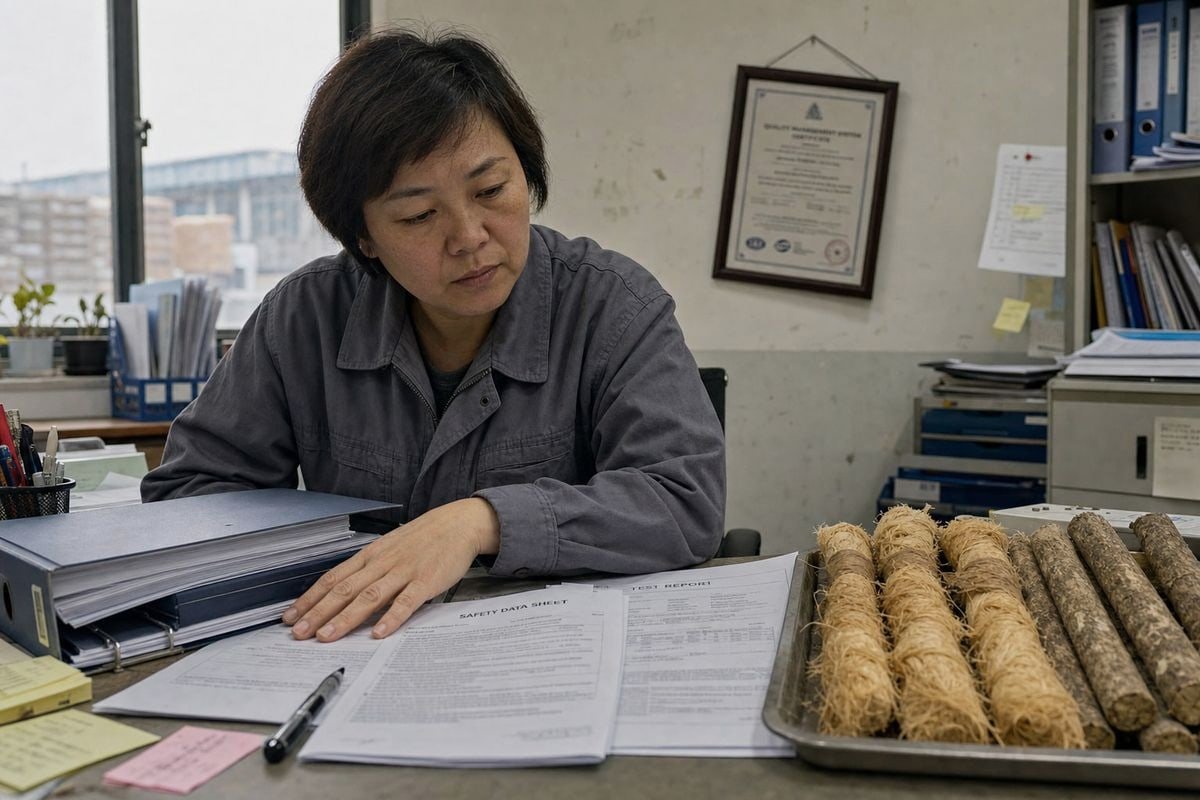
La documentation est le point de départ de la vérification. Une étiquette seule ne prouve rien. Vous avez besoin de documents qui montrent pourquoi l'étiquette existe et si elle est légalement défendable. Au cours de nos 17 années d'exportation de produits d'allumage de feu vers les États-Unis, les grossistes qui évitent les problèmes sont ceux qui constituent un dossier de conformité avant que les marchandises ne quittent le port.
Voici ce que nous remettons aux acheteurs le premier jour, et ce que vous devriez exiger de tout fournisseur :
Voici ce qu'un dossier Prop 65 complet pour les allume-feux en bois devrait contenir :
| Document | Ce qu'il prouve | Signal d'alarme s'il manque |
|---|---|---|
| Certificat de conformité | Le fournisseur atteste formellement que le produit répond aux exigences de la Prop 65 | Le fournisseur évite les engagements écrits |
| Rapport de test de laboratoire par un tiers | Niveaux chimiques mesurés par SGS, Intertek ou similaire | Décision d'avertissement basée sur des conjectures |
| Fiches de données de sécurité (FDS) | Composition de la cire, des liants, des adhésifs et des fibres de bois | Additifs cachés comme le formaldéhyde 1-colles à base |
| Justification de l'avertissement écrit | Pourquoi le fournisseur a choisi d'avertir (ou de ne pas avertir) | Aucun raisonnement défendable en cas de poursuite |
| Preuve de l'illustration de l'étiquette | Formulation exacte, symbole et taille de police avant impression | Format d'avertissement obsolète d'avant 2018 |
| Déclaration de la source du bois | Pas de bois traité ou de rebut recyclé dans le produit | Possible contamination par l'arsenic ou le chrome |
Pourquoi la justification écrite est la plus importante
La plupart des fournisseurs peuvent produire une FDS. Moins nombreux sont ceux qui peuvent expliquer leur décision d'avertissement par écrit. Posez une question simple : quel produit chimique répertorié sur la liste de produits chimiques de l'OEHHA 2 a déclenché l'avertissement, et par quelle voie d'exposition ? Pour les allume-feux en bois, la réponse honnête implique généralement des sous-produits de combustion ou la poussière de bois 3. Si votre fournisseur ne peut pas nommer le produit chimique ou la voie d'exposition, l'étiquette est une décoration, pas une conformité.
Nous préparons ce dossier de manière proactive pour les acheteurs en marque privée car la diligence raisonnable en matière de chaîne d'approvisionnement est devenue une exigence stricte des grandes chaînes de vente au détail. Les détaillants font de plus en plus peser le fardeau de la documentation sur les grossistes, et les grossistes devraient le reporter sur l'usine. Cette chaîne ne fonctionne que si chaque maillon conserve des enregistrements.
Demandez également la date des rapports de test. La Prop 65 ajoute régulièrement des produits chimiques. Un rapport de test datant de cinq ans pourrait ne pas couvrir les substances nouvellement répertoriées. Nous actualisons les tests de laboratoire par des tiers sur une base programmée pour cette raison exacte.
Comment savoir si mes allume-feux en bois nécessitent réellement une étiquette d'avertissement Prop 65 ?
Lors du développement de produits pour nos rouleaux de bois trempés dans la cire, nous avons passé des semaines à cartographier toutes les voies d'exposition possibles avant de finaliser la formulation de l'étiquette. Cet exercice nous a appris que les allume-feux ne sont pas des biens emballés typiques.
Les allume-feux en bois nécessitent généralement un avertissement Prop 65 car leur combustion libère des sous-produits de combustion répertoriés tels que le monoxyde de carbone, la suie et la fumée. La manipulation de produits en bois compressé peut également créer de la poussière de bois, un cancérogène répertorié. Un avertissement n'est évitable que si l'exposition est inférieure aux niveaux de référence de sécurité.

L'idée clé est la suivante : avec les allume-feux, l'exposition provient souvent de l'utilisation, et non des ingrédients. Une galette de paraffine et de fibres de bois peut être testée comme un objet solide. Mais au moment où un consommateur l'allume, la chimie de combustion prend le dessus. Monoxyde de carbone 5 les émissions, la suie et la fumée sont toutes associées à des produits chimiques répertoriés, et la Californie considère l'exposition créée pendant l'utilisation prévue comme une exposition réelle.
Les trois voies d'exposition à évaluer
- Sous-produits de combustion. La combustion de tout allume-feu, et du bois de chauffage qu'il enflamme, produit du monoxyde de carbone et d'autres sous-produits. Les principaux détaillants américains avertissent déjà sur cette base pour la catégorie des allume-feux.
- Poussière de bois. La Californie répertorie la poussière de bois comme cancérogène. Les allume-feux à base de bois comprimé peuvent libérer de fines poussières lors de la manipulation, de l'usinage ou du reconditionnement. Cela concerne les travailleurs d'entrepôt ainsi que les consommateurs.
- Constituants chimiques. La qualité de la paraffine, les liants synthétiques, les revêtements et les adhésifs varient considérablement. Les liants de qualité inférieure peuvent libérer du benzène ou du formaldéhyde pendant la combustion. C'est pourquoi nous utilisons de la paraffine de qualité alimentaire et de la laine de bois naturelle sans liants synthétiques dans nos propres allume-feux.
Quand un avertissement n'est PAS requis
Il existe une échappatoire légitime. Si une entreprise peut démontrer, généralement par des tests en laboratoire par des tiers, que l'exposition des consommateurs reste en dessous des niveaux de port franc applicables définis par l'OEHHA, aucun avertissement n'est requis. En pratique, il est difficile de le prouver pour les produits de combustion, c'est pourquoi la plupart des marques d'allume-feu avertissent quand même. Les entreprises de moins de 10 employés sont également techniquement exemptées, bien que cette exemption aide rarement un grossiste, car les grands détaillants exigent des produits étiquetés de toute façon.
Posez une question directe à votre fournisseur : avez-vous testé ou avez-vous choisi par défaut d'avertir ? Les deux réponses peuvent être acceptables. Mais vous devez savoir laquelle s'applique à votre inventaire, car elle détermine la documentation que vous pouvez présenter si un poursuivant privé se présente.
Quels sont les risques si j'importe des allume-feux en bois sans l'étiquetage approprié de la Prop 65 ?
Une leçon que nous avons apprise tôt en exportant vers les États-Unis : les échecs de conformité ne se manifestent rarement à la douane. Ils se manifestent des mois plus tard, lorsqu'un cabinet d'avocats achète votre produit en rayon en Californie.
L'importation d'allume-feu en bois sans étiquetage approprié de la Proposition 65 vous expose à des actions en justice privées, à un avis de violation de 60 jours, à des sanctions civiles pouvant aller jusqu'à 2 500 $ par violation et par jour, à des règlements et des frais juridiques, à des retours de la part des détaillants, à un retrait de la liste et à des dommages durables à votre réputation auprès des principaux acheteurs.
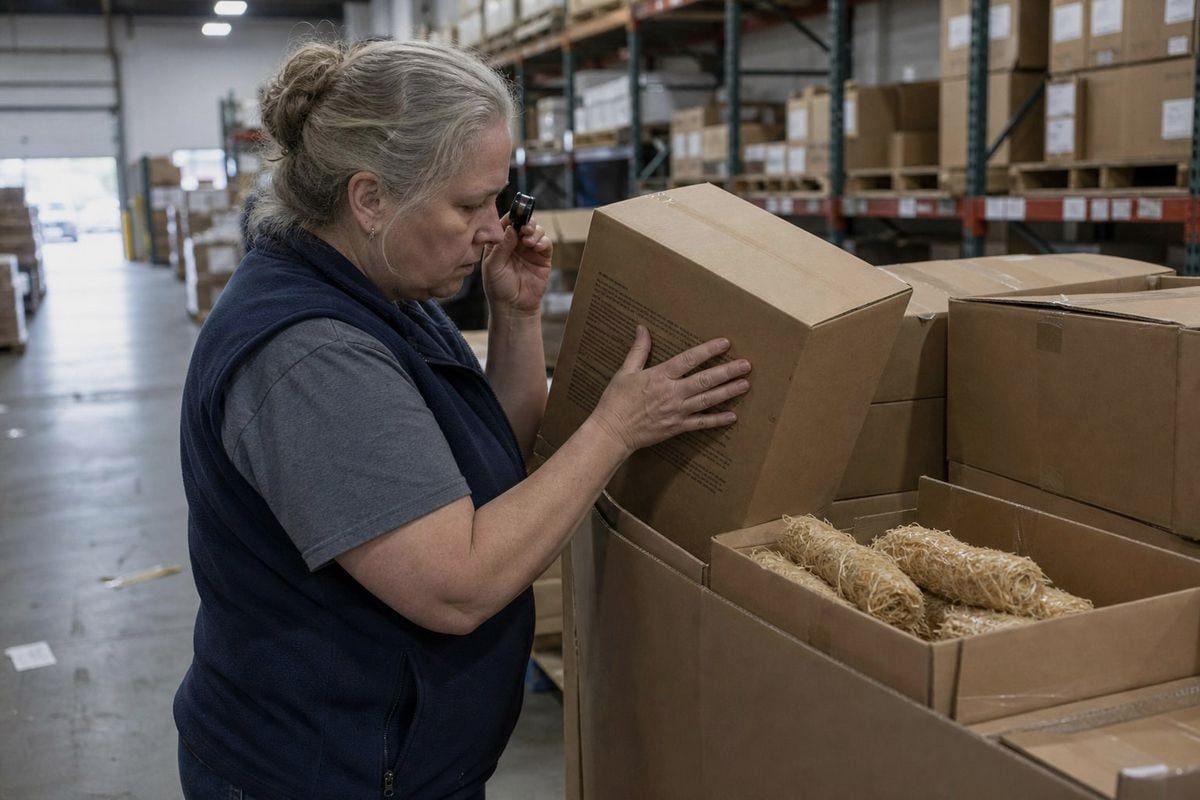
La Prop 65 a une structure d'application unique. L'État n'a pas besoin de vous attraper. Des citoyens privés et des cabinets d'avocats, souvent appelés chasseurs de primes, peuvent signifier un lettres de mise en demeure de 60 jours 6 et ensuite poursuivre au nom du public. Ils gagnent une part des pénalités, ils chassent donc activement les produits non étiquetés. Les allume-feu vendus dans les magasins de camping, les chaînes de quincaillerie et le commerce électronique sont des cibles faciles car la catégorie est bien connue pour nécessiter des avertissements.
L'échelle du risque
| Niveau de risque | Ce qui se passe | Coût typique pour le grossiste |
|---|---|---|
| Préavis de 60 jours signifié | Vous devez répondre, enquêter et engager un avocat | Les frais juridiques commencent immédiatement |
| Règlement | La plupart des affaires sont réglées pour éviter les litiges | Souvent des dizaines de milliers de dollars plus le réétiquetage |
| Sanctions civiles | Jusqu'à 2 500 $ par violation, par jour | Augmente rapidement sur de grandes expéditions |
| Retombées pour le détaillant | Refacturations, inventaire retourné, délistage | Perte de revenus et d'espace en rayon |
| Dommages à la réputation | Les acheteurs vous considèrent comme un risque de conformité | Plus difficile de gagner des contrats futurs |
Qui est réellement poursuivi en justice
Les poursuivants ciblent généralement celui qui a les poches les plus profondes et la présence la plus claire en Californie. C'est souvent l'importateur ou le grossiste, pas l'usine d'outre-mer. C'est pourquoi vos contrats sont importants. Les grossistes avisés ajoutent des clauses d'indemnisation Prop 65 aux accords de fabrication, transférant la responsabilité financière au producteur si les divulgations chimiques s'avèrent inexactes. Nous acceptons ces clauses car nos rapports de test SGS et Intertek nous donnent confiance dans ce que nous expédions. Un fournisseur qui refuse le langage d'indemnisation vous dit quelque chose sur sa confiance dans son propre produit.
Le point aveugle du commerce électronique
N'oubliez pas les canaux en ligne. Si vos acheteurs en aval vendent aux résidents californiens en ligne, un avertissement clair et raisonnable doit apparaître sur la page du produit ou lors du paiement, avant l'achat. Une étiquette parfaite sur la boîte ne corrige pas un avertissement manquant sur la liste. Les grossistes qui fournissent le texte et les illustrations d'avertissement pour une utilisation en ligne protègent toute la chaîne et satisfont aux obligations de notification écrite qui maintiennent les intermédiaires dans le port franc.
Mon fabricant peut-il m'aider à personnaliser les étiquettes d'avertissement Prop 65 pour les emballages sous marque de distributeur ?
L'année dernière, un distributeur américain nous a envoyé les illustrations de sa marque sans aucun bloc d'avertissement. Notre équipe d'emballage l'a signalé, a proposé une mise en page conforme abrégée et a renvoyé des épreuves révisées en quelques jours. C'est à cela que devrait ressembler le support OEM.
Oui. Un fabricant compétent peut intégrer des avertissements conformes à la Proposition 65 directement dans les emballages sous marque de distributeur, y compris la formulation de "safe-harbor" ou abrégée, le symbole du triangle jaune, la taille de police correcte, le placement sur les surfaces visibles par le détaillant, les emballages traduits, les codes QR pour les mises à jour dynamiques et la signalisation du point de vente du détaillant.

Acheteurs en marque privée traitent souvent l'étiquette d'avertissement comme une réflexion après coup. D'après notre expérience dans la gestion de projets OEM/ODM tout-en-un pour les marques d'extérieur et de barbecue aux États-Unis et en Europe, l'avertissement doit être intégré à l'emballage dès le premier cycle de conception graphique. La pose ultérieure d'un autocollant fait mauvaise impression, risque de se décoller et peut entraîner des refus de la part des détaillants.
Avertissement complet vs avertissement abrégé
La taille de votre emballage détermine le choix du format :
| Formater | Éléments requis | Idéal pour |
|---|---|---|
| Avertissement complet de port franc | Symbole triangle, AVERTISSEMENT, produit chimique nommé, déclaration d'exposition, référence P65Warnings.ca.gov | Boîtes de vente au détail, cartons, emballages d'exposition |
| Avertissement abrégé | Symbole triangle, AVERTISSEMENT, type de danger (Cancer / Troubles de la reproduction), référence du site Web | Petits disques, emballages individuels, espace d'étiquetage restreint |
Les deux sont légitimes. Mais l'option abrégée a des conditions de taille spécifiques, et la Californie a resserré ses règles au fil du temps. Votre fabricant doit suivre ces mises à jour afin que vos illustrations ne deviennent pas obsolètes en rayon.
Ce qu'un bon partenaire OEM devrait offrir
- Modèles d'illustrations conformes. Blocs d'avertissement pré-construits dans la taille de police minimale correcte, jamais inférieure à 6 points, et cohérents avec les autres informations destinées aux consommateurs sur l'emballage.
- Examen de l'emplacement. L'avertissement doit être visible sur la surface destinée à la vente au détail, pas caché sous un rabat ou imprimé uniquement sur le carton principal.
- Support de signalisation pour détaillants. Certains détaillants de produits en bois affichent des panneaux de 8,5 x 11 pouces" panneaux de point de vente 7. Fournir ceux-ci à vos partenaires en aval fait partie du travail du grossiste, et nous les préparons en parallèle de l'emballage.
- Codes QR pour la scalabilité. A code QR 8 lier à une page de conformité permet des avertissements multilingues et des mises à jour dynamiques à mesure que la liste des produits chimiques de l'OEHHA s'agrandit chaque année.
- Codes à barres, codes de lot et documentation. Chaque série de marques privées que nous produisons est expédiée avec des rapports de test correspondants, de sorte que l'étiquette sur la boîte et le fichier dans votre boîte de réception racontent la même histoire.
Une mise en garde : un fabricant peut exécuter l'étiquette, mais le grossiste assume toujours la responsabilité de la vérification. Examinez toujours vous-même la preuve d'impression finale par rapport au langage actuel de la "safe harbor", ou faites-le examiner par un conseiller, avant d'approuver la production de masse.
Conclusion
Les étiquettes d'avertissement Prop 65 non vérifiées pour les allume-feu en bois invitent à des poursuites judiciaires, à des refacturations et à des retraits de la liste. Vérifiez la base d'exposition, exigez la documentation, vérifiez le format et le placement de l'étiquette, et associez-vous à une usine qui intègre la conformité.
Notes de bas de page
Aperçu de l'EPA sur les risques du formaldéhyde, pertinents pour les émissions de liants de faible qualité discutées dans l'article. ↩︎
Lien direct vers la liste officielle des produits chimiques Prop 65 référencée lors de la justification des décisions d'avertissement. ↩︎
Page officielle des sujets de sécurité et de santé de l'OSHA concernant les dangers de la poussière de bois et la conformité. ↩︎
Explication officielle de l'OEHHA sur les seuils d'exposition qui déterminent si un avertissement Prop 65 est requis. ↩︎
Ressource du CDC sur l'exposition au monoxyde de carbone, pertinente pour les sous-produits de combustion de l'allumage des allume-feu. ↩︎
Page officielle du procureur général de Californie sur l'application de la loi Prop 65 décrivant le processus de notification et de poursuite. ↩︎
Informations générales sur les présentoirs de point de vente, pertinentes pour le support de signalisation des détaillants mentionné dans l'article. ↩︎
Référence explicative sur la technologie des codes QR utilisée pour les mises à jour dynamiques de conformité sur les emballages. ↩︎


 English
  Spanish
  German
  French
  Arabic
  Portuguese
Rejoignez la conversation