






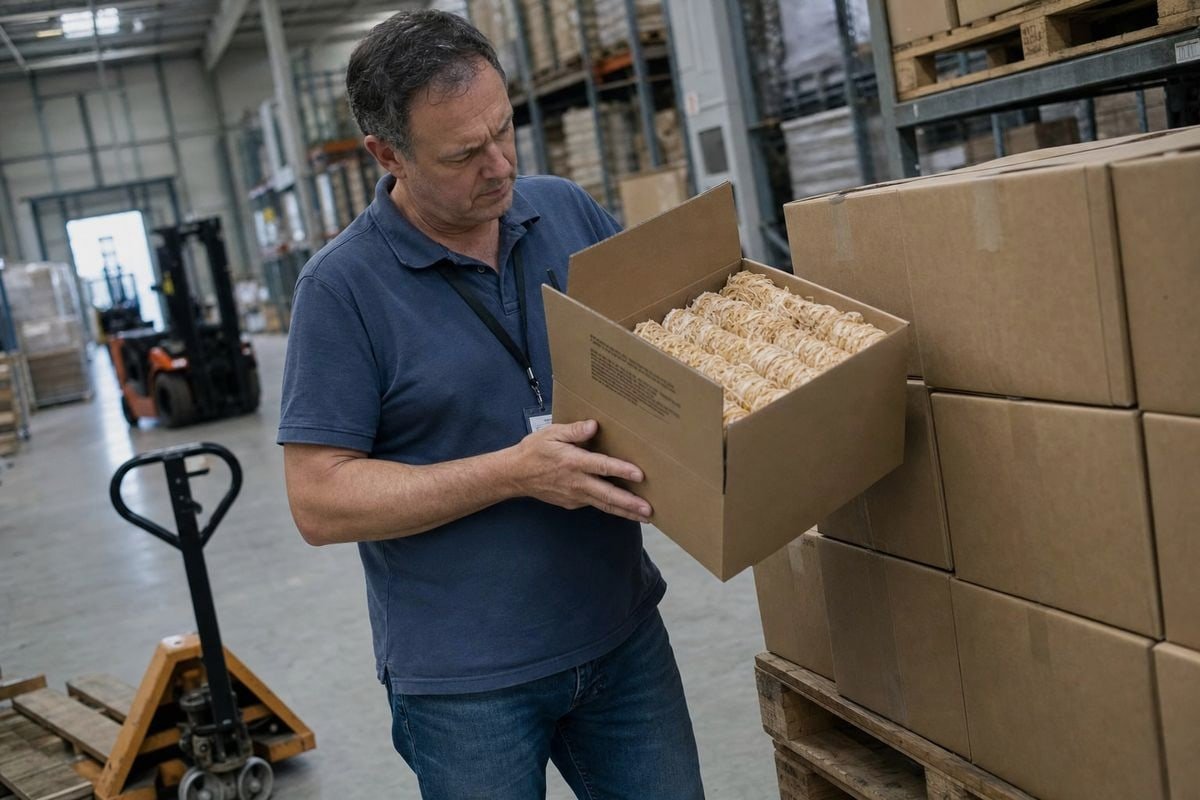
Überprüfung von Prop 65-Warnhinweisen für Holzanzünder bringt viele Großhändler ins Schleudern. An unserer Produktionslinie haben wir gesehen, dass Sendungen einfach deshalb zurückgehalten wurden, weil ein Etikett veraltete Formulierungen verwendete.
Um Prop 65-Warnhinweise für Holzanzünder zu überprüfen, sollten Großhändler bestätigen, dass das Etikett das aktuelle Safe-Harbor-Format verwendet, vom Lieferanten ein Konformitätszertifikat und Prüfberichte anfordern, die Expositionsgrundlage für Verbrennungsprodukte und Holzstaub prüfen und die Platzierung und Lesbarkeit des Etiketts überprüfen.
Das klingt nach viel. Es ist überschaubar, wenn man es in Schritte unterteilt. Unten führe ich Sie durch die genauen Dokumente, Entscheidungsregeln, Risiken und Anpassungsoptionen, die Sie kennen müssen.
Welche Dokumente sollte ich von meinem Lieferanten anfordern, um die Einhaltung von Prop 65 für Holzfeueranzünder zu bestätigen?
Ein Käufer aus Kalifornien bat uns einmal um unsere vollständige Compliance-Datei, bevor er eine einzige Bestellung unterschrieb. Diese Anfrage änderte, wie wir die Dokumentation in unserer Fabrik in Ningbo vorbereiten, und sie sollte auch bestimmen, was Sie verlangen.
Fordern Sie ein Konformitätszertifikat, Prüfberichte von Drittlaboren (SGS oder Intertek), Sicherheitsdatenblätter für Wachs- und Holzteile, eine schriftliche Warnmitteilung, die die Expositionsgrundlage erläutert, Entwürfe von Etikettengrafiken, die die sichere Hafenformulierung zeigen, und eine Bestätigung der Qualitätszertifizierungen des Lieferanten, wie z. B. ISO 9001, an.

Die Dokumentation ist der Ausgangspunkt der Überprüfung. Ein Etikett allein beweist nichts. Sie benötigen Papiere, die zeigen, warum das Etikett existiert und ob es rechtlich haltbar ist. In unseren über 17 Jahren des Exports von Anzündprodukten in die USA sind die Großhändler, die Ärger vermeiden, diejenigen, die eine Compliance-Datei erstellen, bevor die Waren den Hafen verlassen.
Die wichtigsten Checklisten für Dokumente
Hier ist, was eine vollständige Prop 65-Datei für Holzanzünder enthalten sollte:
| Dokument | Was es beweist | Rotes Tuch, wenn fehlend |
|---|---|---|
| Toxikologe oder Laborpartner | Lieferant bestätigt formell, dass das Produkt die Prop 65-Anforderungen erfüllt | Lieferant vermeidet schriftliche Verpflichtungen |
| Prüfbericht eines Drittlabors | Chemische Werte gemessen von SGS, Intertek oder ähnlichen | Warnentscheidung basierend auf Vermutungen |
| Sicherheitsdatenblätter (SDB) | Zusammensetzung von Wachs, Bindemitteln, Klebstoffen und Holzfasern | Versteckte Zusatzstoffe wie Formaldehyd 1-basierte Klebstoffe |
| Schriftliche Begründung der Warnung | Warum der Lieferant sich für eine Warnung (oder keine Warnung) entschieden hat | Keine haltbare Begründung im Falle einer Klage |
| Entwurfsprüfung für Etiketten | Genaue Wortwahl, Symbol und Schriftgröße vor dem Druck | Veraltetes Warnformat vor 2018 |
| Erklärung der Holzquelle | Kein behandeltes oder recyceltes Altholz im Produkt | Mögliche Arsen- oder Chromkontamination |
Warum die schriftliche Begründung am wichtigsten ist
Die meisten Lieferanten können ein Sicherheitsdatenblatt erstellen. Weniger können ihre Warnentscheidung schriftlich erklären. Stellen Sie eine einfache Frage: Welcher gelistete chemische Stoff auf der OEHHA-Chemikalienliste 2 hat die Warnung ausgelöst, und über welchen Expositionsweg? Bei Holzanzündern ist die ehrliche Antwort normalerweise Nebenprodukte der Verbrennung oder Holzstaub 3. Wenn Ihr Lieferant den chemischen Stoff oder den Expositionsweg nicht nennen kann, ist das Etikett Dekoration, keine Compliance.
Wir erstellen diese Datei proaktiv für Private-Label-Käufer, weil Due Diligence in der Lieferkette zu einer harten Anforderung großer Einzelhandelsketten geworden ist. Einzelhändler schieben die Dokumentationslast zunehmend auf die Großhändler, und Großhändler sollten sie an die Fabrik zurückschieben. Diese Kette funktioniert nur, wenn jedes Glied Aufzeichnungen führt.
Fragen Sie auch, wie aktuell die Testberichte sind. Prop 65 fügt regelmäßig Chemikalien hinzu. Ein Testbericht von vor fünf Jahren deckt möglicherweise neu gelistete Substanzen nicht ab. Wir aktualisieren Prüfung durch ein unabhängiges Labor aus genau diesem Grund in einem geplanten Rhythmus.
Wie weiß ich, ob meine Holzanzünder tatsächlich ein Prop 65-Warnschild benötigen?
Während der Produktentwicklung für unsere in Wachs getauchten Holzrollen verbrachten wir Wochen damit, jeden möglichen Expositionsweg zu kartieren, bevor wir die Etikettensprache finalisierten. Diese Übung lehrte uns, dass Anzünder keine typischen verpackten Waren sind.
Holzanzünder benötigen im Allgemeinen eine Prop-65-Warnung, da deren Verbrennung aufgeführte Verbrennungsprodukte wie Kohlenmonoxid, Ruß und Rauch freisetzt. Der Umgang mit komprimierten Holzprodukten kann auch Holzstaub erzeugen, ein aufgeführter Karzinogen. Eine Warnung ist nur vermeidbar, wenn die Exposition unter den Safe-Harbor-Grenzwerten liegt.

Die wichtigste Erkenntnis ist diese: Bei Anzündern kommt die Exposition oft durch die Verwendung zustande, nicht durch die Inhaltsstoffe. Ein Paraffin- und Holzfaser-Puck kann als Festkörper sauber getestet werden. Aber in dem Moment, in dem ein Verbraucher ihn anzündet, übernimmt die Verbrennungschemie. Kohlenmonoxid 5 Emissionen, Ruß und Rauch sind alle mit gelisteten Chemikalien verbunden, und Kalifornien behandelt die Exposition, die während der bestimmungsgemäßen Verwendung entsteht, als reale Exposition.
Die drei zu bewertenden Expositionswege
- Verbrennungsprodukte. Das Verbrennen jedes Anzünders und des von ihm entzündeten Brennholzes erzeugt Kohlenmonoxid und andere Nebenprodukte. Große US-Einzelhändler warnen bereits auf dieser Grundlage für die Kategorie der Anzünder.
- Holzstaub. Kalifornien listet Holzstaub als Karzinogen. Komprimierte holzbasierte Anzünder können beim Umgang, bei der Bearbeitung oder beim Umpacken feinen Staub abgeben. Dies ist sowohl für Lagerarbeiter als auch für Verbraucher relevant.
- Chemische Bestandteile. Paraffinqualität, synthetische Bindemittel, Beschichtungen und Klebstoffe variieren stark. Geringwertige Bindemittel können beim Verbrennen Benzol oder Formaldehyd freisetzen. Deshalb verwenden wir in unseren eigenen Anzündern lebensmittelechtes Paraffin und natürliche Holzwolle ohne synthetische Bindemittel.
Wenn eine Warnung NICHT erforderlich ist
Es gibt eine legitime Ausfahrt. Wenn ein Unternehmen nachweisen kann, in der Regel durch Laborprüfungen durch Dritte, dass die Verbraucherexposition unter den geltenden Safe Harbor-Grenzwerten des OEHHA bleibt, ist keine Warnung erforderlich. In der Praxis ist dies bei Verbrennungsprodukten schwer nachzuweisen, weshalb die meisten Anzünder-Marken trotzdem warnen. Unternehmen mit weniger als 10 Mitarbeitern sind technisch ebenfalls ausgenommen, obwohl diese Ausnahme einem Großhändler selten hilft, da große Einzelhandelskäufer unabhängig davon gekennzeichnete Waren verlangen.
Stellen Sie Ihrem Lieferanten eine direkte Frage: Haben Sie getestet oder sich standardmäßig für die Warnung entschieden? Beide Antworten können akzeptabel sein. Aber Sie müssen wissen, welche für Ihren Bestand gilt, da dies bestimmt, welche Dokumentation Sie vorlegen können, wenn ein privater Vollstrecker anklopft.
Was sind die Risiken, wenn ich Holzanzünder ohne ordnungsgemäße Prop 65-Kennzeichnung importiere?
Eine Lektion, die wir früh beim Export in die USA gelernt haben: Compliance-Fehler treten selten am Zoll auf. Sie treten Monate später auf, wenn eine Anwaltskanzlei Ihr Produkt in Kalifornien aus dem Regal kauft.
Der Import von Holzanzündern ohne ordnungsgemäße Prop 65-Kennzeichnung setzt Sie privaten Durchsetzungsmaßnahmen, einer 60-tägigen Verstoßmitteilung, zivilrechtlichen Strafen von bis zu 2.500 US-Dollar pro Verstoß und Tag, Vergleichs- und Anwaltskosten, Rückbuchungen durch den Einzelhändler, Delisting und dauerhaften Reputationsschäden bei wichtigen Käufern aus.
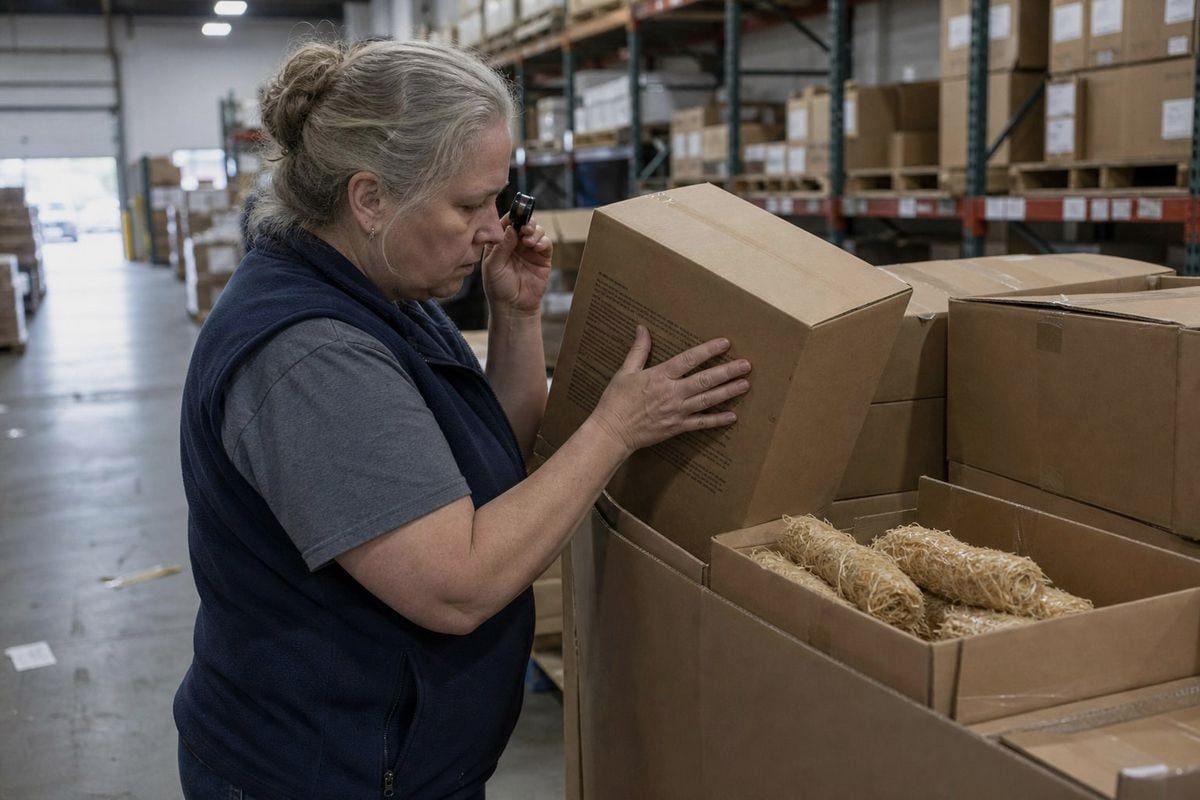
Prop 65 hat eine einzigartige Durchsetzungsstruktur. Der Staat muss Sie nicht erwischen. Privatpersonen und Anwaltskanzleien, oft als Kopfgeldjäger bezeichnet, können eine 60-tägige Benachrichtigung über Verstöße 6 und dann im Namen der Öffentlichkeit klagen. Sie erhalten einen Anteil an den Strafen, daher suchen sie aktiv nach nicht gekennzeichneten Produkten. Feuerstarter, die über Campinggeschäfte, Baumarktketten und E-Commerce verkauft werden, sind leichte Ziele, da die Kategorie bekanntermaßen Warnungen erfordert.
Die Risikoleiter
| Risikostufe | 5–6 Monate | Typische Kosten für den Großhändler |
|---|---|---|
| 60-Tage-Mitteilung zugestellt | Sie müssen antworten, untersuchen und einen Anwalt beauftragen | Anwaltskosten beginnen sofort |
| Vergleich | Die meisten Fälle werden verglichen, um Rechtsstreitigkeiten zu vermeiden | Oft Zehntausende von Dollar plus Neukennzeichnung |
| Zivilrechtliche Strafen | Bis zu 2.500 $ pro Verstoß und Tag | Eskaliert schnell bei großen Sendungen |
| Einzelhandelsfolgen | Rückbuchungen, zurückgeführte Bestände, Delisting | Umsatz- und Regalplatzverlust |
| Reputationsschaden | Käufer sehen Sie als Compliance-Risiko | Schwieriger, zukünftige Verträge zu gewinnen |
Wer wird tatsächlich verklagt?
Vollstrecker zielen typischerweise auf diejenigen ab, die die tiefsten Taschen und die klarste Präsenz in Kalifornien haben. Das sind oft der Importeur oder Großhändler, nicht die Überseefabrik. Deshalb sind Ihre Verträge wichtig. Kluge Großhändler fügen Herstellungsverträgen Prop 65-Freistellungsklauseln hinzu, die die finanzielle Verantwortung auf den Produzenten zurückverlagern, wenn sich chemische Offenlegungen als ungenau erweisen. Wir akzeptieren diese Klauseln, da unsere SGS- und Intertek-Testberichte uns Vertrauen in das geben, was wir versenden. Ein Lieferant, der eine Freistellungsklausel ablehnt, sagt Ihnen etwas über sein Vertrauen in sein eigenes Produkt.
Der E-Commerce-Blindfleck
Vergessen Sie nicht die Online-Kanäle. Wenn Ihre nachgelagerten Käufer online an Einwohner Kaliforniens verkaufen, muss auf der Produktseite oder während des Checkouts vor dem Kauf eine klare und angemessene Warnung erscheinen. Ein perfektes Etikett auf der Verpackung behebt keine fehlende Warnung auf dem Angebot. Großhändler, die Warntexte und Grafiken für die Online-Nutzung bereitstellen, schützen die gesamte Kette und erfüllen die schriftlichen Mitteilungspflichten, die Vermittler im sicheren Hafen halten.
Kann mein Hersteller mir helfen, Prop 65-Warnetiketten für Private-Label-Verpackungen anzupassen?
Letztes Jahr schickte uns ein US-Distributor seine Marken-Grafiken ohne jeglichen Warnblock. Unser Verpackungsteam hat dies beanstandet, ein konformes Kurzformular-Layout vorgeschlagen und innerhalb weniger Tage überarbeitete Korrekturfahnen zurückgeschickt. Das sollte OEM-Support aussehen.
Ja. Ein fähiger Hersteller kann konforme Prop 65-Warnhinweise direkt in die Verpackung von Eigenmarken integrieren, einschließlich Safe-Harbor- oder Kurzformulierungen, des gelben Dreieckssymbols, der richtigen Schriftgröße, der Platzierung auf einzelhandelsseitigen Oberflächen, übersetzter Verpackungen, QR-Codes für dynamische Updates und Point-of-Sale-Beschilderung des Einzelhändlers.

Private-Label-Käufer behandeln das Warnetikett oft als nachträglichen Gedanken. Nach unserer Erfahrung mit One-Stop-OEM/ODM-Projekten für Outdoor- und BBQ-Marken in den USA und Europa sollte die Warnung von der ersten Grafikrunde an in die Verpackung integriert werden. Eine nachträgliche Nachrüstung mit einem Aufkleber sieht billig aus, birgt die Gefahr des Ablösens und kann zu Händlerablehnungen führen.
Vollständige Warnung vs. Kurzform-Warnung
Ihre Verpackungsgröße bestimmt die Wahl des Formats:
| Format | Erforderliche Elemente | Am besten für |
|---|---|---|
| Vollständige Safe-Harbor-Warnung | Dreieckssymbol, WARNUNG, genannte Chemikalie, Expositionserklärung, P65Warnings.ca.gov-Referenz | Einzelhandelsverpackungen, Kartons, Display-Verpackungen |
| Kurzform-Warnung | Dreieckssymbol, WARNUNG, Art der Schädigung (Krebs / Fortpflanzungsschäden), Website-Referenz | Kleine Puck-Verpackungen, Einzelverpackungen, knapper Etikettenplatz |
Beides ist legitim. Aber die Kurzform-Option hat spezifische Größenbedingungen, und Kalifornien hat seine Regeln im Laufe der Zeit verschärft. Ihr Hersteller sollte diese Updates verfolgen, damit Ihre Grafiken nicht veraltet im Regal liegen.
Was ein guter OEM-Partner bieten sollte
- Konforme Grafikvorlagen. Vorgefertigte Warnblöcke in der richtigen Mindestschriftgröße, niemals kleiner als 6 Punkt, und konsistent mit anderen Verbraucherinformationen auf der Verpackung.
- Platzierungsprüfung. Die Warnung muss auf der für den Einzelhandel bestimmten Oberfläche gut sichtbar sein, nicht unter einer Klappe versteckt oder nur auf dem Hauptkarton aufgedruckt.
- Unterstützung für Einzelhandelsbeschilderung. Einige Holzprodukt-Einzelhändler stellen 8,5" x 11" Point-of-Sale-Schilder 7. Die Bereitstellung dieser für Ihre nachgelagerten Partner ist Teil der Aufgabe des Großhändlers, und wir bereiten sie zusammen mit der Verpackung vor.
- QR-Codes für Skalierbarkeit. A QR-Code 8 Die Verlinkung zu einer Compliance-Seite ermöglicht mehrsprachige Warnungen und dynamische Updates, da die OEHHA-Chemikalienliste jedes Jahr erweitert wird.
- Barcodes, Chargennummern und Dokumentation. Jede von uns produzierte Eigenmarken-Charge wird mit passenden Testberichten geliefert, sodass das Etikett auf der Verpackung und die Datei in Ihrem Posteingang dieselbe Geschichte erzählen.
Eine Vorsichtsmaßnahme: Ein Hersteller kann das Etikett ausführen, aber der Großhändler trägt immer noch die Verantwortung für die Überprüfung. Überprüfen Sie immer selbst den endgültigen gedruckten Korrekturabzug anhand der aktuellen Safe-Harbor-Sprache oder lassen Sie ihn von einem Anwalt prüfen, bevor Sie die Massenproduktion genehmigen.
Schlussfolgerung
Unverifizierte Warnetiketten gemäß Prop 65 für Holzfeueranzünder laden zu Klagen, Rückbuchungen und Streichungen ein. Überprüfen Sie die Expositionsgrundlage, fordern Sie Dokumentationen an, prüfen Sie Format und Platzierung des Etiketts und arbeiten Sie mit einer Fabrik zusammen, die Compliance integriert.
Fußnoten
EPA-Übersicht über Formaldehydrisiken, relevant für die im Artikel diskutierten Emissionen von Bindemitteln niedriger Qualität. ↩︎
Direkter Link zur offiziellen Prop 65-Chemikalienliste, auf die bei der Begründung von Warnentscheidungen verwiesen wird. ↩︎
Offizielle OSHA-Seite zu Sicherheit und Gesundheitsthemen für Holzstaubgefahren und Compliance. ↩︎
Offizielle OEHHA-Erklärung zu Expositionsgrenzwerten, die bestimmen, ob eine Prop 65-Warnung erforderlich ist. ↩︎
CDC-Ressource zu Kohlenmonoxidexposition, relevant für Verbrennungsprodukte aus brennenden Feueranzündern. ↩︎
Offizielle Seite der Generalstaatsanwaltschaft von Kalifornien zu Prop 65-Durchsetzung, die das Benachrichtigungs- und Klageverfahren beschreibt. ↩︎
Allgemeiner Hintergrund zu Point-of-Sale-Displays, relevant für die im Artikel erwähnte Unterstützung von Händlerschildern. ↩︎
Hintergrundreferenz zur Erklärung der QR-Code-Technologie, die für dynamische Compliance-Updates auf Verpackungen verwendet wird. ↩︎



 English
  Spanish
  German
  French
  Arabic
  Portuguese
Diskutieren Sie mit