






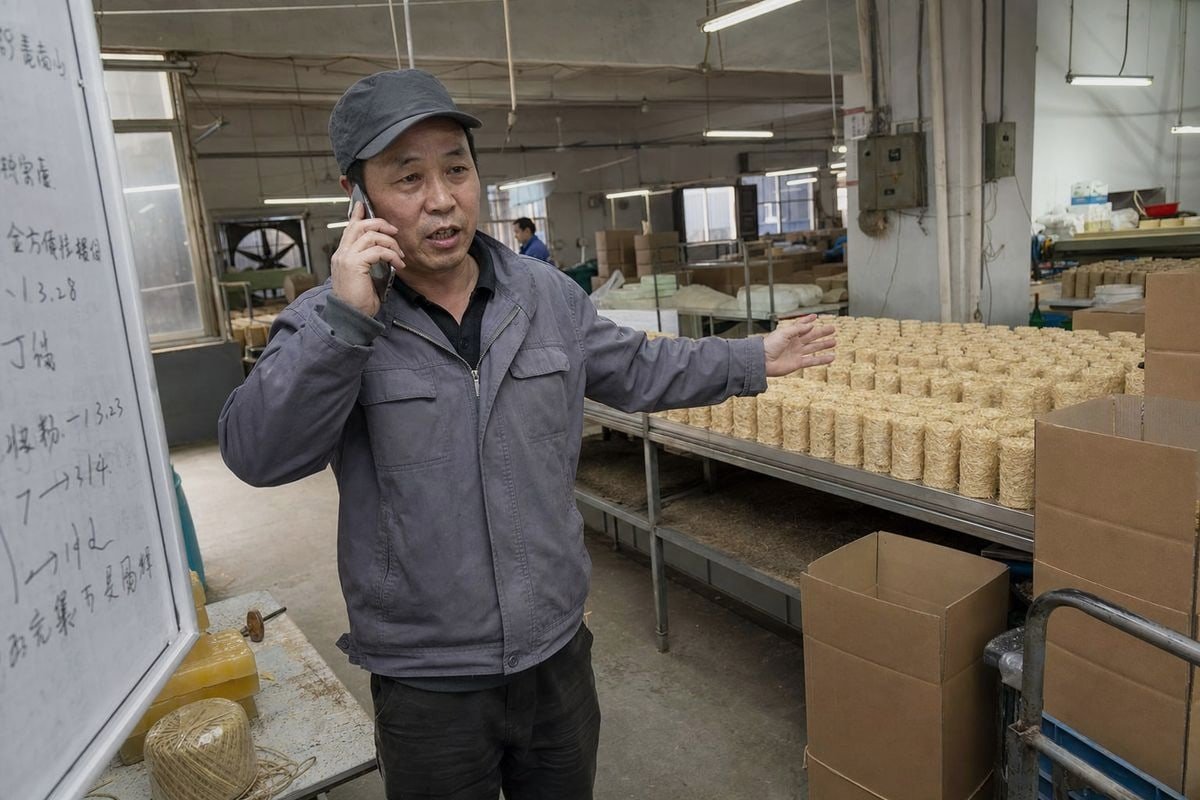
Shorter lead times for wood fire starters from China are negotiated, not demanded export handling 1. On our production line, I watch buyers lose margin to FBA fees simply because inventory arrives late.
To negotiate shorter lead times for wood fire starters from China, break the timeline into stages, offer rolling forecasts and faster payment, accept standard specs, run trial orders first, choose a certified factory to avoid customs delays, and lock milestone-based commitments into your purchase orders.
That answer sounds simple. In practice, each lever needs careful handling. Let me walk you through the four questions that matter most, drawing on what actually happens inside a fire-starter factory.
What questions should I ask my supplier to confirm their true production capacity before I commit to a lead time?
A buyer from Germany once asked me point-blank how many wax-dipped wood rolls our Ningbo facility could produce per day. That question told me he had been burned before.
Ask your supplier for daily output per line, current order backlog, raw material stock levels for wood wool and paraffin, peak-season staffing plans, and a stage-by-stage breakdown of production cycle time. Verified answers expose whether a quoted lead time is realistic or optimistic.
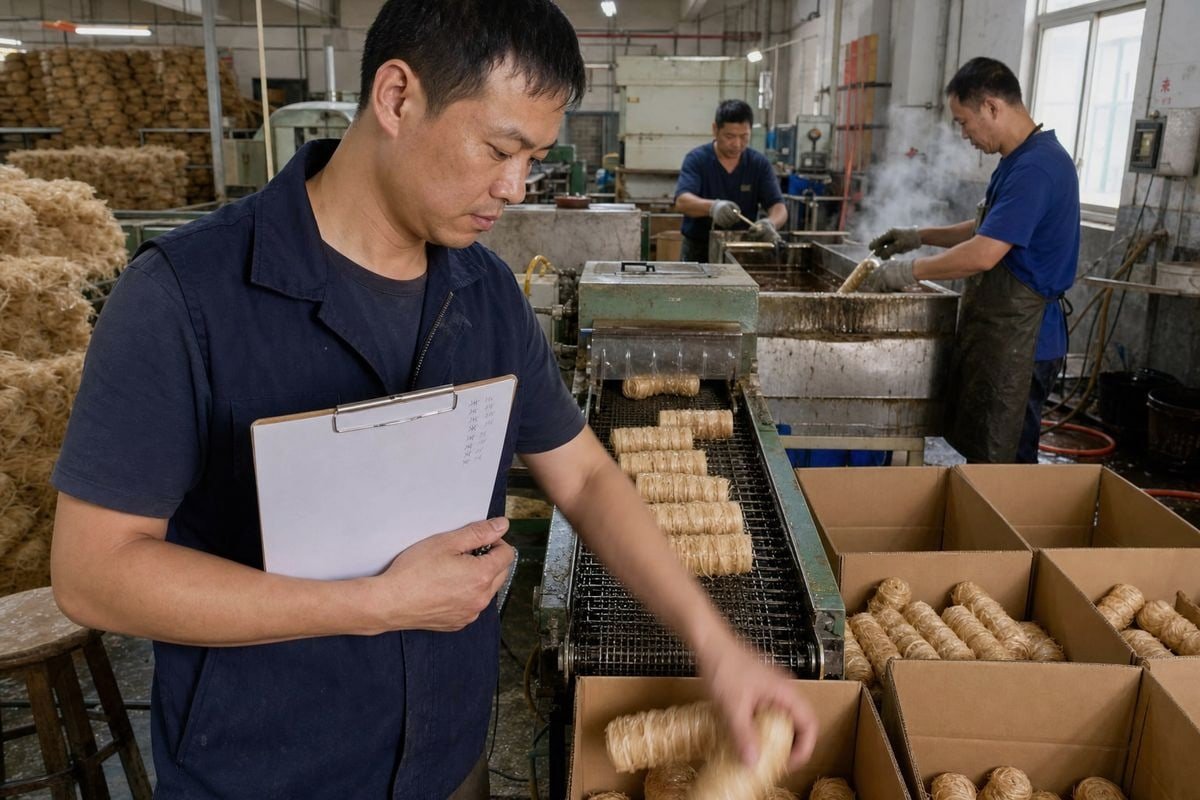
A single lead-time number hides more than it reveals. When a factory quotes "35 days," that figure bundles raw material sourcing, production, quality control inspection 2, packaging, carton labeling, and export handling into one vague promise. Your job is to unbundle it. In my experience exporting fire starters to the US and Europe for over 17 years, the suppliers who can answer stage-level questions quickly are the ones who actually control their process. The ones who dodge are guessing.
The capacity questions that separate real factories from traders
Trading companies cannot answer these questions with evidence, because they do not own the production line. Ask for photos, videos, or a live video call from the floor. A genuine factory will show you the wax-dipping stations and the wood wool inventory without hesitation.
| Question à poser | What a Good Answer Looks Like | Signal d'alarme |
|---|---|---|
| What is your daily output per line? | A specific number with shift details | "We can make whatever you need" |
| How much wood wool and paraffin do you keep in stock? | Weeks of coverage, named suppliers | "We buy after your deposit" |
| What is your current backlog? | Honest queue position with dates | "No backlog at all" in Q3 |
| Can you break lead time into stages? | Written stage-by-stage schedule | One single total number |
| Who handles QC and when? | In-line checks plus final inspection | "QC happens at the end" |
Why raw material stock matters most for fire starters
Wood fire starters are roughly half wood fiber and half cire de paraffine 3. Paraffin prices swing with oil markets, and wood wool supply tightens before winter. A factory that pre-purchases materials during off-peak dips can start your order the day your PO lands. A factory that buys materials only after your deposit adds one to two weeks before production even begins. Always ask which model your supplier follows, and get the answer in writing. This single question often explains the gap between a 20-day quote and a 40-day quote.
How can I use smaller trial orders to test a factory's reliability before scaling up my wood fire starter shipments?
Trial orders are where trust is either built or broken. We deliberately keep our MOQs flexible for first-time buyers, because we know the first shipment is really an audit of our factory.
Place a small trial order of one to two cartons' worth of SKUs, then measure the factory against its own promises: quoted versus actual lead time, sample-to-bulk quality consistency, labeling accuracy, and communication speed. Scale volume only after the supplier passes all four tests.
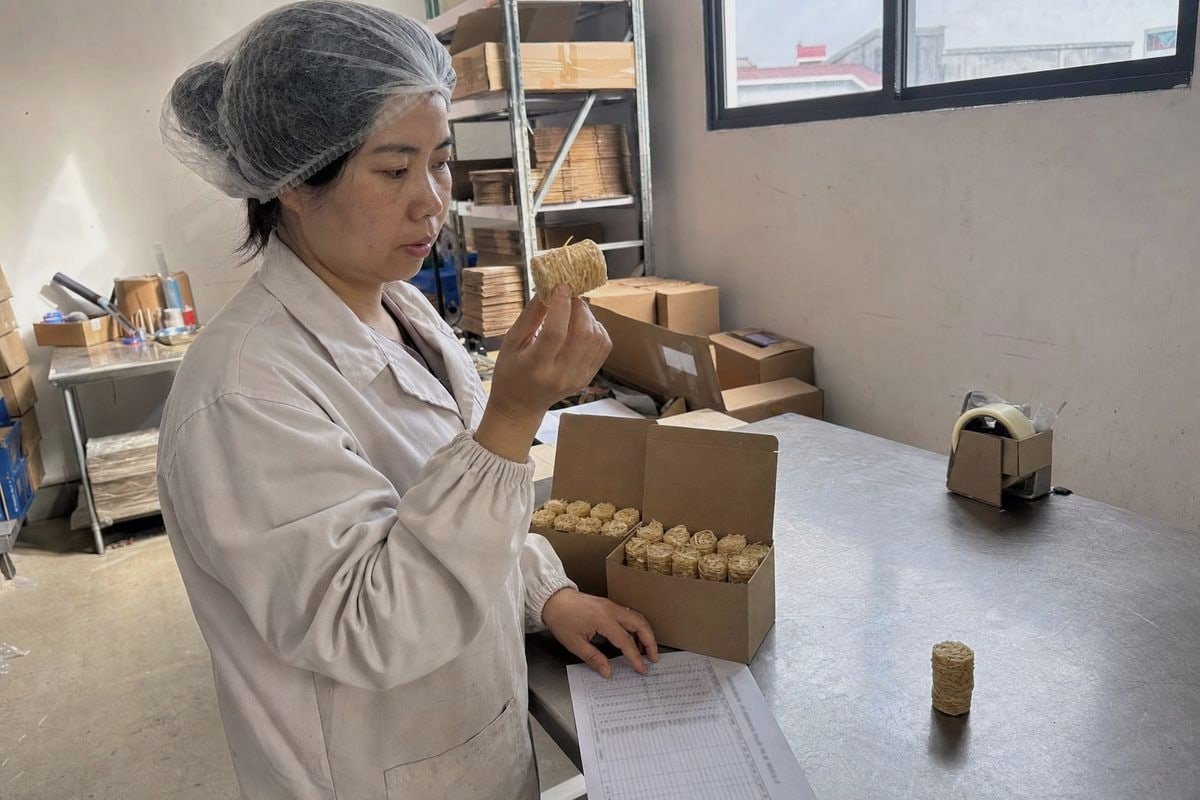
A trial order costs you a little margin. A failed container costs you a season. That is the trade-off I always ask buyers to weigh. For a low-ticket, seasonal product like wood fire starters, one bad bulk shipment can wipe out an entire winter's profit through returns, storage overage fees, and a damaged Amazon IPI score. The trial order is your cheapest insurance policy.
A simple four-step trial protocol
- Request a production sample first. Confirm burn time, wax coverage, and packaging quality. A serious factory's first sample should reliably reflect mass-production quality, because batch-to-batch consistency is a process discipline, not luck.
- Place a small PO with full FBA requirements. Include FNSKU labels, carton markings, and your compliance documents. You are testing whether the factory handles Amazon-specific prep, not just whether it can make the product.
- Track the milestones you agreed on. Note the dates for material readiness, production completion, quality control inspection, and handover to your freight forwarding partner. Compare promised versus actual at every stage.
- Grade the result before scaling. Score lead-time accuracy, defect rate, labeling accuracy, and responsiveness. Pass all four, and you have a factory worth building safety stock plans around.
What the trial order tells you that quotes cannot
Quotes describe intentions. Trial orders reveal behavior. During the trial, watch how the supplier communicates when something slips. A factory that flags a two-day delay early, with a recovery plan, is more valuable than one that goes silent and delivers a surprise. In our own workflow, we send stage photos at material prep, mid-production, and pre-shipment, because buyers who see evidence do not need to chase updates. Demand the same from any supplier you test. If they cannot provide it for 500 units, they will not provide it for 50,000.
What role does choosing a certified, compliant manufacturer play in avoiding customs delays that eat into my FBA timeline?
Compliance paperwork saved one of our US buyers an entire Christmas season. His previous supplier's shipment sat in customs for three weeks over missing test reports. Ours cleared in days.
A certified manufacturer with ISO 9001, BSCI, CE, and SGS or Intertek test reports provides the documentation customs officers expect for wax-based fire products. Complete, consistent paperwork prevents holds, inspections, and re-testing that can add two to four weeks to your FBA timeline.
Wood fire starters are wax-and-fiber combustibles. Customs authorities in the US and EU look closely at products in this category, and inconsistent documentation is the fastest way to trigger a physical inspection. From our side in Liuyang and Ningbo, we treat compliance as a hard requirement, not a marketing line, because our buyers in 30-plus countries cannot afford a container stuck at port during Q4.
How certification shortens the customs clearance path
Customs clearance is a documentation game. When your commercial invoice, packing list, FDS (Fiche de Données de Sécurité) 5, and test reports all match, shipments flow. When any element is missing or contradictory, the shipment gets flagged. A certified factory produces this paperwork routinely; an uncertified one improvises it, and improvisation is what customs officers are trained to catch.
| Compliance Element | What It Prevents | Typical Delay If Missing |
|---|---|---|
| Rapports de test SGS/Intertek | Re-testing holds and safety queries | 2–4 semaines |
| Correct HS code and MSDS | Misclassification and physical inspection | 1–3 semaines |
| Marquage CE et étiquettes d'avertissement | EU market entry refusals | Shipment rejection |
| BSCI/ISO 9001 factory audits | Buyer-side sourcing compliance blocks | Contract-level risk |
| Consistent invoice and packing data | Document mismatch flags | 3–10 jours |
Compliance is also a lead-time negotiation lever
Here is the part most buyers miss. A compliant factory does not need to scramble for documents at shipment time, so its quoted lead time is more honest. When we quote a delivery window, the test reports, warning labels, and barcodes are already part of our one-stop OEM process, not an afterthought. That predictability feeds directly into your inventory replenishment planning and protects your Amazon IPI score, because inventory that clears on schedule arrives in the FBA window you planned for. Cheap, uncertified suppliers effectively transfer customs risk onto you, and that risk has a real cost in storage overage fees and lost sales rank.
How should I structure my purchase orders and forecasts so my supplier can prioritize my production schedule?
The buyers who get our fastest slots share one habit: they tell us what is coming. A rolling forecast changes how we schedule lines, buy wax, and staff shifts.
Send a rolling 12-month forecast updated quarterly, place POs with stage-based milestones and clear FBA deadlines, order off-season production slots in April and May, and offer prompt deposits. Suppliers reward forecast visibility and payment certainty with priority scheduling and shorter committed lead times.
Priority in a Chinese factory's production queue is earned through predictability. This is where supplier relationship management 6 stops being a buzzword and becomes a scheduling reality. When I know a buyer's annual volume and seasonal peaks, I can pre-purchase paraffin during price dips, hold a component buffer of semi-finished, unbranded fire starters, and slot their POs ahead of one-off rush orders. When a buyer appears out of nowhere in September demanding a two-week turnaround, no goodwill in the world can conjure raw materials that were never ordered.
The PO and forecast structure that wins priority
| Élément | Que faut-il inclure | Why It Shortens Lead Time |
|---|---|---|
| Rolling forecast | 12-month volume estimate, updated quarterly | Lets the factory pre-buy wood wool and wax |
| Stage milestones | Dates for materials, production, QC, handover | Creates enforceable checkpoints, not one vague date |
| Component buffer clause | Supplier holds ~20% semi-finished stock | Cuts response time to days for repeat SKUs |
| Off-season slots | Book April–May production for winter demand | Avoids Q3/Q4 congestion and peak freight rates |
| Payment terms | Fast deposit; balance tied to inspection pass | Solves the factory's working-capital bottleneck |
| Buffer time | 10–15 days beyond the factory quote | Absorbs QC, booking, and customs variance |
Trade what the factory values for what you need
Effective negotiation is an exchange, not pressure. Faster payment is often the strongest chip, because working capital for raw materials is a common bottleneck; some suppliers will compress a 35–45 day cycle toward 15–20 days when cash arrives early and specs stay standard. Simplified packaging and standard sizes remove setup time. Consistent repeat volume beats any single large order. This is supply chain optimization in its most practical form: you give certainty, and you receive speed. Combine that with a modest safety stock at Amazon Warehousing & Distribution 7 to drip-feed FBA, and late-arrival fee exposure nearly disappears. Also insist on written commitments — milestone dates, evidence at each stage, and, where enforceable, delay compensation terms — so priority scheduling is a contract, not a conversation.
Conclusion
Shorter lead times for wood fire starters are built through verified capacity, trial orders, certified compliance, and structured forecasts. Trade certainty for speed, document every milestone, and FBA fees stop eating your margin.
Notes de bas de page
1. WTO trade facilitation guidance relates directly to export handling steps mentioned. ↩︎
2. Authoritative .gov source explaining ISO 9001 and quality management systems without HTTP 403 issues. ↩︎
3. Background on the wax component affecting fire-starter production and material sourcing. ↩︎
4. Official US customs authority resource on import clearance procedures affecting lead times. ↩︎
5. Explains the safety documentation customs officials expect for wax-based products. ↩︎
6. Background concept explaining why forecasts and payment terms earn scheduling priority. ↩︎
7. Official Amazon program page referenced as a buffer solution against FBA fee exposure. ↩︎



 English
  Spanish
  German
  French
  Arabic
  Portuguese
Rejoignez la conversation