






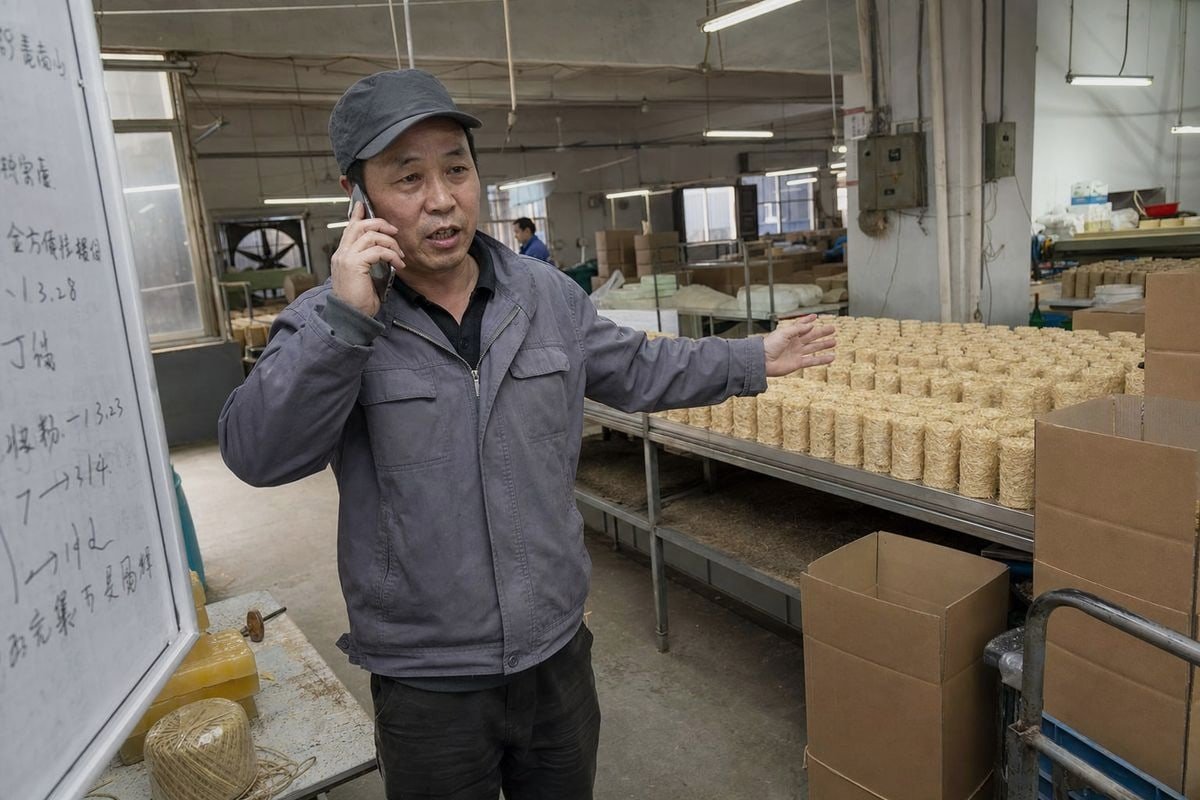
أوقات تسليم أقصر لبادئات الحريق الخشبية من الصين يتم التفاوض عليها، وليس طلبها معالجة التصدير 1. في خط الإنتاج الخاص بنا، أشاهد المشترين يخسرون هامش الربح بسبب رسوم FBA لمجرد وصول المخزون متأخرًا.
للتفاوض على أوقات تسليم أقصر لبادئات إشعال النار الخشبية من الصين، قسّم الجدول الزمني إلى مراحل، وقدم توقعات متجددة ودفعًا أسرع، وقبل المواصفات القياسية، وقم بتشغيل طلبات تجريبية أولاً، واختر مصنعًا معتمدًا لتجنب تأخيرات الجمارك، وقم بتثبيت التزامات تستند إلى معالم في أوامر الشراء الخاصة بك.
يبدو هذا الرد بسيطًا. في الواقع، يحتاج كل رافعة إلى معالجة دقيقة. دعني أرشدك خلال الأسئلة الأربعة الأكثر أهمية، بناءً على ما يحدث بالفعل داخل مصنع لبادئات الحريق.
ما هي الأسئلة التي يجب أن أطرحها على المورد الخاص بي لتأكيد قدرته الإنتاجية الحقيقية قبل الالتزام بوقت التسليم؟
سألني مشترٍ من ألمانيا بشكل مباشر ذات مرة عن عدد لفات الخشب المغطاة بالشمع التي يمكن لمنشأتنا في نينغبو إنتاجها يوميًا. أخبرني هذا السؤال أنه تعرض للحرق من قبل.
اطلب من موردك الإنتاج اليومي لكل خط، وحجم الطلبات الحالي، ومستويات مخزون المواد الخام للصوف الخشبي والبارافين، وخطط الموظفين لموسم الذروة، وتقسيم مرحلي لدورة الإنتاج. تكشف الإجابات الموثقة ما إذا كان وقت التسليم المقتبس واقعيًا أم متفائلاً.
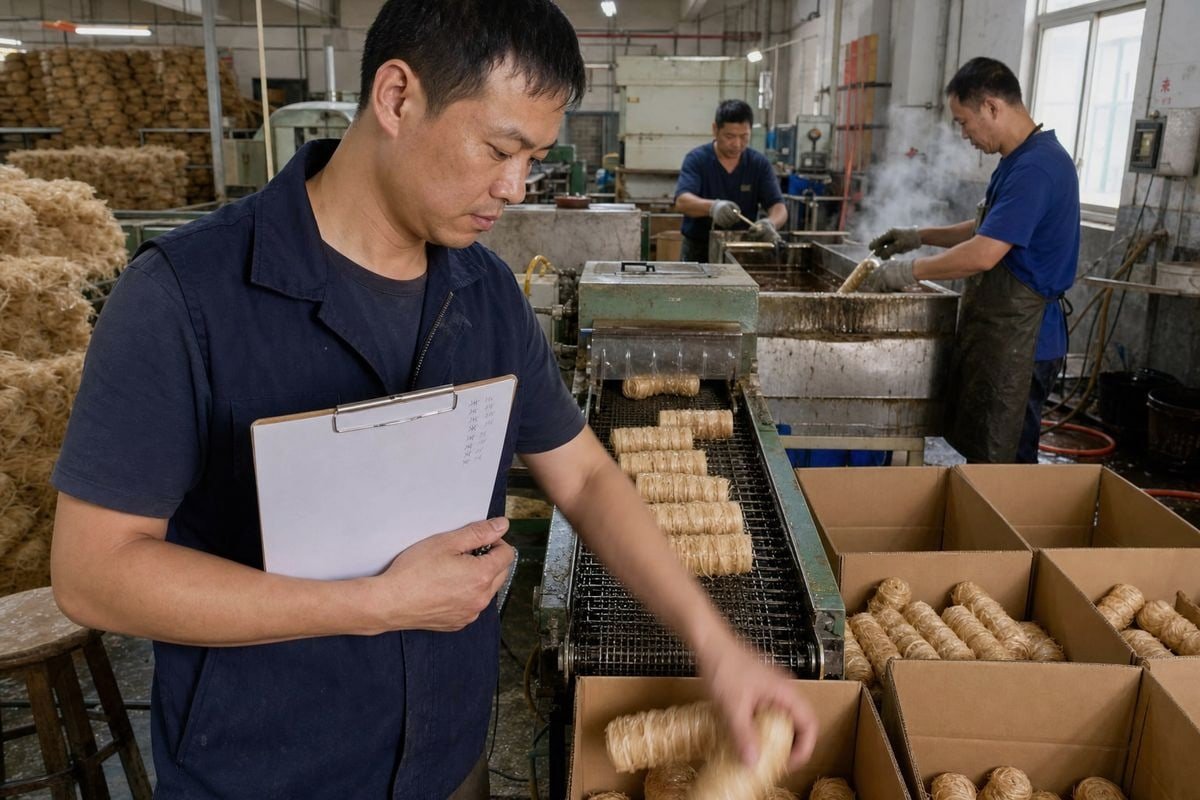
يخفي رقم واحد لوقت التسليم أكثر مما يكشف. عندما يقتبس المصنع "35 يومًا"، فإن هذا الرقم يجمع بين مصادر المواد الخام والإنتاج،, فحص مراقبة الجودة 2, ، والتعبئة والتغليف، ووضع العلامات على الكرتون، ومعالجة التصدير في وعد غامض واحد. وظيفتك هي تفكيكه. في خبرتي في تصدير بادئات الحريق إلى الولايات المتحدة وأوروبا لأكثر من 17 عامًا، فإن الموردين الذين يمكنهم الإجابة على أسئلة مرحلية بسرعة هم الذين يتحكمون بالفعل في عمليتهم. أولئك الذين يتفادون يخمنون.
أسئلة السعة التي تفصل المصانع الحقيقية عن التجار
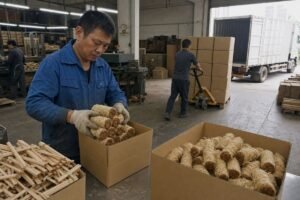
لا تستطيع شركات التجارة الإجابة على هذه الأسئلة بالأدلة، لأنها لا تملك خط الإنتاج. اطلب صورًا أو مقاطع فيديو أو مكالمة فيديو مباشرة من أرض المصنع. سيُظهر لك المصنع الحقيقي محطات الغمس بالشمع ومخزون الصوف الخشبي دون تردد.
| سؤال لطرحه | كيف يبدو الرد الجيد | علامة حمراء |
|---|---|---|
| ما هو إنتاجك اليومي لكل خط؟ | رقم محدد مع تفاصيل المناوبة | "يمكننا صنع ما تحتاجه" |
| ما مقدار الصوف الخشبي والبارافين الذي تحتفظ به في المخزون؟ | أسابيع من التغطية، موردون محددون | "نشتري بعد إيداعك" |
| ما هو تأخيرك الحالي؟ | موقع طابور صادق مع تواريخ | "لا يوجد تأخير على الإطلاق" في الربع الثالث |
| هل يمكنك تقسيم وقت التسليم إلى مراحل؟ | جدول زمني مرحلي مكتوب | رقم إجمالي واحد |
| من يتعامل مع مراقبة الجودة ومتى؟ | فحوصات أثناء الخط بالإضافة إلى الفحص النهائي | "تحدث مراقبة الجودة في النهاية" |
لماذا يعتبر مخزون المواد الخام الأكثر أهمية لبادئات الحريق
بادئات الحريق الخشبية هي تقريبًا نصف ألياف خشبية ونصف شمع البارافين 3. تتأرجح أسعار البارافين مع أسواق النفط، ويضيق المعروض من الصوف الخشبي قبل الشتاء. يمكن للمصنع الذي يشتري المواد مسبقًا خلال فترات الانخفاض خارج الذروة أن يبدأ طلبك في اليوم الذي يصل فيه أمر الشراء الخاص بك. المصنع الذي يشتري المواد فقط بعد إيداعك يضيف أسبوعًا إلى أسبوعين قبل بدء الإنتاج. اسأل دائمًا عن النموذج الذي يتبعه موردك، واحصل على الإجابة كتابيًا. غالبًا ما يفسر هذا السؤال الواحد الفجوة بين عرض سعر لمدة 20 يومًا وعرض سعر لمدة 40 يومًا.
كيف يمكنني استخدام طلبات تجريبية أصغر لاختبار موثوقية المصنع قبل توسيع نطاق شحناتي من مشعلات حطب النار؟
الطلبات التجريبية هي المكان الذي تُبنى فيه الثقة أو تُكسر. نحن عن قصد نحافظ على الحد الأدنى لكميات الطلب مرنة للمشترين لأول مرة, ، لأننا نعلم أن الشحنة الأولى هي في الواقع تدقيق لمصنعنا.
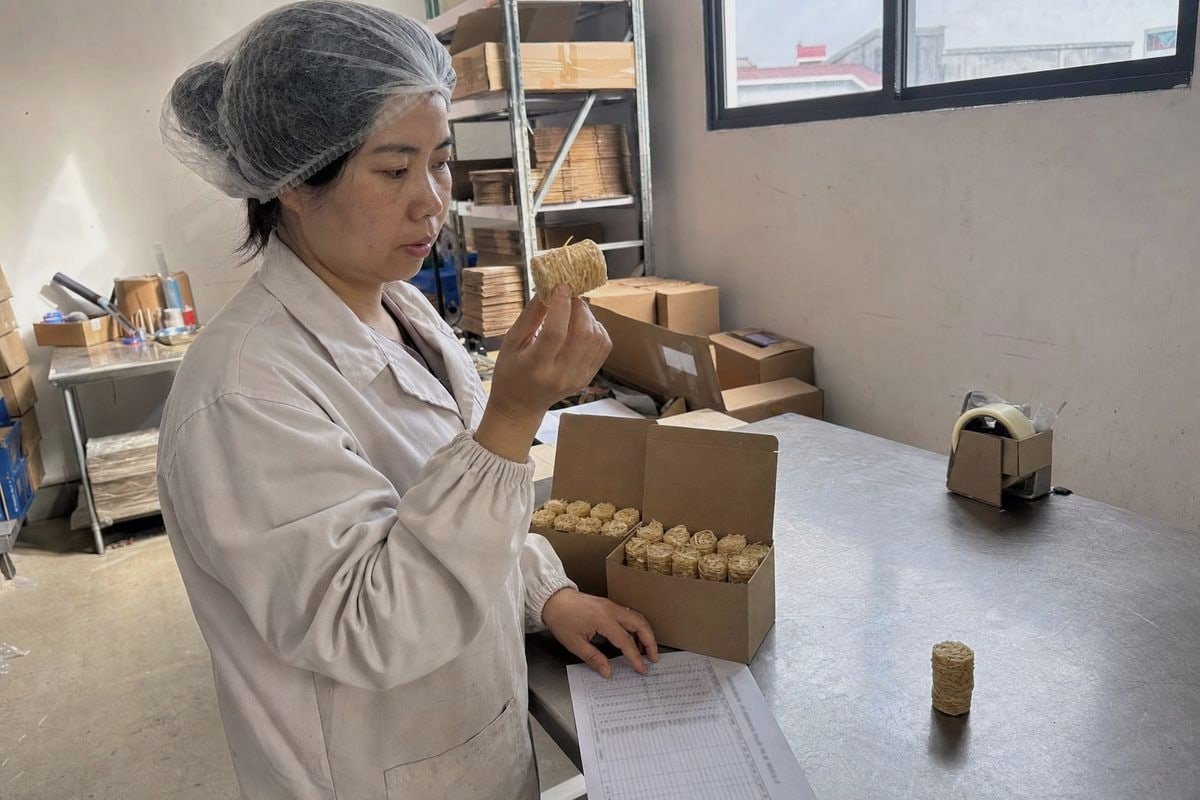
ضع طلبًا تجريبيًا صغيرًا بكمية تعادل كرتونًا إلى كرتونين من وحدات SKU، ثم قم بقياس المصنع مقابل وعوده الخاصة: المهلة الزمنية المقتبسة مقابل الفعلية، واتساق جودة العينة مقابل الإنتاج الضخم، ودقة الملصقات، وسرعة الاتصال. قم بتوسيع حجم الإنتاج فقط بعد أن يجتاز المورد جميع الاختبارات الأربعة.
يكلفك الطلب التجريبي القليل من هامش الربح. حاوية فاشلة تكلفك موسمًا. هذا هو المقايضة التي أطلب دائمًا من المشترين الموازنة بينها. بالنسبة لمنتج موسمي منخفض السعر مثل بادئات الحريق الخشبية، يمكن لشحنة جماعية سيئة واحدة أن تمحو ربح موسم الشتاء بأكمله من خلال المرتجعات، ورسوم تخزين زائدة، وتضرر درجة IPI على أمازون. الطلب التجريبي هو وثيقة التأمين الأرخص الخاصة بك.
بروتوكول تجريبي بسيط من أربع خطوات
- اطلب عينة إنتاج أولاً. قم بتأكيد وقت الاحتراق، وتغطية الشمع، وجودة التعبئة والتغليف. يجب أن تعكس العينة الأولى للمصنع الجاد بشكل موثوق جودة الإنتاج الضخم، لأن الاتساق بين الدُفعات هو انضباط في العملية، وليس حظًا.
- ضع طلب شراء صغير مع متطلبات FBA كاملة. قم بتضمين ملصقات FNSKU، وعلامات الكرتون، ووثائق الامتثال الخاصة بك. أنت تختبر ما إذا كان المصنع يتعامل مع التحضير الخاص بأمازون، وليس فقط ما إذا كان يمكنه إنتاج المنتج.
- تتبع المعالم التي اتفقت عليها. لاحظ تواريخ جاهزية المواد، واكتمال الإنتاج، وفحص مراقبة الجودة، والتسليم إلى شريك الشحن الخاص بك. قارن الموعود مقابل الفعلي في كل مرحلة.
- قم بتقييم النتيجة قبل التوسع. قم بتقييم دقة وقت التسليم، ومعدل العيوب، ودقة وضع العلامات، والاستجابة. اجتياز الأربعة جميعًا، ولديك مصنع يستحق بناء خطط مخزون السلامة حوله.
ما يخبرك به الطلب التجريبي الذي لا تستطيع عروض الأسعار قوله
عروض الأسعار تصف النوايا. الطلبات التجريبية تكشف السلوك. خلال التجربة، راقب كيف يتواصل المورد عندما ينزلق شيء ما. المصنع الذي يشير إلى تأخير يومين مبكرًا، مع خطة استرداد, ، أكثر قيمة من تلك التي تصمت وتقدم مفاجأة. في سير عملنا الخاص، نرسل صورًا للمراحل عند تجهيز المواد، وفي منتصف الإنتاج، وقبل الشحن، لأن المشترين الذين يرون دليلًا لا يحتاجون إلى متابعة التحديثات. اطلب نفس الشيء من أي مورد تختبره. إذا لم يتمكنوا من توفيره لـ 500 وحدة، فلن يتمكنوا من توفيره لـ 50 ألفًا.
ما هو الدور الذي يلعبه اختيار مُصنِّع معتمد ومتوافق في تجنب تأخيرات الجمارك التي تلتهم الجدول الزمني الخاص بي لـ FBA؟
وفرت أوراق الامتثال لأحد مشترينا في الولايات المتحدة موسم عيد ميلاد كامل. بقيت شحنة المورد السابق في الجمارك لمدة ثلاثة أسابيع بسبب نقص تقارير الاختبار. تم تخليص شحنتنا في أيام.
شركة مصنعة معتمدة حاصلة على شهادات ISO 9001 و BSCI و CE وتقارير اختبار SGS أو Intertek توفر الوثائق التي يتوقعها مسؤولو الجمارك لمنتجات الحرائق القائمة على الشمع. تمنع المستندات الكاملة والمتسقة عمليات الاحتجاز والتفتيش وإعادة الاختبار التي يمكن أن تضيف أسبوعين إلى أربعة أسابيع إلى الجدول الزمني الخاص بك لبرنامج أمازون للشحن من قبل البائع (FBA).
بادئات إشعال النار الخشبية هي مواد قابلة للاحتراق من الشمع والألياف. تنظر السلطات الجمركية في الولايات المتحدة والاتحاد الأوروبي عن كثب إلى المنتجات في هذه الفئة، والتوثيق غير المتسق هو أسرع طريقة لإثارة تفتيش فعلي. من جانبنا في Liuyang و Ningbo، نتعامل مع الامتثال كشرط صارم، وليس كسطر تسويقي، لأن مشترين في أكثر من 30 دولة لا يمكنهم تحمل تكلفة حاوية عالقة في الميناء خلال الربع الرابع.
كيف تختصر الشهادة مسار التخليص الجمركي
التخليص الجمركي هو لعبة وثائق. عندما تكون فاتورتك التجارية، وقائمة التعبئة،, وثيقة بيانات سلامة المواد (MSDS) 5, ، وتقارير الاختبار كلها متطابقة، تتدفق الشحنات. عندما يكون أي عنصر مفقودًا أو متناقضًا، يتم تمييز الشحنة. ينتج المصنع المعتمد هذه الأوراق بشكل روتيني؛ المصنع غير المعتمد يرتجلها، والارتجال هو ما تم تدريب ضباط الجمارك على اكتشافه.
| عنصر الامتثال | ما تمنعه | التأخير النموذجي في حالة الفقدان |
|---|---|---|
| تقارير اختبار SGS/Intertek | إعادة الاختبار والاحتجاز والاستفسارات المتعلقة بالسلامة | 2-4 أسابيع |
| رمز النظام المنسق الصحي الصحيح و MSDS | سوء التصنيف والتفتيش الفعلي | موافقة العينة وتأكيد أمر الشراء |
| علامة CE وملصفات التحذير | رفض دخول السوق الأوروبية | رفض الشحنة |
| عمليات تدقيق المصنع BSCI/ISO 9001 | حظر الامتثال للمصادر من جانب المشتري | مخاطر على مستوى العقد |
| بيانات فاتورة وتعبئة متسقة | علامات عدم تطابق المستندات | 3-10 أيام |
الامتثال هو أيضًا رافعة تفاوض على المهلة الزمنية
هذا هو الجزء الذي يفوته معظم المشترين. لا يحتاج المصنع المتوافق إلى التدافع للحصول على المستندات عند الشحن، لذا فإن المهلة الزمنية المقتبسة أكثر صدقًا. عندما نقتبس نافذة تسليم، تكون تقارير الاختبار، وملصقات التحذير، والرموز الشريطية جزءًا بالفعل من عملية OEM الشاملة لدينا، وليست فكرة لاحقة. هذه القدرة على التنبؤ تغذي مباشرة في تخطيط تجديد المخزون الخاص بك وتحمي درجة IPI الخاصة بك على أمازون، لأن المخزون الذي يتم تخليصه في الوقت المحدد يصل في نافذة FBA التي خططت لها. يقوم الموردون الرخيصون وغير المعتمدون بتحويل مخاطر الجمارك إليك بشكل فعال، وهذه المخاطر لها تكلفة حقيقية في رسوم تجاوز التخزين وفقدان ترتيب المبيعات.
كيف يجب أن أنظم طلبات الشراء والتنبؤات الخاصة بي حتى يتمكن المورد الخاص بي من تحديد أولويات جدول الإنتاج الخاص بي؟
المشترون الذين يحصلون على أسرع مواعيدنا يشتركون في عادة واحدة: يخبروننا بما هو قادم. يؤدي التنبؤ المتداول إلى تغيير كيفية جدولة الخطوط، وشراء الشمع، وتعيين الموظفين.
إرسال توقعات متجددة لمدة 12 شهرًا يتم تحديثها ربع سنويًا، ووضع أوامر الشراء مع معالم مرحلية واضحة ومواعيد نهائية واضحة لـ FBA، وطلب فتحات إنتاج خارج الموسم في أبريل ومايو، وتقديم ودائع فورية. يكافئ الموردون وضوح التوقعات ويقين الدفع بجدولة ذات أولوية وأوقات تسليم ملتزمة أقصر.
الأولوية في قائمة إنتاج المصنع الصيني تُكتسب من خلال القدرة على التنبؤ. هذا هو المكان الذي إدارة علاقات الموردين 6 يتوقف عن كونه كلمة طنانة ويصبح حقيقة جدولة. عندما أعرف حجم المشتري السنوي وذرواته الموسمية، يمكنني شراء البارافين مسبقًا خلال انخفاض الأسعار، والاحتفاظ بمخزن مؤقت للمكونات من بادئات النار شبه المصنعة وغير المسماة، وتحديد مواعيد طلبات الشراء الخاصة بهم قبل طلبات الاندفاع لمرة واحدة. عندما يظهر مشتري من العدم في سبتمبر يطالب بتسليم لمدة أسبوعين، لا يمكن لأي حسن نية في العالم أن يستحضر المواد الخام التي لم يتم طلبها أبدًا.
هيكل طلب الشراء والتنبؤ الذي يفوز بالأولوية
| عنصر | ماذا تشمل | لماذا يقلل من المهلة الزمنية |
|---|---|---|
| توقعات متجددة | تقدير حجم 12 شهرًا، يتم تحديثه ربع سنويًا | يسمح للمصنع بشراء الصوف الخشبي والشمع مسبقًا |
| مراحل التجهيز | تواريخ المواد والإنتاج ومراقبة الجودة والتسليم | ينشئ نقاط تحقق قابلة للتنفيذ، وليس تاريخًا واحدًا غامضًا |
| بند المخزون المؤقت للمكونات | يحتفظ المورد بحوالي 20% من المخزون شبه المصنع | يقلل وقت الاستجابة إلى أيام للوحدات المتكررة |
| مواعيد خارج الموسم | حجز إنتاج أبريل-مايو للطلب الشتوي | يتجنب ازدحام الربع الثالث/الرابع وأسعار الشحن القصوى |
| شروط الدفع | دفعة سريعة؛ الرصيد مرتبط بنجاح الفحص | يحل مشكلة رأس المال العامل للمصنع |
| وقت احتياطي | 10-15 يومًا بعد عرض المصنع | يستوعب تباين مراقبة الجودة والحجز والجمارك |
تبادل ما يقدره المصنع بما تحتاجه
التفاوض الفعال هو تبادل، وليس ضغطًا. غالبًا ما يكون الدفع الأسرع هو أقوى ورقة، لأن رأس المال العامل للمواد الخام هو عنق زجاجة شائع؛ يقوم بعض الموردين بضغط دورة مدتها 35-45 يومًا إلى 15-20 يومًا عندما تصل الأموال مبكرًا وتظل المواصفات قياسية. تقلل التعبئة المبسطة والأحجام القياسية من وقت الإعداد. حجم التكرار المتسق يتفوق على أي طلب كبير واحد. هذا هو تحسين سلسلة التوريد في شكله الأكثر عملية: أنت تعطي اليقين، وتتلقى السرعة. اجمع ذلك مع مخزون أمان متواضع في مستودعات وتوزيع أمازون 7 لتغذية FBA، ويكاد يختفي التعرض لرسوم التأخير في الوصول. أصر أيضًا على التزامات مكتوبة - تواريخ المراحل، والأدلة في كل مرحلة، وحيثما يكون ذلك قابلاً للتنفيذ، وشروط تعويض التأخير - بحيث يكون جدولة الأولوية عقدًا، وليس محادثة.
خاتمة
يتم بناء أوقات تسليم أقصر لبادئات الحرائق الخشبية من خلال السعة المؤكدة، وطلبات التجربة، والامتثال المعتمد، والتوقعات المنظمة. استبدل اليقين بالسرعة، ووثق كل معلم، وتوقف رسوم FBA عن استهلاك هامشك.
ملاحظات ختامية
تتعلق إرشادات تيسير التجارة لمنظمة التجارة العالمية مباشرة بخطوات معالجة التصدير المذكورة. ↩︎
مصدر حكومي موثوق يشرح ISO 9001 وأنظمة إدارة الجودة دون مشاكل HTTP 403. ↩︎
خلفية عن مكون الشمع الذي يؤثر على إنتاج بادئات الحرائق وتوريد المواد. ↩︎
مصدر رسمي لسلطة الجمارك الأمريكية حول إجراءات التخليص الجمركي للاستيراد التي تؤثر على أوقات التسليم. ↩︎
يشرح وثائق السلامة التي يتوقعها مسؤولو الجمارك للمنتجات القائمة على الشمع. ↩︎
مفهوم خلفي يشرح لماذا تكسب التوقعات وشروط الدفع أولوية الجدولة. ↩︎
صفحة برنامج أمازون الرسمية المشار إليها كحل تخزين مؤقت ضد التعرض لرسوم FBA. ↩︎

 English
  Spanish
  German
  French
  Arabic
  Portuguese
انضم إلى المحادثة