






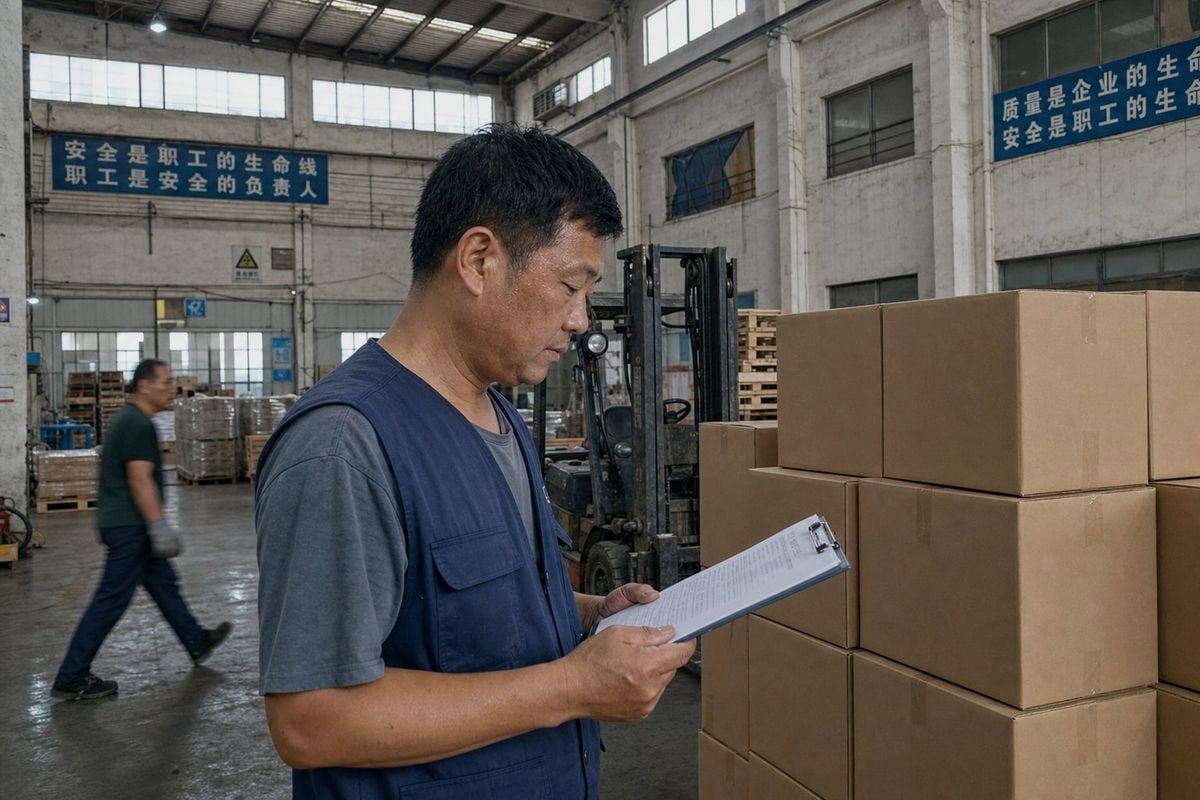
La question de savoir si les allume-feu en bois nécessitent un rapport d'identification de transport est celle que j'entends le plus souvent de la part des nouveaux acheteurs Réglementations sur les marchandises dangereuses 1. Un [conteneur retenu à la douane](https://sunrichfire.com/how-avoid-customs-delays-importing-wood-fire-starters/) peut anéantir la marge d'une saison. Après plus de 17 ans d'expédition de produits d'allumage de notre usine vers plus de 30 pays, nous avons mis en place un processus simple pour y répondre — et je vais le partager ici.
Les allume-feu au bois nécessitent un rapport d'identification de transport uniquement s'ils sont classés comme marchandises dangereuses. Vérifiez la section 14 de la fiche de données de sécurité : si elle indique un numéro UN, une classe de danger 4.1 ou un groupe d'emballage III, une documentation de transport est requise ; si elle indique "Non réglementé", ce n'est généralement pas le cas.
Cette réponse courte cache une réelle complexité. Le résultat dépend de la formule, du mode de transport et de la destination. Laissez-moi vous guider à travers chaque vérification, étape par étape.
Quels documents dois-je fournir pour confirmer que mes allume-feux en bois sont conformes pour l'expédition internationale ?
Au début de notre histoire à l'exportation, un distributeur allemand nous a demandé cinq documents distincts avant de libérer le paiement. Cette liste de contrôle nous a appris exactement ce que les acheteurs sérieux attendent, et je la recommande encore aujourd'hui.
Pour confirmer la conformité de l'expédition, demandez la fiche de données de sécurité actuelle avec une section 14 complétée, un rapport de classification des transports d'un laboratoire accrédité, la fiche de composition du produit et tous les résultats des tests UN. Si réglementé, ajoutez les documents d'expédition avec le numéro UN, le nom d'expédition approprié et la classe de danger.

L'expression "rapport d'identification de transport" n'est pas un terme fédéral fixe. En pratique, les acheteurs l'utilisent pour désigner plusieurs documents différents. Ainsi, la première chose que je fais avec tout nouveau client est de séparer clairement ces documents, car un allume-feu en bois pourrait n'en avoir besoin d'aucun, d'un seul ou de plusieurs — en fonction de ses ingrédients et de son itinéraire.
La pile de documents de base
Voici l'ensemble de documents que nous préparons pour nos rouleaux de bois enduits de cire avant que tout conteneur ne quitte Ningbo :
| Document | Ce qu'elle prouve | Qui le délivre |
|---|---|---|
| Fiche de Données de Sécurité (FDS) | Identification des dangers et statut de transport dans la section 14 | Fabricant |
| Rapport de classification de transport | Classification DOT / IATA / règles IMDG 2 statut, testé par rapport au Manuel de tests et critères de l'ONU 3 | Laboratoire tiers (par exemple, SGS, Intertek) |
| Fiche de composition | Ratio exact cire/fibre et absence de solvants | Fabricant |
| Documents d'expédition (si réglementé) | Numéro UN, nom d'expédition approprié, classe de danger, groupe d'emballage, contact d'urgence | Expéditeur |
| Certificat d'origine | Pays de fabrication pour les droits de douane | Chambre de commerce ou exportateur |
La FDS est votre point de départ. Les directives du DOT orientent les expéditeurs vers la section 14, Informations sur le transport, car c'est là que la classification pour la route, la mer et l'air est déclarée. Si la section 14 indique "Non réglementé pour le transport" ou "Non considéré comme une marchandise dangereuse", vous avez une forte preuve qu'aucun document de matières dangereuses ne s'applique. Si elle indique un numéro UN — par exemple UN1325 pour Solides inflammables 4 — vous devez prévoir une conformité complète aux réglementations sur les marchandises dangereuses.
Une mise en garde d'expérience : une FDS n'est aussi bonne que sa correspondance avec le SKU réel. Nous émettons une nouvelle FDS chaque fois que nous ajustons une formule pour un client OEM, car une variante riche en paraffine peut se classer différemment d'une version à faible teneur en cire. Toujours confirmer la date de la FDS et le nom exact du produit avant de vous y fier.
Comment savoir si le rapport d'identification de transport de mon fournisseur répond aux exigences douanières de mon pays ?
Un importateur canadien nous a un jour transmis le "rapport de test" d'un concurrent qui s'est avéré être une feuille de marketing d'une page sans accréditation de laboratoire ni norme de test répertoriée. La douane l'a rejeté. C'est le piège que je veux vous aider à éviter.
Un rapport d'identification de transport valide doit provenir d'un laboratoire accrédité, nommer la norme d'essai du Manuel des essais et critères de l'ONU, identifier le SKU exact, indiquer le résultat de classification pour chaque mode de transport et être daté de ces dernières années. Les fiches marketing ne sont pas qualifiées.

Les autorités douanières n'acceptent pas la parole d'un fournisseur. Elles acceptent la classification documentée. Ainsi, lorsque vous examinez le rapport d'un fournisseur, vous auditez en réalité cinq choses. Je suggère de les examiner dans l'ordre.
Un processus de vérification en cinq points
- Vérifiez l'organisme émetteur. Le rapport doit provenir d'un laboratoire tiers reconnu tel que SGS ou Intertek 5, ou d'un organisme accrédité équivalent sur votre marché. Nos acheteurs aux États-Unis, en Allemagne et au Royaume-Uni l'exigent systématiquement ; une auto-déclaration de l'usine n'est pas suffisante pour les marchandises réglementées.
- Vérifiez la norme de test. Pour les allume-feu solides, la référence clé est le Manuel de tests et critères de l'ONU. Le test de vitesse de combustion N.1 6 détermine si le produit est légalement un solide inflammable. Si le produit a une teneur élevée en huile naturelle ou en résine, recherchez également des tests d'auto-échauffement, car Substances auto-échauffantes 7 relèvent d'une division distincte avec des règles différentes pour le transport en vrac.
- Faites correspondre exactement le SKU. Le rapport doit nommer la même formulation que celle que vous achetez. Un rapport pour un produit à base de paraffine 40% ne couvre pas un produit à base de paraffine 50%. La composition détermine la classification, pas le nom de la famille de produits.
- Confirmez les modes couverts. La classification DOT couvre le transport terrestre aux États-Unis. L'IMDG couvre le transport maritime. L'IATA couvre le transport aérien. Les règles aériennes sont les plus strictes ; un produit exempté par voie maritime peut encore déclencher des exigences par voie aérienne. Votre rapport doit couvrir le mode que vous prévoyez réellement d'utiliser.
- Vérifiez la date et le langage du résultat. Recherchez une conclusion claire : soit "Non classé comme marchandise dangereuse", soit une désignation spécifique telle que Classe de danger 4.1, Groupe d'emballage III, avec un numéro UN. Un langage vague est un signal d'alarme.
Si l'un de ces cinq points échoue, demandez au fournisseur de refaire le test avant l'expédition. Dans notre usine, nous considérons les rapports de classification mis à jour comme un coût permanent de l'activité, car un envoi rejeté coûte beaucoup plus cher qu'un test de laboratoire.
Quelles certifications devrais-je demander en plus d'un rapport d'identification de transport avant de passer une commande groupée ?
Les documents de conformité et les documents de qualité répondent à des questions différentes, et je pèse ce compromis avec chaque client en commande d'essai. Le rapport de transport vous indique que les marchandises peuvent être transportées légalement. Il ne dit rien sur la question de savoir si le lot 30 correspondra au lot 1.
En plus du rapport de transport, demandez la norme ISO 9001 pour la gestion de la qualité, la BSCI pour la conformité sociale, le marquage CE le cas échéant, les rapports de test de produits SGS ou Intertek, la FDS complète et une déclaration REACH ou de sécurité chimique pour les marchés européens. Ensemble, ceux-ci couvrent le transport, la sécurité, la qualité et l'acceptation par la vente au détail.

Les responsables des achats chez les distributeurs établis se font rarement avoir par un document manquant. Ils se font avoir en supposant qu'un document couvre tout. Je cartographie donc les certifications au risque que chacune contrôle réellement.
Matching each certificate to a risk
| Certification / Document | Risk it controls | Quand en avez-vous besoin |
|---|---|---|
| Rapport de classification de transport | Shipment refusal, carrier fines, customs holds | Every regulated or borderline product |
| ISO 9001 | Batch-to-batch inconsistency between sample and mass production | Every bulk order |
| Audit BSCI | Retailer rejection over factory labor standards | Sales into major US/EU retail chains |
| CE / product safety testing | Consumer safety claims and recalls | Entrée sur le marché de l'UE |
| Rapports de test SGS / Intertek | Unverified burn time, composition, or performance claims | Private-label and OEM programs |
| SDS (current version) | Wrong or outdated hazard data reaching your carrier | Every shipment, every reorder |
There is a second reason to insist on this stack. E-commerce platforms and large retailers now run their own compliance portals. Many require a Dangerous Goods Identification form 8 or an exemption sheet for any combustible consumer product — even when the item is technically not regulated by DOT. If your supplier cannot produce an SDS and a lab-backed classification, your listing can be blocked before a single unit sells.
Our position on this has never changed in 17+ years: for fire products, certification is a hard requirement, not a nice-to-have. When we onboard a new OEM client, we hand over the full document pack with the first sample, because the sample must reflect mass-production quality — on paper as well as in the flame.
Puis-je vérifier les résultats des tests de classification de transport avant que mes allume-feux en bois ne soient expédiés de l'usine ?
The lesson that shaped our pre-shipment process came from a French client who asked to witness lab sampling on a video call. It felt unusual at the time. Now we offer that visibility to everyone, because verifying before shipment is far cheaper than disputing after arrival.
Oui. Avant l'expédition, vous pouvez demander le rapport de laboratoire brut avec les données de test, le vérifier directement avec le laboratoire émetteur, commander des tests indépendants avant expédition sur des échantillons de production et vérifier la composition déclarée par rapport à la FDS. Les usines réputées soutiendront ces quatre étapes.
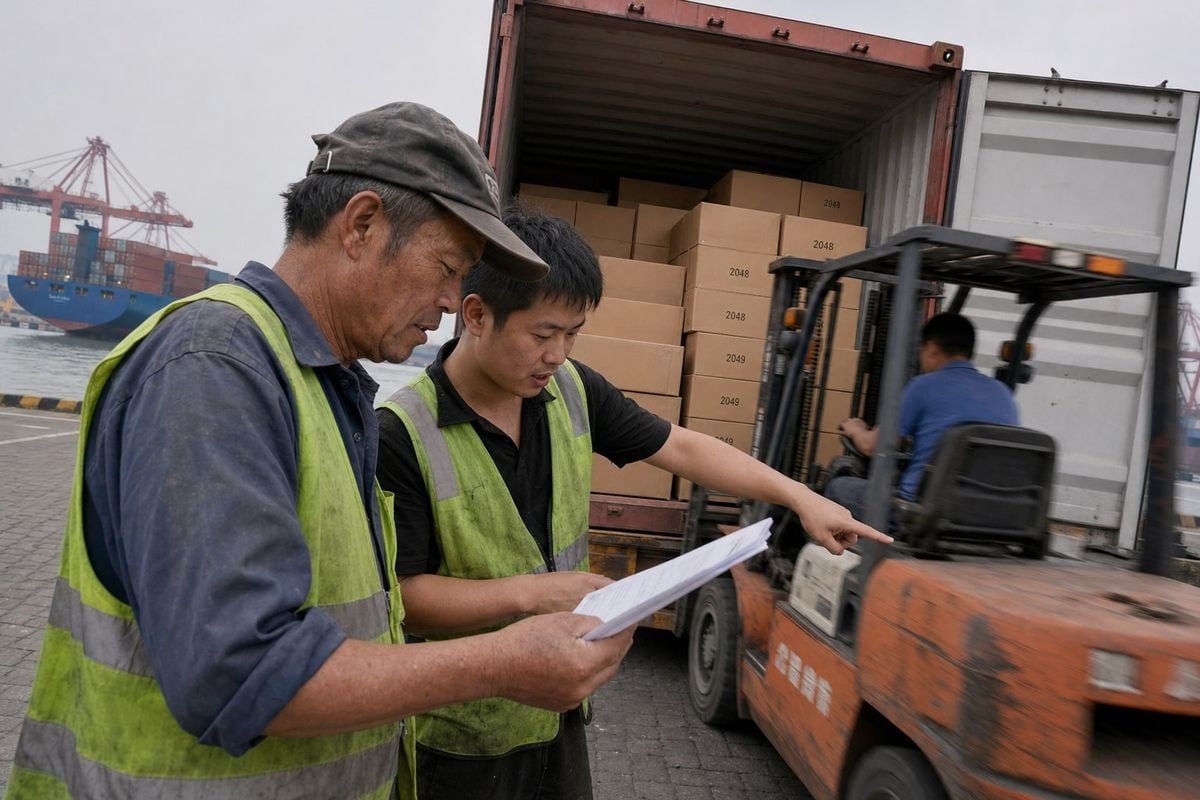
Verification is not about distrust. It is about matching the tested product to the shipped product. Formulas drift, suppliers substitute waxes, and an old report can quietly stop matching reality. Here is the verification path I recommend for buyers ordering from any factory, ours included.
Four verification steps that work from your desk
- Request the full report, not the summary. A real classification report includes the test method (for example, the UN N.1 burning rate test), measured results, and the classification decision. Ask for the report number and contact the lab to confirm it is genuine and unaltered.
- Order independent testing on production samples. Have samples pulled from the actual production batch — not a golden sample — and sent to SGS or Intertek in your name. For borderline products, this single step resolves most doubt.
- Cross-check composition. Compare the packaging declaration, the SDS Section 3 ingredients, and the classification report. Our 50% wood fiber, 50% paraffin starters must show the same ratio in all three places. Any mismatch means retest before shipping.
- Confirm the mode-specific outcome. A product can be exempt by sea under IMDG limited quantity provisions yet restricted by air. Ask your transitaire to review the report against the mode you booked.
What the possible outcomes mean for you
| Section 14 result | Typical meaning | Your next action |
|---|---|---|
| "Not regulated" | No hazmat transport ID report needed | Keep the SDS and report on file; confirm marketplace requirements |
| UN Number + Hazard Class 4.1 + Packing Group III | Regulated flammable solid, lower danger tier | Prepare shipping papers, UN-spec packaging, emergency contact |
| Missing or unclear | Classification unknown | Do not ship; demand a full SDS or lab classification first |
If the goods are regulated, remember that shipping papers and emergency-response information become central. The papers must carry the UN Number, proper shipping name, hazard class, packing group, quantity, and an emergency phone number monitored throughout transport. We prepare these alongside the export documents so nothing is improvised at the port.
Conclusion
Wood fire starters are neither automatically regulated nor automatically exempt. The answer lives in the SDS, the lab report, and the exact formula in your container.
Guessing wrong means seized shipments, fines, and lost retail slots. The fix is procedural, not complicated: read Section 14, verify the classification report against the real SKU, collect the supporting certifications, and test production samples before departure. That is exactly how we run every export from our own lines, and it is why our buyers ship without surprises. Work with a factory that hands you the full document pack up front, and the transportation ID report question answers itself — in writing, before the container closes.
Notes de bas de page
1. IATA publishes the official Dangerous Goods Regulations governing air shipment compliance. ↩︎
2. IMO administers the IMDG Code cited as the sea-transport classification standard. ↩︎
3. Official UN reference for the burning-rate testing standard used to classify flammable solids. ↩︎
4. Wikipedia section specifically defining Class 4 flammable solids for transportation. ↩︎
5. SGS is a globally accredited testing body referenced for independent classification reports. ↩︎
6. Official UN model regulations describe the burning rate test used to classify flammable solids. ↩︎
7. Explains the self-heating hazard division relevant to resin-rich fire starter formulas. ↩︎
8. Background on dangerous goods classification underpinning marketplace compliance requirements. ↩︎

 English
  Spanish
  German
  French
  Arabic
  Portuguese
Rejoignez la conversation