






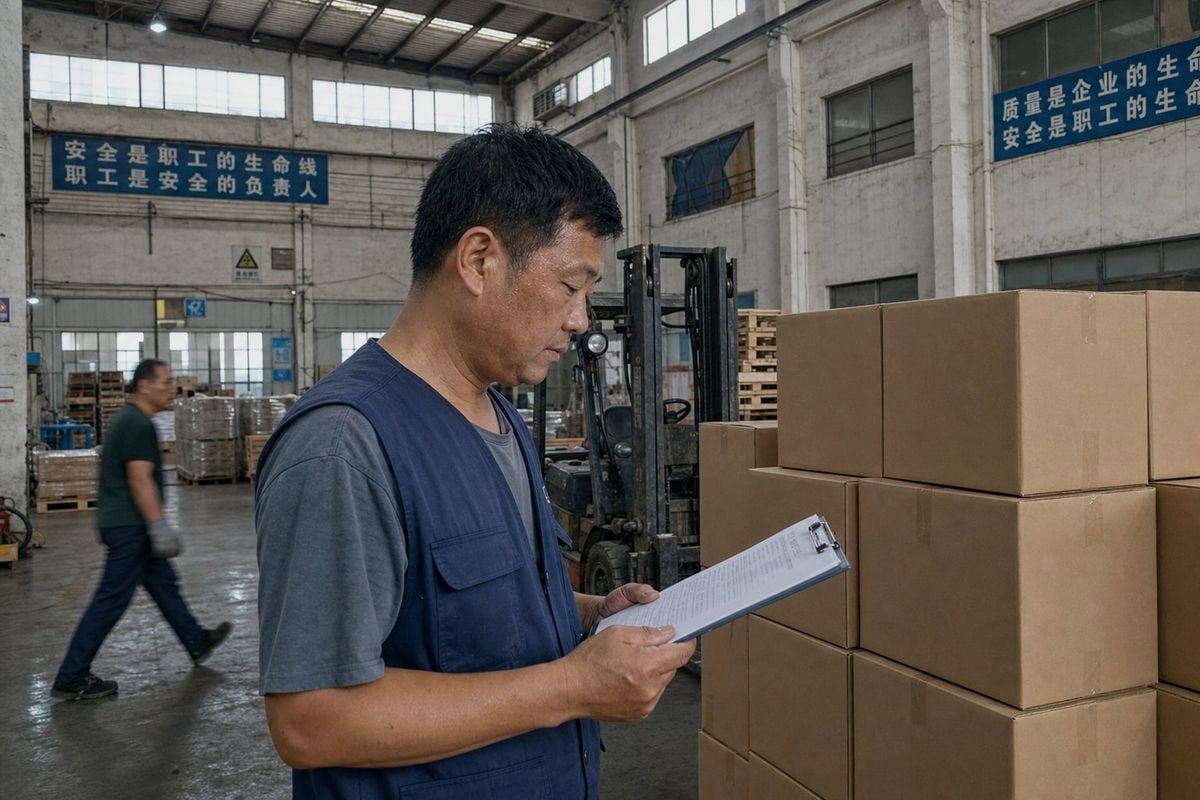
Se os iniciadores de fogo de madeira precisam de um relatório de identificação de transporte é a pergunta que ouço mais de novos compradores Regulamentações de Mercadorias Perigosas 1. Um [contêiner retido na alfândega](https://sunrichfire.com/how-avoid-customs-delays-importing-wood-fire-starters/) pode anular a margem de uma temporada. Após mais de 17 anos enviando produtos de fogo de nossa fábrica para mais de 30 países, construímos um processo simples para respondê-la — e vou compartilhá-la aqui.
Iniciadores de fogo a lenha precisam de um relatório de identificação de transporte apenas se forem classificados como mercadorias perigosas. Verifique a Seção 14 da Ficha de Dados de Segurança: se listar um Número ONU, Classe de Risco 4.1 ou Grupo de Embalagem III, a documentação de transporte é necessária; se disser "Não regulamentado", geralmente não é.
Essa resposta curta esconde uma complexidade real. O resultado depende da fórmula, do modo de transporte e do destino. Deixe-me guiá-lo por cada verificação, passo a passo.
Que documentos preciso para confirmar que os meus iniciadores de fogo a lenha cumprem as normas para envio internacional?
No início de nossa história de exportação, um distribuidor alemão nos pediu cinco documentos separados antes de liberar o pagamento. Essa lista de verificação nos ensinou exatamente o que compradores sérios esperam, e eu ainda a recomendo hoje.
Para confirmar a conformidade de envio, solicite a Ficha de Dados de Segurança atualizada com a Seção 14 preenchida, um relatório de classificação de transporte de um laboratório credenciado, a folha de composição do produto e quaisquer resultados de testes da ONU. Se regulamentado, adicione documentos de embarque com o Número da ONU, nome de expedição adequado e classe de perigo.

A frase "relatório de identificação de transporte" não é um termo federal fixo. Na prática, os compradores a usam para significar vários documentos diferentes. Portanto, a primeira coisa que faço com qualquer novo cliente é separar esses documentos claramente, porque um iniciador de fogo de madeira pode não precisar de nenhum deles, um deles ou vários — dependendo de seus ingredientes e rota.
A pilha de documentos principal
Aqui está o conjunto de documentos que preparamos para nossos rolos de madeira revestidos de cera antes que qualquer contêiner saia de Ningbo:
| Documento | O que prova | Quem o emite |
|---|---|---|
| Ficha de Dados de Segurança (FDS) | Identificação de perigo e status de transporte na Seção 14 | Fabricante |
| Relatório de classificação de transporte | Classificação DOT / IATA / IMDG 2 status, testado contra o Manual de Testes e Critérios da ONU 3 | Laboratório terceirizado (por exemplo, SGS, Intertek) |
| Folha de composição | Proporção exata de cera para fibra e ausência de solventes | Fabricante |
| Documentos de embarque (se regulamentado) | Número ONU, nome de embarque apropriado, classe de perigo, grupo de embalagem, contato de emergência | Expedidor |
| Certificado de origem | País de fabricação para imposto de importação | Câmara de comércio ou exportador |
A FISPQ é o seu ponto de partida. A orientação do DOT direciona os expedidores para a Seção 14, Informações de Transporte, pois é onde a classificação para rodoviário, marítimo e aéreo é declarada. Se a Seção 14 disser "Não regulamentado para transporte" ou "Não considerado um produto perigoso", você tem uma forte evidência de que nenhuma papelada de materiais perigosos se aplica. Se mostrar um Número ONU — por exemplo, UN1325 para Sólidos Inflamáveis 4 — você deve planejar a conformidade total com os Regulamentos de Produtos Perigosos.
Uma cautela de experiência: uma FISPQ é tão boa quanto sua correspondência com o SKU real. Emitimos uma nova FISPQ sempre que ajustamos uma fórmula para um cliente OEM, porque uma variante rica em parafina pode se classificar de forma diferente de uma versão com pouca cera. Sempre confirme a data da FISPQ e o nome exato do produto antes de confiar nela.
Como sei se o relatório de ID de transporte do meu fornecedor atende aos requisitos alfandegários do meu país?
Um importador canadense uma vez nos encaminhou um "relatório de teste" de um concorrente que acabou sendo uma folha de marketing de uma página sem credenciamento de laboratório e sem padrão de teste listado. A alfândega o rejeitou. Essa é a armadilha que quero ajudar você a evitar.
Um relatório válido de identificação de transporte deve vir de um laboratório credenciado, nomear o padrão de teste do Manual de Testes e Critérios da ONU, identificar o SKU exato, declarar o resultado da classificação para cada modo de transporte e ter sido emitido nos últimos anos. Folhas de marketing não se qualificam.

As autoridades alfandegárias não aceitam a palavra de um fornecedor. Eles aceitam classificação documentada. Portanto, ao revisar o relatório de um fornecedor, você está realmente auditando cinco coisas. Sugiro trabalhar com elas em ordem.
Um processo de verificação de cinco pontos
- Verifique o órgão emissor. O relatório deve vir de um laboratório terceirizado reconhecido, como SGS ou Intertek 5, ou um órgão credenciado equivalente em seu mercado. Nossos compradores nos EUA, Alemanha e Reino Unido exigem consistentemente isso; a autodeclaração de uma fábrica não é suficiente para mercadorias regulamentadas.
- Verifique o padrão de teste. Para iniciadores de fogo sólidos, a referência principal é o Manual de Testes e Critérios da ONU. O teste de taxa de queima N.1 6 determina se o produto é legalmente um sólido inflamável. Se o produto tiver alto teor de óleo ou resina natural, procure também testes de autoaquecimento, pois Substâncias de Autoaquecimento 7 caem sob uma divisão separada com regras diferentes para transporte a granel.
- Corresponda exatamente ao SKU. O relatório deve nomear a mesma formulação que você está comprando. Um relatório para um produto de parafina 40% não cobre um produto de parafina 50%. A composição impulsiona a classificação, não o nome da família do produto.
- Confirme os modos cobertos. A Classificação DOT cobre o transporte terrestre nos EUA. O IMDG cobre o marítimo. O IATA cobre o aéreo. As regras aéreas são as mais rigorosas; um produto isento por via marítima ainda pode acionar requisitos por via aérea. Seu relatório deve abordar o modo que você realmente planeja usar.
- Verifique a data e a linguagem do resultado. Procure uma conclusão clara: seja "Não classificado como mercadoria perigosa" ou uma designação específica, como Classe de Perigo 4.1, Grupo de Embalagem III, com um Número ONU. Linguagem vaga é um sinal de alerta.
Se algum desses cinco pontos falhar, peça ao fornecedor para retestar antes de enviar. Em nossa fábrica, tratamos relatórios de classificação atualizados como um custo fixo de fazer negócios, pois um envio rejeitado custa muito mais do que um teste de laboratório.
Quais certificações devo solicitar juntamente com um relatório de identificação de transporte antes de fazer um pedido em massa?
A papelada de conformidade e a papelada de qualidade respondem a perguntas diferentes, e eu pondero essa troca com todos os clientes de pedidos de teste. O relatório de transporte informa que as mercadorias podem ser movidas legalmente. Não diz nada sobre se o lote 30 corresponderá ao lote 1.
Juntamente com o relatório de transporte, solicite a ISO 9001 para gestão de qualidade, BSCI para conformidade social, marcação CE quando aplicável, relatórios de teste de produto SGS ou Intertek, a FDS completa e uma declaração REACH ou de segurança química para mercados europeus. Juntos, estes cobrem transporte, segurança, qualidade e aceitação no retalho.
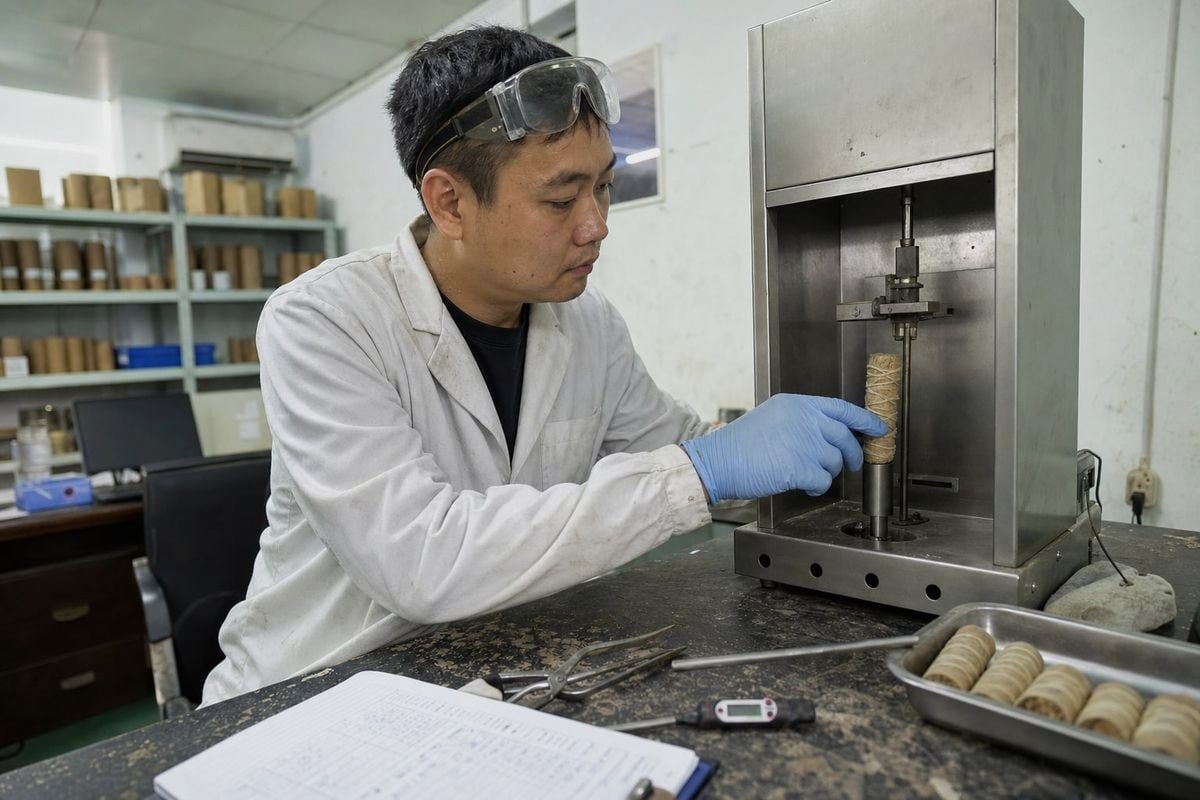
Gerentes de compras em distribuidores estabelecidos raramente se queimam com um documento em falta. Eles se queimam assumindo que um documento cobre tudo. Então, eu mapeio certificações para o risco que cada uma realmente controla.
Combinando cada certificado com um risco
| Certificação / Documento | Risco que controla | Quando você precisar |
|---|---|---|
| Relatório de classificação de transporte | Recusa de embarque, multas da transportadora, retenções alfandegárias | Todo produto regulamentado ou limítrofe |
| ISO 9001 | Inconsistência lote a lote entre amostra e produção em massa | Todo pedido em lote |
| Auditoria BSCI | Rejeição do varejista por padrões trabalhistas da fábrica | Vendas para grandes redes varejistas dos EUA/UE |
| Testes de segurança de produtos / CE | Alegações de segurança do consumidor e recalls | Entrada no mercado da UE |
| Relatórios de teste SGS / Intertek | Tempo de queima não verificado, composição ou alegações de desempenho | Programas de marca própria e OEM |
| FISPQ (versão atual) | Dados de perigo incorretos ou desatualizados chegando à sua transportadora | Cada embarque, cada reordenação |
Há uma segunda razão para insistir nesta pilha. Plataformas de e-commerce e grandes varejistas agora executam seus próprios portais de conformidade. Muitos exigem um Formulário de Identificação de Mercadorias Perigosas 8 ou uma folha de isenção para qualquer produto de consumo combustível — mesmo quando o item tecnicamente não é regulamentado pelo DOT. Se o seu fornecedor não puder produzir uma FISPQ e uma classificação com suporte de laboratório, sua listagem pode ser bloqueada antes que uma única unidade seja vendida.
Nossa posição sobre isso nunca mudou em mais de 17 anos: para produtos de fogo, a certificação é um requisito rígido, não um "bom ter". Quando integramos um novo cliente OEM, entregamos o pacote completo de documentos com a primeira amostra, porque a amostra deve refletir a qualidade da produção em massa — no papel, bem como na chama.
Posso verificar os resultados do teste de classificação de transporte antes que meus iniciadores de fogo a lenha sejam enviados da fábrica?
A lição que moldou nosso processo de pré-embarque veio de um cliente francês que pediu para testemunhar a amostragem de laboratório em uma videochamada. Pareceu incomum na época. Agora oferecemos essa visibilidade a todos, porque verificar antes do embarque é muito mais barato do que contestar após a chegada.
Sim. Antes do envio, você pode solicitar o relatório bruto do laboratório com os dados do teste, verificá-lo diretamente com o laboratório emissor, encomendar testes independentes pré-embarque em amostras de produção e verificar a composição declarada em relação à FDS. Fábricas de renome apoiarão todas as quatro etapas.
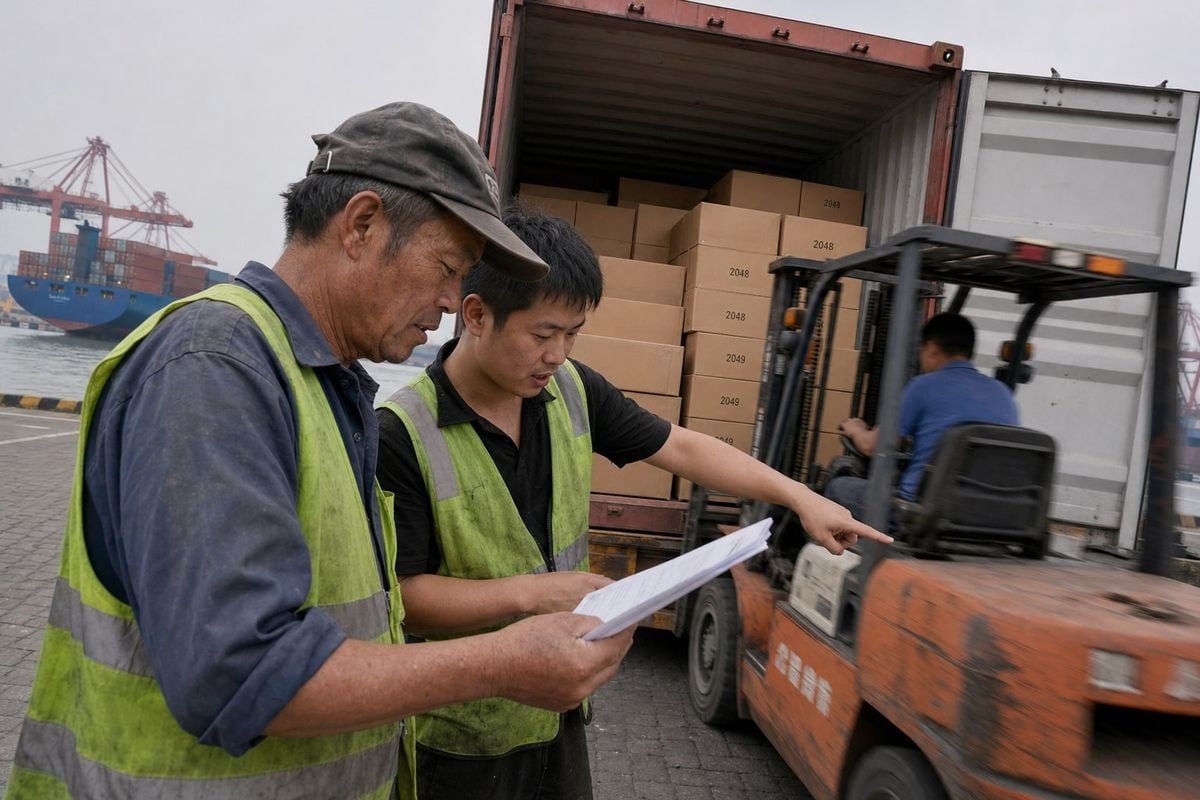
A verificação não é sobre desconfiança. É sobre combinar o produto testado com o produto enviado. As fórmulas mudam, os fornecedores substituem ceras e um relatório antigo pode deixar de corresponder à realidade silenciosamente. Aqui está o caminho de verificação que recomendo para compradores que pedem de qualquer fábrica, inclusive da nossa.
Quatro etapas de verificação que funcionam da sua mesa
- Solicite o relatório completo, não o resumo. Um relatório de classificação real inclui o método de teste (por exemplo, o teste de taxa de queima UN N.1), os resultados medidos e a decisão de classificação. Peça o número do relatório e entre em contato com o laboratório para confirmar que ele é genuíno e inalterado.
- Solicite testes independentes em amostras de produção. Peça amostras do lote de produção real — não uma amostra de ouro — e envie para SGS ou Intertek em seu nome. Para produtos limítrofes, esta única etapa resolve a maior parte da dúvida.
- Verifique a composição. Compare a declaração de embalagem, os ingredientes da Seção 3 da FISPQ e o relatório de classificação. Nossos acendedores de fibra de madeira 50%, parafina 50% devem mostrar a mesma proporção nos três locais. Qualquer incompatibilidade significa reteste antes do envio.
- Confirme o resultado específico do modo. Um produto pode ser isento por via marítima sob as disposições de quantidade limitada da IMDG, mas restrito por via aérea. Peça ao seu agente de cargas para revisar o relatório em relação ao modo que você reservou.
O que os resultados possíveis significam para você
| Resultado da Seção 14 | Significado típico | Sua próxima ação |
|---|---|---|
| "Não regulamentado" | Nenhum relatório de identificação de transporte de materiais perigosos necessário | Mantenha a FISPQ e o relatório arquivados; confirme os requisitos do marketplace |
| Número UN + Classe de Perigo 4.1 + Grupo de Embalagem III | Sólido inflamável regulamentado, nível de perigo inferior | Prepare documentos de embarque, embalagem especificação UN, contato de emergência |
| Ausente ou pouco claro | Classificação desconhecida | Não envie; exija primeiro uma FISPQ completa ou classificação de laboratório |
Se as mercadorias forem regulamentadas, lembre-se de que os documentos de embarque e as informações de resposta a emergências se tornam centrais. Os documentos devem conter o Número UN, nome de embarque apropriado, classe de perigo, grupo de embalagem, quantidade e um número de telefone de emergência monitorado durante todo o transporte. Preparamos isso junto com os documentos de exportação para que nada seja improvisado no porto.
Conclusão
Iniciadores de fogo de madeira não são regulamentados automaticamente nem isentos automaticamente. A resposta está na SDS, no relatório do laboratório e na fórmula exata em seu contêiner.
Adivinhar errado significa remessas apreendidas, multas e perda de espaços no varejo. A solução é processual, não complicada: leia a Seção 14, verifique o relatório de classificação contra o SKU real, colete as certificações de suporte e teste as amostras de produção antes da partida. É exatamente assim que executamos todas as exportações de nossas próprias linhas, e é por isso que nossos compradores enviam sem surpresas. Trabalhe com uma fábrica que lhe entrega o pacote completo de documentos antecipadamente, e a questão do relatório de identificação de transporte se resolve sozinha - por escrito, antes que o contêiner seja fechado.
Notas de rodapé
A IATA publica os Regulamentos Oficiais de Mercadorias Perigosas que regem a conformidade do transporte aéreo. ↩︎
A IMO administra o Código IMDG citado como o padrão de classificação de transporte marítimo. ↩︎
Referência oficial da ONU para o padrão de teste de taxa de queima usado para classificar sólidos inflamáveis. ↩︎
Seção da Wikipedia especificamente definindo sólidos inflamáveis da Classe 4 para transporte. ↩︎
A SGS é um órgão de teste credenciado globalmente referenciado para relatórios de classificação independentes. ↩︎
Os regulamentos modelo oficiais da ONU descrevem o teste de taxa de queima usado para classificar sólidos inflamáveis. ↩︎
Explica a divisão de perigo de autoaquecimento relevante para fórmulas de iniciadores de fogo ricas em resina. ↩︎
Contexto sobre a classificação de mercadorias perigosas que fundamenta os requisitos de conformidade do mercado. ↩︎

 English
  Spanish
  German
  French
  Arabic
  Portuguese
Participe da conversa