







Stove warranty terms for fireplace colored pine cone use trip up many buyers we supply. One vague clause can turn a bestselling décor item into a costly damage-claim dispute overnight.
Define stove warranty terms by classifying colored pine cones as a decorative fire-coloring accessory, not a fuel. Exclude damage from unapproved additives, require written manufacturer approval for burning, and separate cosmetic discoloration from genuine defects using certified safety data and clear usage instructions.
That single sentence covers the principle. Now let me walk you through how to apply it, step by step, with your supplier, your documentation, and your retail partners.
What warranty terms should I request from my color-flame pinecone supplier to protect against stove damage claims?
Last winter, a German distributor asked our factory to co-sign a liability annex before his first container of color-flame pinecones shipped. That request taught us how much clear warranty terms matter.
Request terms that classify the pinecones as a decorative combustion accessory, guarantee eco-friendly composition free of harmful chemicals, confirm compliance testing, and exclude supplier liability only where stove manufacturer guidelines were ignored. Insist on written residue and emissions data for every batch.

Most stove warranties cover defects in materials and workmanship. They exclude misuse, non-recommended fuels, over-firing, and unauthorized modifications. That framework matters, because it tells you where a colored pine cone claim will land. If a stove maker sees an unapproved additive in the firebox, they will invoke their voiding warranty clauses. Your supplier agreement needs to anticipate that.
The three usage scenarios you must separate
In our experience exporting to 30+ countries, disputes almost always come from mixing up three very different situations:
| Scénario | Warranty Risk | Recommended Term |
|---|---|---|
| Unburned decorative display near the hearth | Très faible | No exclusion needed |
| Burned in an open fireplace or fire pit per instructions | Faible à modérée | Covered if used as directed |
| Burned in a sealed or catalytic stove outside manufacturer guidelines | Élevé | Expressly excluded unless approved in writing |
Your supplier terms should mirror this structure. Ask for a written product classification statement. Ask for batch-level composition disclosure. Ask for confirmation that the colorant contains no corrosive chemical additives 1 that accelerate firebox corrosion. At our production lines in Ningbo, we issue these documents as standard, because serious importers cannot defend a claim without them.
Also request an indemnity boundary. The supplier should stand behind the product when it is used as instructed. The supplier should not absorb liability when a consumer burns the product in an appliance whose manual restricts approved fuel sources to seasoned cordwood 2 only. Narrow, test-based language protects both sides.
How do I verify a manufacturer's product safety data supports safe use in certified stoves and fireplaces?
A trade-off we weigh constantly at our factory is between vivid flame color and clean combustion chemistry. Verifying a supplier's safety data starts with understanding that exact tension.
Verify safety data by requesting third-party lab reports from bodies like SGS or Intertek, checking colorant composition against known catalytic combustor damage risks, confirming residue and emissions results, and matching the data to the appliance types named in the stove manufacturer's warranty.

Safety data is only useful if it answers the right questions. A pretty spec sheet means nothing to a warranty adjuster. What matters is whether the data addresses the specific failure modes stove makers cite when they deny claims.
Match the data to real denial reasons
Warranty denials around fire-coloring products usually reference a handful of mechanisms. Metal salts in low-grade colorants can poison a combusteur catalytique 3, and that damage is permanent and non-reimbursable. Chemical byproducts can pit stainless steel chimney liners 4, a condition typically carved out of even lifetime liner warranties. Metallic vapor can etch ceramic glass with a cloudy white-out that glass warranties exclude. Fine metallic ash can clog the secondary air tubes of Poêles à bois certifiés EPA 5, degrading rated performance. Newer smart stoves add another risk: vapor deposits can blind O2 sensors and trigger electronic control failures.
So when I review a competitor's test file for a buyer, I check four things in order:
- Does an accredited lab identify the actual colorant chemistry, not just a "non-toxic" claim?
- Do residue tests address ash composition and corrosivity?
- Do the results specify which appliance types were tested — open fireplaces, fire pits, or sealed stoves?
- Is the report tied to a batch number, so mass production matches the sample?
That fourth point is why we run strict contrôle qualité lot par lot 6 across 17+ years of production. A safety report from one batch cannot defend a claim on another. Also ask whether burning the product changes creosote behavior, since colorants that make creosote buildup more adhesive give stove makers grounds to cite neglect of maintenance.
What certifications should I check before adding colored pine cones to my warranty and liability documentation?
When we prepared our first shipment to a large US retail sourcing channel, their compliance team rejected two competing suppliers before us — both for missing paperwork, not product quality. Certifications decide these deals.
Check for ISO 9001 quality management, CE marking for the European market, third-party test reports from SGS or Intertek covering composition and emissions, and BSCI social compliance. Attach each certificate and batch report directly to your warranty and liability files.
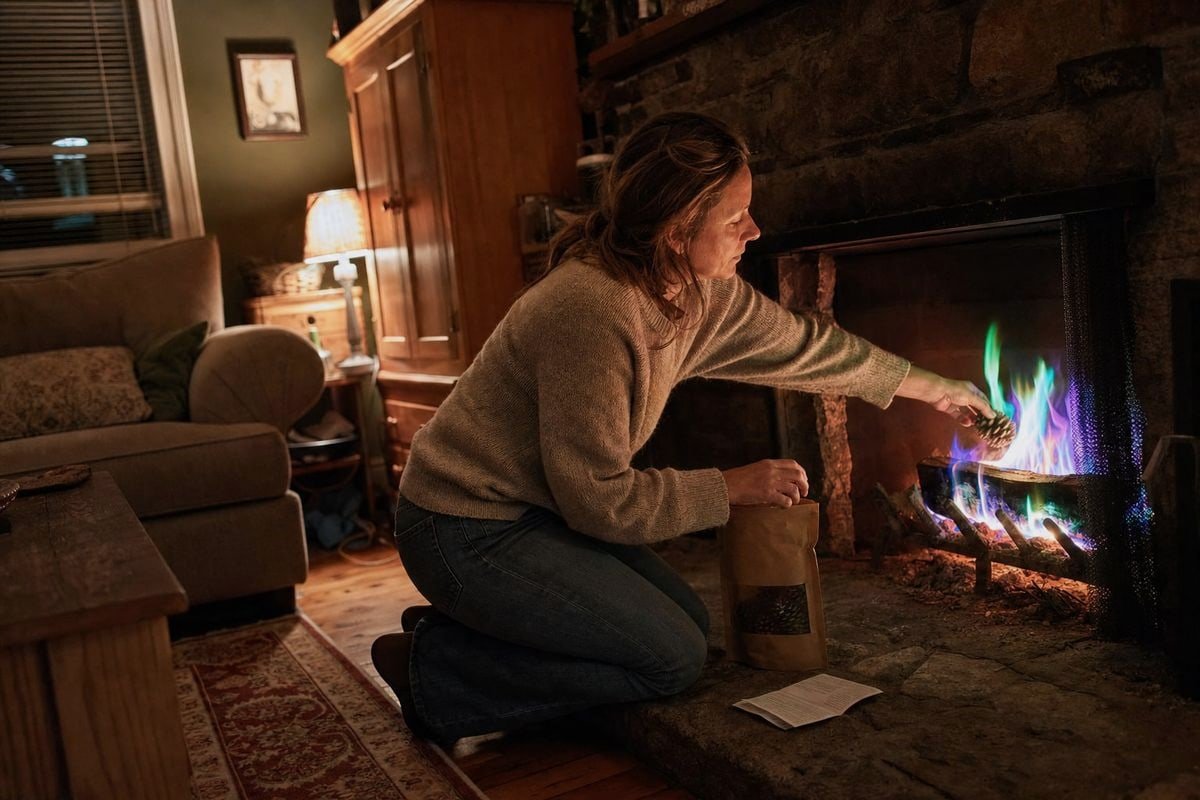
Certification is not decoration. It is the evidence chain you will rely on if a consumer claims your product ruined their stove. Without it, you are arguing opinion against a stove maker's inspection report. With it, you can show the product met defined standards and shift the analysis to how the product was actually used.
Build a certification-to-clause map
I recommend that buyers map every certificate to a specific clause in their liability documentation. Here is the structure we help our OEM clients build:
| Certification / Rapport | Ce qu'il prouve | Which Warranty Clause It Supports |
|---|---|---|
| ISO 9001 | Consistent production process | Batch consistency and defect definitions |
| Marquage CE | Conformité au marché de l'UE | Fitness-for-sale representations |
| Rapports de test SGS / Intertek | Composition, residue, emissions | Exclusion of harmful chemical additives |
| Audit BSCI | Ethical supply chain | Retailer vendor-compliance clauses |
| Dossiers de contrôle qualité des lots | Sample matches mass production | Claim traceability by lot number |
One more point that many importers miss. Warranty terms are increasingly linked to certified operation. If a consumer burns non-wood combustibles in an EPA-certified appliance, the stove technically operates outside its certification basis, and that alone can void all coverage. Your documentation should acknowledge this openly. State that certifications cover the pinecone product itself, not the appliance's warranty status. That honesty limits your exposure and builds trust with retail compliance teams. In our export files, we pair every certificate with plain-English warning labels, barcodes, and market-specific compliance text, because a certificate nobody can connect to a shelf product protects nobody.
How can I work with my supplier to draft clear usage instructions that limit warranty disputes with retailers?
The hardest lesson I learned in this business came from a returned pallet, not a lab. A retailer's customers had tossed color-flame pinecones into catalytic stoves, and vague instructions left everyone pointing fingers.
Collaborate with your supplier to write instructions that name approved settings, expressly exclude catalytic and EPA-certified wood stoves unless the stove maker approves, warn against overuse, and recommend regular chimney sweep inspection. Print these terms on packaging and retailer sell sheets.

Good instructions do two jobs at once. They keep consumers safe and satisfied. They also draw the legal line that decides who pays when something goes wrong. A dispute over stove warranty terms almost always turns on one question: did the consumer follow the printed instructions? If your instructions were clear, the retailer, the stove maker, and you can all resolve the claim quickly.
The drafting process we run with OEM clients
Because we offer one-stop OEM/ODM 7, we draft this language alongside the buyer rather than handing over a generic template. The process has five steps:
- List the approved settings by name: open fireplaces, outdoor fire pits, campfires.
- List excluded appliances explicitly: catalytic stoves, sealed inserts, and any appliance whose manual restricts approved fuel sources.
- Define quantity and frequency, since overuse concentrates residue and accelerates creosote buildup.
- Add a maintenance line recommending annual chimney sweep inspection, which protects consumers and undercuts neglect arguments.
- Address the misuse red flags directly, because technicians deny claims when they find iridescent staining, vapor ghosting on porcelain enamel, or unusual chemical residues during a firebox inspection.
Here is a comparison of weak versus defensible instruction language:
| Weak Wording | Defensible Wording |
|---|---|
| Safe for fires | For use in open fireplaces, fire pits, and campfires only |
| Use as desired | Use 1–2 cones per fire; do not exceed manufacturer guidelines |
| Burns clean | Not for use in catalytic, sealed, or EPA-certified wood stoves unless the appliance maker approves in writing |
There is a fair objection here. Some buyers worry that strict language scares consumers away from a harmless décor product. My answer is the opposite. Narrow, honest instructions let you market the product confidently in its approved settings, while broad silence invites the exact disputes that end retail relationships. We customize this text, along with warning labels and display packaging, for every private-label order.
Conclusion
Clear stove warranty terms classify colored pine cones as accessories, back every claim with certified data, and print defensible instructions. Partner with a compliant factory, and disputes largely disappear.
Notes de bas de page
1. OSHA's hazard communication standard covers disclosure of corrosive chemical hazards in products. ↩︎
2. EPA guidance defines approved wood fuel types like seasoned cordwood to prevent appliance damage. ↩︎
3. Background on catalytic combustor technology damaged by metal-salt colorant vapors. ↩︎
4. Background reference on chimney liner function and materials referenced in warranty exclusions. ↩︎
5. EPA's official program explains certification standards and approved fuel guidance for wood stoves. ↩︎
6. Authoritative overview of international standards for quality management systems and consistent production processes. ↩︎
7. Explains the OEM/ODM manufacturing model referenced when drafting custom usage instructions. ↩︎



 English
  Spanish
  German
  French
  Arabic
  Portuguese
Rejoignez la conversation