







Garantiebedingungen für Kaminöfen für Kiefernzapfen mit Farbbrand verwirren viele Käufer, die wir beliefern. Eine vage Klausel kann einen Bestseller-Dekoartikel über Nacht in einen kostspieligen Schadensersatzstreit verwandeln.
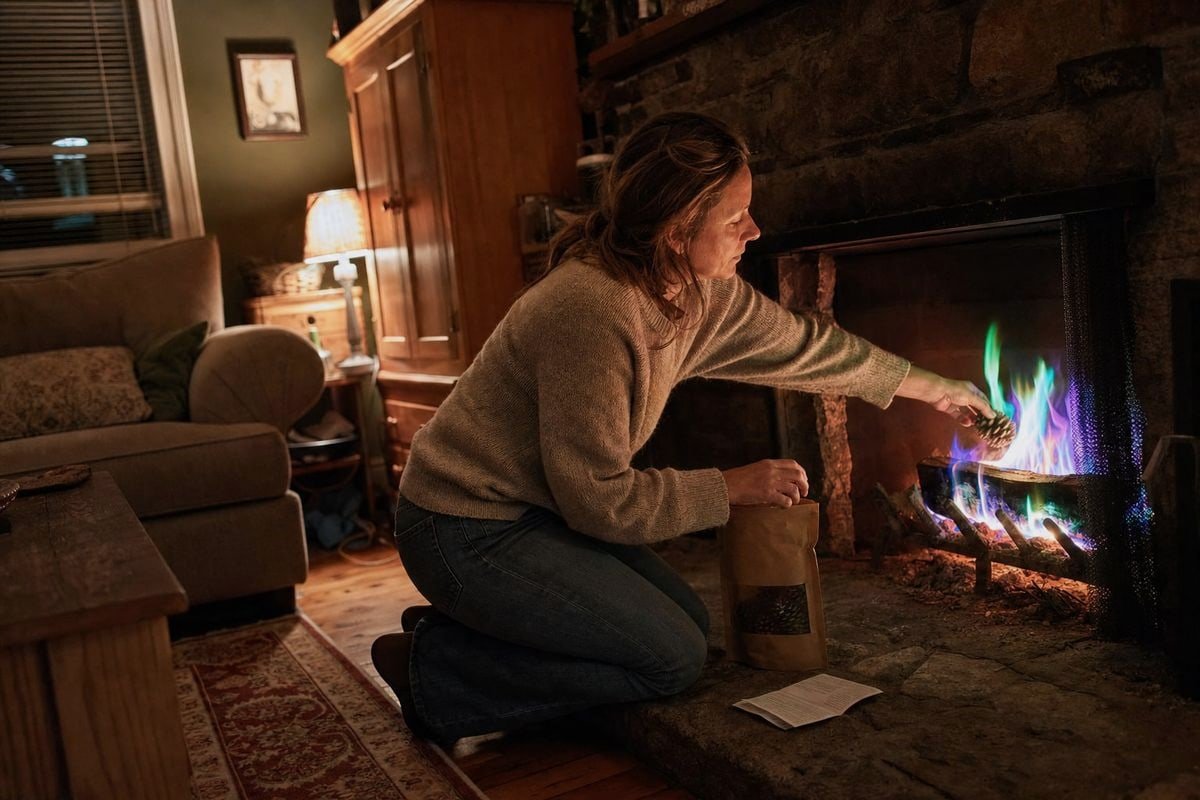
Definieren Sie die Garantiebedingungen für Öfen, indem Sie gefärbte Kiefernzapfen als dekoratives Feuerfärbezubehör und nicht als Brennstoff einstufen. Schließen Sie Schäden durch nicht genehmigte Zusatzstoffe aus, verlangen Sie die schriftliche Genehmigung des Herstellers zum Verbrennen und trennen Sie kosmetische Verfärbungen von echten Mängeln anhand zertifizierter Sicherheitsdaten und klarer Gebrauchsanweisungen.
Dieser eine Satz deckt das Prinzip ab. Nun führe ich Sie Schritt für Schritt durch die Anwendung mit Ihrem Lieferanten, Ihren Unterlagen und Ihren Einzelhandelspartnern.
Welche Garantiebedingungen sollte ich von meinem Lieferanten für farbige Kiefernzapfen verlangen, um mich vor Ansprüchen wegen Ofenschäden zu schützen?
Letzten Winter bat ein deutscher Händler unsere Fabrik, einen Haftungszusatz zu unterzeichnen, bevor sein erster Container mit farbigen Kiefernzapfen verschickt wurde. Diese Anfrage lehrte uns, wie wichtig klare Garantiebedingungen sind.
Fordern Sie Begriffe an, die die Kiefernzapfen als dekoratives Verbrennungszubehör klassifizieren, eine umweltfreundliche Zusammensetzung frei von schädlichen Chemikalien garantieren, die Einhaltung von Tests bestätigen und die Haftung des Lieferanten nur ausschließen, wo die Richtlinien des Ofenherstellers ignoriert wurden. Bestehen Sie auf schriftlichen Rückstands- und Emissionsdaten für jede Charge.

Die meisten Ofengarantien decken Material- und Verarbeitungsfehler ab. Sie schließen Missbrauch, nicht empfohlene Brennstoffe, Überverbrennung und unbefugte Modifikationen aus. Dieser Rahmen ist wichtig, da er Ihnen zeigt, wo ein Anspruch auf farbige Kiefernzapfen landen wird. Wenn ein Ofenhersteller ein nicht zugelassenes Additiv im Feuerraum sieht, wird er seine Garantiebedingungen für ungültig erklären. Ihre Lieferantenvereinbarung muss dies berücksichtigen.
Die drei zu trennenden Anwendungsszenarien
Nach unserer Erfahrung im Export in über 30 Länder entstehen Streitigkeiten fast immer durch die Vermischung von drei sehr unterschiedlichen Situationen:
| Szenario | Garantierisiko | Empfohlener Begriff |
|---|---|---|
| Unverbranntes Deko-Display in der Nähe des Kamins | Sehr niedrig | Kein Ausschluss erforderlich |
| Verbrannt in einem offenen Kamin oder einer Feuerstelle gemäß Anleitung | Gering bis moderat | Abgedeckt, wenn wie angegeben verwendet |
| Verbrannt in einem versiegelten oder katalytischen Ofen außerhalb der Herstellerrichtlinien | Hoch | Ausdrücklich ausgeschlossen, es sei denn, schriftlich genehmigt |
Ihre Lieferantenbedingungen sollten diese Struktur widerspiegeln. Fordern Sie eine schriftliche Produktklassifizierungserklärung an. Fordern Sie eine Offenlegung der Zusammensetzung auf Batch-Ebene an. Fordern Sie eine Bestätigung an, dass der Farbstoff keine korrosiven chemischen Zusatzstoffe 1 enthält, die die Korrosion des Feuerraums beschleunigen. An unseren Produktionslinien in Ningbo stellen wir diese Dokumente standardmäßig aus, da ernsthafte Importeure einen Anspruch ohne sie nicht verteidigen können.
Fordern Sie auch eine Entschädigungsgrenze an. Der Lieferant sollte hinter dem Produkt stehen, wenn es wie angewiesen verwendet wird. Der Lieferant sollte keine Haftung übernehmen, wenn ein Verbraucher das Produkt in einem Gerät verbrennt, dessen Handbuch die zugelassenen Brennstoffquellen auf nur abgelagertes Brennholz 2 beschränkt. Eine enge, testbasierte Sprache schützt beide Seiten.
Wie überprüfe ich, ob die Produktsicherheitsdaten eines Herstellers die sichere Verwendung in zertifizierten Öfen und Kaminen unterstützen?
Ein Kompromiss, den wir in unserer Fabrik ständig abwägen, ist zwischen lebendiger Flammfarbe und sauberer Verbrennungschemie. Die Überprüfung der Sicherheitsdaten eines Lieferanten beginnt mit dem Verständnis dieser genauen Spannung.
Sicherheitsdaten durch Anforderung von Laborberichten Dritter von Stellen wie SGS oder Intertek überprüfen, die Zusammensetzung der Farbstoffe auf bekannte Risiken von Katalysator-Brennkammer-Schäden prüfen, die Ergebnisse von Rückständen und Emissionen bestätigen und die Daten mit den Geräteeigenschaften abgleichen, die in der Garantie des Ofenherstellers genannt werden.

Sicherheitsdaten sind nur nützlich, wenn sie die richtigen Fragen beantworten. Ein hübsches Datenblatt bedeutet nichts für einen Garantieprüfer. Wichtig ist, ob die Daten die spezifischen Ausfallmodi ansprechen, die Ofenhersteller bei der Ablehnung von Ansprüchen anführen.
Gleichen Sie die Daten mit tatsächlichen Ablehnungsgründen ab
Garantieablehnungen für Produkte zur Feuerfärbung beziehen sich normalerweise auf eine Handvoll Mechanismen. Metallsalze in minderwertigen Farbstoffen können einen katalytischen Konverter 3, vergiften, und dieser Schaden ist dauerhaft und nicht erstattungsfähig. Chemische Nebenprodukte können Edelstahlschornsteinrohren 4, angreifen, ein Zustand, der typischerweise selbst von lebenslangen Auskleidungsgarantien ausgenommen ist. Metallischer Dampf kann Keramikglas mit einem trüben Weiß überziehen, das Glasgarantien ausschließen. Feiner metallischer Asche kann die Sekundärluftrohre von EPA-zertifizierte Holzöfen 5, verstopfen und die angegebene Leistung beeinträchtigen. Neuere intelligente Öfen fügen ein weiteres Risiko hinzu: Dampfablagerungen können O2-Sensoren blenden und elektronische Steuerungsfehler auslösen.
Wenn ich also eine Wettbewerbsdatei für einen Käufer überprüfe, prüfe ich vier Dinge in dieser Reihenfolge:
- Identifiziert ein akkreditiertes Labor die tatsächliche Farbstoffchemie und nicht nur eine "ungiftige" Behauptung?
- Behandeln Rückstandstests die Aschezusammensetzung und Korrosivität?
- Geben die Ergebnisse an, welche Gerätetypen getestet wurden – offene Kamine, Feuerstellen oder versiegelte Öfen?
- Ist der Bericht mit einer Chargennummer verknüpft, sodass die Massenproduktion der Probe entspricht?
Dieser vierte Punkt ist der Grund, warum wir seit über 17 Jahren strenge Chargen-zu-Chargen-Qualitätskontrolle 6 in der Produktion durchführen. Ein Sicherheitsbericht einer Charge kann keinen Anspruch auf eine andere verteidigen. Fragen Sie auch, ob das Verbrennen des Produkts das Verhalten von Ruß verändert, da Farbstoffe, die die Rußbildung klebriger machen, Ofenherstellern Gründe geben, die Vernachlässigung der Wartung zu beanstanden.
Welche Zertifizierungen sollte ich prüfen, bevor ich gefärbte Kiefernzapfen zu meiner Garantie- und Haftungsdokumentation hinzufüge?
Als wir unsere erste Lieferung an einen großen US-Einzelhandels-Sourcing-Kanal vorbereiteten, lehnten deren Compliance-Teams zwei konkurrierende Lieferanten vor uns ab – beide wegen fehlender Unterlagen, nicht wegen Produktqualität. Zertifizierungen entscheiden diese Geschäfte.
Prüfen Sie auf ISO 9001 Qualitätsmanagement, CE-Kennzeichnung für den europäischen Markt, Prüfberichte von Drittanbietern von SGS oder Intertek, die Zusammensetzung und Emissionen abdecken, und BSCI-Sozialkonformität. Fügen Sie jedes Zertifikat und jeden Chargenbericht direkt Ihren Garantie- und Haftungsakten bei.
Zertifizierung ist keine Dekoration. Es ist die Beweiskette, auf die Sie sich verlassen werden, wenn ein Verbraucher behauptet, Ihr Produkt habe seinen Ofen ruiniert. Ohne sie argumentieren Sie Meinung gegen den Inspektionsbericht eines Ofenherstellers. Mit ihr können Sie zeigen, dass das Produkt definierte Standards erfüllt hat, und die Analyse darauf verlagern, wie das Produkt tatsächlich verwendet wurde.
Erstellen Sie eine Zertifizierungs-zu-Klausel-Zuordnung
Ich empfehle Käufern, jedes Zertifikat einer bestimmten Klausel in ihren Haftungsunterlagen zuzuordnen. Hier ist die Struktur, die wir unseren OEM-Kunden beim Aufbau helfen:
| Zertifizierung / Bericht | Was es beweist | Welche Garantiebestimmung wird unterstützt? |
|---|---|---|
| ISO 9001 | Konsistenter Produktionsprozess | Chargenkonsistenz und Begriffsdefinitionen für Mängel |
| CE-Kennzeichnung | Konformität mit dem EU-Markt | Zusicherungen zur Verkaufsfähigkeit |
| SGS / Intertek Prüfberichte | Zusammensetzung, Rückstände, Emissionen | Ausschluss schädlicher chemischer Zusatzstoffe |
| BSCI-Audit | Ethische Lieferkette | Klauseln zur Einhaltung von Händlerrichtlinien |
| Chargen-QC-Aufzeichnungen | Probe entspricht Massenproduktion | Nachverfolgbarkeit von Ansprüchen nach Losnummer |
Ein weiterer Punkt, den viele Importeure übersehen. Garantiebedingungen werden zunehmend mit zertifiziertem Betrieb verknüpft. Wenn ein Verbraucher Nicht-Holzbrennstoffe in einem EPA-zertifizierten Gerät verbrennt, arbeitet der Ofen technisch gesehen außerhalb seiner Zertifizierungsgrundlage, und allein das kann alle Deckungen aufheben. Ihre Dokumentation sollte dies offen anerkennen. Geben Sie an, dass sich Zertifizierungen auf das Kiefernzapfenprodukt selbst beziehen, nicht auf den Garantiestatus des Geräts. Diese Ehrlichkeit begrenzt Ihre Haftung und schafft Vertrauen bei den Teams für die Einhaltung von Handelsvorschriften. In unseren Exportdateien koppeln wir jedes Zertifikat mit Warnhinweisen in einfacher Sprache, Barcodes und marktspezifischen Konformitätstexten, da ein Zertifikat, das niemand mit einem Regalprodukt verbinden kann, niemanden schützt.
Wie kann ich mit meinem Lieferanten zusammenarbeiten, um klare Gebrauchsanweisungen zu entwerfen, die Gewährleistungsstreitigkeiten mit Einzelhändlern begrenzen?
Die härteste Lektion, die ich in diesem Geschäft gelernt habe, kam von einer zurückgegebenen Palette, nicht von einem Labor. Die Kunden eines Einzelhändlers hatten farbige Kiefernzapfen in katalytische Öfen geworfen, und vage Anweisungen ließen alle mit dem Finger aufeinander zeigen.
Arbeiten Sie mit Ihrem Lieferanten zusammen, um Anweisungen zu verfassen, die zugelassene Einstellungen nennen, katalytische und EPA-zertifizierte Holzöfen ausdrücklich ausschließen, es sei denn, der Ofenhersteller genehmigt dies, vor Überbeanspruchung warnen und eine regelmäßige Schornsteinfegerinspektion empfehlen. Drucken Sie diese Bedingungen auf Verpackungen und Verkaufsunterlagen für Händler.

Gute Anweisungen erfüllen zwei Aufgaben gleichzeitig. Sie sorgen für die Sicherheit und Zufriedenheit der Verbraucher. Sie ziehen auch die rechtliche Grenze, die entscheidet, wer bezahlt, wenn etwas schief geht. Bei einem Streit über die Garantiebedingungen für Öfen dreht sich fast immer eine Frage: Hat der Verbraucher die gedruckten Anweisungen befolgt? Wenn Ihre Anweisungen klar waren, können der Einzelhändler, der Ofenhersteller und Sie alle den Anspruch schnell klären.
Der Entwurfsprozess, den wir mit OEM-Kunden durchführen
Da wir alles aus einer Hand anbieten OEM/ODM 7, entwerfen wir diese Sprache zusammen mit dem Käufer, anstatt eine generische Vorlage zu übergeben. Der Prozess hat fünf Schritte:
- Listen Sie die zugelassenen Einstellungen namentlich auf: offene Kamine, Außenfeuerstellen, Lagerfeuer.
- Listen Sie ausgeschlossene Geräte ausdrücklich auf: katalytische Öfen, versiegelte Einsätze und alle Geräte, deren Handbuch die zugelassenen Brennstoffquellen einschränkt.
- Definieren Sie Menge und Häufigkeit, da Überverbrauch Rückstände konzentriert und die Kreosotbildung beschleunigt.
- Fügen Sie eine Wartungszeile hinzu, die eine jährliche Inspektion des Schornsteinfegers empfiehlt, was die Verbraucher schützt und Argumente wegen Vernachlässigung untergräbt.
- Sprechen Sie die Warnsignale für Missbrauch direkt an, da Techniker Ansprüche ablehnen, wenn sie bei einer Inspektion des Feuerraums schillernde Verfärbungen, Dampfschleier auf Porzellanemaille oder ungewöhnliche chemische Rückstände feststellen.
Hier ist ein Vergleich von schwachen und verteidigungsfähigen Anweisungstexten:
| Schwache Formulierung | Verteidigungsfähige Formulierung |
|---|---|
| Sicher für Feuer | Nur für den Gebrauch in offenen Kaminen, Feuerstellen und Lagerfeuern |
| Nach Belieben verwenden | Verwenden Sie 1–2 Zapfen pro Feuer; überschreiten Sie nicht die Richtlinien des Herstellers |
| Brennt sauber | Nicht für den Einsatz in katalytischen, versiegelten oder EPA-zertifizierten Holzöfen, es sei denn, der Gerätehersteller genehmigt dies schriftlich |
Hier gibt es einen berechtigten Einwand. Einige Käufer befürchten, dass strenge Formulierungen Verbraucher von einem harmlosen Dekorationsprodukt abschrecken. Meine Antwort ist das Gegenteil. Enge, ehrliche Anweisungen ermöglichen es Ihnen, das Produkt in seinen zugelassenen Einstellungen selbstbewusst zu vermarkten, während breites Schweigen genau die Streitigkeiten hervorruft, die Einzelhandelsbeziehungen beenden. Wir passen diesen Text zusammen mit Warnhinweisen und Display-Verpackungen für jede Eigenmarkenbestellung an.
Schlussfolgerung
Klare Ofengarantiebedingungen klassifizieren farbige Kiefernzapfen als Zubehör, untermauern jeden Anspruch mit zertifizierten Daten und drucken verteidigungsfähige Anweisungen. Arbeiten Sie mit einer konformen Fabrik zusammen, und Streitigkeiten verschwinden weitgehend.
Fußnoten
Die Gefahrstoffverordnung der OSHA regelt die Offenlegung von Gefahren durch ätzende Chemikalien in Produkten. ↩︎
Die Richtlinien der EPA definieren zugelassene Holz Brennstoffarten wie abgelagertes Scheitholz, um Schäden am Gerät zu vermeiden. ↩︎
Hintergrundinformationen zur katalytischen Brennkammertechnologie, die durch Metal-Salz-Farbstoffdämpfe beschädigt wird. ↩︎
Referenzinformationen zur Funktion und zu Materialien von Schornsteinrohren, die in Garantieausschlüssen genannt werden. ↩︎
Das offizielle Programm der EPA erklärt die Zertifizierungsstandards und die Richtlinien für zugelassene Brennstoffe für Holzöfen. ↩︎
Maßgebliche Übersicht über internationale Standards für Qualitätsmanagementsysteme und konsistente Produktionsprozesse. ↩︎
Erläutert das OEM/ODM-Fertigungsmodell, auf das bei der Erstellung benutzerdefinierter Gebrauchsanweisungen Bezug genommen wird. ↩︎



 English
  Spanish
  German
  French
  Arabic
  Portuguese
Diskutieren Sie mit