







Fireplace colored pine cones can trigger CPSC warnings under FHSA — and I have watched importers learn this the hard way. On our production line, labeling questions come up before any US order ships.
Fireplace colored pine cones need CPSC cautionary labeling under the Federal Hazardous Substances Act if their chemical colorants are toxic, corrosive, irritant, or flammable enough to cause injury during customary use. Classification depends on the specific metal salts used, not on whether the product is sold as décor.
That answer sounds simple. In practice, it depends on chemistry, classification, and how the product is marketed. Let me walk you through each piece, step by step.
What CPSC and FHSA Rules Apply to My Colored Pine Cone Imports?
A few years back, a US buyer asked our compliance team one blunt question: which federal rule actually covers these cones? The honest answer took a full page, so here is the short version.
The Federal Hazardous Substances Act, implemented through 16 CFR 1500 regulations, governs colored pine cone imports. If the flame colorants meet the FHSA definition of a hazardous substance, the product requires precautionary labeling with a signal word, hazard statement, first aid instructions, and "Keep Out of Reach of Children."

The FHSA does not ban products like colored pine cones. Instead, it requires hazardous substance labeling when a product could cause substantial injury or illness during reasonably foreseeable use. That includes handling, storage, and — critically for fire products — misuse that a regulator would consider predictable, such as a child opening the bag or someone roasting food over treated flames.
The Two-Part FHSA Test
The legal question is not "Are they dangerous?" It is "Do they meet the FHSA threshold for a required cautionary label?" That threshold has two parts. First, does the product contain a substance that is toxic, corrosive, a primary irritant, a strong sensitizer, flammable, or pressure-generating? Second, can that substance cause substantial injury during customary or foreseeable handling? Both parts must be true before labeling is mandatory.
Here is how the main regulatory pieces fit together:
| Regulation | Ce qu'elle couvre | Relevance to Colored Pine Cones |
|---|---|---|
| FHSA (statute) | Defines hazardous substances and misbranding | Sets the labeling trigger |
| 16 CFR 1500 1 | Implementing rules, toxicity thresholds, label content | Specifies exact label wording |
| 16 CFR 1500.14 | Special labeling for specific substances | May apply to certain colorants |
| CPSA Section 15 | Reporting defects and hazards to CPSC | Applies if incidents occur post-sale |
In our experience exporting fire-themed products to the US for over 17 years, buyers who treat Loi fédérale sur les substances dangereuses 2 compliance as a pre-shipment checklist item avoid nearly all customs and liability problems. Buyers who assume "it's just décor" are the ones who call us in a panic later. CPSC has shown it will act on consumer fire products — its alert on alcohol-burning tabletop fire pits cited two deaths and at least sixty injuries. Colored cones are a far milder product, but the agency's willingness to intervene is real.
How Do I Know If My Fireplace Pine Cones Are Classified as a Regulated Fire Product?
The trade-off we weigh in every formulation is color intensity versus chemical classification. Stronger metal salts give brighter flames — and a higher chance of crossing an FHSA hazard threshold.
Your fireplace pine cones are regulated if the colorant chemistry meets FHSA hazard criteria under 16 CFR 1500 — for example, if it is toxic by ingestion, a skin or eye irritant, or meets the flammable solids classification. A toxicological risk assessment of the specific formula determines the answer.

Classification is not guesswork. It follows the chemistry. Chemical colorants for fire are usually metal salts: copper compounds for blue-green, strontium for red, potassium for purple, sodium for yellow. Each salt has its own toxicity profile, and each triggers — or avoids — FHSA labeling based on defined thresholds in 16 CFR 1500.
Common Colorants and Their Hazard Profiles
| Couleur de flamme | Typical Colorant | Primary Hazard Concern | Likely FHSA Trigger? |
|---|---|---|---|
| Bleu-vert | Sulfate de cuivre 3 / copper chloride | Toxic by ingestion, eye irritant | Often yes |
| Rouge | Chlorure de strontium | Low toxicity, mild irritant | Parfois |
| Violet | Chlorure de potassium | Low toxicity | Rarement |
| Jaune | Chlorure de sodium | Very low toxicity | Rarement |
| Green (older formulas) | Chlorure de baryum | Highly toxic by ingestion | Oui |
Copper sulfate safety is the most common sticking point. It is effective and cheap, which is why many suppliers use it heavily. But at meaningful concentrations, it can be toxic if swallowed and irritating to skin and eyes — exactly the properties the FHSA targets. Barium compounds are worse and, in our view, should not appear in consumer fire products at all.
Three Questions That Determine Classification
- What is the exact colorant, and at what concentration per cone?
- Does the finished product — not just the raw chemical — meet a hazard definition during foreseeable handling?
- Is the base cone treatment (wax, resin, coating) itself classified as a flammable solid?
Note one nuance a buyer once raised with me: pine cones are naturally flammable due to resin, so isn't everything a fire hazard? The FHSA distinction is that the hazard must be significant and not adequately obvious. A plain pine cone's flammability is obvious. A chemical coating's ingestion toxicity is not. That non-obvious chemical risk is what regulators care about, and it is why formulation records matter more than appearance.
What Warning Labels and Test Reports Should My Supplier Provide for Compliance?
I once rejected an entire pilot batch of our color-flame pinecones because the printed pouch left off one line of first aid text. That single line is the difference between compliant and misbranded.
Your supplier should provide FHSA-compliant labels showing a signal word, the hazard statement, the chemical name of any hazardous colorant, precautionary and first aid instructions, and "Keep Out of Reach of Children" — plus Material Safety Data Sheets and third-party test reports from labs like SGS or Intertek.

Precautionary labeling requirements under the FHSA are specific. If the product qualifies as a hazardous substance, the immediate container — the bag or jar the consumer actually handles — must carry every required element in English, conspicuously placed. A leaflet inside the box does not count.
The Required Label Elements
| Élément d'étiquette | Example for Colored Pine Cones |
|---|---|
| Mention d'avertissement | WARNING or CAUTION (DANGER for severe hazards) |
| Statement of hazard | "Harmful if swallowed" / "Causes eye irritation" |
| Common or chemical name | e.g., "Contains copper sulfate" |
| Mesures de précaution | "Do not cook or roast food over treated flames" |
| First aid instructions | "If swallowed, call a poison control center immediately" |
| Déclaration de sécurité pour les enfants | "Tenir hors de portée des enfants" |
| Manipulation et stockage | "Store in a dry place away from heat" |
Beyond the label itself, ask for documentation. A serious supplier hands over Fiches de données de sécurité des matériaux 4 for the finished product, third-party test reports confirming the toxicological risk assessment, and heavy metal content data. At our factory, SGS and Intertek reports ship with every US-bound order, because our buyers' customs brokers and retail compliance teams demand them — a hard requirement, not a nice-to-have.
Two use restrictions deserve special attention on any label. First, warn explicitly against cooking or grilling over treated flames, since the chemicals are not food-safe. Second, advise against use in catalytic wood stoves; metal salt residues can poison the precious metal catalysts in Les poêles certifiés EPA 5 and permanently degrade them. Long-term users should also know that colorant residues accumulate in chimney creosote 6, which is a legitimate concern for chimney sweeps. A good label anticipates these scenarios instead of hiding them.
Can My Manufacturer Help Me Meet US Labeling Requirements Before Shipping?
A Canadian distributor once told us his previous supplier shipped ten thousand units with no English warnings at all — the shipment sat in a bonded warehouse for months. That lesson shaped how we structure pre-shipment compliance today.
Yes — a capable manufacturer handles US labeling before shipment by formulating with low-toxicity colorants, running third-party tests, printing FHSA-compliant warning panels, and integrating labels into private-label packaging. Confirm compliance responsibilities in writing at the sampling stage, not after production.
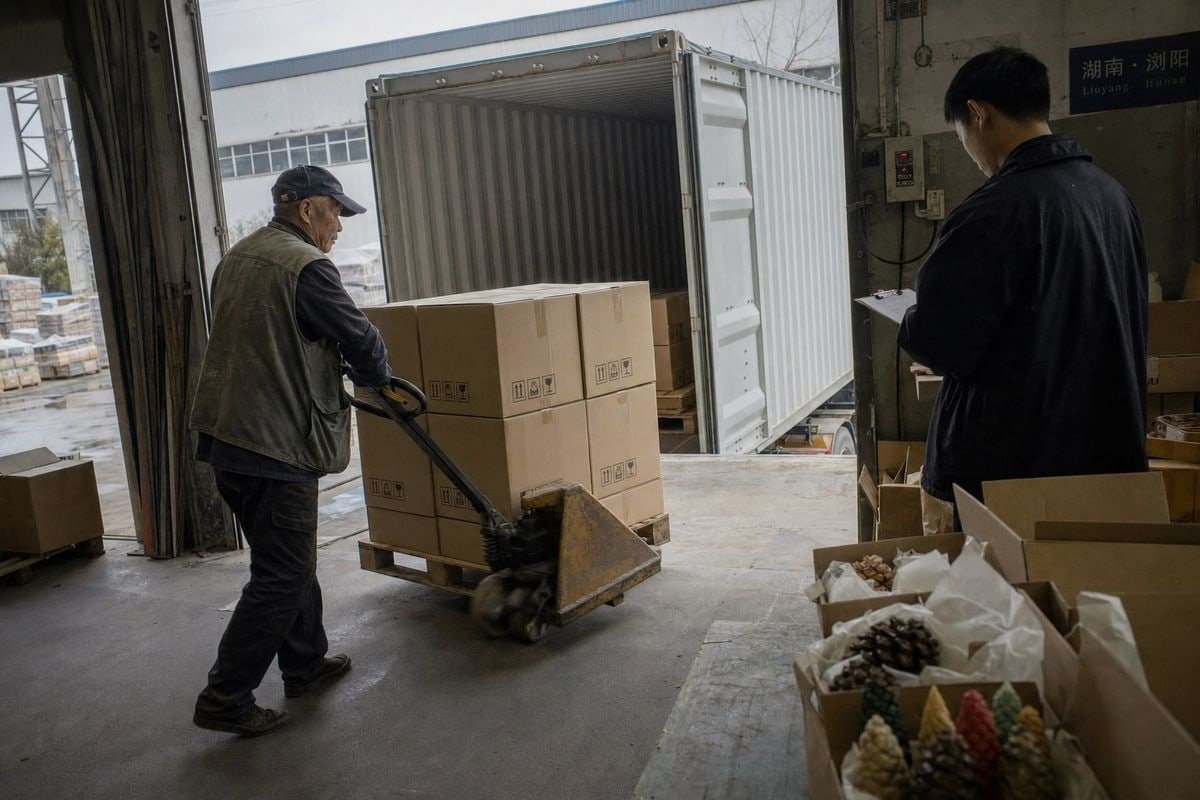
The best time to solve a labeling problem is before the first sample is approved. On our side, that process follows a fixed sequence, and I recommend every importer demand something similar regardless of who they buy from.
A Pre-Shipment Compliance Workflow
- Formulation review. We disclose the colorant chemistry up front. Our Magic Fire packets and color-flame pinecones use eco-friendly formulations designed to stay below hazard thresholds — which simplifies, though never eliminates, the labeling analysis.
- Hazard determination. The formula is checked against 16 CFR 1500 criteria and broader consumer safety standards for the destination market. The US, Germany, and the UK each have their own wrinkles; we export to all three.
- Label drafting. If any cautionary text is required, we draft the warning panel, first aid text, and use restrictions, then send artwork proofs for buyer sign-off.
- Third-party verification. SGS or Intertek testing confirms the assessment, and reports are filed with the shipment documents.
- Packaging integration. Warning labels, barcodes, and ingredient disclosures are printed directly into the private-label design — kraft pouch, jar, or custom display box — so nothing is stickered on as an afterthought.
One objection I hear from smaller importers: "Can't I just add a generic caution sticker myself?" You can, but you carry the misbranding risk alone, and a generic sticker rarely satisfies the specific FHSA element requirements. Under US law, the importer stands in the manufacturer's shoes for compliance purposes. A factory with 17+ years of documented batch-to-batch quality control and existing ISO 9001 7 and BSCI systems can put compliant packaging on the product at the source — cheaper, cleaner, and defensible if CPSC ever asks questions. Get the compliance scope written into your purchase order, and ask for the label artwork and test reports before you release the deposit.



 English
  Spanish
  German
  French
  Arabic
  Portuguese
Rejoignez la conversation