






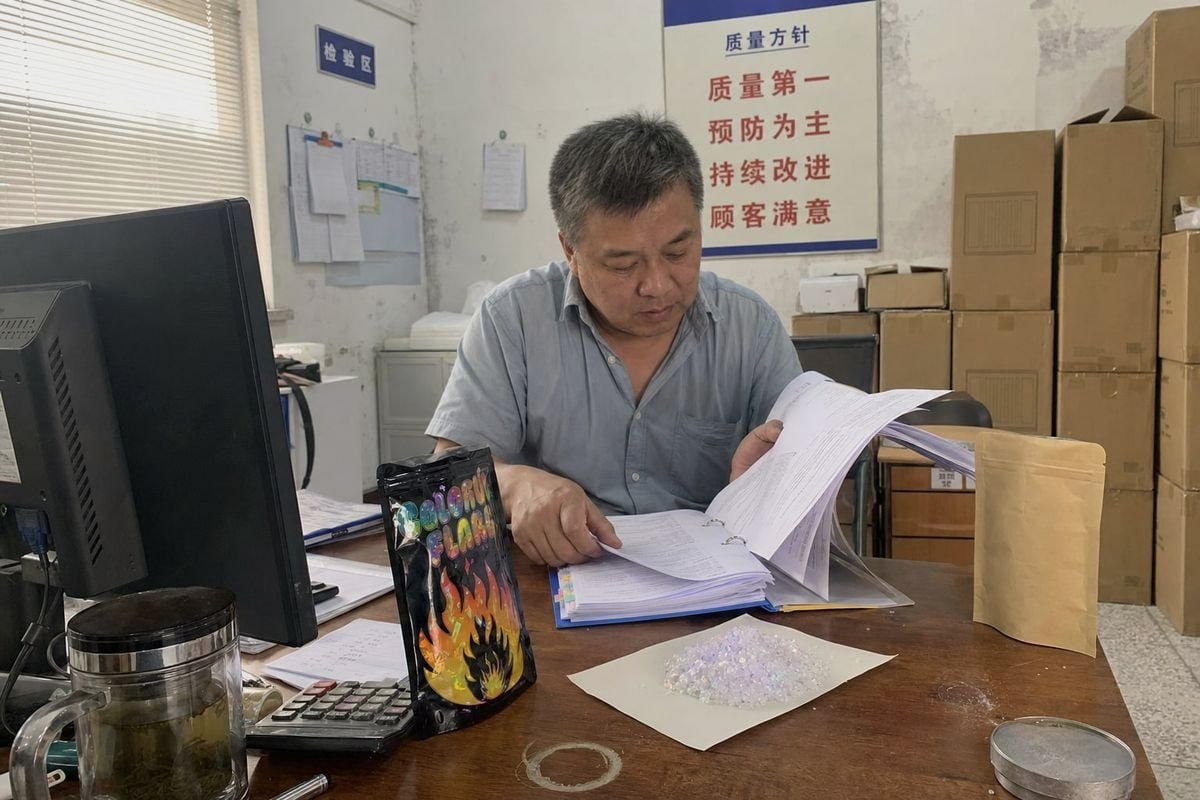
Les documents de conformité pour la poudre Magic Fire font trébucher plus d'importateurs que le prix ne le fait jamais. Sur notre chaîne de production, nous avons vu des expéditions s'arrêter parce qu'un document manquait.
L'importation de poudre Magic Fire nécessite une Fiche de Données de Sécurité conforme au SGH, des rapports de tests par des tiers (SGS ou Intertek), une classification pour le transport de marchandises dangereuses, et des documents spécifiques au marché : preuves CPSC/FHSA et TSCA pour les États-Unis, enregistrements REACH/CLP et UFI pour l'UE, et autorisation du Fire Service Act pour le Japon.
C'est la réponse courte. L'image complète dépend de la façon dont chaque régulateur classe la poudre. Laissez-moi vous guider, marché par marché.
Quelles certifications devrais-je demander avant d'importer de la poudre Magic Fire aux États-Unis ou dans l'UE ?
L'année dernière, un distributeur américain nous a demandé "le certificat" pour nos paquets de flammes colorées. Il n'existe pas de certificat unique — et ce malentendu a failli retarder sa fenêtre de lancement.
Avant d'importer la poudre Magic Fire, demandez une Fiche de Données de Sécurité au format SGH, une analyse complète de la composition chimique, des rapports de test SGS ou Intertek couvrant les tests de métaux lourds, la confirmation de l'inventaire TSCA pour les États-Unis, le statut d'enregistrement REACH et la classification CLP pour l'UE, ainsi qu'un Certificat Général de Conformité.

L'erreur fondamentale que font les acheteurs est de considérer la poudre Magic Fire comme une seule catégorie réglementaire. Ce n'est pas le cas. Les régulateurs peuvent la considérer comme un mélange chimique 1, un produit de consommation, ou dans le pire des cas un article pyrotechnique. Cette classification décide de votre liste de documents. Nos paquets sont formulés comme un colorant de flamme non explosif avec matériaux écologiques, ce qui les exclut de la catégorie des feux d'artifice — mais vous avez toujours besoin des documents pour le prouver.
La pile de documents, côte à côte
| Document | Exigence américaine | Exigence européenne |
|---|---|---|
| Fiche de Données de Sécurité | Format OSHA HCS 2012 | Annexe II REACH 2 Format / CLP |
| Inventaire chimique | Statut de l'inventaire TSCA confirmé | Analyse d'enregistrement ou d'exemption REACH |
| Sécurité du produit | Conformité au Federal Hazardous Substances Act, normes de sécurité CPSC | Règlement général sur la sécurité des produits (RGSP) |
| Certificat | Certificat général de conformité (CGC) | Déclaration de conformité, CE le cas échéant |
| Centre antipoison | Non requis | Code UFI + Notification au centre antipoison |
Pourquoi la classification passe avant tout
Si votre poudre était classée comme un dispositif de feux d'artifice de consommation, les limites de composition CPSC et l'analyse d'exemption ATF s'appliqueraient, et le DOT exigerait une approbation EX avant le transport. Un colorant de flamme correctement formulé évite la plupart de ces contraintes. La première chose à demander à tout fournisseur est donc la base de classification : une analyse de composition chimique et une évaluation des risques toxicologiques 3 qui montrent pourquoi le produit est un mélange chimique, et non un article pyrotechnique.
D'après notre expérience d'exportation vers les États-Unis et l'Allemagne depuis plus de 17 ans, les acheteurs qui rassemblent cette pile avant de passer la commande règlent les douanes plus rapidement et évitent les retriages. Nous conservons la documentation ISO 9001, BSCI, CE et SGS/Intertek prête précisément parce que nos acheteurs au détail la considèrent comme une exigence stricte, pas comme un avantage.
Comment les rapports de test SGS et Intertek affectent-ils mon processus de dédouanement ?
Un acheteur allemand m'a dit un jour que l'expédition de son précédent fournisseur était restée bloquée à Hambourg pendant trois semaines parce que le rapport d'essai mentionnait un produit différent de celui contenu dans le conteneur. Cette leçon a façonné la façon dont nous délivrons les rapports aujourd'hui.
Les rapports de test SGS et Intertek donnent aux agents des douanes une preuve indépendante de la composition chimique de votre produit, des niveaux de métaux lourds et de la classification des dangers. Des rapports correspondants accélèrent le dédouanement, soutiennent votre code SH et votre numéro UN déclarés, et réduisent le risque de blocages, d'échantillonnage ou de re-tests forcés au port.
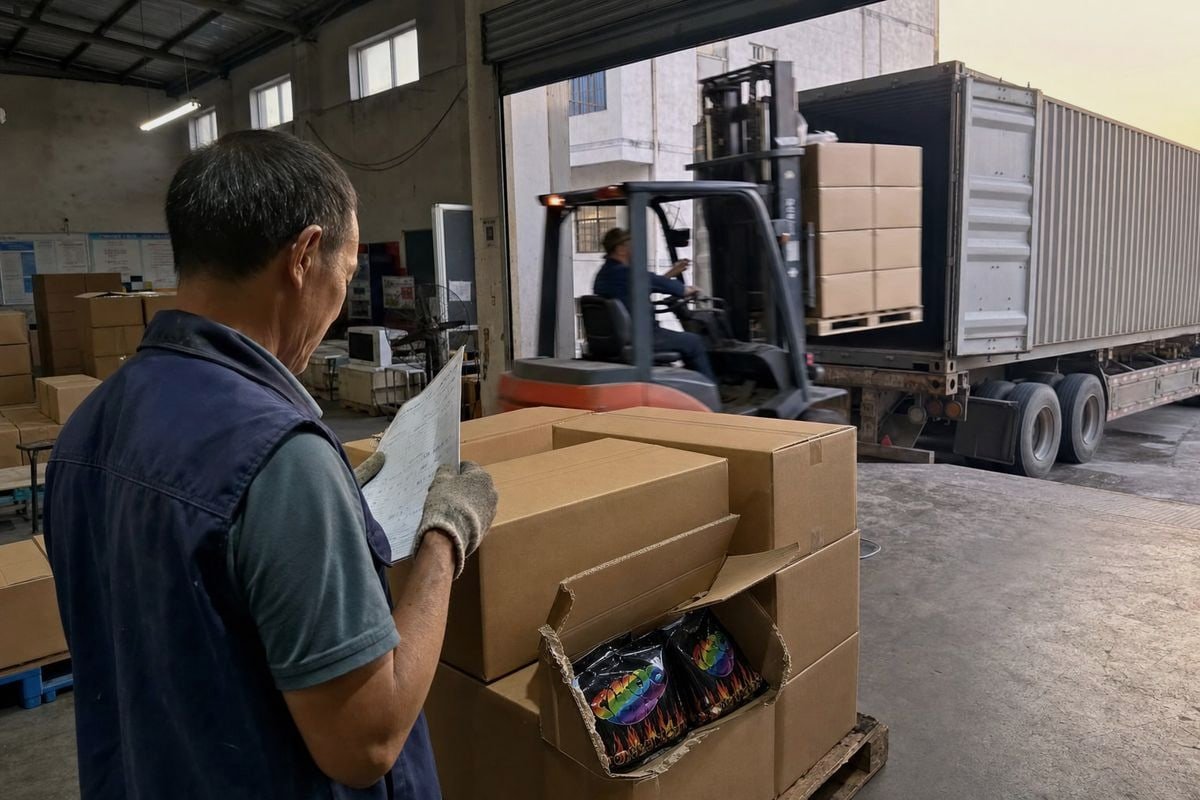
Les agents des douanes ne croient pas un mot de ce que dit un fournisseur. Ils veulent des preuves tierces. Un rapport d'essai actuel rapport SGS ou Intertek 5 sert de preuve. Il confirme trois choses : ce que contient la poudre, quel est son niveau de dangerosité et si elle correspond à la déclaration sur vos documents d'expédition.
Ce qu'un rapport d'essai solide devrait couvrir
- Analyse complète de la composition chimique liée au SKU et au lot exacts.
- Analyse des métaux lourds pour le plomb, le mercure, le cadmium et le chrome par rapport aux seuils de l'Annexe XVII REACH de l'UE.
- Classification des dangers SGH étayant la FDS et l'étiquette.
- Classification pour le transport de marchandises dangereuses — généralement UN 1325 pour les solides inflammables, jamais UN 0336, qui est un code pyrotechnique.
- Date du rapport, accréditation du laboratoire et photos du produit.
Comment les rapports interagissent avec le dédouanement
Le rapport doit correspondre à la Connaissement 6, à la FDS et à l'emballage. Si la FDS indique "solide inflammable" mais que la déclaration d'expédition indique "non dangereux", attendez-vous à une retenue. Si le rapport a plus de deux ou trois ans, certains courtiers en douane le signaleront. Nous renouvelons nos rapports SGS et Intertek selon un cycle régulier et délivrons des enregistrements de contrôle qualité liés aux lots, car notre premier échantillon doit refléter de manière fiable la qualité de la production de masse — et la documentation doit le prouver.
Un autre point pratique : demandez les rapports dans la langue de destination ou au moins en anglais avec le sceau officiel du laboratoire. Une photocopie numérisée sans numéros de rapport traçables est presque inutile au port.
Quelles fiches de données de sécurité et étiquettes d'avertissement sont obligatoires pour mon marché cible ?
La conception d'étuis sous marque de distributeur pour une marque néerlandaise de camping a appris quelque chose d'important à notre équipe d'emballage : les règles d'étiquetage ont modifié les illustrations plus que le brief de marque.
Une Fiche de Données de Sécurité spécifique à la région est obligatoire sur chaque marché : OSHA HCS 2012 aux États-Unis, REACH/CLP dans l'UE, et JIS Z 7253 au Japon. Les étiquettes doivent porter les pictogrammes SGH, les mentions d'avertissement, les conseils de prudence, les avertissements de sécurité pour enfants, et dans l'UE un code UFI de 16 caractères.

Les fiches de données de sécurité ne sont pas interchangeables d'un pays à l'autre. La chimie est la même, mais le format, la langue et les références légales diffèrent. Une FDS américaine suit le format OSHA en 16 sections 7 en vertu de la norme de communication des dangers. La version européenne doit suivre l'annexe II de REACH et refléter la conformité au règlement CLP. Le Japon attend une FDS en langue japonaise alignée sur JIS Z 7253.
Exigences FDS et d'étiquetage par marché
| Marché | Norme FDS | Langue de l'étiquette | Éléments clés de l'étiquette |
|---|---|---|---|
| États-Unis | OSHA HCS 2012 (aligné sur le SGH) | Anglais | Pictogrammes SGH, mot-indicateur, étiquetage de mise en garde FHSA |
| UE | Annexe II REACH / CLP | Langue de chaque État membre | Pictogrammes CLP, mentions H/P, code UFI, adresse de l'importateur |
| Japon | JIS Z 7253 | Japonais | Exigences d'étiquetage SGH, coordonnées de l'importateur, avertissements de manipulation |
L'angle de la sécurité des enfants
Voici un risque que de nombreux acheteurs sous-estiment. La poudre Magic Fire est un produit cristallin fin et scintillant aux tons pastel. Dans nos sachets, elle ressemble vraiment à du sucre grossier ou à des cristaux de bonbons. Les régulateurs le savent. C'est pourquoi les déclarations de précaution concernant l'ingestion et l'accès des enfants sont effectivement obligatoires, et pourquoi la langue de mise en garde de la Federal Hazardous Substances Act est importante aux États-Unis.
Parce que nous proposons une véritable fabrication OEM/ODM tout-en-un, nous imprimons les étiquettes d'avertissement, les codes-barres et les pictogrammes SGH conformes au marché directement sur les sachets en aluminium, les sacs en papier kraft ou les bocaux pendant la production. L'ajout ultérieur d'autocollants dans un entrepôt est plus lent, plus coûteux et souvent négligé — et les équipes d'approvisionnement de la grande distribution rejetteront un étiquetage incohérent lors de l'inspection.
Enfin, gardez la FDS sous contrôle de version. Lorsqu'une formulation change, la FDS, l'étiquette et la notification au Centre antipoison de l'UE doivent toutes être mises à jour ensemble.
Mon fournisseur peut-il fournir des documents de conformité spécifiques à la région pour les réglementations plus strictes du Japon ?
Un partenaire commercial à Osaka nous a un jour retourné notre premier dossier de documents avec des notes polies mais fermes. Tout était exact — mais tout n'était pas dans le format attendu par les autorités japonaises. Nous l'avons reconstruit, et cela a changé tout notre flux de travail au Japon.
Un fournisseur compétent doit fournir une FDS en japonais conforme à la norme JIS Z 7253, une confirmation de l'inventaire chimique ENCS ou ISHL, une analyse de classification de la loi sur les services d'incendie du Japon, des déclarations exemptes de métaux lourds et de PFAS, ainsi que des enregistrements d'étiquetage prêts pour l'importateur. Si un fournisseur ne peut pas le faire, la charge de la conformité vous incombe entièrement.
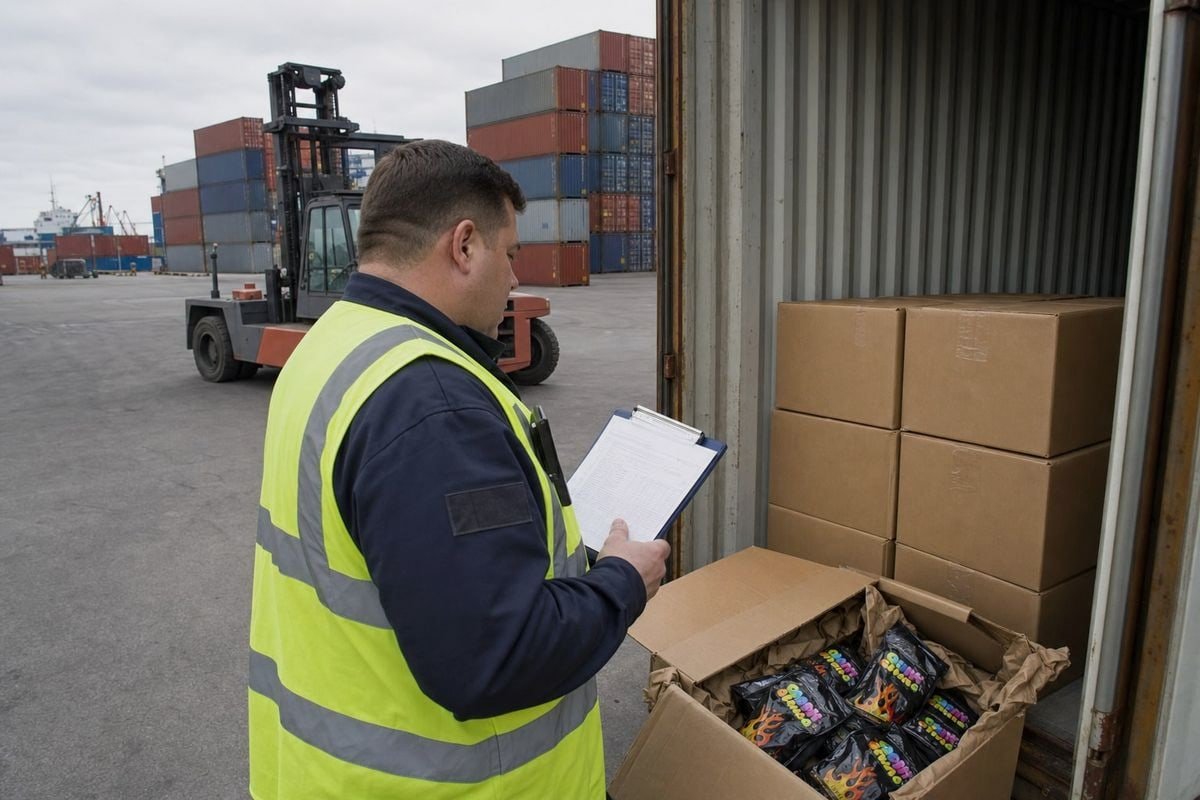
Le Japon est souvent le plus strict des trois marchés, et la rigueur est basée sur les ingrédients. De petites différences de formulation peuvent faire passer le produit d'une catégorie à l'autre. La documentation doit donc être construite autour de votre recette exacte, et non d'un modèle générique.
L'ensemble de documents spécifique au Japon
| Document | Cadre réglementaire | Ce qu'il prouve |
|---|---|---|
| FDS japonaise | JIS Z 7253 | Communication des dangers SGH en japonais |
| Confirmation de l'inventaire | ENCS / ISHL | Tous les ingrédients sont listés ou exemptés |
| Analyse des matières dangereuses | Loi sur les services d'incendie du Japon | Catégorie de stockage et de manipulation de la poudre |
| Criblage des explosifs | Loi sur le contrôle des explosifs | Le produit n'est pas un explosif ni un article pyrotechnique |
| Déclaration de produit ménager | Loi sur le contrôle des substances nocives | Substances réglementées en dessous des limites |
| Déclaration sans PFAS | Restrictions émergentes sur les PFHxS | Aucune substance per- ou polyfluoroalkylée |
Comment tester votre fournisseur
Posez trois questions directes. Premièrement : pouvez-vous présenter des preuves de la liste ENCS pour chaque ingrédient ? Deuxièmement : le produit a-t-il été criblé par rapport aux catégories de matières dangereuses de la Loi sur les services d'incendie, qui affectent la manière dont les entrepôts japonais peuvent le stocker ? Troisièmement : pouvez-vous émettre la FDS et les étiquettes d'avertissement en japonais, imprimées à l'usine ?
Lorsque nous préparons des commandes destinées au Japon depuis notre usine de Ningbo, nous traitons l'évaluation des risques toxicologiques et les données de sécurité des résidus comme faisant partie du colis, car les acheteurs japonais demandent de plus en plus si les cendres sont sans danger dans les foyers où de la nourriture peut être cuite plus tard. Un fournisseur qui répond à ces questions avec des documents — et non des promesses — est un fournisseur avec lequel vous pouvez construire un programme à long terme.
Conclusion
La poudre Magic Fire n'est pas une catégorie réglementaire unique. Exigez la FDS, les rapports de test, les confirmations d'inventaire, et les étiquettes spécifiques au marché au préalable — et collaborez avec une usine qui fournit tout cela.
Notes de bas de page
Orientations officielles de l'EPA sur la manière dont les mélanges chimiques sont définis et déclarés en vertu des réglementations environnementales américaines. ↩︎
Source européenne faisant autorité expliquant les exigences REACH, en particulier l'annexe II concernant la compilation des fiches de données de sécurité. ↩︎
Aperçu scientifique des principes et de l'importance des évaluations des risques toxicologiques pour la sécurité chimique. ↩︎
Entrée Wikipedia faisant autorité pour les réglementations et normes de sécurité des produits. ↩︎
Informations générales sur SGS, l'une des principales sociétés mondiales d'inspection et de test mentionnées dans l'article. ↩︎
Explique l'importance juridique et logistique du connaissement dans le transport international et le dédouanement. ↩︎
Ressource officielle de l'OSHA expliquant le format standardisé en 16 sections pour les fiches de données de sécurité aux États-Unis. ↩︎


 English
  Spanish
  German
  French
  Arabic
  Portuguese
Rejoignez la conversation