






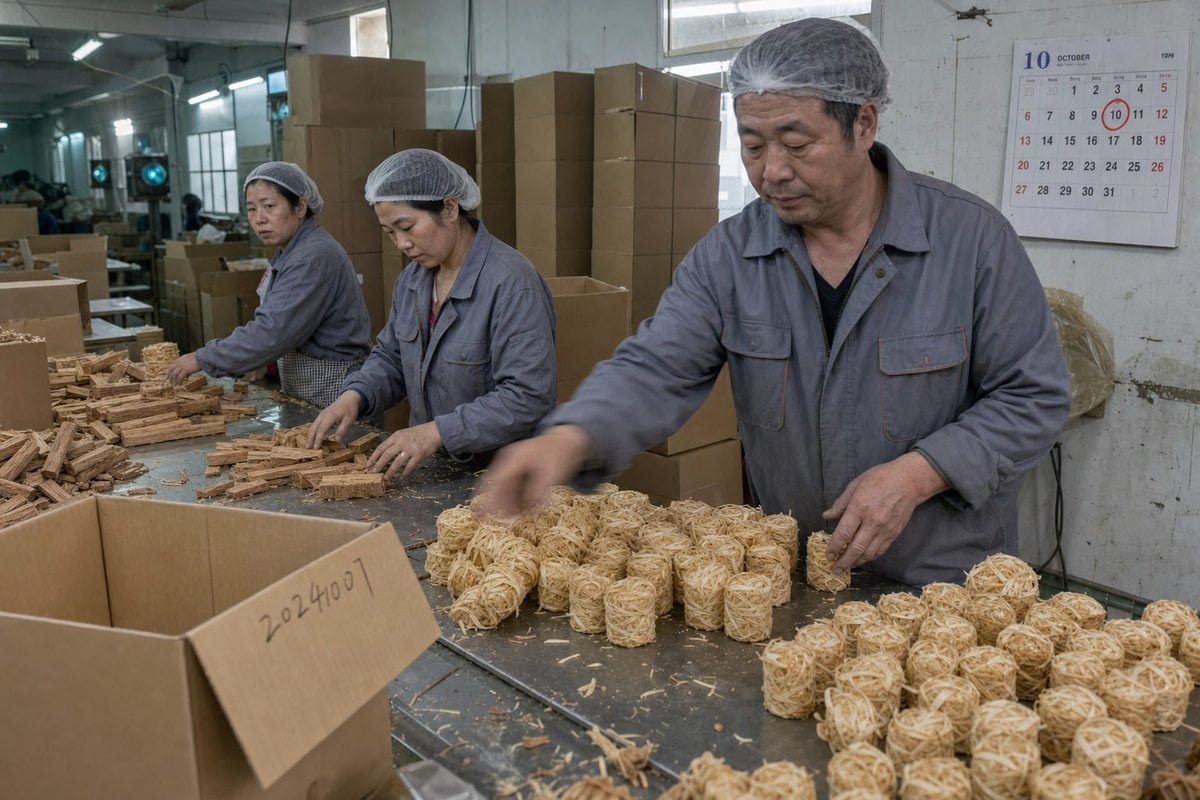
Every October, our production floor in Ningbo shifts into overdrive ISO 9001 1. Wood fire starter delivery times stretch fast in peak season, and buyers who wait too long feel real pain. A missed shipping window means empty shelves during your best sales weeks BSCI-audited staffing practices 2. It means angry retail partners and lost margin you never get back. After 17+ years exporting fire-starting goods to 30+ countries, I can tell you the fix is simpler than most buyers think: understand the seasonal timeline, and get ahead of it.
Peak season slows wood fire starter deliveries at every stage: factory queues fill, warehouse processing time doubles, ocean freight books out, and carriers hit capacity. Total lead times can stretch 2–6 weeks beyond normal from October through January, so buyers should order 3–4 months early.
Let me break down exactly when to order, what lead times look like from a Chinese factory, how quality holds up under volume, and how to [avoid stockouts entirely](https://sunrichfire.com/how-avoid-stockouts-wood-fire-starters-during-peak-grilling-season/).
How early should I place my wood fire starter order before peak season demand hits?
A German distributor once called our Liuyang office in late September asking for a full container before Black Friday. We had to have an honest conversation about the calendar. That call reshaped how we advise every new buyer on ordering windows.
Place wood fire starter orders by June or July for winter retail season. This allows 30–45 days for production, 30–40 days for ocean transit, plus customs and inland delivery, landing stock in your warehouse by September or October, before the seasonal demand surge begins.

The core problem is that everyone's peak season overlaps. Fire starters sell hardest when the weather turns cold, which is exactly when holiday retail volume floods the same shipping lanes. You are not just competing with other fire product buyers. You are competing with every toy, electronics, and apparel importer for the same vessel space and the same last-mile delivery capacity.
Work backwards from your sales floor
I always tell buyers to plan in reverse. Start with the date you need product on shelves. Then subtract each stage of the order fulfillment cycle.
| Étape | Normal Season | Peak Season |
|---|---|---|
| Sample approval and PO confirmation | 1–2 semaines | 2–3 semaines |
| Production at our factory | 25–35 jours | Premièrement, toutes les marques de la consolidation doivent accepter une seule fenêtre d'expédition ; le retard dans l'approbation des illustrations retarde tout le conteneur. Deuxièmement, réservez tôt pour le 4ème trimestre — la demande de la saison des feux de camp et du camping s'accumule, et le fret maritime se resserre. Troisièmement, demandez une documentation de contrôle qualité lot par lot sur chaque production consolidée. Un premier échantillon doit correspondre de manière fiable à la production de masse ; si ce n'est pas le cas, aucun niveau de remise ne vaut le risque de réapprovisionnement. Une mise en garde sur le risque : consolider tout avec un seul fournisseur concentre la dépendance. Nous disons honnêtement aux acheteurs — atténuez-le avec un contrat de verrouillage de niveau, des conditions de pénalité convenues pour les expéditions tardives, et des droits d'inspection par des tiers, plutôt qu'en fragmentant les commandes et en perdant votre pouvoir de négociation sur les prix. |
| Booking and port loading | 3–7 jours | 7–14 jours |
| Fret maritime 3 (Chine vers États-Unis/UE) | 30–40 jours | 35–55 days |
| Douanes et livraison intérieure 4 | 5–10 jours | 10–20 days |
Add those peak-season numbers up and you are looking at four to five months from purchase order to shelf. That is why our repeat customers in the US and Germany confirm winter orders in early summer. First frost demand spikes are predictable. The buyers who suffer are the ones who treat October as an ordering month instead of a selling month.
The hidden cost of waiting
Late orders do not just arrive late. They often cost more. Freight rates climb during logistics congestion, and expedited shipping options like air freight can triple your landed cost on a bulky, wax-based product. Ordering early is not just about timing. It protects your margin.
What lead times can I expect from a Chinese manufacturer during the busiest shipping months?
There is a trade-off we weigh every autumn on our Ningbo production lines: how many rush orders we accept versus protecting confirmed delivery dates for existing customers. That balance shapes the real lead times buyers experience from October onward.
During peak months, expect 35–50 days of factory production plus 45–75 days of shipping and clearance from a Chinese manufacturer, for a total lead time of 80–125 days. Normal-season totals run closer to 60–85 days door to door.
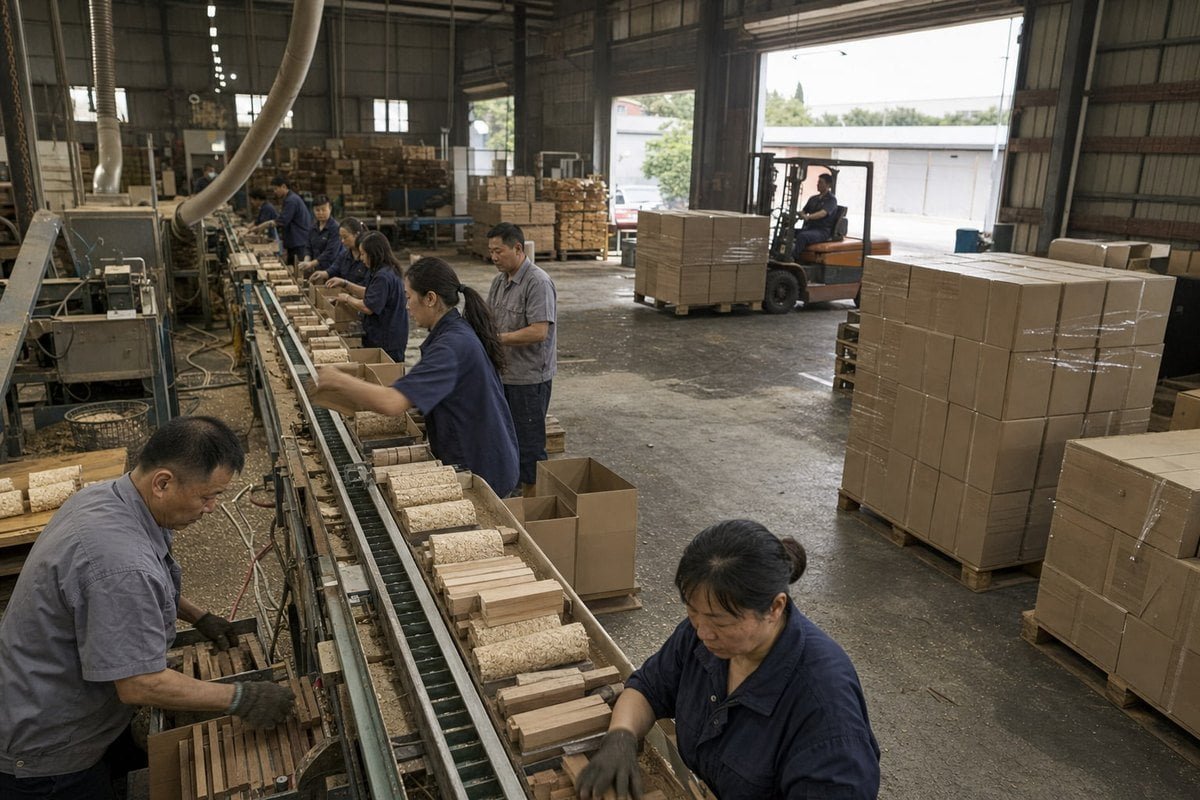
Lead time is never one number. It is a chain of stages, and peak season stresses each link differently. Understanding where the days actually go helps you negotiate better and plan smarter.
Where the extra days come from
Factory queues grow first. From September, our order book fills with confirmed POs from established distributors, so new orders join a first-in, first-out queue. Then shipping carrier delays kick in. Vessels get overbooked, sailings roll, and containers sit at origin ports waiting for space. Finally, destination-side delays hit: congested ports, customs backlogs, and stretched trucking capacity.
| Delay Source | Typical Added Time | Who Controls It |
|---|---|---|
| Production queue backlog | 1–2 semaines | Usine |
| Vessel rollovers and port congestion | 1–3 semaines | Ocean carrier |
| Destination customs backlog | 3–10 jours | Autorité douanière |
| Inland trucking shortage | 3–7 jours | Domestic carrier |
| Winter weather disruptions | 2–10 days | Nobody |
Why winter weather compounds everything
Fire starters ship into cold-climate markets by definition. Storms in the US Midwest, northern Europe, or Canada can close roads and shut regional terminals right when your container clears the port. We have seen shipments clear customs in Rotterdam on schedule, then sit a week because trucking capacity vanished during a cold snap. This is why we build buffer time into every quoted delivery window rather than promising best-case numbers. A realistic estimate that we hit beats an optimistic one that we miss. Buyers planning around holiday shipping deadlines should treat quoted transit times as midpoints, not guarantees.
Can Sunrich guarantee consistent quality control even during high-volume peak season production?
A few years back, a UK fireplace distributor told me why he left his previous supplier: the first container was perfect, and the third one, produced during the November rush, had inconsistent wax coating 5 and shorter burn times. That story is common in our industry, and it is exactly what our QC system is built to prevent.
Yes. Sunrich maintains identical quality control in peak season through ISO 9001 batch-to-batch testing, fixed production standards for wax coating and burn time, and BSCI-audited staffing practices, so mass-production quality matches the approved sample regardless of order volume.
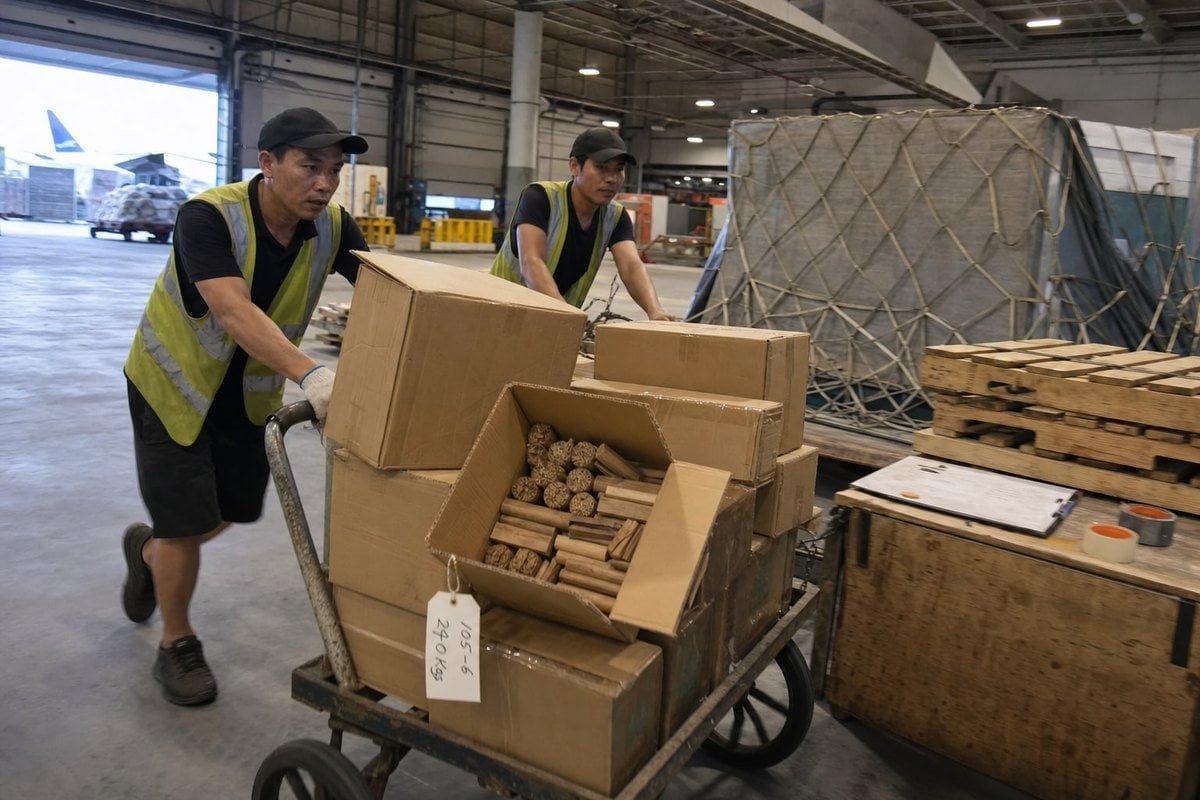
Quality drift during high-volume months is the quiet risk in this category. It rarely shows up at inspection. It shows up months later, as customer complaints about fire starters that will not light or burn out too fast. Here is how we structure production so volume does not compromise consistency.
What actually goes wrong at rushed factories
When a factory overloads its lines, three failure points appear. First, wax dipping gets rushed, producing thin or uneven coating that shortens burn time. Second, incoming wood fiber inspection gets skipped, letting damp material into production, and moisture is the enemy of reliable ignition. Third, temporary seasonal workers pack product without training, causing labeling and count errors.
How we hold the line
Our approach is procedural, not heroic. Every batch runs through the same checkpoints whether we are producing in quiet April or packed November:
- Incoming material checks on wood fiber moisture and wax grade before production starts.
- In-process sampling on coating weight and roll density at fixed intervals.
- Burn-time testing on random units pulled from each batch.
- Pre-shipment inspection against the customer's approved sample, with les rapports SGS ou Intertek 6 available on request.
Because we are a real factory with our own complete production lines, not a trading company juggling subcontractors, we do not outsource overflow to unknown workshops during the seasonal demand surge. That single fact removes the biggest source of peak-season quality variance. Our 17+ years supplying compliance-driven markets like Germany and the US taught us that a buyer forgives a one-week delay far more easily than a bad batch on a retail shelf.
What steps can I take to avoid stock shortages when ordering fire starters ahead of peak season?
One lesson from years of watching buyers navigate winter: the distributors who never run out are not lucky. They follow a repeatable process, and it starts long before the first cold weekend empties their warehouse.
Avoid stockouts by forecasting from last winter's sales, placing your main order by midsummer, splitting volume into two staggered shipments, confirming a reorder option with your manufacturer, and holding 15–20% safety stock through the coldest sales weeks.
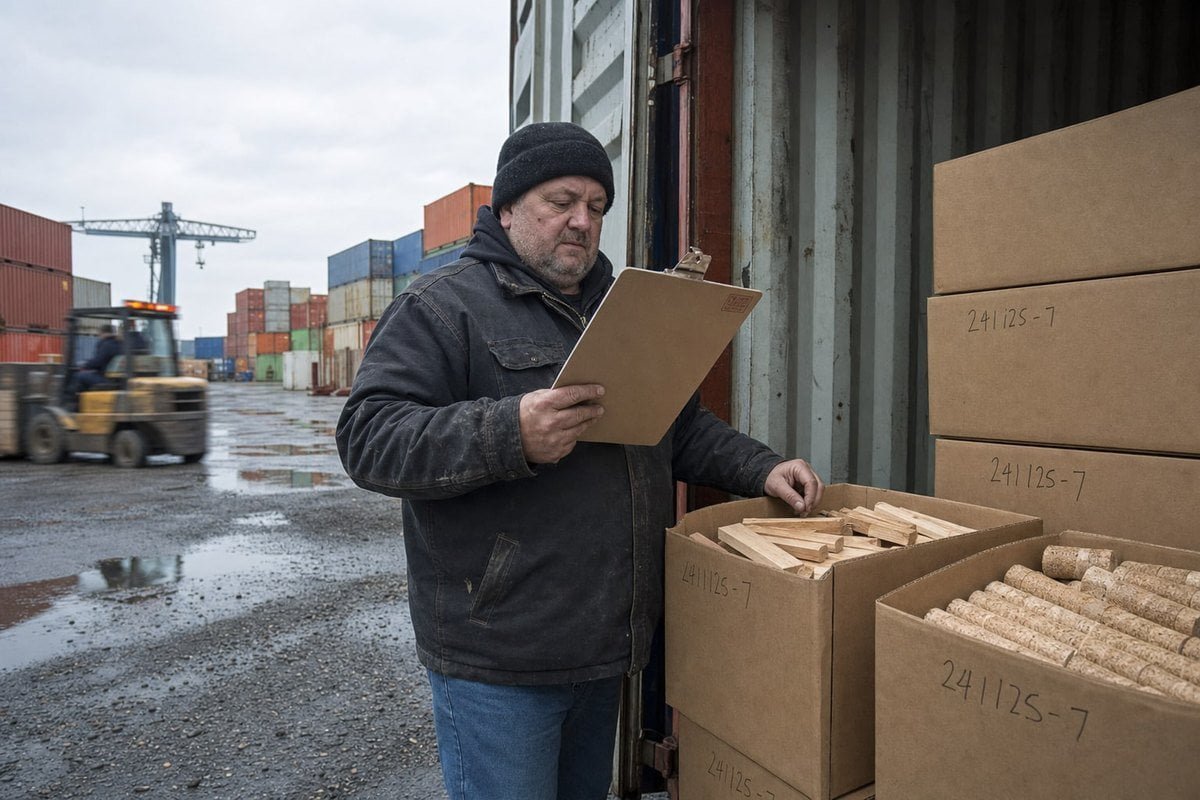
Inventory stockouts on winter heating supplies are brutal because demand does not wait. A customer who cannot find your fire starters buys a competitor's brand that same day, and some of them never come back. The good news is that fire starter demand follows a predictable seasonal curve, which makes it one of the easier categories to plan.
A practical anti-stockout playbook
| Étape | Action | Synchronisation |
|---|---|---|
| 1 | Review last season's sell-through by week and region | Mars-avril |
| 2 | Confirm samples, packaging, and private-label artwork | Avril-Mai |
| 3 | Place main PO covering 70–80% of forecast | Juin–Juillet |
| 4 | Ship first container for September arrival | Juillet–août |
| 5 | Place top-up order based on early-season sales | Septembre |
| 6 | Second shipment lands before holiday shipping deadlines | November |
Why staggered shipments beat one big order
Splitting volume does two things. It gets stock into your warehouse early, before logistics congestion peaks. And it lets you adjust the second order based on real sales data instead of guesswork. Several of our long-term European customers run exactly this rhythm, and we hold their packaging materials and production slots in advance so the reorder moves fast.
Lock in supplier commitments, not just prices
Ask your manufacturer three questions before summer ends. Can you reserve a production slot for a Q3 reorder? What is your realistic peak-season warehouse processing time? Will you notify me proactively if a batch or booking slips? A supplier who answers these directly is planning with you. One who dodges them is a peak-season risk. Our OEM/ODM customers get a named contact and shipment-by-shipment updates in English precisely because uncertainty, not delay itself, is what breaks retail planning.
Conclusion
Peak season stretches wood fire starter delivery times at every stage, from factory to last-mile delivery. The danger is not the delay itself; it is planning as if peak season were normal. Order by midsummer, demand realistic lead times, verify quality systems, and stagger shipments. Our team at Sunrich builds every winter around helping buyers do exactly that, so your shelves stay full when the cold arrives.
Notes de bas de page
1. Official ISO standard page explaining the quality management certification cited in article. ↩︎
2. Official body for BSCI social compliance auditing referenced for staffing standards. ↩︎
3. Wikipedia background on freight transport relevant to shipping lead time discussion. ↩︎
4. Background on customs clearance processes affecting shipping timelines discussed in article. ↩︎
5. Background on paraffin wax material used in fire starter coating discussed in quality section. ↩︎
6. Reference to SGS, a major inspection and certification body mentioned for pre-shipment checks. ↩︎
7. Wikipedia background on safety stock concept used in inventory planning discussion. ↩︎



 English
  Spanish
  German
  French
  Arabic
  Portuguese
Rejoignez la conversation