






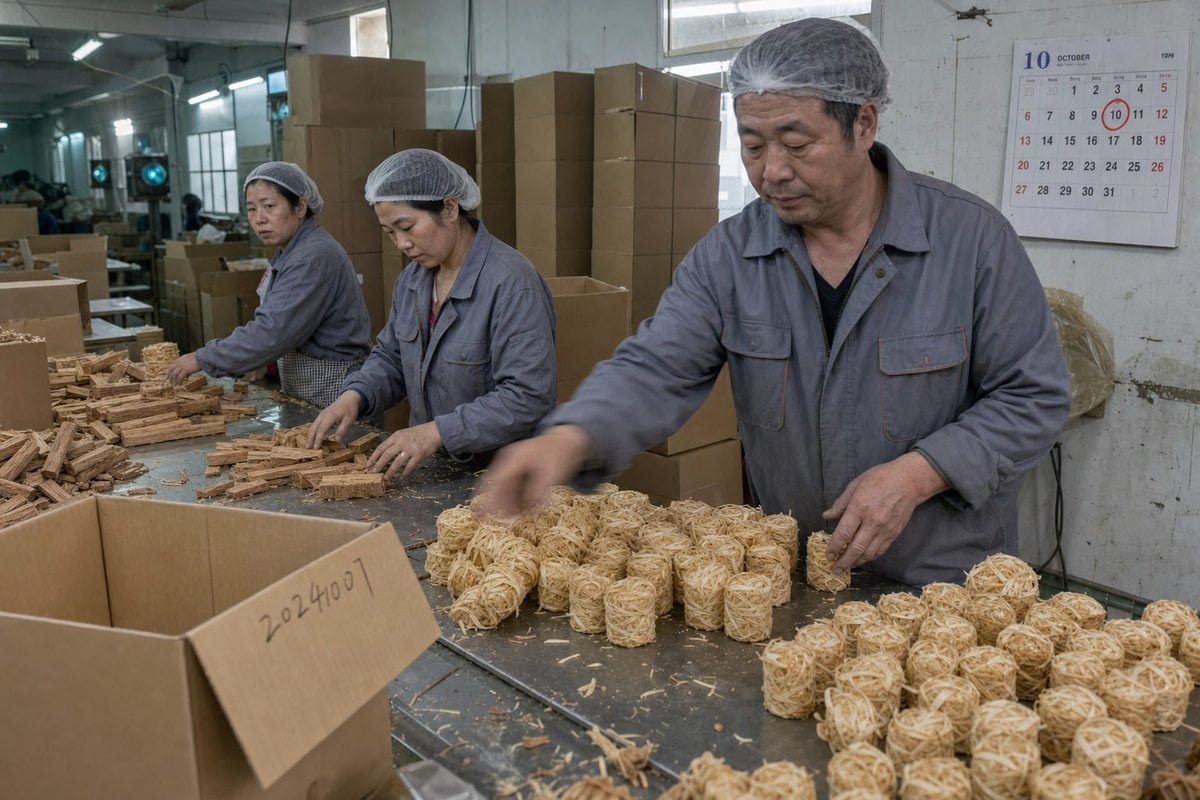
Cada octubre, nuestra planta de producción en Ningbo se pone a toda marcha ISO 9001 1. Los tiempos de entrega de los iniciadores de fuego de leña se alargan rápidamente en temporada alta, y los compradores que esperan demasiado sienten un dolor real. Una ventana de envío perdida significa estantes vacíos durante sus mejores semanas de ventas. Prácticas de personal auditadas por BSCI 2. Significa socios minoristas enojados y márgenes perdidos que nunca recuperas. Después de más de 17 años exportando productos para iniciar fuego a más de 30 países, puedo decirte que la solución es más simple de lo que la mayoría de los compradores creen: comprende el cronograma estacional y anticípate a él.
La temporada alta ralentiza las entregas de iniciadores de fuego de leña en todas las etapas: las colas de fábrica se llenan, el tiempo de procesamiento del almacén se duplica, el transporte marítimo se agota y los transportistas alcanzan su capacidad. Los plazos de entrega totales pueden extenderse de 2 a 6 semanas más de lo normal de octubre a enero, por lo que los compradores deben pedir con 3 a 4 meses de antelación.
Permíteme desglosar exactamente cuándo hacer un pedido, cómo son los plazos de entrega desde una fábrica china, cómo se mantiene la calidad bajo volumen y cómo [evitar por completo las roturas de stock](https://sunrichfire.com/how-avoid-stockouts-wood-fire-starters-during-peak-grilling-season/).
¿Con cuánta antelación debería hacer mi pedido de iniciadores de fuego de leña antes de que llegue la demanda máxima de la temporada?
Un distribuidor alemán llamó a nuestra oficina de Liuyang a fines de septiembre pidiendo un contenedor completo antes del Black Friday. Tuvimos que tener una conversación honesta sobre el calendario. Esa llamada remodeló la forma en que asesoramos a cada nuevo comprador sobre las ventanas de pedido.
Realice los pedidos de iniciadores de fuego de leña antes de junio o julio para la temporada minorista de invierno. Esto permite de 30 a 45 días para la producción, de 30 a 40 días para el tránsito marítimo, más aduanas y entrega interior, para que el stock llegue a su almacén en septiembre u octubre, antes de que comience el aumento de la demanda estacional.

El problema principal es que la temporada alta de todos se superpone. Los iniciadores de fuego se venden más cuando el clima se enfría, que es exactamente cuando el volumen minorista de vacaciones inunda las mismas rutas de envío. No solo compites con otros compradores de productos contra incendios. Compites con todos los importadores de juguetes, electrónica y ropa por el mismo espacio en el buque y la misma capacidad de entrega de última milla.
Trabaja hacia atrás desde tu sala de ventas
Siempre les digo a los compradores que planifiquen a la inversa. Comienza con la fecha en que necesitas el producto en los estantes. Luego resta cada etapa del ciclo de cumplimiento del pedido.
| Etapa | Temporada Normal | Temporada alta |
|---|---|---|
| Aprobación de muestra y confirmación de PO | 1–2 semanas | 2–3 semanas |
| Producción en nuestra fábrica | 25–35 días | 35–50 días |
| Reserva y carga en puerto | 3–7 días | 7–14 días |
| Flete marítimo 3 (China a EE. UU./UE) | 30–40 días | 35–55 días |
| Aduanas y entrega interior 4 | 5-10 días | 10–20 días |
Suma esos números de temporada alta y estarás mirando de cuatro a cinco meses desde la orden de compra hasta el estante. Es por eso que nuestros clientes habituales en EE. UU. y Alemania confirman los pedidos de invierno a principios de verano. Los picos de demanda de la primera helada son predecibles. Los compradores que sufren son los que tratan octubre como un mes de pedido en lugar de un mes de venta.
El costo oculto de esperar
Los pedidos tardíos no solo llegan tarde. A menudo cuestan más. Las tarifas de flete aumentan durante la congestión logística, y las opciones de envío acelerado como el transporte aéreo pueden triplicar tu costo de llegada en un producto voluminoso a base de cera. Pedir con anticipación no se trata solo de tiempo. Protege tu margen.
¿Qué plazos de entrega puedo esperar de un fabricante chino durante los meses de mayor actividad de envío?
Hay un equilibrio que sopesamos cada otoño en nuestras líneas de producción de Ningbo: cuántos pedidos urgentes aceptamos frente a proteger las fechas de entrega confirmadas para los clientes existentes. Ese equilibrio da forma a los plazos de entrega reales que experimentan los compradores a partir de octubre.
Durante los meses de temporada alta, espere 35–50 días de producción en fábrica más 45–75 días de envío y despacho de un fabricante chino, para un tiempo de entrega total de 80–125 días. Los totales de temporada normal se acercan a 60–85 días de puerta a puerta.
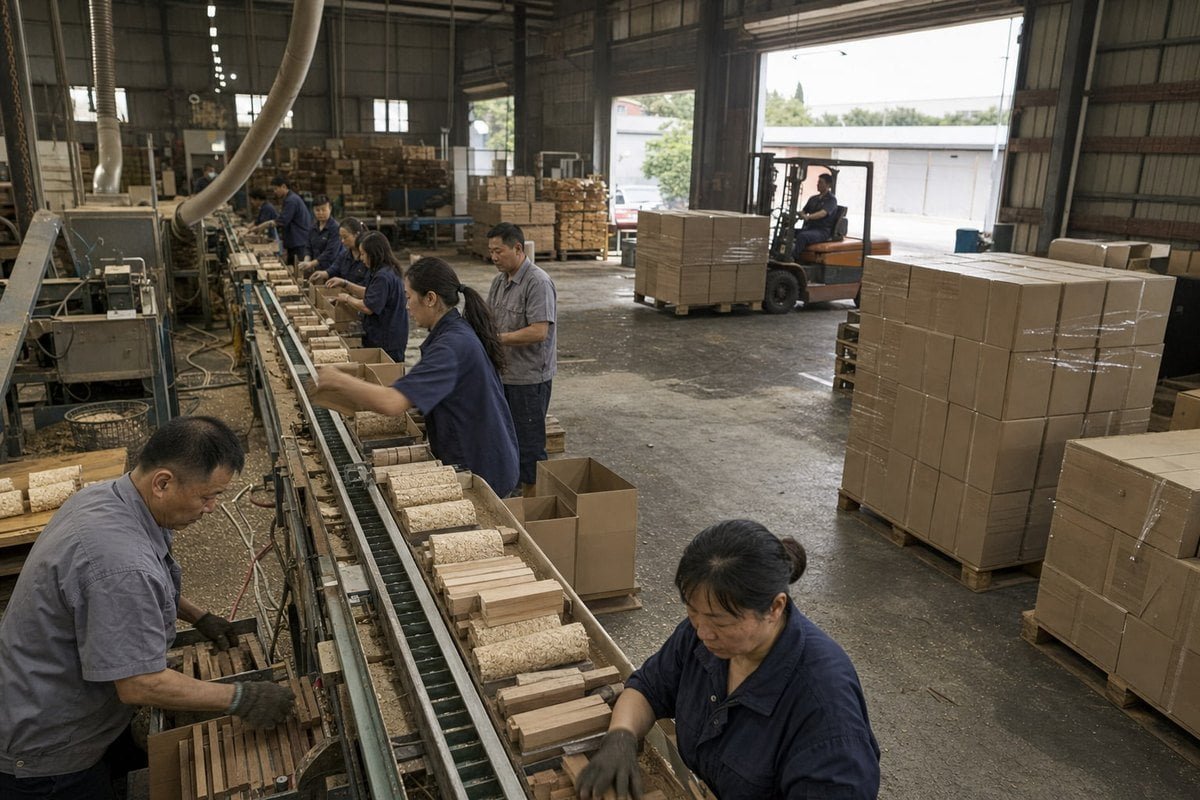
El plazo de entrega nunca es un solo número. Es una cadena de etapas, y la temporada alta estresa cada eslabón de manera diferente. Comprender dónde van realmente los días te ayuda a negociar mejor y planificar de manera más inteligente.
De dónde vienen los días extra
Las colas de producción crecen primero. A partir de septiembre, nuestro libro de pedidos se llena con órdenes de compra confirmadas de distribuidores establecidos, por lo que los nuevos pedidos se unen a una cola de primero en entrar, primero en salir. Luego entran en juego los retrasos de los transportistas marítimos. Los buques se sobre-reservan, las navegaciones se posponen y los contenedores permanecen en los puertos de origen esperando espacio. Finalmente, llegan los retrasos en el lado del destino: puertos congestionados, retrasos en aduanas y capacidad de transporte ampliada.
| Fuente de retraso | Tiempo adicional típico | Quién lo controla |
|---|---|---|
| Retraso en la cola de producción | 1–2 semanas | Fábrica |
| Posposiciones de buques y congestión portuaria | 1–3 semanas | Transportista marítimo |
| Retraso en aduanas de destino | 3–10 días | Autoridad aduanera |
| Escasez de transporte interior | 3–7 días | Transportista nacional |
| Interrupciones por el clima invernal | 2–10 días | Nadie |
Por qué el clima invernal lo agrava todo
Los iniciadores de fuego se envían a mercados de clima frío por definición. Las tormentas en el Medio Oeste de EE. UU., el norte de Europa o Canadá pueden cerrar carreteras y terminales regionales justo cuando su contenedor sale del puerto. Hemos visto envíos que salieron de aduanas en Rotterdam a tiempo, y luego se quedaron una semana porque la capacidad de transporte desapareció durante una ola de frío. Es por eso que construimos tiempo de amortiguación en cada ventana de entrega cotizada en lugar de prometer números del mejor de los casos. Una estimación realista que cumplimos es mejor que una optimista que no cumplimos. Los compradores que planifican en torno a los plazos de envío de vacaciones deben tratar los tiempos de tránsito cotizados como puntos medios, no como garantías.
¿Puede Sunrich garantizar un control de calidad constante incluso durante la producción de temporada alta de alto volumen?
Hace unos años, un distribuidor de chimeneas del Reino Unido me contó por qué dejó a su proveedor anterior: el primer contenedor fue perfecto, y el tercero, producido durante la fiebre de noviembre, tenía inconsistencias. recubrimiento de cera 5 y tiempos de combustión más cortos. Esa historia es común en nuestra industria, y es exactamente lo que nuestro sistema de control de calidad está diseñado para prevenir.
Sí. Sunrich mantiene un control de calidad idéntico en temporada alta a través de pruebas por lotes ISO 9001, estándares de producción fijos para el recubrimiento de cera y el tiempo de combustión, y prácticas de personal auditadas por BSCI, por lo que la calidad de la producción en masa coincide con la muestra aprobada independientemente del volumen del pedido.
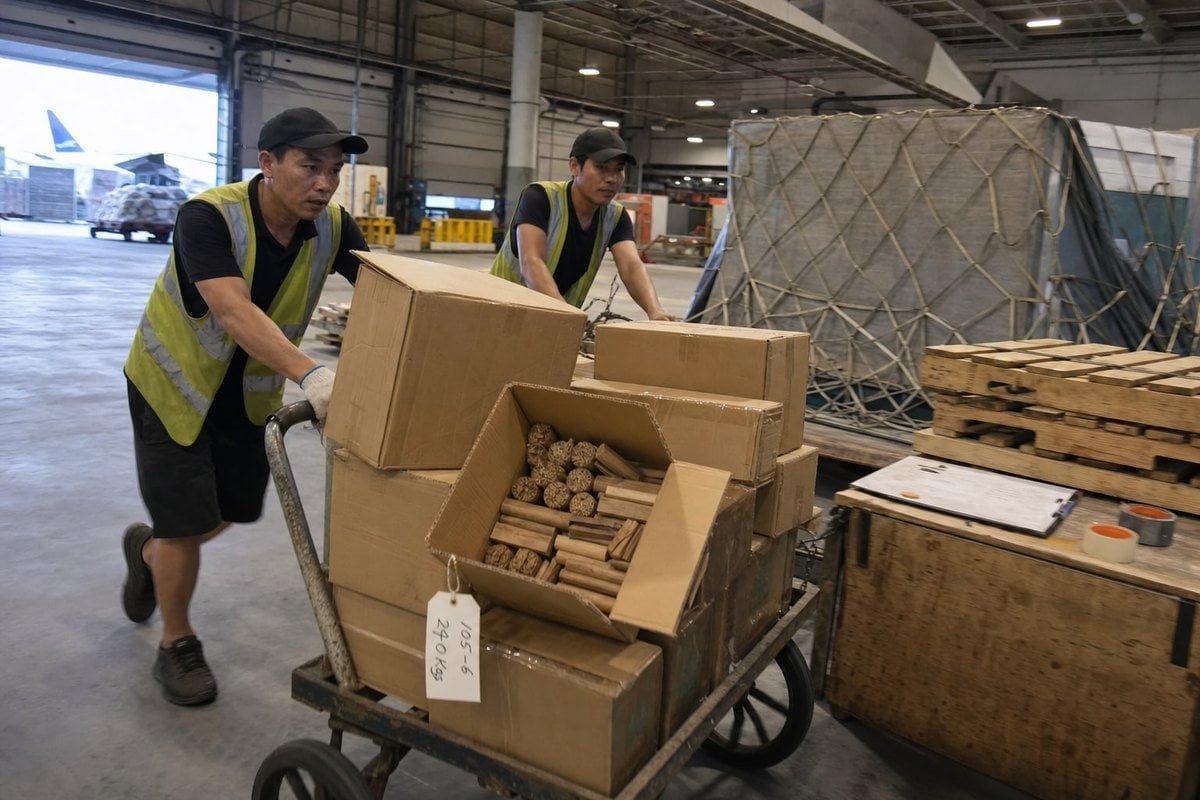
La deriva de calidad durante los meses de alto volumen es el riesgo silencioso en esta categoría. Raramente aparece en la inspección. Aparece meses después, como quejas de clientes sobre iniciadores de fuego que no encienden o se queman demasiado rápido. Así es como estructuramos la producción para que el volumen no comprometa la consistencia.
Qué sucede realmente en las fábricas apresuradas
Cuando una fábrica sobrecarga sus líneas, aparecen tres puntos de fallo. Primero, el remojo en cera se apresura, produciendo un recubrimiento fino o desigual que acorta el tiempo de combustión. Segundo, se omite la inspección de la fibra de madera entrante, permitiendo que entre material húmedo en la producción, y la humedad es el enemigo de la ignición fiable. Tercero, los trabajadores temporales de temporada empaquetan el producto sin formación, causando errores de etiquetado y recuento.
Cómo mantenemos la línea
Nuestro enfoque es procesal, no heroico. Cada lote pasa por los mismos puntos de control, ya sea que estemos produciendo en un tranquilo abril o en un abarrotado noviembre:
- Controles de material entrante sobre la humedad de la fibra de madera y el grado de cera antes de que comience la producción.
- Muestreo en proceso sobre el peso del recubrimiento y la densidad del rollo a intervalos fijos.
- Prueba de tiempo de combustión en unidades aleatorias extraídas de cada lote.
- Inspección previa al envío contra la muestra aprobada por el cliente, con informes SGS o Intertek 6 disponible bajo pedido.
Porque somos una fábrica real con nuestras propias líneas de producción completas, no una empresa comercial que hace malabares con subcontratistas, no externalizamos el exceso a talleres desconocidos durante el aumento de la demanda estacional. Ese único hecho elimina la mayor fuente de variación de calidad en temporada alta. Nuestros más de 17 años suministrando a mercados impulsados por el cumplimiento como Alemania y EE. UU. nos enseñaron que un comprador perdona un retraso de una semana mucho más fácilmente que un lote malo en un estante minorista.
¿Qué pasos puedo seguir para evitar la escasez de existencias al pedir iniciadores de fuego antes de la temporada alta?
Una lección de años observando a los compradores navegar por el invierno: los distribuidores que nunca se quedan sin existencias no tienen suerte. Siguen un proceso repetible, y comienza mucho antes de que el primer fin de semana frío vacíe su almacén.
Evite roturas de stock pronosticando a partir de las ventas del invierno pasado, realizando su pedido principal a mediados de verano, dividiendo el volumen en dos envíos escalonados, confirmando una opción de reorden con su fabricante y manteniendo un stock de seguridad del 15-20% durante las semanas de ventas más frías.
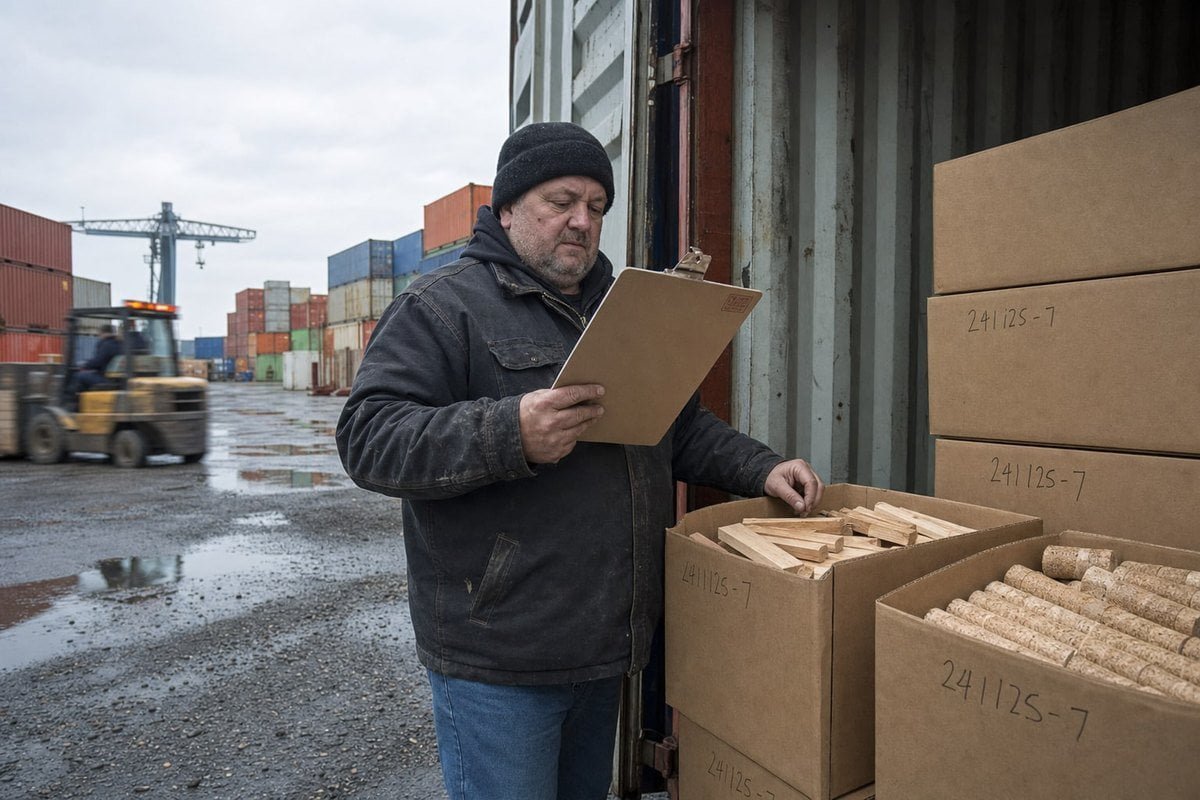
Las roturas de stock de suministros de calefacción de invierno son brutales porque la demanda no espera. Un cliente que no puede encontrar tus encendedores compra una marca competidora ese mismo día, y algunos de ellos nunca regresan. La buena noticia es que la demanda de encendedores sigue una curva estacional predecible, lo que la convierte en una de las categorías más fáciles de planificar.
Un manual práctico anti-rotura de stock
| Paso | Acción | Temporización |
|---|---|---|
| 1 | Revisar las ventas de la temporada pasada por semana y región | Marzo-abril |
| 2 | Confirmar muestras, embalaje y arte de etiqueta privada | Abril-mayo |
| 3 | Realizar PO principal que cubra el 70-80% del pronóstico | Junio-julio |
| 4 | Enviar el primer contenedor para llegada en septiembre | Julio-agosto |
| 5 | Realizar pedido de reposición basado en las ventas de principios de temporada | Septiembre |
| 6 | El segundo envío llega antes de los plazos de envío de vacaciones | Noviembre |
Por qué los envíos escalonados superan un gran pedido
Dividir el volumen hace dos cosas. Pone stock en su almacén temprano, antes de que la congestión logística alcance su punto máximo. Y le permite ajustar el segundo pedido basándose en datos de ventas reales en lugar de conjeturas. Varios de nuestros clientes europeos a largo plazo siguen exactamente este ritmo, y nosotros guardamos sus materiales de embalaje y espacios de producción con antelación para que el nuevo pedido se mueva rápido.
Asegurar compromisos de proveedores, no solo precios
Haga tres preguntas a su fabricante antes de que termine el verano. ¿Puede reservar un espacio de producción para un nuevo pedido en el tercer trimestre?¿Cuál es su tiempo de procesamiento realista en almacén en temporada alta? ¿Me notificará de forma proactiva si un lote o una reserva se retrasa? Un proveedor que responda directamente a estas preguntas está planificando con usted. Uno que las evite es un riesgo en temporada alta. Nuestros clientes OEM/ODM obtienen un contacto asignado y actualizaciones de envío por envío en inglés precisamente porque la incertidumbre, no el retraso en sí, es lo que rompe la planificación minorista.
Conclusión
La temporada alta extiende los tiempos de entrega de los encendedores de leña en cada etapa, desde la fábrica hasta la entrega de última milla. El peligro no es el retraso en sí; es planificar como si la temporada alta fuera normal. Ordene a mediados de verano, exija plazos de entrega realistas, verifique los sistemas de calidad y escale los envíos. Nuestro equipo en Sunrich se dedica cada invierno a ayudar a los compradores a hacer exactamente eso, para que sus estantes permanezcan llenos cuando llegue el frío.
Notas al pie
Página oficial de la norma ISO que explica la certificación de gestión de calidad citada en el artículo. ↩︎
Organismo oficial para la auditoría de cumplimiento social BSCI referenciada para estándares de personal. ↩︎
Antecedentes de Wikipedia sobre transporte de carga relevantes para la discusión del plazo de entrega de envío. ↩︎
Antecedentes sobre los procesos de despacho de aduanas que afectan los plazos de envío discutidos en el artículo. ↩︎
Antecedentes sobre la cera de parafina utilizada en el recubrimiento de encendedores discutidos en la sección de calidad. ↩︎
Referencia a SGS, un importante organismo de inspección y certificación mencionado para controles previos al envío. ↩︎
Antecedentes de Wikipedia sobre el concepto de stock de seguridad utilizado en la discusión de planificación de inventario. ↩︎



 English
  Spanish
  German
  French
  Arabic
  Portuguese
Únete a la conversación