






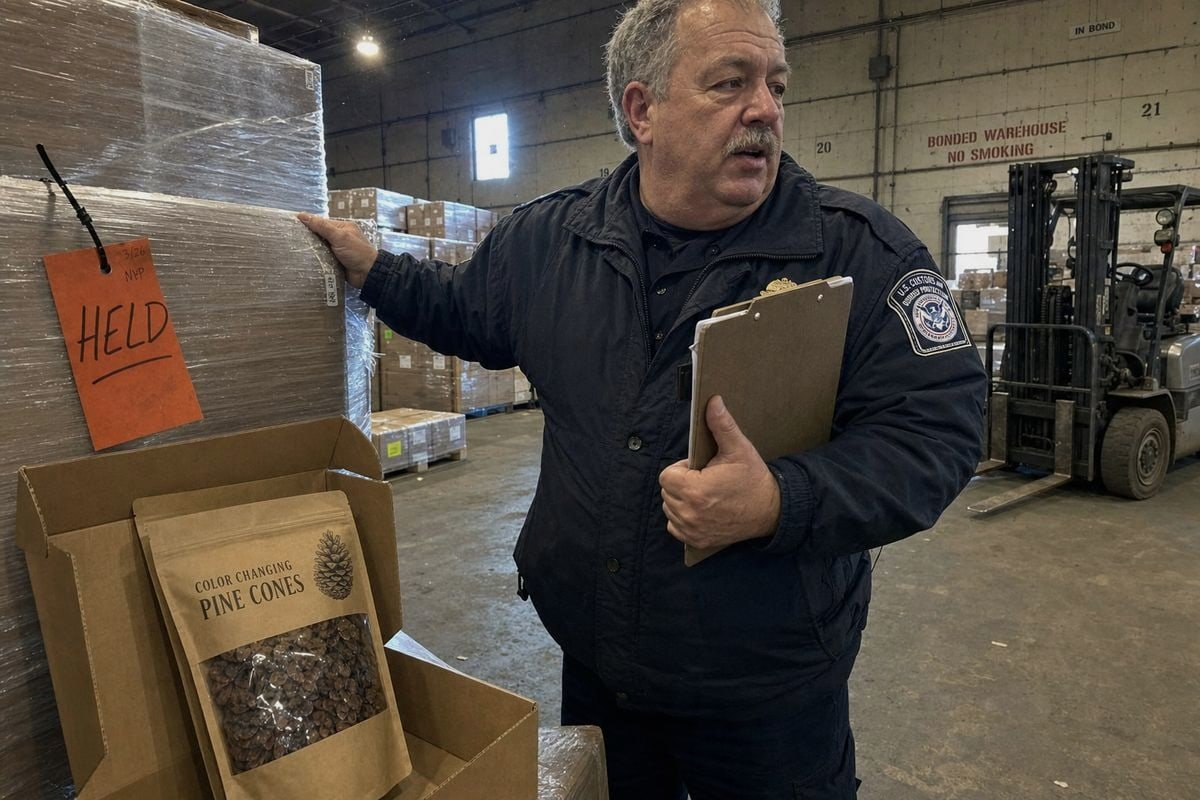
Fumigación y certificación reconocida por EE. UU. para piñas de China 1 pueden hacer o deshacer su envío. He visto carga con documentación insuficiente detenida en puertos de EE. UU. mientras los compradores perdían toda su temporada.
Requerir fumigación con bromuro de metilo o tratamiento térmico realizado en una instalación aprobada, respaldado por un certificado fitosanitario de la Organización Nacional de Protección de Plantas de China, un registro de tratamiento documentado y una declaración de la Ley Lacey. Escriba estos requisitos en su orden de compra antes de que comience la producción, no después del envío.
Esa es la respuesta corta. Los detalles importan, sin embargo. A continuación, le guiaré a través de cada documento, cómo verificarlo y qué guardar en archivo si la Oficina de Aduanas y Protección Fronteriza hace preguntas.
¿Qué certificado de fumigación necesito para importar legalmente piñas a los EE. UU.?
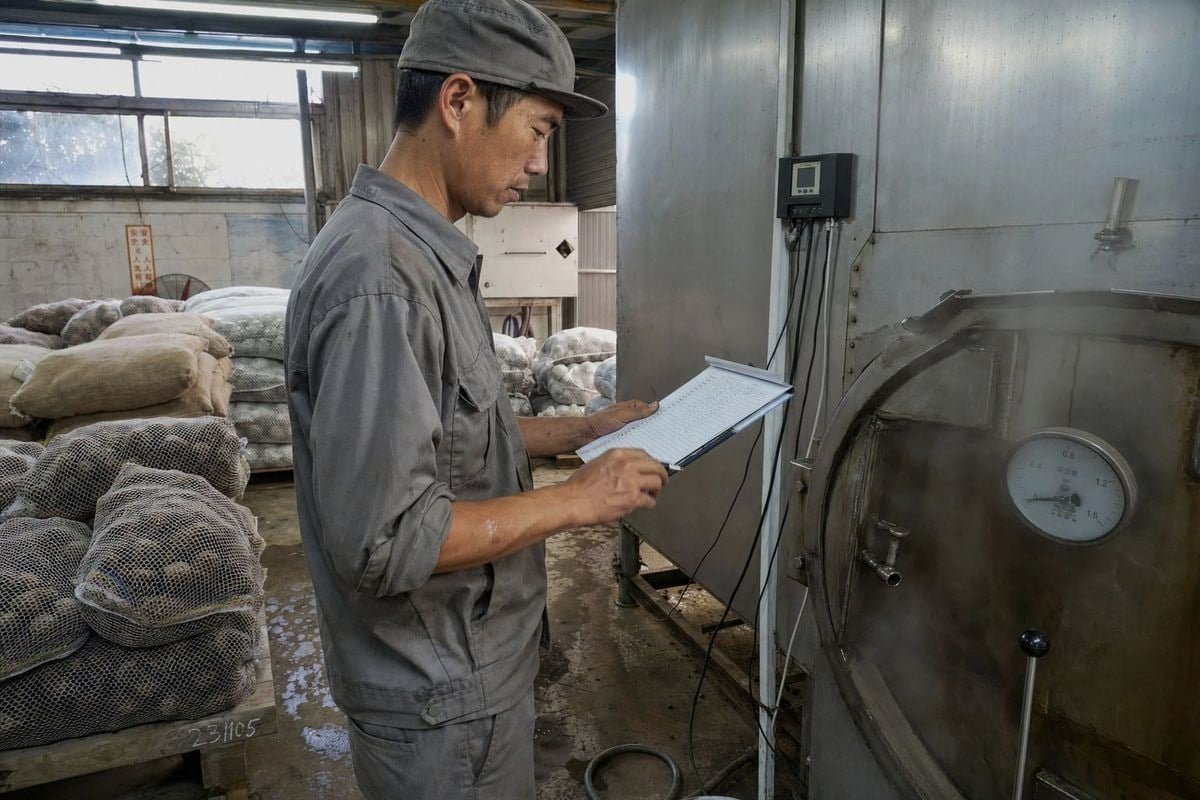
En nuestro sitio de producción de Ningbo, cada lote de piñas de llama de color se somete a un tratamiento documentado de plagas 2 antes de que vea un contenedor. Ese hábito provino de 17 años de exportación a EE. UU. y más de 30 mercados.
Necesita un certificado oficial de fumigación o tratamiento que muestre el método (bromuro de metilo o tratamiento térmico), la dosis, la temperatura, el tiempo de exposición y la identidad de la instalación, además de un certificado fitosanitario emitido por la Organización Nacional de Protección de Plantas de China que confirme que las piñas cumplen con los requisitos de entrada del USDA APHIS y están libres de plagas vegetales.
Las piñas se encuentran en una zona gris. Son material botánico, por lo que Regulaciones del USDA APHIS 3 trátelas como una posible vía de plagas vegetales, incluso cuando estén pintadas, enceradas o vendidas como decoración para colorear con fuego. APHIS ha declarado que las piñas de China son elegibles para la importación a EE. UU. solo si cumplen todos los requisitos de entrada y llegan libres de plagas vegetales. Esa única condición impulsa todo lo demás.
Los dos métodos de tratamiento reconocidos
Hay dos tratamientos que las autoridades estadounidenses reconocen ampliamente para productos de madera y forestales. Su certificado debe nombrar uno de ellos y demostrar que se realizó correctamente.
| Tratamiento | Parámetros clave | Qué debe mostrar el certificado |
|---|---|---|
| Tratamiento con bromuro de metilo (MB) | Dosis reglamentada, exposición mínima de 16 horas para materiales de madera, temperatura ambiente no inferior a 5 °C | Concentración química, fecha, duración, temperatura, nombre de la instalación |
| Tratamiento térmico (HT) | Temperatura central de 56 °C mantenida durante al menos 30 minutos | Registro de temperatura, tiempo de mantenimiento, fecha de tratamiento, identidad de la instalación |
Un sello genérico de "fumigado" de una línea no es suficiente. En nuestra experiencia enviando productos de fuego a distribuidores estadounidenses, los corredores y los oficiales de Protección de Plantas y Cuarentena quieren los parámetros,
Notas al pie
Proporciona contexto botánico para las piñas de coníferas, que incluyen las piñas discutidas en el artículo. ↩︎
Manuales oficiales del USDA que detallan los métodos de tratamiento de plagas aprobados para productos agrícolas importados. ↩︎
Fuente oficial de requisitos de importación de salud vegetal y estándares regulatorios para materiales botánicos. ↩︎
 English
  Spanish
  German
  French
  Arabic
  Portuguese
Únete a la conversación