






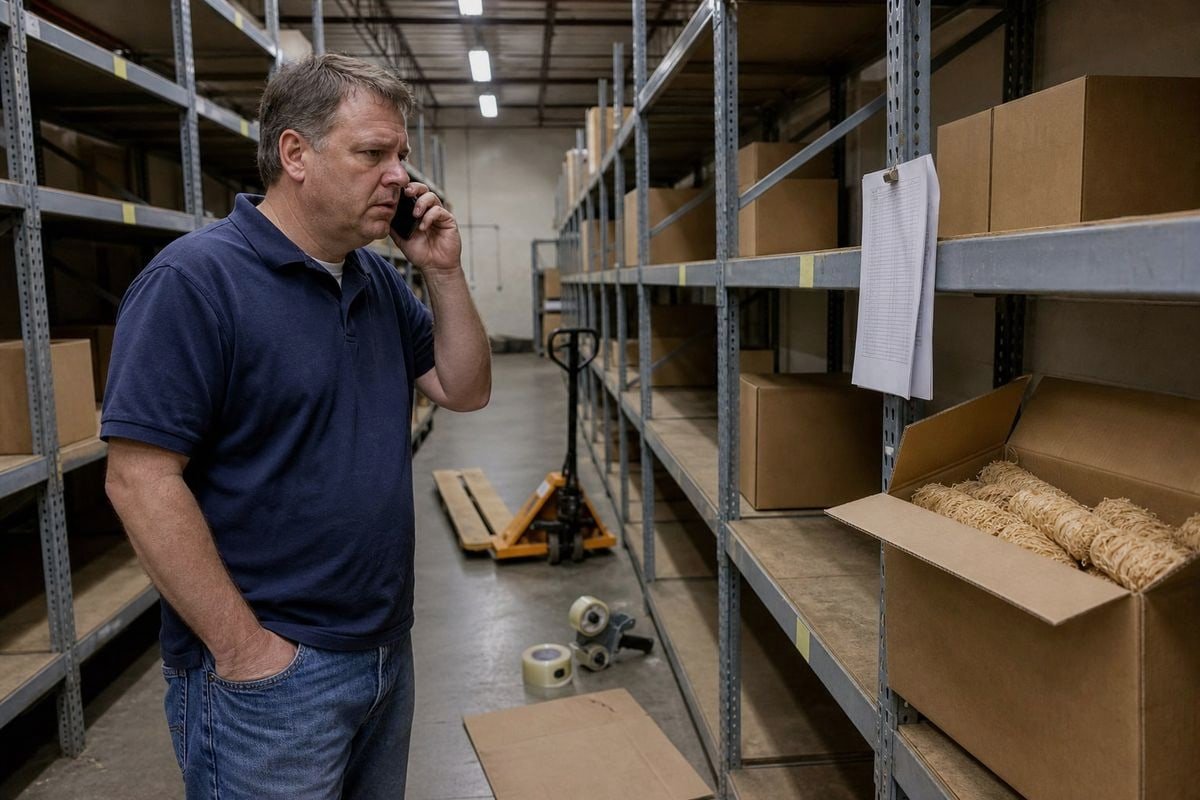
Last winter, a distributor called our Ningbo plant in a panic ISPM 15 compliance 1. His wood fire starters had sold out six weeks early. Every day empty meant lost shelf space, angry retailers, and shrinking trust.
For emergency restocking of wood fire starters, choose air freight when a stockout will hit within days, and sea freight for planned, larger replenishment. Air arrives in 3–7 days at 5–15x the cost; sea takes 20–45 days but protects margin.
The right answer depends on your timeline, order size, and packaging CE documentation 2. Let me walk you through how we help buyers make this call every peak season.
How do I decide between air freight and sea freight when my wood fire starter stock runs low?
The first question I ask any buyer who emails us in a rush is simple: will you actually run out before an ocean container can land? That one answer changes everything.
Decide by comparing your days of remaining stock against sea transit time. If inventory will last 30–50 days, book sea freight. If you will sell out in under two weeks, air freight is justified because lost sales usually cost more than the freight premium.

This is fundamentally a speed-versus-cost decision, but the smart way to frame it is total damage, not freight rate. In our seventeen-plus years shipping fire-starting goods to the US, Germany, the UK, and beyond, the buyers who lose the most money are not the ones who paid for air. They are the ones who waited too long, saved nothing, and lost their Q4 shelf position anyway.
Start with a side-by-side comparison
| Factor | Air Freight | Sea Freight |
|---|---|---|
| Transit time | 3–7 days | 20–45 days |
| Cost per kg | 5–15x higher | Baseline (lowest) |
| Best order size | Small top-ups, under ~500 kg | Full pallets, LCL, or FCL |
| Reliability | High, frequent departures | Vulnerable to port congestion |
| Emissions | High per ton-km | Far lower per ton-km |
| Typical use | Emergency bridge | Baseline replenishment |
A simple decision rule
Run this three-step check before you commit:
- Count your days of sellable inventory at current sales velocity.
- Add sea transit plus customs clearance and inland delivery, usually 30–50 days door to door from our Ningbo production base.
- If step one is shorter than step two, you have a genuine emergency. Air freight, or at least a split shipment, is on the table.
One more factor matters for our product category specifically. Wood fire starters made from wood wool and paraffin are light but bulky. That works against air freight, where dimensional pricing punishes low-density cargo. So even in a true emergency, we help buyers tighten carton dimensions before quoting air rates. Sometimes better packing alone cuts the air bill by a meaningful margin.
A buyer in the Netherlands once forwarded me an air quote that looked reasonable, then the final invoice came in nearly double. The gap was not the rate. It was everything around it.
Expect chargeable weight based on dimensions, hazardous-goods or combustibility surcharges, higher insurance premiums, airport handling fees, express customs charges, and ISPM 15 or fumigation documentation costs. Together these can add 30–60% beyond the quoted per-kilogram air rate.
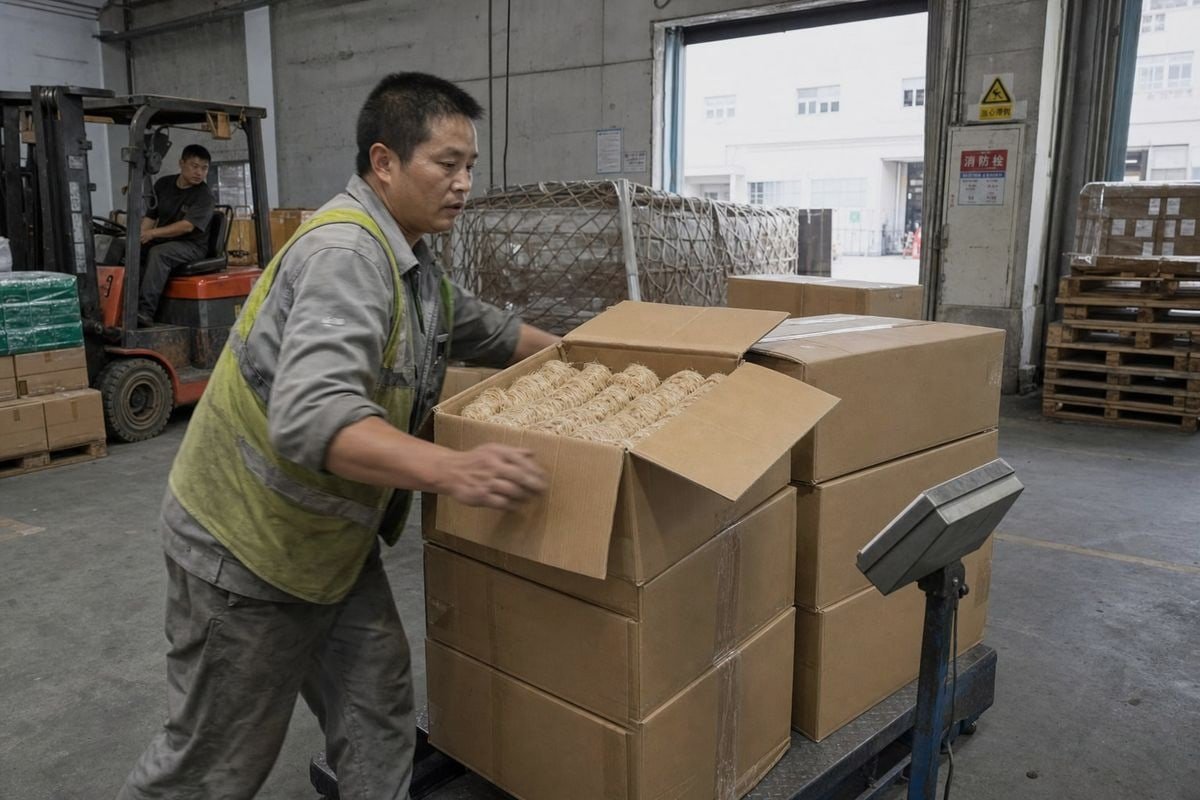
Air freight quotes rarely tell the whole story, and wood fire starters carry a few cost traps that generic cargo does not. I want to break these down honestly, because we would rather a buyer budget correctly than get surprised.
Dimensional weight is the biggest trap
Airlines bill by chargeable weight, which is the greater of actual weight and volumetric weight 3. Our wax-dipped wood rolls are compressed wood fiber and paraffin. They are not heavy, but retail-ready display boxes take up space. A shipment weighing 300 kg on the scale can easily be billed at 450 kg or more once the carrier measures the cartons. When we prepare emergency air shipments, we sometimes switch buyers from display cartons to dense master cartons and ship the retail packaging separately by sea. It is extra coordination, but it works.
Compliance and documentation costs
| Hidden Cost | Why It Applies to Fire Starters | Typical Impact |
|---|---|---|
| Combustibility classification | Paraffin-and-wood-fiber products may need declarations or MSDS review 4 | Carrier surcharges or airline refusal |
| ISPM 15 / fumigation paperwork | Wood-based goods and wood pallets need treatment certificates | Fees plus possible delays |
| Higher cargo insurance | Combustible goods sit in a higher risk class | Elevated premium |
| Express customs clearance | Emergency timelines demand priority processing | Broker rush fees |
| Airport terminal handling | Charged per shipment at both ends | Fixed fees hurt small orders most |
This is one place where working with a certified factory pays off. Because our products ship with SGS and Intertek 5 test reports and proper composition labeling, airlines and forwarders can classify the cargo quickly. Missing paperwork is the single most common cause of an "emergency" shipment sitting in a cargo terminal for a week, which defeats the entire point of paying for air.
Can my supplier split an order to combine air freight for urgent units with sea freight for the rest?
Split shipments are one of the most common requests we handle in October and November, and honestly, they are often the smartest answer. We build our production schedule around making them possible.
Yes, a capable factory can split one order into an air portion and a sea portion. You air-ship two to four weeks of urgent stock to bridge the gap, while the bulk travels by ocean. This typically cuts total freight cost by 60–80% versus all-air.
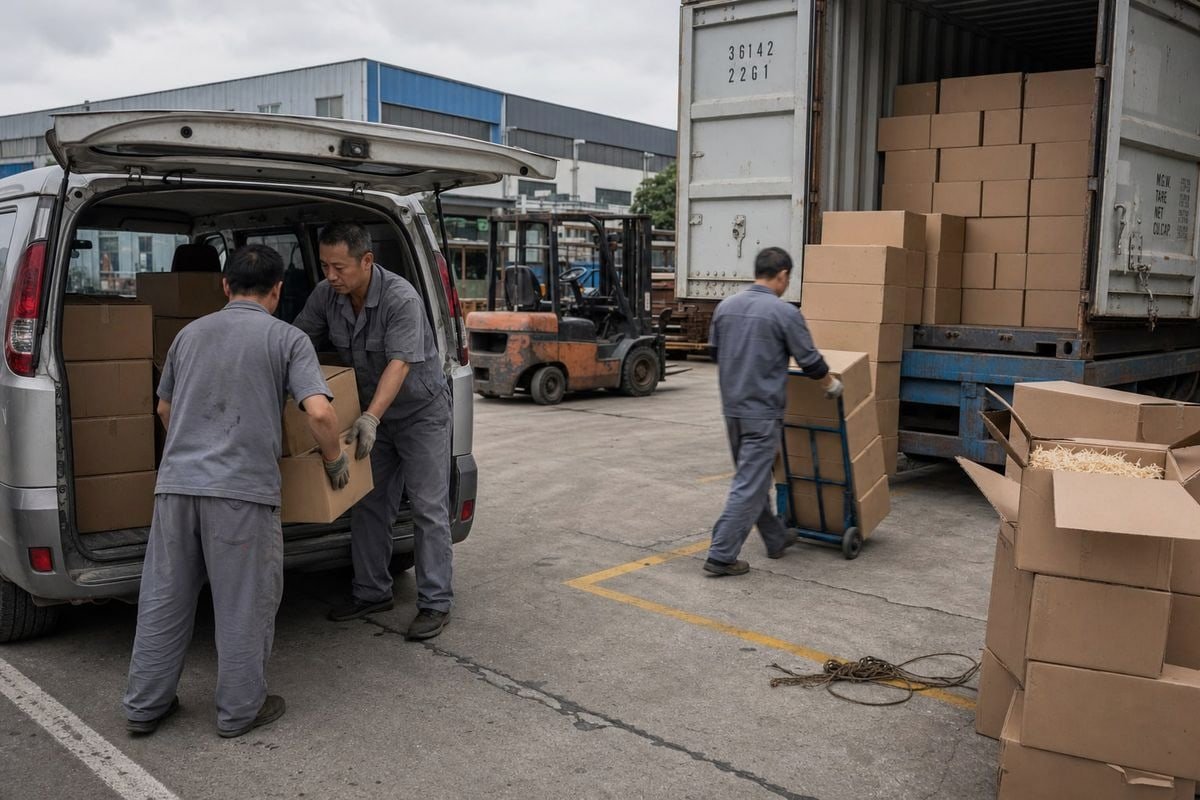
Not every supplier will do this well, though, and the details determine whether a split shipment saves you or creates two problems instead of one. Here is how we structure it at our factory, and what you should demand from any partner.
How a well-run split shipment works
- We confirm your true weekly sales rate and calculate the minimum air quantity needed to bridge until the ocean container clears customs.
- The air portion gets packed first, in dense, air-optimized cartons, and moves as soon as that batch passes QC. It does not wait for the full order.
- The sea portion continues on the normal line, gets palletized on standard export pallets with ISPM 15 compliance 6, and books the next sailing.
- Both shipments carry matching batch documentation and test reports so customs treats them consistently.
The critical requirement is batch-to-batch consistency. If the air-shipped units burn differently or look different from the sea-shipped units, your retail customers will notice, and you will field complaints. This is exactly why we run strict batch QC on burn time and wax coating. The first pallet and the last pallet must behave identically, whether they flew or sailed.
Consider the sea-air combination too
There is a middle path worth knowing. Ocean freight to a regional hub, followed by short-haul air to the final destination, can cut lead times by roughly 40–50% while keeping costs far below pure air. It is not fast enough for a one-week emergency, but for a three-to-four-week gap it can be the sweet spot. We have arranged this for buyers when a pure air quote made the margin math ugly.
One caution on MOQs: sea freight MOQs are typically higher, and air top-ups work best under about 500 kg. We keep trial and top-up MOQs flexible for exactly this reason, because forcing a buyer to air-ship a full container quantity helps nobody.
How far in advance do I need to reorder wood fire starters to avoid relying on air freight altogether?
The hardest lesson I have watched importers learn is that most "emergencies" are really planning failures with a delay. The stockout that hits in November was usually decided back in August.
Reorder wood fire starters 60–90 days before you expect to need the stock. That window covers production lead time, 20–45 days of ocean transit, customs clearance, and a 2–3 week buffer, which eliminates most emergency air freight during Q4 peak demand.

Wood fire starter demand is brutally seasonal. Orders from our US and European buyers concentrate ahead of Q4 and winter, and everyone's containers compete for the same sailings and the same port capacity. If you plan around that reality, air freight becomes a rare exception instead of an annual tax on your margin.
Build your timeline backward from the shelf date
| Stage | Typical Duration | Notes |
|---|---|---|
| Production and QC | 2–4 weeks | Longer for custom private-label packaging |
| Booking and export handling | 1 week | Peak season can stretch this |
| Ocean transit | 20–45 days | Lane and congestion dependent |
| Customs and inland delivery | 1–2 weeks | Faster with complete compliance documents |
| Safety buffer | 2–3 weeks | Your insurance against everything above |
Add those stages up and you land at roughly 60–90 days. That matches what freight forwarders consistently recommend: build two to three weeks of buffer stock ahead of peak season rather than gambling on perfect timing.
Practical habits that keep you off air freight
A few things we coach long-term buyers to do. First, confirm MOQs and pallet configurations early, because standard pallet fit affects both container utilization and how fast a reorder can move. Second, watch sell-through weekly from September onward, not monthly. A demand spike caught two weeks earlier is the difference between a routine sea booking and a panicked air quote. Third, consider forecasting tools; modern demand-planning software can flag seasonal fire starter shortages 60–90 days out, which is exactly the window you need. Finally, keep your compliance file current. Our buyers who maintain updated CE documentation 7 and test reports clear customs days faster, and those days come straight off your required buffer.
The buyers we have served for years rarely air-ship anymore. They place baseline orders early, keep a modest top-up option open, and treat air freight as a break-glass tool, not a habit.
Conclusion
Stockouts destroy revenue faster than freight bills do. Use sea freight as your baseline, air freight as your emergency bridge, and 60–90 day planning to rarely need the bridge at all.
Footnotes
1. ISPM 15 is the international standard for wood packaging treatment referenced in the export process. ↩︎
2. CE marking is an EU regulatory requirement mentioned as part of customs compliance documentation. ↩︎
3. Defines the dimensional/volumetric weight concept driving air freight pricing traps. ↩︎
4. OSHA hazard communication page explains MSDS requirements for combustible goods. ↩︎
5. SGS is a leading third-party testing and certification body cited for product compliance. ↩︎
6. Explains the international wood-packaging treatment standard referenced for sea shipments. ↩︎
7. Official EU page explaining CE marking documentation for compliant customs clearance. ↩︎



 English
  Spanish
  German
  French
  Arabic
  Portuguese
Join the Conversation