






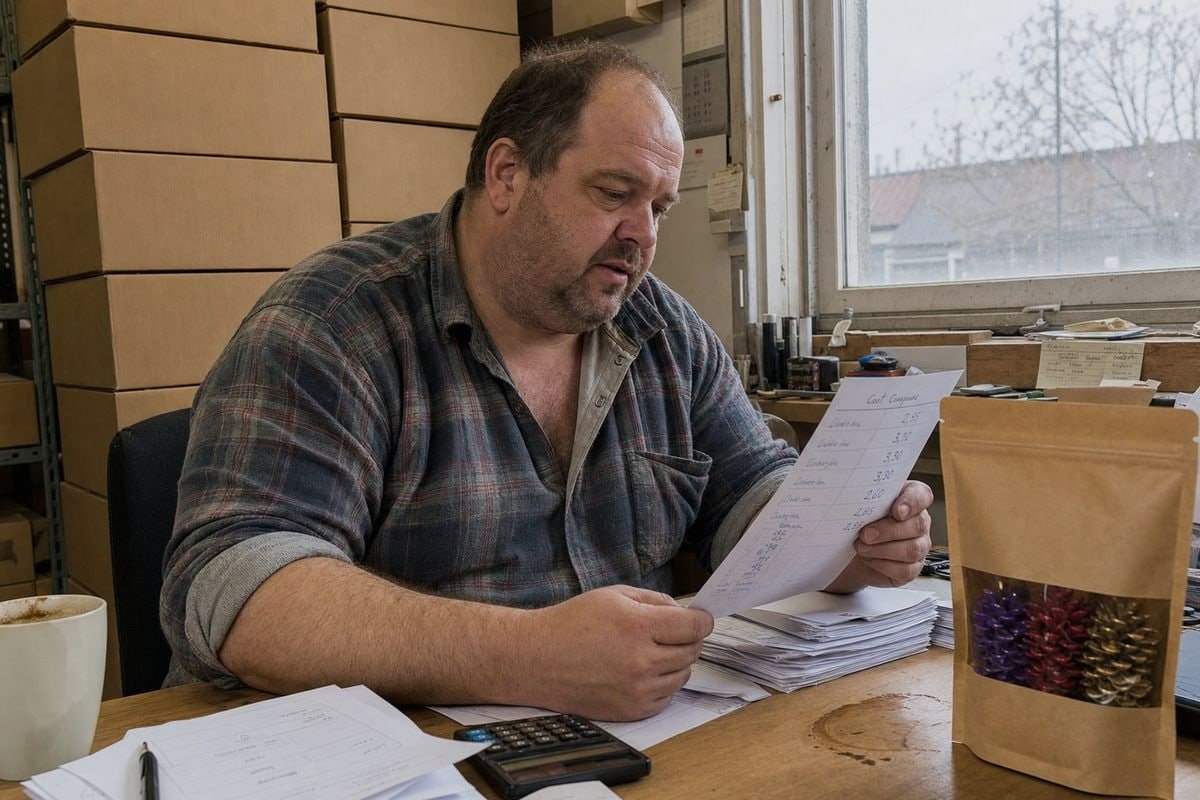
Käufer fragen mich jede Saison in unserer Produktionshalle: ihre Kamin-Kiefernkerne verkaufen sich gut, Agenturprovisionen 1 steigen weiter, und niemand kann ihnen genau sagen, wann die Direktbeschaffung endlich von Vorteil ist.
Die meisten Importeure sollten von Agenturgebühren auf interne Beschaffung für Kamin-Kiefernkerne umsteigen, sobald der jährliche Einkaufswert etwa 500.000 bis 1.000.000 US-Dollar oder 3–5 volle Container pro Jahr erreicht, da bei diesem Volumen eine Agenturprovision von 3–10 % die vollen Kosten für die direkte Verwaltung ein oder zwei Fabriken übersteigt.
Diese Zahl ist ein Ausgangspunkt, keine Regel. Die wirkliche Antwort hängt von Ihrer Gebührenstruktur, der Bestellhäufigkeit und davon ab, was Ihr Agent tatsächlich für Sie tut. OEM/ODM 2. Lassen Sie mich jedes Teil durchgehen.
Welches Bestellvolumen rechtfertigt den Wechsel von einem Beschaffungsagenten zu einer direkten Fabrikbeziehung?
Einer unserer deutschen Händler hat genau diesen Schritt vor zwei Jahren gemacht. Er hatte unsere Farbflammen-Kiefernkerne drei Saisons lang über einen Agenten bezogen, bevor er sich direkt an unser Werk in Ningbo wandte.
Eine direkte Fabrikbeziehung wird in der Regel ab 3–5 vollen Containerladungen pro Jahr gerechtfertigt, oder bei jährlichen Ausgaben von 500.000 bis 1.000.000 US-Dollar. Darunter sind Agenturgebühren in der Regel günstiger als interne Gemeinkosten; darüber hinaus übersteigen Provisionen von 3–10 % die Kosten für die eigene Verwaltung von Lieferanten.
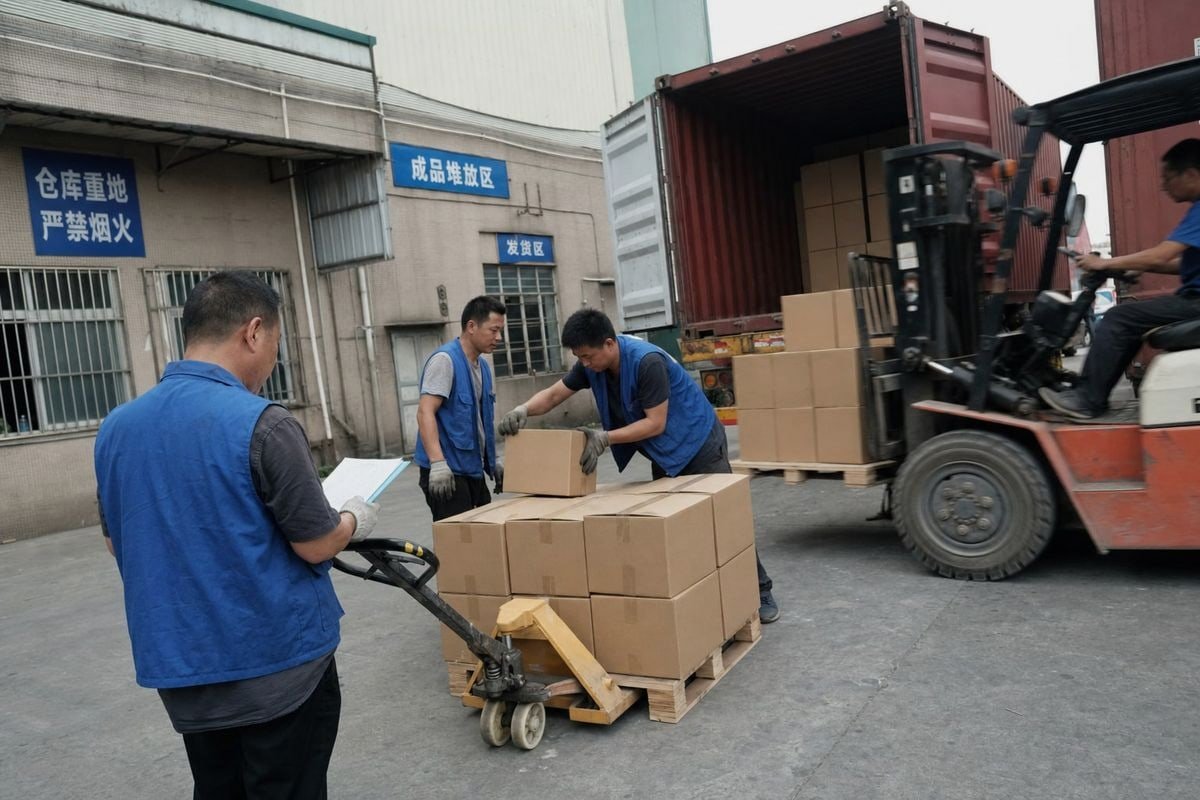
Die Schwelle ist keine einzelne Umsatzgröße. Es ist der Punkt, an dem Ihr Volumen groß genug, wiederholbar und standardisiert genug wird, um feste Beschaffungskosten auf viele Einheiten zu verteilen. Nach meiner Erfahrung im Export in die USA und nach Europa seit über 17 Jahren sind drei Bedingungen wichtiger als reine Dollarbeträge.
Die drei Bedingungen, die wichtiger sind als der Umsatz
Erstens, Bestellwiederholbarkeit. Wenn Sie jedes Quartal die gleiche Farbflammen-Kiefernkern-Spezifikation nachbestellen, gewinnt die Direktbeschaffung früh. Wenn Sie jede Saison neue SKUs jagen, verdient ein Agent immer noch seine Gebühr.
Zweitens, Lieferantenkonzentration. Die Verwaltung einer zertifizierten Fabrik direkt ist einfach. Die Verwaltung von acht kleinen Werkstätten ist eine Aufgabe Lieferkettenmanagement 3. Käufer, die sich bei einem einzigen konformen Hersteller konzentrieren, können den Agenten viel früher ausschalten.
Drittens, Produktstandardisierung. Kamin-Kiefernkerne klingen einfach, aber sie beinhalten wild gesammelte Rohstoffe, saisonale Lieferungen, die sich um Q4 konzentrieren, Ofentrocknung und phytosanitäre Behandlung 4. Eine stabile Spezifikation mit einer Fabrik, die diese Schritte intern kontrolliert, senkt Ihr Wechselrisiko dramatisch.
Volumenbänder im Überblick
| Jährliches Volumen | Typischer Jahresumsatz | Bestes Modell |
|---|---|---|
| Unter 1 Container | Unter 100.000 $ | Bleiben Sie beim Agenten |
| 1–3 Container | 000 $–500.000 $ | Hybrid: Agent für die Prüfung, direkt für Wiederholungen |
| 3–5 Container | 000 $–1.000.000 $ | Übergang zur direkten Fabrikbeziehung |
| 5+ Container | 000.000 $+ | Vollständige Eigenbeschaffung gewinnt normalerweise |
Ein gängiger Konsens-Benchmark sind 20–40 Tonnen pro Monat, bei denen sich eine interne Beschaffungsfunktion innerhalb von 6–12 Monaten amortisiert. Für wild gesammelte Kiefernkerne speziell drängen einige Analysten die Schwelle für die vollständige Eigenbeschaffung höher – 200–500 Tonnen pro Jahr –, wenn Sie Ernten vertraglich vereinbaren und außerhalb der Saison selbst lagern möchten. Die meisten Käufer benötigen das nie; die direkte Partnerschaft mit einer Fabrik, die die Erntekoordination bereits übernimmt, erfasst die meisten Einsparungen ohne den Personalaufwand.
Wie berechne ich die wahren Kosten von Agentengebühren im Vergleich zur direkten Zusammenarbeit mit einem Hersteller wie Sunrich?
Wenn wir Angebote FOB-Preis 5von unserer Fabrik machen, vergleichen Käufer sie manchmal mit agenteninklusive Angeboten und sind verwirrt. Die beiden Zahlen messen unterschiedliche Dinge, daher muss die Mathematik zuerst bereinigt werden.
Vergleichen Sie die gesamten Anschaffungskosten, nicht den Stückpreis: Addieren Sie die Agenturprovision (3–10% des Bestellwerts) plus alle Pauschalen zu Ihren aktuellen Kosten, vergleichen Sie diese dann mit dem direkten Fabrikpreis plus internen Arbeitskosten, Musterkosten, Reisekosten, Compliance-Prüfungen und Qualitätskontrolle. Wechseln Sie, wenn der zweite Wert zuverlässig niedriger ist.

Die Formel selbst ist einfach. Die Disziplin liegt im Zählen von allem. Ich habe gesehen, wie Käufer die Einsparung einer 7%igen Provision gefeiert haben, dann aber leise 8–15% neue Betriebskosten übernommen haben, die ihr Agent früher übernommen hat – Lieferantenprüfung, Inspektionskoordination, Nachverhandlung, Dokumentenverfolgung. Das ist keine Ersparnis. Das ist Umbenennung.
Ein ausgearbeitetes Break-Even-Beispiel
Angenommen, 600.000 $ Jahresumsatz für Farbflammen-Kiefernkerne.
| Kostenpunkt | Agentenmodell | Direktmodell |
|---|---|---|
| Produktkosten (FOB) | $600,000 | 000 $ (ca. 2% besser verhandelt) |
| Agenturprovision (6%) | $36,000 | $0 |
| Teilzeit-Beschaffungspersonal | $0 | $25,000 |
| Reise- und Fabrikbesuche | $0 | $6,000 |
| Drittanbieterinspektionen | Gebündelt | $4,000 |
| Muster- und Compliance-Dokumente | Gebündelt | $3,000 |
| Gesamt | $636,000 | $626,000 |
Bei $600K gewinnt die Direktbeschaffung mit etwa $10K – dünn, aber real, und die Marge vergrößert sich jedes Jahr mit wachsendem Volumen. Führen Sie dieselbe Tabelle bei einem Ausgabenvolumen von $250K durch, und das Agentenmodell gewinnt normalerweise, da Personal- und Reisekosten nicht proportional sinken.
Beobachten Sie die Gebührenstruktur
Provisionsbasierte Agenten werden mit zunehmendem Umfang automatisch teurer, was den Break-Even-Punkt näher rückt. Fixpreis- oder Retainer-Agenten (oft Hunderte bis wenige Tausend Dollar pro Monat) rücken ihn weiter weg, da ihre Kosten nicht mit dem Volumen steigen. Beachten Sie auch, dass Agenten bei größeren Bestellungen oft ihren Prozentsatz senken – fragen Sie daher vor einem Wechsel nach einem neu verhandelten Satz. Ihr tatsächlicher Wendepunkt kann höher sein, als Sie denken.
Ein weiterer Faktor kippt die Rechnung zugunsten der Direktbeschaffung: eine Fabrik, die den Service-Stack bündelt. Da wir über ISO 9001, BSCI, CE und SGS/Intertek-Zertifizierungen mit Prüfberichten verfügen und unsere eigene Chargen-zu-Chargen-Qualitätssicherung durchführen, schrumpfen oder verschwinden mehrere Inspektions- und Compliance-Posten in der obigen Tabelle, wenn Käufer direkt mit uns zusammenarbeiten.
Welche versteckten Risiken sollte ich beachten, wenn ich über meinen Agenten hinaus in die direkte Beschaffung von Kamin Kiefernzapfen expandiere?
Ein britischer Käufer erzählte mir einmal, dass sein erster Versuch der Direktbeschaffung nicht am Preis gescheitert sei, sondern an einer Sendung, die wegen fehlender phytosanitärer Behandlungsnachweise beim Zoll festgehalten wurde. Sein Agent hatte diese Unterlagen jahrelang stillschweigend erledigt.
Die größten versteckten Risiken sind Compliance-Lücken (Pflanzenschutzbehandlung, USDA/APHIS oder EU-Importbestimmungen), saisonales Lieferversagen bei wild gesammelten Rohstoffen, Qualitätsabweichungen zwischen Chargen und die Übernahme gebündelter Agenturdienstleistungen – Inspektion, Nacharbeitshandhabung und Logistikoordination – ohne einen Plan, diese zu ersetzen.
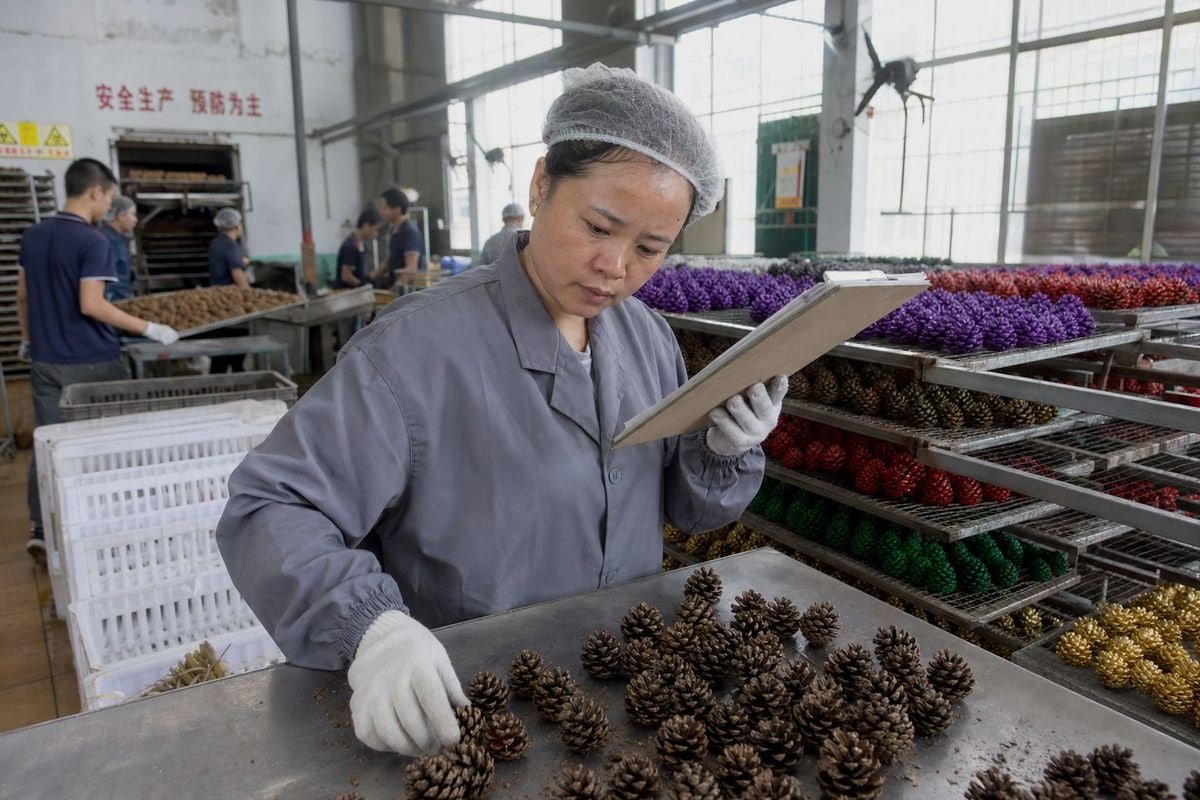
Kamin-Kiefernkegel sind kein standardmäßiges hergestelltes Widget. Die rohen Zapfen werden wild gesammelt, die Saison konzentriert sich auf den Herbst, und das fertige Produkt berührt offene Flammen im Haus eines Kunden. Jede dieser Tatsachen birgt ein Risiko, das Ihr Agent möglicherweise stillschweigend gemanagt hat.
Risiko Eins: Compliance und Behandlung
Behandelte pflanzliche Produkte unterliegen strengen Einfuhrbestimmungen. Ofentrocknung und Schädlingsbekämpfung zur Erfüllung USDA/APHIS 6 oder EU-Standards ist ein versteckter Kostenfaktor, den Agenten oft in ihren Preis einrechnen. Bei der Direktbeschaffung müssen Sie überprüfen, ob Ihre Fabrik diese Behandlung durchführt und dokumentiert. In unserem Werk werden Behandlungsnachweise und SGS/Intertek-Prüfberichte mit jeder Bestellung versandt, da dies für unsere US-amerikanischen und europäischen Käufer eine zwingende Anforderung und kein Nice-to-have ist.
Risiko Zwei: Saisonale Versorgung und Lagerung
Die Ernte erfolgt in einem engen Zeitfenster. Die Nachfrage erreicht im 4. Quartal ihren Höhepunkt. Wenn Ihrem Lieferanten Lagerkapazitäten außerhalb der Saison und Ernteverträge fehlen, erben Sie diese Lücke. Fragen Sie direkt nach, wie die Rohstoffe für das Jahr gesichert werden.
Risiko Drei: Qualitätsdrift
Farbflammen-Chemie muss von Charge zu Charge konsistent sein – Flammenfarbe, Brenndauer und Sicherheit. Ohne einen Inspektor, der für Sie prüft, bestehen Sie auf einer Fabrik, deren erste Probe die Massenproduktion zuverlässig widerspiegelt. Wir haben unseren QS-Prozess genau auf dieses Versprechen aufgebaut, denn eine schlechte Charge im Einzelhandel kostet eine Marke weitaus mehr als jede Provision.
| Risiko | Agent hat es übernommen durch... | Ihr direkter Ersatz |
|---|---|---|
| Nichteinhaltung der Vorschriften | Dokumente prüfen | Zertifizierte Fabrik + Prüfberichte |
| Lieferengpass | Mehrere Lieferanten als Backup | Ernteverträge + Lagerbestätigung |
| Qualitätsdrift | Vorversandinspektion | Fabrik-QS-Audit + Drittanbieterprüfungen |
| Logistikfehler | Koordinationsservice | Fabrik mit Exportlogistikunterstützung |
Wie kann ich feststellen, ob mein Unternehmen zu groß für externe Agenten für Color-Flame-Kiefernzapfenimporte geworden ist?
Das klarste Signal, das ich bei Hunderten von Käufergesprächen bemerkt habe: Wenn ein Einkaufsmanager beginnt, unserer Fabrik technische Fragen zu senden, die sein Agent nicht beantworten kann, ist die Beziehung normalerweise bereits über den Zwischenhändler hinausgewachsen.
Sie sind Ihrem Agenten entwachsen, wenn Bestellungen wiederholbar und standardisiert sind, die jährlichen Provisionen das Gehalt eines freiberuflichen Einkäufers übersteigen, Sie sich auf ein oder zwei stabile Lieferanten verlassen und Sie die direkte Kontrolle über Spezifikationen, Eigenmarken und Compliance-Dokumente benötigen, die Ihr Agent nur aus zweiter Hand weitergibt.

Verwenden Sie eher eine Checkliste als eine einzelne Metrik. Wenn Sie fünf oder mehr dieser Punkte abhaken, beginnen Sie mit der Planung des Übergangs.
Die Checkliste mit sieben Signalen
- Provisionsmathematik hat sich umgekehrt. Ihre jährlichen Agentengebühren übersteigen jetzt die Vollkosten einer Teilzeit-Beschaffungsstelle.
- Ihre Bestellungen wiederholen sich. Sie bestellen die gleiche Farbflammen-Kiefernkegel-Spezifikation, Verpackung und Kennzeichnung Saison für Saison wieder.
- Ihre Lieferantenbasis ist konzentriert. Ein oder zwei Fabriken produzieren den Großteil Ihres Volumens.
- Sie benötigen Spezifikationskontrolle. Benutzerdefinierte Brenndauern, Farbflammen, Private-Label-Beutel, Warnhinweise, und Barcodes erfordern einen direkten technischen Dialog – genau die OEM/ODM-Gespräche 7 die wir täglich mit Marken führen.
- Compliance ist geschäftskritisch. Ihre Einzelhandelskanäle verlangen ISO-, BSCI-, CE- und Laborprüfberichte, und Sie möchten sie von der Quelle erhalten, nicht über einen Dritten weitergeleitet.
- Kommunikationsverzögerung schadet. Jede Frage, die über den Agenten geleitet wird, verlängert die Produktentwicklung um Tage.
- Sie können die Arbeitslast bewältigen. Jemand in Ihrem Team kann die Lieferantenkommunikation, Inspektionen und Versanddokumente übernehmen.
Ein fairer Einwand verdient hier eine Antwort: Agenten argumentieren, dass sie die Gesamtkosten senken, indem sie Preise verhandeln und Fehler vermeiden. Das stimmt wirklich bei geringem Volumen. Aber sobald Ihre Bestellungen standardisiert sind und Ihre Fabrik zertifiziert und exportunerfahren ist, wird ein Großteil dieses Service-Stacks überflüssig – Sie zahlen Provision für Arbeit, die die Fabrik bereits leistet. Der intelligente Weg ist normalerweise zuerst ein Hybridansatz: Behalten Sie den Agenten für die Prüfung neuer Produkte bei, während Sie eine direkte Beziehung zu Ihren wiederkehrenden SKUs aufbauen, und wechseln Sie dann vollständig, wenn die Ausgaben sich der Millionengrenze nähern.
Schlussfolgerung
Es gibt keine magische Zahl – aber steigende Agentengebühren für wiederholbare Bestellungen schmälern leise die Marge. Führen Sie die Break-Even-Rechnung durch und arbeiten Sie dann direkt mit einer zertifizierten Fabrik zusammen, wenn das Volumen dies rechtfertigt.
In diesem Artikel ist das Muster durchgängig: Agenten verdienen ihre Gebühr bei geringem, unregelmäßigem Volumen; die Direktbeschaffung gewinnt, sobald Bestellungen groß, standardisiert und häufig werden, typisch etwa 3–5 Container oder $500K–$1M an jährlichen Ausgaben. Die entscheidenden Faktoren sind Ihre Gebührenstruktur, Ihre Fähigkeit, gebündelte Dienstleistungen zu ersetzen, und die Compliance-Tiefe Ihrer Fabrik. Von unserer Seite der Produktionslinie aus sind die Käufer, die am reibungslosesten wechseln, diejenigen, die einen Partner mit Zertifizierungen, chargenkonsistenter Qualitätskontrolle und bereits vorhandenem One-Stop-OEM-Support wählen – daher bedeutet die Direktvergabe die Übernahme der Kontrolle, nicht die Übernahme von Risiken.
Fußnoten
Offizielle Ressource der US-Handelsbehörde zu Importkosten und Gebührenstrukturen von Beschaffungsagenten. ↩︎
Erläutert die für Eigenmarken erwähnten OEM/ODM-Fertigungsvereinbarungen



 English
  Spanish
  German
  French
  Arabic
  Portuguese
Diskutieren Sie mit