






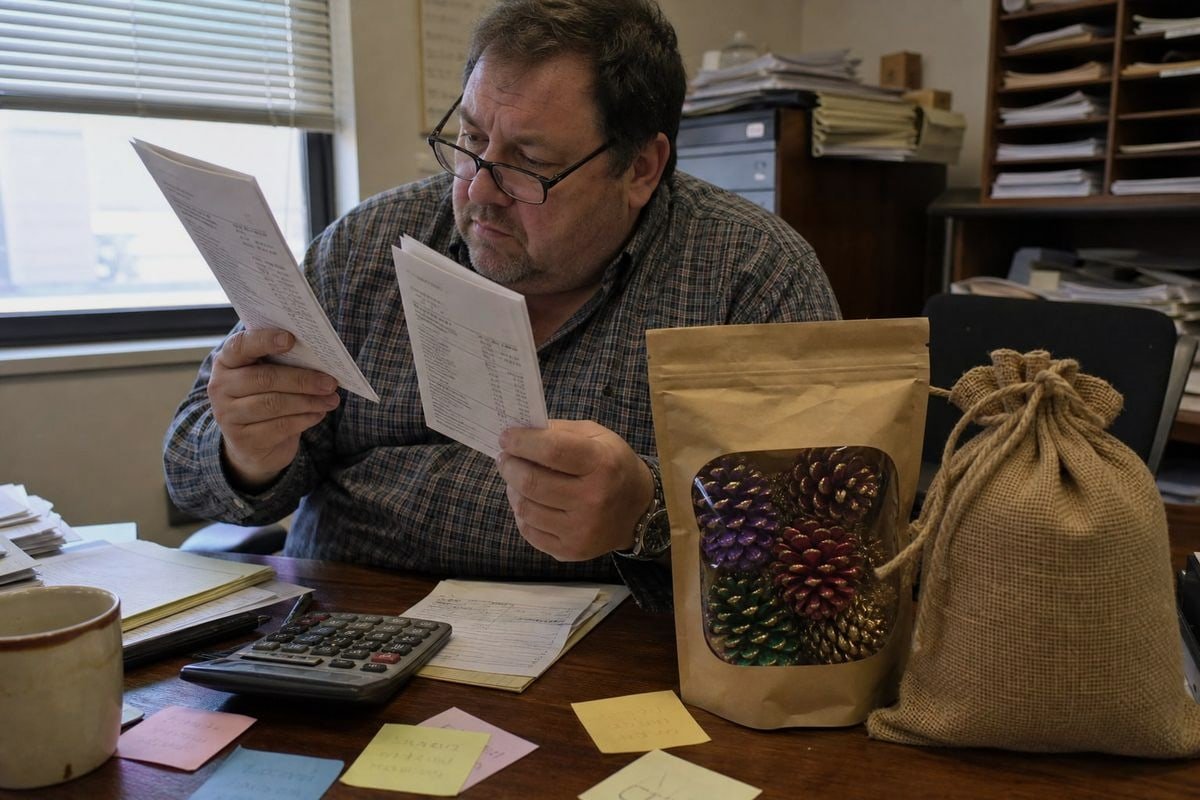
Buyers ask me about the local sourcing agent vs Phytosanitäre Zertifikate 1. direct Chinese suppliers cost gap constantly. On our pinecone production line, I've watched both routes succe 2ed — and fail expensively.
A local sourcing agent typically adds 3%–10% in fees, while direct Chinese suppliers quote lower unit prices for pine cones. However, once inspection, freight consolidation, defect risk, and documentation are included, total landed cost often favors agents for small first orders and direct sourcing for large repeat orders.
That single sentence hides a lot of nuance. Pine cones are bulky, seasonal, and quality-sensitive. So the quote you see first is rarely the cost you actually pay. Let me break the numbers down properly.
Last season, a Dutch importer showed me two quotes side by side — ours and an agent's. He almost chose on unit price alone. I stopped him and mapped his real costs first.
Expect hidden fees on both routes: agents may embed markups of 3%–10% in the unit price or invoice them separately, while direct sourcing adds sample shipping, third-party inspections at $200–$400 per visit, travel costs, fumigation charges of $0.50–$2 per kg, and rework risk.
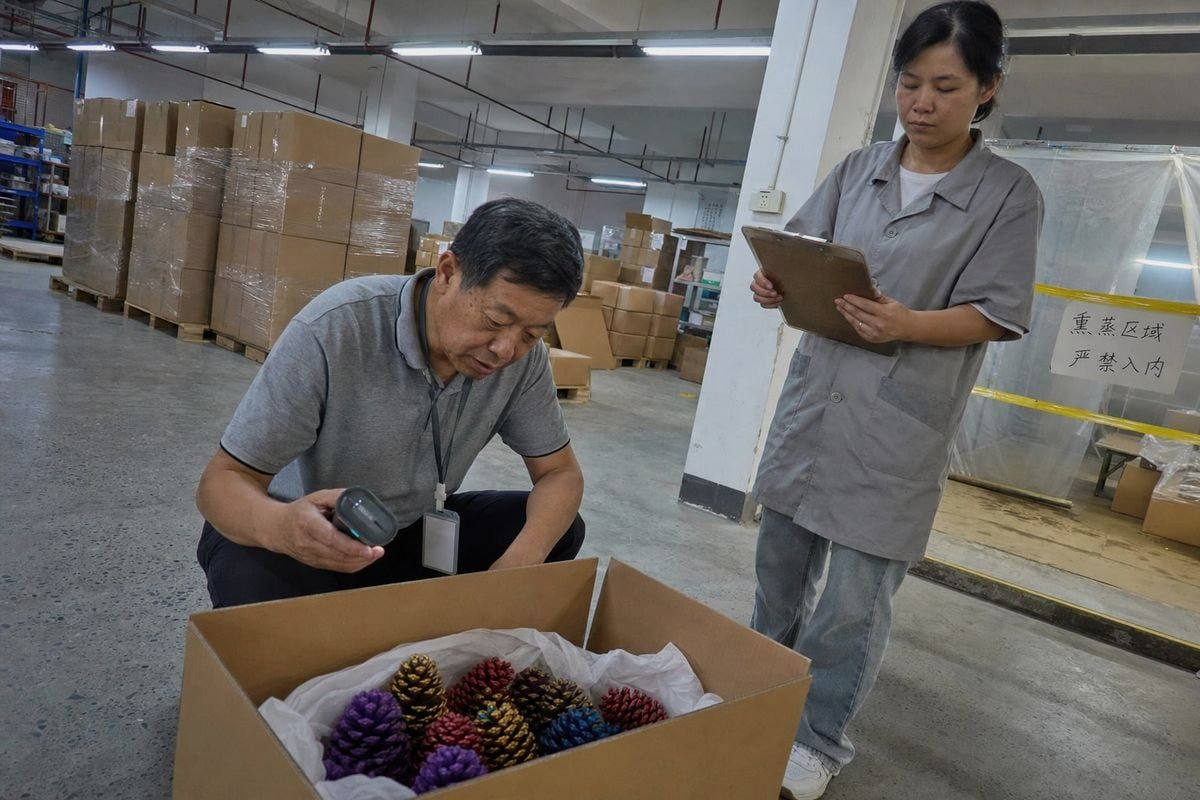
The honest answer is that neither route is fee-free. The difference is where the fees hide. From our export desk in Ningbo, I see both patterns every month, so I can tell you exactly what to look for.
Fees hiding in the direct route
Direct sourcing looks clean at the quote stage. But you become your own project manager. You pay for samples and sample courier fees, which industry comparisons put at $800–$1,500 for repeated rounds. You pay $200–$400 for each third-party inspection, or $2,000–$3,500 if you fly out yourself. If a batch fails, rework and replacement can run $3,000–$10,000 or more. And with natural pine cones, fumigation 3 and phytosanitary certification add $0.50–$2 per kg no matter who you buy from — yet most first quotes exclude it entirely.
Fees hiding in the agent route
Agents charge 3%–10% of order value in most commission models, with some traditional setups reaching 5%–20%. Here is the trap I warn buyers about: some agents hide their margin inside the unit price instead of invoicing it transparently. That makes them look cheaper than they are until your volumes grow and the embedded markup compounds.
| Kostenpunkt | Direct from factory | Via local agent |
|---|---|---|
| Product unit price | Lowest quoted | Same or slightly higher/lower |
| Agent commission | Keine | 3%–10% of order value |
| Inspektion durch Dritte | $200–$400 per visit, your cost | Usually bundled in fee |
| Sample rounds and shipping | $800–$1,500 | Often consolidated |
| Factory audit or travel | $2,000–$3,500 per trip | Covered by agent presence |
| Fumigation / phytosanitary docs | $0.50–$2/kg | $0.50–$2/kg (same, but coordinated) |
| Rework/replacement risk | $3,000–$10,000+ if caught late | Materially lower |
My advice is simple. Ask both sides for a full landed-cost breakdown to your warehouse door. If either party resists itemizing, that resistance is itself a data point.
How do agent commissions and markups affect my per-unit cost on color-flame pinecones?
Our color-flame pinecones carry more processing cost than raw natural cones — sorting, treating, sealing, and retail packaging. That changes the math on agent commissions, because the base value is higher.
On color-flame pinecones, a 5% agent commission on a $20,000 order adds $1,000, or roughly $0.05–$0.10 per unit. That fee is offset if the agent secures 5%–10% lower factory pricing, consolidates freight, or prevents a single rejected batch worth far more.
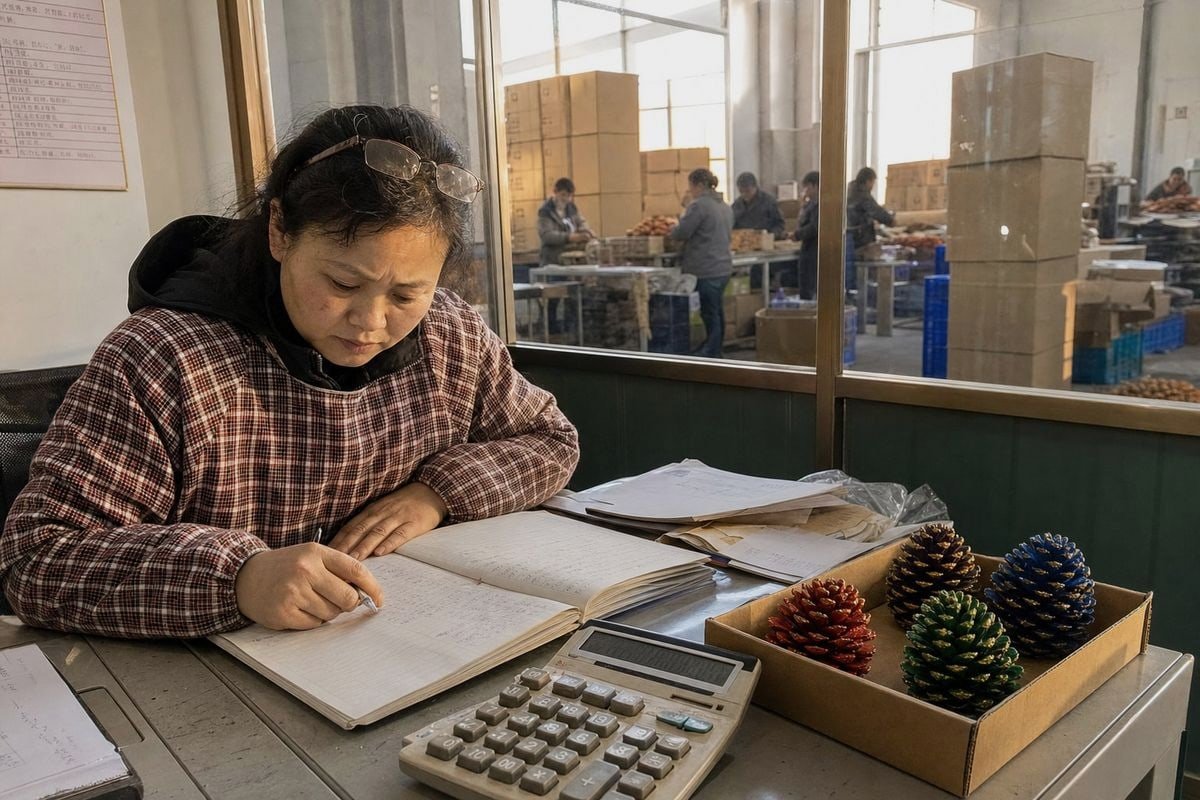
Percentages feel abstract, so let me put real numbers on the table. The math behaves differently at different order sizes, and it behaves differently for processed color-flame products than for raw décor cones.
A worked per-unit example
Say you order 20,000 color-flame pinecones at $1.00 FOB 4 each. A 5% commission adds $1,000, so $0.05 per unit. Sounds trivial. But scale that up. One published comparison shows a buyer spending $200,000 annually through a 5% model paying $10,000 in commission. Another sourcing guide runs the same math at 10% on $100,000 — also $10,000 in fees. Over three or four years of repeat orders, that compounding commission is real money.
When the commission pays for itself
Now flip it. Agent-side sources claim they can negotiate 5%–10% lower net factory prices and cut total angekommene Kosten 5s by 8%–20% in some cases. I treat those claims as provider marketing, not independent benchmarks — but directionally, they match what I observe. Agents who consolidate several buyers' cargo lower freight per unit on bulky products. And pine cones are extremely bulky relative to their value, so carton efficiency and Container-Auslastung 6 can swing your per-unit landed cost more than the commission does.
| Bestellgröße | 5% agent fee | Fee per unit | Break-even condition |
|---|---|---|---|
| $10,000 (small seasonal) | $500 | ~$0.05 | One avoided inspection trip covers it |
| $50,000 (mid-size) | $2,500 | ~$0.05 | 3%–5% freight consolidation savings covers it |
| $200,000 (repeat annual) | $10,000 | ~$0.05 | Hard to justify if specs are stable |
The pattern is clear. Commission is nearly invisible per unit but grows painful in aggregate. The larger and more repeatable your color-flame pinecone orders become, the stronger the case for going direct.
Can I get the same compliance documentation and quality control by working directly with a manufacturer?
Compliance is where I have the strongest opinion. Our factory holds ISO 9001, BSCI, and CE certification, with SGS and Intertek test reports — because our US and EU buyers treat these as hard requirements, not extras.
Yes, but only if the manufacturer is genuinely certified. A real factory with ISO 9001, BSCI, CE, and SGS or Intertek reports can supply the same documentation an agent would collect. The risk in direct sourcing is verifying those documents yourself without local eyes.
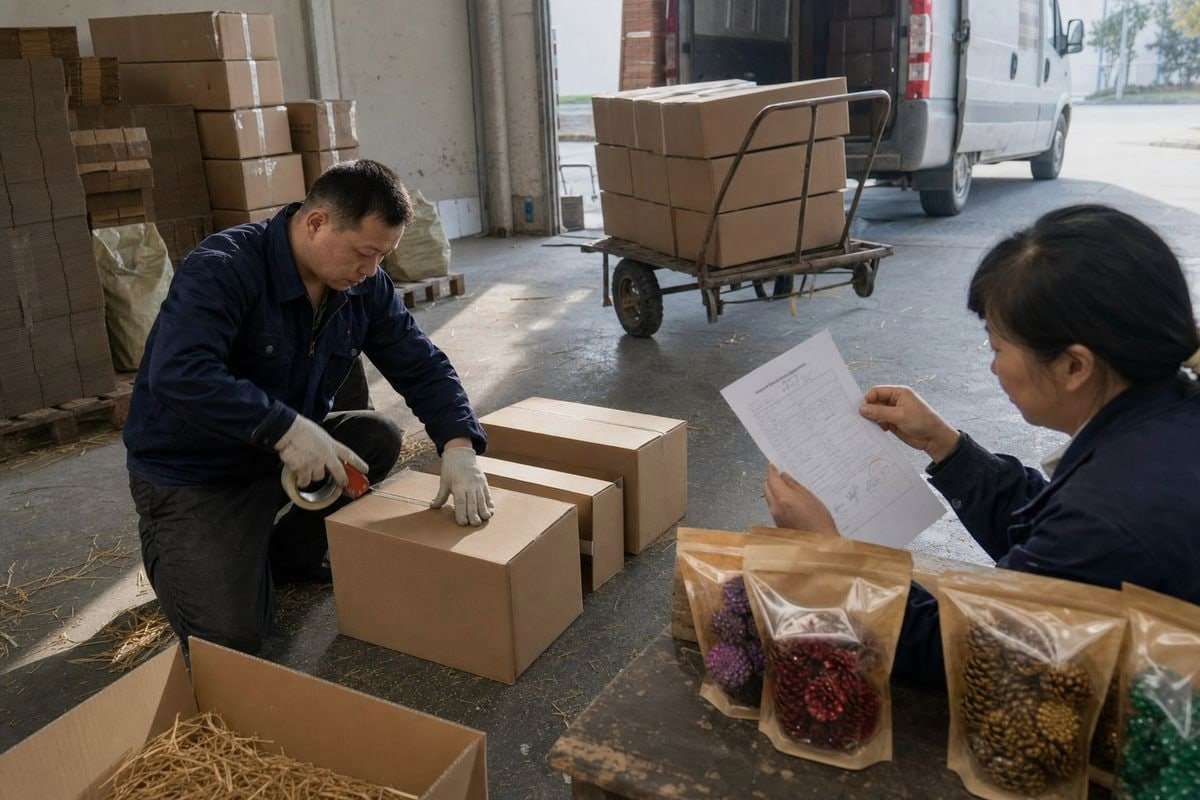
Here is the part most comparison articles miss. An agent does not create compliance. The factory does. An agent only collects, checks, and chases the paperwork. So the real question is not agent versus direct — it is whether the specific factory can produce valid documents at all.
What documentation pine cones actually need
Natural pine cones are botanical material. That means Phytosanitäre Zertifikate 7 and fumigation records for most destination markets. Color-flame pinecones add another layer: flame-colorant safety testing, Warnhinweise, and in the EU, CE-relevant conformity. When we prepare a shipment for Germany or the UK, the document pack is thick, and one missing certificate can hold a container at customs for weeks.
Quality control: the honest comparison
QC on pine cones is deceptively demanding. Natural size and shape variation drives rejection rates of 15%–20% in direct-sourced batches that lack negotiated tolerance clauses. Agents typically write those tolerance clauses into contracts. Working direct, you must write them yourself — or accept whatever arrives.
My view from the production side: batch-to-batch consistency is a factory discipline. We run strict batch QC precisely so the first sample reflects mass production. A Handelsunternehmen or weak workshop cannot fake that, with or without an agent in the middle. So verify these three things before choosing your route:
- Ask for certificate numbers and verify them directly with the issuing body, not just PDF copies.
- Demand a written tolerance clause covering size grading, moisture, debris, and breakage rate.
- Confirm who performs pre-shipment inspection, what the AQL standard 8 is, and who pays if the batch fails.
If a direct manufacturer answers all three confidently, you lose little by skipping the agent. If the answers are vague, the agent's fee is cheap insurance.
Which option gives me better long-term pricing and reliability for repeat bulk orders?
A Canadian distributor we supply started with an agent in year one, then moved direct in year two once specs stabilized. His landed cost dropped, and his lead times actually improved.
For repeat bulk pine cone orders, direct manufacturer relationships win long term: unit costs typically fall 10%–15% after three to four successful orders, and compounding agent commissions disappear. Agents remain valuable for seasonal timing, multi-supplier consolidation, and buyers without QC capability.
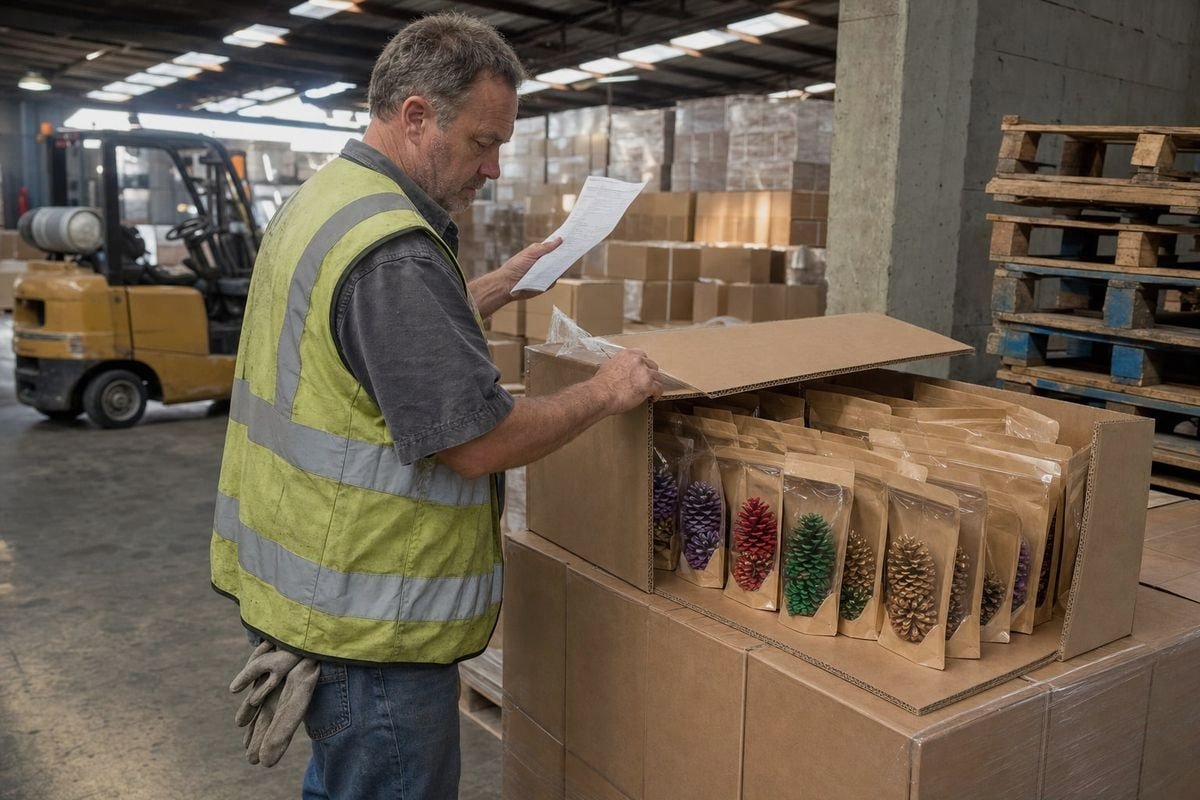
The long-term picture rewards commitment. But the transition has a timeline and a set of conditions, and skipping steps is how buyers get burned.
The pricing curve over time
Building a direct relationship with a Chinese pine cone supplier usually takes 12 to 18 months to match the pricing efficiency a good agent delivers from the first transaction. That is the trade-off in one sentence. The agent front-loads efficiency; the direct relationship back-loads it. After three or four successful orders, direct unit costs commonly drop 10%–15% as the factory trusts your forecasts, plans raw material around your seasons, and stops pricing in first-order risk.
Seasonality and reliability
Pine cones from regions like Yunnan and Sichuan see seasonal price swings of 15%–30% tied to harvest cycles. A local agent with regional relationships can time purchases around those swings. But a committed manufacturer can do something better: lock your pricing and reserve capacity before peak season. In our own planning, buyers who confirm holiday-season pinecone volumes early get priority production slots — buyers who show up in September fight everyone else for capacity.
| Faktor | Agent, long term | Direct, long term |
|---|---|---|
| Unit price trend | Flat, commission compounds | Falls 10%–15% by order 3–4 |
| Seasonal price timing | Agent's regional knowledge | Locked via annual agreements |
| MOQ-Flexibilität | Consolidates small orders (500–1,000 kg MOQs) | Improves as trust builds |
| Lead-time reliability | Depends on agent's leverage | Direct priority for committed buyers |
| Private-label / OEM depth | Limited, relayed through middleman | Full customization at the source |
There is one more long-term factor that rarely appears in cost spreadsheets: product development. Custom burn times, private-label packaging, display boxes, warning labels, and barcodes all move faster when you talk to the production line directly. Every message relayed through an intermediary adds delay and distortion. For a one-off décor purchase, that hardly matters. For a brand building a repeat color-flame pinecone program, it matters a great deal.
Schlussfolgerung
Comparing quotes alone will mislead you — and one bad pinecone shipment can erase a year of savings. Compare total landed cost, then match the route to your order size and experience.
Use a local sourcing agent if you are new to China, ordering small seasonal volumes, or need consolidation and hand-holding on documentation. Go direct if your specifications are stable, your volumes are large and repeatable, and your manufacturer holds verifiable certifications with real batch

 English
  Spanish
  German
  French
  Arabic
  Portuguese
Diskutieren Sie mit