






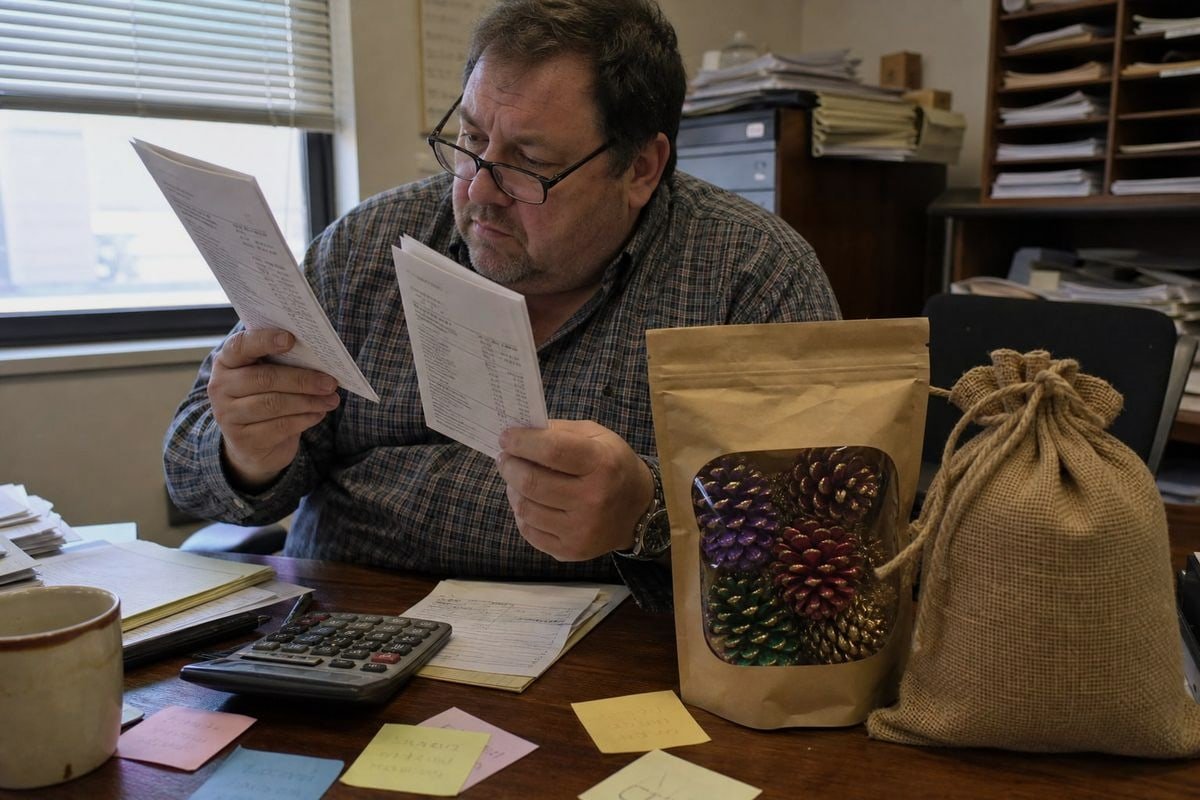
Compradores me perguntam sobre o agente de compras local vs certificados fitossanitários 1. fornecedores chineses diretos diferença de custo constantemente. Em nossa linha de produção de pinhas, vi ambos os caminhos terem sucessoce 2ado — e falhar caramente.
Um agente de sourcing local normalmente adiciona 3%–10% em taxas, enquanto fornecedores chineses diretos cotam preços unitários mais baixos para pinhas. No entanto, uma vez incluídos inspeção, consolidação de frete, risco de defeito e documentação, o custo total entregue muitas vezes favorece agentes para pequenas encomendas iniciais e sourcing direto para grandes encomendas repetidas.
Essa única frase esconde muitas nuances. Pinhas são volumosas, sazonais e sensíveis à qualidade. Portanto, a cotação que você vê primeiro raramente é o custo que você realmente paga. Deixe-me detalhar os números corretamente.
Na última temporada, um importador holandês me mostrou duas cotações lado a lado — a nossa e a de um agente. Ele quase escolheu apenas pelo preço unitário. Eu o impedi e mapeei seus custos reais primeiro.
Espere taxas ocultas em ambas as rotas: os agentes podem incorporar margens de 3%–10% no preço unitário ou faturá-las separadamente, enquanto o fornecimento direto adiciona envio de amostras, inspeções de terceiros a $200–$400 por visita, custos de viagem, taxas de fumigação de $0,50–$2 por kg e risco de retrabalho.
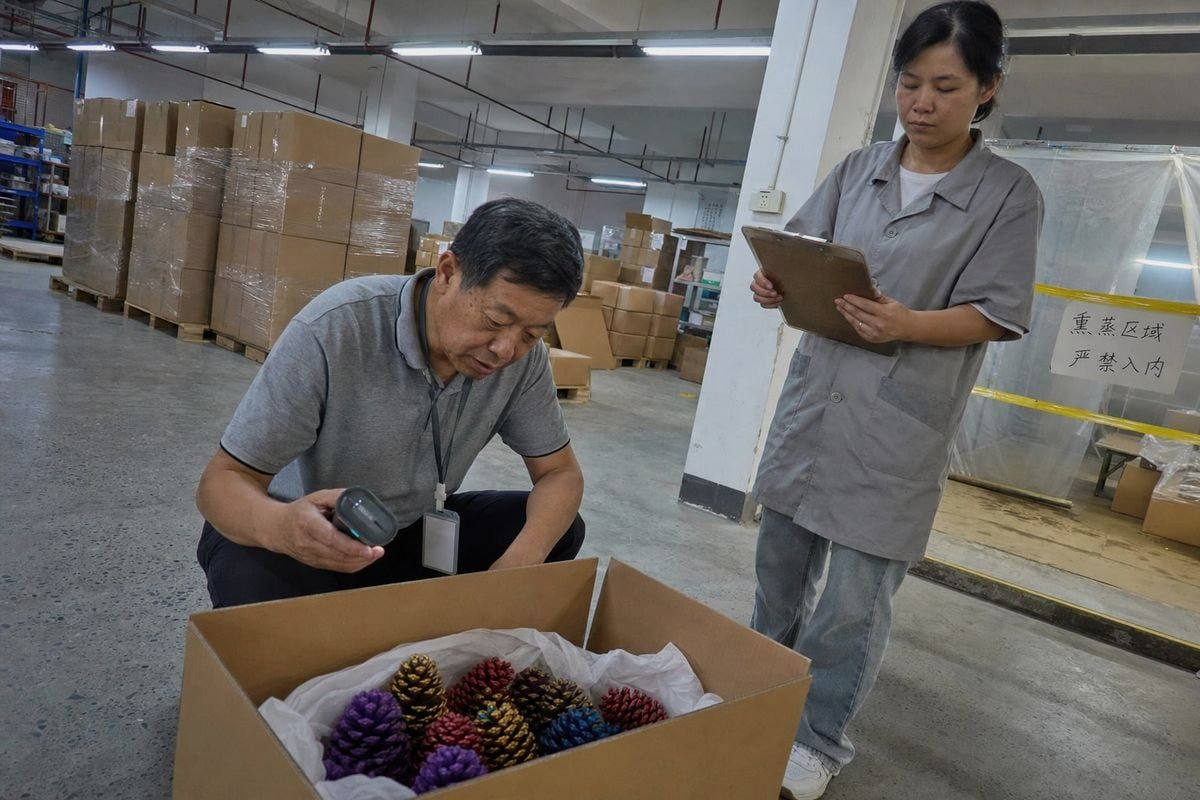
A resposta honesta é que nenhum dos caminhos é isento de taxas. A diferença é onde as taxas se escondem. Do nosso escritório de exportação em Ningbo, vejo ambos os padrões todos os meses, então posso dizer exatamente o que procurar.
Taxas escondidas na rota direta
A compra direta parece limpa na fase de cotação. Mas você se torna seu próprio gerente de projeto. Você paga por amostras e taxas de correio de amostras, que comparações da indústria colocam em R$ 800–R$ 1.500 para rodadas repetidas. Você paga R$ 200–R$ 400 por cada inspeção de terceiros, ou R$ 2.000–R$ 3.500 se você viajar pessoalmente. Se um lote falhar, o retrabalho e a substituição podem custar R$ 3.000–R$ 10.000 ou mais. E com pinhas naturais, fumigação 3 e certificação fitossanitária adicionam R$ 0,50–R$ 2 por kg, não importa de quem você compre — no entanto, a maioria das primeiras cotações exclui isso totalmente.
Taxas escondidas na rota do agente
Agentes cobram 3%–10% do valor do pedido na maioria dos modelos de comissão, com algumas configurações tradicionais chegando a 5%–20%. Aqui está a armadilha sobre a qual eu aviso os compradores: alguns agentes escondem sua margem dentro do preço unitário em vez de faturá-la de forma transparente. Isso os faz parecer mais baratos do que são até que seus volumes aumentem e a margem embutida se componha.
| Item de custo | Direto da fábrica | Via agente local |
|---|---|---|
| Preço unitário do produto | Cotação mais baixa | Igual ou ligeiramente maior/menor |
| Comissão do agente | Nenhum | 3%–10% do valor do pedido |
| Inspeção por terceiros | R$ 200–R$ 400 por visita, seu custo | Geralmente incluído na taxa |
| Rodadas de amostras e envio | R$ 800–R$ 1.500 | Frequentemente consolidado |
| Auditoria de fábrica ou viagem | R$ 2.000–R$ 3.500 por viagem | Coberto pela presença do agente |
| Documentos de fumigação / fitossanitários | R$ 0,50–R$ 2/kg | R$ 0,50–R$ 2/kg (o mesmo, mas coordenado) |
| Risco de retrabalho/substituição | R$ 3.000–R$ 10.000+ se descoberto tarde | Materialmente menor |
Meu conselho é simples. Peça a ambos os lados um detalhamento completo do custo de chegada até a porta do seu armazém. Se alguma das partes resistir a detalhar, essa resistência é em si um ponto de dados.
Como as comissões e margens do agente afetam o meu custo por unidade em pinhas de cor de chama?
Nossas pinhas coloridas de chama carregam mais custo de processamento do que pinhas naturais cruas — triagem, tratamento, selagem e embalagem de varejo. Isso muda a matemática das comissões de agentes, porque o valor base é maior.
Em pinhas de chama colorida, uma comissão de agente 5% sobre um pedido de $20.000 adiciona $1.000, ou aproximadamente $0,05–$0,10 por unidade. Essa taxa é compensada se o agente conseguir 5%–10% de preço de fábrica mais baixo, consolidar o frete ou evitar um único lote rejeitado que vale muito mais.
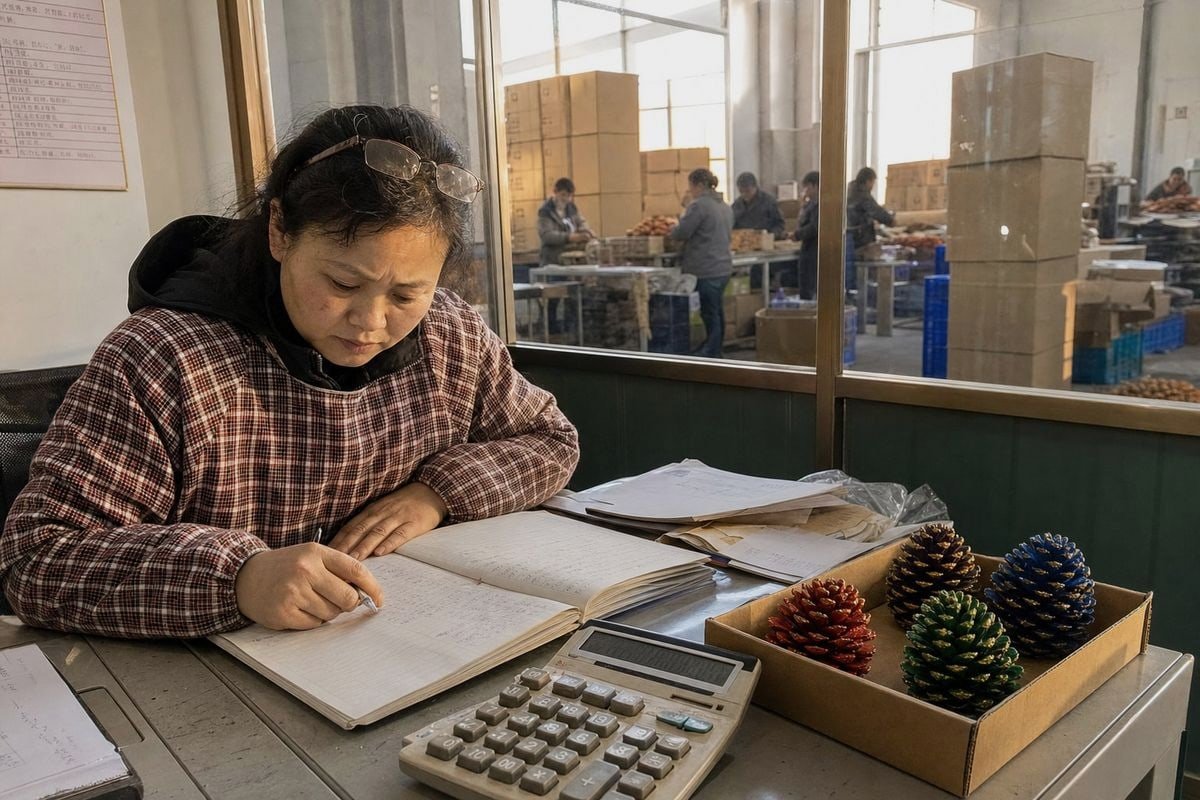
Porcentagens parecem abstratas, então deixe-me colocar números reais na mesa. A matemática se comporta de maneira diferente em diferentes tamanhos de pedido, e se comporta de maneira diferente para produtos processados de chama colorida do que para pinhas decorativas cruas.
Um exemplo trabalhado por unidade
Digamos que você peça 20.000 pinhas coloridas de chama a R$ 1,00 FOB 4 cada. Uma comissão de 5% adiciona R$ 1.000, então R$ 0,05 por unidade. Parece trivial. Mas escale isso. Uma comparação publicada mostra um comprador gastando R$ 200.000 anualmente através de um modelo de 5% pagando R$ 10.000 em comissão. Outro guia de compras faz a mesma matemática a 10% sobre R$ 100.000 — também R$ 10.000 em taxas. Ao longo de três ou quatro anos de pedidos repetidos, essa comissão composta é dinheiro real.
Quando a comissão se paga
Agora inverta. Fontes do lado do agente afirmam que podem negociar preços líquidos de fábrica 5%–10% mais baixos e cortar os custos totais custo de chegada 5em 8%–20% em alguns casos. Trato essas alegações como marketing do provedor, não como benchmarks independentes — mas direcionalmente, elas correspondem ao que observo. Agentes que consolidam a carga de vários compradores reduzem o frete por unidade em produtos volumosos. E pinhas são extremamente volumosas em relação ao seu valor, então a eficiência da caixa e a utilização do contêiner 6 podem influenciar seu custo de chegada por unidade mais do que a comissão.
| Tamanho do pedido | taxa do agente 5% | Taxa por unidade | Condição de ponto de equilíbrio |
|---|---|---|---|
| $10.000 (sazonal pequeno) | $500 | ~$0.05 | Uma viagem de inspeção evitada cobre isso |
| $50.000 (médio) | $2,500 | ~$0.05 | Economias de consolidação de frete de 3%–5% cobrem isso |
| $200.000 (anual repetido) | $10,000 | ~$0.05 | Difícil de justificar se as especificações forem estáveis |
O padrão é claro. A comissão é quase invisível por unidade, mas torna-se dolorosa no agregado. Quanto maiores e mais repetíveis se tornarem seus pedidos de pinhas coloridas, mais forte será o argumento para ir direto.
Posso obter a mesma documentação de conformidade e controle de qualidade trabalhando diretamente com um fabricante?
Conformidade é onde tenho a opinião mais forte. Nossa fábrica possui certificação ISO 9001, BSCI e CE, com relatórios de teste SGS e Intertek — porque nossos compradores dos EUA e da UE tratam isso como requisitos rígidos, não como extras.
Sim, mas apenas se o fabricante for genuinamente certificado. Uma fábrica real com relatórios ISO 9001, BSCI, CE e SGS ou Intertek pode fornecer a mesma documentação que um agente coletaria. O risco no fornecimento direto é verificar esses documentos você mesmo sem olhos locais.
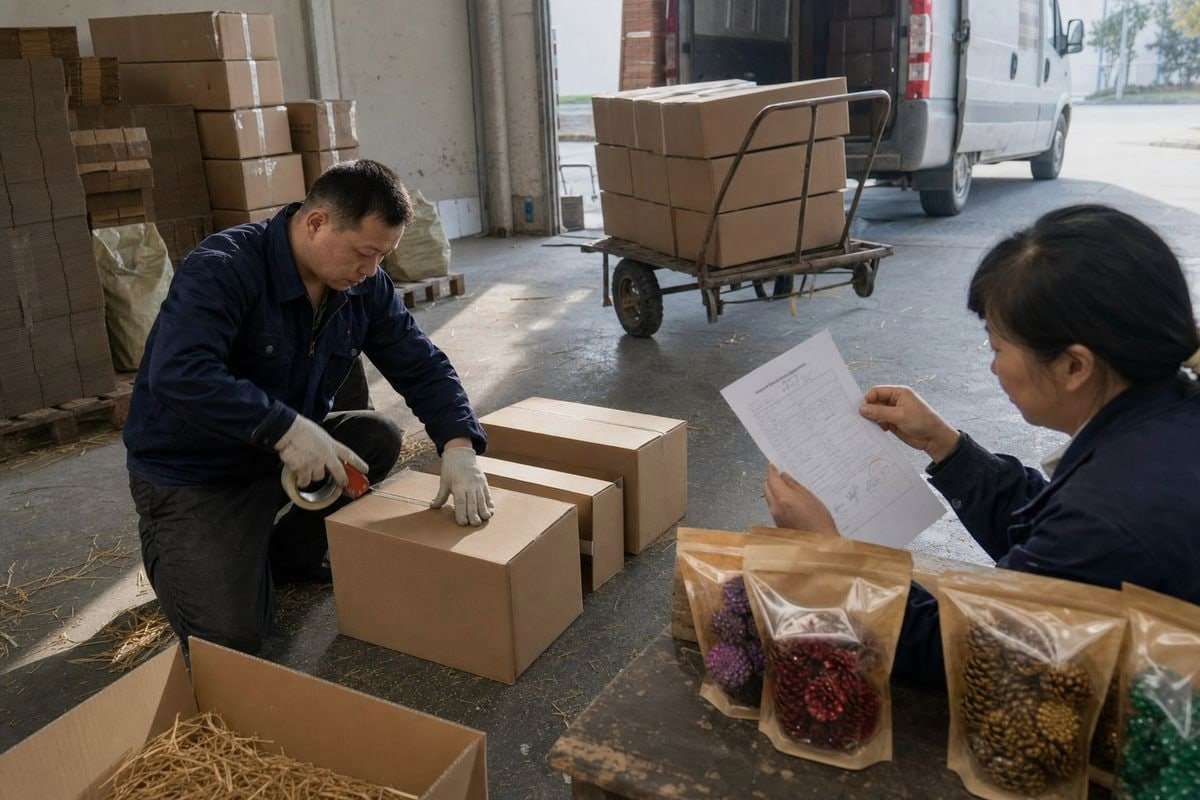
Aqui está a parte que a maioria dos artigos de comparação perde. Um agente não cria conformidade. A fábrica cria. Um agente apenas coleta, verifica e persegue a papelada. Portanto, a verdadeira questão não é agente versus direto — é se a fábrica específica pode produzir documentos válidos.
Que documentação as pinhas realmente precisam
Pinhas naturais são material botânico. Isso significa certificados fitossanitários 7 e registros de fumigação para a maioria dos mercados de destino. Pinhas coloridas adicionam outra camada: testes de segurança de corante, etiquetas de advertência, e na UE, conformidade relevante para CE. Quando preparamos um envio para a Alemanha ou o Reino Unido, o pacote de documentos é espesso, e um certificado ausente pode reter um contêiner na alfândega por semanas.
Controle de qualidade: a comparação honesta
O CQ de pinhas é enganosamente exigente. A variação natural de tamanho e forma gera taxas de rejeição de 15%–20% em lotes de origem direta que carecem de cláusulas de tolerância negociadas. Agentes normalmente escrevem essas cláusulas de tolerância em contratos. Trabalhando diretamente, você deve escrevê-las você mesmo — ou aceitar o que chegar.
Minha visão do lado da produção: a consistência lote a lote é uma disciplina de fábrica. Executamos um CQ de lote rigoroso precisamente para que a primeira amostra reflita a produção em massa. Uma empresa comercial ou oficina fraca não pode falsificar isso, com ou sem um agente no meio. Portanto, verifique estas três coisas antes de escolher seu caminho:
- Peça números de certificado e verifique-os diretamente com o órgão emissor, não apenas cópias em PDF.
- Exija uma cláusula de tolerância escrita cobrindo classificação de tamanho, umidade, detritos e taxa de quebra.
- Confirme quem realiza a inspeção pré-embarque, qual o padrão AQL 8 é, e quem paga se o lote falhar.
Se um fabricante direto responder às três com confiança, você perde pouco ao pular o agente. Se as respostas forem vagas, a taxa do agente é um seguro barato.
Qual opção me dá melhor preço e confiabilidade a longo prazo para pedidos em massa repetidos?
Um distribuidor canadense que fornecemos começou com um agente no primeiro ano, depois passou para o direto no segundo ano, quando as especificações se estabilizaram. Seu custo de chegada caiu e seus prazos de entrega realmente melhoraram.
Para pedidos repetidos de pinhas a granel, as relações diretas com o fabricante vencem a longo prazo: os custos unitários geralmente caem 10%–15% após três a quatro pedidos bem-sucedidos, e as comissões do agente de consolidação desaparecem. Os agentes permanecem valiosos para o timing sazonal, consolidação multi-fornecedor e compradores sem capacidade de QC.
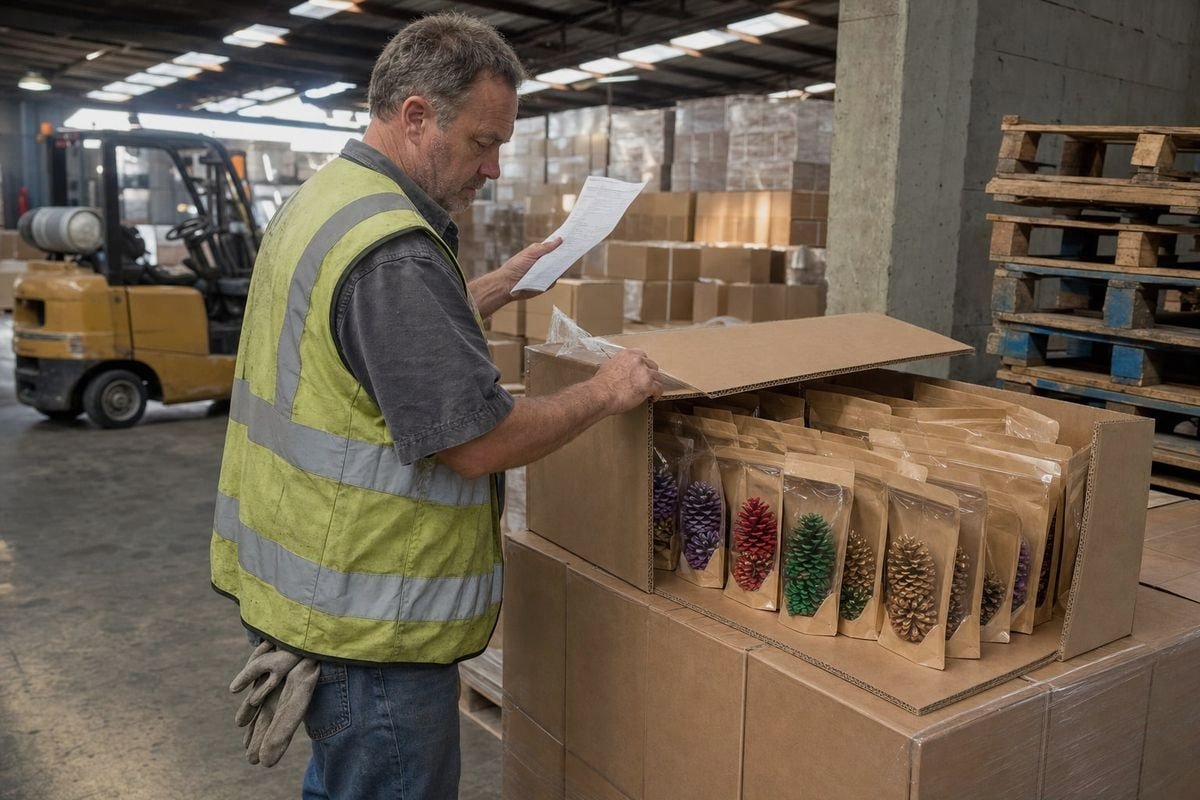
O quadro de longo prazo recompensa o compromisso. Mas a transição tem um cronograma e um conjunto de condições, e pular etapas é como os compradores se queimam.
A curva de preços ao longo do tempo
Construir um relacionamento direto com um fornecedor chinês de pinhas geralmente leva de 12 a 18 meses para igualar a eficiência de preços que um bom agente oferece desde a primeira transação. Essa é a troca em uma frase. O agente antecipa a eficiência; o relacionamento direto a posterga. Após três ou quatro pedidos bem-sucedidos, os custos unitários diretos caem comumente 10%–15% à medida que a fábrica confia em suas previsões, planeja matérias-primas em torno de suas temporadas e para de precificar o risco do primeiro pedido.
Sazonalidade e confiabilidade
Pinhas de regiões como Yunnan e Sichuan veem oscilações sazonais de preços de 15%–30% ligadas aos ciclos de colheita. Um agente local com relacionamentos regionais pode programar compras em torno dessas oscilações. Mas um fabricante comprometido pode fazer algo melhor: travar seus preços e reservar capacidade antes da alta temporada. Em nosso próprio planejamento, compradores que confirmam volumes de pinhas para a temporada de feriados com antecedência obtêm slots de produção prioritários — compradores que aparecem em setembro lutam com todos os outros por capacidade.
| Fator | Agente, longo prazo | Direto, longo prazo |
|---|---|---|
| Tendência de preço unitário | Plano, comissão se acumula | Cai 10%–15% no pedido 3–4 |
| Programação de preços sazonais | Conhecimento regional do agente | Bloqueado via acordos anuais |
| Flexibilidade de MOQ | Consolida pedidos pequenos (MOQs de 500–1.000 kg) | Melhora à medida que a confiança aumenta |
| Confiabilidade do prazo de entrega | Depende do poder de barganha do agente | Prioridade direta para compradores comprometidos |
| Profundidade de marca própria / OEM | Limitado, repassado pelo intermediário | Personalização completa na origem |
Há um fator de longo prazo que raramente aparece em planilhas de custos: desenvolvimento de produto. Tempos de queima personalizados, embalagens de marca própria, caixas de exibição, rótulos de advertência e códigos de barras se movem mais rápido quando você fala diretamente com a linha de produção. Cada mensagem transmitida por um intermediário adiciona atraso e distorção. Para uma compra de decoração única, isso dificilmente importa. Para uma marca que constrói um programa repetido de pinhas com chama colorida, isso importa muito.
Conclusão
Comparar apenas cotações o enganará — e um carregamento ruim de pinhas pode apagar um ano de economia. Compare o custo total entregue e, em seguida, combine a rota com o tamanho e a experiência do seu pedido.
Use um agente de sourcing local se você for novo na China, estiver encomendando pequenos volumes sazonais ou precisar de consolidação e suporte com a documentação. Vá direto se suas especificações forem estáveis, seus volumes forem grandes e repetíveis, e seu fabricante tiver certificações verificáveis com lotes reais
 English
  Spanish
  German
  French
  Arabic
  Portuguese
Participe da conversa