







Choosing between All Risks vs Basic Risks insurance nearly cost one of our buyers his entire Q4 season. After shipping color-flame products from our Ningbo lines for 17 years, we've learned this lesson well.
All Risks insurance covers most physical loss or damage from external causes unless specifically excluded, while Basic Risks covers only named perils like fire, sinking, stranding, and collision. For seasonal ocean shipping, All Risks protects against the common losses — theft, moisture, and handling damage — that Basic Risks ignores.
The label on the policy matters less than what it actually pays for. Let me walk you through the real differences, the real costs, and how to decide for your own peak-season orders.
What exactly does All Risks cover that Basic Risks doesn't for my seasonal shipments?
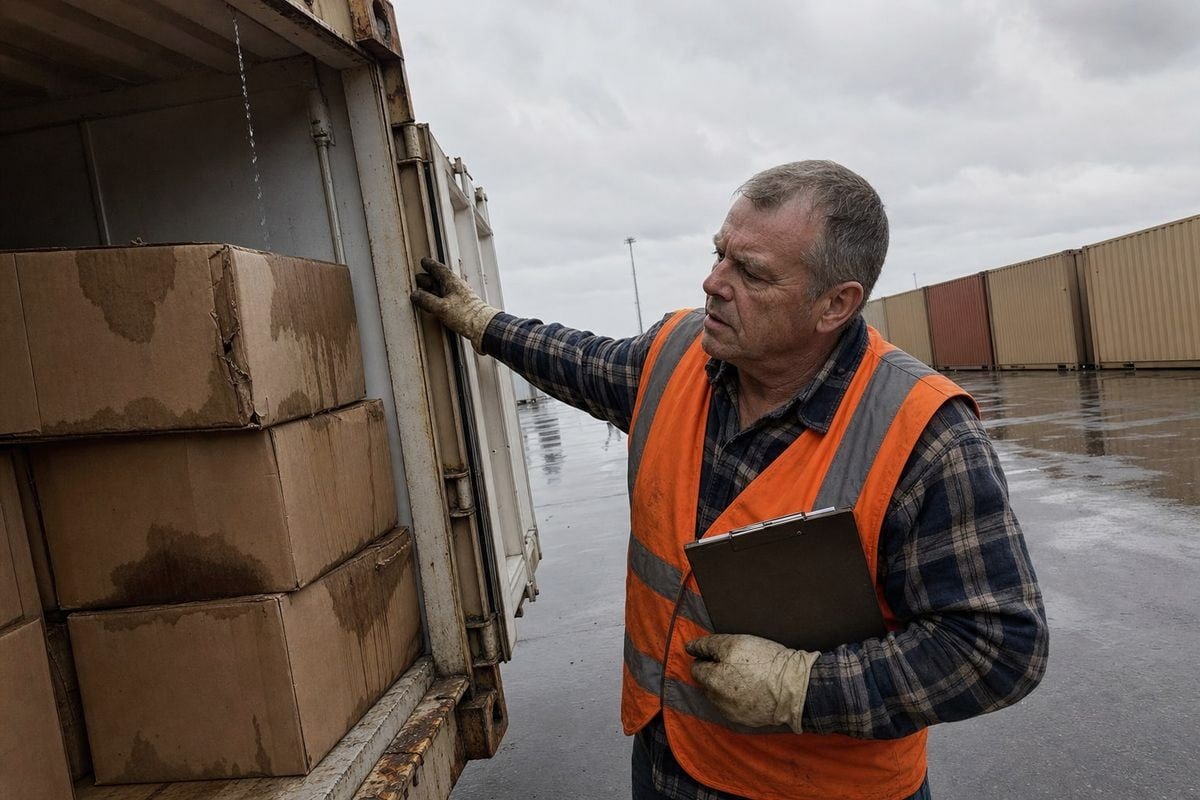
A few years back, a container of our wax-dipped firestarters arrived in Rotterdam with rain-soaked cartons on the top tier. That claim taught us exactly where Basic Risks stops.
All Risks covers theft, pilferage, non-delivery, breakage, denting, rough handling, and freshwater or seawater damage — none of which Basic Risks includes. Basic Risks pays only for catastrophic named perils such as fire, explosion, stranding, sinking, or vessel collision during the voyage.
The two policies come from the Institute Cargo Clauses 1. All Risks follows ICC(A). Basic Risks follows ICC(C). Some insurers use older labels like FPA or WPA, but the logic is the same. One is broad. One is narrow.
Here is the side-by-side view we share with buyers who ask:
| Loss Type | All Risks (ICC A) | Basic Risks (ICC C) |
|---|---|---|
| Fire or explosion | Covered | Covered |
| Vessel sinking or stranding | Covered | Covered |
| Collision or overturning | Covered | Covered |
| Theft and pilferage | Covered | Not covered |
| Breakage and denting | Covered | Not covered |
| Rain or seawater wetting | Covered | Not covered |
| Rough handling damage | Covered | Not covered |
| Non-delivery of packages | Covered | Not covered |
The burden of proof is different too
This part surprises many importers. Under All Risks, you show physical damage from an external cause, and the insurer must prove an exclusion applies to deny you. Under Basic Risks, you must prove your loss fits one of the named perils. That is a much harder job when a carton simply arrives crushed and wet.
All Risks is still not everything
Be careful with the name. All Risks excludes delay, inherent vice, poor packaging, ordinary wear, and war or strikes unless endorsed. We always tell buyers to read the exclusions page, not the marketing label. The wording defines the protection.
Which insurance type should I choose when importing color-flame and wax fire products for peak season?
When buyers place their August orders for our color-flame pinecones and Magic Fire packets, we always raise insurance in the same call as the shipping schedule. The two decisions belong together.
Choose All Risks for seasonal color-flame and wax fire products. These goods are packaged retail inventory with fixed selling windows, so theft, moisture damage, and crushed display packaging — all excluded under Basic Risks — can destroy an entire season's revenue, not just the cargo value.

Think about what actually sits in the container. Our color-flame pinecones ship in kraft pouches and display boxes. Wax firestarters ship in retail-ready cartons with barcodes and warning labels already applied. This is shelf-ready product, not raw material.
Why shelf-ready seasonal goods change the math
Bulk commodities can absorb a little wetting or denting. Retail packaging cannot. A water-stained display box is unsellable at Home Depot-type retailers, even if the product inside still burns perfectly. So the practical loss rate on packaged seasonal goods is higher than the physical damage rate. Basic Risks would not pay for any of that.
There is a fair counterargument. Some buyers tell us Basic Risks is rational for low-value, resilient cargo, and they are right. If you import loose bulk material with thick margins and flexible timing, the premium savings can make sense. But seasonal fire products fail all three tests:
- Value density is moderate to high. A 40-foot container of private-label color-flame products carries real invoice value.
- The packaging is the product. Damaged retail cartons mean rework or write-offs.
- The window is fixed. Q4 fireplace season and summer camping season do not wait for a replacement shipment.
Match the cover to the commodity
| Ladungsart | Suggested Cover | Grund |
|---|---|---|
| Retail-packaged color-flame products | All Risks | Packaging damage and pilferage risk |
| Wax firestarters in display cartons | All Risks | Moisture-sensitive retail packaging |
| Bulk raw wax or timber | Basic Risks may suffice | Resilient, low value density |
| Electronics or branded goods | All Risks | High theft and handling exposure |
One more nuance from our export side: compliant goods with Viele DIY-Artikel verwischen die Grenze zwischen bemalten Dekorationszapfen und farbwechselnden Feuerstartern. In einer kommerziellen Geschenkbox ist diese Mehrdeutigkeit ein echtes Risiko. Ein Empfänger könnte einen rein dekorativen lackierten Zapfen ins Feuer werfen oder einen behandelten Feuerstarter-Zapfen jahrelang im Regal ausstellen. Kennzeichnen Sie daher den Verwendungszweck deutlich. Wir drucken "Feuerstarter – nur einen auf einmal verbrennen" oder "Nur zur Dekoration" direkt auf den Beutel. Einige Bastler argumentieren, dass Feuerstarter-Zapfen überhaupt nicht in Dekorationsgeschenke gemischt werden sollten. Wir widersprechen – aber nur, wenn die Kennzeichnung eindeutig ist. Klare Etiketten lösen den Einwand. 2 and proper DG classification clear ports faster. Faster clearance means less dwell time in congested terminals, which quietly lowers your risk exposure regardless of which policy you buy.
How much more does All Risks coverage cost compared to Basic Risks, and is it worth it for my order size?
Buyers often assume the premium gap is huge. Then we run the numbers together on a real container, and the surprise usually goes the other way.
All Risks typically costs 0.3% to 0.5% of insured cargo value, versus roughly 0.1% to 0.2% for Basic Risks — about two to three times more. On a $50,000 seasonal shipment, that difference is often only $100 to $200 in absolute premium.
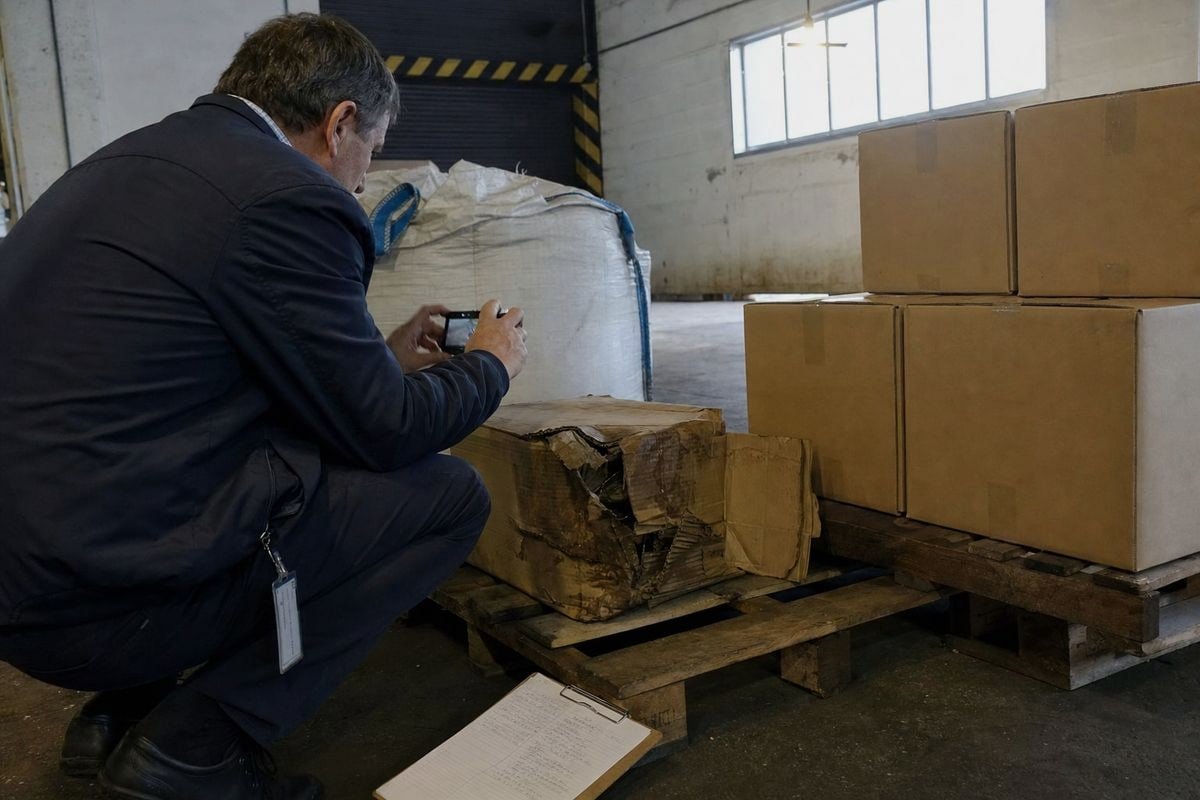
Percentages hide the truth. Absolute dollars reveal it. Let me show you the arithmetic we walk through with importers on trial and repeat orders.
The real premium gap in dollars
| Insured Value | Basic Risks (~0.15%) | All Risks (~0.4%) | Extra Cost | Extra Cost as % of Order |
|---|---|---|---|---|
| $20,000 trial order | $30 | $80 | $50 | 0.25% |
| $50,000 container | $75 | $200 | $125 | 0.25% |
| $150,000 peak-season program | $225 | $600 | $375 | 0.25% |
Now weigh that against the gap in protection. The most frequent ocean cargo claims are wetting, handling damage, and pilferage. All of them fall inside All Risks and outside Basic Risks. So the cheap policy saves you a small, certain premium while leaving you exposed to the most probable losses. That is the penny-wise, pound-foolish trap.
Margin structure decides the answer
Here is the honest framework. If a total loss of your shipment would merely dent your quarter, Basic Risks plus self-insurance can be a calculated bet. If a partial loss would erase your seasonal profit — which is true for most holiday inventory — the extra premium is one of the cheapest hedges available in your entire Lieferkette 3.
Also watch for seasonal loading. Some insurers add surcharges to Basic Risks policies during typhoon and hurricane months. That quietly narrows the price gap right when the risk peaks. Ask your broker for both quotes for your actual sailing dates, not annual averages.
What happens if my shipment is delayed or damaged during high-volume holiday shipping season, and which policy protects me best?
October sailings out of Ningbo look nothing like April sailings. We watch the terminals fill up every year, and we plan our production and booking schedules around exactly that crunch.
During peak season, All Risks protects you best because congestion, rushed loading, extra transshipment, and heavy autumn weather multiply the theft, wetting, and handling losses that Basic Risks excludes. Note that neither policy covers pure delay — insurance pays for physical loss, not missed selling windows.

Peak season does not just add volume. It changes how your cargo is handled at every step. Understanding that chain shows why the coverage question gets sharper from September through December.
How peak season amplifies each risk
- Rushed loading and discharge. Crane operators and stevedores work faster under schedule pressure. Handling damage claims rise.
- Crowded terminals. Containers sit longer in stacked yards. Dwell time increases theft and pilferage exposure.
- More transshipment. Overbooked direct services push cargo onto routings with extra port calls. Every extra lift is extra risk.
- Autumn and winter weather. Taifunsaison 4 in the Pacific and North Atlantic storms mean heavier seas, more container losses, and more Beiträge zur Großen Haverei 5 declarations.
That last point deserves attention. When a vessel declares Beiträge zur Großen Haverei 6 — after heavy weather damage, for example — every cargo owner must contribute to the shared loss before releasing their goods. Proper cargo insurance posts that security for you. Without it, your holiday inventory sits hostage at the port while you arrange a cash deposit.
What about the delay itself?
Be clear-eyed here: no standard cargo policy, All Risks included, pays for a missed selling window caused by delay alone. Delay is a supply chain problem, not an insurance product. Our answer on the factory side is early production slots, realistic lead times, and consistent batch quality so nothing bounces at inspection. For repeat seasonal programs, pairing All Risks with an open cover policy 7 keeps pre-negotiated terms running across every peak-season shipment without renegotiating each booking.
Schlussfolgerung
Skimping on cargo insurance saves pennies and risks your whole season. For seasonal ocean shipping of retail-ready goods, the small step up from Basic Risks to All Risks is usually the smartest money in your landed cost.
The real question was never All Risks vs Basic Risks in the abstract. It was whether you want to insure only shipwrecks, or also the wet cartons, crushed boxes, and pilfered pallets that actually happen every peak season. For color-flame products, wax firestarters, and any holiday inventory with a fixed selling window, All Risks earns its premium many times over. Read the exclusions, get quotes for your actual sailing dates, and work with a factory partner whose compliance paperwork and consistent quality keep your cargo moving instead of sitting in a congested port. That combination — broad cover plus a reliable production partner — is what protects a season.
Fußnoten
1. Explains the ICC(A)/ICC(C) framework underlying All Risks and Basic Risks coverage definitions. ↩︎
2. Background on the inspection and certification bodies referenced for compliant export goods. ↩︎
3. Broad background concept for the logistics and risk-planning context of seasonal shipping. ↩︎
4. Government meteorological reference explaining tropical storm seasons affecting Pacific shipping routes. ↩︎



 English
  Spanish
  German
  French
  Arabic
  Portuguese
Diskutieren Sie mit