






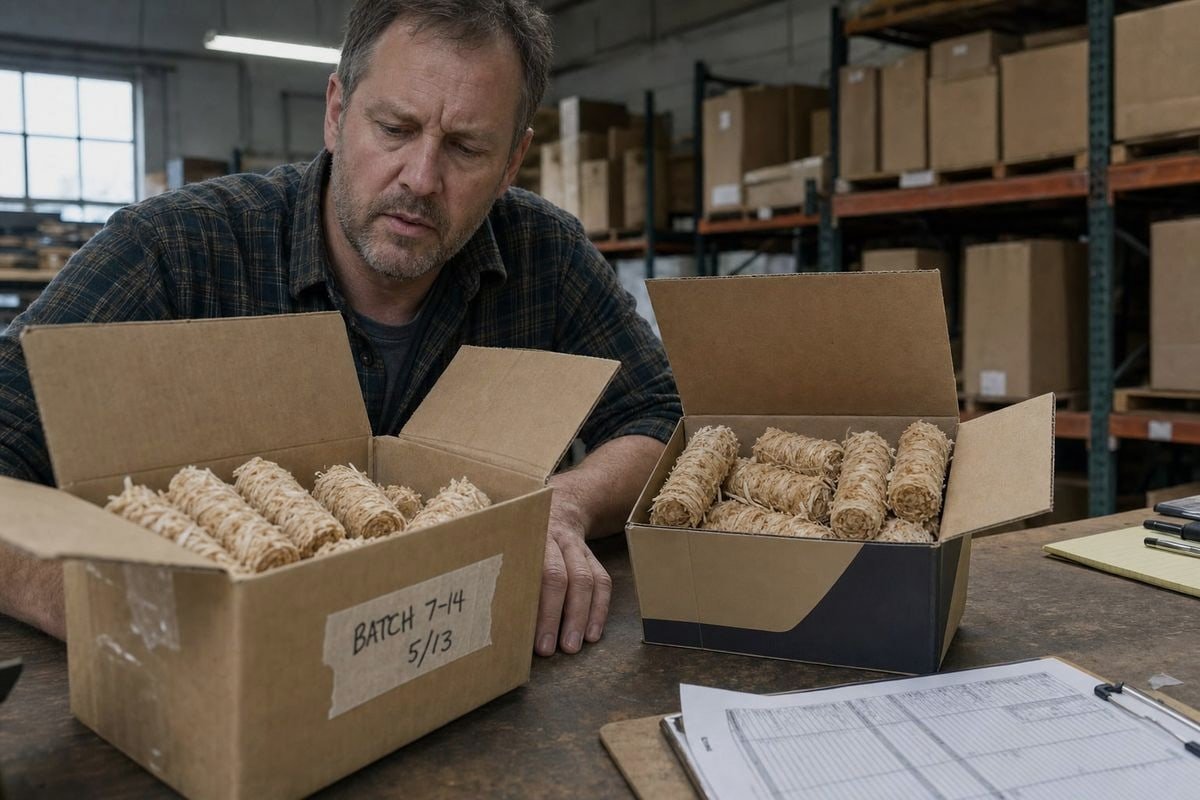
الاختيار بين علامة تجارية خاصة 1 و علامة تجارية راسخة لبادئات إشعال النار الخشبية تبقي العديد من المشترين لدينا مستيقظين في الليل الامتثال الكيميائي REACH 2. اختر الخطأ، وتتبخر هوامش الربح أو الثقة بسرعة.
بادئات إشعال النار الخشبية ذات العلامة التجارية الخاصة تفوز من حيث هامش الربح والتحكم والتمييز، خاصة في أسواق التجزئة الأوروبية الناضجة. العلامات التجارية الراسخة تفوز بالثقة وسرعة البيع، خاصة في الولايات المتحدة. يجب أن يحدد السوق الخاص بك، وجاهزية الامتثال، وأهداف الحجم أي نموذج يناسب عملك.
دعني أشرح هذا بالطريقة التي أفعلها مع المشترين الذين يزورون مصنعنا إثبات المصدر FSC/PEFC 3. سننظر في الشهادات وهوامش الربح والحد الأدنى لكميات الطلب والجودة - الأسئلة الأربعة التي تحدد النتيجة بالفعل.
ما هي الشهادات التي أحتاجها قبل إطلاق علامة تجارية خاصة لبادئات إشعال النار الخشبية في الاتحاد الأوروبي أو الولايات المتحدة؟
طلب مني موزع ألماني ذات مرة شحن عينات قبل أن نناقش الامتثال. رفضت، بأدب. في خبرتنا التي تزيد عن 17 عامًا في تصدير منتجات إشعال النار، تتسبب مشاكل الأوراق في فشل المزيد من عمليات الإطلاق أكثر من مشاكل المنتج.
بالنسبة للاتحاد الأوروبي، تحتاج إلى اختبارات السلامة المتوافقة مع علامة CE، والامتثال الكيميائي للائحة REACH، ووضع العلامات وفقًا للائحة CLP، وبشكل متزايد إثبات المصادر FSC/PEFC. بالنسبة للولايات المتحدة، تحتاج إلى وثائق السلامة المتوافقة مع CPSC، وملصقات تحذير مناسبة بشأن القابلية للاشتعال، وتدقيقات خاصة بتجار التجزئة مثل BSCI. تقارير الاختبار من طرف ثالث من SGS أو Intertek هي التذكرة العملية للدخول.
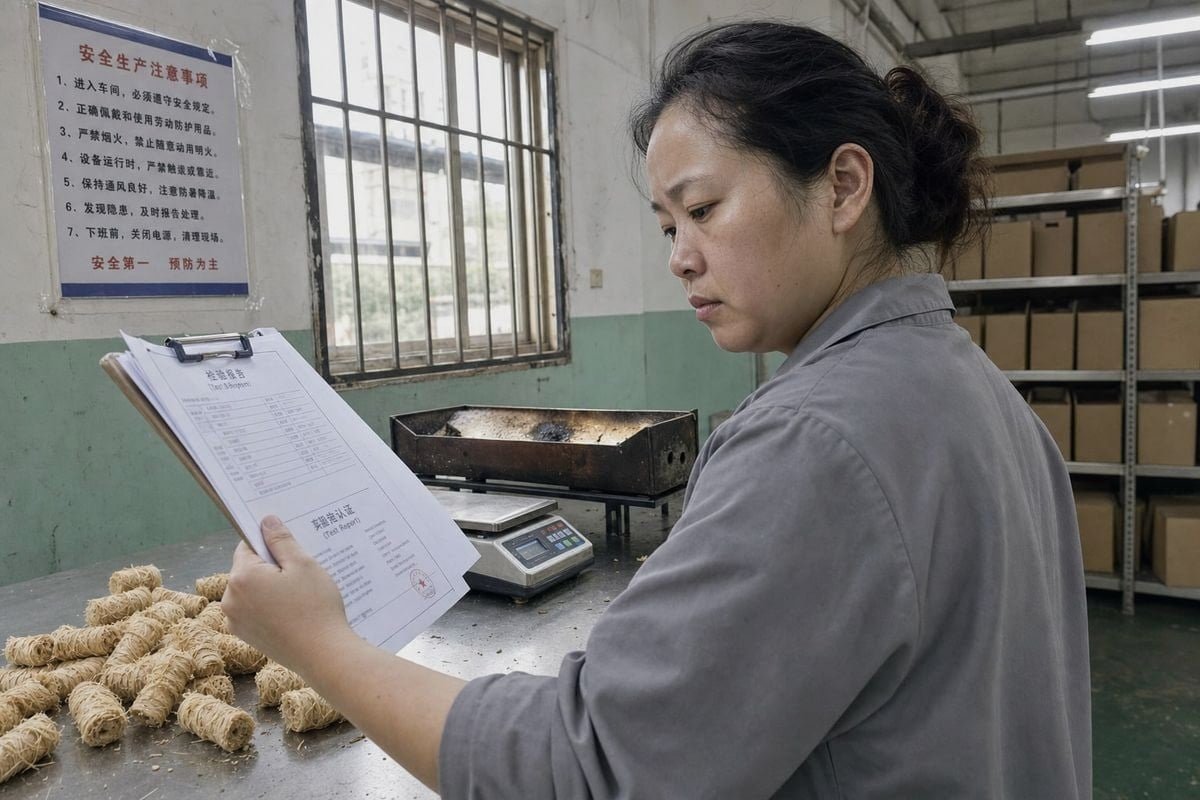
الامتثال هو المكان الذي يشعر فيه مشترو العلامات التجارية الخاصة بأكبر قدر من الألم، لأن العلامة التجارية الراسخة قد استوعبت بالفعل هذه التكاليف. عندما تطلق علامتك التجارية الخاصة، ينتقل العبء إليك وإلى المصنع الخاص بك. هذا ليس سببًا لتجنب العلامة التجارية الخاصة. إنه سبب لاختيار مصنع لديه بالفعل المستندات.
حزمة الامتثال الأساسية
هذا ما نعده لعملائنا من العلامات التجارية الخاصة في الاتحاد الأوروبي والولايات المتحدة. خطوطنا الخاصة تعمل تحت ISO 9001 4 و BSCI، ونحتفظ بتقارير اختبار SGS و Intertek لأن معظم مشترين التجزئة الجادين لن يبدأوا محادثة بدونها.
| المتطلب | سوق الاتحاد الأوروبي | السوق الأمريكي |
|---|---|---|
| اختبار سلامة المنتج | اختبار متوافق مع CE، معايير EN لبادئات إشعال النار | وثائق السلامة المتوافقة مع CPSC 5 |
| الامتثال الكيميائي | قواعد المواد الكيميائية على مستوى الولاية (مثل كاليفورنيا) | المصادر المستدامة |
| FSC/PEFC متوقع بشكل متزايد من قبل سلاسل التجزئة | FSC/PEFC تنمو، مدفوعة بتجار التجزئة الكبار | الامتثال الاجتماعي للمتاجر الكبرى |
| عمليات تدقيق المصنع | BSCI 6 عمليات تدقيق خاصة بالمتاجر (برامج من نوع Home Depot) | تحذيرات متعددة اللغات، رسوم بيانية، رموز شريطية |
| الملصقات | ملصقات تحذير باللغة الإنجليزية، رموز شريطية UPC | اللائحة القادمة |
راقب لائحة تصميم المنتجات المستدامة في الاتحاد الأوروبي و
. ستتطلب هذه اللوائح وثائق قابلة للتتبع حول المواد والمصادر. العلامات التجارية الراسخة لديها فرق امتثال لهذا الغرض. بائعو العلامات التجارية الخاصة عادة لا يفعلون ذلك. الحل بسيط: يجب على المصنع الخاص بك توفير وثائق على مستوى الدفعة، وأوراق التركيب، وسجلات سلسلة الحفظ كسجزء من الخدمة، وليس كإضافة. نقوم ببناء ملصقات التحذير والرموز الشريطية وعلامات الامتثال في جواز سفر المنتج الرقمي 7. مرحلة تصميم التعبئة والتغليف ، لأن تعديلها بعد الطباعة مكلف وبطيء., نقطة أخرى. تكاليف الشهادات ثابتة إلى حد كبير. عند توزيعها على الطلبات الأولى الصغيرة، فإنها تؤثر على اقتصاديات الوحدة. عند توزيعها على عام من الطلبات المتكررة، تصبح تافهة. خطط لميزانية الامتثال الخاصة بك بناءً على الحجم السنوي، وليس على شحنتك الأولى.
تقارير الاختبار من طرف ثالث من مختبرات مثل SGS أو Intertek هي متطلبات الدخول العملية لبيع بادئات إشعال النار ذات العلامة التجارية الخاصة إلى كبار تجار التجزئة في الاتحاد الأوروبي والولايات المتحدة.
كيف تقارن هوامش الربح للعلامات التجارية الخاصة بهوامش الربح لبيع علامة تجارية راسخة في سوقي؟
تبدو حسابات هامش الربح بسيطة على الورق. في الممارسة العملية، تعتمد الإجابة بشكل كبير على منطقتك وسوقك. أوروبا بيئة علامة تجارية خاصة ناضجة. يقبل المتسوقون في ألمانيا والمملكة المتحدة وفرنسا علامات المتاجر التجارية كمنتجات عالية الجودة، وحصة العلامات التجارية الخاصة في تجارة التجزئة الأوروبية أعلى بكثير مما هي عليه في الولايات المتحدة. في الولايات المتحدة، لا يزال المستهلكون ينظرون إلى فجوة جودة أوسع بين العلامات التجارية الوطنية وعلامات المتاجر. هذه الفجوة تعني أن بائعي العلامات التجارية الخاصة في الولايات المتحدة يجب أن ينفقوا المزيد على التعبئة والتغليف والإثبات والمراجعات للتحويل.
تبدأ العلامات التجارية الخاصة لبدء تشغيل حرائق الخشب عادةً بتحقيق هوامش ربح إجمالية أعلى بنسبة 20-30٪ مقارنة بإعادة بيع علامة تجارية راسخة، لأنك تزيل تكاليف حقوق العلامة التجارية وتتحكم في التسعير. تقدم العلامات التجارية الراسخة هوامش أقل ولكنها تحقق مبيعات أسرع، وإنفاق تسويقي أقل، ومخاطر مخزون أقل في القنوات التي تعتمد على الثقة.
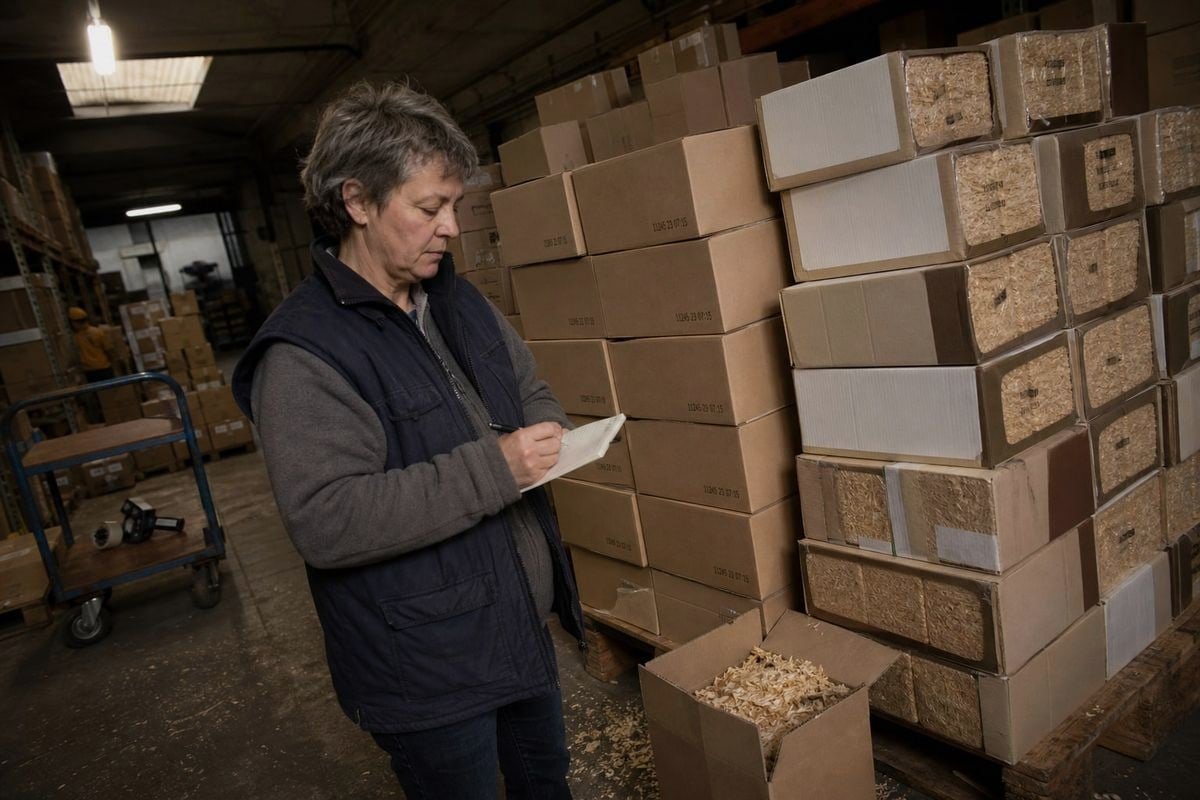
أين يفوز كل نموذج.
علامة تجارية راسخة
| عامل | نحن نعمل مع المستوردين وتجار الجملة وأصحاب العلامات التجارية وتجار التجزئة الكبار وموزعي المنتجات الخارجية وبائعي ملحقات المدافئ ومشترين الهدايا الموسمية الذين يحتاجون إلى جودة ثابتة وتعبئة وتغليف عملي واتصال تصدير موثوق. | هامش الربح الإجمالي |
|---|---|---|
| أعلى - غالبًا ما يكون أفضل بنسبة 20-30٪ | أقل - تحدده سعر الجملة للعلامة التجارية | التحكم في التسعير |
| محدود، غالبًا ما يكون مقيدًا بـ MAP | تحكم كامل | عبء التسويق |
| عليك | تحمل العلامة التجارية معظمها | سرعة البيع |
| أبطأ في البداية | أسرع، الثقة مبنية بالفعل | أسرع، الثقة مبنية بالفعل |
| تحكم الرف/القائمة | لك لتصميمه | العلامة التجارية تملي العرض |
| حقوق الملكية طويلة الأجل | أنت تبني أصلًا | أنت تبني أصل العلامة التجارية |
سؤال القناة
فكر في المكان الذي ستُباع فيه مشعلات النار الخاصة بك بالفعل. السوبر ماركت وسلاسل الأدوات المنزلية ومراكز الحدائق تكافئ العلامات التجارية الخاصة، لأن بائع التجزئة يتحكم في التنسيب ويتسوق المشترون بناءً على القيمة والتعبئة والتغليف. أسواق نمط أمازون وتجار التجزئة المتخصصون في الهواء الطلق يكافئون العلامات التجارية الراسخة، لأن المراجعات والاعتراف يدفعان التحويل هناك. في تجربتنا في الشحن إلى كل من الولايات المتحدة وألمانيا، فإن نفس لفائف الخشب المغطاة بالشمع تؤدي بشكل مختلف جدًا اعتمادًا على الرف الذي توضع عليه. مشعلات النار هي منتج ذو سعر منخفض، ويُعاد شراؤه. هذا الملف الشخصي يفضل اقتصاديات العلامة التجارية الخاصة - بمجرد حدوث الشراء الأول،, ولاء التعبئة والتغليف يتشكل بسرعة. وظيفتك هي البقاء على قيد الحياة بعد الشراء الأول.
ما هو الحد الأدنى لكميات الطلب وفترات الانتظار التي يجب أن أتوقعها عند التحول إلى علامتي التجارية الخاصة لبادئات إشعال النار؟
أخبرني مستورد هولندي مؤخرًا أن مورده السابق عرض حدًا أدنى للطلب يبلغ 40 ألف قطعة لأول عملية إنتاج بعلامة تجارية خاصة. هذا الرقم أخافه لمدة عام. لم يكن ينبغي أن يكون كذلك - هناك حد أدنى مرن للطلب إذا كنت تعرف ما الذي يحركه بالفعل.
توقع حد أدنى للكميات يتراوح تقريبًا بين 5000 و 20000 وحدة لطلب أول لمنتج إشعال النار الخشبي بعلامتك التجارية الخاصة، مع كون التعبئة والتغليف المخصص هو المحرك الرئيسي للحد الأدنى. تتراوح أوقات الإنتاج القياسية بين 30 و 45 يومًا للإنتاج، بالإضافة إلى 25 و 40 يومًا للشحن البحري إلى موانئ الاتحاد الأوروبي أو الولايات المتحدة.
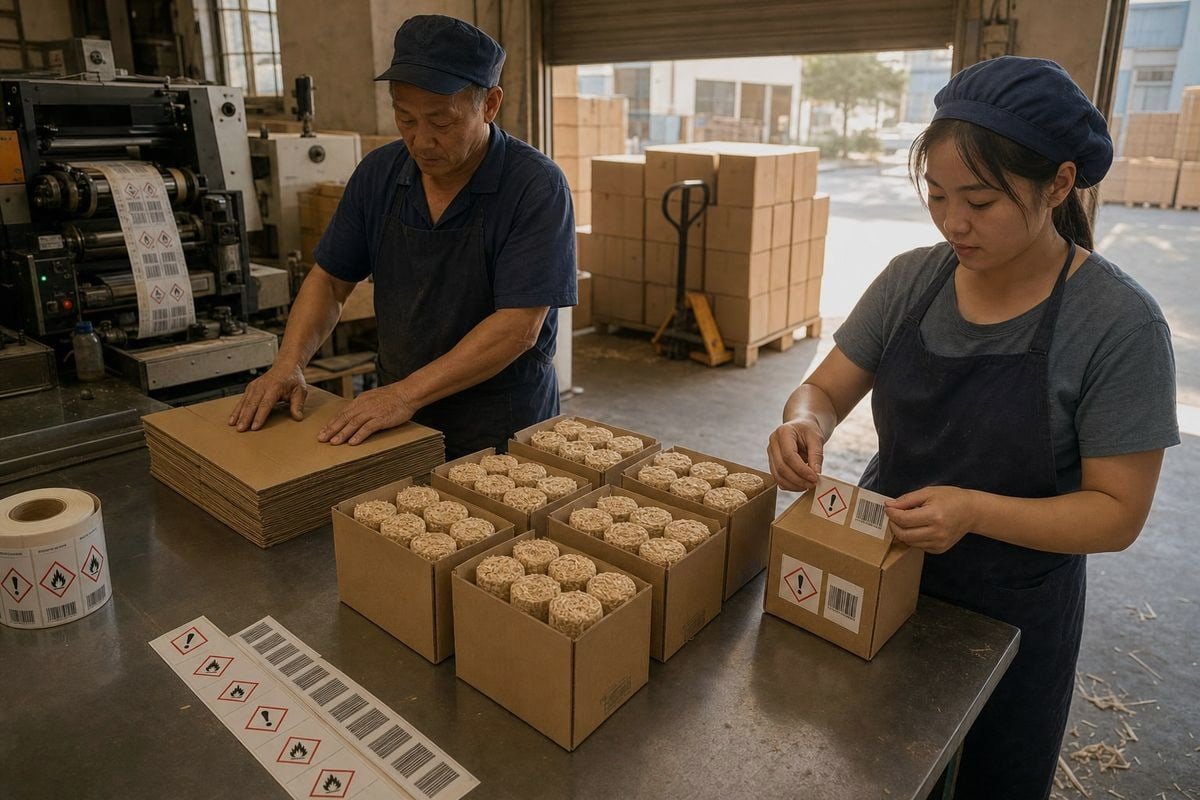
الحد الأدنى للطلب نادرًا ما يتعلق بمشعل النار نفسه. لفائف الخشب المغطاة بالشمع تعمل على خطوط مستمرة، لذا فإن المنتج مرن. القيد هو التعبئة والتغليف. صناديق البيع بالتجزئة المطبوعة، وصناديق العرض، والملصقات المخصصة تحمل كل منها حدًا أدنى للطباعة. هذا هو السبب في أننا غالبًا ما نقترح نهجًا متدرجًا للعلامات التجارية الجديدة: ابدأ بصندوق قياسي وملصق مخصص، ثم انتقل إلى تعبئة وتغليف مخصصة بالكامل بمجرد إثبات البيع.
جدول زمني واقعي لطلبك الأول
- أخذ العينات وتأكيد المواصفات: 7-14 يومًا. نقوم بتعديل الحجم ووقت الاحتراق وتكوين الشمع هنا.
- تصميم التعبئة والتغليف والموافقة عليه: 7-21 يومًا. يجب الانتهاء من ملصقات التحذير والرموز الشريطية ونصوص الامتثال قبل الطباعة.
- الإنتاج الضخم: 30-45 يومًا حسب حجم الطلب والموسم.
- فحص مراقبة الجودة والتحميل: 3-7 أيام. اختبار الدُفعات مقابل العينة المعتمدة.
- الشحن البحري: حوالي 30-40 يومًا إلى الموانئ الأمريكية، 28-38 يومًا إلى شمال أوروبا.
فخ الموسمية
مشعلات النار موسمية بشكل وحشي. يبلغ ذروة الطلب في الاتحاد الأوروبي والولايات المتحدة من سبتمبر إلى يناير. تصل المصانع في قطاعنا إلى طاقتها القصوى في الربع الثالث. إذا كان هدفك هو وضع المنتج على الرف في الخريف، فيجب أن يصل أمر الشراء الخاص بك إلى المصنع بحلول يونيو، وليس أغسطس. لقد شاهدت المشترين يفقدون موسمًا كاملاً بسبب الطلب المتأخر بستة أسابيع. قم ببناء تقويمك بشكل عكسي من تاريخ إعادة تعيين البيع بالتجزئة الخاص بك، وأضف وقتًا احتياطيًا للجمارك، وأغلق فتحات الإنتاج مبكرًا. سيحتفظ المُصنِّع الموثوق به بالقدرة للعملاء المتكررين - سبب آخر يجعل الطلب الأول هو في الواقع اختبار لعلاقة متعددة السنوات، من كلا الجانبين.
هل يمكن لمصنع أن يطابق جودة العلامة التجارية الراسخة لبادئات إشعال النار الخاصة بي ذات العلامة التجارية الخاصة؟
هذه حقيقة من أرض الإنتاج لدينا في نينغبو: العديد من العلامات التجارية الراسخة لمشعلات النار تُصنع في مصانع مثل مصنعنا. العلامة التجارية على الصندوق والأيدي التي صنعت المنتج ليست عادة نفس الشركة.
نعم - يمكن لمصنع معتمد مع مراقبة جودة على مستوى الدُفعات أن يطابق أو يتجاوز جودة العلامة التجارية الراسخة، لأن العديد من بادئات إشعال النار ذات العلامات التجارية يتم تصنيعها بالفعل بموجب عقود. المخاطر الحقيقية هي انحراف المواصفات بين الدُفعات والتوريد من مصانع متعددة، وكلاهما يتم حله بالعمل مع شريك إنتاج واحد تم تدقيقه.
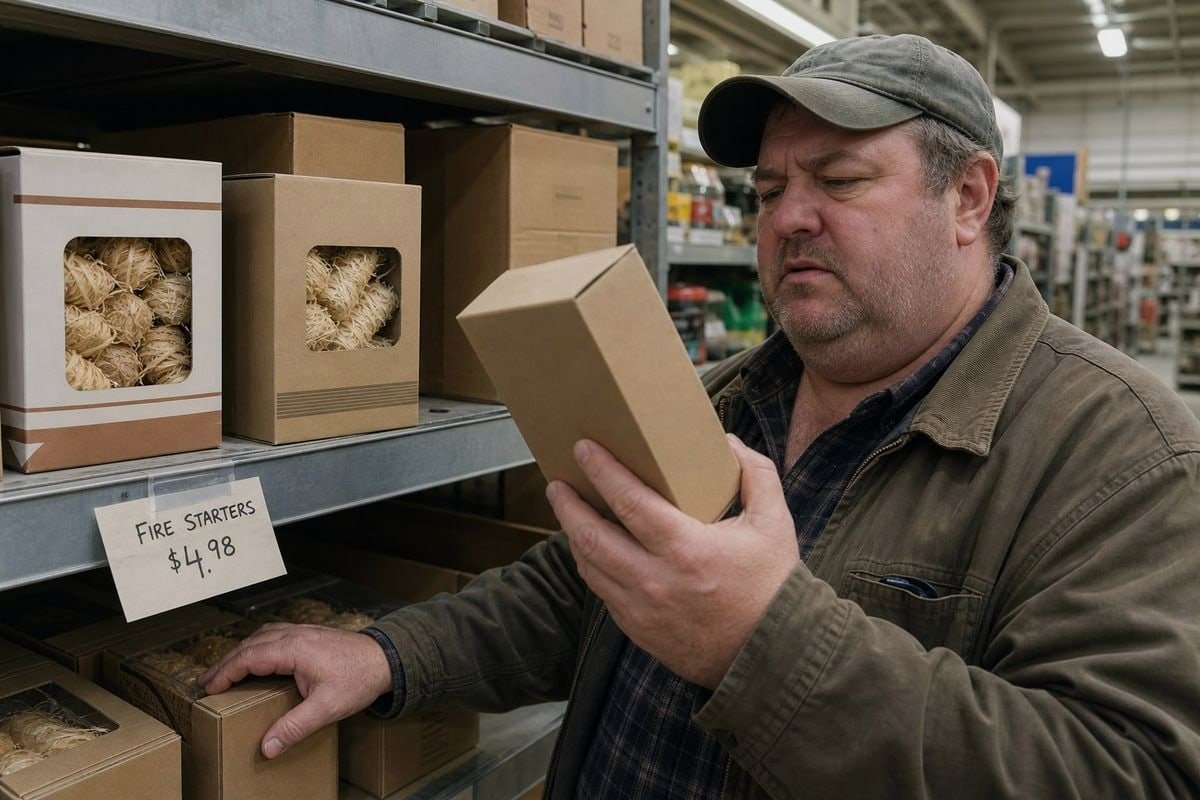
الاهتمام الصادق وراء هذا السؤال هو الاتساق، وليس القدرة. يتم ملاحظة مشعل النار الذي يفشل على الفور - مدفأة باردة، عميل محبط، مراجعة بنجمة واحدة. اكتسبت العلامات التجارية الراسخة الثقة من خلال تقديم نفس أداء الإشعال صندوقًا بعد صندوق. تفشل العلامة التجارية الخاصة عندما يسعى البائع للحصول على أقل عرض سعر عبر منتجين متعاقدين متعددين ويحصل على تباين بين الدُفعات. تنجح عندما يعامل البائع المُصنِّع كشريك جودة طويل الأجل.
ما تعنيه الجودة بالفعل في هذه الفئة
بالنسبة لمشعلات النار المصنوعة من الخشب والشمع، تأتي الجودة في النهاية إلى مواصفات قابلة للقياس. نحن نتحكم في هذه في كل دفعة، لأن العينة الأولى يجب أن تتنبأ بشكل موثوق بالإنتاج الضخم - هذا هو الأساس الكامل للثقة في عمل OEM.
| سمة الجودة | ما يجب تحديده | لماذا هو مهم |
|---|---|---|
| موثوقية الاشتعال | تشتعل بولاعة واحدة، كل وحدة | الوعد الأساسي؛ الفشل مرئي على الفور |
| وقت الاحتراق | على سبيل المثال، 8-10 دقائق كحد أدنى | يحدد ما إذا كان الوقود الخفيف يشتعل |
| نسبة التركيب | نسبة ألياف الخشب إلى الشمع، على سبيل المثال، 50/50 | يتحكم في حجم اللهب ووقت الاحتراق والتكلفة |
| الرائحة والدخان | شمع خالٍ من الروائح، قليل الدخان | حاسم للاستخدام في المدافئ الداخلية |
| مقاومة الرطوبة | سلامة طلاء الشمع | يجب أن يتحمل المنتج التخزين في السقيفة والمرآب |
| التوحيد | تحمل الوزن والحجم لكل وحدة | يشير إلى الجودة الاحترافية على الرف |
أين يمكن للعلامة التجارية الخاصة أن تتفوق على العلامة التجارية
العلامة التجارية الخاصة هي أيضًا مسار الابتكار الخاص بك. اختبار تركيبة صديقة للبيئة - صوف خشب طبيعي، شمع نباتي، تغليف كرافت قابل لإعادة التدوير - يحمل مخاطر سمعة أقل تحت علامة تجارية جديدة مقارنة بعلامة تجارية رئيسية. تكافئ أوروبا على وجه الخصوص التموضع المستدام في هذه الفئة. تركيباتنا الصديقة للبيئة والخالية من المواد الكيميائية موجودة بالضبط لأن المشترين الأوروبيين دفعوا من أجلها. اطلب فحصًا قبل الشحن مقابل عينة ذهبية، وأصر على مراقبة الجودة الموثقة للدُفعات، وضع حدودًا لوقت الاحتراق في عقد الشراء الخاص بك. افعل ذلك، وتختفي فجوة الجودة بين علامتك التجارية والعلامة التجارية الراسخة.
خاتمة
الحصول على هذا القرار بشكل خاطئ يكلفك موسمًا، أو إدراجًا في متجر بيع بالتجزئة، أو ما هو أسوأ - سمعتك. الحل هو مطابقة النموذج لسوقك، وليس التخمين.
بادئات إشعال النار الخشبية ذات العلامة التجارية الخاصة هي الخيار الأقوى في أوروبا، حيث يثق المتسوقون بالعلامات التجارية الخاصة بهم والاستدامة تباع. لا تزال العلامات التجارية الراسخة تحمل وزنًا أكبر في الأسواق الأمريكية حيث تقود المراجعات والاعتراف التحويلات. في كلتا الحالتين، تعتمد نتيجتك على ثلاثة أشياء: وثائق الامتثال المعتمدة, ، جودة متسقة للدُفعات، وشريك تصنيع يعامل طلبك الأول على أنه بداية علاقة طويلة. في مصنعنا، هذا هو بالضبط كيف بنينا 17+ عامًا من الصادرات إلى 30+ دولة - وهو المعيار الذي يجب أن تطالب به من أي شخص يصنع منتجك.
ملاحظات ختامية
1. خلفية ويكيبيديا عن نموذج عمل العلامة التجارية الخاصة المركزي لمقارنة المقال. ↩︎
2. مصدر رسمي للاتحاد الأوروبي يشرح متطلبات REACH المشار إليها لامتثال بادئات إشعال النار. ↩︎
3. FSC هي الهيئة الرسمية وراء شهادة المصادر المستدامة التي تمت مناقشتها لمنتجات الخشب. ↩︎
4. ISO هي سلطة المعايير لشهادة إدارة الجودة التي يعمل المصنع بموجبها. ↩︎
5. CPSC هي السلطة الأمريكية التي تحكم وثائق سلامة المنتج المذكورة في المقال. ↩︎
6. مصدر رسمي لبرنامج تدقيق الامتثال الاجتماعي BSCI المشار إليه لشهادة المصنع. ↩︎



 English
  Spanish
  German
  French
  Arabic
  Portuguese
انضم إلى المحادثة